


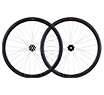
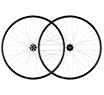
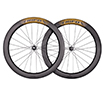
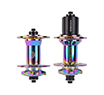
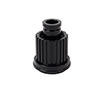
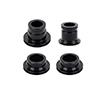
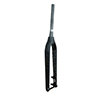
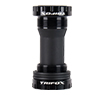





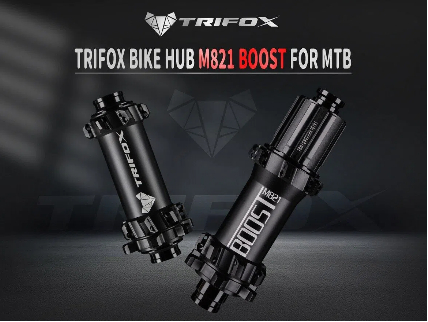
The distinctive click of a coasting mountain bike is the sound of engineering at work—a precise mechanical conversation between your pedaling input and the trail. At the heart of this interaction lies the rear hub's engagement mechanism, a critical component that dictates responsiveness, reliability, and ride feel. For riders looking to upgrade their mountain bike hubs, understanding the differences between ratchet, pawl, and star ratchet systems is key. Let's demystify these mechanisms and see how hubs like the Trifox M821 Boost implement this technology.The Fundamentals: Engagement Points and the Pursuit of Zero LagThe core function of any freehub mechanism is to allow the wheel to spin freely when coasting while instantly transferring power when you pedal. The measure of this instantaneity is called Points of Engagement (POE). A hub with more engagement points has a smaller “dead zone” or free rotation angle before power transfers. For example, a 36-tooth hub engages every 10 degrees, while a 60-tooth hub engages every 6 degrees, offering noticeably quicker pickup. This is the first critical spec to examine in a bicycle wheel hub.The Mechanism Showdown: Pawls vs. Star Ratchet1. The Traditional Pawl SystemThis common design uses small, spring-loaded tabs (pawls) that click outward to engage with a notched ring inside the hub. It can offer very high POE and a classic loud sound, but the small contact area of individual pawls can be a stress point under high torque.2. The Star Ratchet SystemThis system, pioneered by brands like DT Swiss, uses two solid, star-shaped ratchet rings pressed together by a spring. It boasts a massive contact area for incredible durability and is typically much quieter. While traditionally offering lower POE, modern versions have significantly increased engagement points.The Trifox M821 Boost Approach: Precision Pawls, Engineered for StrengthThe Trifox M821 Boost Hub employs a high-performance, multi-pawl system that intelligently balances instant engagement with trail-ready durability. Here's why its design stands out:• High-POE Foundation & Option: The hub comes standard with a 36-tooth ratchet for reliable 10-degree engagement. For riders craving the fastest pickup, an optional 60-tooth upgrade slashes the engagement angle to just 6 degrees.• Durability First: Instead of using fragile components for high POE, Trifox focuses on robustness. The precision-machined ratchet teeth and strong pawl springs ensure the mechanism withstands repeated trail shocks.• Premium Construction: The entire hub is crafted from AL7075 aluminum and machined on a 5-axis CNC for perfect tolerances, creating a stiff, reliable platform. Sealed bearings keep everything running smoothly.Choosing Your Mechanism: A Rider's GuideThe best hub mechanism for you depends on your riding style:• Cross-Country & Trail Riders (Prioritizing Responsiveness): Benefit most from higher POE (54T+). The immediate engagement helps with technical climbs and quick power bursts. A quality multi-pawl system like the Trifox M821 with its 60T option is ideal.• Aggressive Trail & Enduro Riders (Prioritizing Durability): Your priority is a mechanism that survives brutal descents and high torque. A star ratchet system is the gold standard, but a robust, well-made pawl system with a moderate POE (like the 36T standard on the M821) is also an excellent, often more affordable, choice.• Long-Distance & Bikepacking (Prioritizing Reliability & Maintenance): For remote adventures, simplicity and ease of service are key. A star ratchet system is famously easy to service. A simple, proven 2- or 3-pawl system with sealed bearings also offers great reliability.Conclusion: The Heart of the WheelYour bicycle wheel hub is a precision power-transfer device. Whether you choose the lightning-fast click of a high-POE pawl system or the silent force of a star ratchet, understanding the mechanism inside empowers your choice. The Trifox M821 Boost Hub offers a smart balance: the choice between durable 36-tooth engagement and an ultra-responsive 60-tooth option, all housed in a well-made, lightweight package. It proves you don't need to sacrifice strength for speed, making it a versatile and high-value cornerstone for any serious mountain bike wheelset.
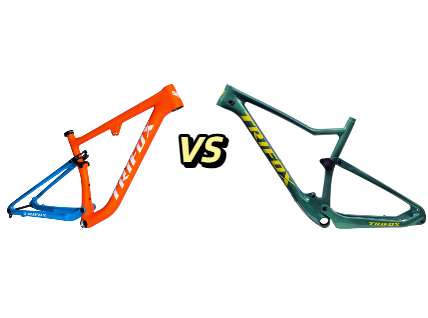
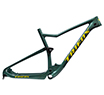
Selecting the perfect full-suspension carbon frame involves balancing multiple technical factors that directly impact your riding experience. Trifox offers two exceptional but distinct options: the Trail II Pro and the MFM100. Both utilize high-modulus carbon fiber and modern engineering, yet differ significantly in their approach to geometry, suspension design, and component compatibility. Understanding these differences will help you choose the frame that best matches your riding style and trail requirements.Geometry & Riding Position: XC Efficiency vs Trail ConfidenceThe MFM100 is engineered for cross-country performance. Its geometry features a steeper head tube angle (around 68–69°) and a shorter reach, creating an upright, efficient pedaling position ideal for climbing and accelerating on undulating terrain. This is a classic XC mountain bike frame philosophy—prioritizing speed and efficiency over sheer stability.Conversely, the Trail II Pro embraces modern trail bike geometry. With a slacker head tube angle (approximately 67–68°) and a longer front center, it positions the rider lower and further between the wheels. This "in-the-bike" stance inspires confidence on steep descents and provides superior stability at high speeds, making it the clear choice for technical, aggressive trail riding.Suspension Design & Installation: A Key DifferentiatorHere lies a major technical distinction. While both frames use a sophisticated four-bar linkage system, their suspension design and shock installation differ to serve their intended purposes.The Trail II Pro typically employs a more traditional shock mount placement, with the shock oriented vertically or at a slight angle between the top tube and the seat stay/chainstay intersection. This layout prioritizes a linear to moderately progressive curve, focusing on pedaling efficiency, mid-stroke support, and quick recovery—perfect for maintaining momentum on climbs and flow trails.The MFM100 often features a low main pivot design with the shock mounted lower in the frame, between the down tube and the front of the swingarm. This configuration, combined with a higher leverage ratio, creates a more progressive suspension curve. It offers greater small-bump sensitivity for traction and ramps up significantly at the end of the travel to handle big impacts without bottoming out harshly. This design favors descending capability and all-mountain performance.Rear Derailleur Hanger: The Critical Link to Your Drivetrain ChoiceThis is a core difference that affects your drivetrain selection and future upgrade path.The Trail II Pro is equipped with a UDH (Universal Derailleur Hanger). This design provides a crucial compatibility advantage. The UDH hanger is a mandatory requirement for installing the SRAM Eagle Transmission groupset—a widely used and beloved wireless electronic shifting system known for its extreme performance, reliability, and simplicity. At the same time, the UDH is fully compatible with all traditional Shimano and SRAM mechanical or electronic derailleurs. Choosing the Trail II Pro means you can freely select any mainstream groupset available today and also have the door open for a future seamless upgrade to the top-tier SRAM Eagle Transmission, ensuring the frame's long-term value and technical foresight.The MFM100 uses a standard, model-specific hanger. This traditional hanger can reliably support Shimano groupsets and all SRAM traditional groupsets except for the SRAM Eagle Transmission. However, it cannot be compatible with the UDH-mandatory SRAM Eagle Transmission. This means that if you wish to upgrade to this popular high-performance wireless groupset in the future, you will be limited. Furthermore, if damaged, you must find a specific replacement that exactly matches this frame model.Weight & Construction PhilosophyAdhering to its XC racing pedigree, the Trail II Pro is the lighterweight carbon frame. Its carbon layup is optimized to shed every possible gram while maintaining precise stiffness for efficient power transfer. It’s designed for riders who count grams and value snappy acceleration.The MFM100, built to endure the rigors of trail and all-mountain abuse, carries a slight weight penalty. This extra mass comes from strategic reinforcement at high-stress points (like the suspension pivots and chainstay yoke) to ensure long-term durability and impact resistance. The weight is a worthwhile trade-off for the resilience it provides.Aesthetic & Color OptionsVisual identity aligns with each frame's purpose. The Trail II Pro often comes in understated, professional color schemes like matte black, charcoal, or navy—reflecting its racing heritage. The MFM100 tends to offer more vibrant, adventurous finishes, such as glossy electric blue, matte olive green, or two-tone combinations, mirroring its trail-ready character.The VerdictYour choice fundamentally depends on your local trails and riding priorities.- Choose the Trifox Trail II Pro if: You live for climbs, value every gram, participate in XC events, or ride trails where pedaling efficiency and quick handling are paramount. Its efficient suspension and lighter weight make it a rocket on climbs and flowing singletrack. The inclusion of the UDH also makes it the only choice if you plan to use or upgrade to the SRAM Eagle Transmission groupset.- Choose the Trifox MFM100 if: Your rides feature challenging descents, technical features, and varied terrain. You value stability, traction, and impact absorption. The progressive suspension and modern geometry make it a robust and confident partner for trail adventures, provided you do not require compatibility with the SRAM Eagle Transmission.Both frames exemplify Trifox's commitment to quality carbon engineering. By carefully weighing their differences in geometry, suspension design, and critical details like the derailleur hanger standard, you can select the carbon foundation that will transform your vision of the perfect mountain bike into reality.```
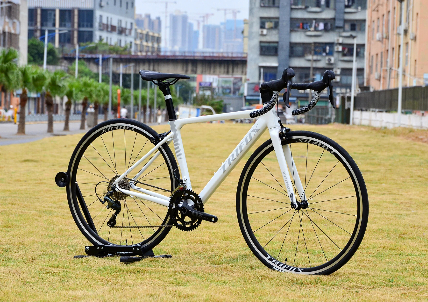
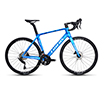
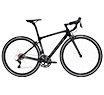
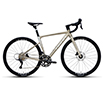
Finding the perfect balance between affordability and performance can be challenging for new road cyclists. The Trifox C-Brake Ultralight Aluminium Frame Road Bike strikes this balance beautifully, offering professional-level features at an accessible price point that's winning over beginners and experienced riders alike.The Perfect Entry Point to Road CyclingFor those starting their cycling journey, this model stands out as one of the best entry level road bike options available. The lightweight aluminum frame provides the responsive ride quality that new cyclists seek, while the proven Shimano Tiagra groupset ensures reliable performance mile after mile. What makes this particular aluminum road bicycle special is its ability to deliver genuine road cycling excitement without the intimidating price tag of professional racing bikes.Designed for Performance and ComfortThe frame geometry strikes an ideal balance between aggressive racing positions and comfortable endurance riding. This makes it an excellent choice as a ladies road bike, with sizing options that accommodate different body types and riding styles. The aero road bike inspired tube shaping not only looks fast but actually improves airflow around the bike, giving you an efficiency advantage whether you're keeping up with group rides or pushing for personal bests.Quality Components That MatterWhile some budget bikes cut corners on components, this alu road bike features a complete Shimano Tiagra 4700 2x10-speed groupset. The precise shifting and reliable braking performance give new riders the confidence to focus on developing their skills rather than fighting with their equipment. The combination of quality components and thoughtful frame design creates a racing bicycle experience that feels far more expensive than its actual price point.Versatility for Different Riding StylesOne of the bike's strongest advantages is its adaptability to various riding disciplines. The responsive nature of the aluminum road bicycle makes it equally suitable for fast club rides, endurance events, or even entry-level racing. The balanced geometry provides stable handling for beginners while still offering the quick reflexes that experienced riders appreciate when pushing the pace.Exceptional Value in Modern Road BikingIn an era where carbon fiber often dominates the spotlight, this bike proves that advanced alu road bike technology continues to offer incredible value. The modern aluminum manufacturing techniques create frames that are both lightweight and durable, perfect for riders who want a low-maintenance bike they can rely on season after season.The Smart Choice for Growing CyclistsFor riders who may eventually progress to more specialized bikes, this model serves as the perfect foundation. The quality construction means it will maintain its value, while the reliable performance ensures it can serve as a dedicated training bike or foul-weather companion down the road. It's not just a beginner bike - it's a smart investment in your cycling future that will continue to deliver enjoyment as your skills and fitness improve.The Trifox Aluminum Road Bike represents everything that's right about modern entry-level cycling. By combining quality materials, proven components, and thoughtful design at an accessible price, it removes barriers to entry while still delivering the authentic road cycling experience that turns newcomers into lifelong enthusiasts.
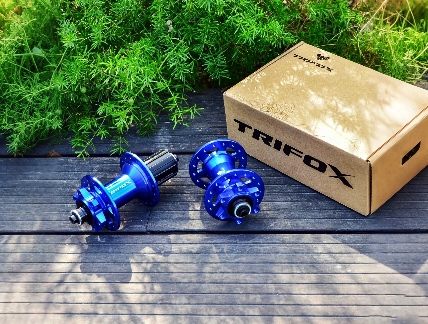
When it comes to mountain bike performance, the hub is one of the most critical yet often overlooked components. While riders frequently focus on upgrading frames or suspension, the humble hub plays a vital role in how your bike accelerates, maintains speed, and handles technical terrain. If you're experiencing any of these five issues, it might be time to consider the Trifox M827 Mountain Bike Hub for your next upgrade.1. Poor Engagement and Power LossModern mountain bike hubs feature high engagement points for instant power transfer. If you're experiencing noticeable delay between pedaling and drive response, or feeling like your power isn't translating immediately to forward motion, your hub's internal mechanism may be worn out. The Trifox M827 hub with its precise 54-tooth engagement system ensures immediate power transfer, making it ideal for technical climbs and sudden acceleration.2. Unusual Noises During RidingWhile some hub noise is normal, new or increasingly loud sounds often indicate problems. Grinding, crunching, or irregular clicking noises suggest that bearings may be contaminated or internal mechanisms are failing. The M827 MTB hub features sealed bearings and precision machining to provide smooth, quiet operation in all riding conditions.3. Visible Play or Wobble in the WheelIf you can feel or see side-to-side movement in your wheel when it's securely mounted, this indicates hub bearing wear. This play affects riding stability and can lead to unsafe handling. The Trifox bike hub is engineered with superior bearing seals and precise tolerances to eliminate play while maintaining smooth rotation.4. Rough Rotation and Increased DragA properly functioning hub should allow the wheel to spin freely with minimal resistance. If your wheel stops spinning quickly or feels rough when rotating, the bearings may be damaged. This friction creates drag that slows you down. The M827 mountain bike hub features low-friction seals and high-quality bearings to maintain smooth spinning and reduce rotational drag.5. Frequent Maintenance RequirementsHigh-quality hubs are designed to require minimal maintenance. If you find yourself constantly adjusting or repairing your current hub, it's likely reaching the end of its service life. The Trifox M827 is built for durability with minimal maintenance requirements, saving you time and frustration while providing reliable performance ride after ride.Why Choose Trifox M827 Hub?The Trifox M827 Mountain Bike Hub represents the perfect balance of performance, reliability, and value. With its 54-tooth rapid engagement mechanism, sealed bearing system, and lightweight construction, it delivers professional-level performance for serious riders. Whether you're tackling technical cross-country trails or aggressive all-mountain routes, this hub provides the instant engagement and reliable performance you need.Compatible with most modern mountain bike standards and available in multiple axle configurations, the M827 makes an excellent upgrade for riders looking to improve their bike's performance without breaking the bank. The hub's durable construction ensures it can handle the demands of aggressive trail riding while maintaining smooth operation.Don't let an aging hub limit your riding potential. Recognizing these five signs early will help you maintain optimal performance and get the most from your mountain bike. Upgrading to the Trifox M827 Mountain Bike Hub is one of the most cost-effective ways to transform your bike's responsiveness and reliability. Experience the difference that quality engineering makes in your next ride.
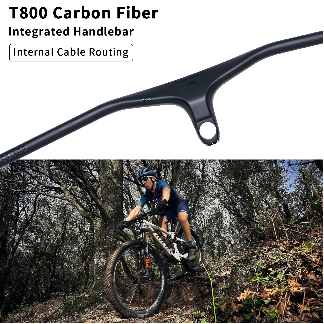
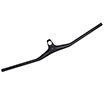
Let's be honest. Are you tired of looking down at your mountain bike bars only to see a tangled nest of shift and brake cables? Not only does it look messy, but those exposed cables can snag on branches, collect grime, and create annoying cable rub on your precious head tube. What if there was a solution? What if you could achieve a sleek, minimalist front end that looks like it belongs on a concept bike? Enter the Trifox RHB600 Ultra-Light Integrated Full Inner Mountain Bike Handlebar. This one-piece carbon fiber handlebar promises the clean look we crave. But is it the real deal? Let's dive in. What Are Integrated Carbon Handlebars? Traditional mountain bike handlebars are a two-piece system: a bar and a separate stem. Cables are typically routed externally, or at best, enter the frame but still loop around the head tube. An integrated handlebar, like the Trifox RHB600, changes everything. It's a single, unified component crafted from carbon fiber, where the bar and stem are one. Its defining feature is full internal routing—channels are molded directly into the structure, allowing brake hoses and shift cables to run completely through the bar and stem, disappearing from view entirely. Are These the Cleanest Mountain Bike Bars? Analyzing the Trifox RHB600 So, does the Trifox RHB600 live up to its promise of a pristine cockpit? The evidence points to a resounding yes. 1. The "Wow" Factor of a Clean Cockpit: The most immediate benefit is the stunning visual upgrade. With all cables seamlessly routed inside the integrated carbon bar, the front of your bike looks fast, modern, and professional. It’s a level of clean that is simply impossible to achieve with traditional components. 2. Aerodynamics (Yes, on a MTB!): While not the primary goal on the trail, reducing cable clutter marginally improves airflow. Every little bit counts when you're chasing speed. 3. Protected Cables: By tucking them away inside the bar, you shield your crucial brake and shift lines from the elements—mud, dust, and moisture—which can contribute to longer component life and more consistent performance. 4. Ultra-Lightweight: Made from high-modulus carbon fiber, the RHB600 is engineered to be exceptionally light. Reducing weight at the cockpit, the most manipulated part of the bike, enhances handling agility and makes the bike feel more responsive. 5.The Installation Consideration: It's important to be upfront. Installing a full inner routing handlebar is more complex than a traditional bar. It requires patience and the right tools, like a hydraulic hose kit for brakes. For many, the unparalleled clean look is well worth the extra effort during the initial build or professional installation. Who Is This Ultimate Clean Cockpit For? The Trifox RHB600 is the perfect upgrade for: The Weight-Weenie: Seeking every gram savings without sacrificing strength. The Aesthetic Perfectionist: Who believes a clean bike is a fast bike and takes pride in a flawless build. The Tech-Savvy Trail Rider: Who appreciates modern engineering and the functional benefits of protected cables. The Upgrader: Looking for a single component that will dramatically transform the look and feel of their modern mountain bike. The Verdict on Cleanliness So, back to our original question: Are These the Cleanest Mountain Bike Bars? If your definition of "clean" is a cockpit completely free of visual cable clutter, then the answer is a definitive yes. The Trifox RHB600 achieves a level of minimalist perfection that sets a new standard. It combines the weight savings and stiffness of carbon fiber with the sleek, professional finish of full internal routing. While it demands a more meticulous installation, the payoff is a breathtakingly clean front end that enhances aesthetics, offers subtle performance benefits, and gives you the pride of owning a bike that looks as high-performance as it rides.
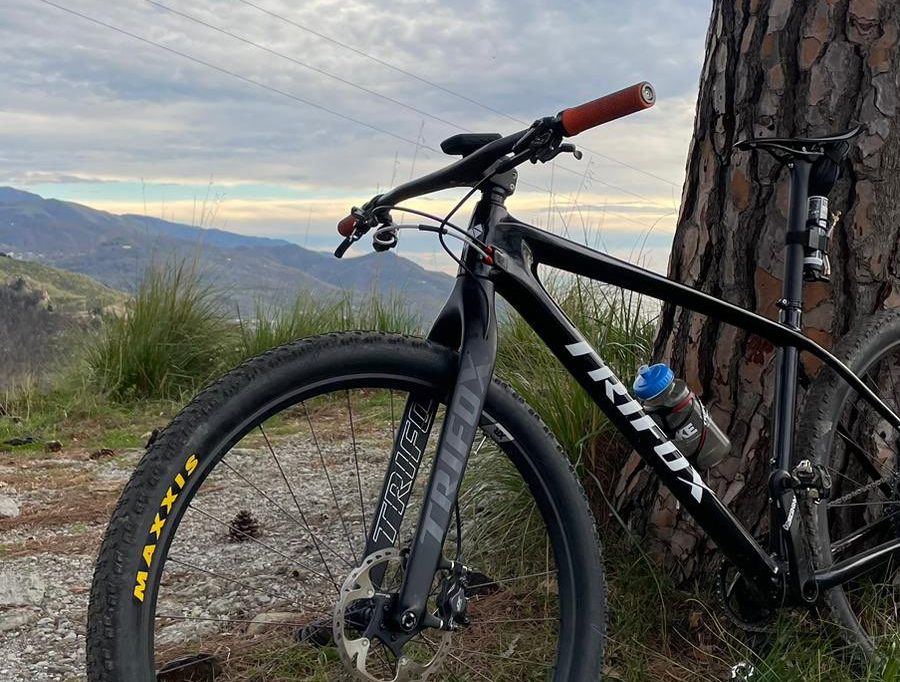
In the world of mountain biking, agility reigns supreme. Whether carving through singletrack or tackling technical descents, responsiveness and control define your ride. The secret to unlocking next-level off-road performance lies in two innovations: an ultralight carbon MTB frame and a Boost fork. Together, they create a synergy that elevates speed, precision, and confidence on any trail. Ultralight Carbon Frame: The Backbone of Speed Carbon fiber's magic lies in its strength-to-weight ratio. Trifox’s SDY20 frame exemplifies this, shedding grams without sacrificing durability. A lighter bike accelerates faster, climbs easier, and flicks through tight turns effortlessly. Carbon’s natural vibration damping also enhances comfort, reducing fatigue on long rides. But the real win is stiffness—optimal torsional rigidity ensures every watt of power translates to forward motion, while compliant seatstays absorb trail chatter for better traction. Boost Fork: Precision Meets Stability The Boost standard (110mm front axle spacing) isn’t just a buzzword—it’s a game-changer. Wider hub spacing increases wheel stiffness, preventing flex during hard cornering or rock strikes. This means sharper steering response and unwavering control in loose terrain. Paired with a lightweight carbon frame, the Boost fork ensures your front wheel tracks true, boosting confidence on steep descents and technical climbs. The Dynamic Duo Combine the SDY20's featherlight frame with a Boost fork, and agility reaches new heights. The frame's nimble character complements the fork’s stability, creating a bike that’s both quick and composed. Tight switchbacks? Effortless. Rocky descents? Unshakable. This pairing reduces rider fatigue, letting you push harder for longer. For riders seeking an edge, Trifox’s SDY20 merges cutting-edge materials and smart engineering. It's not just about weight or stiffness—it’s how these elements harmonize to redefine off-road agility.
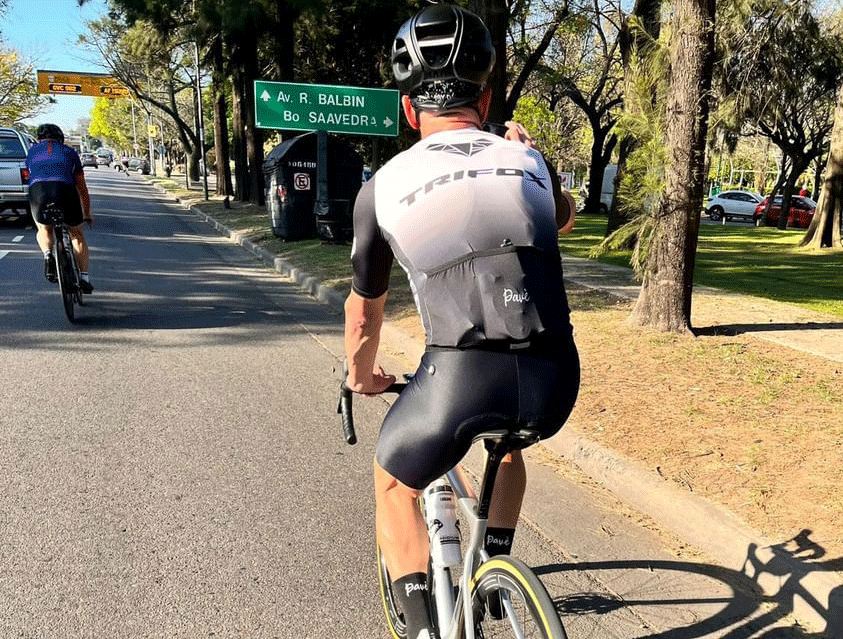
1. Promote cardiopulmonary health. Cycling, like running, is a very typical aerobic exercise. The biggest benefit of aerobic exercise is that it can enhance cardiopulmonary function. And during cycling, we need to breathe evenly to ensure the intake of oxygen. Increase lung capacity. Therefore, cycling is a good form of exercise to promote cardiorespiratory fitness. 2. Reduce the incidence of cardiovascular and cerebrovascular diseases. Cycling for a long time can increase the amount of hemoglobin in the body, improve the body's resistance, resist aging, improve the work efficiency of the cerebral cortex, and reduce the incidence of cardiovascular and cerebrovascular diseases. 3. Lose weight and relieve stress. Losing weight should be an eternal topic that we pursue. Because we sit in the office for a long time, cannot exercise, and face the computer for a long time, our shoulders and necks are sore, making each of us feel exhausted after work. Cycling can effectively alleviate this problem. Regular cycling is not only a good way to lose weight, but also because when riding, we need to look up at the road ahead, so that the cervical spine problems of those of us with bowed heads can also be effectively alleviated. Long-term persistence can not only achieve the effect of weight loss, but also relieve our tense muscles and relieve fatigue. 4. Shape muscles. Cycling can not only lose weight, but also improve and shape muscles, especially the lower body, calves, thighs and buttocks. 5. Relax your mind. Cycling is one of the few sports that allows you to free your mind while engaging in activities. When we are mentally exhausted or depressed, riding a bicycle on a beautiful road can relieve our entire depressed mood. Therefore, regular cycling is beneficial to reducing psychological stress and preventing depression. 6. Prevent high blood pressure. Cycling can prevent high blood pressure. Exercise can speed up blood circulation and reduce blood vessel pressure. It can also prevent hardening of blood vessels and achieve the purpose of lowering blood pressure. 7. Low-carbon and environmentally friendly, cycling can effectively reduce the use of bicycles, reduce exhaust emissions, alleviate air pollution, and at the same time reduce the use of cars, making roads less congested and smoother. 8. Increase oxygen intake. Cycling aerobic exercise can absorb enough oxygen and is an effective exercise to burn accumulated fat. 9. Anti-aging. We can find that cycling is a whole-body exercise. Both hands must hold the handlebars, and the feet must alternately pedal to move forward. The eyes must look ahead and the surrounding environment. Therefore, during the riding process, not only the body is exercised, but also the whole body is exercised. It improves coordination and trains people's reaction speed, so it can prevent aging. 10. Time freedom. As long as we want to ride, we can do it on the way to and from get off work, on weekends, etc., without having to worry about queues at the gym.
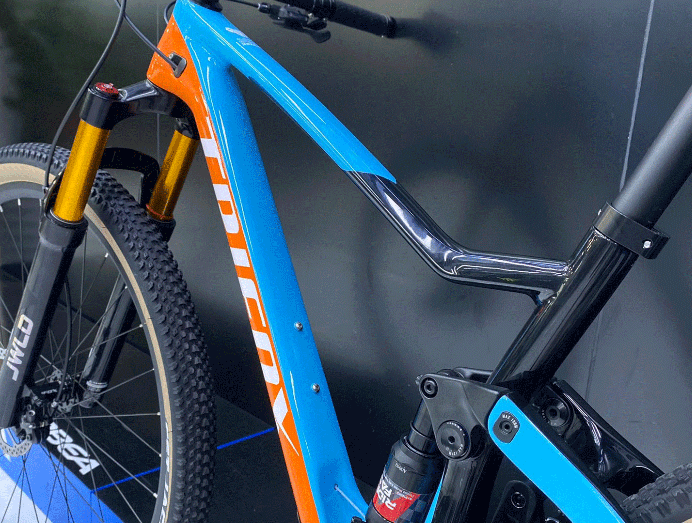
Mountain biking is a thrilling adventure sport that demands high-performance bikes to take on challenging terrain. When it comes to choosing the right mountain bike, there are many factors to consider, such as the frame, suspension, speed, and braking system. Currently, the trend is shifting towards disc brake bikes due to their superior stopping power and durability. One of the best options in the market is Trifox Carbon Fiber Mountain PIONEER Bicycle, equipped with the latest technology, including high-quality disc brakes. Let's see why the Trifox Carbon Fiber Mountain PIONEER Bicycle is the best choice for disc brake mountain bikes. 1. Superior Stopping Power: One of the major advantages of disc brakes is their superior stopping power compared to rim brakes. Disc brakes use calipers to grip a rotor instead of pressing against a rim, which increases the mechanical advantage and stopping power. Trifox Carbon Fiber Mountain PIONEER Bicycle has hydraulic disc brakes from Shimano, a leading brand in the biking industry. These brakes are easy to operate and offer responsive stopping power in all weather conditions. 2. Easy to Control: Disc brakes offer better control and modulation than rim brakes. The rider can apply brakes with greater precision and finesse, enabling them to maintain speed and stability on challenging terrain. In contrast, rim brakes can overheat, warp, or fail in wet conditions. Trifox Carbon Fiber Mountain PIONEER Bicycle's Shimano hydraulic disc brakes provide excellent control, allowing riders to navigate steep descents confidently. 3. Low Maintenance: Disc brakes are low maintenance compared to rim brakes. Rim brakes require frequent adjustment, replacement, and servicing due to wear and tear caused by road debris and weather conditions. Disc brakes, on the other hand, are self-adjusting and require minimal maintenance. They also offer consistent braking performance over a broader range of temperatures and terrain. Trifox Carbon Fiber Mountain PIONEER Bicycle's Shimano hydraulic disc brakes are durable and require little maintenance. 4. Durability: Disc brakes offer exceptional durability compared to rim brakes. Rim brakes can wear down the sidewalls of the rim, leading to rim failure, especially on long descents. Disc brakes, on the other hand, don't wear out the rims, reducing the risk of rim failure. Trifox Carbon Fiber Mountain PIONEER Bicycle's Shimano hydraulic disc brakes are built to last, ensuring that riders can enjoy smooth and responsive stopping power for years to come. 5. Optimal Performance: Disc brakes offer optimal performance on challenging terrain due to their superior stopping power and control. Trifox Carbon Fiber Mountain PIONEER Bicycle is built with a full suspension carbon frame that provides exceptional shock absorption, allowing riders to maintain speed and stability on the most challenging terrains. Along with the Shimano hydraulic disc brakes, the bike's SHIMANO M6100 12speeds and strong shock absorption make the Trifox Carbon Fiber Mountain PIONEER Bicycle the best choice for disc brake mountain bikes in the market. Conclusion: The Trifox Carbon Fiber Mountain PIONEER Bicycle is an exceptional mountain bike that offers superior performance and durability, especially in challenging terrains. Equipped with Shimano hydraulic disc brakes, the bike provides exceptional stopping power, control, and low maintenance. Along with the full suspension carbon frame, Shimano 12speeds, and strong shock absorption, the bike offers optimal performance for mountain bikers of all skill levels. When it comes to choosing the best disc brake mountain bike, the Trifox Carbon Fiber Mountain PIONEER Bicycle is the perfect choice for those seeking adventure and high-performance biking.
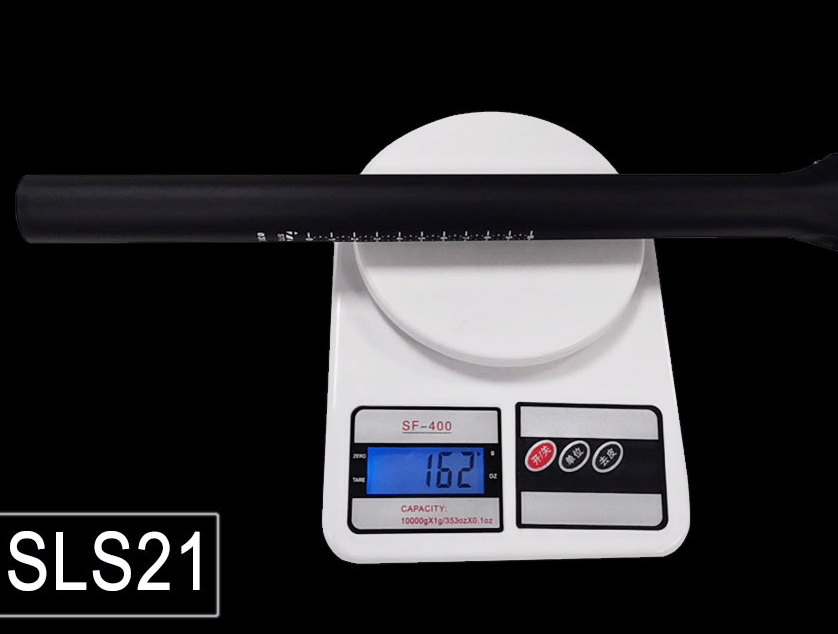
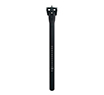
As a cyclist, you're always on the lookout for ways to improve your ride. If you're looking for a way to make your bike even lighter, an ultralight seatpost could be the answer. In this blog post, we'll discuss why an ultralight seatpost is worth investing in and the benefits it can provide for your cycling experience. 1. Weight savings One of the main reasons to choose an ultralight seatpost is weight savings. By swapping out your heavy seatpost for a lighter one, you can shave off a few extra ounces or even grams from your bike's overall weight. While this might not seem like a lot, every little bit counts when it comes to endurance and performance cycling. The Trifox Super Light Straight Carbon Seatpost SLS21 mentioned above is a great option for those looking to reduce their bike's weight. 2. Improved handling Another benefit of an ultralight seatpost is improved handling. Since the seatpost is one of the most important contact points between you and your bike, any improvements made to its weight or stiffness can affect how the bike handles. An ultralight seatpost can help you feel more connected to your bike, providing a more responsive and stable ride. 3. Increased comfort While an ultralight seatpost can improve handling, it can also increase comfort. The use of carbon fiber makes these seatposts more flexible and able to absorb more vibrations than their heavier counterparts. This results in a smoother and more comfortable ride, especially on rough terrain. The Trifox Super Light Straight Carbon Seatpost SLS21 comes with a length of 400mm, which can further enhance rider comfort. 4. Durable and long-lasting Despite being lightweight, top-quality ultralight seatposts like the Trifox Super Light Straight Carbon Seatpost SLS21 mentioned earlier in this blog post are incredibly durable and long-lasting. They can withstand a lot of wear and tear and are highly resistant to damage from impact or vibration. Investing in a high-quality ultralight seatpost can save you money in the long run by reducing the need for frequent replacements or repairs. 5. Aesthetically pleasing Finally, an ultralight seatpost can add a sleek and stylish look to your bike. The matte finish of the Trifox Super Light Straight Carbon Seatpost SLS21, for instance, complements the black color and enhances the overall aesthetics of the bike. It's a small detail that can make a big impact on how your bike looks and feels. Conclusion: Choosing an ultralight seatpost can provide several benefits for your cycling experience, including weight savings, improved handling, increased comfort, durability, and aesthetic appeal. While they might be more expensive than traditional seatposts, the long-term benefits make them a worthwhile investment. So, if you're looking to take your cycling experience to the next level, consider upgrading to an ultralight seatpost today!



