


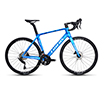
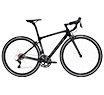
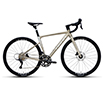
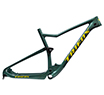
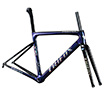
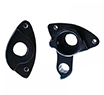
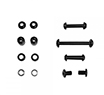
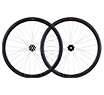
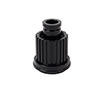
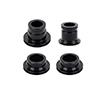
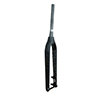
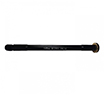
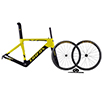
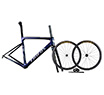
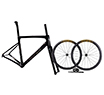
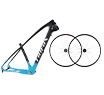
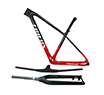
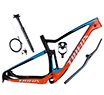
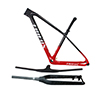
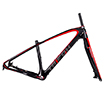





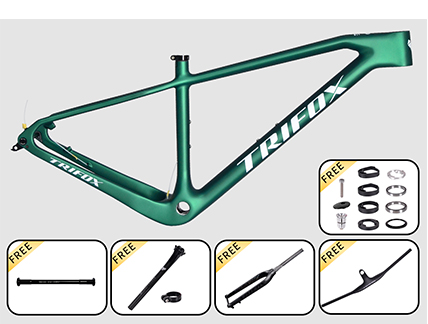
For riders who enjoy XC, light trail riding, and long‑distance mountain biking, a great hardtail needs to strike a balance between weight, stiffness, handling, and reliability. Compared with full‑suspension mountain bikes, hardtails have a simpler structure and more direct power transfer. When paired with a lightweight carbon frame and a Boost‑spec fork, overall bike performance can be taken to the next level. The TRIFOX SDY21 carbon MTB frame and TMK200 carbon rigid fork combination is a purpose‑built package for lightweight hardtail MTB builds. What are the advantages of a carbon Bike Frame MTB? A great Bike Frame MTB is the foundation of overall bike performance. One of the biggest advantages of carbon fibre is its ability to reduce weight while maintaining stiffness and ride comfort through intelligent structural design. For hardtail mountain bikes, a lighter frame helps reduce overall bike weight, lessening the burden during climbing, acceleration, and long rides. At the same time, the direct power transfer of a hardtail frame allows the rider's pedalling force to be converted more efficiently into forward momentum. The TRIFOX SDY21 features a carbon frame construction and is designed for building a modern, lightweight hardtail mountain bike. A Boost fork delivers more stable front‑end performance Beyond the frame, the fork also directly affects mountain bike handling. The TMK200 is a lightweight carbon fork mtb, featuring a carbon structure and Boost compatibility. Compared with traditional standards, the Boost offers better compatibility with modern mountain bike wheelsets and front‑end systems. When paired with suitable wheels, it helps improve overall handling stability and steering response. For riders building an XC or lightweight hardtail MTB, a carbon rigid fork also eliminates the complex internals of a traditional suspension fork, reducing weight and lowering long‑term maintenance needs. Why does a Carbon Frame + Boost Fork make a great combo? The advantage of pairing the SDY21 carbon frame with the TMK200 fork lies in their shared focus on lightweight design and efficient riding. First, the carbon frame reduces the bike's core weight. Second, the TMK200 carbon Boost fork further reduces front‑end weight, giving the bike a lighter, more direct handling feel. For riders who primarily ride XC, trails, and light off‑road terrain, this combination delivers a highly efficient riding experience. Of course, if your regular routes include large drops, continuous rock gardens, or aggressive descents, a traditional suspension fork or full‑suspension mountain bike may be more suitable. TRIFOX SDY21 + TMK200 Bundle This bundle combines a carbon hardtail frame with a lightweight carbon Boost rigid fork, ideal for riders who want to build their own mountain bike. Key advantages include: - Carbon hardtail Bike Frame MTB - Ultra‑light carbon fork - Boost design - Helps reduce overall bike weight - Direct and efficient pedalling feedback - Suitable for XC and light trail riding - Convenient frame and fork bundle purchase For DIY bike builders, the frame and fork combination is a crucial foundation for the overall build. Choosing a compatible bundle upfront also reduces potential hassles during the assembly process. Who is this hardtail combo for? If you are looking to build a lightweight 29er mountain bike and mainly ride XC, trails, or do daily training, the SDY21 and TMK200 combination is worth considering. It is especially suitable for riders who prioritise: - Reducing overall bike weight - Enjoying the direct feel of a hardtail - Frequent climbing and XC riding - Minimising fork maintenance requirements - Building their own wheelset and drivetrain setup Conclusion A carbon frame paired with a Boost carbon fork is an efficient way to build a lightweight hardtail MTB. The TRIFOX SDY21 provides a lightweight carbon Bike Frame MTB foundation, while the TMK200 carbon fork mtb further reduces front‑end weight and delivers direct handling feedback. For riders who value climbing efficiency, quick acceleration, and a clean, simple structure, this frame and fork combination is a solid starting point for building a high‑performance hardtail mountain bike.
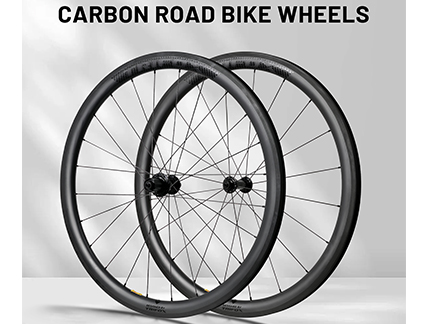
For riders looking to upgrade their road bike, wheels are often one of the components that most noticeably change the riding experience. Many people, when choosing carbon wheels, ask: What is a good weight for a carbon wheelset? In truth, there is no single "perfect weight" that suits every rider. Whether a wheelset is good depends not only on weight but also on rim depth, stiffness, hubs, spokes, and intended use. What weight is appropriate for carbon wheels? Generally speaking, road bike carbon wheelsets can be chosen based on their intended use. Lightweight wheelsets are typically better suited for climbing and frequent acceleration, as lower rotational mass helps improve the bike's responsiveness. Deeper-section aero wheels may add some weight but deliver better aerodynamic performance, making them more suitable for high-speed cruising and flat terrain. Therefore, when choosing wheels, you should not simply chase the lowest possible weight. A wheelset that suits your riding needs is often more important than chasing a number. Is a Rim Brake Carbon Wheelset still worth choosing? Although more and more new road bikes adopt disc brakes, rim brake road bikes still have a large number of users. For riders using traditional caliper brakes, a carbon wheelset 700c rim brake remains an important upgrade for improving overall bike performance. Compared with ordinary aluminium wheelsets, carbon rims offer more room for optimisation in weight, stiffness, and aerodynamic design. At the same time, for riders who already own a rim brake road bike, upgrading to a high-performance carbon wheelset is often more economical than replacing the entire bike. TRIFOX WT18 Carbon Road Wheelset If you are looking for a carbon wheelset for your road bike, check out the TRIFOX WT18 Carbon Road Wheelset. The WT18 is a carbon wheelset designed for road cycling, with a 700C size and compatibility with traditional rim brake systems[reference:0]. The carbon rims help reduce overall bike weight while providing good stiffness, giving riders more direct power feedback during acceleration and pedalling. The WT18 is available in 40mm, 45mm, 50mm, and 60mm rim depths, allowing you to tailor your choice to your riding style and terrain[reference:1][reference:2]. All WT18 wheels share the same high-quality T800 carbon fibre construction, reliable Pillar spokes, and smooth T18 aluminium hubs[reference:3]. For riders looking to upgrade a traditional caliper-brake road bike, this type of wheelset can deliver a noticeable performance improvement. What should you look for when choosing a Carbon Wheelset? Beyond weight, there are several other factors to consider when purchasing wheels. Rim depth: Shallower rims are typically lighter and better for climbing; deeper rims place greater emphasis on aerodynamic performance[reference:4]. Intended use: If you mainly ride climbs and mountain roads, prioritise lightweight options; if you frequently ride high-speed flats, look for aero designs. Compatibility: Check whether the wheelset is compatible with your brake system, cassette规格, and tyre type. Durability: A good carbon wheelset should not only be light but also have reliable construction and stable riding performance. Is a Budget Carbon Wheelset worth buying? Many riders looking for a budget carbon wheelset worry that a lower price means lower performance. In reality, with the development of carbon fibre manufacturing technology, there are now more and more carbon wheelsets on the market offering excellent value for money. When choosing, it is advisable not to compare price alone, but to consider the rim material, manufacturing quality, wheelset weight, hub performance, and after-sales service together. A reasonably priced wheelset with specifications that match your bike is often more practical than blindly buying the lightest or deepest option. How to tell if a wheelset's weight suits you? If you mainly ride mountain roads and frequently need to accelerate, lighter wheels will generally give you a more responsive feel. If you mainly do flat training or high-speed cruising, you can accept a slightly higher weight in exchange for better aerodynamic performance. So a "good wheelset weight" is not a fixed number – it is a balance between weight, stiffness, aerodynamics, and your riding needs. Conclusion So, what is a good weight for a carbon wheelset? The answer depends on your riding style. Lightweight wheelsets are better for climbing and acceleration, while aerodynamically focused wheelsets are better for high-speed cruising. For traditional rim brake road bikes, a suitable carbon wheelset 700c rim brake can still significantly improve overall bike performance. The TRIFOX WT18 carbon road wheelset offers a lightweight upgrade option for rim brake road bike users. With four rim depth options – 40mm, 45mm, 50mm, and 60mm – and T800 carbon construction, it delivers a great balance of weight, stiffness, and aerodynamics[reference:5]. If you are looking for a budget carbon wheelset that combines performance and value, choosing a product that matches your riding needs and bike specifications is the key to getting the most out of carbon wheels.
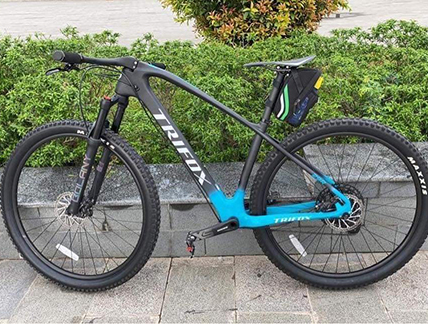
For riders looking to upgrade their mountain bike, a carbon hardtail has always been a popular choice that combines light weight, pedalling efficiency, and off‑road fun. If your main riding includes XC, trail, daily training, or long‑distance off‑road, a high‑performance hardtail delivers more direct power feedback. So, is the TRIFOX M2 the right Carbon Hardtail for you? What is a Carbon Hardtail? The defining feature of a hardtail mountain bike is a suspension fork at the front and no rear suspension. Compared with full‑suspension bikes, hardtails usually have a simpler structure and lighter overall weight. For riders who enjoy climbing and XC riding, a hardtail transfers more pedalling power directly to the rear wheel, improving riding efficiency. This is why many riders, when searching for the best hardtail mountain bikes, pay special attention to frame weight, drivetrain, and wheel size. TRIFOX M2: Built for Speed and Trail The TRIFOX M2 is a hardtail mountain bike built with a carbon fibre frame, designed for MTB enthusiasts who value light weight and efficient riding. A carbon frame strikes a good balance between weight, stiffness, and comfort. Compared with traditional materials, carbon helps reduce overall bike weight while maintaining excellent pedalling response. For XC riding, a lighter bike also means less unnecessary burden when climbing, accelerating, or covering long distances. Shimano 12‑Speed Groupset for Better Riding Efficiency The TRIFOX M2 is equipped with a Shimano 12‑speed groupset, offering a wider range of gear ratios. Whether climbing steep hills or cruising at high speed, the 12‑speed drivetrain helps riders find a more comfortable cadence. For those who frequently do XC training or ride on varied terrain, a smooth and reliable shifting system is essential. Paired with the carbon hardtail frame, the M2 delivers a more direct experience in power transfer and riding efficiency. 29er Bike: Better Rollover and Stability As a modern 29er bike, the TRIFOX M2 is ideal for riders who prioritise high‑speed stability and the ability to handle rough terrain. The 29‑inch wheels roll more easily over gravel, roots, and small obstacles, while providing excellent stability at speed. For long‑distance XC riding, a 29er also helps maintain smoother rolling efficiency. So if your regular routes include trails, mountain terrain, and long training rides, the 29er configuration is well worth considering. Multiple Colours to Personalise Your MTB Beyond performance, the TRIFOX M2 is available in a range of colours. For many riders, a bike is not just sports equipment – it is also an expression of personal style. Different colours can be matched with different wheelsets, handlebars, and other upgrade components, allowing you to build a mountain bike that reflects your own taste. Whether you prefer an understated classic look or a more vibrant, sporty finish, you can choose the colour that suits you best. $869 – Who Is It For? The TRIFOX M2 is priced at $869, with free shipping and tax‑free delivery to Europe and the US. US buyers also benefit from local shipping, reducing waiting time; other regions are shipped directly from China. For riders looking for a carbon hardtail mountain bike with a strong price‑to‑spec ratio, this combination is highly attractive. Is the TRIFOX M2 Right for You? The TRIFOX M2 is worth considering if you: - Enjoy XC and hardtail mountain biking - Want to upgrade to a carbon frame - Need a Shimano 12‑speed drivetrain - Prefer the stability of 29‑inch wheels - Value light weight and pedalling efficiency - Want a choice of multiple colours - Are looking for a high‑value carbon mountain bike For riders who primarily tackle big drops, rocky sections, or aggressive descents, a full‑suspension bike may be more suitable. But if your focus is on speed, climbing, and XC efficiency, a carbon hardtail is an excellent choice. Conclusion So, is the TRIFOX M2 the right Carbon Hardtail for you? If you are looking for a mountain bike that combines a lightweight carbon frame, 29‑inch wheels, a Shimano 12‑speed drivetrain, and XC performance, the TRIFOX M2 is a model worth considering. It brings together the direct and efficient pedalling feel of a hardtail frame, the stable rollover of a 29er bike, and multiple colour options – meeting the needs of daily training, XC riding, and long‑distance off‑road adventures. For riders comparing the best hardtail mountain bikes, the TRIFOX M2 offers a compelling balance of performance, specification, and price.
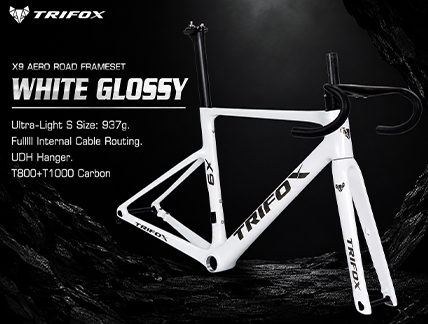
For road cyclists who pursue speed and a distinctive look, a great carbon frame needs to be not only light but also deliver stiffness, aerodynamics, handling, and the right fit. The all‑new TRIFOX X9 Carbon Road Frameset is designed precisely for these demands. Featuring full internal cable routing, a lightweight carbon construction, a UDH hanger, and a variety of colour choices, the X9 strikes an excellent balance between performance and aesthetics. Lightweight Carbon Frameset: Light Weight Meets Speed One of the X9's standout features is its weight. The size S frame weighs only about 937g. For a modern carbon road frame, this weight helps riders reduce overall bike mass – especially beneficial for those prioritising climbing, acceleration, and long‑distance efficiency. Compared with the TRIFOX X11, the X9 further optimises lightweight performance. A lighter frame means less unnecessary burden during acceleration and climbing, while also leaving more room for weight optimisation in other components like wheels and groupsets. Full Internal Cable Routing for a Clean Look The X9 adopts full internal cable routing. Brake and shift cables are hidden inside the frame, giving the front end and the entire bike a cleaner, more streamlined visual appearance. For riders who love the modern Aero road bike aesthetic, full internal routing not only enhances the look but also gives the bike a more premium feel. UDH Design – Ready for Future Upgrades The X9 features a UDH (Universal Derailleur Hanger) design. UDH is one of the key trends in the evolving modern bicycle drivetrain landscape, offering better compatibility and easier maintenance. For riders who plan to keep their frame long‑term and may upgrade their drivetrain in the future, UDH is a highly practical feature. Lighter Than the X11, with More Colour Choices The TRIFOX X11 is already a well‑regarded carbon road frame, and the X9 takes things further in several areas. First, the X9 is lighter. Second, the X9 offers more colour options, allowing riders to personalise their build according to their own taste. For many cyclists, a bike is not just sports equipment – it is also a way to express personal style. That is why the X9 places greater emphasis on visual design alongside performance. Larger Sizes for Taller Riders Frame size is a crucial factor when choosing a road bike. Compared with the X11, the X9's maximum size offers broader coverage, making it suitable for taller riders. For taller users, a small frame can lead to an overly compact riding position, while a properly sized larger frame provides a more natural Reach and Stack configuration. Therefore, the X9 not only suits average‑height riders but also offers a more flexible option for taller cyclists. TRIFOX X9 Carbon Road Frameset If you are looking for a lightweight, modern road frame with a rich colour palette, check out the TRIFOX X9. Key features of the X9 include: - Size S frame weight approx. 937g - High‑performance carbon construction - Full internal cable routing - UDH hanger - Disc brake design - Multiple colour options - Larger maximum size - Lighter than the TRIFOX X11 These features make the X9 a modern road frame that balances speed, aesthetics, and practicality. Why Choose Chinese Carbon Bicycle Frames? In recent years, chinese carbon bicycle frames have gained increasing attention from riders worldwide. With continuous advances in carbon fibre manufacturing, Chinese bicycle brands are offering an ever‑wider range of carbon frame options, with ongoing innovation in lightweight construction, aerodynamics, and modern frame design. The TRIFOX X9 is a representative example of this progress. It is not simply about chasing low weight – it seeks a balance between light weight, stiffness, aerodynamic design, size coverage, and visual appeal. Conclusion The TRIFOX X9 is a lightweight carbon frameset built for modern road cycling. Compared with the X11, it offers a lighter frame weight, more colour choices, and a larger maximum size – meeting the needs of a wider range of riders with different body types and riding styles. The 937g weight (size S), full internal cable routing, and UDH hanger give the X9 the specifications expected of a modern high‑performance road frame. If you are looking for a carbon road frame that combines speed, weight, style, and upgrade potential, the TRIFOX X9 deserves a place on your shortlist.
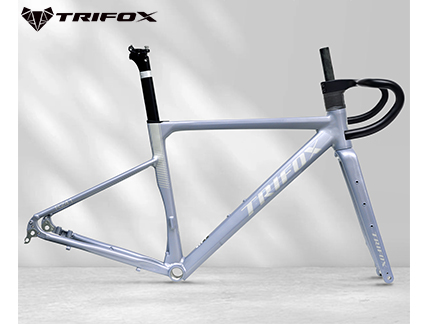
For riders buying a road bike, frame lifespan is often an overlooked issue. Especially with aluminium frames, many ask: How long does an aluminium bike frame last? There is no fixed service life that applies to all aluminium frames. Actual longevity depends on riding frequency, riding environment, frame construction, welding quality, and routine maintenance. Aluminium does not have an “infinite fatigue life” – long‑term cyclic loading can lead to fatigue, so regular inspection is essential. How long does an aluminium road frame typically last? For a road bike used normally and well maintained, a reliable road bike frame alloy can last many years. Some industry sources roughly estimate the lifespan of sports‑bike aluminium frames at several years to over a decade, but this range is only a reference and cannot be used to judge the actual safe life of a specific bike. Instead of just looking at “how many years”, checking the physical condition of the frame is far more important. If the frame is used extensively for high‑intensity training, frequent long‑distance riding, or regularly on rough roads, fatigue may accumulate more quickly. What are the advantages of 6061 aluminium? This aluminum road bike frame from TRIFOX is made from 6061 aluminium. 6061 aluminium offers good strength, workability, and corrosion resistance, making it widely used in bicycle frames. At the same time, this frame uses triple‑butted tube technology, adjusting wall thickness in different areas to balance weight, stiffness, and structural strength. For road riders who want light weight, reliability, and value, aluminium remains a very practical material choice. When should you inspect an aluminium frame? During daily riding, you should check the frame promptly if any of the following occur: - Visible cracks in the frame - Abnormal changes at welded joints - New creaking or unusual noises while riding - The frame has suffered a severe impact - Unusual deformation during riding Pay special attention to the head tube, bottom bracket, chainstays, and welded areas. Fatigue damage in aluminium frames is often related to stress‑concentrated areas and weld zones, so these locations deserve focused inspection. TRIFOX Aluminium Road Bike Frameset If you are looking for a road frame that balances performance and practicality, check out the TRIFOX Disc Brake Aluminum Road Bike Frameset. This frameset is built with a 6061 aluminium triple‑butted frame and disc‑brake compatibility, delivering stable braking performance for daily training, commuting, and long‑distance road riding. Compared with traditional externally routed cables, it features full internal cable routing for a cleaner look and reduced cable exposure. The frameset includes: - Aluminium road frame - Carbon fibre fork - Road handlebar - Seatpost - Disc brake compatible design - Full internal cable routing - 6061 aluminium triple‑butted frame Therefore, it is not only a solid base for a complete build but also a good option for riders upgrading from traditional bikes to a modern road configuration. How to extend the life of your aluminium frame? To make your frame last longer, routine maintenance is very important. First, avoid severe impacts and riding beyond the frame's intended use. Second, clean the frame regularly, especially after wet or muddy rides – wipe it dry promptly. Also, when installing the seatpost, stem, and other components, follow the manufacturer's recommended torque settings to avoid over‑tightening. If you find cracks or structural damage, do not continue riding – have it inspected by a professional. Is an Aluminum Road Bike Frame worth choosing? If your goal is to build a reasonably priced, reliable, and easy‑to‑maintain road bike, aluminium is still a very worthwhile choice. Compared with carbon fibre, aluminium typically offers better value for money; compared with traditional steel frames, it has a weight advantage. This TRIFOX 6061 aluminium frameset further adds a carbon fork, disc brakes, full internal routing, and triple‑butted construction, striking a good balance between practicality, weight, and modern road bike design. Conclusion So, how long does an aluminium bike frame last? The answer is not a simple “5 years” or “10 years”. How long an aluminium frame lasts depends on build quality, riding intensity, riding environment, and maintenance. 6061 aluminium is not immune to fatigue, so instead of focusing solely on the frame's age, it is better to develop a habit of regular inspection. For riders who want high value and modern features, the TRIFOX aluminium road bike frameset – with its 6061 aluminium, triple‑butted tubes, disc brakes, full internal routing, and carbon fork, handlebar, and seatpost – is a practical choice for building a dependable road bike.
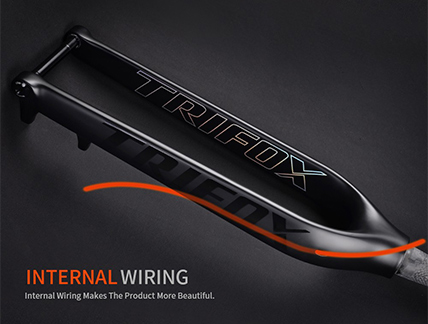
For mountain bike riders, the fork is a critical component that affects the riding experience. Many people struggle with a question when upgrading their bike: rigid fork or suspension fork – which is better? In reality, there is no absolute winner; it depends on your riding terrain, speed, and your priorities regarding weight and comfort. What is the difference between a Rigid Fork and a Suspension Fork? The biggest advantage of a suspension fork is its ability to absorb impacts from gravel, roots, and potholes, giving the bike better capability on rough terrain. Therefore, if you frequently ride Trail, Enduro, or technical mountain terrain, a suspension fork is usually the better choice. A rigid fork, on the other hand, has no moving suspension parts – it is lighter and simpler in construction. For XC, paved roads, light off‑road, and long‑distance riding, a rigid fork provides more direct pedalling feedback. Why choose a carbon rigid fork? For weight‑conscious riders, the fork is one of the key areas for reducing overall bike weight. A high‑quality carbon fibre mtb fork can reduce weight while maintaining sufficient stiffness, making the bike feel more responsive during climbing and acceleration. Compared with traditional metal rigid forks, carbon fibre also offers good vibration damping, filtering out some high‑frequency road buzz. This is especially valuable for XC riders and long‑distance cyclists. TRIFOX TMK200: Ultra‑light Carbon Boost Rigid Fork If you are building a lightweight XC mountain bike, check out the TRIFOX TMK200 Carbon MTB Rigid Fork. The TMK200 features a lightweight carbon construction with modern Boost规格, compatible with 29‑inch mountain bikes and disc brake systems. As a rigid carbon fork mtb, it eliminates the moving parts of a traditional suspension fork, reducing weight while providing direct handling feedback. Key features include: - Ultra‑light carbon construction 507g - Boost design - Suitable for 29‑inch MTB - Disc brake compatible - Tapered steerer tube - High stiffness for direct handling - Ideal for XC and light trail riding If your goal is to build a lightweight mountain bike, the TMK200 pairs well with lightweight carbon frames, wheelsets, and seatposts. Who is a rigid fork suitable for? A rigid fork is particularly well suited to the following riding scenarios: XC riding: Lighter weight aids climbing and acceleration. Long‑distance riding: Simple construction means lower maintenance needs. Light trails: For relatively smooth off‑road routes, a rigid fork is more than adequate. Lightweight builds: If you are aiming for a lightweight MTB, a rigid carbon fork is a very effective upgrade component. However, if your routes include many rocks, continuous bumps, or large drops, a suspension fork remains the more appropriate choice. Is a Rigid Fork really lighter than Suspension? In general, a rigid fork has a simpler structure and therefore offers a clear weight advantage. A carbon rigid fork, in particular, can further reduce front‑end weight, making the bike feel more agile in corners. However, lighter does not mean suitable for all conditions. When choosing a fork, you should first consider riding safety and the terrain, then think about weight savings. Conclusion So, which is better: rigid fork or suspension? The answer depends on your riding style. If you frequently tackle challenging mountain terrain, a suspension fork provides better comfort and control. If you prioritise light weight, climbing efficiency, and XC performance, then a carbon rigid fork is an excellent choice. The TRIFOX TMK200, as an ultra‑light carbon fibre mtb fork, combines Boost, 29‑inch compatibility, and carbon construction – making it an ideal choice for riders who want to build a lightweight, efficient XC mountain bike.
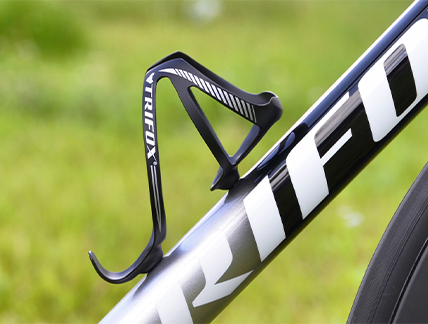
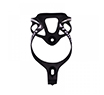
For road and mountain bike riders, a water bottle holder may be a small accessory, but it is essential for long‑distance riding. Many cyclists ask when buying a carbon water bottle holder: Are carbon bike water bottle holders universal? The answer is: not completely. Although most modern bikes use a similar mounting design, frame hole spacing, cage size, and mounting location all affect compatibility. Are carbon water bottle holders really universal? Most bicycle water bottle holders attach to the frame using two screws. If your frame has standard bottle cage mounts and the hole spacing matches the holder, then installation is usually straightforward. However, you should still confirm your frame’s specifications before purchasing. In particular, some fully internal‑routing carbon frames, full‑suspension MTBs, or small‑sized frames may have limited space for a bottle cage. So you cannot judge compatibility based solely on the name "bicycle water bottle holder". What water bottle holder should you choose for mountain biking? For riders who frequently ride XC, Trail, or long‑distance off‑road, a reliable mountain bike water bottle holder is very important. During mountain rides, the bike experiences constant vibration, bumps, and even jumps, so the holder needs not only to be lightweight but also to have sufficient grip. If the holder does not secure the bottle firmly, it may become loose or even fall out on rough terrain. What are the advantages of a carbon water bottle holder? The biggest advantage of carbon fibre is light weight. Compared with some traditional metal holders, a carbon structure effectively reduces weight while offering good rigidity and aesthetic finish. For weight‑conscious road bikes and XC mountain bikes, saving a few tens of grams may seem small, but when combined with lightweight wheels, seatposts, handlebars, and other parts, these small savings add up to a noticeable difference. TRIFOX CBC200 Carbon Bike Water Bottle Holder If you are looking for a lightweight carbon water bottle holder, check out the TRIFOX CBC200 Carbon Bike Water Bottle Holder. The CBC200 is made from carbon fibre, striking a good balance between light weight and secure bottle retention. It suits road bikes, XC mountain bikes, and other bikes with standard bottle cage mounts. Key features include: - Lightweight carbon construction - Sleek, sporty appearance - Good bottle‑holding grip - Suitable for road and mountain bikes - Ideal for long rides and daily training How to choose the best bike water bottle cage? When looking for the best bike water bottle cage, you should not only focus on weight. Consider these factors as well: First, compatibility. Check whether your frame has standard mounting holes. Second, retention. If you often ride off‑road, choose a design with stronger grip. Third, weight. If you are building a lightweight bike, a carbon holder can help reduce overall weight. Conclusion So, are carbon bike water bottle holders universal? The answer is: most are compatible with standard bike mounts, but not all frames and holders are fully interchangeable. It is best to confirm your frame's hole spacing and mounting space before buying. For weight‑conscious road and MTB riders, the TRIFOX CBC200 carbon water bottle holder delivers a great combination of weight, stability, and aesthetics – making it a worthy accessory for daily training, long rides, and off‑road adventures. Whether you are looking for a mountain bike water bottle holder or aiming to build your own best bike water bottle cage setup, choosing a holder that correctly matches your frame ensures a more reliable and enjoyable ride.
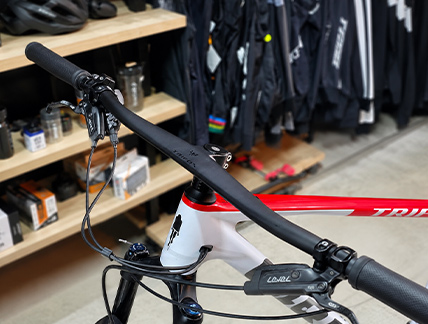
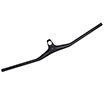
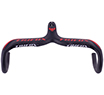
Mountain bike handlebars may seem like a simple component, but they directly affect riding posture, handling stability, and comfort. Choosing the right bar not only improves control but also makes long rides more enjoyable. So, how should you choose the right Mountain Bike Handlebars for yourself? Consider bar width, material, rise, and intended riding style. Why is bar width important? Bar width is a very important parameter when choosing MTB handlebars. Wider bars provide better handling stability, especially for high‑speed descents, Trail riding, and technical off‑road sections. Narrower bars offer quicker steering response and are better suited for urban riding and some XC scenarios. When choosing, you can refer to a mtb bar width guide and adjust according to your shoulder width, frame size, and riding style. For most MTB riders, bar width usually needs to strike a balance between stability and agility, rather than simply chasing "wider is better". What are the advantages of carbon handlebars? Compared with traditional aluminium bars, one of the biggest advantages of carbon fibre handlebars is light weight. High‑quality carbon fibre can reduce weight while maintaining sufficient stiffness, and it also filters out some high‑frequency vibrations from gravel and trail chatter. This is especially valuable for XC, Trail, and long‑distance mountain biking. If you are building a lightweight mountain bike, a good carbon handlebar can help lower overall bike weight while improving riding comfort. What are MTB Aero Bars? As aerodynamic design in cycling continues to evolve, mtb aero bars have also started to attract attention from some speed‑focused riders. Aerodynamic designs optimise the bar's shape and airflow, while also giving the bike a more modern visual appearance. However, for mountain biking, handling and safety should always come first. So when choosing Aero bars, make sure they suit your riding type and frame setup. TRIFOX RHB100 Carbon MTB Handlebar If you are looking for an MTB handlebar that combines light weight, stiffness, and aero design, check out the TRIFOX RHB100 Carbon Integrated Handlebar. The RHB100 features a high‑strength carbon fibre construction with an integrated design that combines the bar and stem into one piece. This reduces weight from traditional clamp‑on systems and enhances the overall visual appeal. It is ideal for riders who want to build a lightweight, high‑performance mountain bike. Key features of the RHB100 include: - Lightweight carbon fibre construction - Integrated one‑piece bar design - Aero profile for reduced drag - High stiffness for precise steering response - Clean, modern aesthetics - Suitable for XC and high‑speed off‑road riding For MTB riders chasing light weight and a tidy cockpit, this type of integrated carbon bar is a very worthwhile upgrade. How to choose the right handlebar for you? If you mainly ride XC or long distances, prioritise lightweight, stiff carbon handlebars. If you frequently ride Trail or technical terrain, pay more attention to bar width and handling stability. Also consider your height, shoulder width, frame size, and riding posture. The right handlebar for you is not necessarily the lightest or widest, but one that keeps you comfortable over long rides while providing adequate control. Conclusion When choosing MTB handlebars, don't focus only on weight and appearance. Bar width, material, shape, and riding purpose all affect the final experience. By referring to a mtb bar width guide and matching your physical dimensions, you can achieve a more natural and stable riding position. If you want to further reduce bike weight while improving handling feel and visual appeal, the TRIFOX RHB100 carbon integrated MTB handlebar is a model worth considering. For MTB riders pursuing speed, light weight, and modern design, it brings a noticeable upgrade to your bike's performance.
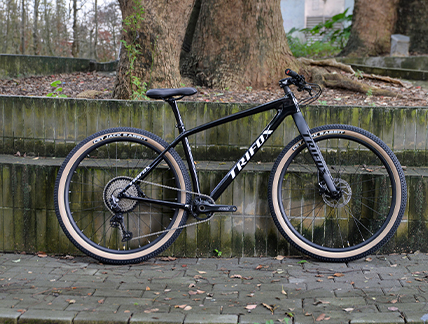
Carbon fibre mountain bikes are increasingly popular among MTB riders for their light weight, high stiffness, and excellent ride quality. However, mountain riding environments are often harsh – mud, dust, and water stains can accumulate on the frame, drivetrain, and suspension components. If left uncleaned for long periods, this not only affects the bike's appearance but also accelerates component wear. So, how do you properly wash a carbon MTB bike? Here is a simple, safe cleaning method. What do you need before washing a carbon MTB? Before you start, it is recommended to have: - Bicycle‑specific cleaner - Soft sponge or brush - Clean towels - A bucket of water - Chain cleaning tool - Bicycle lubricant It is important to note that while carbon fibre is strong, the clear coat and paint still need protection. Avoid using harsh, corrosive cleaners and never use a high‑pressure washer directly on frame joints or bearing areas. Step 1: Remove mud from the frame first If your MTB has just finished a trail ride, the frame and tyres are usually covered in mud. Start by gently rinsing off surface dust with clean water. For large mud clumps, wet them first to soften, then wipe away. Do not use a dry cloth to scrub hard, as abrasive particles could scratch the frame's surface. Step 2: Clean the carbon frame The TRIFOX SDY20 Carbon MTB Bike features a lightweight carbon frame, so special care is needed to protect the surface during daily cleaning. When washing the frame: - Use a soft sponge - Clean from top to bottom - Avoid hard bristle brushes - Check for any unusual scratches on the frame One of the biggest advantages of a carbon frame is its light weight and durability – with proper maintenance, it will perform well for many years. Step 3: Focus on the drivetrain Compared with the frame, the chain, cassette, and chainrings accumulate far more grime. When cleaning the drivetrain, use a dedicated degreaser and pay special attention to: - Chain - Rear derailleur - Cassette - Chainrings After cleaning, always re‑apply chain lubricant. This reduces friction and improves shifting smoothness. Why is it worth maintaining your carbon MTB? Many riders focus on price and specifications when buying an MTB. Today, there are many low priced mountain bikes on the market, but high‑quality carbon models still need proper care to deliver long‑term performance. For those who love off‑road riding, a well‑maintained bike not only rides more smoothly but also extends the life of every component. Whether in European, American, or Spanish‑speaking markets, more and more riders are paying attention to high‑performance bicicletas de montaña – and proper cleaning and maintenance are essential steps to keep your bike performing at its best. TRIFOX SDY20: A lightweight carbon mountain bike option The TRIFOX SDY20 is a carbon mountain bike designed specifically for XC and everyday trail riding. It features a lightweight carbon hardtail frame combined with modern Boost standards, offering riders better stiffness and handling. Key features include: - Carbon hardtail frame - Lightweight design - Boost rear axle standard - Excellent pedalling efficiency - Suitable for XC, trail, and daily riding For riders who want high performance without breaking the bank, the SDY20 is a model worth considering. What to do after washing? After cleaning, finish with these final steps: First, dry the frame and components with a clean towel. Then, check: - Brake function - Chain lubrication - Bolt tightness - Tyre pressure If you won't be riding for a while, store the bike in a dry place away from prolonged direct sunlight. Conclusion Properly washing a carbon MTB is not complicated, but attention to detail matters. Regular cleaning of the frame and drivetrain keeps your bike performing better and extends its lifespan. The TRIFOX SDY20 carbon mountain bike, with its lightweight frame, efficient handling, and reliable performance, is a model worth considering for XC riders and MTB enthusiasts alike. Whether you choose an entry‑level low priced mountain bikes or a high‑performance carbon bicicletas de montaña, good cleaning habits are the key to keeping your bike in its best condition.



