



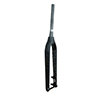
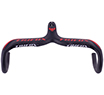
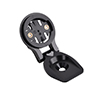
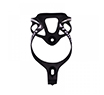
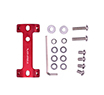
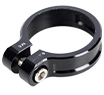
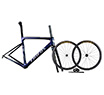
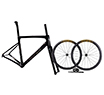
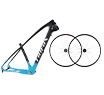
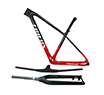





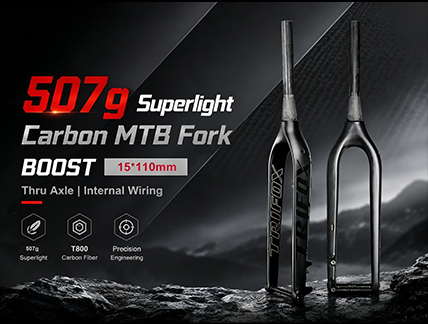
One of the most consequential decisions you'll make when building or upgrading a mountain bike is choosing the right front fork. The fork dictates how your bike handles, how much weight it carries, and how much feedback you get from the trail. For years, the default answer has been suspension—more travel, more squish, more control. But a growing number of riders are rediscovering the benefits of a high-quality rigid carbon mtb fork. The Trifox TMK200 is a prime example of how modern carbon engineering can deliver a ride that is lighter, more responsive, and more connected than many suspension setups. Here's how to decide which fork is right for you. What Makes the TMK200 a Standout Carbon Rigid Fork? The TMK200 is a full‑carbon carbon mtb fork tapered (it features a tapered 1-1/8″ to 1-1/2″ steerer tube), engineered for 29er mountain bikes with Boost 110x15mm thru‑axle spacing. Weighing just 507 grams (without the thru‑axle), it offers a dramatic weight saving over most aluminum rigid forks (800–1,200g) and an even more significant reduction compared to suspension forks, which typically weigh 1.1–1.3 kg. Built from T800 carbon fiber, it delivers exceptional stiffness, precise steering, and natural vibration damping that reduces hand fatigue without isolating you from the trail. It also offers generous tire clearance up to 29×3.0 inches and disc brake compatibility for 160/180mm rotors. Carbon Rigid Fork: Precision, Weight Savings, and Feedback The primary advantage of a carbon rigid fork is weight reduction. Dropping over a kilogram from the front end makes the bike feel more agile, accelerates faster, and climbs with less effort. The direct connection between your hands and the trail provides instantaneous feedback—you feel exactly what the front wheel is doing, which helps you choose better lines and react more quickly to changing terrain. The TMK200's full‑carbon construction and Boost thru‑axle eliminate unwanted flex, locking the front wheel precisely to your steering angle for razor‑sharp handling. With fewer moving parts, carbon rigid forks also require minimal maintenance—no seals to replace, no oil to change, no air pressure to check. Suspension Fork: Comfort and Forgiveness on Rough Terrain Suspension forks excel at absorbing large impacts and smoothing out rough, rocky trails. They allow you to maintain speed and control over chattery descents, reducing fatigue on long, technical rides. For riders who frequently tackle aggressive downhill terrain or rooty, rock‑strewn trails, the added cushioning of a suspension fork can be a game‑changer. However, suspension forks are heavier, more expensive, and require regular maintenance—seals, oil changes, and air spring servicing add to the long‑term cost. They also isolate the rider from some of the subtle feedback that helps you read the trail. Which One Should You Choose? The decision comes down to your riding style and terrain. Choose a carbon rigid fork like the TMK200 if you prioritize weight savings, climbing efficiency, precise steering, low maintenance, and a direct, connected ride feel—ideal for XC racing, bikepacking, gravel, and smoother singletrack. Choose a suspension fork if you ride aggressively on rocky, rooty, or extremely rough terrain and value comfort and impact absorption over weight and feedback. Limited-Time Offer: TMK200 for Just $99 For a limited time (July 1–10), the Trifox TMK200 carbon rigid fork is available at an incredible promotional price of just $99. This is a rare opportunity to upgrade your hardtail with a premium T800 carbon fork at a fraction of the usual cost. Whether you're building a lightweight race bike, a rugged bikepacking rig, or simply want to transform your hardtail's handling, the TMK200 delivers exceptional value. Don't miss this chance to experience the benefits of a high‑performance carbon rigid fork.
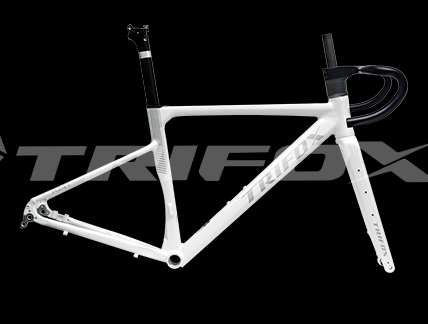
Stepping into the world of road cycling can be daunting, especially when confronted with the dizzying array of frame materials and price points. Carbon fiber often steals the spotlight, but for many new riders—and even seasoned cyclists on a budget—an aluminum road bike frameset like the Trifox R241TA represents the smarter, more practical choice. Here’s why aluminum is an excellent starting point for your cycling journey. The Case for Aluminum: Value Without Compromise The most immediate benefit of choosing a road bike aluminum frameset is value. For just over $300, the R241TA offers a complete package that includes a triple-butted 6061 aluminum frame, a full carbon fork, an integrated aluminum handlebar, and a seatpost. This is a fraction of the cost of an entry-level carbon frameset, yet it delivers a ride quality that is stiff, responsive, and incredibly fun. The R241TA uses 6061 aluminum alloy with T4-T6 heat treatment, a process that enhances strength without adding unnecessary weight. The frame tips the scales at around 1,800 grams, which is competitive for an alloy frameset at this price point. This lightweight construction makes climbing easier and the bike feel more agile—two qualities that new riders will appreciate immediately. Modern Standards Make It Future-Proof One of the biggest fears for a beginner is buying into an outdated standard. The R241TA puts those fears to rest. It is a modern aluminum road bike frame disc brake frameset, featuring flat-mount disc brake compatibility, 12mm thru-axles front and rear (100mm front, 142mm rear), and a tapered head tube. These are the same standards found on premium carbon bikes, meaning your frame will accept modern wheels, groupsets, and components for years to come. Disc brakes, in particular, offer superior stopping power and modulation in all weather conditions—a crucial safety feature for a new rider building confidence. Designed for the First-Time Builder The R241TA is also an ideal canvas for a first-time builder. It comes with a threaded BSA bottom bracket, which is famously easy to install and maintain compared to press-fit alternatives. Internal cable routing gives the bike a clean, professional look and protects cables from the elements. The geometry is balanced and forgiving—with a 72° head tube angle and a 74° seat tube angle—providing stable, predictable handling that inspires confidence on descents and through corners. The Verdict: A Smart, Accessible Start Is an aluminum road bike frameset good for beginners? Absolutely. The Trifox R241TA proves that you don't need to spend a fortune to get a bike that is lightweight, modern, and genuinely fun to ride. It’s a platform that allows you to learn, grow, and upgrade components over time without the anxiety of damaging an expensive carbon frame. For riders ready to build their dream bike without breaking the bank, the R241TA is the perfect place to start.
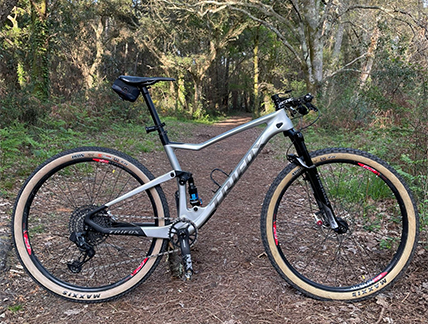
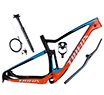
The wait is finally over. Two of the most iconic colorways from Trifox—the sophisticated Titane and the vibrant Orange & Blue—have returned to the MFM100 lineup. These frames were previously some of the most sought-after configurations, and they are now back in stock for a limited time. If you've been waiting to build a carbon boost mtb frame that turns heads and conquers trails, this is your moment. A Frame That Demands Attention The MFM100 has always been more than just a full-suspension frame. It's a statement of intent. Built from high-quality T800 carbon fiber, it delivers the perfect blend of strength, rigidity, and lightweight performance. The Titane finish offers a sleek, understated elegance that looks fast even when standing still. Meanwhile, the Orange & Blue paint scheme is a bold, race-inspired design that announces your arrival on the trail. Both finishes are applied with the same attention to detail that defines every aspect of this frame. Performance That Matches the Look Underneath the stunning paint, the MFM100 is a serious carbon xc mountain bike frame designed for off-road enthusiasts who demand exceptional performance and durability. The frame features a Boost 148 x 12mm rear axle spacing, which provides a stronger and stiffer rear wheel for enhanced tracking and control. The 68.5° head tube angle and 74.7° seat tube angle deliver confident, capable handling that climbs efficiently and descends with composure. Whether you're racing XC or exploring rugged backcountry trails, this frame is built to perform. The frame also features a Trunnion rear shock mount for efficient pedaling and an asymmetric design that ensures a smooth structure and unobstructed cable movement. Internal cable routing keeps the bike looking clean and protects cables from the elements. With clearance for tires up to 29 x 2.35″, the MFM100 is ready for a wide range of trail conditions. Available in four sizes—15.5″, 17.5″, 19″, and 20.5″—this frame fits riders from 150cm to 195cm. Limited Stock – Act Fast These colorways have a history of selling out quickly, and this restock is no exception. Riders who have built up the MFM100 consistently praise its "excellent quality" and "superior comfort". One reviewer described it as "very reactive when you hit it with acceleration … the force you apply to the pedals goes directly to the wheels." On descents, users report that the bike "tracks straight on steep, rocky runs" and stays composed under hard hits. If you want to experience the balance of climbing efficiency and descending confidence that this carbon xc mountain bike frame offers, don't wait. Head to the product page now to secure your Titane or Orange & Blue MFM100 before they disappear again. Links Trifox MFM100 Carbon Full-Suspension Frame
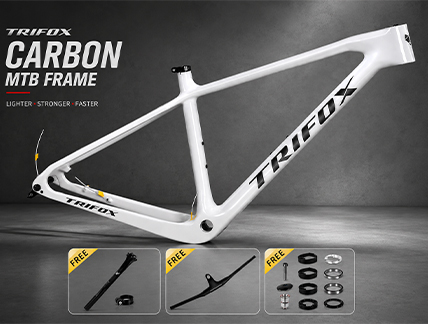
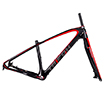
Cable routing used to be simple: zip ties and external guides. Today, frame designers offer a spectrum of options, from fully exposed cables to completely hidden lines. For riders considering a new 29er Carbon MTB Mountain Bike Frame Hardtail, the choice between full internal and semi-internal routing can be surprisingly significant. Here's what you need to know. What's the Difference? Full internal routing means every cable and hose is completely enclosed within the frame from the cockpit to the exit points. On frames like the Trifox SDY21, cables enter through the headtube and travel through integrated internal channels, emerging only at the derailleur and brake caliper. Nothing is visible except the clean lines of the frame itself. Semi-internal routing hides cables for part of the journey but leaves them exposed at certain points—often along the downtube or under the top tube, secured by clips or guides. The cables are tucked away but still visible and accessible. The Case for Full Internal Routing The primary advantage is aesthetics. A fully integrated cockpit creates a sleek, modern look that many riders find irresistible. Beyond appearances, full internal routing offers superior cable protection. Cables are shielded from mud, water, grit, and crash damage, which extends their lifespan and maintains consistent shifting and braking performance. The SDY21's T800 carbon construction and full internal routing exemplify this approach, combining ultra-lightweight performance with a clean, race-ready appearance. Full internal routing also reduces aerodynamic drag. While the savings are modest—roughly 1 to 2 watts at competitive speeds—every advantage counts for racers and performance-focused riders. Additionally, internal channels can reduce cable rattle when properly guided, creating a quieter ride over rough terrain. The Case for Semi-Internal Routing Semi-internal routing's biggest strength is maintenance simplicity. When cables need replacing or brakes need bleeding, exposed sections are far easier to access. There's no fishing lines through frame cavities or struggling with internal guides. For home mechanics or riders who frequently swap components, this convenience is significant. Semi-internal routing also reduces friction in the system. Shorter, straighter cable paths with fewer bends mean less resistance, which can translate to crisper shifting and lighter brake feel. Some riders also prefer the peace of mind of being able to visually inspect cables for wear or damage without disassembling the bike. The Trade-Offs Full internal routing isn't without downsides. Initial installation is more complex—threading hoses through internal channels requires patience and sometimes specialized tools. Some frames can also suffer from cable rattle if the internal guides aren't well-designed. And if a cable needs replacement mid-ride, you're out of luck—it's a workshop job. Semi-internal routing, while more practical, exposes cables to the elements. Mud and grit can accelerate wear, and exposed lines are vulnerable to snagging on trail debris. Which Should You Choose? The decision comes down to your priorities. If you value clean aesthetics, maximum cable protection, and a race-ready look, full internal routing—as found on the SDY21—is the way to go. This ultra-lightweight carbon frame exemplifies the benefits of full integration: sleek appearance, protected cables, and the stiffness and responsiveness that come with modern carbon construction. If you prioritize easy maintenance, lower friction, and the ability to swap components without hassle, semi-internal routing offers genuine practical advantages. Both systems have their place. The SDY21's full internal routing, available in multiple colors including glossy red, black, and green, demonstrates that modern engineering can deliver the best of both worlds: stunning aesthetics and reliable performance. Choose the routing that fits your riding style—and your tolerance for cable maintenance.
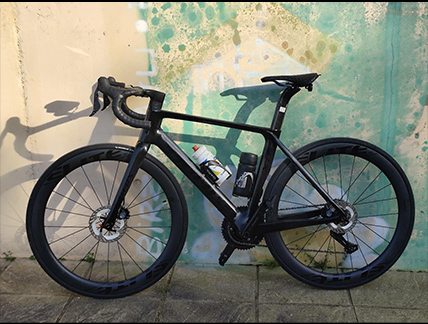
The days of cluttered cockpits and cables flapping in the wind are fading. Fully internal cable routing has become a hallmark of modern road bike design, and for good reason. The Trifox X11 carbon racing bike frame embodies this evolution, hiding every brake hose and gear cable inside the frame for a cleaner, faster, and more durable machine. Here are five reasons why a fully internal cable routing frame should be at the top of your upgrade list. 1. Genuine Aerodynamic Advantage Exposed cables create turbulence. By routing cables internally, the frame presents a smoother surface to the wind, reducing drag. While the gains may seem small, they add up. Studies show that hiding a pair of brake lines can save around six seconds over 40km at 45kph. That's free speed—especially valuable for racers and time-trialists riding a integrated carbon road frame. Every watt saved counts when you're chasing a personal best. 2. Sleek, Uncluttered Aesthetics Let's be honest: bikes look better without cables. Fully internal routing eliminates external cable guides and zip ties, creating a clean, streamlined appearance that enhances the overall design of the bike. The X11's T800 carbon frame, with its full internal routing through the headset, offers a truly integrated look. It’s the kind of detail that makes a bike stand out in the group ride and in the photos afterward. 3. Superior Cable and Housing Protection Cables routed inside the frame are shielded from dirt, moisture, and road grime. This protection significantly reduces wear and corrosion, prolonging the life of your cables and housing. Less exposure to the elements means smoother, more consistent shifting and braking performance over time. For riders who train in all weather conditions, this is a major reliability benefit. 4. Reduced Maintenance With cables protected from the elements, they stay cleaner for longer, reducing the frequency of replacement. The internal channels also allow for straighter cable paths, minimizing friction and the need for constant adjustments. While initial setup may require more care, the long-term result is a bike that requires less fettling and more riding. 5. Future-Ready Design and Resale Value Fully internal cable routing is the new standard for high-performance road bikes. Frames like the X11, which feature full integration, including the included T47 bottom bracket, UDH hanger, and integrated drop handlebar, are designed to be compatible with the latest components and drivetrains. This forward-thinking design not only makes the bike more desirable to own but also helps maintain its resale value. It’s a bike built for the future, not the past. Conclusion The shift to fully internal cable routing is more than just a trend. It’s a meaningful upgrade that delivers tangible benefits: better aerodynamics, a cleaner look, improved cable protection, reduced maintenance, and a future-ready design. If you're in the market for a new carbon racing bike frame or an integrated carbon road frame, the Trifox X11 is a compelling example of how modern engineering can make your bike faster, cleaner, and more enjoyable to ride.
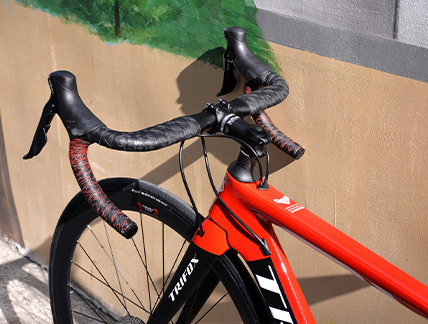
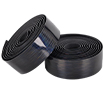
Your hands are one of only three contact points with your bike. Yet, handlebar tape is often treated as an afterthought—something to wrap on and forget about. The truth is, the right tape can transform your ride. It can reduce fatigue, improve control, and make even the longest days in the saddle feel more manageable. The Trifox BHT100 is designed to do exactly that. It’s a best road bike handlebar tape that balances comfort, durability, and grip—without breaking the bank. What Makes the BHT100 Different? The BHT100 uses a dual-layer EVA + PU leather construction. The EVA foam base provides the shock absorption that fights hand fatigue, while the PU leather outer layer delivers consistent, all-weather grip and resists wear. This combination is what sets it apart from single-layer tapes that either lack cushioning or wear out too quickly. It’s a tape that stays comfortable mile after mile, season after season. Comfort That Lasts Road vibration is the silent enemy of long rides. It creeps into your hands, arms, and shoulders, slowly draining your energy. The BHT100’s EVA foam core absorbs high-frequency vibration before it reaches your palms. This means less arm pump, less numbness, and more focus on the road ahead. Riders consistently praise the tape for its “good grip and cushioning,” noting that it stays firm and stretched even after extended use. Whether you’re grinding out a century or tackling steep climbs, the BHT100 keeps your hands fresher for longer. Grip You Can Trust A tape that’s comfortable but slippery is useless. The BHT100’s PU leather surface provides a secure, tactile grip in all conditions—dry or damp. The texture prevents your hands from sliding, even when you’re sweating hard or climbing in warm weather. This consistent grip reduces the tension you need to hold the bar, which in turn reduces fatigue. Less squeezing means more relaxed hands, better steering precision, and greater confidence on descents. Durable and Easy to Install Cheap tape peels, cracks, or loses its cushioning after a few rides. The BHT100 is built to last. Its waterproof adhesive strip helps the tape stay in place through rain and pressure-washing, and the included end plugs and finishing tape ensure a clean, durable wrap. Installation is straightforward, and the tape stays put without lifting or shifting. For riders who want a comfortable bike handlebar tape that doesn’t need constant replacement, the BHT100 is a smart investment. A Smart Upgrade for Any Road Bike At just $11.99, the BHT100 is one of the most cost-effective upgrades you can make[. It refreshes your cockpit, improves comfort, and enhances control—all for less than the price of a decent pair of cycling socks. Whether you’re a weekend warrior, a club racer, or a daily commuter, fresh tape is a simple way to make your bike feel new again. The BHT100 proves that you don’t need to spend a fortune to get premium performance. Conclusion Your handlebar tape is your direct connection to the road. Don’t settle for worn-out, slippery, or uncomfortable tape. The Trifox BHT100 delivers the grip, cushioning, and durability that serious riders demand. It’s a best road bike handlebar tape that punches well above its price point, and a comfortable bike handlebar tape that keeps you riding longer with less fatigue. Upgrade your cockpit today—your hands will thank you.
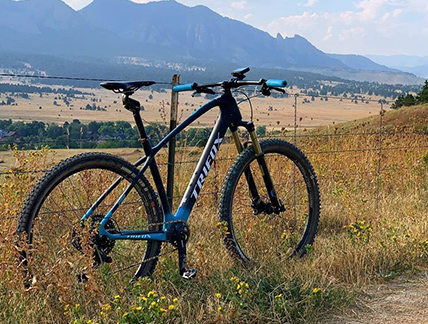
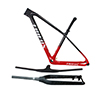
For mountain bikers seeking the ideal balance of speed, efficiency, and trail feel, the hardtail remains a compelling choice. And when that hardtail is crafted from high-quality carbon fiber, the benefits multiply. The Trifox MFM200 is a carbon hardtail mtb frame that embodies everything modern riders look for: lightweight construction, responsive geometry, and the durability to handle aggressive trail riding. Here’s why this 29er carbon hardtail deserves a spot in your garage. The Carbon Advantage: Lightweight and Stiff The MFM200 is constructed from T800 full carbon fiber, a material prized for its exceptional strength-to-weight ratio. Weighing in at just 1,239g for the 15.5″ frame, it is impressively light for a hardtail chassis. This low weight translates directly to the trail: quicker acceleration, easier climbing, and a bike that feels lively and responsive under power. But carbon isn’t just about saving grams. The T800 construction provides the stiffness needed for precise handling and efficient power transfer, ensuring every watt of effort is converted into forward momentum. Whether you're sprinting out of a corner or powering up a steep climb, the MFM200 responds with immediacy. Modern Geometry for Confident Handling The MFM200’s geometry is tuned for the demands of modern trail and XC riding. A 70° head tube angle provides a stable, confident feel on descents, while the 74.7° seat tube angle places the rider in an efficient pedaling position for climbing. The 440mm chainstays strike a balance between agility and stability, allowing for quick direction changes without sacrificing high-speed composure. The frame accommodates 29er wheels with tires up to 2.1″, offering the rollover capability and traction that 29-inch wheels are known for. For riders seeking a 29er carbon hardtail frame that excels on diverse terrain, the MFM200's geometry delivers a balanced, predictable ride. It climbs with efficiency, descends with confidence, and handles technical sections with poise — a true all-rounder for the modern trail rider. Internal Cable Routing and Modern Standards The MFM200 features full internal cable routing, keeping cables protected from the elements and giving the bike a clean, sleek appearance. This design choice also simplifies maintenance and reduces drag, contributing to a more aerodynamic profile. The frame accepts a 31.6mm seatpost and uses a threaded BSA bottom bracket — a reliable standard that is creak-free and easy to service. The tapered head tube (1-1/8″ to 1-1/2″) provides a stiff interface for modern forks, enhancing steering precision. And with the ability to choose between Quick Release and Thru-Axle dropout options, the MFM200 offers compatibility with a wide range of wheelsets. Versatility for Every Rider Available in three sizes — 15.5″, 17″, and 19″ — the MFM200 fits riders from 150cm to 190cm. Whether you're a cross-country racer seeking a lightweight weapon for race day, a trail rider looking for a responsive and durable hardtail, or a rider upgrading from an entry-level bike, the MFM200 offers exceptional versatility. The frame is compatible with both single and double chainring drivetrains, and it can accommodate a dropper post for added descending control. Value That Stands Out At just $329 (regularly $639.99), the MFM200 is priced to compete with aluminum frames, offering the performance benefits of carbon at an accessible price point. It's an affordable entry into the world of carbon mountain biking, providing a high-quality foundation for a build that can grow with your skills. The 2-year warranty further underscores Trifox's confidence in the frame's durability. Conclusion The Trifox MFM200 is more than just a lightweight carbon hardtail frame. It's a thoughtfully engineered platform that combines modern geometry, quality materials, and thoughtful features to deliver a ride that is both efficient and engaging. Whether you're chasing podiums or simply exploring new trails, this carbon hardtail mtb frame provides the foundation for a bike that will inspire confidence and enjoyment for years to come. With its blend of performance, value, and versatility, the MFM200 stands as a compelling choice for any rider ready to experience the benefits of carbon.
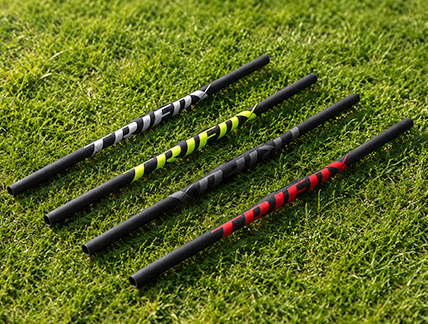
Your handlebar is one of the most personal — and impactful — components on your mountain bike. It dictates your posture, influences how your bike handles, and directly affects how fresh your hands and arms feel after a long day on the trail. The choice between a flat bar and a riser bar isn't about which is "better" in absolute terms. It's about which one fits your riding style, your body, and the terrain you love to ride. What's the Difference? The distinction is simple. A flat bar has no rise — the grips sit at the same height as the stem clamp area, placing your hands level with the steerer tube. A riser bar features an upward bend, typically ranging from 10mm to 40mm, which elevates the grips and creates a more upright riding position. This seemingly small difference in height has cascading effects on weight distribution, steering precision, and overall comfort. Flat Bars: Efficiency and Precision A flat bar shifts your body weight forward, placing more pressure on the front wheel. This creates precise, direct steering — your inputs translate immediately to the trail, making flat bars a favorite among cross-country (XC) riders and marathon racers who prioritize pedaling efficiency and aerodynamic positioning. The lower center of gravity also improves stability on steep climbs and fast, rolling terrain. Because flat bars typically have a straight profile, they are often lighter than riser bars of similar construction, which is a critical consideration for weight-conscious builds. The downside? A flat bar requires a more aggressive, stretched-out posture. On steep descents, you'll need to consciously shift your weight further back to stay balanced. While this position is efficient for pedaling, it can feel less forgiving on long, technical descents where a more upright stance offers greater leverage and control. Riser Bars: Comfort and Control By raising your hands, a riser bar brings your torso into a more upright, relaxed position. This posture reduces strain on your back, neck, and shoulders, making riser bars the default choice for trail, enduro, and downhill riders who spend extended periods in the saddle or tackle aggressive, technical terrain. The elevated front end also makes it easier to lift the front wheel for manuals or clearing obstacles, and it centers your weight between the wheels for greater control on descents. Riser bars are generally slightly heavier than flat bars, and the more upright position can slightly reduce climbing efficiency and aerodynamics. However, for most trail riders, the trade-off in comfort and descending confidence far outweighs these minor penalties. Carbon Fiber: The Material Advantage Regardless of whether you choose a flat or riser bar, carbon fiber offers distinct advantages over aluminum. Carbon bars are remarkably lightweight, with a high strength-to-weight ratio that sheds grams without sacrificing durability. More importantly, carbon fiber has natural vibration-damping properties that absorb trail chatter and high-frequency buzz, reducing arm fatigue and keeping your hands feeling fresh on long, rough rides. Quality carbon bars also offer a degree of vertical compliance, flexing slightly to absorb impacts while remaining stiff enough for precise steering. The Trifox FHB100: A Lightweight Carbon Flat Bar For riders who prefer the efficiency and precision of a flat bar, the Trifox FHB100 is an exceptional choice. Weighing just 183 grams, it is one of the lightest best carbon trail handlebar options available. Constructed from T700 carbon fiber, it delivers the stiffness and vibration damping that define a premium carbon bar. With a 3-degree backsweep, it places your wrists in a natural, comfortable position, and its 740mm width provides a stable, confident platform for tackling challenging trails. The FHB100 is built for riders who want a lightweight carbon trail handlebar that doesn't compromise on strength or control. Its 31.8mm clamp diameter ensures compatibility with a wide range of stems, and cut marks on each side allow for easy width customization to dial in your perfect fit. Which One Is Right for You? The decision comes down to your riding style. Choose a flat bar like the Trifox FHB100 if you primarily ride cross-country, value climbing efficiency, and prefer a low, aerodynamic position. Choose a riser bar if you ride more technical trails, prioritize descending control, and want a more upright, comfortable posture. Both have their place, and both can be transformed by the weight savings, vibration damping, and stiffness of a quality carbon construction.
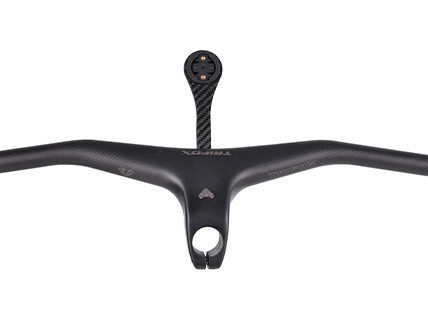
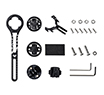
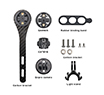
As modern bicycles become more aerodynamic and visually refined, integrated handlebars and cockpits have become increasingly popular among road, gravel, and mountain bike riders. These sleek systems improve cable management, reduce wind resistance, and create a cleaner appearance. However, they also present a challenge: where should you securely mount your cycling computer? That's where a high-quality carbon computer mount comes in. Designed specifically for integrated handlebars, these mounts provide a lightweight, secure, and professional solution for displaying ride data exactly where you need it. Why Integrated Handlebars Need a Dedicated Computer Mount Traditional handlebar-mounted computer brackets often create clutter and may not fit well on modern integrated cockpits. Riders need a mounting solution that complements the design of their bike while maintaining easy access to important ride information. A dedicated bike computer stem mount positions your cycling computer directly in front of the stem, creating a more natural viewing angle while keeping your handlebars clean and organized. This setup not only looks better but also improves safety by allowing riders to check speed, navigation, and performance metrics without taking their eyes too far off the road or trail. The Advantages of Carbon Fiber Construction Material choice matters when selecting a computer mount. Carbon fiber has become a preferred option because it combines exceptional strength with extremely low weight. The TRIFOX SBH100 is constructed from premium 3K carbon fiber, providing an outstanding stiffness-to-weight ratio. Unlike heavier aluminum alternatives, carbon fiber adds minimal weight to your cockpit while maintaining excellent durability. It also helps reduce vibration, keeping your cycling computer stable even on rough roads and technical trails. For performance-focused cyclists, every gram matters. A lightweight cockpit contributes to a more responsive bike while preserving the sleek appearance of an integrated handlebar setup. More Than Just a Computer Mount Today's riders often use multiple devices during a ride. In addition to a cycling computer, many cyclists rely on action cameras, bike lights, and GPS accessories. The TRIFOX SBH100 goes beyond being a simple computer holder. Its versatile design supports major cycling computer brands such as Garmin, Bryton, CatEye, and iGPSPORT while also accommodating GoPro-compatible accessories and compatible bike lights. This makes it an excellent choice for riders looking to build a complete and organized cockpit system. Whether you're training on the road, exploring gravel routes, or hitting technical trails, having all your devices mounted in one centralized location improves convenience and overall ride experience. Ideal for Road and Mountain Bike Riders While many cyclists associate computer mounts with road bikes, they are equally valuable for off-road riding. A secure mountain bike computer mount allows riders to monitor navigation, elevation, heart rate, and ride statistics without compromising control. Mountain biking often involves rough terrain and constant vibration, making mount stability especially important. The rigid carbon construction of the SBH100 helps ensure that your cycling computer remains secure even during aggressive trail riding. Its centered position also improves visibility while maintaining a balanced cockpit setup. What to Look for When Choosing a Computer Mount When shopping for a computer mount for integrated handlebars, consider the following factors: • Lightweight but durable construction • Compatibility with major cycling computer brands • Support for accessories such as cameras and lights • Aerodynamic design • Secure attachment system • Vibration resistance • Clean integration with modern cockpits The SBH100 checks all of these boxes while offering the premium appearance expected from a carbon fiber component. Benefits of an Aerodynamic Cockpit Setup Modern cyclists increasingly focus on aerodynamic efficiency. By integrating your cycling computer neatly into the cockpit, a carbon computer mount reduces clutter and helps create a cleaner airflow around the handlebars. While the gains may seem small, every advantage matters during long rides, races, and endurance events. Additionally, a well-organized cockpit improves the overall appearance of the bike, giving it a professional look often seen on high-end race machines. Final Thoughts As integrated handlebars become the standard on many modern bikes, choosing the right computer mount is more important than ever. A quality carbon mount enhances both functionality and aesthetics while keeping your cockpit organized and aerodynamic. The TRIFOX SBH100 combines lightweight carbon construction, broad device compatibility, and clean integrated styling, making it an excellent upgrade for cyclists who want a more professional and efficient setup. Whether you're a competitive road rider, gravel adventurer, or trail enthusiast, investing in a premium carbon computer mount can significantly improve your riding experience.



