


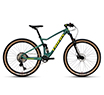
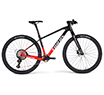
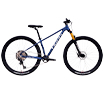

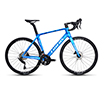
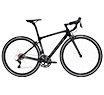
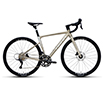
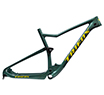
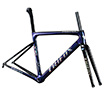
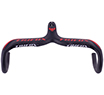
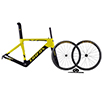
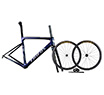
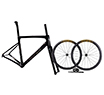
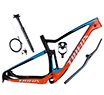
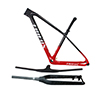
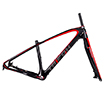





The myth persists: carbon fiber bike frames are delicate, high-maintenance items prone to cracking from the slightest impact. For many riders considering an upgrade, this lingering doubt holds them back from experiencing the incredible performance of modern carbon. It's time to separate fact from fiction. The reality is that with advanced engineering and materials like the T800 full carbon fiber used in frames such as the Trifox X16QR, today's carbon frames are remarkably durable, high-performance machines built to last.
The Engineering Behind the Strength: More Than Just "Carbon"
The perception of fragility often stems from early carbon technology. Modern frames are a different story. They are not made from a single, brittle piece of material. Instead, they are composites—carefully layered sheets of carbon fiber (like the UD weave on the X16QR) bonded with high-strength resin. This allows engineers to strategically place strength and stiffness exactly where it's needed: along the downtube and chainstays for pedaling efficiency, and with compliance designed into the seatstays for comfort.
A key indicator of a frame's robust design is its intended use and the warranties that back it. A serious frameset like the X16QR, which comes with a 2-year warranty and is built for the rigors of road riding, racing, and long-distance trips, is engineered to be a reliable long-term investment. Its BSA threaded bottom bracket and tapered headtube are hallmarks of durable, proven design that withstands constant stress. 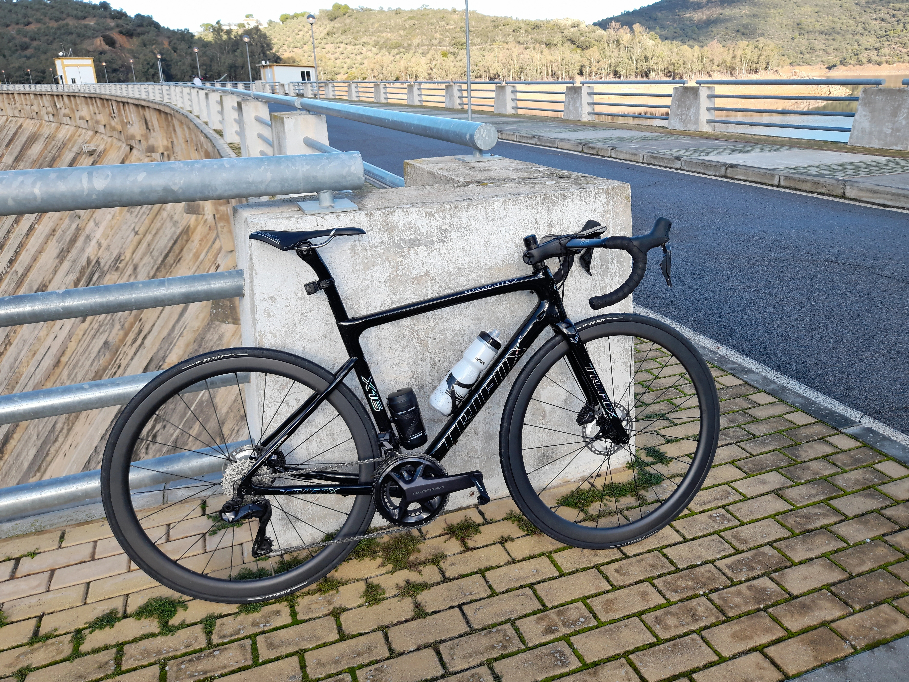
The Real Weakness: Impact vs. Fatigue
It's crucial to understand what carbon handles well and what requires caution.
Excellent Fatigue Resistance: Unlike metals that can weaken with repeated stress cycles, a properly manufactured carbon frame is exceptionally resistant to fatigue from pedaling forces, road vibrations, and normal riding. This is a primary reason carbon is favored for long-term durability in high-stress applications.
Point Impacts Are the Concern: The primary vulnerability of carbon is localized, sharp impact. Think of a direct, hard strike from a rock or a crash where the frame hits a sharp edge. This is different from the overall "fragility" myth. Aluminum can dent in such an event, while carbon might crack. However, modern layups and protective clear coats are very resilient.
Built to Last: The Trifox X16QR as a Case Study
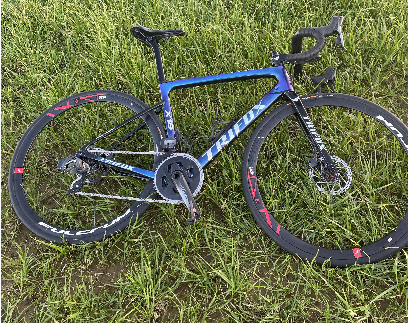
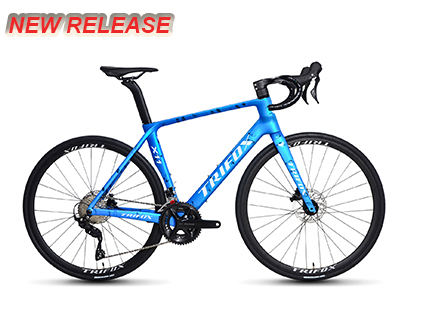
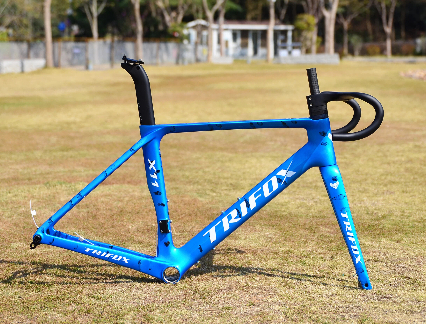
Examining a specific frame dispels the myths. The Trifox X16QR is a perfect example of a durable, modern carbon road frame:
Premium Material: Its T800 carbon fiber is a high-grade material offering an excellent balance of low weight and high strength.
Practical, Resilient Features: It uses a V-brake and quick-release system, a testament to its versatile and robust design philosophy suitable for a wide range of components and riders.
Real-World Proven: With a complete frameset weight starting around 875g (for a 44cm size), it achieves incredible lightness without sacrificing the structural integrity needed for aggressive riding and climbing, proving that lightweight does not equate to weak.
Conclusion: A Durable Choice for Discerning Riders
The narrative that carbon frames are fragile is an outdated relic. Today's carbon frames, especially performance-oriented models like the Trifox X16QR, are the product of decades of advancement in composite engineering. They are designed to be stiff, efficient, comfortable, and—importantly—durable enough for years of demanding use. The real risk isn't in riding a quality carbon frame; it's in missing out on the responsive, exhilarating, and yes, robust ride experience that only modern carbon can provide. Choose a well-designed frame from a reputable brand, follow basic care (like using a torque wrench), and enjoy the confidence that comes with a strong, lightweight machine.
2025-12-18
Trifox
SHARE:


Comments
Recent Posts
1
1
1
1
1
1
1
1
1
1
1
1
1
1
1
1
1
1
1
1
1
1
1

1



