






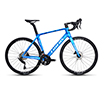


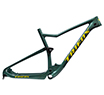
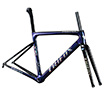










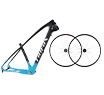
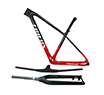

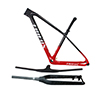
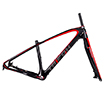





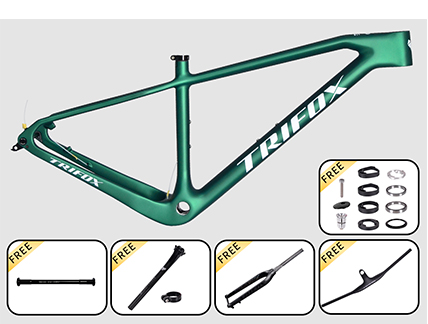
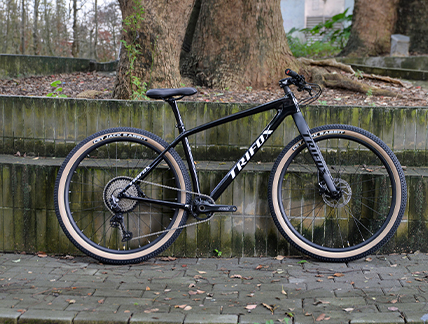
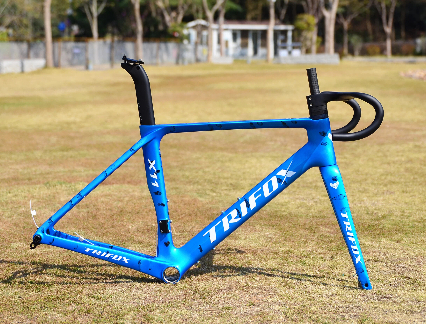
For mountain bikers seeking both performance and comfort, the question of vibration absorption looms large. Many cyclists have heard claims about carbon fiber's ability to "soak up" trail vibrations, but how much of this is marketing hype versus scientific reality? Examining frames like the Trifox SDY21 Lightweight Carbon MTB Hardtail Frame reveals a complex interplay of materials science that impacts ride quality, whether building a modern 29 in mountain bike frame or a minimalist single speed bike frame.
The Material Science: Why Carbon Fiber Behaves Differently
Carbon fiber's vibration-damping capability stems from its composite nature. Unlike homogeneous materials like aluminum, carbon fiber consists of microscopic filaments in a resin matrix, creating interfaces where vibrational energy dissipates. When vibrations travel through the carbon frame, they navigate complex interfaces, with each boundary absorbing energy—creating measurable damping that riders perceive as improved mountain bike comfort, whether on a geared bike or single speed bike frame.
Structural Damping vs. Material Damping
Crucial to distinguish between structural damping (from frame design) and material damping (from inherent properties). Carbon fiber excels at material damping due to its composite nature. The SDY21 harnesses this through careful carbon layup, optimizing both stiffness for power transfer and compliance for vibration absorption. This approach creates a hardtail frame that feels stiff during pedaling but forgiving on trail imperfections, beneficial for both 29 in mountain bike frame and single-speed configurations.
Frequency Matters: Which Vibrations Get Absorbed
Carbon fiber doesn't dampen all frequencies equally. Higher frequency vibrations from trail chatter are most effectively absorbed—precisely what causes hand numbness and muscle fatigue. The SDY21 addresses this spectrum through balanced design: carbon construction handles high-frequency damping while geometry manages larger impacts. This explains less fatigue on carbon hardtails, particularly important for 29 in mountain bike frame setups where wheel dynamics interact differently with trail vibrations, affecting overall ride quality.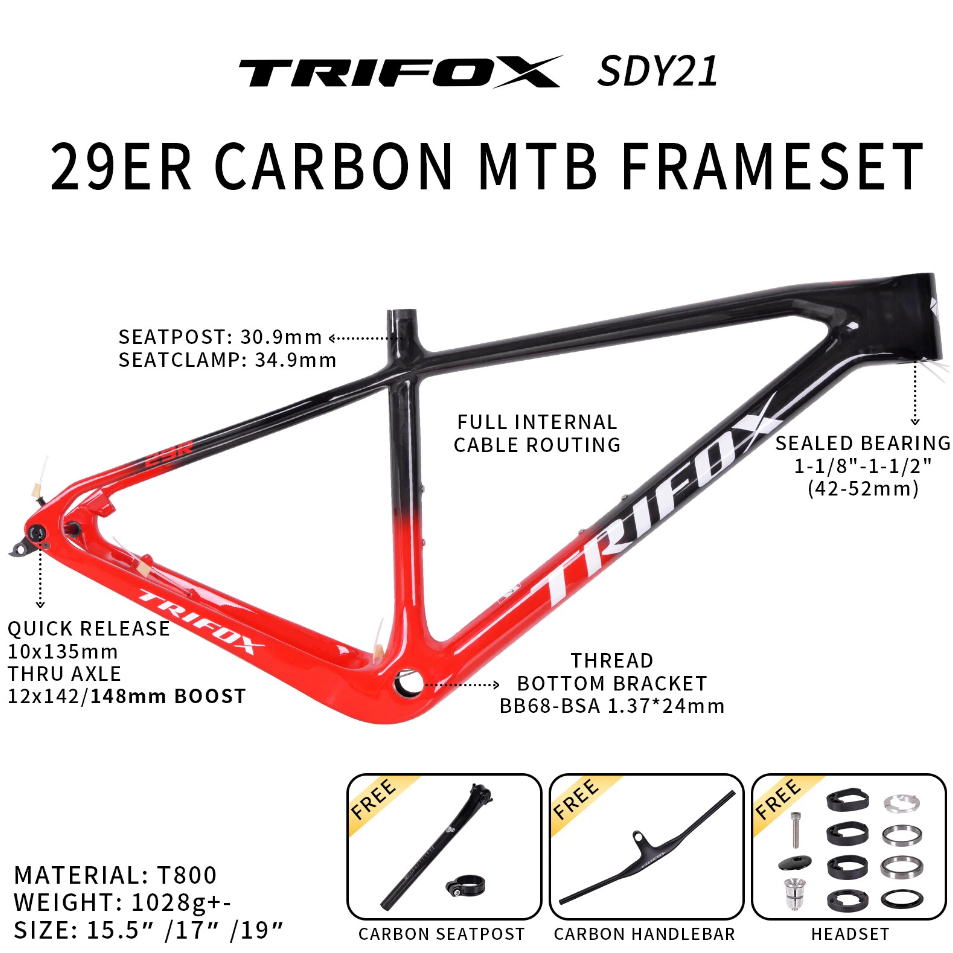
The Layup Process: Engineering Vibration Pathways
How carbon fiber is laid up significantly impacts vibrational characteristics. The SDY21 employs a sophisticated combination: high-stress areas use unidirectional fibers for optimal power transfer—critical for both racing bikes and single speed bike frame builds. Comfort-focused areas incorporate woven fabrics that enhance vibration damping technology without compromising structure. This intelligent carbon layup science delivers both efficiency and comfort in modern mountain bike frame design.
Real-World Implications: Less Fatigue, More Control
Practical benefits appear during extended trail sessions. Reduced vibration transmission means less hand and arm fatigue, allowing better control—particularly valuable on hardtails and crucial in a single speed bike frame where riders cannot shift to easier gears when fatigued. This trail vibration reduction also improves traction; by filtering vibrations, carbon frames maintain more consistent tire contact, especially valuable in loose conditions and beneficial for 29 in mountain bike frame configurations where larger wheels benefit from stable tracking.
Comparing Materials: Carbon's Advantage
Aluminum transmits vibrations efficiently with minimal damping, explaining why aluminum hardtails feel "harsh"—especially noticeable in minimalist single speed bike frame builds. Carbon fiber occupies a unique middle ground: stiffer than aluminum in specific directions while providing better carbon fiber vibration damping through its composite nature. This advantage proves particularly evident in modern 29 in mountain bike frame designs where carbon helps mitigate sometimes-harsher feedback from larger wheels.
Conclusion: Science Confirms the Ride Experience
Whether carbon fiber really absorbs vibrations finds answer in both laboratory measurements and rider experiences. The material's composite structure converts vibrational energy through microscopic interfaces—scientifically valid and perceptually significant across configurations. Frames like the Trifox SDY21 demonstrate how carbon engineering balances stiffness, weight, and durability while delivering tangible benefits: less fatigue, better control, and more enjoyable trail time—whether building a versatile 29 in mountain bike frame or a simplified single speed bike frame for uncomplicated riding pleasure.
2025-12-10
Trifox
SHARE:


Comments
Recent Posts
1

1

1
1

1

1
1

1
1
1
1

1
1
1

1
1

1

1
1

1
1
1
1

1



