



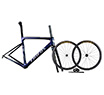
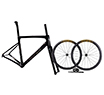





Choosing the right bicycle wheelset can significantly influence your cycling performance and overall riding experience. When considering a new wheelset, several key factors come into play, including material, weight, aerodynamics, and brake compatibility. Each of these elements contributes to how the wheels will perform under different conditions.
Material is a crucial consideration. Carbon fiber has become the material of choice for many cyclists due to its excellent strength-to-weight ratio.
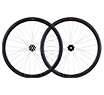
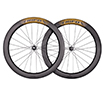
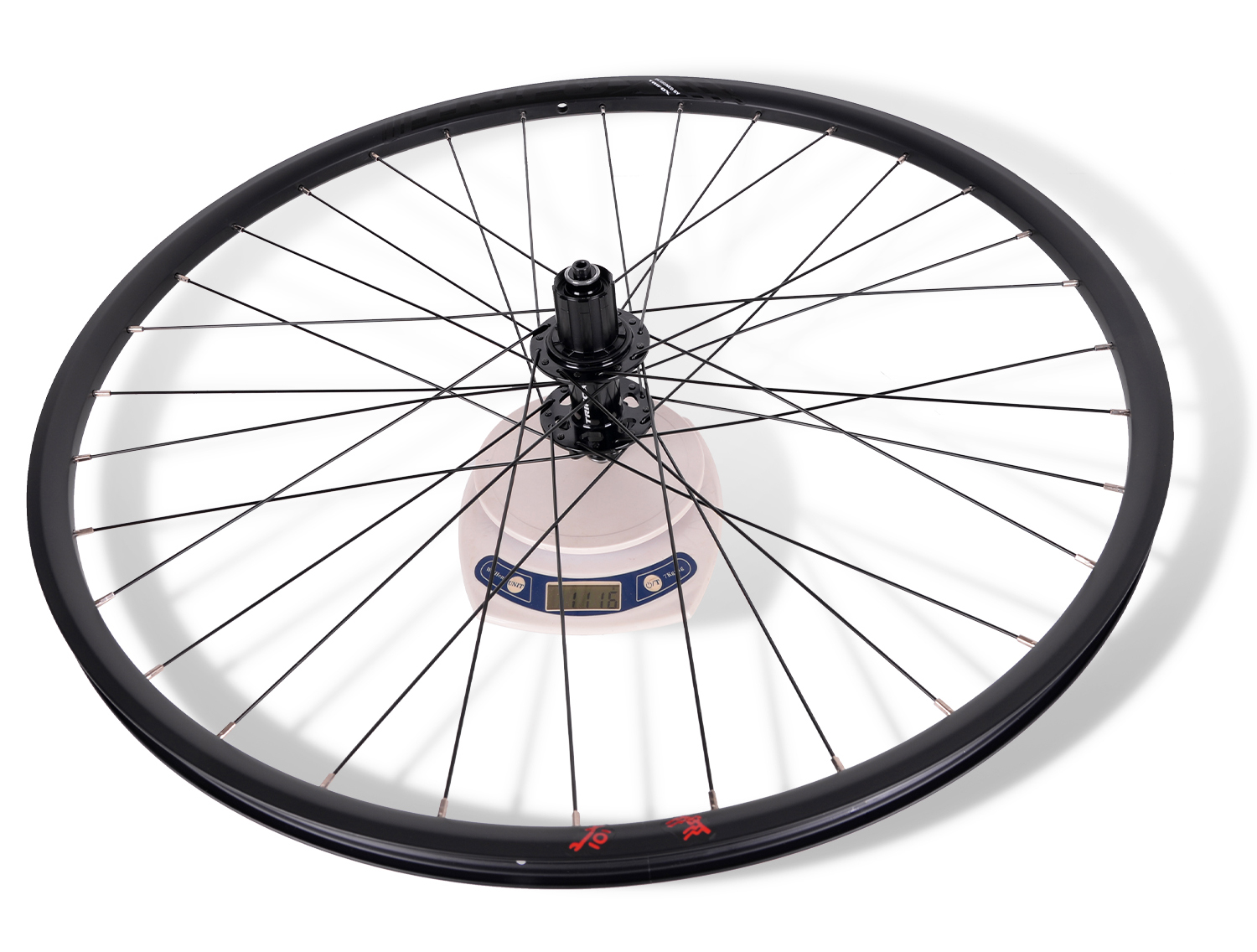
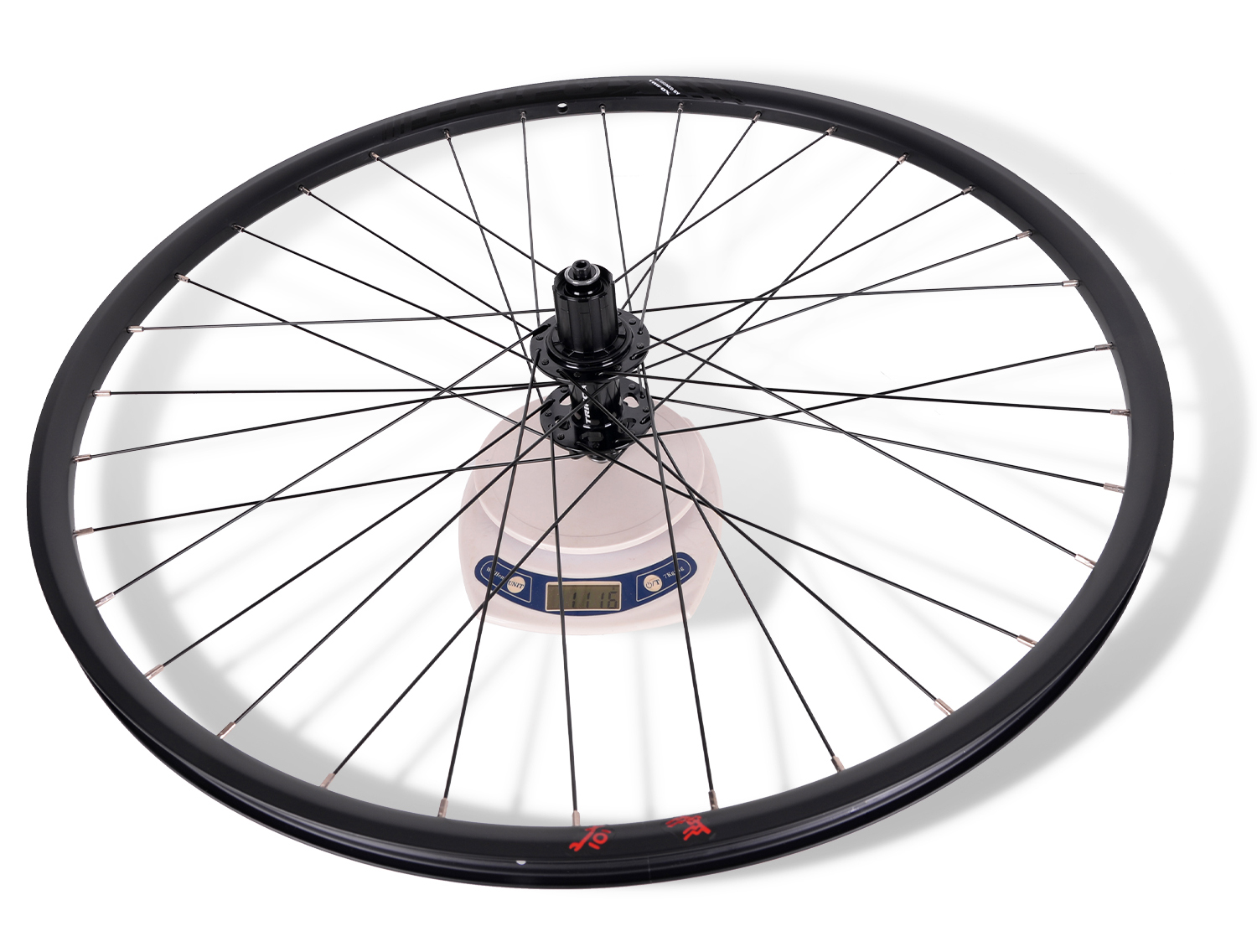
Carbon wheelsets, like those offered by Trifox, provide a lightweight option that enhances speed and acceleration. The reduction in weight means less effort is required to maintain speed, making these wheels ideal for both competitive racing and long-distance rides. Additionally, carbon fiber's inherent stiffness improves power transfer, ensuring that each pedal stroke results in forward momentum.
Weight is another critical factor. Lighter wheels can make a substantial difference, especially when climbing or accelerating. The less rotational mass there is, the easier it is to get the wheels spinning and to keep them spinning, which can lead to improved performance and reduced fatigue over long distances.
Aerodynamics also play a vital role, particularly for road cyclists focused on speed. Deep-section rims, often found in carbon wheelsets, help reduce air resistance, allowing for faster riding with less effort. This aerodynamic advantage becomes increasingly important in time trials and race situations where every second counts.
Brake compatibility is a practical consideration that must not be overlooked. Wheelsets come with different braking systems, typically designed for either disc brakes or traditional rim brakes. Trifox's carbon road bike wheels, for instance, offer compatibility with both disc and V brakes, providing versatility for different bike setups. Choosing the right brake compatibility ensures better performance and safety, particularly in varying weather conditions.
When selecting a wheelset, it’s essential to match it to your specific cycling needs and style. For instance, if you primarily ride on flat roads and focus on speed, an aerodynamic wheelset may be more beneficial. Alternatively, if you're an avid climber, a lighter wheelset could better suit your needs.
Using Trifox’s carbon road bike wheels as an example, these wheelsets offer a blend of advanced features that cater to various cycling disciplines. The use of carbon fiber not only provides a lightweight solution but also enhances durability, ensuring the wheels can withstand rigorous use. The aerodynamic design aids in maintaining higher speeds with less effort, making them a smart choice for those looking to upgrade their performance.
In conclusion, choosing the perfect bicycle wheelset involves a balance of material, weight, aerodynamics, and brake compatibility. By considering these factors and how they align with your cycling objectives, you can select a wheelset that enhances your performance, speed, and overall cycling experience. Whether you’re a competitive racer or a weekend warrior, the right wheelset can make all the difference in achieving your cycling goals.
Selecting the best bicycle saddle can significantly enhance your riding experience, offering the perfect blend of comfort, performance, and durability. While personal preferences and riding styles play a crucial role, there are certain features every rider should consider when choosing the right saddle.
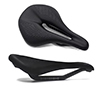
Comfort is paramount. A saddle that doesn't fit well can lead to discomfort and even pain during long rides. It's essential to choose a saddle that aligns with your body's anatomy. The shape and width should offer ample support to your sit bones while the nose should be shaped to prevent pressure on soft tissues.
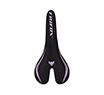
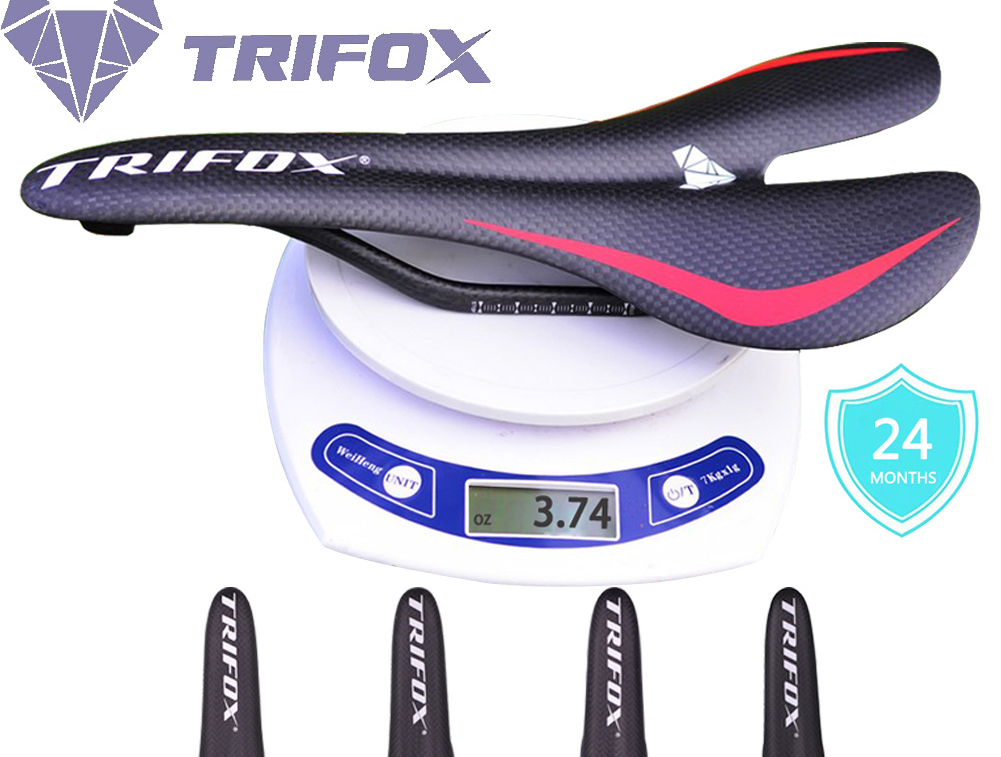
The Trifox CS100, for instance, features a thoughtful nose design that promotes better blood circulation and prevents numbness, making it a superb choice for extended rides.
Weight is another critical factor, especially for competitive cyclists or those who frequently engage in long-distance biking. A lighter saddle can make a noticeable difference in your bike's overall performance.
Carbon fiber saddles, like the Trifox CS100, are favored for their excellent strength-to-weight ratio. Weighing just 106 grams, this saddle reduces the overall weight of the bike, enhancing speed and control without compromising durability.
Material plays a significant role in saddle performance. Carbon fiber is not only lightweight but also offers remarkable vibration dampening abilities.
The Trifox CS100's carbon fiber construction absorbs shocks and vibrations, delivering a smoother and more comfortable ride across different terrains. This feature is especially beneficial for those who frequently cycle on rough or uneven surfaces.
Ventilation should not be overlooked. A saddle with a vented design helps in maintaining airflow during rides, keeping the rider cool and preventing sweat buildup. The Trifox CS100 incorporates a vent design that enhances breathability, ensuring a more pleasant and dry riding experience.
Ultimately, the choice of saddle should also reflect your riding style. Whether you're a road cyclist, a commuter, or an off-road enthusiast, your saddle needs to complement your riding habits.
A well-fitted saddle like the Trifox CS100, which offers a blend of comfort features and performance enhancements, can significantly improve your cycling experience.
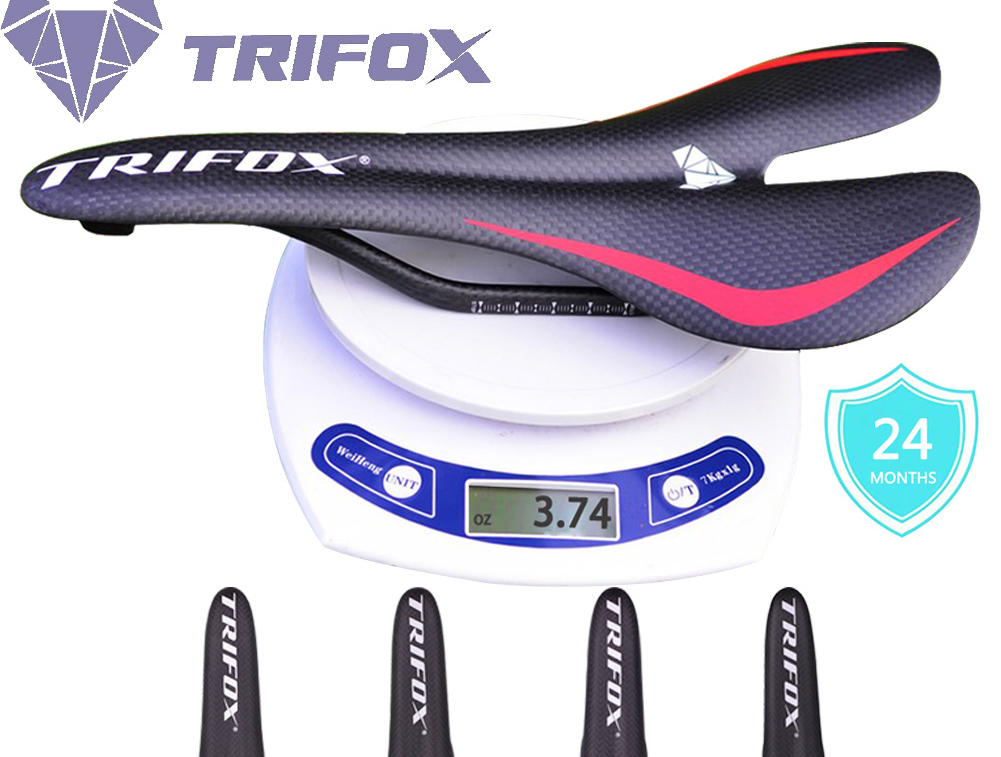
In conclusion, finding the best bicycle saddle involves balancing comfort, weight, material, and design to suit your personal needs. The Trifox CS100 exemplifies these qualities with its lightweight carbon fiber construction, ergonomic design, and advanced features, making it a top choice for cyclists seeking to optimize their ride. By taking the time to select a saddle that aligns with your anatomy and riding style, you can enjoy a more comfortable and efficient cycling journey.
Upgrading your bike can be an exciting journey into enhancing performance and enjoyment, and choosing a road disc frameset is a strategic move for any cyclist.
Disc brakes on road bikes have revolutionized cycling by delivering superior stopping power, especially under variable weather conditions. This significant improvement in braking performance ensures you can ride confidently, whether facing wet roads or steep descents.
One of the most compelling reasons to opt for a road disc frameset is its versatility. Disc brakes provide consistent performance in both dry and wet conditions, offering peace of mind during sudden stops and enhancing safety on unpredictable terrains. This makes them an excellent choice for those who ride frequently in diverse environments, ensuring reliability and control.
The construction material of the frameset also plays a crucial role in upgrading your cycling experience. Carbon fiber frames are celebrated for their exceptional strength-to-weight ratio.
This means you get a lightweight bike that doesn’t compromise on durability. A lighter bike translates to better speed and easier handling, especially during climbs, without sacrificing stability.
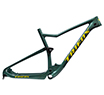
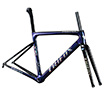
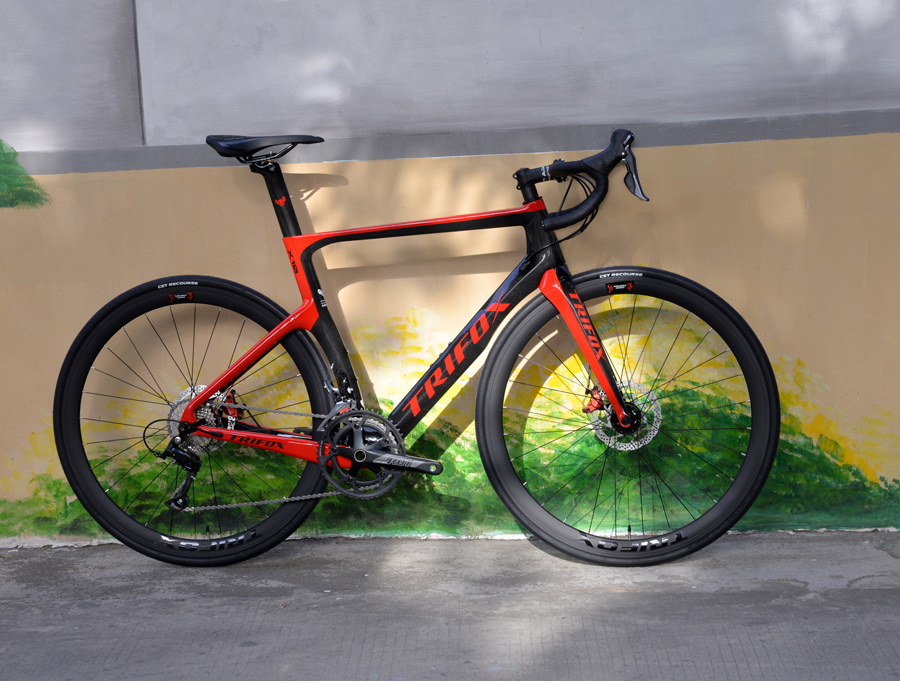
Trifox’s range of carbon road bike frames exemplifies these benefits. Known for their affordability and quality, Trifox frames offer a practical upgrade option without breaking the bank. By integrating carbon fiber construction with disc brake capability, these framesets provide a comprehensive package of durability, efficiency, and enhanced safety.
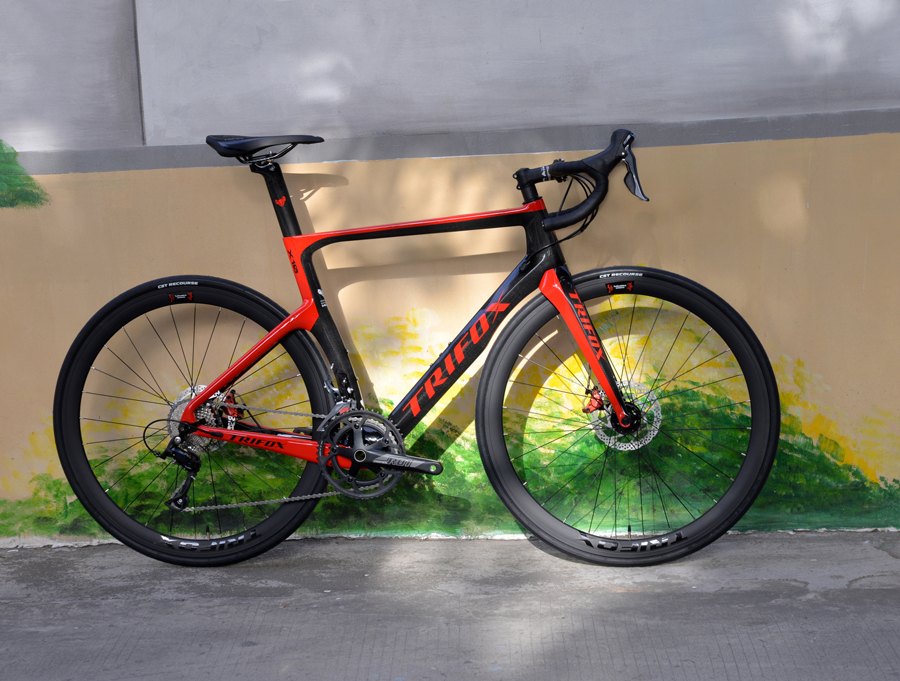
Choosing a road disc frameset from Trifox not only elevates your biking performance but also offers a smart investment in your cycling future. With improved braking, reliable performance across weather conditions, and the lightweight advantage of carbon fiber, a road disc frameset is undeniably a worthwhile upgrade for cyclists aiming to enhance their ride.
Whether you’re gearing up for competitive cycling or simply seeking a more enjoyable ride, this upgrade ensures you’re equipped for the road ahead.
Cyclists often seek ways to enhance their performance and comfort, and taping aero bars is a simple yet impactful method to achieve this. Aero bars, used primarily by triathletes and time trialists, offer aerodynamic advantages by allowing cyclists to assume a more streamlined position.
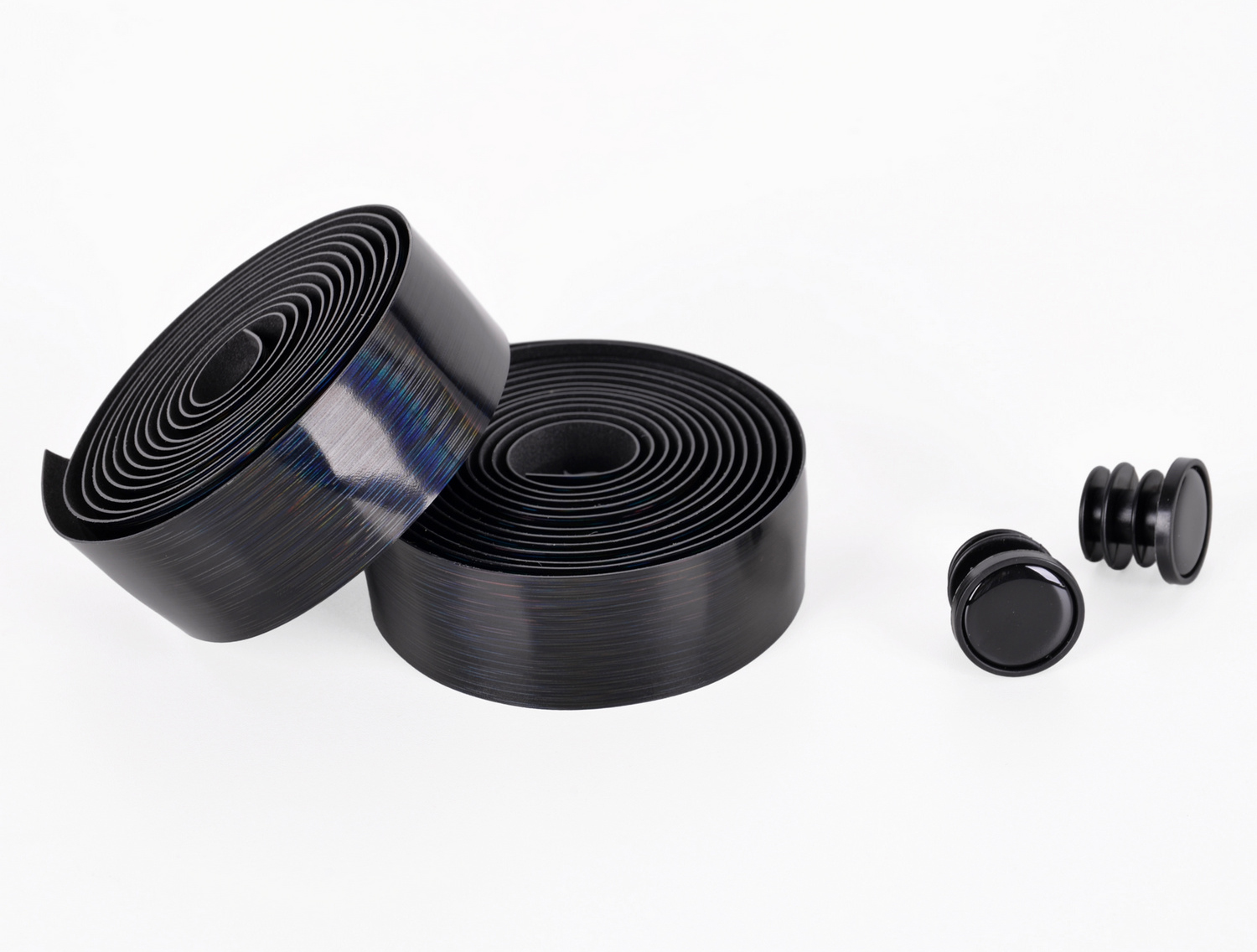
Taping these bars with high-quality handlebar tape, such as Trifox Bike's BHT100, further enhances grip, comfort, and aerodynamics, making it an essential practice for serious cyclists.
One of the primary benefits of taping aero bars is improved grip. During long rides or competitive events, maintaining a secure hold on the bars is crucial, especially in adverse weather conditions.
The BHT100 tape, made from EVA and PU leather, provides a textured surface that offers excellent grip, even when wet. This ensures that cyclists can maintain control and stability, which is vital for safety and performance.
In addition to grip, comfort is significantly enhanced through taping. The padded nature of handlebar tape acts as a cushion against road vibrations, reducing hand fatigue and discomfort. This is particularly beneficial during long-distance rides or time trials where comfort can directly influence endurance and performance.
Taping also contributes to the aerodynamics of the aero bars. By creating a smooth surface, tape minimizes air resistance, allowing cyclists to maintain their aerodynamic posture without interruptions. This subtle yet effective improvement can lead to time savings during races.
Here’s a step-by-step guide on how to tape your aero bars effectively:
1. Preparation: Begin by cleaning the aero bars thoroughly to remove any dirt or grease. This ensures that the tape adheres properly.
2. Application: Start at the end of the aero bars, securing the tape with a small overlap. Stretch the tape slightly as you wrap it tightly around the bars, ensuring each wrap overlaps the previous one by half. This technique prevents gaps and ensures full coverage.
3. Finishing Touches: Once you reach the top of the bars, trim any excess tape and secure the end with the finishing tape provided. Ensure the tape is smooth and securely fastened to prevent unraveling during rides.
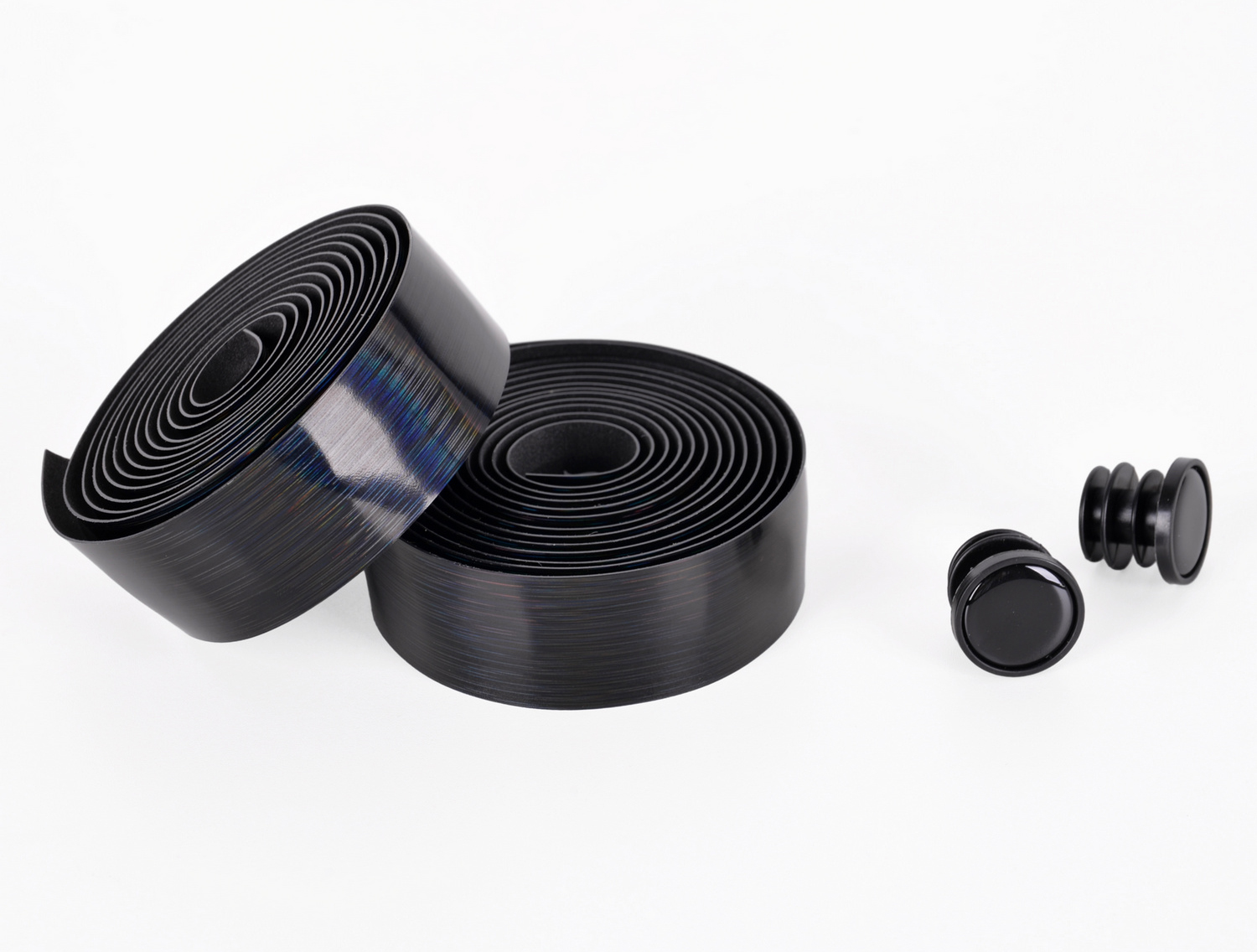
Trifox Bike's BHT100 tape is an excellent choice for taping aero bars. Its durability and cushioning provide both comfort and performance enhancements. With easy installation and a reliable grip, it is designed to meet the demands of cyclists at any level.
In conclusion, taping aero bars offers tangible benefits in terms of grip, comfort, and aerodynamics, making it a valuable practice for cyclists. By using high-quality tape like Trifox Bike's BHT100, riders can optimize their aero bars for superior performance and comfort, ensuring a more enjoyable and efficient cycling experience.
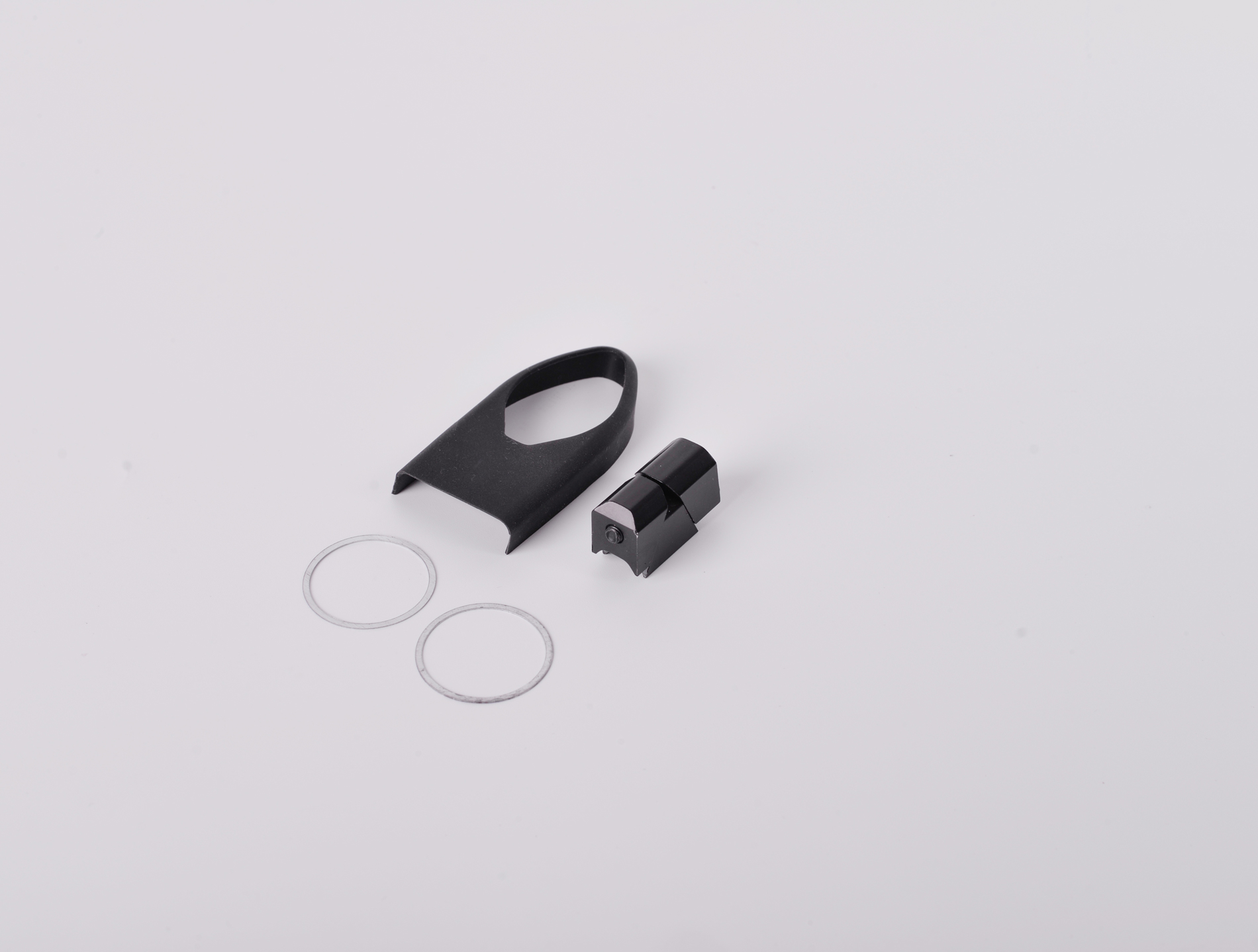
In the world of cycling, every component plays a vital role in enhancing the overall riding experience. One such component, often overlooked but equally important, is the quick release seatpost clamp. These clamps provide a range of benefits that can significantly improve convenience and versatility for cyclists.
One of the primary advantages of quick release seatpost clamps is their ease of adjustment. Unlike traditional clamps that require tools to adjust, quick release clamps allow cyclists to change seat height effortlessly, without the need for any tools. This is particularly beneficial for riders who frequently switch between different terrains or cycling styles.
For instance, transitioning from a steep hill climb to a flat road may necessitate a different saddle height for optimal comfort and performance. With a quick release clamp, these adjustments can be made swiftly and on the go.
Convenience is another major benefit. For cyclists who share a bike with family or friends, the ability to quickly adjust the seatpost to fit different riders’ heights is invaluable. This feature ensures that everyone can ride comfortably, reducing the risk of discomfort or injury due to improper seat height.
Versatility is also enhanced with quick release seatpost clamps. Whether you're commuting, racing, or mountain biking, the ability to adjust your seat quickly can adapt to varying demands and conditions. This flexibility can improve ride quality and efficiency, allowing you to maintain optimal posture and power output regardless of the scenario.
However, while quick release seatpost clamps offer numerous benefits, there are potential drawbacks to consider. They might be less secure compared to traditional clamps, potentially leading to the seatpost slipping during intense rides. To mitigate this, it’s crucial to ensure that the clamp is properly tightened before setting off. Regular checks and maintenance can also help maintain its reliability and performance.
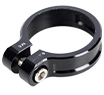
Trifox Bike, renowned for its high-quality cycling components, offers a dependable quick release seatpost clamp that stands out for its durability and performance. Designed with precision engineering, Trifox’s clamp provides a secure fit while allowing for easy adjustments, making it a trusted choice for cyclists seeking both convenience and reliability.
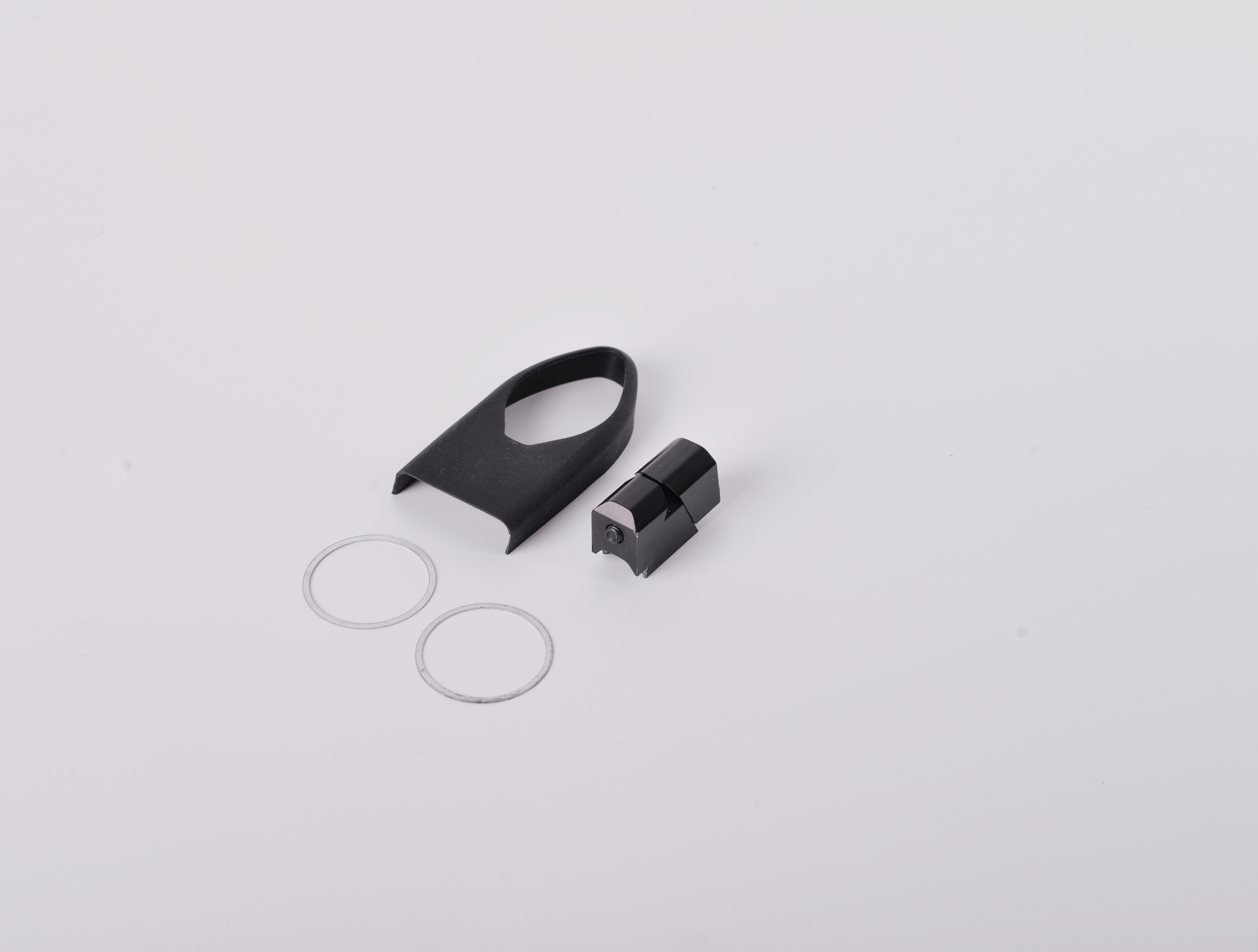
In conclusion, quick release seatpost clamps offer significant advantages in terms of ease of use, convenience, and adaptability. By allowing for rapid seat height adjustments, they enhance the cycling experience, making each ride more enjoyable and efficient. Trifox Bike’s offering in this category exemplifies these benefits, providing cyclists with a reliable and versatile solution.
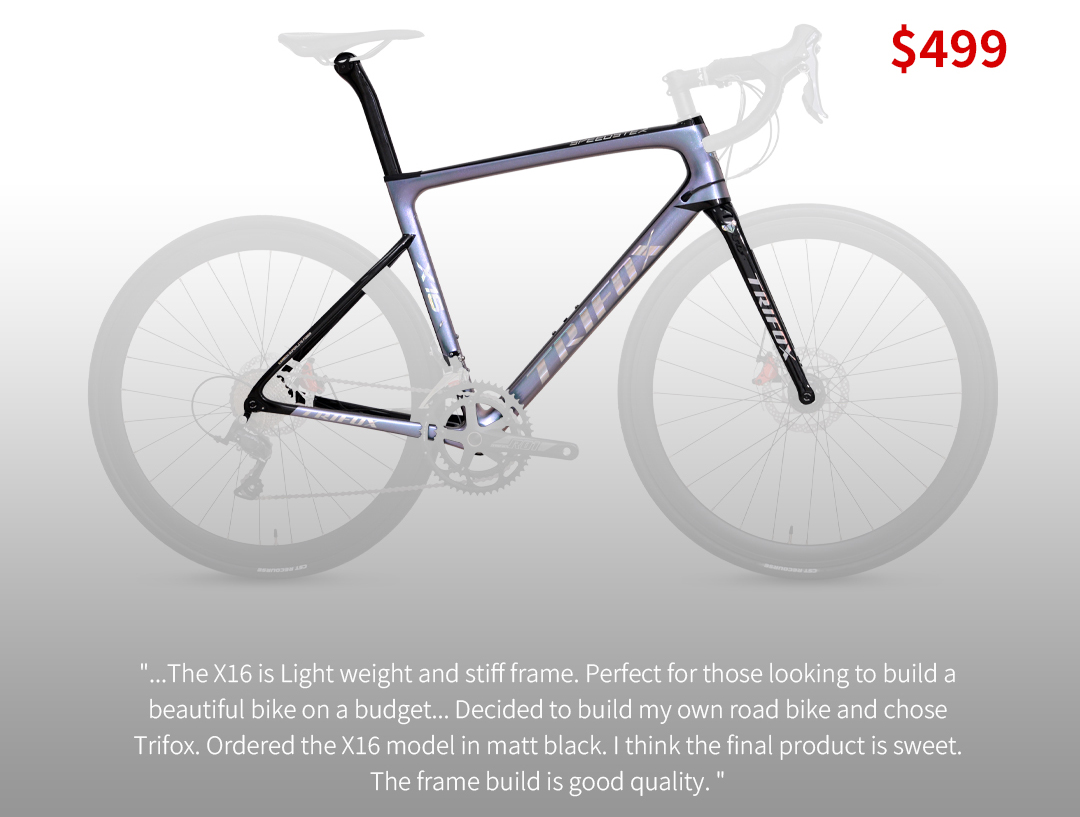
The world of cycling has evolved significantly, with advancements in technology bringing forth the era of fully carbon bicycles. These marvels of engineering offer a host of advantages that have revolutionized the cycling experience for both competitive cyclists and casual riders alike.
One of the standout features of carbon bicycles is their incredibly lightweight nature.
Made from carbon fiber, these bikes are significantly lighter than their aluminum or steel counterparts, allowing for easier handling and greater speed on the road. This reduction in weight translates into less effort required to pedal, making long rides more enjoyable and less taxing on the body.
Durability is another key benefit of carbon bicycles. Despite being lightweight, carbon fiber provides a strong and resilient frame that can withstand the rigors of various terrains.
This durability means that cyclists can tackle challenging trails with confidence, knowing their bike can handle the pressure without compromising structural integrity.
Performance benefits are at the heart of why many cyclists opt for carbon bikes. The material's ability to dampen road vibrations leads to a smoother ride, reducing fatigue and enhancing comfort over long distances. This is particularly beneficial for road cyclists who aim to push their limits in terms of speed and endurance.
In addition to personal advantages, using bicycles as a mode of transport offers significant environmental benefits. Bicycles are a zero-emission mode of transport, contributing to reduced carbon footprints and promoting a healthier planet. With increased awareness of environmental issues, choosing a bicycle over a car for short trips can make a tangible difference.
Trifox Bike, a leader in the production of high-quality carbon bicycles, exemplifies the benefits of these innovative bikes. With a commitment to precision engineering and customer satisfaction, Trifox offers products that enhance the cycling experience through superior design and technology. Their dedication to quality and sustainability makes them a trusted choice for cyclists seeking the best in carbon bike performance.
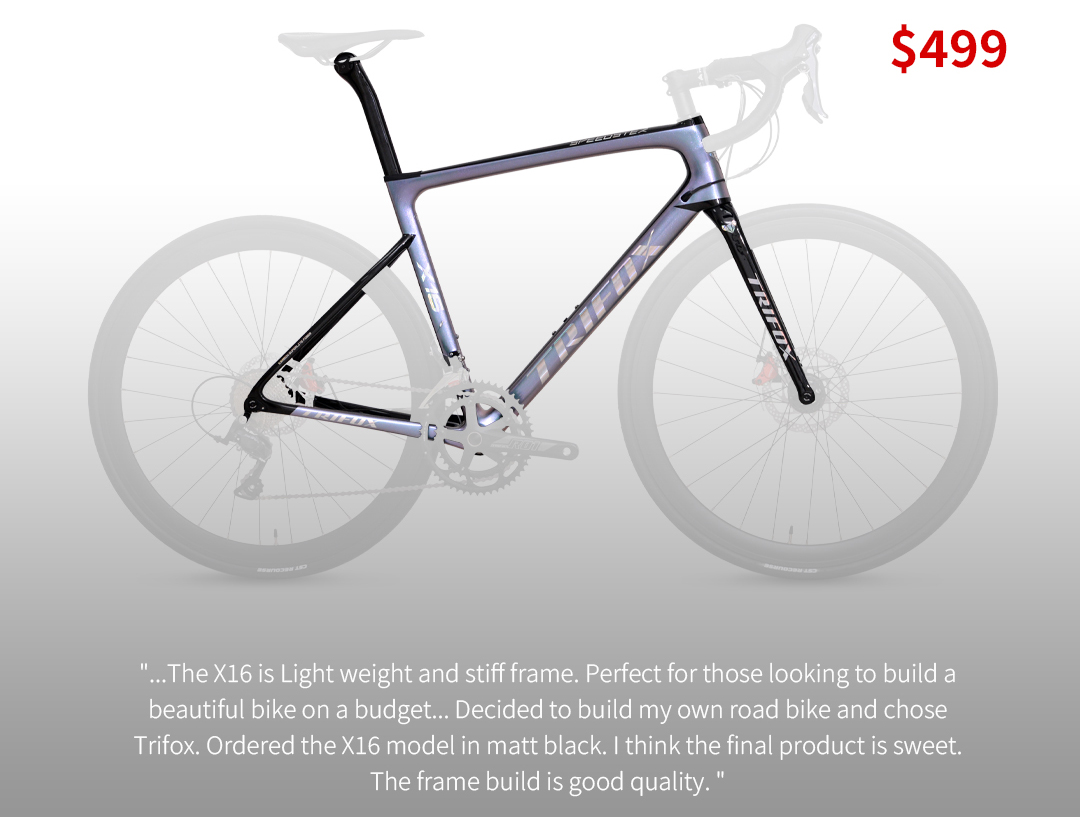
In summary, fully carbon bicycles offer unmatched advantages in terms of weight, durability, and performance, making them a worthwhile investment for any cycling enthusiast. Whether you're commuting to work or exploring new trails, a carbon bike transforms every ride into a more efficient and exhilarating journey.
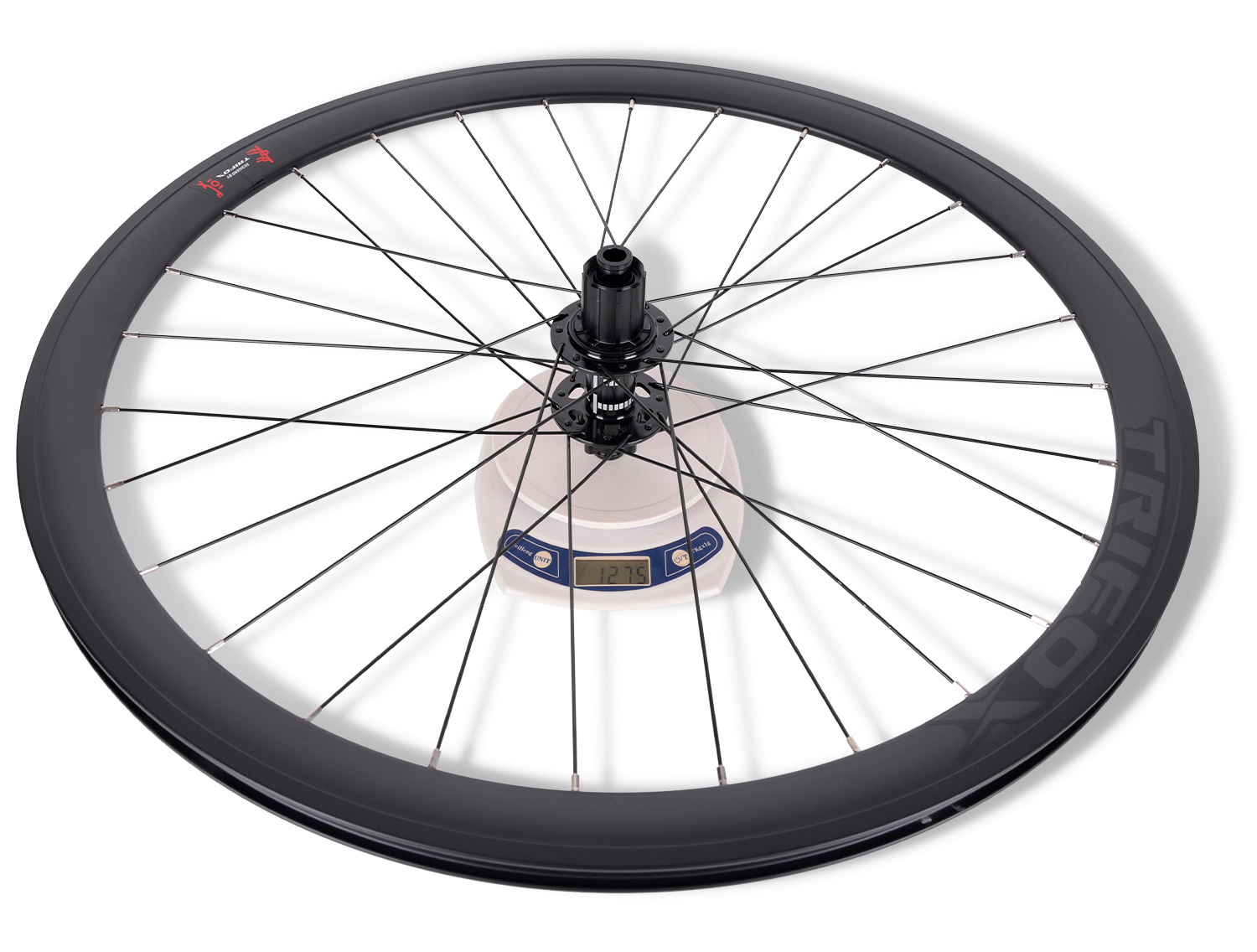
Upgrading your road bike's wheelset can significantly enhance your cycling performance, providing not only improved speed and efficiency but also better handling and ride quality. A well-chosen wheelset upgrade can be one of the most impactful modifications you make to your bike, transforming your riding experience.
Benefits of Upgrading Your Wheelset:
1. Increased Speed and Efficiency: Lighter wheels reduce rotational weight, making it easier to accelerate and maintain speed. Aerodynamic wheelsets minimize air resistance, allowing for smoother, faster rides.
2. Enhanced Ride Quality: High-quality wheelsets offer better responsiveness and smoother handling. They can absorb road vibrations more effectively, leading to a more comfortable ride over long distances.
3. Improved Durability: Upgrading to a robust wheelset ensures greater reliability and longevity, especially crucial for riders tackling various terrains and conditions.
Key Factors to Consider When Choosing a New Wheelset:
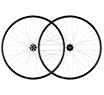
1. Material: Wheelsets are commonly made from carbon or alloy. Carbon wheels are lighter and more aerodynamic, ideal for competitive cyclists. Alloy wheels, such as those from TRIFOXBIKE, offer a great balance of performance and affordability, making them a favorite among many cyclists.
2. Rim Depth: Deeper rims provide aerodynamic benefits, making them suitable for flat terrains and time trials. However, they may be susceptible to crosswinds. Shallower rims are more versatile and handle better in varied conditions.
3. Spoke Count and Pattern: More spokes generally mean a stronger wheel, which is beneficial for heavier riders or rough terrain. The pattern and tension affect wheel strength and aerodynamics.
4. Compatibility: Ensure the new wheelset is compatible with your existing bike components, such as the cassette and brakes (rim or disc).
Tips for Installation and Maintenance:
1. Professional Installation: Have your new wheelset installed by a professional or follow detailed instructions to ensure proper alignment and tension, which are critical for performance and safety.
2. Regular Maintenance: Keep your wheels clean and free of debris. Regularly inspect for any signs of wear or damage, and ensure spokes are properly tensioned.
3. Tire Pressure: Maintain optimal tire pressure for your new wheels to enhance performance and prevent flats.
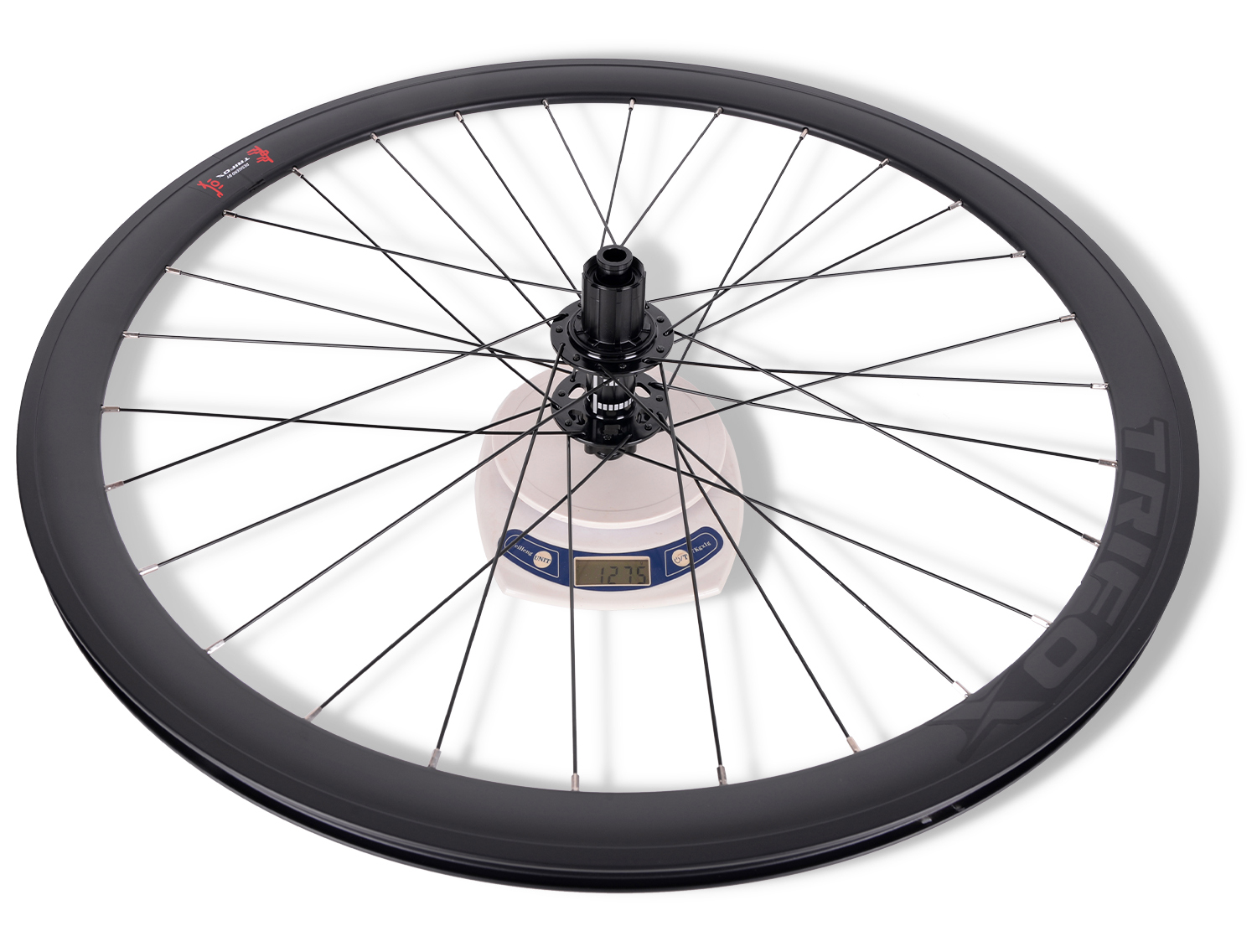
TRIFOXBIKE's alloy road wheels are an excellent example of a high-quality upgrade. Designed for reliability and performance, these wheels can elevate your cycling experience significantly. To explore TRIFOXBIKE's alloy road wheels and find the perfect fit for your cycling needs, visit their product page: TRIFOXBIKE Alloy Road Wheels.
By carefully selecting and maintaining your upgraded wheelset, you can enjoy a substantial boost in your road biking performance, making every ride faster, smoother, and more enjoyable.

Maintaining MTB bike pedals is crucial for ensuring optimal trail performance and enhancing your overall mountain biking experience. As one of the most critical contact points between you and your bike, well-maintained pedals can significantly affect your ride's efficiency and safety.
1. Importance of Pedal Maintenance:
Pedals endure a lot of stress during rides, from absorbing shocks over rough terrains to resisting dirt and moisture. Neglecting pedal maintenance can lead to inefficient power transfer, increased wear on components, and potentially hazardous riding conditions. Regular maintenance not only extends the lifespan of your pedals but also ensures smooth, reliable performance on the trails.
2. Steps for Cleaning and Lubricating Pedals:
Cleaning: Begin by removing the pedals from the bike using a wrench. Gently clean the pedals with warm, soapy water and a brush to remove dirt and grime. Pay special attention to the pedal's body, axle, and cleat contact points. After cleaning, rinse thoroughly and dry with a soft cloth.
Lubrication: Once clean, apply a suitable bicycle lubricant to the pedal's moving parts, particularly the bearings and any exposed metal surfaces. This helps reduce friction and protects against rust. Avoid over-lubricating, as excess oil can attract more dirt.
3. Checking Pedal Components for Wear and Tear:
Axle Inspection: Check the pedal axles for any signs of bending or damage. A bent axle can lead to uneven pedaling and should be replaced immediately.
Bearings: Spin the pedals to ensure the bearings are functioning smoothly. Listen for any grinding noises, which might indicate worn-out bearings needing replacement.
Cleat and Platform Wear: Inspect cleats for wear, especially if you use clipless pedals. Ensure they engage and release smoothly. For platform pedals, check for worn-out grip surfaces that might affect traction.

TRIFOXBIKE offers an impressive range of mountain bikes designed for durability and performance, making them an excellent choice for trail enthusiasts. Their bikes are engineered with high-quality components, ensuring that every ride is as smooth and efficient as possible. To explore TRIFOXBIKE's mountain bikes and elevate your trail experience, visit their product page: TRIFOXBIKE Mountain Bikes.
Regular pedal maintenance is a simple yet effective way to enhance your mountain biking adventures, ensuring your pedals are always ready to tackle the toughest trails with confidence.
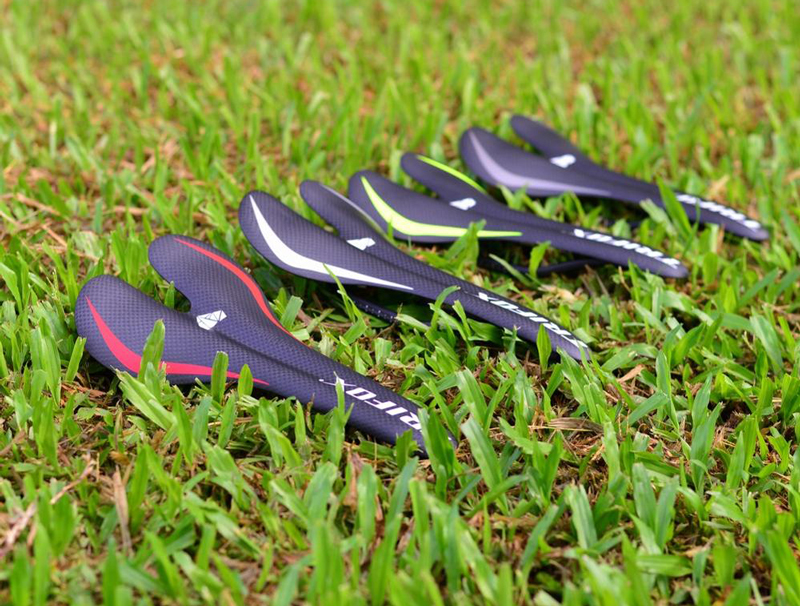
Selecting and adjusting your bicycle seat saddle is crucial for a comfortable and efficient ride, regardless of whether you're a casual cyclist or a competitive racer.
A properly chosen and adjusted saddle can make a significant difference in your cycling experience by enhancing comfort and performance, preventing discomfort, and even minimizing the risk of injury.
1. Importance of Saddle Selection:
Choosing the right saddle is about balancing comfort with performance. A saddle that matches your riding style and body anatomy can improve your pedaling efficiency and help you maintain a proper riding posture. The right saddle also alleviates pressure points, reducing the likelihood of numbness and discomfort during long rides.
2. Factors to Consider When Selecting a Saddle:
Saddle Shape and Width: Consider the shape and width that best suits your anatomy. Wider saddles offer more support for casual riders, while narrower, elongated saddles tend to favor performance-oriented cyclists.
Padding and Material: The level of padding and the material of the saddle affect comfort. Gel padding offers plush comfort, while foam provides a firm yet supportive ride. Carbon saddles, like those from TRIFOXBIKE, offer a lightweight option that balances support with performance benefits.
Cut-out or Groove Design: Saddles with a cut-out or central groove help alleviate pressure on sensitive areas, enhancing comfort for long-distance riders.
Riding Style: Your riding style—whether road cycling, mountain biking, or commuting—affects saddle choice. Road cyclists often prefer lightweight, minimalistic designs, while mountain bikers might opt for more robust, cushioned options.
3. Tips for Adjusting Your Saddle:
Height Adjustment: Ensure the saddle height allows for a slight bend in the knee at the bottom of the pedal stroke. This promotes efficient power transfer and reduces strain on the knees.
Fore and Aft Position: Adjust the saddle's horizontal position so that when the pedal is at 3 o'clock, your knee is directly over the pedal spindle. This balance aids in efficient pedaling and reduces muscle fatigue.
Tilt Angle: A level saddle is generally best for most riders. However, slight adjustments can enhance comfort. A slight upward tilt may relieve pressure on the hands, while a downward tilt can ease lower back tension.
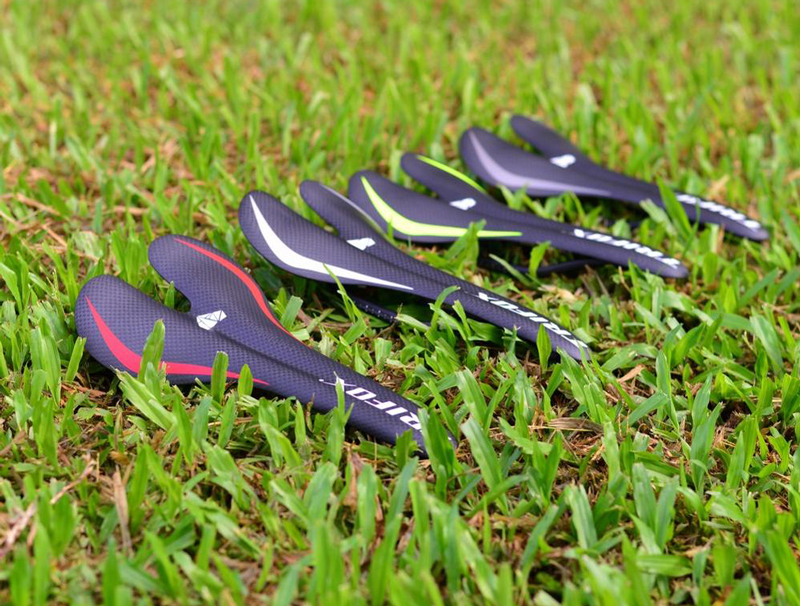
TRIFOXBIKE offers an excellent example with their carbon bike saddle, designed for both comfort and performance. This saddle is crafted with lightweight carbon materials, offering a sleek design that enhances bike aesthetics and riding efficiency. To explore TRIFOXBIKE's saddle offerings, visit their product page: TRIFOXBIKE Carbon Bike Saddle.
By carefully selecting and adjusting your bicycle saddle, you can transform your cycling experience, ensuring every ride is as comfortable and efficient as possible.



