


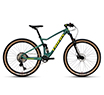
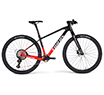
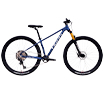
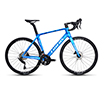
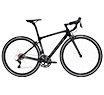
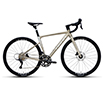
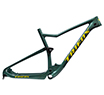
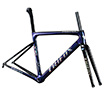
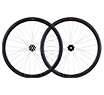
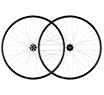
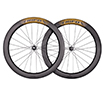
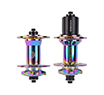
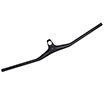
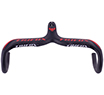
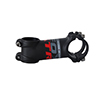
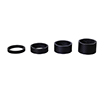
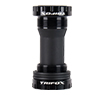
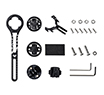
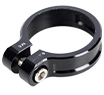
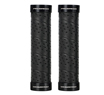
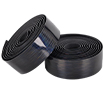
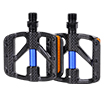
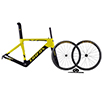
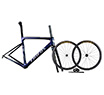
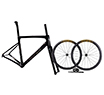
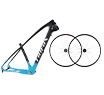
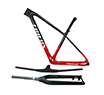
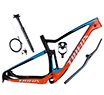
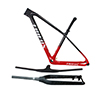
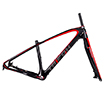





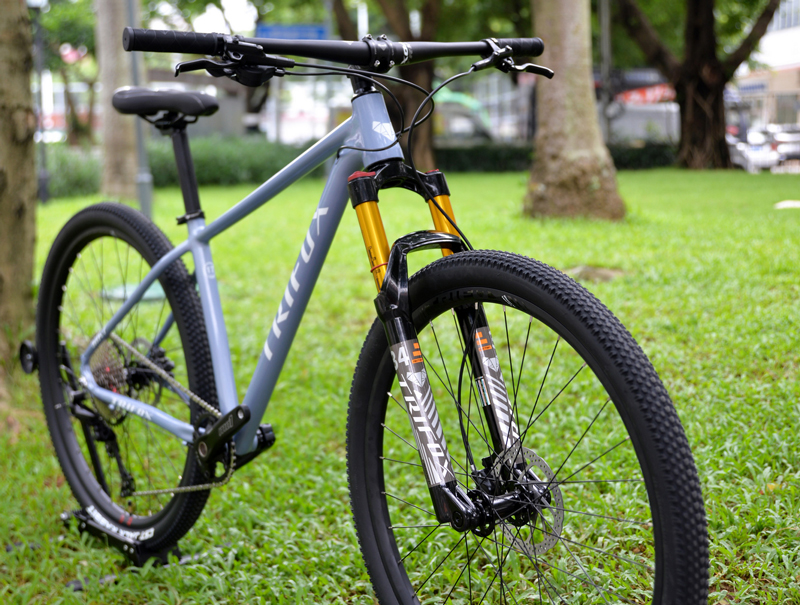
Maximizing performance in cycling often comes down to the components you choose for your bike, and lightweight carbon components can make a significant difference. Whether you're a competitive cyclist pushing for personal bests or a recreational rider seeking improved efficiency, carbon components can elevate your ride. Let's explore how these components can enhance your cycling experience. One of the primary benefits of carbon components is their weight reduction. Carbon fiber is known for its exceptional strength-to-weight ratio, which means you can enjoy a lighter bike without compromising durability. A lighter bike is easier to power up hills, accelerates more quickly, and makes long rides less fatiguing. For racers, every gram counts, and shaving weight from your bike can translate to faster times and less energy expenditure. Carbon components also offer increased stiffness, which improves power transfer and handling. When you push on the pedals, a stiff carbon frame or crankset ensures that more of your energy is directed towards propelling the bike forward, rather than being absorbed by flex in the components. This efficiency is crucial in competitive settings, where maximizing the energy from each pedal stroke can be the difference between winning and losing. Additionally, a stiffer bike is more responsive and agile, enhancing your control on the road or trail. Aerodynamics is another area where carbon components shine. Carbon can be molded into shapes that are not only structurally sound but also aerodynamic. This is particularly beneficial in components like wheels and handlebars, where reducing drag can significantly improve speed. Carbon wheels, with their deep rim profiles, slice through the air, allowing you to maintain higher speeds with less effort. Similarly, aerodynamic handlebars can reduce wind resistance, keeping you streamlined and efficient. Trifox Bike offers an impressive range of carbon components designed to help cyclists achieve their performance goals. Their carbon frames provide a solid foundation for any bike build, combining lightweight properties with robust strength. Trifox's carbon wheels are engineered to offer superior aerodynamics and responsiveness, making them an excellent choice for serious cyclists. Moreover, their carbon handlebars enhance control and comfort, further optimizing your ride. For those interested in upgrading their bike, exploring Trifox Bike's offerings is a great start. They provide high-quality carbon frames, wheels, and other components that are crafted to meet the needs of both competitive and leisure cyclists. With a commitment to top-notch quality and performance, Trifox ensures that every cyclist can experience the benefits of carbon technology. To discover more about Trifox Bike's carbon components, visit their official website. Whether you're looking to shave seconds off your race time or simply enjoy a more efficient ride, upgrading to lightweight carbon components can be a transformative decision. Embrace the advantages of carbon and take your cycling performance to the next level.
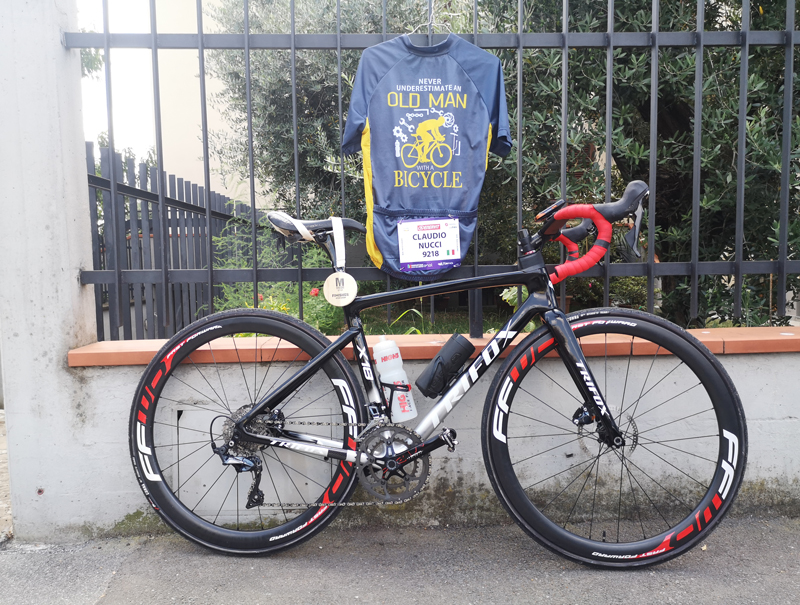
When it comes to cycling performance, the size of your bike frame can play a significant role. While many factors contribute to a cyclist's speed and efficiency, smaller frames are often touted as a secret weapon for enhanced cycling performance. But what makes them so effective? Firstly, smaller frames contribute to improved aerodynamics. By reducing the frontal area exposed to wind resistance, a smaller frame allows cyclists to maintain higher speeds with less effort. This advantage is especially crucial for road cyclists and racers, where every second counts. The compact geometry of a smaller frame helps the rider adopt a more aerodynamic position, minimizing drag and allowing for more efficient energy use. Moreover, smaller frames offer better handling and increased agility. The reduced frame size allows for quicker maneuverability, which is vital on winding roads or in competitive settings where precise control is necessary. This agility can be particularly beneficial during sudden turns or when navigating through tight spaces, giving the rider a distinct advantage over those on larger frames. Enhanced cycling performance also stems from the increased stiffness often found in smaller frames. A stiffer frame translates to more direct power transfer from the pedals to the wheels, maximizing the cyclist's effort and improving overall speed. This stiffness is particularly advantageous when sprinting or climbing, where efficient energy transfer is paramount. For those considering an upgrade, Trifox Bike offers an impressive range of carbon road bike frames designed to enhance performance. Known for their lightweight and durable construction, these frames provide the perfect balance of speed and comfort. The carbon material not only reduces weight but also offers superior vibration damping, making rides smoother and more enjoyable. Explore Trifox Bike's selection of discovered frames that can elevate your cycling experience. Whether you're a seasoned racer or a weekend warrior, a smaller frame might just be the key to unlocking your full potential on the road. Embrace the benefits of a smaller frame and experience the thrill of enhanced cycling performance.
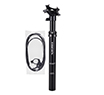
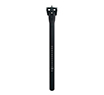
Upgrading your seatpost can be a game-changer for both comfort and performance on your bike. Whether you're a mountain biking enthusiast, a road cyclist, or a gravel grinder, a high-quality seatpost can significantly enhance your riding experience. Let's dive into the key benefits of making this upgrade. Firstly, let's explore the types of seatposts available. Rigid seatposts are a simpler option that provide a stable connection between the saddle and the bike frame. These are ideal for cyclists who prioritize direct power transfer and are riding on smooth terrains. Carbon seatposts, on the other hand, offer a lightweight and vibration-damping alternative, reducing road buzz and improving comfort on longer rides. They are particularly beneficial for road cyclists looking to shave off some weight from their setup. Dropper seatposts, like the AP316 Dropper Seatpost from Trifox, add versatility to your ride. With the ability to adjust saddle height on-the-fly, these are perfect for tackling varied terrains without stopping. Whether you're descending a steep trail or climbing uphill, a dropper post allows you to position your body optimally for control and power. Upgrading to a high-quality seatpost, such as the SLS21 Bike Seatpost, can result in enhanced handling, improved comfort, and even better bike performance. Trifox Bike offers a range of seatposts that cater to different riding styles and needs. Their products are designed with precision and quality in mind, ensuring you get the best out of your cycling adventures. For more details on their seatpost offerings, check out Trifox's official store. Embrace the benefits of a superior seatpost and elevate your ride today!
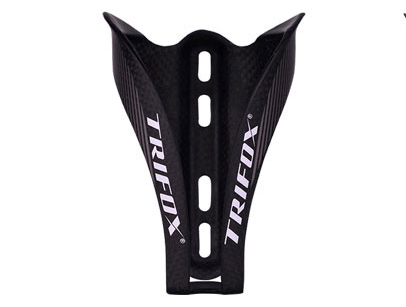
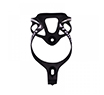
Securing and using a thick version carbon bottle cage like the Trifox CBC100 can enhance your cycling experience by providing a reliable and lightweight solution for carrying water. Here’s a guide on how to install and use the Trifox CBC100 Carbon Bottle Cage effectively. Installation Steps 1. Prepare the Tools: You’ll need a 4mm Allen wrench and the mounting bolts that come with the cage. 2. Position the Cage: Align the cage with the pre-drilled holes on your bike's frame, typically located on the downtube or seat tube. 3. Secure the Bolts: Insert the bolts through the cage’s mounting holes and into the frame. Tighten them evenly with the Allen wrench to ensure the cage is firmly attached. Ensuring a Firm Hold The Trifox CBC100 is designed to hold bottles firmly, thanks to its sturdy structure made from T800 carbon fiber. After installation: 1. Test for Fit: Insert your water bottle into the cage. It should slide in smoothly but fit snugly to prevent any rattling. 2. Adjust if Necessary: If the bottle feels loose, recheck the bolts and tighten them if needed. The CBC100’s design ensures minimal deformation, providing a reliable grip even on rough terrains. Maintenance Tips 1. Regular Cleaning: Wipe down the cage with a damp cloth after rides, especially in muddy or dusty conditions. This prevents debris buildup that could affect the bottle’s fit. 2. Inspect for Damage: Periodically check the cage for any signs of wear or damage, especially after intense rides. The carbon fiber construction is robust, but regular inspections can help maintain its integrity. Benefits of a Carbon Bottle Cage Lightweight: Weighing only 28g ± 2g, the CBC100 adds minimal weight to your bike, which is crucial for maintaining speed and efficiency. Durable: Made from high-quality T800 carbon fiber, it offers excellent strength and resilience, ensuring it withstands daily use and rough rides. Versatile: The CBC100 is compatible with mountain bikes, road bikes, and gravel bikes, making it a versatile choice for various cycling enthusiasts. Conclusion Using a high-quality carbon bottle cage like the Trifox CBC100 not only secures your hydration but also enhances your bike’s performance with its lightweight and sturdy design. By following these installation and maintenance tips, you can ensure your bottle cage remains reliable and effective throughout your rides. Embrace the convenience and efficiency of the CBC100 and enjoy a smoother, more hydrated cycling experience.
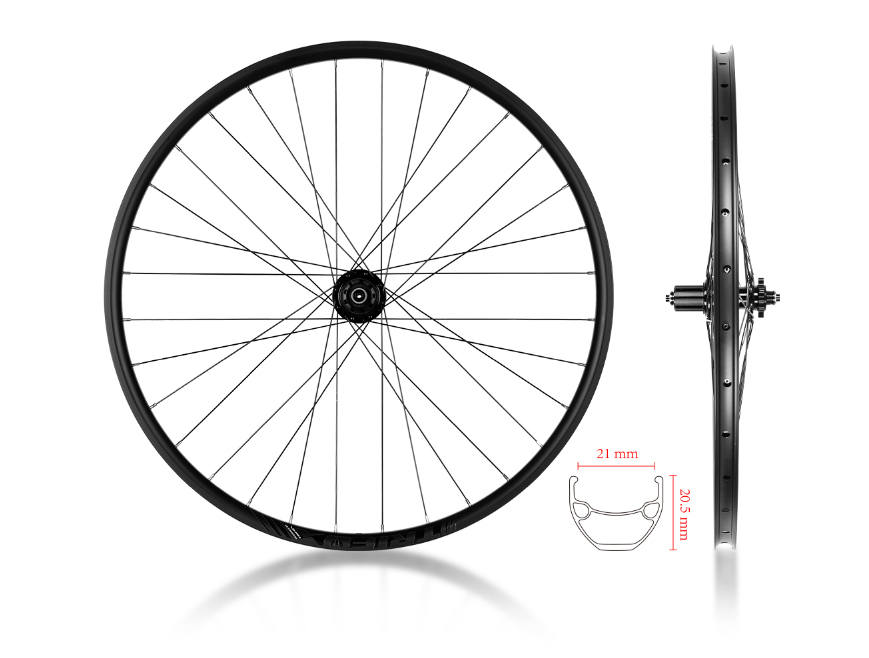
Properly aligning your rim brake alloy wheelset is crucial for peak performance and a smooth ride. Here’s a step-by-step guide to aligning the Trifox 29er Alloy Mountain Bike Wheelset WM823. Step-by-Step Alignment Guide 1. Check for Trueness: Place your bike on a stand and spin the wheel. Observe the rim from above to spot any wobbles. If the rim moves side-to-side, it needs truing. A truing stand can help, but you can also use the bike’s brake pads as a reference. 2. Adjust Spoke Tension: Use a spoke wrench to adjust the tension. Turn the nipple clockwise to tighten and counterclockwise to loosen. Focus on small increments. Tighten the spokes on the opposite side of the wobble. For vertical alignment, adjust every few spokes to ensure even tension. 3. Ensure Proper Brake Pad Alignment: Loosen the brake pad mounting bolt and align the pad so it’s parallel to the rim and strikes the center. Make sure the pad clears the tire and isn’t too close to the edge of the rim. Tighten the bolt once aligned. Tips for Peak Performance Regular Inspections: Check your wheelset for trueness and spoke tension regularly. Look for any signs of wear or damage. Cleanliness: Keep the rims and brake pads clean to prevent dirt buildup, which can affect braking efficiency. Proper Tools: Invest in quality tools like a truing stand, spoke wrench, and torque wrench for precise adjustments. Benefits of a Well-Aligned Wheelset A well-aligned wheelset like the Trifox WM823 enhances braking efficiency, ensuring that your bike stops smoothly and safely. Proper alignment also improves ride smoothness, reducing vibrations and providing a more comfortable experience. In conclusion, aligning your rim brake alloy wheelset is essential for maintaining peak performance. Regular checks, proper tools, and careful adjustments will help you enjoy the utmost efficiency and smoothness in your rides. With the Trifox 29er Alloy Mountain Bike Wheelset WM823, you can trust in durability and performance to elevate your cycling adventures.
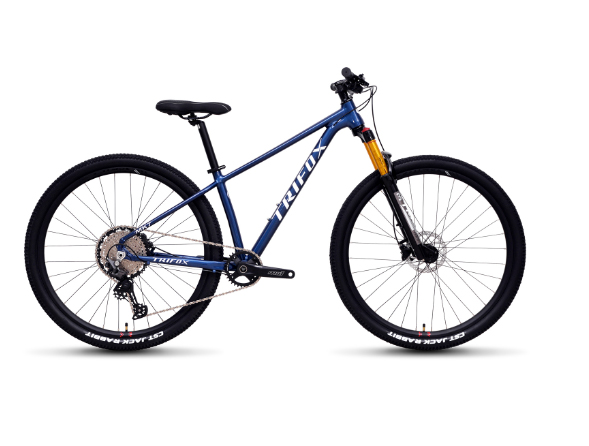
Maximize your trail adventures with an aluminum hardtail mountain bike by embracing its unique benefits and optimizing your riding approach. Aluminum hardtail bikes, like the Trifox PeakTrail Xtreme, offer a blend of durability, lightweight design, and impressive performance, making them perfect for conquering diverse trails. Benefits of an Aluminum Hardtail Mountain Bike Durability: Constructed with high-quality aluminum alloys such as AL6061 and AL7075, these bikes are built to withstand rough terrains and extensive use. The PeakTrail Xtreme features a butted aluminum frame with hydroformed top and downtubes, ensuring both strength and lightweight performance. Lightweight Design: A lighter bike enhances agility and acceleration, crucial for navigating challenging trails. The PeakTrail Xtreme’s frame is 20-30% lighter than standard aluminum frames, making it ideal for speedy ascents and quick maneuvers. Performance: Equipped with a SHIMANO DEORE M6100 12-speed Groupset, the PeakTrail Xtreme provides a wide gearing range for tackling various inclines and terrains. Its TRIFOX suspension fork, with 120mm travel, efficiently absorbs shocks from rocks and bumps, ensuring a smooth ride. Tips to Maximize Your Trail Rides Choose the Right Gear: Opt for gear that suits your trail’s difficulty level. The PeakTrail Xtreme’s 12-speed groupset allows for seamless shifting, ensuring you have the right gear for ascents and descents. Maintain Your Bike: Regular maintenance is key to performance. Clean your bike after rides, especially in muddy conditions, and inspect it for any damage. Proper lubrication and timely adjustments keep your bike in top shape. Select Suitable Trails: Pick trails that match your skill level. Start with easier trails and gradually progress to more challenging ones as you build confidence and skill. The PeakTrail Xtreme’s geometry is designed to boost confidence, making it suitable for various trail types. Conclusion Investing in a high-quality aluminum hardtail mountain bike like the Trifox PeakTrail Xtreme enhances your trail adventures significantly. Its durable, lightweight frame and advanced features like the SHIMANO DEORE M6100 12-speed Groupset and TRIFOX suspension fork offer unmatched performance and versatility. By choosing the right gear, maintaining your bike, and selecting appropriate trails, you can maximize your trail rides, making each adventure unforgettable. Embrace the thrill of mountain biking with a bike that’s designed for both performance and durability.
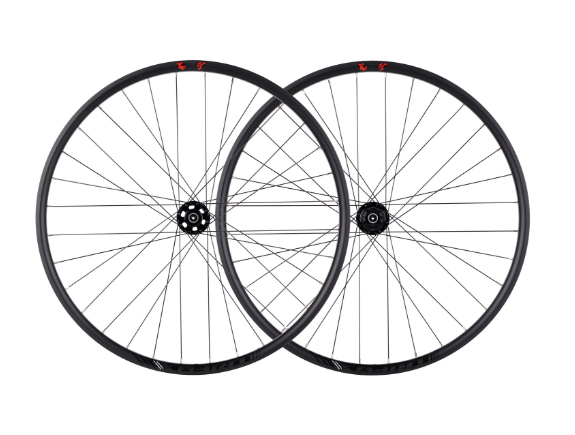
Choosing a durable alloy wheelset for your bike can significantly elevate your riding experience and ensure long-lasting performance. Here’s how to select the best alloy wheelset and maintain it to extend its lifespan. How to Choose 1. Material: Opt for wheelsets made from high-grade aluminum alloys like AL6061 or AL7075. These materials offer an ideal balance of strength and weight, ensuring durability without compromising performance. The Trifox Alloy WM823 BOOST, made from AL6061 and AL7075, is a prime example of this balance. 2. Weight: Lightweight wheels reduce rotational mass, making acceleration and climbing easier. However, ensure the wheels are robust enough for your riding style and terrain. The WM823 BOOST offers an optimized blend of weight, strength, and durability, making it perfect for cross-country and all-mountain use. 3. Compatibility: Ensure the wheelset is compatible with your bike’s frame and braking system. Check axle dimensions and whether it supports quick-release or thru-axle setups. Compatibility with your drivetrain (Shimano or SRAM) is also crucial. 4. Rim Width and Profile: Wider rims provide better tire support and stability, especially for off-road biking. The WM823 BOOST features a 25mm inner width and a 30mm outer width, making it suitable for various tire sizes and offering enhanced stability. Care and Maintenance 1. Regular Cleaning: After rides, especially in muddy or wet conditions, clean your wheels with a mild detergent and a soft brush. Avoid using high-pressure water jets, which can force dirt into the bearings. 2. Checking for Damage: Regularly inspect your wheels for cracks, dents, or loose spokes. Pay close attention to the rim and hub areas. Early detection of issues can prevent costly repairs. 3. Proper Storage: Store your bike in a dry, cool place to prevent moisture from causing rust or corrosion. Hang the bike by the frame, not the wheels, to avoid unnecessary strain. 4. Tire Pressure: Maintain the recommended tire pressure to reduce the risk of pinch flats and rim damage. Over-inflation or under-inflation can adversely affect wheel performance and longevity. Benefits of a Durable Alloy Wheelset Investing in a high-quality alloy wheelset like the Trifox Alloy WM823 BOOST provides numerous benefits. The durability of the alloy ensures your wheels withstand rough terrains and extensive use. Moreover, the lightweight design enhances your bike’s performance, making climbs and accelerations smoother. A well-maintained wheelset also saves you money in the long run by reducing the need for frequent replacements. In conclusion, choosing the right alloy wheelset involves considering material, weight, compatibility, and rim profile. Proper care and maintenance, such as regular cleaning, damage checks, and correct storage, extend the lifespan of your wheels. Investing in a durable wheelset not only improves your riding experience but also ensures long-term reliability and performance. For an excellent option, consider the Trifox Alloy WM823 BOOST, designed for durability and compatibility with various setups.
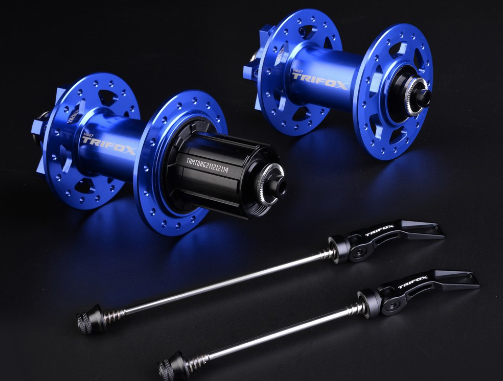
When it comes to mountain biking, the quality of your bike hub can make all the difference. The Trifox Bike Hub M827, with its 6 paw design and 72 clicks, ensures a smooth and responsive ride. Here’s a step-by-step guide on how to install and maintain this high-quality hub for optimal performance. Installation 1. Gather Your Tools: You’ll need a few basic tools such as a wrench set, grease, and a bike stand to secure your bike during installation. 2. Remove the Old Hub: If you’re replacing an existing hub, start by removing the wheel from your bike. Use your wrench to loosen the nuts or quick-release skewer. Carefully remove the old hub. 3. Prepare the New Hub: The Trifox M827 comes equipped with front and rear hubs. Make sure you have both ready along with the provided quick-release skewers. 4. Install the Front Hub: Insert the front hub into the wheel, ensuring it fits snugly. Tighten the bolts or skewer to secure it in place. 5. Install the Rear Hub: Repeat the process with the rear hub. Align it properly to ensure smooth rotation. Make sure the hub is compatible with your drivetrain, whether it’s Shimano or SRAM. 6. Reattach the Wheel: Once both hubs are in place, reattach the wheels to your bike. Tighten all bolts and check for any play or wobble. Maintenance 1. Regular Cleaning: Dirt and debris can affect the hub’s performance. Use a soft brush and mild detergent to clean the hub regularly. 2. Lubrication: To keep the 6 paw mechanism and bearings functioning smoothly, apply high-quality bike grease. This reduces friction and prevents wear. 3. Inspection: Periodically inspect the hub for any signs of wear or damage. Pay attention to the bearings and paw mechanism. 4. Adjustment: Over time, the hub may need slight adjustments. Use the provided tools to fine-tune the tightness, ensuring optimal performance. Benefits Using a high-quality hub like the Trifox M827 enhances your mountain biking experience. The 6 paw design offers quick engagement and the 72 clicks ensure precise control. Its compatibility with both Shimano and SRAM systems adds versatility. Moreover, the durable AL6061 + 7075 material guarantees longevity, allowing you to tackle rough terrains with confidence. By installing and maintaining the Trifox Bike Hub M827, you’ll enjoy smoother rides, improved responsiveness, and a reliable performance that stands the test of time. Embrace the adventure with a hub that’s built for the thrill.
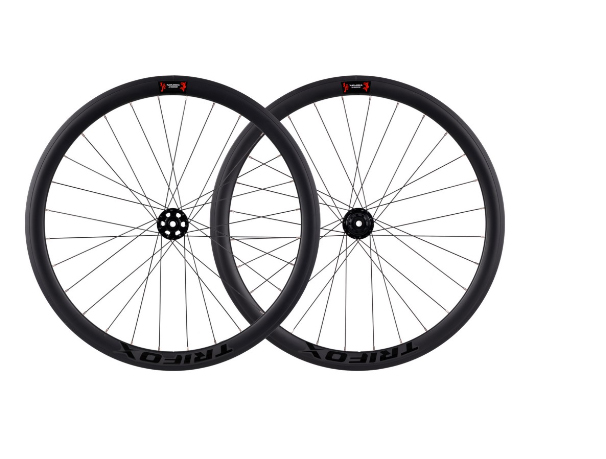
Enhancing your cycling performance can be as simple as upgrading to the right set of wheels. The Trifox 700C Alloy Disc Brake Wheelset AWT7 is a game-changer, designed to deliver speed, stability, and ultimate performance. These revolutionary road wheels are perfect for climbing, daily training, and all-road adventures, thanks to their ultralight alloy construction and 40mm rim depth. Here’s how you can optimize your cycling performance with these exceptional wheels. First, take advantage of the lightweight design. The AWT7 wheels are lighter than typical wheels, reducing the effort required for climbs and allowing for quicker acceleration. This makes them ideal for both competitive racing and daily rides. Next, focus on stability. The 40mm rim profile offers a perfect balance, providing the speed of deeper rims with the stability of shallower ones. This stability is further enhanced by the 14mm inner width, which ensures smoother rolling with less drag. Incorporate these wheels into your routine by starting with your daily training sessions. The Ultralight hubs, featuring TRIFOX’s self-developed aluminum hubs, ensure smooth and reliable rolling, helping you maintain a consistent pace without unnecessary resistance. Finally, don’t overlook the importance of maintenance. Regularly check the centerlock disc hubs and thru-axles to ensure they are secure. Keep the tires inflated to the recommended pressure (90-135 psi) to maximize performance and reduce wear. For those interested in experiencing the benefits firsthand, you can purchase the Trifox 700C Alloy Disc Brake Wheelset AWT7 at Trifoxbike. Upgrade today and revolutionize your cycling performance.



