







As a road cyclist, it’s natural to wonder how often you need to replace various parts of your bike to ensure optimal performance and safety. One of the key components that often raises questions is the handlebars. They might seem like a simple part of the bike, but they play a crucial role in your control, comfort, and overall riding experience. So, do road bike handlebars need to be replaced regularly? Let’s dive into the factors that influence the lifespan of handlebars and whether regular replacement is necessary.
The Role of Handlebars on a Road Bike
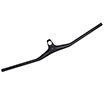
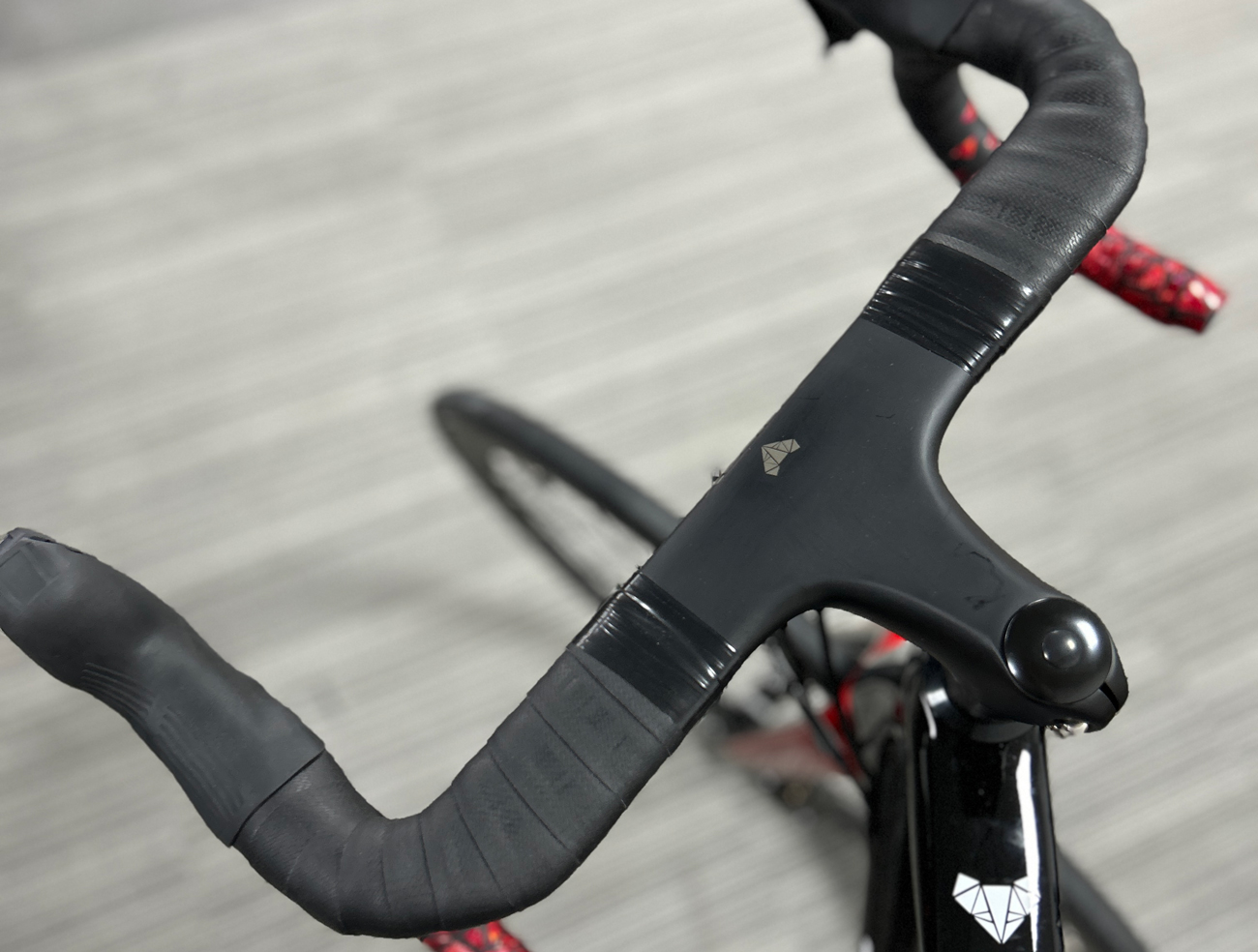
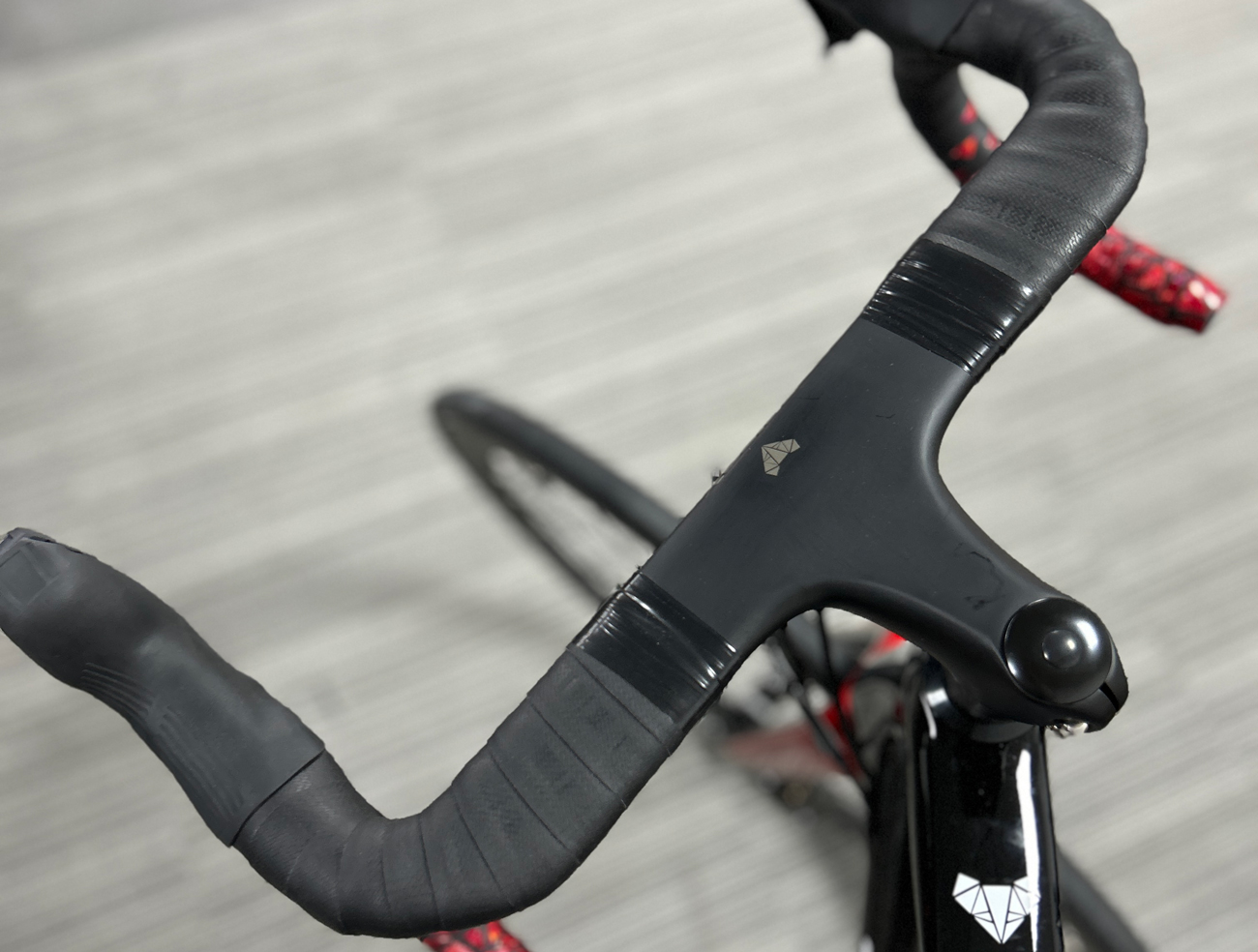
Road bike handlebars, particularly those with drop bars, are essential for providing control and comfort during long rides. They allow you to switch between different riding positions, reduce wind resistance, and make it easier to maneuver the bike. Handlebars are typically made from materials such as aluminum, carbon fiber, or steel, with carbon fiber offering the lightest weight and the most comfort-absorbing properties.
Given their importance, handlebars need to be in good condition to ensure a safe and enjoyable ride. But how often should you replace them?
Factors That Impact Handlebar Lifespan
1. Material Durability:
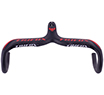
The material your handlebars are made from will affect their longevity. Aluminum handlebars are known for their strength and can last many years if properly maintained. Carbon fiber handlebars, like those found in the [Trifox carbon bike handlebars collection], offer superior stiffness and lightness but may have a shorter lifespan if subjected to frequent stress or impacts. They can also be more prone to damage from crashes or mishandling. Steel handlebars, while less common in modern road bikes, are typically very durable but also heavier.
2. Wear and Tear:
Over time, handlebars may experience normal wear and tear due to continuous use, especially if you’re an avid cyclist. Constant vibrations, exposure to the elements, and even your own grip can cause the handlebars to wear down. Handlebars can also become slippery or lose their grip if the bar tape or grips get worn out, which is more of a maintenance issue than the handlebars themselves needing to be replaced. This can often be remedied by simply replacing the tape or grips, rather than replacing the entire handlebar.
3. Accidents and Crashes:
One of the most common reasons for replacing handlebars is if you’ve been involved in a crash or accident. Even a seemingly minor impact can cause internal damage to carbon fiber handlebars, leading to hidden cracks or weakened areas that could compromise safety. In these cases, it’s important to inspect your handlebars thoroughly or have them checked by a professional. If there’s any sign of damage, it’s essential to replace them to avoid the risk of failure while riding.
4. Changes in Riding Position:
Over time, cyclists may adjust their riding positions, whether due to comfort, performance, or riding style. If your handlebars are no longer comfortable or suitable for your riding position, replacing them with a more appropriate set might be necessary. A more aerodynamic or ergonomic setup can significantly enhance your riding experience, reducing strain and fatigue during long rides.
How Often Should You Replace Your Handlebars?
In general, handlebars don’t need to be replaced regularly unless they show signs of wear, damage, or performance decline. If you ride regularly, you should check your handlebars for any visible cracks, dents, or stress marks, especially after a fall or crash. For cyclists who don’t crash often and take good care of their equipment, handlebars can last many years without needing replacement.
However, if you upgrade your bike, change your riding style, or want to reduce weight, it might be time to consider replacing the handlebars. Carbon fiber handlebars, in particular, can offer performance benefits like reduced weight and improved vibration damping, but they do require careful inspection for damage and are more expensive than their aluminum counterparts.
Final Thoughts
While road bike handlebars don't need to be replaced on a regular basis, they do require occasional inspection and replacement depending on factors like material wear, damage from accidents, or changes in your riding preferences. Regular maintenance, such as replacing bar tape and checking for cracks or stress signs, can help prolong the life of your handlebars and keep you riding safely. If it’s time for an upgrade or a replacement, carbon fiber handlebars, such as those from Trifox Bike, can offer both performance and comfort benefits—just make sure to choose the right type for your riding needs.
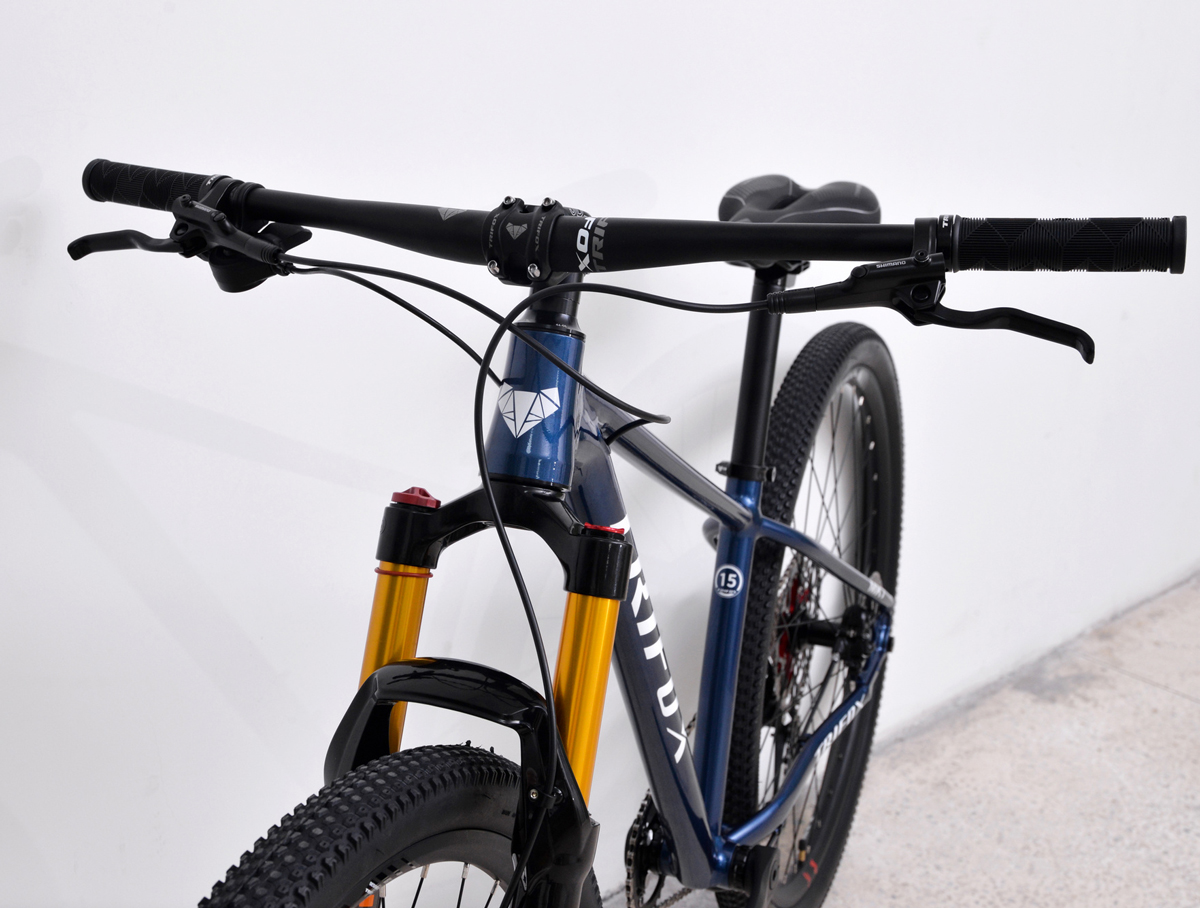
When it comes to mountain biking, having the right bike for the terrain is essential for both performance and enjoyment. Among the many choices available, the PeakTrail Xtreme MK7 Aluminum Mountain Bike stands out as a top contender for trail enthusiasts. This bike, designed for rugged terrain and built to withstand the toughest trails, offers a combination of lightweight durability, smooth handling, and advanced features that set it apart from other trail bikes.
1. Lightweight Yet Durable Aluminum Frame
One of the standout features of the PeakTrail Xtreme is its aluminum frame, which strikes the perfect balance between strength and weight. While many high-performance mountain bikes use heavier steel or more expensive carbon fiber frames, the aluminum frame of the PeakTrail Xtreme MK7 offers exceptional durability without adding unnecessary weight.
This makes it easier to tackle steep climbs and challenging terrains without being weighed down. The aluminum construction also means the bike is highly resistant to corrosion, ensuring that it can handle the elements and continue to perform season after season, whether you’re riding through muddy trails, wet conditions, or rocky surfaces.
For riders looking for a bike that delivers both power and agility, the PeakTrail Xtreme’s lightweight design allows for faster acceleration and greater maneuverability, giving you a competitive edge on technical sections and tight corners.
2. Advanced Suspension for Smooth Rides
Mountain biking often involves tackling rough, uneven trails, and the PeakTrail Xtreme is equipped with an advanced suspension system that absorbs shocks and provides a smoother, more comfortable ride. With a front suspension fork designed to cushion impacts from bumps, rocks, and roots, the bike is optimized for trail riding. This suspension system is particularly beneficial when you encounter rocky or root-heavy trails, as it absorbs the vibrations and helps you maintain control.
While many trail bikes may only have basic suspension systems, the PeakTrail Xtreme ensures that every ride, whether uphill or downhill, remains comfortable and controlled, even on challenging terrain. This is essential for maintaining stability and confidence while riding through technical sections, making it easier to focus on your performance rather than worrying about discomfort or lack of control.
3. Superior Handling and Control
Control is paramount for mountain bikers, and the PeakTrail Xtreme MK7 excels in this area. The geometry of the bike is specifically designed to offer superior handling, allowing riders to navigate tight turns, rough descents, and uneven terrain with ease. The bike’s geometry provides a stable and responsive ride, enabling better control during technical descents and tight corners.
The wide tires on the PeakTrail Xtreme further enhance grip, improving traction on slippery or rocky trails. This allows for better control when navigating steep slopes or loose gravel, so you can confidently take on obstacles without worrying about losing grip or stability.
Whether you’re riding through switchbacks or descending from a mountain trail, the PeakTrail Xtreme provides the level of control that ensures you’re always in charge, regardless of the conditions.
4. Versatile Components for a Range of Terrains
The PeakTrail Xtreme is designed to handle a wide range of terrains, from smooth, fast-flowing trails to rugged, technical tracks. The bike is equipped with high-quality components that improve performance across different terrains. This includes an efficient gear system that allows for smooth shifting, helping you power through climbs and keep up speed on flat sections.
Additionally, the strong, reliable brakes give riders confidence on downhill runs, ensuring you can stop quickly and safely when navigating tricky sections. The combination of components ensures that the PeakTrail Xtreme is versatile enough for different riders, from beginners to more experienced bikers, and can be trusted in various riding conditions.
5. Durability for Long-Term Use
Mountain biking can be demanding on both the rider and the bike, but the PeakTrail Xtreme MK7 is built to endure. Thanks to its durable aluminum frame and rugged components, this bike can handle frequent use, from aggressive trail riding to weekend adventures. The reinforced parts are designed to stand up to the harsh conditions of off-road cycling, including mud, dirt, water, and rocks.
For serious mountain bikers, durability is key—no one wants to invest in a bike that will break down after a few rides. The PeakTrail Xtreme provides long-term performance, allowing riders to take on challenging trails without worrying abohigh-performance trail bikes come with a steep price tag, the PeakTrail Xtreme MK7 offers exceptional value for money. By using aluminum for the frame and combining it with reliable suspension and components, this bike delivers solid performance without breaking the bank. For riders who want a durable, high-performing bike without paying for top-tier carbon frames or overly expensive designs, the PeakTrail Xtreme offers an excellent balance of quality and affordability
The PeakTrail Xtreme MK7 Aluminum Mountain Bike is a standout choice for anyone looking to take their trail riding to the next level. Its lightweight yet durable aluminum frame, advanced suspension system, superior handling, and reliable components make it a top contender in the mountain biking world.
Whether you’re a beginner looking for a versatile bike to tackle different trails or an experienced rider who demands control and performance, the PeakTrail Xtreme offers the perfect combination of durability, speed, and comfort to make every ride an adventure.
文字
For cycling enthusiasts and competitive riders, the quest for speed is an ongoing challenge. Every part of the bike contributes to the overall performance, from the frame material to the gearing system. Among the most popular choices for speed-focused cyclists is the 11-speed aero road bike. These bikes promise improved aerodynamics, faster shifting, and a more efficient ride, but the question remains: is an 11-speed aero road bike worth the investment for those who are serious about speed?
1. Precision Shifting and Gear Range
One of the most significant upgrades you get with an 11-speed system is the increased gear range and smoother, faster shifting. Compared to a 10-speed bike, an 11-speed drivetrain allows for more closely spaced gears. This means you can make finer adjustments in your cadence, ensuring that you always find the perfect gear to optimize your pedaling efficiency—whether you're powering through flat stretches or tackling a challenging climb.
The added gears also give you a broader range, helping to maintain speed on varying terrains. For speed enthusiasts, having the ability to fine-tune your gear selection in response to changes in gradient or wind conditions is a huge advantage. In races or time trials where every second counts, this level of precision can make the difference between a podium finish and an also-ran result.
2. Aerodynamics and Speed
An aero road bike is designed with one goal in mind: speed. The frame geometry is optimized to reduce drag, and the bike’s overall design helps the rider achieve a more aerodynamic position. Combined with the 11-speed drivetrain, which allows for more efficient power transfer, an aero road bike helps cyclists maintain higher speeds with less energy.
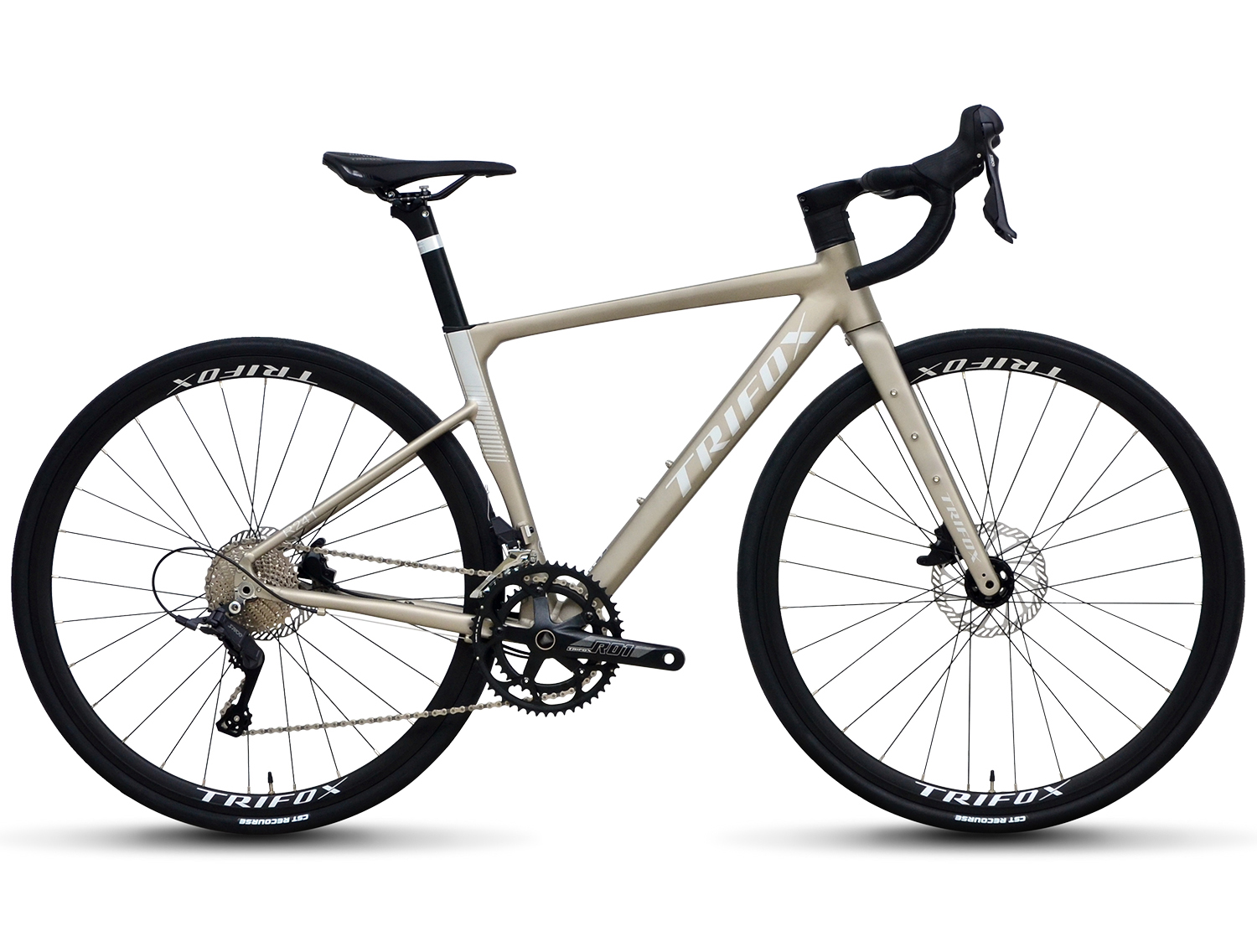
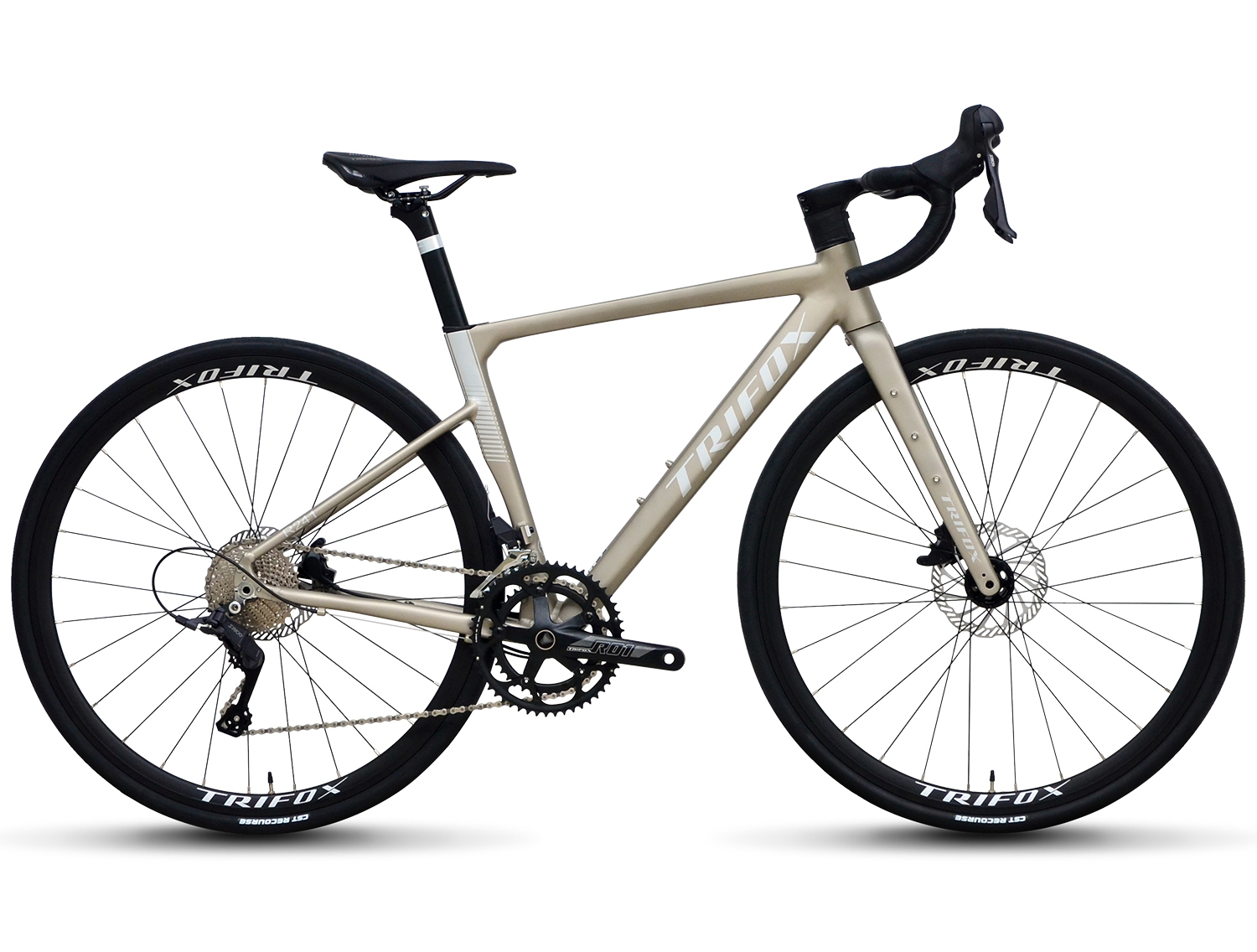
The Trifox 2024 R241, for example, features a carbon fork and aluminum frame, a combination that delivers both aerodynamics and durability without sacrificing weight. The lighter frame, combined with the aerodynamic design, reduces wind resistance, allowing cyclists to achieve faster speeds with less effort. For speed enthusiasts, this means that you can ride faster, use less energy, and maintain high speeds over longer distances.
3. Better Control with Disc Brakes
In addition to the performance benefits of the 11-speed system, modern aero road bikes like the Trifox R241 come equipped with disc brakes. Disc brakes provide superior stopping power, especially in wet or variable conditions, allowing for better control at high speeds. For speed enthusiasts, having the confidence to brake effectively—without compromising safety or control—is crucial when navigating downhill stretches or tight corners during competitive events.
When you're pushing your bike to its limits, knowing that your braking system can handle the demands of high-speed riding offers peace of mind, ensuring you can focus on performance without worrying about safety concerns.
4. Enhanced Durability and Performance Over Long Distances
While the initial investment in an 11-speed aero road bike may seem steep, these bikes are built for durability. The quality of materials, such as the aluminum frame and carbon fork found in the Trifox R241, is designed to withstand the demands of long-distance rides, high-speed sprints, and tough training sessions. Aero bikes are engineered for riders who are pushing their limits, and these frames can handle the stress of aggressive riding.
Moreover, the S-Ride 2x11-speed groupset offers smooth, responsive performance over time, even as it experiences wear and tear. The added durability ensures that you're not just buying a bike for today but investing in a machine that will serve you well through many seasons of racing and training.
5. The Cost-to-Performance Ratio
One of the key considerations when purchasing any high-performance bike is the cost-to-performance ratio. While an 11-speed aero road bike like the Trifox R241 may come at a premium price compared to entry-level models, the performance gains in terms of speed, efficiency, and aerodynamics make it a worthwhile investment for serious cyclists. If speed is your top priority, the precision and control offered by an 11-speed system can significantly enhance your overall riding experience.
For speed enthusiasts, the ability to gain an edge in both training and competition can justify the investment. When you factor in the long-term durability and the advanced features like disc brakes and aerodynamic frame design, an 11-speed aero road bike offers both performance and value.
Conclusion
If you’re a speed enthusiast looking to elevate your riding experience, the 11-speed aero road bike is definitely worth the investment. With benefits like precision shifting, superior aerodynamics, better braking performance, and long-term durability, this bike type is built to optimize every ride. Whether you’re a competitive cyclist or a recreational rider aiming for higher speeds, a well-designed aero road bike like the Trifox R241 can help you achieve your goals while providing a thrilling and efficient ride.
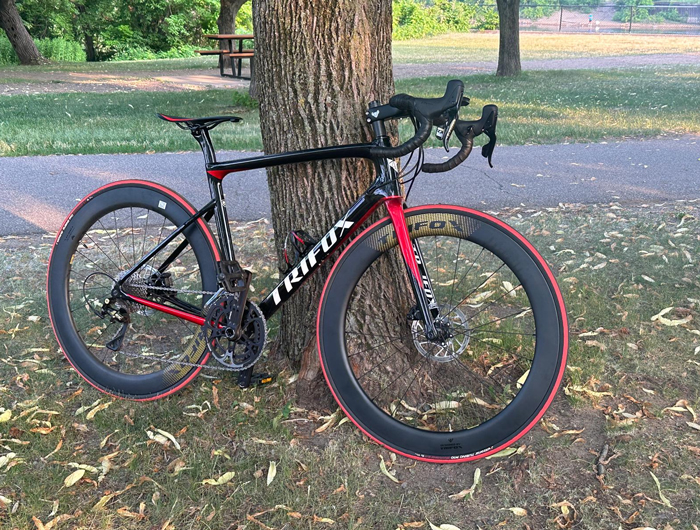
When it comes to competitive cycling, every second counts, and every gram saved can make a noticeable difference in performance. This is why the lightest road bike often becomes the top choice for elite athletes. But what exactly makes these feather-light bicycles so popular among competitive cyclists?
1. Speed and Efficiency
One of the most significant advantages of a lightweight road bike is the enhanced speed and efficiency it offers. In competitive cycling, particularly in races involving steep climbs or time trials, the ability to accelerate quickly and maintain momentum is essential. Lighter bikes require less effort to propel forward, especially uphill. This means that cyclists can conserve energy during long rides and still maintain high speeds.
While aero frames and gearing systems certainly play their roles, a light bike can be the difference between winning and losing when every fraction of a second counts. A lighter frame reduces the overall weight the cyclist needs to carry, making it easier to achieve faster lap times and quicker accelerations, especially when combined with an optimal riding position.
2. Improved Handling
Handling is another critical factor in competitive cycling. Lighter bikes offer more responsive handling, especially during sharp turns or when navigating through technical courses. When the bike’s frame is lighter, it requires less force to move it in the desired direction, leading to quicker adjustments and greater precision. This responsiveness can be particularly valuable in races that include tight corners or winding paths where every maneuver counts.
Additionally, lighter bikes often have better overall balance, making it easier to maintain control in various riding conditions, from fast descents to technical ascents.
3. Climbing Performance
Climbing is one area where the weight of the bike can make the most noticeable difference. Competitive cyclists, particularly those in events like the Tour de France or the Giro d'Italia, often face long, grueling ascents. The lighter the bike, the less weight the rider needs to push uphill, which can translate into better climbing performance.
A road bike that is designed with weight-saving materials, such as carbon fiber or high-end aluminum, allows a cyclist to exert less energy during climbs, giving them a competitive edge over riders with heavier bikes. This advantage becomes even more pronounced during sustained climbs, where maintaining speed while managing energy is crucial.
4. Comfort and Fatigue Reduction
While speed and efficiency are essential, the lighter weight of a road bike can also contribute to improved comfort over long distances. Lighter bikes often use materials that are not only strong but also engineered to absorb road vibrations and shocks better than heavier counterparts. This means less fatigue over time, even on rougher terrains.
Reducing fatigue is vital for maintaining high performance throughout a race, especially in multi-stage events. With less energy wasted on dealing with discomfort, cyclists can focus on pacing themselves and conserving their strength for critical moments.
5. Technological Advancements in Materials
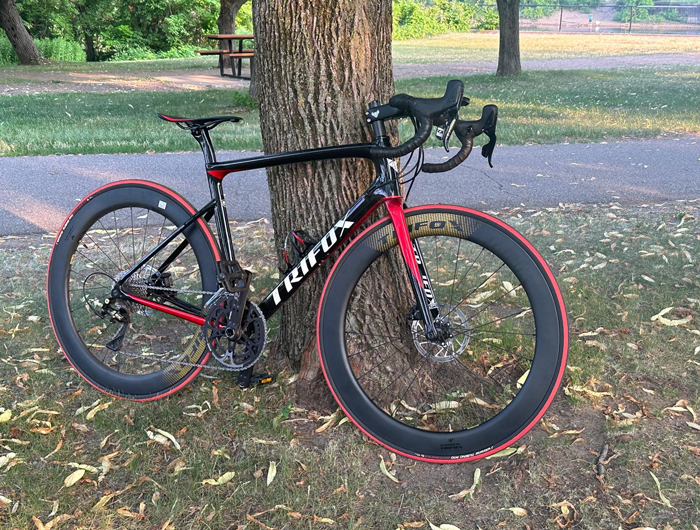
Today’s lightest road bikes are built using advanced materials that provide strength without the added weight. Carbon fiber, for example, is incredibly light yet extremely durable, offering the perfect balance of stiffness and flexibility. Many premium road bikes incorporate these materials in their frame, fork, and wheels, making them more aerodynamic while minimizing weight.
Bike manufacturers, such as **Trifox**, are pushing the limits of design, creating bikes that combine cutting-edge materials with performance-oriented geometry. The result is a new generation of road bikes that are not only lighter but also stronger and more responsive than ever before.
Conclusion
The lightest road bike isn’t just about shedding grams for the sake of weight—it’s about optimizing performance. Lighter bikes enhance speed, improve handling, and boost climbing capabilities, making them an essential choice for competitive cyclists. As technology advances and materials improve, these bikes are only becoming more specialized, allowing cyclists to achieve peak performance in every race. For any competitive cyclist looking to gain an edge, investing in a lightweight road bike is not just a choice, but a strategic move toward success.
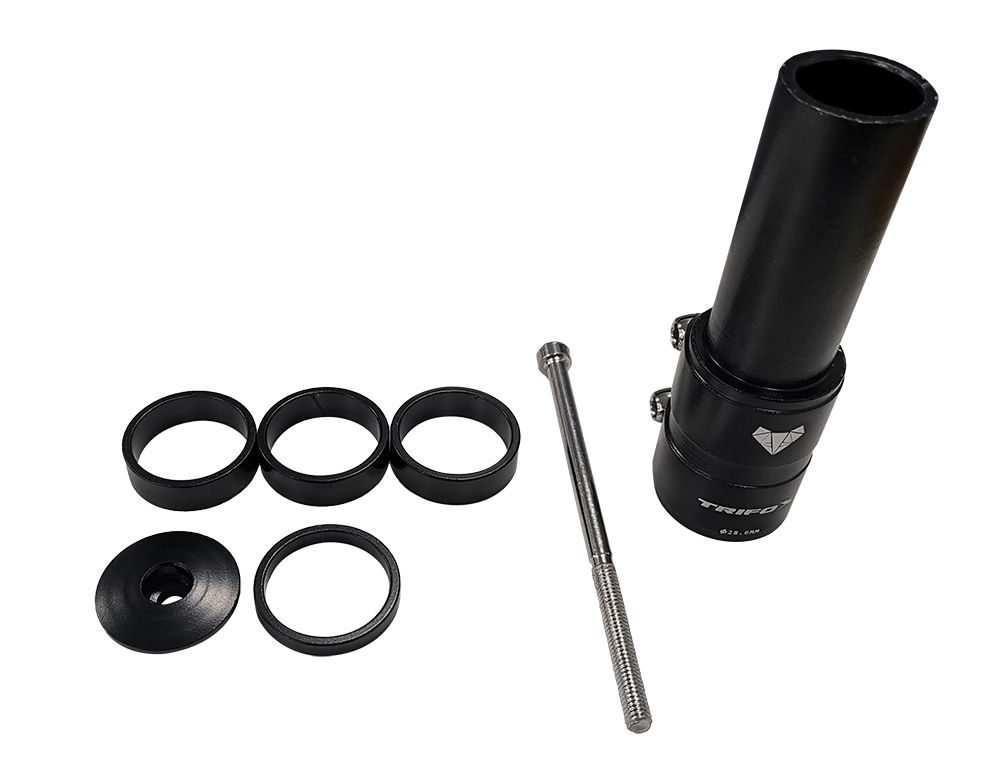
Bike spacers may seem like small, insignificant components, but they play a crucial role in optimizing your cycling setup. These simple rings, typically made of aluminum or carbon, are installed on the headset of your bike, between the stem and the frame’s steering tube. Though often overlooked, spacers can significantly affect your comfort, performance, and overall riding experience.
1. Adjusting Handlebar Height
One of the main purposes of bike spacers is to adjust the height of your handlebars. By adding or removing spacers, you can fine-tune the positioning of your handlebars to achieve the most comfortable riding posture. Raising the handlebars using spacers promotes a more upright riding position, which is ideal for comfort on long rides or for cyclists with back or neck issues. Conversely, lowering the handlebars can put you in a more aggressive, aerodynamic position, perfect for racing or when looking to reduce wind resistance.
2. Personalizing Fit
Every rider is different, and getting the right fit is crucial for performance and comfort. Spacers offer an easy and cost-effective way to make subtle adjustments to the fit of your bike without needing to purchase a new stem. This flexibility is particularly useful during bike fitting sessions, where small adjustments can have a big impact on your riding experience. Spacers allow you to find a setup that feels just right, whether you're a recreational rider or a competitive cyclist.
3. Ensuring Frame and Stem Compatibility
Spacers can also help ensure that your stem and frame are compatible in terms of stack height. For bikes with frames that have a shorter head tube, spacers can make up the difference and allow for a more ergonomic fit. This also ensures that your stem can be properly mounted and that the handlebars are in the right position for optimal control.
4. Improving Handling and Control
By adjusting the height of your handlebars with spacers, you can enhance bike handling and control. A higher handlebar position can improve your leverage and make it easier to steer, particularly on technical terrain or in city commuting situations. A lower handlebar position, on the other hand, can improve stability and responsiveness at high speeds, offering better handling during descents or cornering.
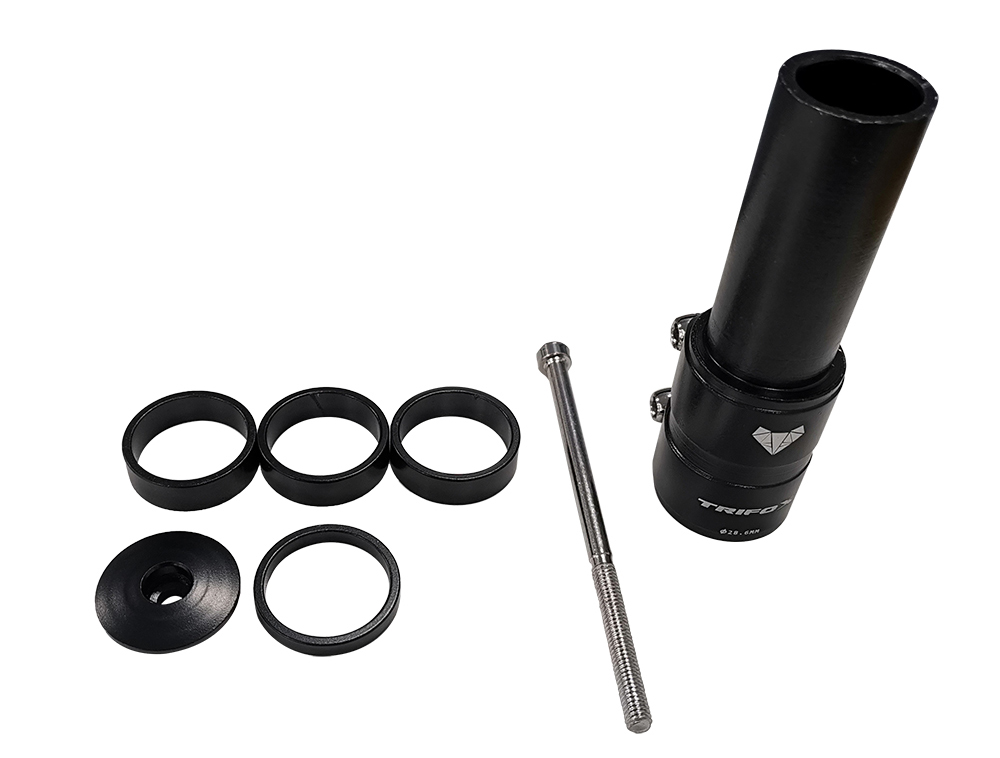
While small in size, bike spacers are an essential component in creating a customized and comfortable ride. Whether you’re adjusting handlebar height, personalizing fit, or improving bike handling, spacers give you the flexibility to fine-tune your setup for maximum performance. When paired with the right stem parts, they ensure that your bike is perfectly tailored to your unique riding style and needs.
Explore Trifox’s collection of stem parts and accessories to enhance your cycling experience today!
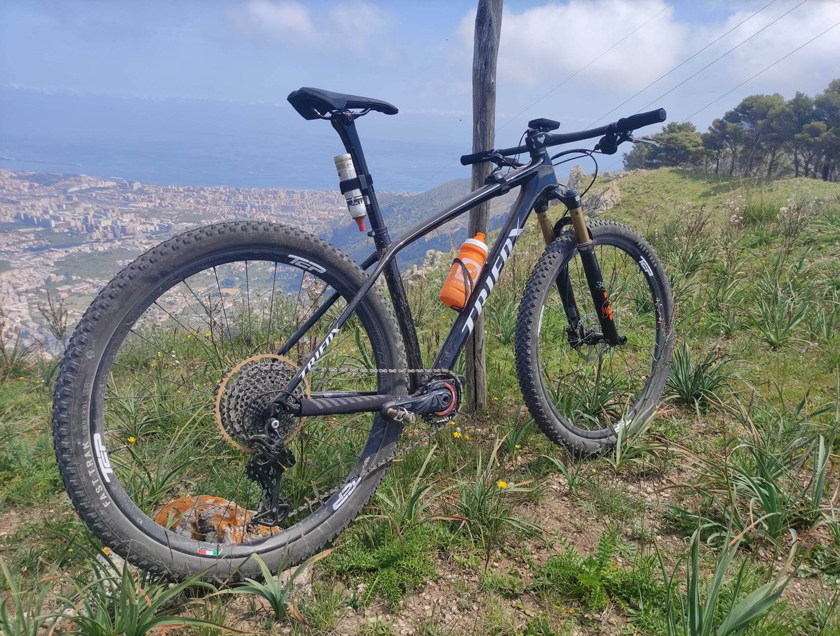
Whether you’re a competitive cyclist, a recreational rider, or someone aiming to improve fitness, setting goals is crucial for progress. Goals give purpose and direction to your cycling journey, helping you stay motivated, track progress, and push your limits. But it’s not enough to simply say, “I want to get better at cycling.” Achieving goals requires strategy, dedication, and a clear plan. So, what are the best strategies for setting and achieving your cycling goals?
1. Define Clear, Measurable Goals
The first step in any goal-setting process is to define clear, measurable objectives. Without clear goals, it's easy to lose sight of what you want to achieve. Instead of saying, “I want to ride more,” set specific targets, such as:
-Ride a certain number of miles per week: “I will ride 100 miles per week.”
-Achieve a specific speed or time: “I will improve my 10-mile time by 10%.”
-Participate in a cycling event: “I will complete a 100-mile race by the end of the season.”
Measurable goals make it easier to track your progress and stay motivated, as you can see the tangible improvements over time.
2. Break Goals into Smaller Milestones
Once you have your big goal, break it down into smaller, more manageable milestones. These milestones act as checkpoints on your journey and give you a sense of achievement as you progress. For instance, if your ultimate goal is to complete a century ride (100 miles), break it down into milestones like:
-Week 1: Ride 30 miles
-Week 3: Ride 50 miles
-Week 6: Ride 75 miles
-Week 9: Complete 100 miles
Smaller, incremental goals help you stay focused without becoming overwhelmed by the larger target. They also provide an opportunity for frequent celebrations and reinforce the habit of progress.
3. Focus on Consistency Over Intensity
Consistency is key to progress in cycling. While it’s tempting to push yourself hard during a single workout, long-term success comes from steady, consistent effort. Try to establish a regular cycling schedule that fits your lifestyle and gradually increases in intensity over time.
For example, if you’re aiming to build endurance, focus on steadily increasing your weekly mileage. If you’re working on speed, try to gradually improve your time on a set route or track.
Remember, consistency doesn’t mean pushing yourself to exhaustion every ride. It means making cycling a regular habit, which will pay off over time.
4. Track Your Progress with Technology
One of the advantages of cycling in the modern age is the plethora of technology available to help track your progress. Bike computers, GPS devices, fitness apps, and heart rate monitors can provide valuable data on your performance. Track metrics like speed, distance, heart rate, cadence, and elevation gain to see where you are improving and where you need to focus.
For example, tools like Strava and Garmin can track your rides and let you compare performance over time. This data-driven approach helps you stay focused and adjust your training plan as necessary.
5. Create a Training Plan
A structured training plan tailored to your cycling goals is essential for making measurable progress. Whether you’re training for a race or simply aiming to improve your fitness, a well-balanced training plan should include:
-Endurance rides: Longer, steady rides to build stamina.
-Interval training: Short, intense bursts of effort followed by rest periods to improve speed and power.
-Strength training: Exercises off the bike (like leg and core workouts) to improve cycling performance and prevent injury.
-Rest and recovery: Incorporating rest days is crucial to allow muscles to repair and grow stronger.
A structured training plan ensures that you’re working on different aspects of your cycling abilities and prevents burnout.
6. Stay Flexible and Adapt Your Plan
Life can sometimes interfere with your best-laid plans, whether it’s weather conditions, illness, or other commitments. It’s important to stay flexible and adapt your goals and training plans when necessary. Missing a few rides or having to adjust your target date isn’t a failure—it’s an opportunity to learn and adjust.
For example, if weather conditions cause you to miss an outdoor ride, consider doing an indoor trainer session or an alternate form of exercise to maintain fitness.
7. Celebrate Milestones and Stay Positive
Cycling goals can take time to achieve, but celebrating small victories along the way can help you stay motivated. Whether it’s completing a challenging ride, hitting a personal best, or simply sticking to your training schedule, recognize your progress. Positive reinforcement is key to maintaining enthusiasm, especially during tough times.
Additionally, maintain a positive mindset and focus on your progress rather than setbacks. Cycling can be challenging, but with persistence and the right strategies, you can overcome obstacles and reach your goals.
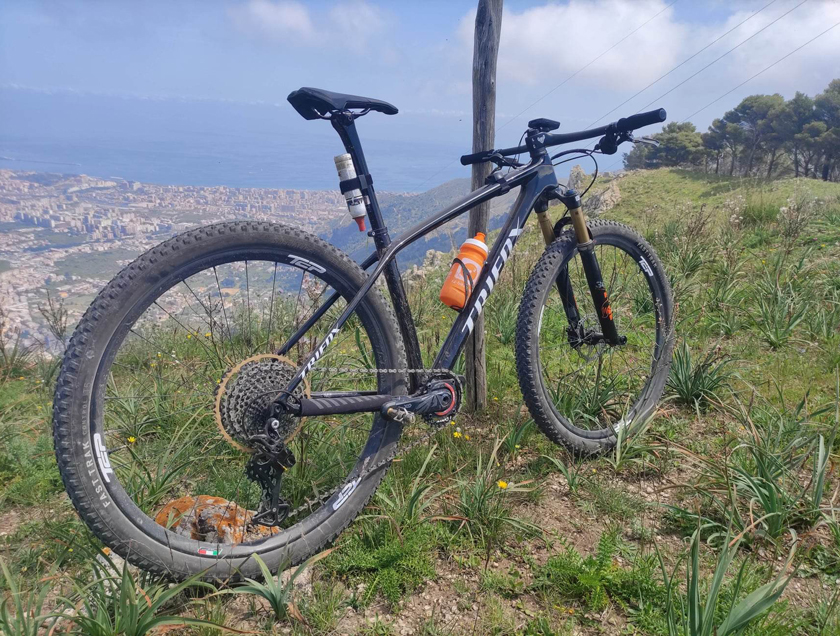
Conclusion
Setting and achieving cycling goals requires more than just motivation—it requires a clear strategy. By setting specific, measurable goals, breaking them into manageable milestones, staying consistent, and tracking progress, you’ll be well on your way to becoming a better cyclist. Remember to stay flexible, celebrate your achievements, and keep a positive mindset. With patience and persistence, you’ll see significant progress and achieve your cycling goals.
For more tips and cycling gear recommendations to support your journey, visit Trifox Bike. Happy riding!
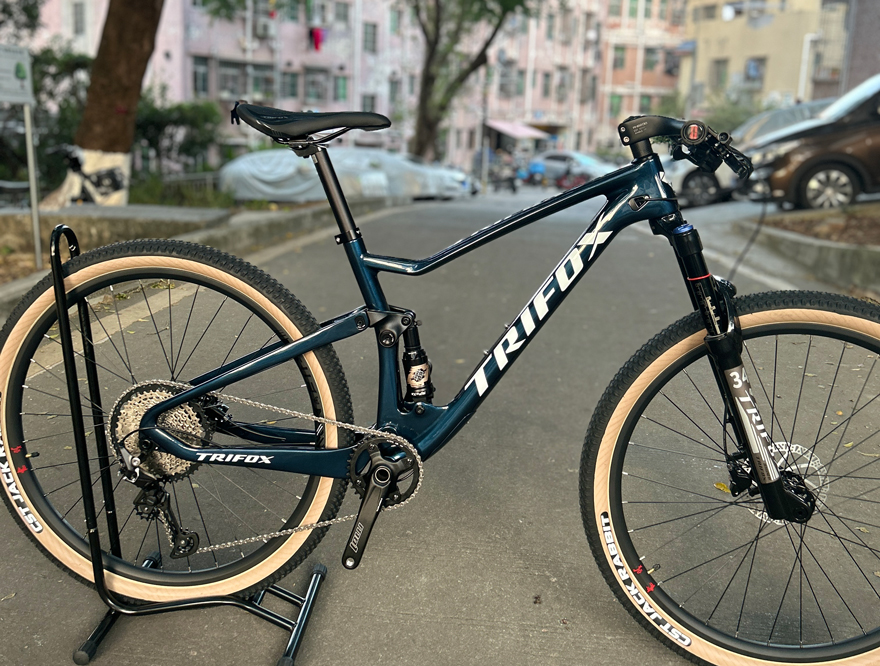
Cross country mountain biking embodies the spirit of adventure, offering riders the thrill of navigating rugged terrains with speed and precision. For those who crave the adrenaline rush that comes with conquering steep climbs and technical descents, cross country mountain bikes are the ultimate companion.
These bikes are meticulously designed to deliver a perfect blend of performance, comfort, and control, making them ideal for adventurous riders. Among the notable examples in this category is the TRIFOXBIKE PIONEER, a cross country mountain bike that epitomizes the pinnacle of modern bike engineering.
A key feature that sets the TRIFOXBIKE PIONEER apart is its carbon fiber frame. Carbon fiber is heralded for its superior strength-to-weight ratio, providing a lightweight yet robust structure that enhances a bike's agility and speed. For cross country enthusiasts, this translates to less fatigue during prolonged rides and an ability to swiftly maneuver through tight trails and demanding terrains.
The TRIFOXBIKE PIONEER's carbon frame not only boosts speed but also absorbs vibrations and shocks, offering a smoother and more comfortable ride.
Equipped with dual suspension, the TRIFOXBIKE PIONEER ensures that riders maintain stability and control even on the roughest paths. The suspension system, featuring 120mm of travel, is adept at absorbing shocks from obstacles like rocks and roots, granting riders a seamless and confidence-inspiring experience. This is particularly beneficial for those who relish tackling unpredictable and challenging trails. The dual suspension also improves traction, allowing riders to maintain their momentum and speed without being derailed by uneven ground.
Adding to the bike's remarkable specs is the SHIMANO M6100 groupset, known for its precision and reliability. This advanced componentry offers smooth and rapid gear shifting, critical for maintaining control and efficiency during intense rides.
Whether you're climbing steep hills or descending fast slopes, the SHIMANO M6100 ensures that your gearing is always optimized for the task at hand, enhancing both performance and rider safety.
Furthermore, the TRIFOXBIKE PIONEER is designed with adaptability in mind. Its geometry can be subtly adjusted to suit various riding styles and terrains, ensuring that each rider can tailor their bike to their specific needs. This adaptability is crucial for adventurous riders who may encounter a wide range of environmental conditions and trail types on their journeys.
The lightweight nature of the bike, courtesy of its carbon fiber construction, also plays a significant role in its appeal. By minimizing weight, the TRIFOXBIKE PIONEER allows for quicker accelerations and more nimble handling, which are essential for cross country racing and exploration. This reduction in weight does not come at the expense of durability, as the bike is crafted to withstand the challenges of rugged trails.
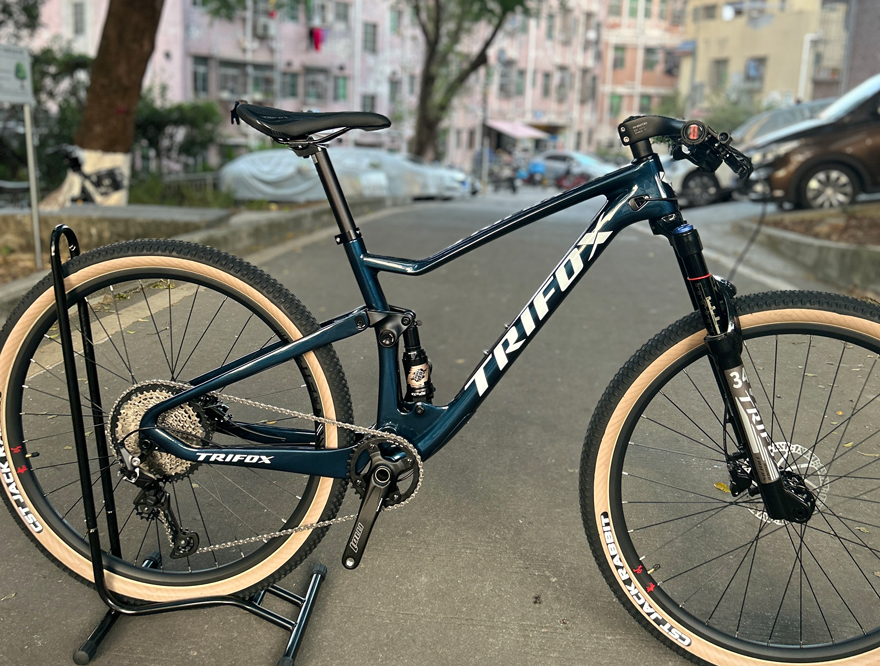
In conclusion, cross country mountain bikes like the TRIFOXBIKE PIONEER are ideal for adventurous riders due to their innovative design and advanced features. The combination of a carbon fiber frame, dual suspension, and a state-of-the-art groupset like the SHIMANO M6100, all work harmoniously to provide an unparalleled biking experience.
These elements ensure that riders can tackle diverse terrains with ease, maintain high levels of comfort and control, and push their limits on every ride. For those who seek adventure in the great outdoors, a cross country mountain bike is not just a mode of transport, but a gateway to new experiences and thrills.
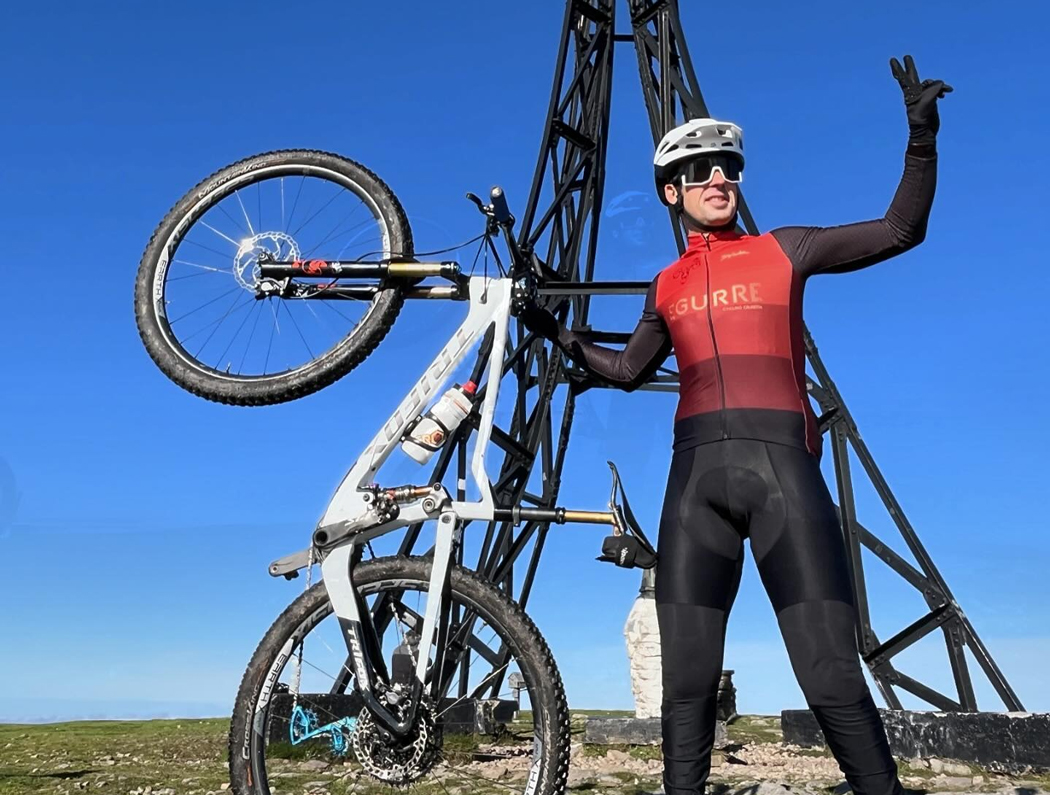
Choosing the right full suspension bike can transform your off-road biking experience, offering enhanced comfort, control, and performance. Full suspension bikes are designed to handle rough terrains by absorbing shocks from both the front and rear, making them ideal for trail and mountain biking. Here’s a comprehensive guide to help you choose the perfect full suspension bike, using insights from Trifox Bike's MFM100 full suspension carbon MTB frame.
Understanding the Benefits of Full Suspension Bikes
Full suspension bikes provide the advantage of dual shock absorption, which significantly reduces rider fatigue and enhances traction on uneven terrains. This dual suspension system allows for better handling and control, especially on descents and technical trails. The added comfort and control make full suspension bikes a popular choice for both competitive riders and casual adventurers.
Key Features of the MFM100 Frame
The Trifox MFM100 frame exemplifies what to look for in a high-performance full suspension bike:
1. Material and Weight: Made from T800 carbon fiber, the MFM100 frame is ultra-lightweight while maintaining strength and durability. Weighing just over 2kg, it provides a great balance for speed and endurance.
2. Boost Design: With a 148 x 12mm spacing, it enhances the rear wheel's strength and stiffness, accommodating up to 2.35" tires for better traction and stability.
3. Geometry and Suspension: The frame features a 68.5° head tube angle and a customizable rear shock mount, allowing riders to fine-tune their setup for optimal performance and comfort.
4. Internal Cable Routing: This feature offers a sleek, uncluttered look while protecting cables from the elements, contributing to the bike's overall aesthetic and aerodynamics.
Steps to Choose the Right Full Suspension Bike
1. Determine Your Riding Style: Consider the type of terrain you plan to tackle. Trail bikes are versatile and suitable for various conditions, while downhill bikes are optimized for steep descents.
2. Choose the Right Frame Material: Carbon fiber frames like the MFM100 are preferred for their lightweight and strong construction, which enhances handling and speed.
3. Consider Suspension Type and Travel: Look for bikes with adjustable suspension to tailor your ride based on the trail conditions. The MFM100 offers travel options of 100mm to 115mm, providing flexibility for different terrains.
4. Evaluate Bike Geometry: Geometry affects handling and comfort. A longer wheelbase and slack head angle offer stability on descents, while a steeper seat tube angle improves climbing efficiency.
5. Assess Component Quality: Pay attention to the quality of components, such as the drivetrain, brakes, and wheels. High-quality components like those offered by Trifox ensure reliability and performance.
6. Test Ride If Possible: If you have the opportunity, test ride different models to feel the differences in handling and comfort. This can provide invaluable insight into what fits your style and preferences.
Tips for Making the Right Choice
- Budget Considerations: Determine your budget beforehand and focus on finding the best quality within that range. Trifox offers competitive pricing on high-performance frames like the MFM100.
- Future Upgrade Potential: Consider a bike that allows for easy component upgrades. This flexibility can help you improve performance as your skills advance.
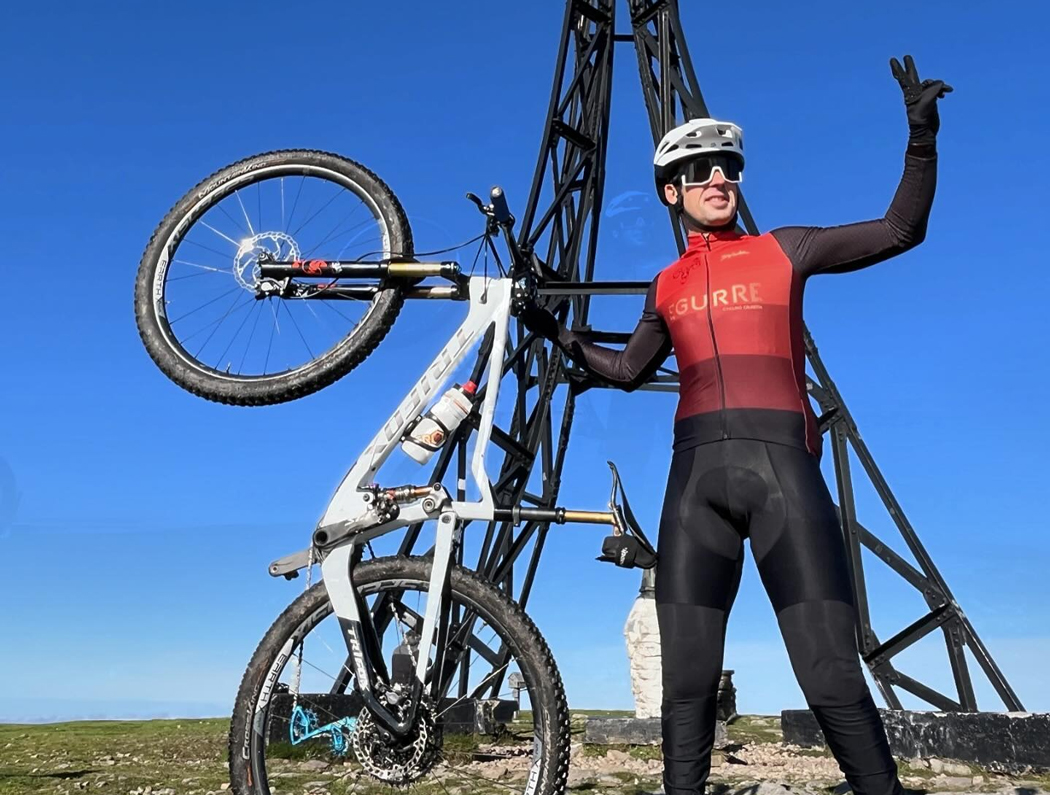
In conclusion, selecting the right full suspension bike involves understanding your needs, evaluating technical specifications, and making informed decisions based on your riding style and goals. The Trifox MFM100 frame is an excellent example of a high-quality option that caters to various biking needs, making it a strong contender for anyone looking to enhance their off-road adventures. By following these steps, you can find a bike that delivers both excitement and comfort on every ride.
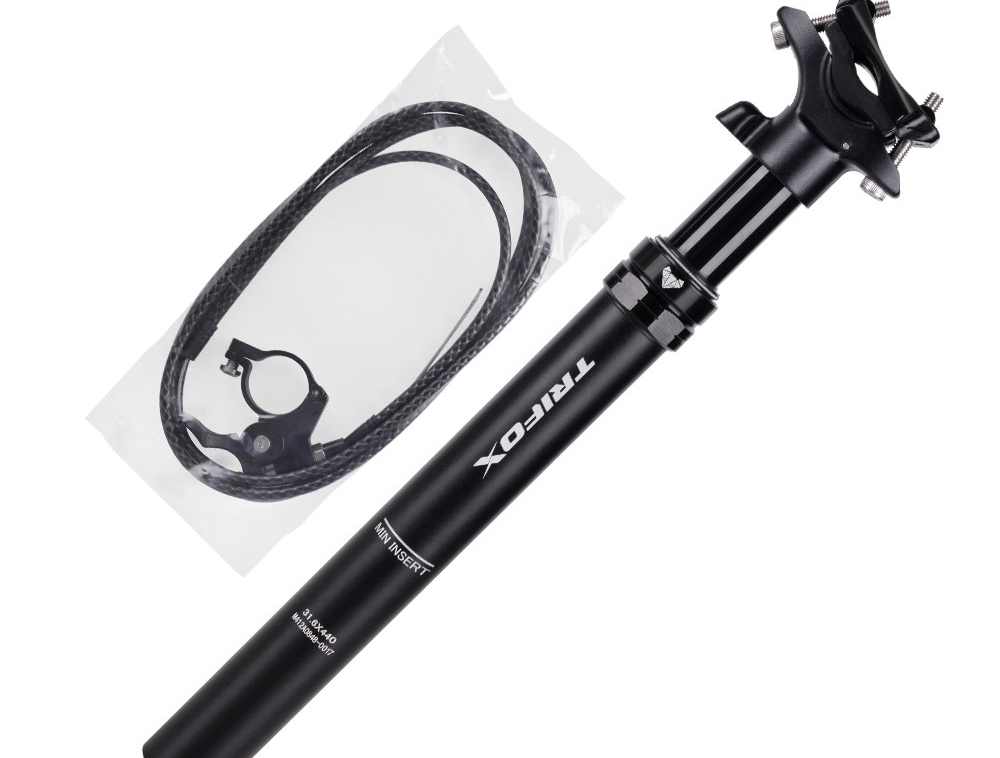
Cycling enthusiasts know that every component of a bike contributes to the overall riding experience. One often overlooked part is the seatpost, which can significantly impact comfort, performance, and bike handling. Among the various options available, the 27.2 carbon seatpost stands out for its unique benefits, making it a top choice for many cyclists.
The Benefits of a 27.2 Carbon Seatpost
1. Weight Reduction: Carbon seatposts are renowned for their lightweight properties. The 27.2 mm diameter is particularly popular because it offers a perfect balance between strength and weight savings. A lighter seatpost reduces the overall bike weight, enhancing acceleration and climbing efficiency, especially beneficial for competitive cyclists.
2. Vibration Dampening: Carbon fiber is excellent at absorbing road vibrations, providing a smoother ride. This feature is crucial for long-distance cyclists who need to minimize fatigue over extended rides. The 27.2 carbon seatpost helps in reducing the vibrations felt through the saddle, improving comfort significantly.
3. Performance Improvement: By lowering the bike's weight and providing better vibration absorption, a carbon seatpost can dramatically improve ride quality and performance. Cyclists often experience better control and responsiveness, which is essential for high-speed descents and technical terrains.
Why Trifox Bike?
Trifox Bike has established itself as a leader in manufacturing high-quality carbon bike components, including seatposts. Here are some reasons why Trifox is an excellent choice for your next bike upgrade:
- Quality and Durability: Trifox seatposts, such as the SLS21 Bike Seatpost, are crafted from premium carbon fiber, ensuring durability and longevity. These seatposts are tested for strength and resilience, providing peace of mind for cyclists tackling challenging routes.
- Affordable Pricing: Trifox offers competitive pricing on their carbon seatposts, with discounts making them accessible to a broad range of cyclists. For instance, the AP316 Dropper Seatpost is available at a 58% discount, showcasing Trifox's commitment to affordability.
- Customer Support and Convenience: With free shipping on orders over $50 and 24/7 live chat support, Trifox ensures a seamless shopping experience. Their secure payment options add an extra layer of trust for customers purchasing online.
Tips for Choosing the Right Seatpost
When selecting a 27.2 carbon seatpost, consider the following factors to ensure it meets your needs:
- Compatibility: Ensure the seatpost diameter matches your bike's frame specifications. A 27.2 mm seatpost is standard, but always double-check your bike's requirements.
- Riding Style: Consider your riding style and conditions. If you frequently ride on rough terrains, prioritize seatposts known for excellent vibration dampening.
- Adjustment and Fit: Look for seatposts with easy adjustability for saddle height and angle, ensuring you can fine-tune your position for maximum comfort.
- Material Quality: Opt for seatposts made from high-grade carbon fiber for the best balance between weight, strength, and durability.
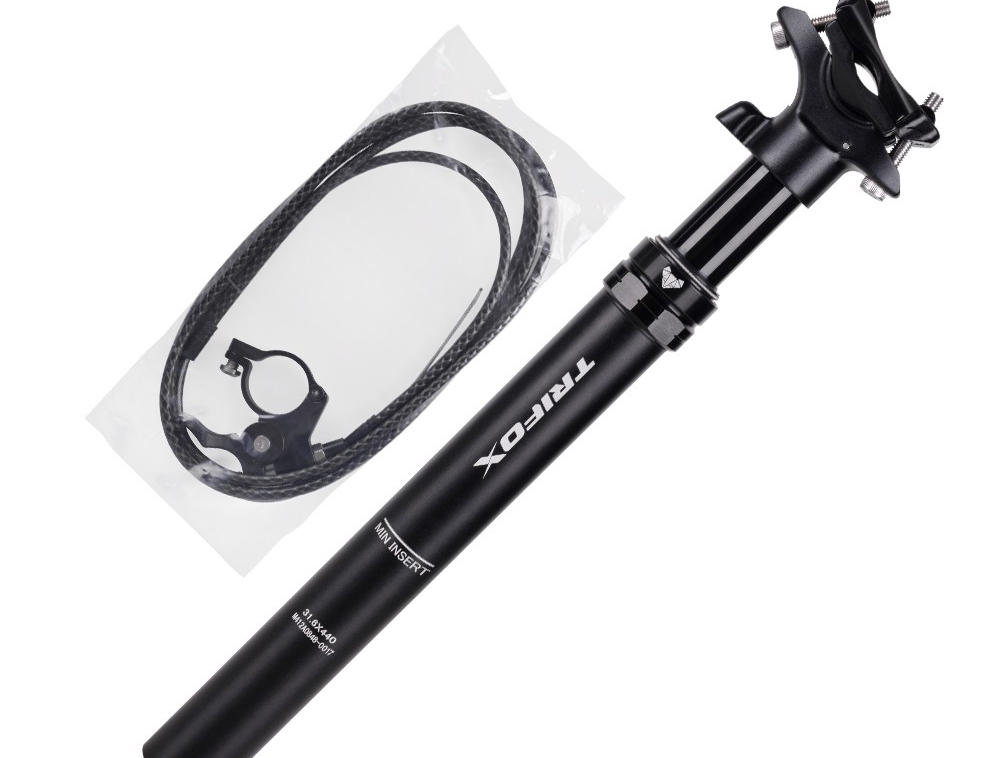
In conclusion, choosing a 27.2 carbon seatpost can significantly enhance your cycling experience by offering weight savings, improved comfort, and enhanced performance. Trifox Bike provides a range of high-quality and affordable options, making it an ideal choice for cyclists looking to upgrade their bike components. By focusing on compatibility, riding style, and material quality, you can select a seatpost that perfectly complements your cycling needs and preferences.



