



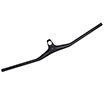
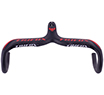





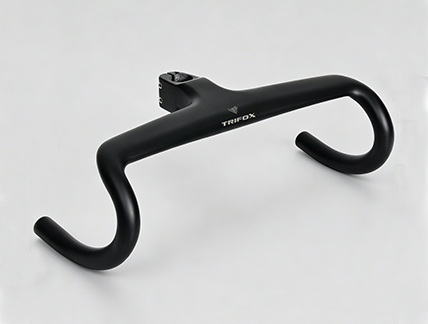
When we talk about upgrading a mountain bike, the conversation often starts with the frame or suspension. Yet, the component you interact with most constantly—the handlebar—has a profound impact on control, comfort, and confidence. The Trifox RHB600 isn't just another lightweight carbon bars option; its specific geometry, defined by a 7° backsweep and a 5° rise, is meticulously chosen to enhance how a bike handles on the trail. Understanding these numbers reveals how the right handlebars for a bicycle can transform your ride.
The Science of Sweep: Why 7° Backsweep Matters
The backsweep angle refers to how far the handlebar ends are angled back toward the rider. A 7° backsweep is a carefully chosen figure for trail riding. It positions the rider's hands and wrists in a more natural, neutral alignment. This reduces strain on the wrists and forearms, especially during long climbs or sustained efforts. More importantly, it optimizes leverage and control when descending. By placing your hands in a stronger, more ergonomic position, the 7° backsweep allows you to maintain a firm, fatigue-free grip on the carbon bars, giving you better command over the front wheel through rock gardens and root sections. It's the difference between fighting the bike and flowing with it.
The Role of Rise: How 5° (and 17° Stem) Sets You Up
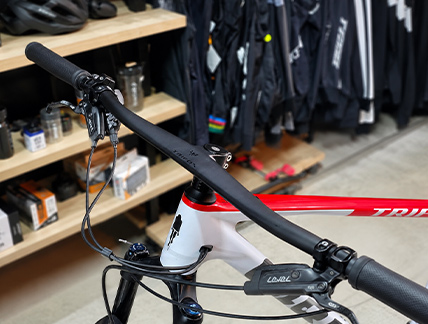
The 5° rise in the handlebar sweep works in concert with the stem's -17° angle to dial in the perfect front-end height and rider position. This combination is designed to offer a moderately aggressive yet comfortable attack position. The slight rise in the bar itself, combined with the stem's drop, helps place the rider's upper body in a balanced position—low enough for efficient climbing and aerodynamic descents, but high enough to maintain visibility and control on steep, technical terrain. It's a setup that encourages an active, engaged riding style without forcing an overly stretched-out or cramped position. The result is intuitive bike handling, allowing you to shift your weight effortlessly and maintain traction.
Integrated Stiffness and Control
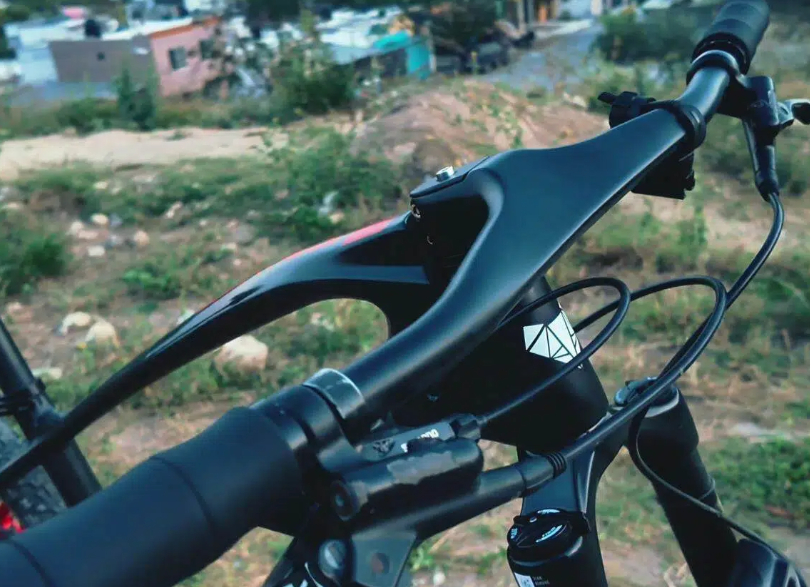
Beyond the angles, the RHB600's integrated, one-piece carbon construction is key to its performance. Crafted from T800 carbon fiber, this component eliminates the potential weak point and added weight of a separate stem and bar. This unity creates an incredibly stiff and direct connection between your inputs and the fork. When you lean the bike into a turn or correct a line over an obstacle, the response is immediate and precise, with no detectable flex or delay. This stiffness inspires confidence, especially at speed or on challenging lines. Despite its rigidity, carbon's natural vibration-damping properties filter out high-frequency trail chatter, reducing arm pump and fatigue without sacrificing feedback.
The Complete Cockpit Solution
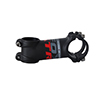
Weighing in at approximately 262g, the RHB600 is a significant weight saving over most alloy combinations. It also features a clean, full-internal cable routing system that not only looks sleek but also protects cables from the elements and eliminates annoying rattles. With stem length options of 70mm, 80mm, and 90mm, and an 800mm width (cuttable to preference), it offers a customizable fit for a wide range of rider sizes and styles.
In the end, the RHB600's geometry is not an arbitrary choice; it's an engineered system. The 7° backsweep promotes ergonomic control, while the 5° rise and stem angle create a balanced, responsive cockpit. For the rider seeking to upgrade their connection to the trail with a set of high-performance carbon bars, the Trifox handlebars for a bicycle RHB600 offers a compelling blend of precise geometry, lightweight construction, and modern integration that truly enhances every aspect of the ride.
2026-03-05
Trifox
SHARE:


Comments
Recent Posts
1
1
1
1
1
1
1
1
1
1
1
1
1
1
1
1
1
1
1
1
1
1
1

1



