


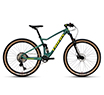
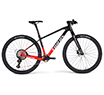
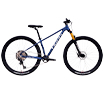






Your handlebar is one of the most personal — and impactful — components on your mountain bike. It dictates your posture, influences how your bike handles, and directly affects how fresh your hands and arms feel after a long day on the trail. The choice between a flat bar and a riser bar isn't about which is "better" in absolute terms. It's about which one fits your riding style, your body, and the terrain you love to ride.
What's the Difference?
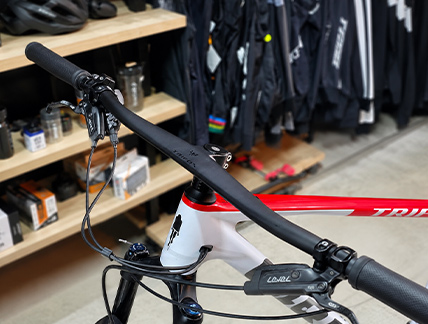
The distinction is simple. A flat bar has no rise — the grips sit at the same height as the stem clamp area, placing your hands level with the steerer tube. A riser bar features an upward bend, typically ranging from 10mm to 40mm, which elevates the grips and creates a more upright riding position. This seemingly small difference in height has cascading effects on weight distribution, steering precision, and overall comfort.
Flat Bars: Efficiency and Precision
A flat bar shifts your body weight forward, placing more pressure on the front wheel. This creates precise, direct steering — your inputs translate immediately to the trail, making flat bars a favorite among cross-country (XC) riders and marathon racers who prioritize pedaling efficiency and aerodynamic positioning. The lower center of gravity also improves stability on steep climbs and fast, rolling terrain. Because flat bars typically have a straight profile, they are often lighter than riser bars of similar construction, which is a critical consideration for weight-conscious builds.
The downside? A flat bar requires a more aggressive, stretched-out posture. On steep descents, you'll need to consciously shift your weight further back to stay balanced. While this position is efficient for pedaling, it can feel less forgiving on long, technical descents where a more upright stance offers greater leverage and control.
Riser Bars: Comfort and Control
By raising your hands, a riser bar brings your torso into a more upright, relaxed position. This posture reduces strain on your back, neck, and shoulders, making riser bars the default choice for trail, enduro, and downhill riders who spend extended periods in the saddle or tackle aggressive, technical terrain. The elevated front end also makes it easier to lift the front wheel for manuals or clearing obstacles, and it centers your weight between the wheels for greater control on descents.
Riser bars are generally slightly heavier than flat bars, and the more upright position can slightly reduce climbing efficiency and aerodynamics. However, for most trail riders, the trade-off in comfort and descending confidence far outweighs these minor penalties.
Carbon Fiber: The Material Advantage
Regardless of whether you choose a flat or riser bar, carbon fiber offers distinct advantages over aluminum. Carbon bars are remarkably lightweight, with a high strength-to-weight ratio that sheds grams without sacrificing durability. More importantly, carbon fiber has natural vibration-damping properties that absorb trail chatter and high-frequency buzz, reducing arm fatigue and keeping your hands feeling fresh on long, rough rides. Quality carbon bars also offer a degree of vertical compliance, flexing slightly to absorb impacts while remaining stiff enough for precise steering.
The Trifox FHB100: A Lightweight Carbon Flat Bar
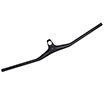
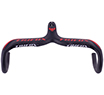
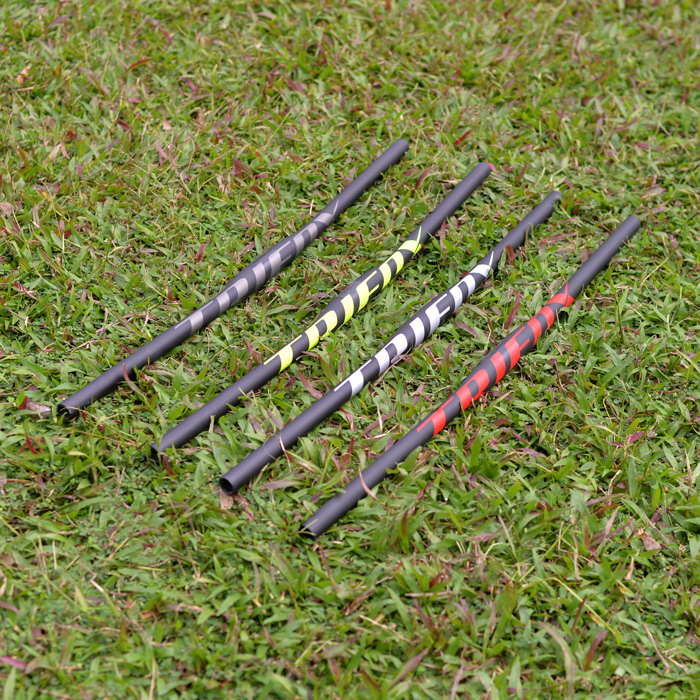
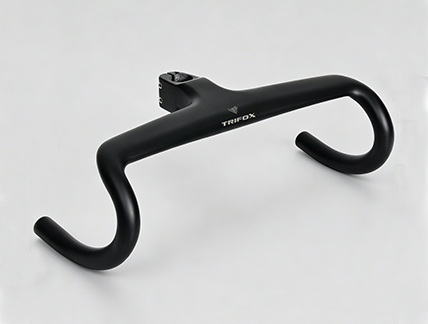
For riders who prefer the efficiency and precision of a flat bar, the Trifox FHB100 is an exceptional choice. Weighing just 183 grams, it is one of the lightest best carbon trail handlebar options available. Constructed from T700 carbon fiber, it delivers the stiffness and vibration damping that define a premium carbon bar. With a 3-degree backsweep, it places your wrists in a natural, comfortable position, and its 740mm width provides a stable, confident platform for tackling challenging trails.
The FHB100 is built for riders who want a lightweight carbon trail handlebar that doesn't compromise on strength or control. Its 31.8mm clamp diameter ensures compatibility with a wide range of stems, and cut marks on each side allow for easy width customization to dial in your perfect fit.
Which One Is Right for You?
The decision comes down to your riding style. Choose a flat bar like the Trifox FHB100 if you primarily ride cross-country, value climbing efficiency, and prefer a low, aerodynamic position. Choose a riser bar if you ride more technical trails, prioritize descending control, and want a more upright, comfortable posture. Both have their place, and both can be transformed by the weight savings, vibration damping, and stiffness of a quality carbon construction.
2026-06-30
Trifox
SHARE:


Comments
Recent Posts
1
1
1
1
1
1
1
1
1
1
1
1
1
1
1
1
1
1
1

1
1
1
1

1



