


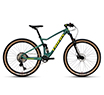
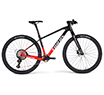
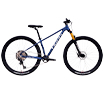

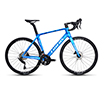
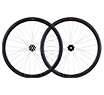
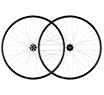








Choosing your mountain bike involves a key decision that defines its character: wheel size. The debate between 26-inch and 29-inch wheels isn't about one being universally better; it's about understanding how this fundamental dimension alters the bike's personality on the trail. From rollover ability to handling feel, the wheel diameter is a primary driver of your ride experience.
The 29er Advantage: Momentum and Monster Trucking
The larger 29-inch wheel has become the dominant standard for good reason. Its primary strengths are stability and rollover capability.
Unstoppable Momentum: A larger wheel holds angular momentum more effectively. Once you get it rolling, it feels easier to maintain speed over flat or rolling terrain, requiring less effort to keep pace.
Superior Rollover: This is the 29er's signature trait. The bigger wheel diameter acts like a larger lever over trail obstacles—roots, rocks, and holes. It "rolls over" rather than "drops into" these features, smoothing out rough terrain and providing a more stable, confident feel, especially at higher speeds.
Modern Geometry: The rise of 29ers pushed frame geometry forward, leading to longer, slacker bikes that enhance the stable, planted feel, ideal for cross-country and trail riding.
However, these benefits come with trade-offs. The larger wheels can feel slightly less agile in tight, technical corners and may have more rotational weight, which can be felt during quick acceleration.
The 26" Wheel Legacy: Agile and Playful
The classic 26 inch mountain bike wheel offers a distinctly different, and for many, a wonderfully engaging ride.
Quick and Agile Handling: The smaller wheels have less rotating mass and a shorter wheelbase (all else being equal), making the bike feel incredibly nimble. It accelerates quickly, changes direction with a flick, and excels in tight, twisty trails or technical sections requiring precise bike placement.
Playful and Responsive: This agility translates to a more playful, responsive ride. Many riders find 26" wheels more fun for jumping, manualing, and feeling directly connected to the trail's feedback.
Proven and Accessible: As a long-standing standard, 26" wheels are often found on excellent value-oriented bikes and are a classic choice for a youth mountain bike or smaller-framed riders, offering better fit and proportional handling.
The trade-off is in stability and smoothness. The smaller wheel is more affected by trail chatter and requires more active line choice to navigate larger obstacles.
Making the Right Choice: It's About the Ride Feel
So, which is right for you? It depends on your terrain and riding style.
Choose a 29er if: You prioritize stability, speed, and confidence over chunky terrain. It's excellent for cross-country, endurance riding, and flowing trails. Its forgiving nature also makes it a strong candidate for the best beginner mountain bike, as it helps smooth out mistakes.
Choose a 26" wheel if: You value agile, playful handling above all. It's fantastic for technical, tight singletrack, bike park riding, or if you're a smaller rider seeking a proportional fit. It offers a direct, engaging connection to the trail that many experienced riders still love.
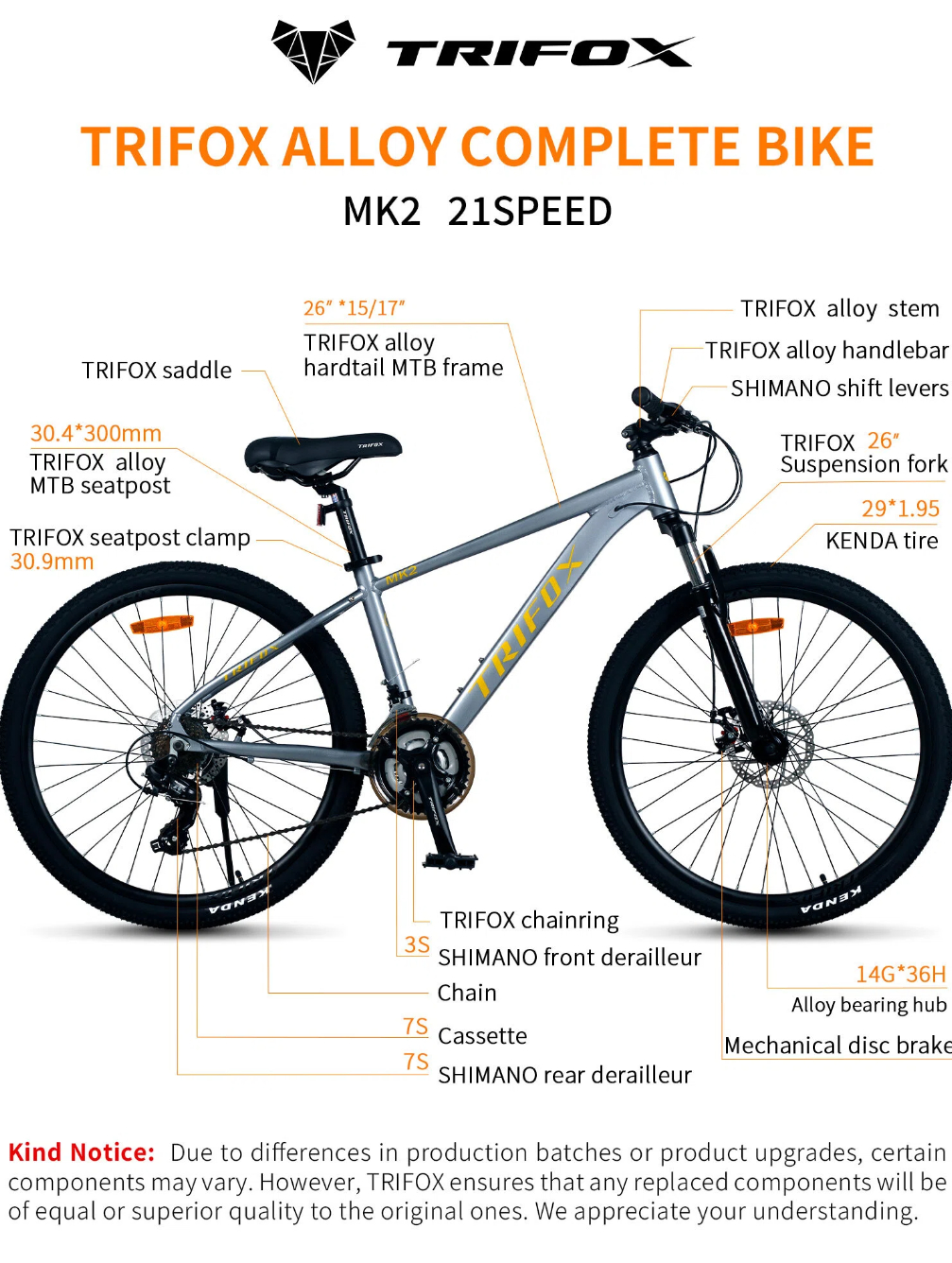
A Modern Classic: The Trifox MK2 26" Hardtail
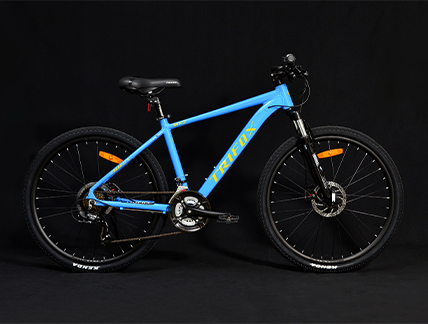
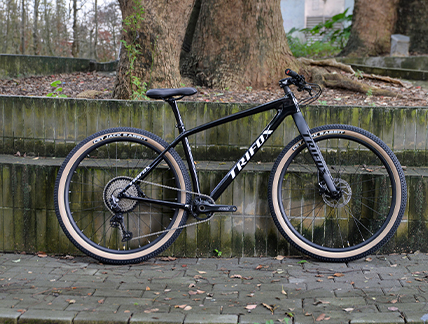
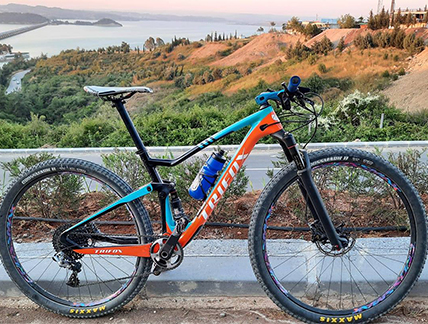
Bikes like the Trifox MK2 Aluminum Mountain Bike showcase the enduring relevance of the 26" wheel. Paired with a lightweight aluminum frame, a reliable Shimano Tourney 21-speed drivetrain, and confident disc brakes, it creates a package that emphasizes fun and accessibility. This bike isn't chasing the latest trend; it's delivering a proven, agile, and responsive ride that makes trail exploration intuitive and enjoyable. It proves that the right wheel size is the one that matches the bike's intended spirit—and for a nimble, playful hardtail, the 26" wheel remains a perfect fit.
Ultimately, test riding both sizes is the best advice. Feel how a 29er glides and a 26" flicks. Your perfect ride isn't defined by the trend, but by the feeling it creates beneath you.
2025-12-23
Trifox
SHARE:


Comments
Recent Posts
1
1
1
1
1

1
1
1
1
1
1
1
1
1
1
1

1
1
1
1
1
1
1

1



