


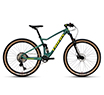
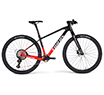

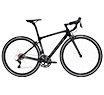
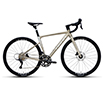
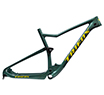
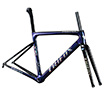
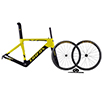
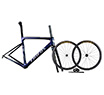
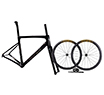
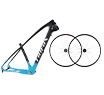
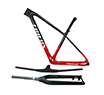
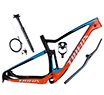





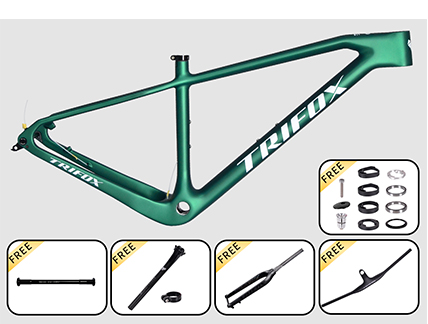
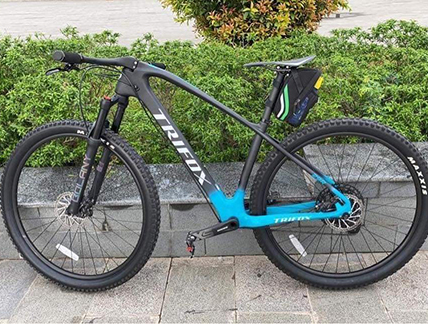
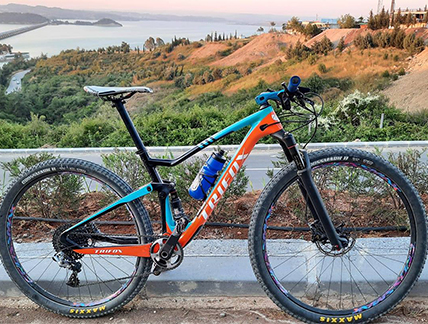
Investing in a high-performance lightweight mountain bike frame like the Trifox TRAIL II PRO is the first step toward an incredible ride. This carbon frame provides a stiff, efficient, and durable platform for your trail adventures. To unlock its full potential, pairing it with the right rear shock and tuning it to perfection is the most critical final step. For a 17.5 in bike frame designed for aggressive cross-country and trail riding, this process balances efficiency with capability.
Step 1: The Non-Negotiables – Matching Hard Specifications
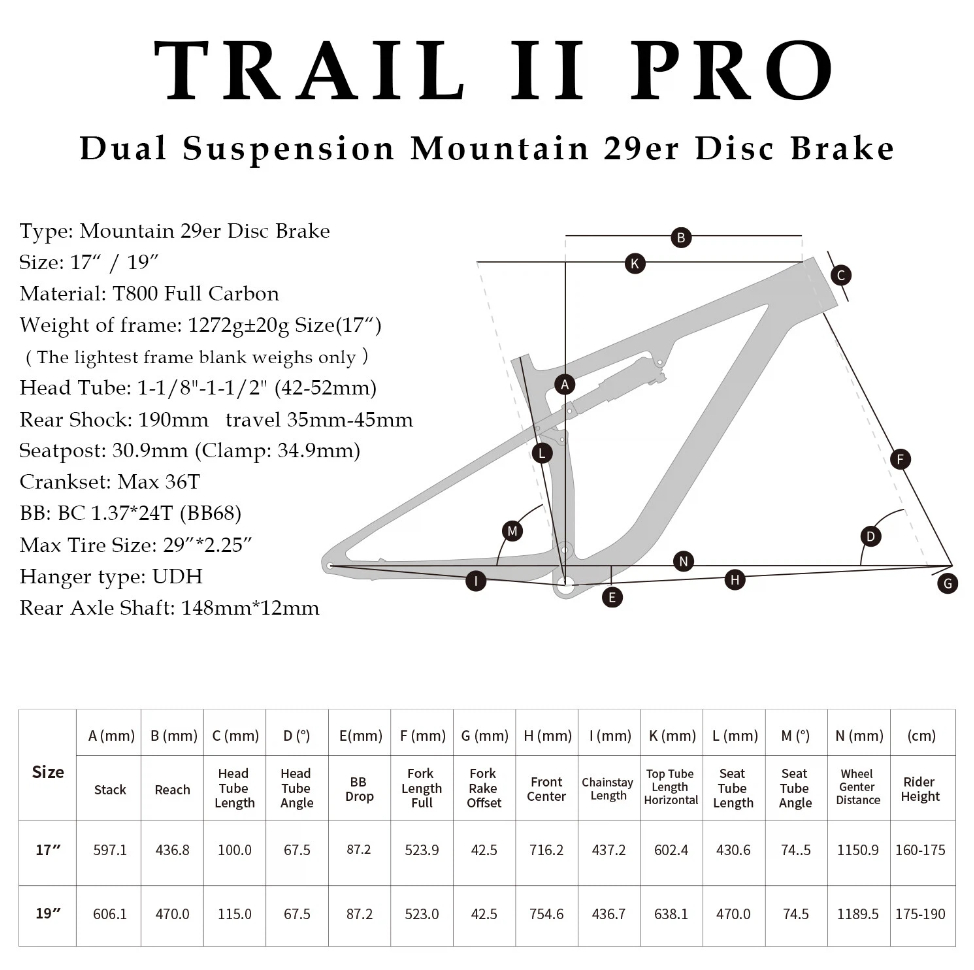
Choosing a compatible shock is about more than just fit; it's about matching the component's character to the frame's design and your riding style. The first and most crucial step is matching the exact technical specifications. For the TRAIL II PRO, you need a shock with a 190mm eye-to-eye length and a stroke that provides 35-45mm of travel. These numbers are non-negotiable and are the foundation of compatibility. You'll also need to match the mounting hardware (bushings) to the frame's specific shock mounts.
Step 2: Selecting the Shock Type – Air vs. Coil
Beyond the hard numbers, you must decide on the shock type that best suits your needs. For an XC/Trail-focused frame like this, your main choices are:
* Air Shocks: The standard choice for most riders due to their light weight, high tunability (via air pressure, rebound, and compression), and progressive spring curve that matches modern frame designs. Models from Fox (like the Float series) or RockShox (like the Deluxe) are perfect starting points.
* Coil Shocks: Offer unparalleled small-bump sensitivity and consistency, especially in rough terrain, but are heavier. A coil shock is an excellent choice for riders prioritizing traction and plushness over absolute pedaling efficiency and weight savings.
Step 3: The Art of Tuning – Dialing in Your Ride
Once you've selected the right shock, the real magic happens during setup and tuning. This is where you personalize the bike's feel. Start by following the manufacturer's baseline recommendations based on your weight (rider sag is typically 25-30% for trail riding). Fine-tune from there by adjusting three key features:
* Air Pressure/Sag: Controls how much the shock compresses under your weight. More pressure makes it firmer and more supportive for climbing; less pressure increases sensitivity for descending.
* Rebound Damping: Controls how quickly the shock extends after compression. Too fast feels bouncy; too slow feels harsh and packed down on repeated bumps. Start with the manufacturer's setting and adjust based on feel.
* Compression Damping: Found on higher-end shocks, this controls how easily the shock compresses under force. Open/fast settings are plush; firmer settings improve pedaling platform and support for big hits.
Conclusion: From Specification to Sensation
Remember, tuning is iterative. Take notes, make one adjustment at a time, and test it on your regular trails. The goal for a frame as capable as the TRAIL II PRO is a setup that feels balanced: supportive for efficient pedaling on climbs yet active and composed on descents. A perfectly matched and tuned shock transforms a great lightweight mountain bike frame into a responsive extension of you, maximizing control, comfort, and fun on every ride.
2026-02-02
Trifox
SHARE:


Comments
Recent Posts
1
1
1
1
1
1
1
1
1
1
1
1
1
1
1
1
1
1
1
1
1
1
1

1



