
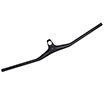
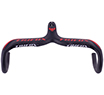
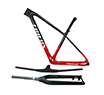
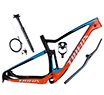
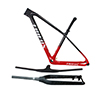
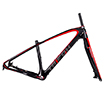





When it comes to optimizing your mountain bike, selecting the right components can make a significant difference in your riding experience. Among the many upgrades available, a carbon riser handlebar stands out for its numerous benefits. Let's delve into why choosing a carbon riser handlebar could be the perfect enhancement for your mountain biking adventures.
Lightweight and Strong
One of the most compelling reasons to opt for a carbon riser handlebar is its lightweight nature. Carbon fiber is known for its outstanding strength-to-weight ratio, making it an ideal material for handlebars. By reducing the weight of your bike's front end, you can achieve better maneuverability and control, especially on technical trails. This weight reduction is not just about performance; it also means less fatigue during long rides, allowing you to push your limits with greater ease.
Enhanced Vibration Dampening
Mountain biking often involves navigating rough terrains that can transmit a lot of vibration to your hands and arms. A carbon riser handlebar excels in damping these vibrations, offering a smoother and more comfortable ride. This feature is particularly beneficial during extended rides or on trails with constant bumps and jolts.
Improved Riding Position
Riser handlebars are designed to elevate the rider’s position, providing a more upright stance. This posture not only enhances comfort but also improves visibility and control over the bike. For riders who prefer a laid-back yet confident riding style, a riser handlebar is indispensable. The increased height also facilitates easier handling during descents and sharp turns.
Aesthetic Appeal
Let’s not overlook the aesthetic advantage. Carbon riser handlebars have a sleek, modern look that can instantly upgrade the appearance of your bike. With clean lines and a premium finish, they add a touch of sophistication to your setup.
Durability
Carbon fiber is incredibly durable and resistant to fatigue, making it a reliable choice for demanding off-road conditions. Unlike aluminum handlebars, which can bend or corrode over time, carbon handlebars maintain their integrity and performance for the long haul.
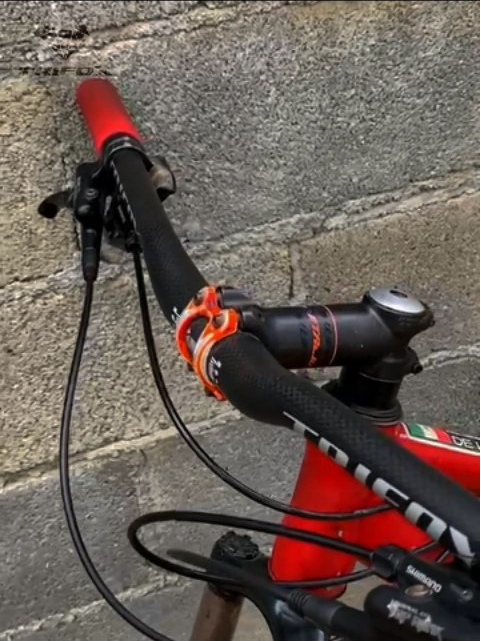
Top Pick: Trifox Carbon Riser Handlebar
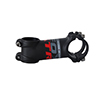
If you're considering upgrading to a carbon riser handlebar, check out the Trifox Carbon Riser Handlebar RHB300. Known for its exceptional quality and engineering, this handlebar offers all the benefits mentioned above. Designed with precision, it promises to enhance your mountain biking experience by combining strength, flexibility, and style.
Conclusion
Choosing a carbon riser handlebar for your mountain bike is more than just a performance upgrade; it’s an investment in comfort, durability, and overall riding enjoyment. Whether you're a seasoned rider or a beginner looking to improve your setup, the advantages of a carbon riser handlebar are clear.
From reduced weight and enhanced vibration dampening to improved riding position and aesthetic appeal, a carbon riser handlebar is a versatile component that can significantly elevate your mountain biking experience. Make the switch today and feel the difference on your next ride!
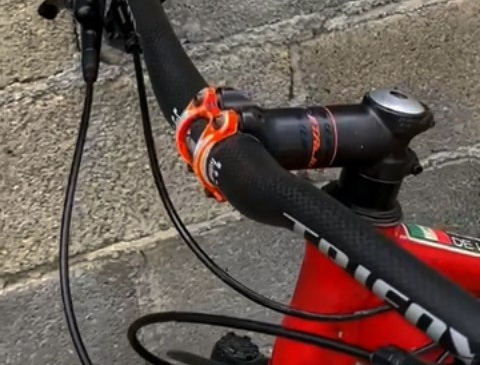
When it comes to enhancing your biking experience, investing in new components can make a world of difference. One upgrade that has gained immense popularity among mountain bikers is the dropper seatpost. But is it the upgrade your bike needs? Let’s explore the benefits and considerations to help you decide.
What is a Dropper Seatpost?
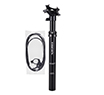
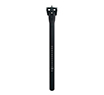
A dropper seatpost is a type of adjustable seatpost that allows the rider to change the height of the saddle on the fly, typically using a remote lever mounted on the handlebars. This feature is invaluable for mountain bikers who navigate varying terrains and need to adjust their saddle height frequently for optimal performance and safety.
Key Benefits of a Dropper Seatpost
Improved Control and Safety:Lowering the saddle while descending steep or technical trails lowers your center of gravity, providing better balance and control. This leads to increased confidence and safety on challenging descents.
Enhanced Climbing Efficiency:At full height, a dropper seatpost allows you to maintain an efficient pedaling position while climbing. This dual functionality ensures that you’re always in the best position for the section of the trail you're tackling.
Versatility:Whether you’re hitting jumps, navigating rocky terrain, or cruising down smooth paths, a dropper seatpost adapts to your needs. This adaptability makes it an essential component for avid mountain bikers who face diverse trail conditions.
Reduced Fatigue:Constantly stopping to manually adjust your saddle can be tiring and interrupt your flow. With a dropper seatpost, adjustments are seamless and quick, allowing you to focus more on riding and less on fiddling with your bike.
Considerations Before Upgrading
Compatibility:Ensure your bike frame is compatible with a dropper seatpost. Some older frames might not have the required routing for internal cables or the correct diameter for the seatpost.
Cost:Dropper seatposts can be a significant investment. However, considering the improvement in performance and enjoyment, many riders find it a worthy upgrade.
Maintenance:Dropper seatposts have moving parts and hydraulic systems that may require maintenance over time. Consider the additional upkeep when deciding on this upgrade.
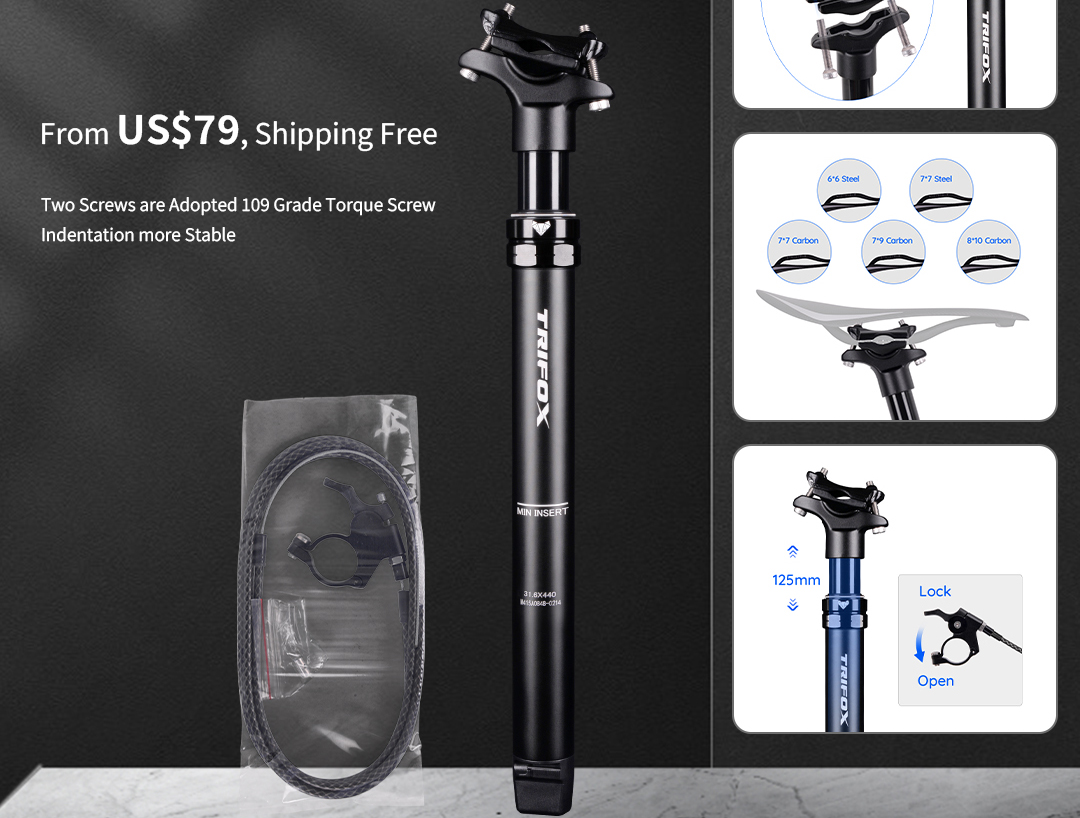
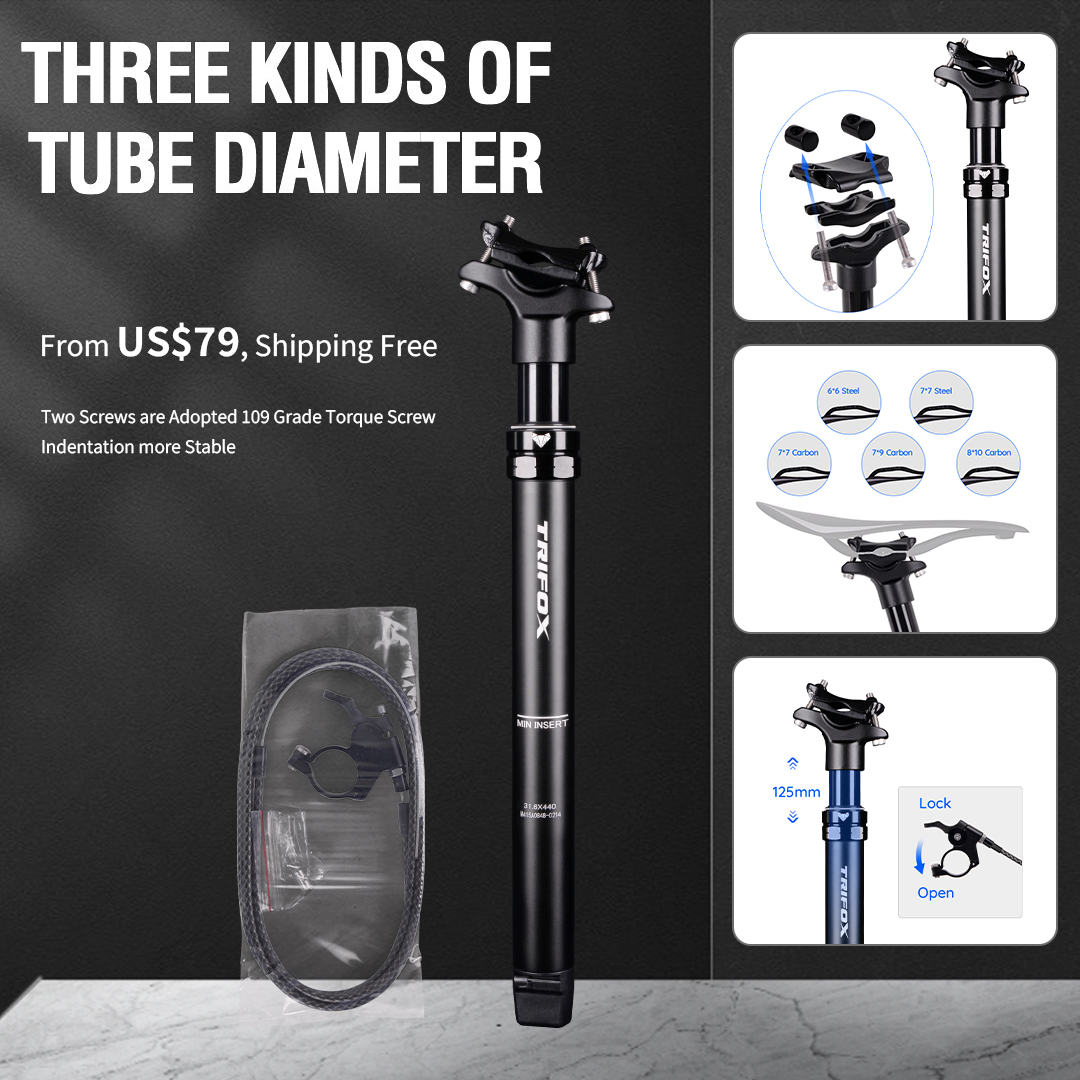
Top Pick: Trifox Dropper Seatposts
If you're convinced that a dropper seatpost is the upgrade your bike needs, check out the Trifox Dropper Bike Seatposts. Trifox offers high-quality dropper posts known for their reliability and smooth operation. With options catering to different budgets and requirements, you’re sure to find a model that fits your biking style and enhances your overall ride.
Conclusion
A dropper seatpost is more than just a luxury; it's a practical upgrade that can significantly improve your mountain biking experience. By offering better control, efficiency, and versatility, it can transform your rides and boost your confidence on the trails. Evaluate your needs and consider making this valuable addition to your bike setup.
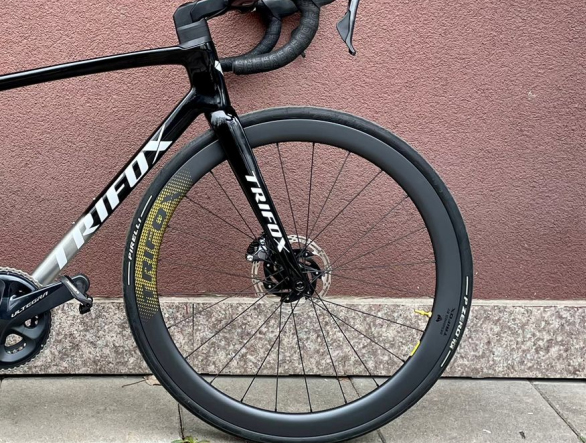
Choosing the right wheel size is crucial for optimizing your cycling experience, whether you’re an avid road cyclist, a mountain biker, or a commuter. The wheel size impacts your bike's handling, comfort, and performance. Here’s how to pick the right wheel size to meet your specific cycling needs.
First, identify your riding style and terrain. Road cyclists typically use 700c wheels, which offer a good balance of speed and stability on paved surfaces. These wheels have a larger diameter, allowing for smoother rolling over long distances.
If you're into mountain biking, you might choose between 26-inch, 27.5-inch (650b), and 29-inch wheels. Each size has its benefits: 26-inch wheels are nimble and responsive, 27.5-inch wheels offer a mix of agility and rollover capability, while 29-inch wheels provide better traction and roll over obstacles more easily.
Next, consider your height and frame size. Taller riders often feel more comfortable with larger wheels like 700c or 29-inch, as they better match their proportions. Smaller riders may prefer 650c or 27.5-inch wheels for better maneuverability and control. Ensure that your bike frame is designed to accommodate the wheel size you choose, as this affects the bike’s geometry and overall ride quality.
Think about the type of riding you do most frequently. If you commute or prefer leisure rides on smooth roads, 700c wheels are usually ideal. For mixed-terrain or adventure riding, 650b wheels provide versatility with wider tire options for added grip and comfort. Mountain bikers who enjoy technical trails might favor the agility of 27.5-inch wheels, while those tackling rough, cross-country trails might opt for the stability of 29-inch wheels.
Evaluate the availability of tires and components for your chosen wheel size. Some sizes, like 700c and 29-inch, have a broader range of tire options, making it easier to find replacements or upgrade your setup. Make sure the wheel size you choose offers the flexibility you need for your riding style.
Finally, test ride bikes with different wheel sizes if possible. Personal preference plays a significant role in how comfortable and confident you feel on a bike. Trying out various sizes can help you determine which wheel size provides the best fit for your needs.
In conclusion, picking the right wheel size involves considering your riding style, terrain, height, frame compatibility, and personal preference. By taking these factors into account, you can select a wheel size that enhances your cycling experience and meets your specific needs.
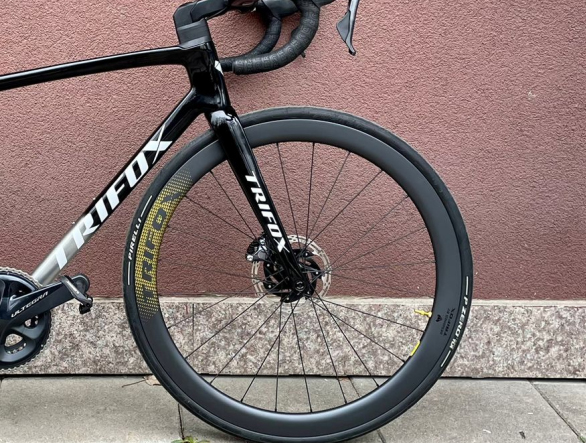
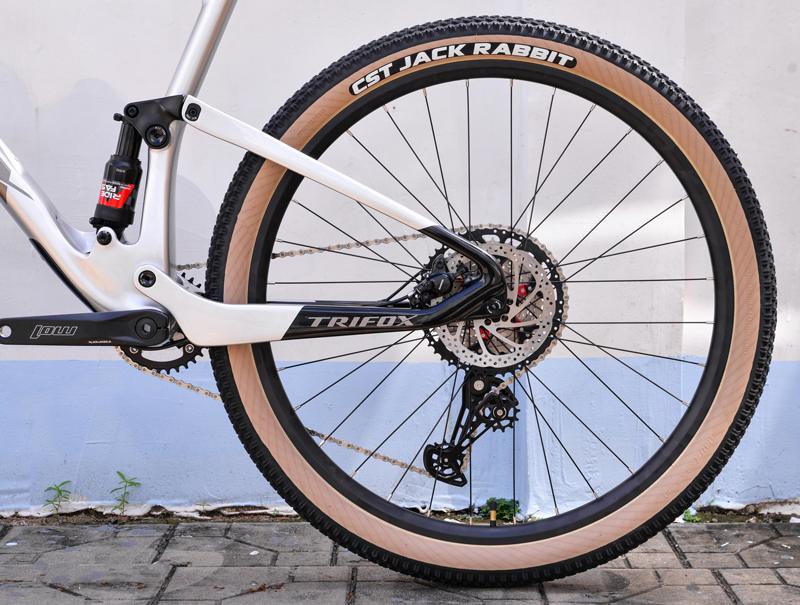
Determining the perfect tire width is essential for achieving a comfortable bike ride. Tire width influences various aspects of your cycling experience, including comfort, rolling resistance, and handling. Here's how to select the ideal tire width for your needs.
First, consider your riding terrain. If you primarily ride on smooth, paved roads, narrower tires (23-28mm) are typically preferred. These tires offer less rolling resistance, allowing for faster speeds and efficient performance. However, if you frequently encounter rough or uneven surfaces, wider tires (30-35mm or more) provide better shock absorption and comfort, as they can handle bumps and imperfections more effectively.
Next, think about your riding style. Competitive road cyclists often opt for narrower tires because they prioritize speed and aerodynamics. On the other hand, recreational riders and commuters may find that wider tires are more comfortable for longer rides, as they reduce vibrations and provide a smoother experience.
Bike compatibility is another important factor. Ensure that your bike frame and fork have enough clearance to accommodate the desired tire width. Modern road bikes and gravel bikes are designed to support wider tires, but it's always best to check the manufacturer's specifications for your specific model.
Consider the impact of tire width on pressure. Wider tires can be run at lower pressures without the risk of pinch flats. Lower pressure allows the tire to conform to the surface better, improving grip and comfort. For instance, a 32mm tire can be comfortably ridden at lower pressures than a 25mm tire, providing a cushier ride.
Evaluate the trade-off between comfort and performance. While wider tires offer enhanced comfort, they can slightly increase rolling resistance compared to narrower ones. However, advancements in tire technology have minimized this gap, making wider tires a viable option even for performance-oriented cyclists.
Finally, personal preference plays a significant role. Some cyclists prefer the nimble feel of narrower tires, while others appreciate the stability and confidence that wider tires provide. It's a good idea to experiment with different widths to find what feels best for you.
In conclusion, determining the perfect tire width involves considering your riding terrain, style, bike compatibility, and personal preference. By taking these factors into account, you can select a tire width that enhances comfort and improves your overall cycling experience. Happy riding!
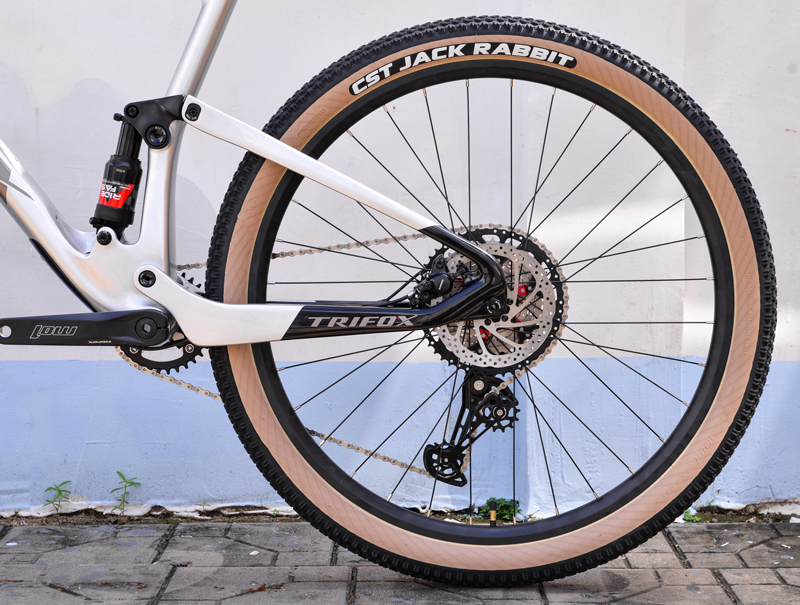
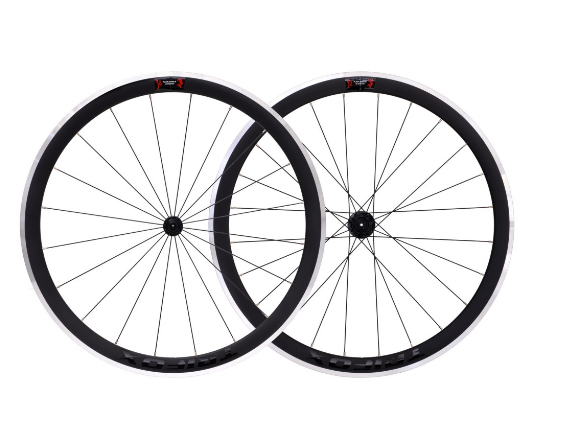
Selecting a good road wheelset is crucial for enhancing both speed and durability on your bike. The right wheelset can significantly impact your performance, whether you're racing or enjoying a long ride. Here’s how to choose the perfect road wheelset to meet your needs.
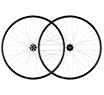
First, consider the material of the wheelset. Alloy wheels, like those available on [Trifox Alloy Road Wheels], are a popular choice due to their excellent balance of weight, strength, and affordability. Alloy wheels are durable and can withstand the rigors of various road conditions, making them an ideal choice for many cyclists.
Next, assess the wheel size and rim depth. The most common road bike wheel size is 700c, which offers a good blend of speed and stability. Rim depth plays a crucial role in aerodynamics: deeper rims (40mm and above) provide better aerodynamic benefits, reducing drag and helping you maintain higher speeds with less effort. However, deeper rims can be heavier and more susceptible to crosswinds. If you frequently ride in windy areas or prefer climbing, a shallower rim (20-30mm) might be more suitable.
The spoke count is another important factor. Wheels with fewer spokes (16-24) tend to be lighter and more aerodynamic, making them ideal for racing. However, they may not be as robust as wheels with more spokes (28-36). If durability and strength are your primary concerns, especially if you ride on rough roads, opt for a higher spoke count.
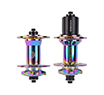
Hub quality also affects performance. High-quality hubs provide smoother rotation and greater reliability. Look for wheels with sealed bearings, which require less maintenance and offer better protection against dirt and moisture.
Consider the weight of the wheelset. Lighter wheels accelerate faster and make climbing easier, but they should not compromise strength and durability. Alloy wheels strike a good balance here, offering lightweight properties without sacrificing robustness.
Lastly, think about your budget. Investing in a quality wheelset can significantly enhance your riding experience. While high-end wheels can be costly, there are many excellent options available at different price points. The [Trifox Alloy Road Wheels] provide a range of choices that combine performance and value.
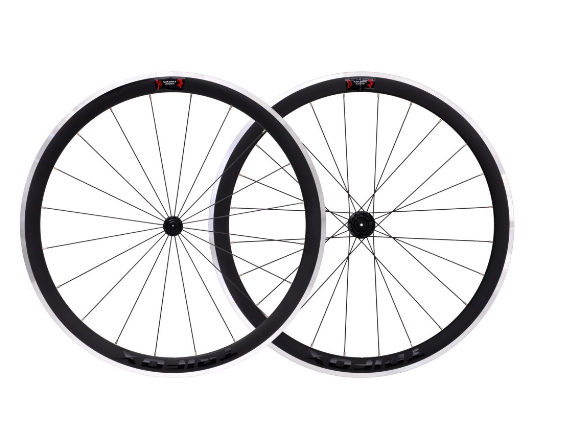
In conclusion, selecting a good road wheelset involves considering material, size, rim depth, spoke count, hub quality, weight, and budget. By taking these factors into account, you can find a wheelset that boosts your speed and durability, ensuring a better ride. Happy cycling!
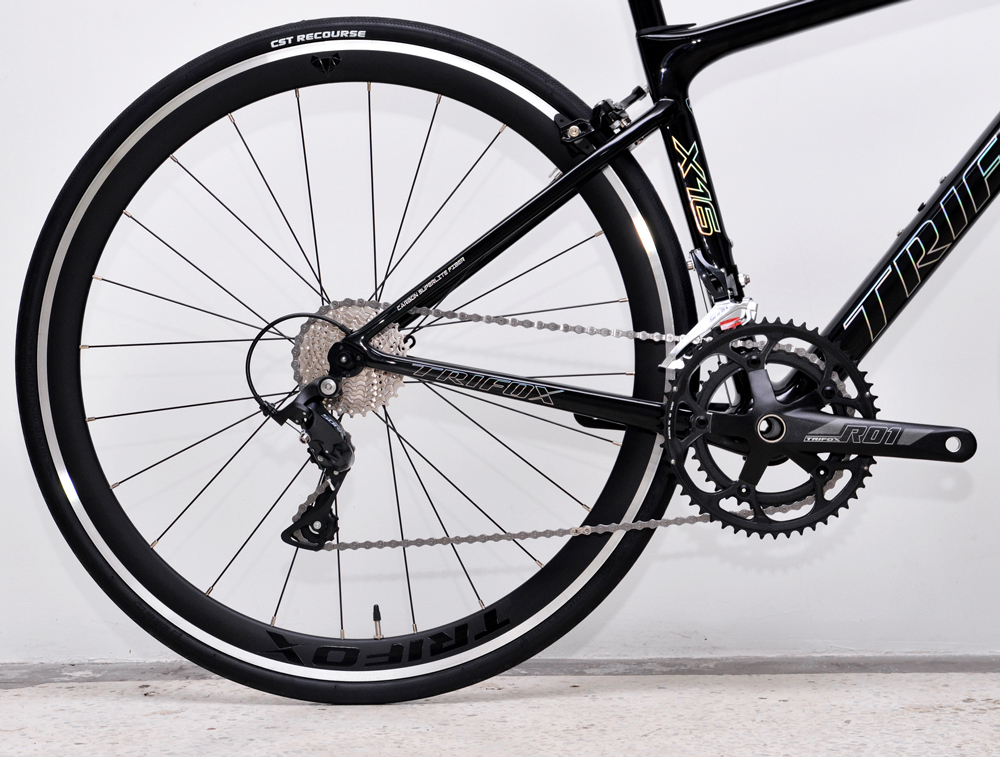
Selecting the right performance wheelset can drastically improve your bike's speed and efficiency. Here's how to make an informed choice to elevate your cycling experience.
1. Understand Your Riding Style
Consider whether you're into road racing, mountain biking, or long-distance touring. Each discipline demands different wheel characteristics. Road cyclists often prefer lightweight, aerodynamic wheels, while mountain bikers need robust, durable options.
2. Focus on Material
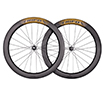
Carbon fiber wheelsets are a top choice for serious cyclists due to their lightweight and strength. They provide excellent stiffness and responsiveness, crucial for both acceleration and maintaining speed. However, they are more expensive than aluminum alternatives.
3. Consider Rim Depth
Rim depth affects aerodynamics and handling. Deeper rims (50mm+) are more aerodynamic, making them ideal for flat courses and time trials. Shallow rims (30mm or less) are better for climbing due to their lighter weight and improved maneuverability.
4. Check Hub Quality
High-quality hubs reduce rolling resistance and enhance overall performance. Look for sealed bearings that offer smooth rotation and require less maintenance.
5. Evaluate Spoke Count
Wheelsets with fewer spokes are generally lighter and more aerodynamic but might sacrifice durability. Opt for higher spoke counts if you’re heavier or ride on rough terrains frequently.
6. Factor in Budget
Performance wheelsets can be a significant investment. Balance your budget with your riding goals to find the best value without compromising essential features.
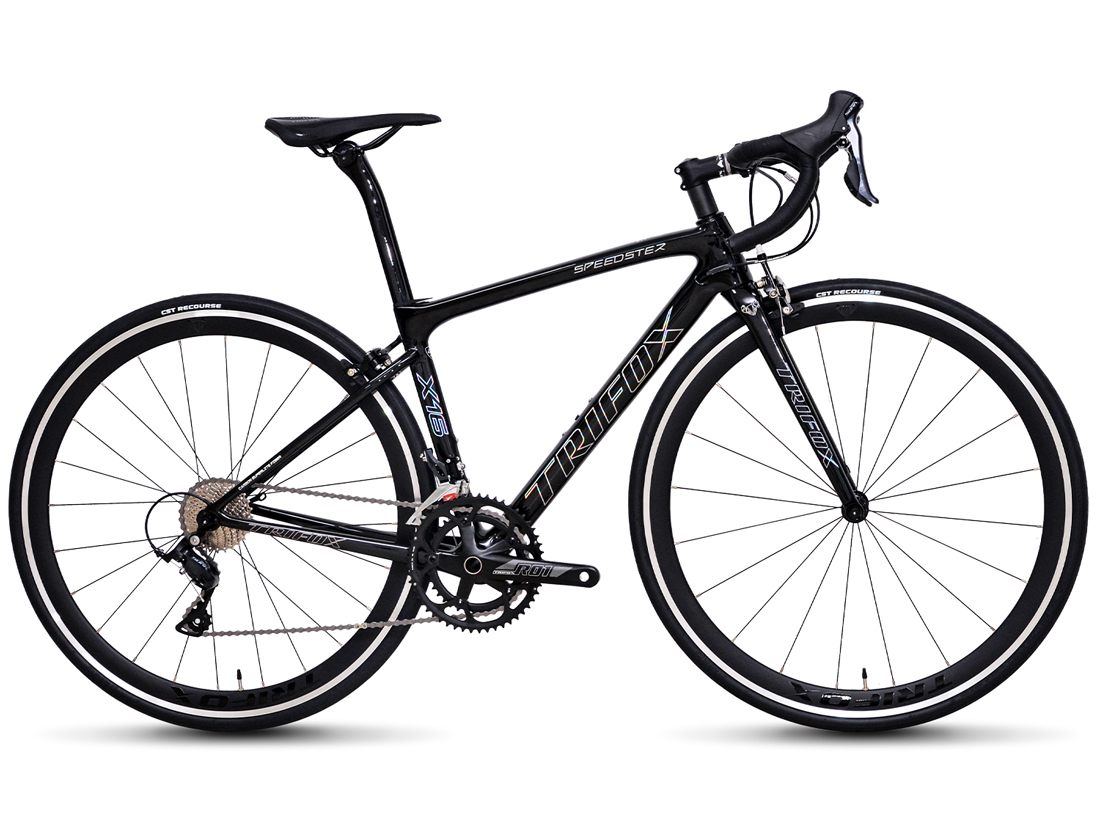
Installing the Ultra Light SF-QR 2.0 Quick Release on your bike may seem daunting, but with a few straightforward steps, you can ensure a secure and efficient setup. This quick release skewer, available at Trifox, offers lightweight performance and reliability ideal for serious cyclists. Here's a detailed guide to help you install it correctly.
Step 1: Gather Your Tools
Before starting, gather the necessary tools:
Bike stand (optional but helpful)、Allen wrench or quick-release lever、Grease or lubricant
Step 2: Prepare Your Bike
Place your bike on a stable surface or bike stand. Make sure the bike is stable and won't tip over during the installation process.
Step 3: Remove the Old Skewers
If your bike already has skewers installed, you'll need to remove them first. Open the quick-release lever and unscrew the nut on the opposite side. Slide the skewer out of the hub and set it aside.
Step 4: Apply Lubricant
Apply a small amount of grease or lubricant to the threads of the quick-release skewer. This helps ensure smooth operation and prevents seizing.
Step 5: Insert the Ultra Light SF-QR 2.0 Skewer
Insert the new Ultra Light SF-QR 2.0 skewer through the hub axle. Ensure the lever side is positioned on the non-drive side of the bike (the side opposite the chain).
Step 6: Attach the Nut
Thread the nut onto the skewer from the drive side. Tighten the nut by hand until snug, but do not fully tighten yet.
Step 7: Adjust the Lever Position
Position the lever in an open position. The lever should be parallel to the fork or frame for proper alignment. Ensure the lever won’t interfere with any components when closed.
Step 8: Close the Quick Release
Close the quick-release lever. It should require firm pressure to close securely. If too loose, open the lever and tighten the nut slightly before closing again. A properly adjusted lever should leave an imprint on your palm when closed.
Step 9: Check Alignment
Ensure the wheel is properly aligned in the dropouts and centered between the forks or stays. Spin the wheel to check for any wobbling or misalignment.
Step 10: Test and Secure
Ensure the quick release is securely fastened by pressing down on the lever. There should be no movement in the wheel. For added safety, double-check that the lever is tightly closed and locked.
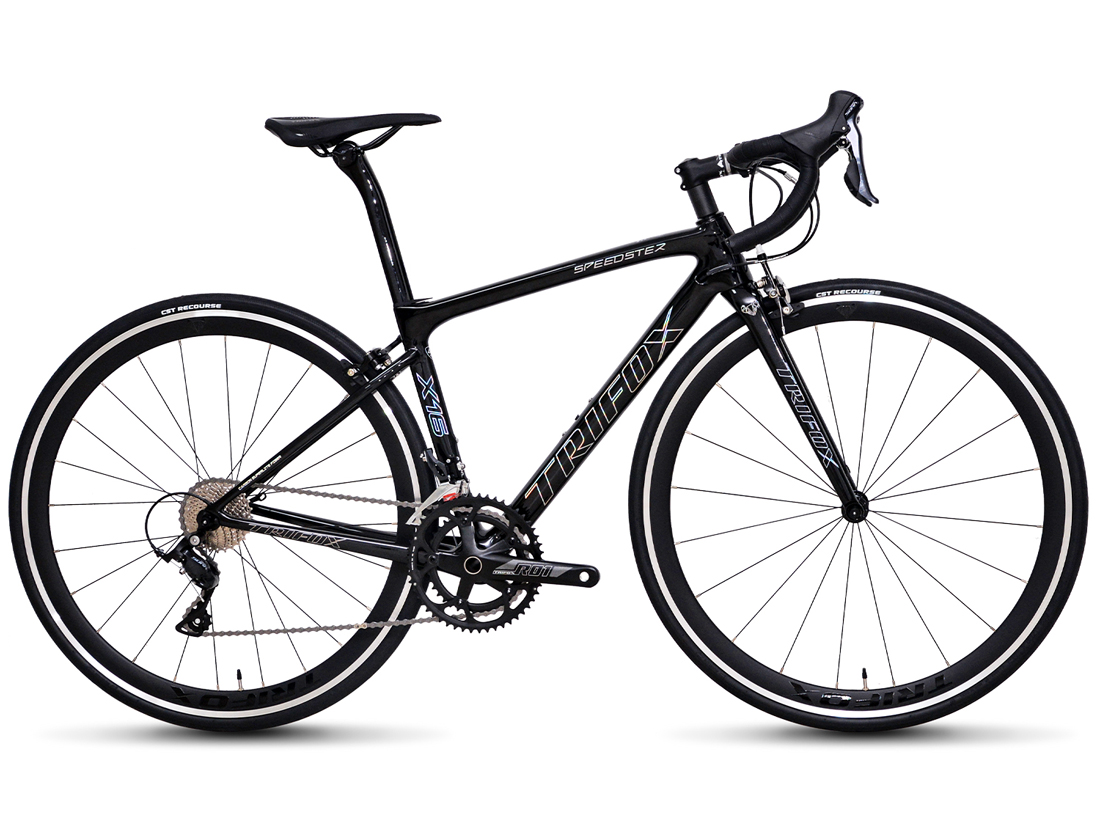
By following these steps, you can easily install your Ultra Light SF-QR 2.0 Quick Release, ensuring a secure and smooth ride. Proper installation not only enhances performance but also ensures your safety on the road.
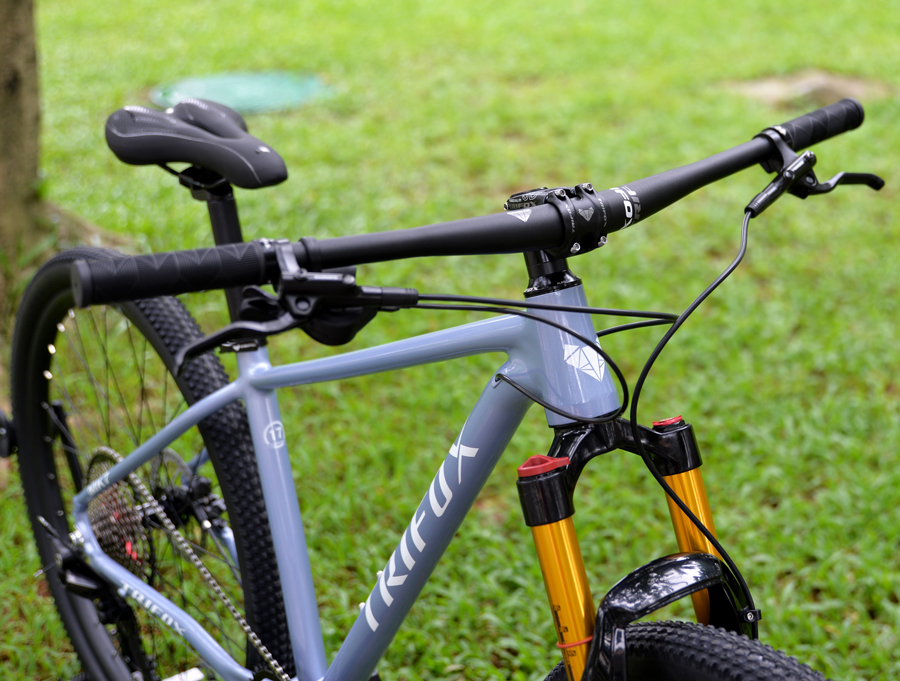
Choosing the right handlebar can significantly enhance your cycling experience, providing comfort, control, and efficiency. With options like the high-quality carbon bike handlebars from Trifox, it's essential to understand which type suits your riding style best. Here's a guide to help you make the perfect choice.
1. Identify Your Riding Style
Your riding style is the first consideration when selecting a handlebar. Are you into road racing, mountain biking, or casual commuting? Each style demands different handlebar characteristics for optimal performance.
Road Racing: For speed and aerodynamics, drop bars are usually preferred. They offer multiple hand positions and reduce drag;Mountain Biking: Flat or riser bars are ideal for control and stability on rugged trails;Commuting: Comfort and ease of use are key, making flat bars or cruiser bars a good choice.
2. Consider the Material
Carbon handlebars, like those offered by Trifox, provide several advantages. They are lightweight, strong, and absorb vibrations better than aluminum, offering a smoother ride. This is particularly beneficial for long-distance cyclists and competitive racers.
3. Understand Handlebar Dimensions
Width: A wider handlebar offers more control, especially in technical terrains, while a narrower bar can be more aerodynamic;Drop and Reach: For drop bars, consider the drop (vertical distance) and reach (horizontal distance). A deeper drop allows for a more aerodynamic position, while a shorter reach is more comfortable for casual rides;Rise: For flat and riser bars, the rise (height difference between the center of the bar and the ends) affects your riding posture. More rise means a more upright and comfortable position.
4. Test Different Shapes
Handlebars come in various shapes to suit different preferences:
Drop Bars: Ideal for road cyclists needing aerodynamic positions.Flat Bars: Common in mountain bikes for improved control;Riser Bars: Provide a higher position, enhancing visibility and comfort;Bullhorn Bars: Offer an aggressive position suitable for time trials and track racing.
5. Ergonomics and Comfort
Pay attention to ergonomics. Some handlebars have ergonomic bends or specific shapes designed to reduce fatigue and increase comfort on long rides. Carbon bars, such as those available from Trifox, often include these features, making them a great investment for serious cyclists.
6. Installation and Adjustments
Ensure proper installation and adjustment. Handlebars need to be securely fitted and adjusted to your preference. Seek professional help if necessary to avoid any mishaps that could affect your ride quality or safety.
Conclusion
Choosing the perfect cycling handlebar is crucial for enhancing your cycling experience. With options like the Trifox carbon bike handlebars, you can find the balance between weight, strength, and comfort tailored to your riding style. Take the time to assess your needs, try different options, and invest in the best handlebar for a more enjoyable and efficient ride.
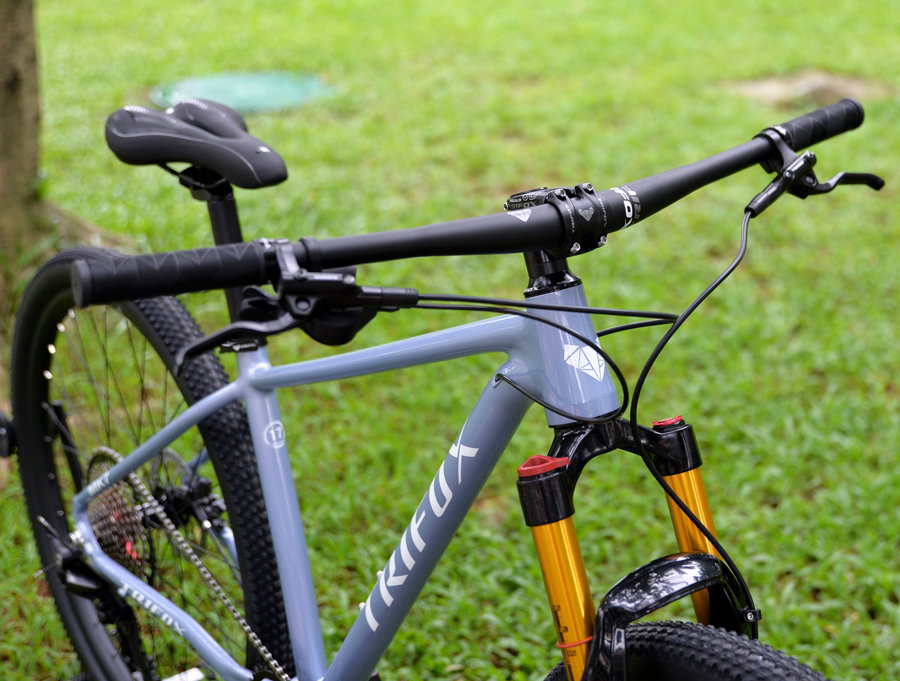
Explore Trifox's range of carbon bike handlebars here.
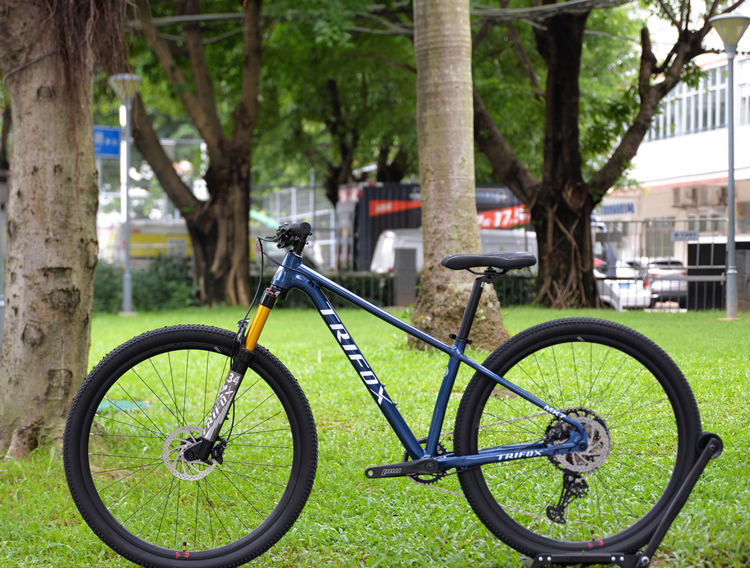
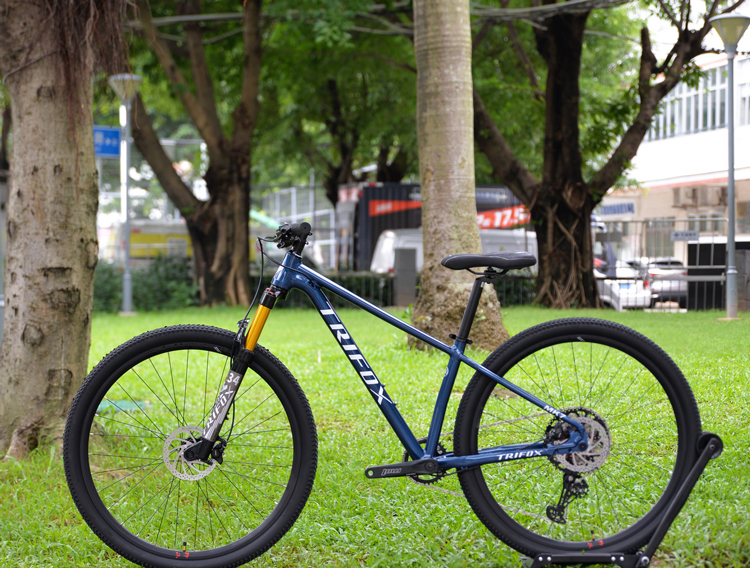
Conquering mountain trails demands not only skill but also the right equipment. The Trifox PeakTrail Xtreme bike, with its top-tier components and design, is engineered to help you tackle the roughest terrains with confidence and style. Here's how you can master mountain trails with this exceptional bike.
1. Understand Your Equipment
The PeakTrail Xtreme bike features a TRIFOX suspension fork, which plays a crucial role in handling the various obstacles you'll encounter on the trail. Its butted aluminum frame, combined with hydroformed top and downtubes, offers both durability and a sleek appearance. This frame is designed for higher deformation resistance and tensile strength, ensuring reliability on challenging terrains.
2. Optimize Your Gear Shifting
Equipped with the SHIMANO DEORE M6100 12-speed Groupset, the PeakTrail Xtreme provides a wide range of gears to handle steep climbs and fast descents efficiently. Knowing when and how to shift gears can significantly impact your ride. Practice smooth transitions between gears to maintain momentum and avoid unnecessary strain on your bike’s components.
3. Leverage the 1x Drivetrain
The 1x Shimano drivetrain on the PeakTrail Xtreme simplifies gear shifting and reduces the chances of chain drops, allowing you to focus more on the trail ahead rather than managing multiple gears. This simplicity doesn’t compromise performance but rather enhances reliability and ease of use, especially useful in technical sections.
4. Utilize the Lightweight Design
One of the standout features of the PeakTrail Xtreme is its lightweight construction, which allows for faster acceleration and easier maneuverability. This is particularly advantageous when navigating sharp turns or climbing steep inclines. Use this to your advantage by practicing quick sprints and agile movements.
5. Regular Maintenance
Maintaining your PeakTrail Xtreme bike is essential for optimal performance. Regularly check the suspension fork, drivetrain, and brakes. Proper maintenance ensures that your bike remains reliable and ready for any trail.
6. Benefits Beyond the Bike
When you purchase the PeakTrail Xtreme bike, Trifox offers top-quality items, 24/7 live chat support, fast and reliable delivery options, and secure payment methods. These additional benefits ensure a seamless purchasing experience, allowing you to focus on enjoying your ride.
Mastering mountain trails requires both skill and the right bike. The PeakTrail Xtreme, with its robust features and performance-oriented design, is your ideal partner for any mountain adventure. Start exploring with confidence and elevate your riding experience today.
Learn more and get your PeakTrail Xtreme bike here.