



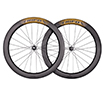
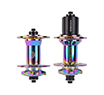
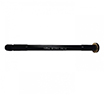
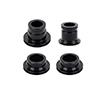
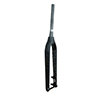
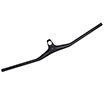
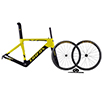
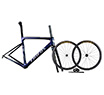
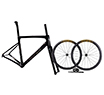
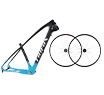
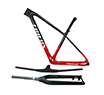





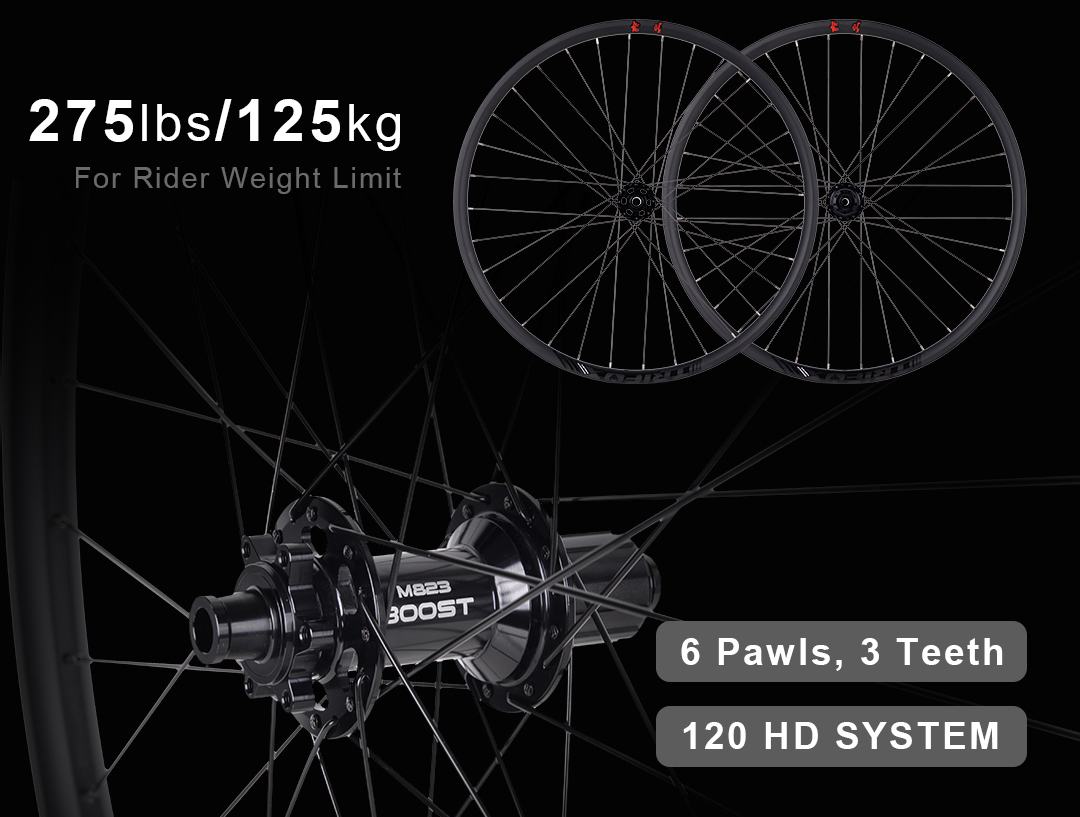
That "Boost" label on wheels and frames isn't marketing fluff – it's a significant evolution in mountain bike standards solving real problems. Here's the lowdown:
The Core Idea: Wider Hub Spacing
- Old Standard (Non-Boost): Front: 100mm width. Rear: 142mm width.
- Boost Standard: Front: 110mm width. Rear: 148mm width.
Why Bother Going Wider? Key Benefits:
1. Stiffer Wheels: The wider hub flanges (the points where spokes attach) move the spokes further apart laterally. Think of it like a wider stance. This dramatically increases wheel stiffness, especially crucial for:
Hardtails: Reducing flex under pedaling and cornering.
Modern Geometry: Supporting wider tires and longer, slacker bikes that put more stress on wheels.
Preventing Brake Rub: Stiffer wheels flex less under hard braking (disc brakes), reducing the chance of pads hitting the rotor.
2. Better Tire Clearance: The wider spacing allows frame designers to create wider rear triangles and fork crowns. This provides ample room for today's popular wider tires (2.4" to 2.8"+) without compromising chainline or risking tire rub on the frame.
3. Improved Frame Design: The extra space allows designers to:
Create shorter chainstays (improving maneuverability).
Use wider, stiffer bottom brackets (like BB92/BB121).
Improve suspension kinematics (on full-suspension bikes).
4. Better Chainline: The wider rear hub shifts the cassette slightly outboard. Combined with modern 1x drivetrains, this creates a straighter chainline across all gears, improving shifting performance and efficiency.
What Do You Need for Boost?
- Boost Frame & Fork: Your bike frame must have Boost rear spacing (148x12mm thru-axle) and your fork must have Boost front spacing (110x15mm thru-axle).
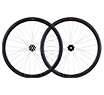
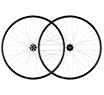
- Boost Wheels: You need wheels built with hubs specifically designed for Boost spacing. (Like the Trifox WM823 Boost wheels linked above).
- Boost Crankset: While not always mandatory, most modern Boost frames pair best with cranks designed for a wider "Boost chainline" (often 52mm vs the old 49mm).
Is Boost Backwards Compatible?
Generally, no. You can't fit a Boost wheel into a non-Boost frame/fork without adapters (which often compromise stiffness). Non-Boost wheels won't fit Boost frames/forks.
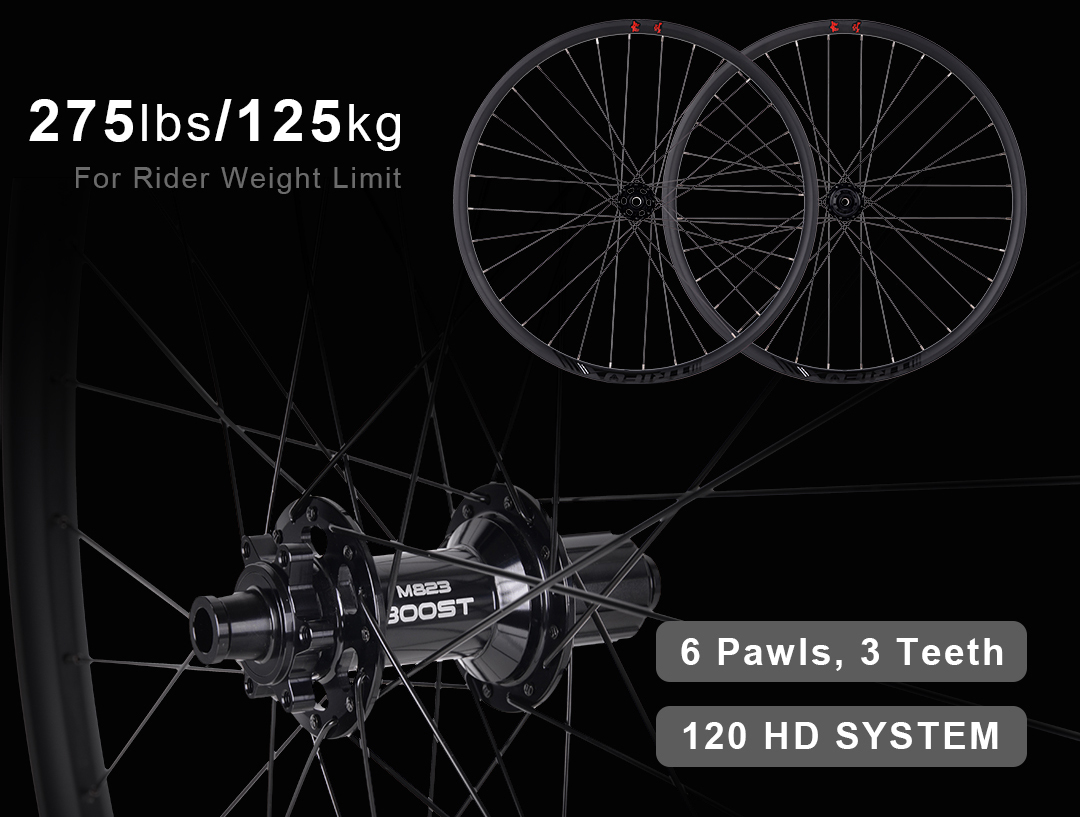
Boost isn't just "newer," it's genuinely better. It delivers tangibly stiffer, stronger wheels, enables modern frame designs and tire sizes, and improves drivetrain performance. If you're buying a new mountain bike or wheels (like the Trifox WM823 Boost), Boost is the modern standard you want. It solved real engineering limitations and is here to stay.
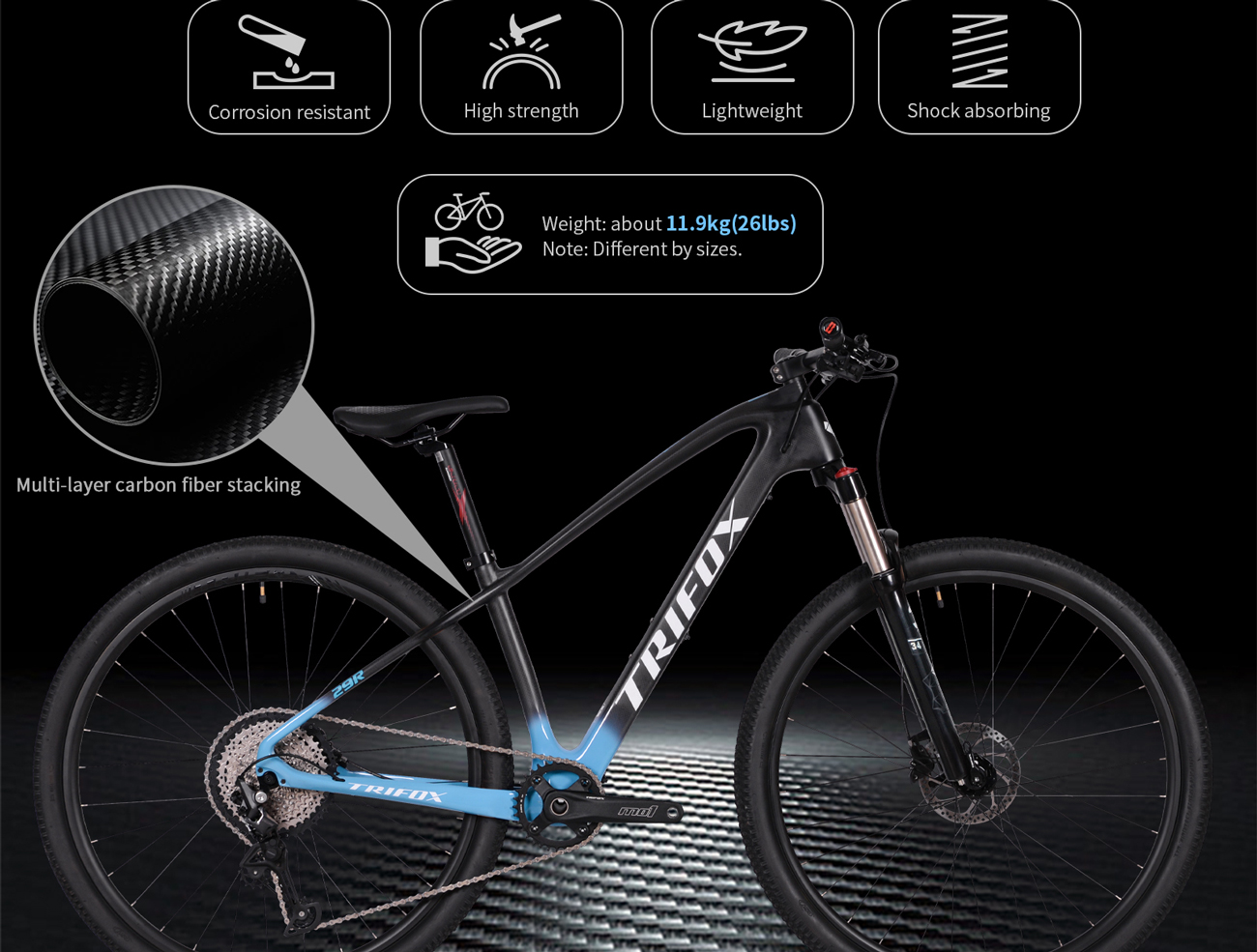
You see "T800 carbon" touted in bike specs, often positioned between "entry-level" T700 and premium "high-modulus" (like T1000+). But what does it actually mean, and is it good?
Here's the breakdown:
1. What "T800" Means: It refers to the tensile modulus of the carbon fiber strands (measured in Gigapascals - GPa). T800 fiber has a higher modulus (stiffer) than T700, but lower than ultra-high-modulus fibers like T1000 or T1100. Higher modulus generally means stiffer and stronger fibers for their weight.
2. The Benefits:
Improved Stiffness-to-Weight Ratio: Compared to T700, T800 allows frame designers to use less material to achieve the same stiffness, or make a frame stiffer at the same weight. This translates to better power transfer and responsiveness.
Good Strength: T800 offers excellent strength, crucial for durability and impact resistance.
Balanced Performance: It hits a sweet spot between the relative affordability/forgiveness of T700 and the extreme stiffness (and often higher cost/brittleness potential) of higher modulus fibers.
3. The Reality Check:
Layup is KING: The raw fiber grade is only part of the story. How the fibers are oriented, woven, layered (the "layup"), and bonded with resin determines the frame's final ride quality, strength, weight, and compliance. A genius layup with T700 can outperform a poor one with T800.
Not All T800 is Equal: Quality control in fiber production and frame manufacturing is paramount. Reputable brands ensure consistency; cheap frames might use "T800" but with questionable processes.
Higher Modulus ≠ Always Better: Ultra-high-modulus fibers (T1000+) can be too stiff, leading to a harsh ride. T800 often provides a better balance of stiffness and some vertical compliance (comfort).
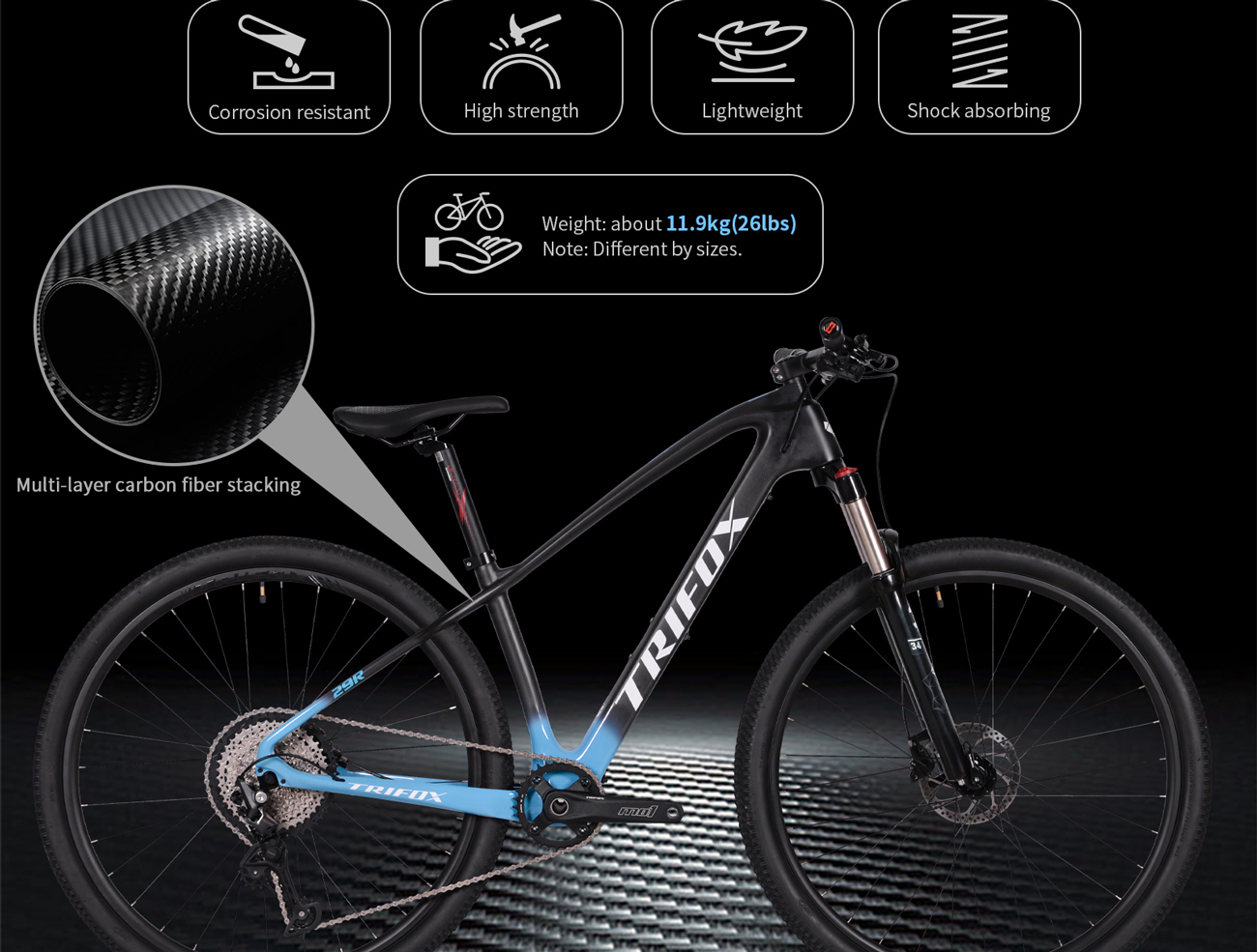
Verdict:
T800 carbon is a very good, high-performance material commonly found in quality mid-range to high-end road, gravel, and MTB frames. It offers a significant step up from basic T700 in terms of stiffness and efficiency without necessarily venturing into the ultra-stiff (and potentially less comfortable or more expensive) realm of top-tier moduli.
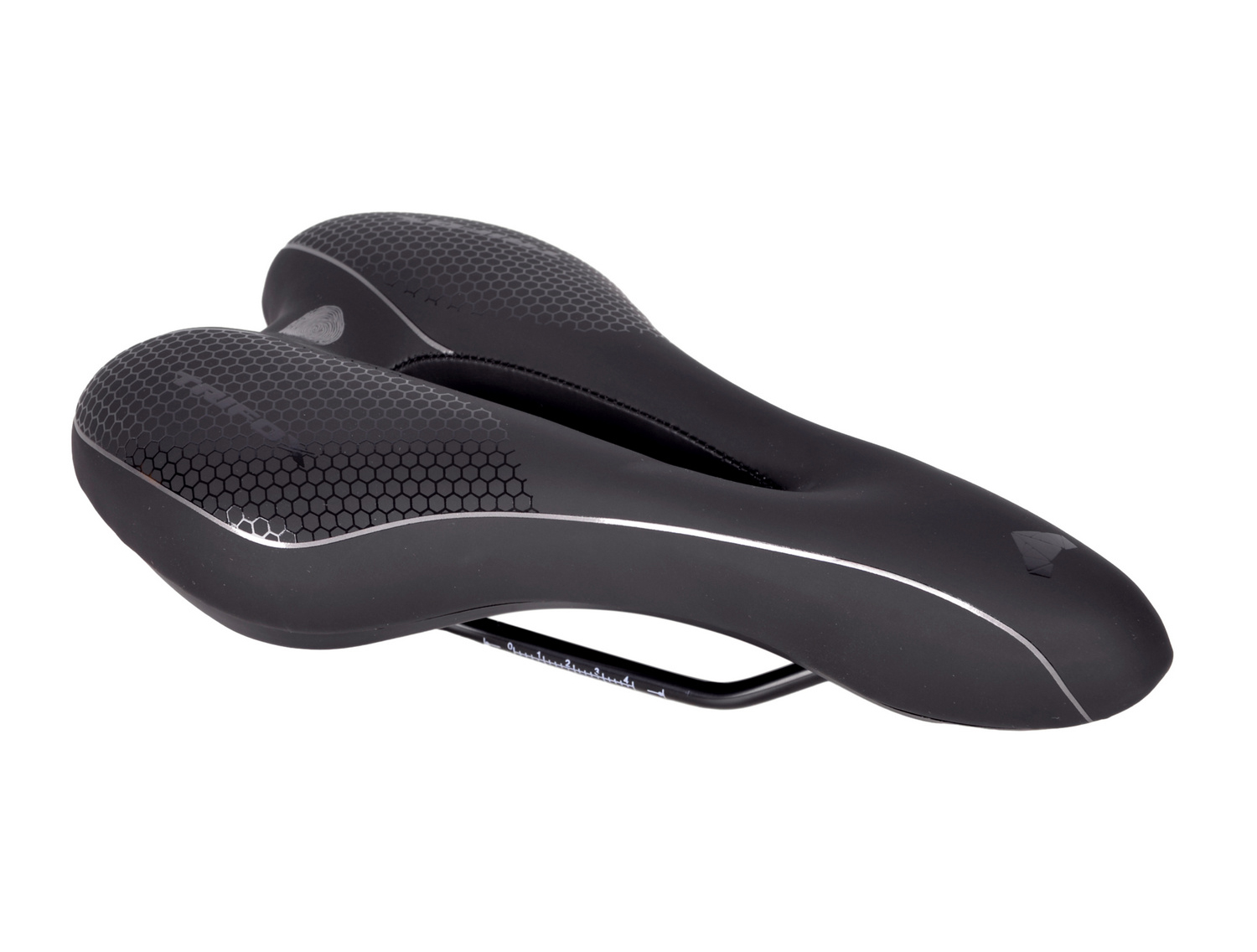
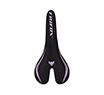
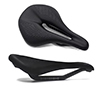
Let's be honest: an uncomfortable saddle can turn the joy of cycling into pure misery. Numbness, chafing, and soreness aren't badges of honor – they're signs you need a better perch! Choosing the right saddle is crucial for pain-free, enjoyable miles. Forget the "toughen up" myth; comfort is king. Here’s how to find yours:
1. Anatomy is Destiny (Especially Gender): Men and women generally have different pelvic bone structures and soft tissue needs. Women's saddles are typically wider at the back with a shorter nose and often a wider central cutout/longer channel. Men's saddles are often narrower. Start by looking at saddles designed for your anatomy. Unisex options exist, but prioritize your specific needs.
2. Riding Position Dictates Shape: How you sit on the bike dramatically impacts pressure points.
Upright (Commuting/Cruising): You sit more squarely on your sit bones ("ischial tuberosities"). Look for a wider, more padded saddle with ample support directly under these bones.
Moderate Lean (Fitness/Gravel): Weight shifts slightly forward. A medium-width saddle with some curvature and moderate padding or a pressure-relief channel is often ideal.
Aggressive Lean (Road Racing/TT): Your pelvis rotates forward, placing more pressure on the soft tissue between your sit bones and pubic arch. Narrower saddles with a distinct curve, minimal padding, and a pronounced channel or cutout are essential to relieve perineal pressure.
3. Measure Your Sit Bones : This is the most important step! Your sit bones need to be properly supported. Many bike shops have simple "assometer" pads you sit on to measure the distance between your sit bones (center-to-center). Add 20-30mm to this measurement – this is generally your ideal saddle width range. Don't guess!
4. Padding: Less is Often More: Thick, soft padding feels great in the shop for 30 seconds, but on a long ride, it compresses, loses support, and can actually cause more chafing and soft tissue pressure. Look for supportive foam or gel strategically placed over the sit bone areas, with firmer bases. Quality materials matter.
5. Pressure Relief is Paramount: Cutouts or elongated channels in the center are designed to reduce pressure on nerves and soft tissue (critical for preventing numbness). If you experience numbness, prioritize saddles with this feature. The size and shape of the relief area vary significantly – try different options.
The Golden Rules:
- Ignore the "Break-In" Myth: A good saddle should feel mostly comfortable on the first few rides. Minor adjustments might happen, but it shouldn't cause significant pain.
- Test Ride is Essential: Reputable shops often have demo saddles or generous return policies. Ride it for at least a few hours over your typical terrain before committing. What feels okay for 10 minutes might be agony at 60.
- Perfect Fit Trumps Brand/Price: The most expensive or popular saddle isn't necessarily your saddle. Focus on the fit fundamentals above.
- Position Matters Too: Ensure your saddle height and fore/aft position are correctly set. Even the perfect saddle won't work if it's poorly positioned.
Finding your perfect saddle takes patience and testing, but the payoff -miles of comfortable, pain-free riding – is absolutely worth the effort. Ditch the discomfort and saddle up for joy!
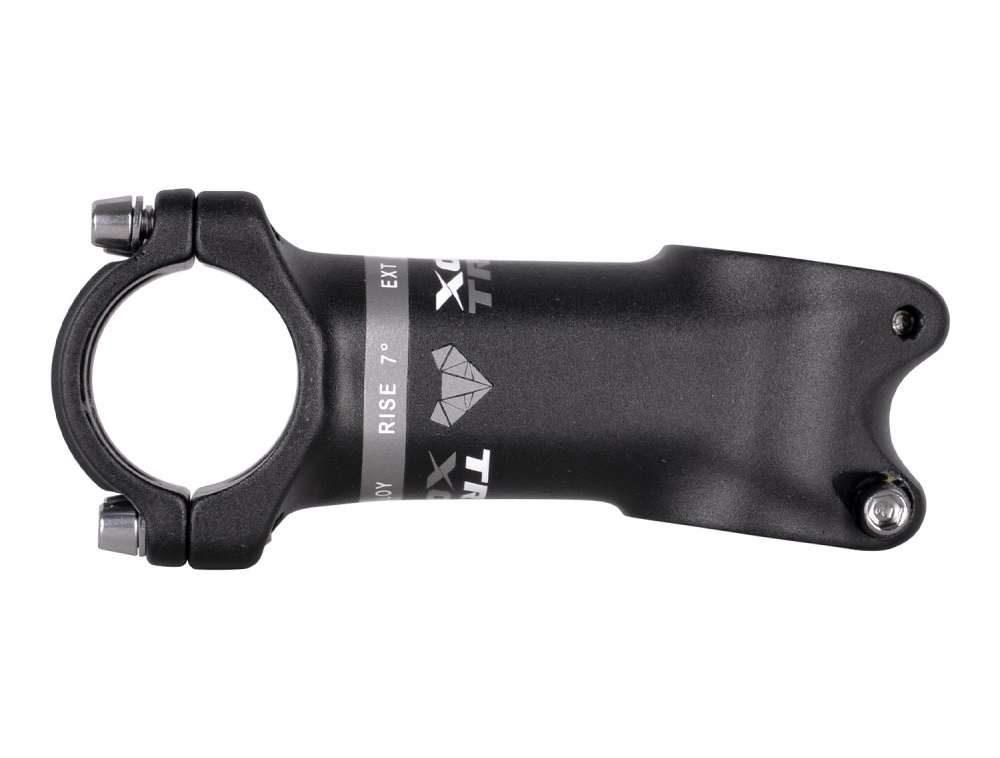
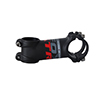
Think your stem is just a boring metal tube connecting your handlebars? Think again! That unassuming component plays a surprisingly pivotal role in your ride's comfort, control, and even efficiency. Yes, your stem makes a significant difference. Here's why:
1. Fit is King: This is the stem's PRIMARY job.
Reach: A stem that's too long forces you to over-stretch, straining your back, shoulders, and neck. Too short, and you're cramped, potentially hurting your knees or feeling twitchy. The right stem length dials in your perfect distance to the bars, promoting a comfortable, powerful, and sustainable position.
Height: A stem's angle (often +/- 6° or 10°) and stack height (via spacers) dramatically impact your handlebar height. A higher stem offers a more upright, relaxed posture (great for comfort, commuting, endurance). A lower stem creates a more aerodynamic, aggressive position (favored for racing or performance). Getting this wrong can lead to numb hands, back pain, or neck strain.
2. Handling & Control:
Stability vs. Agility: Stem length directly influences steering feel. A longer stem provides more stable, slower steering – ideal for descending at speed or loaded touring. A shorter stem makes the steering feel quicker and more responsive, beneficial for tight corners, technical trails (on MTBs), or criterium racing. Changing stem length can subtly (or dramatically) alter how your bike handles.
3. Material Matters (A Bit):
Weight: Stems come in aluminum (most common, affordable, strong), carbon fiber (lighter, can dampen vibration slightly, pricier), and steel/titanium (less common). While weight savings are marginal compared to wheels or frame, every gram counts for some riders.
Stiffness: A stiff stem (often aluminum or high-end carbon) ensures efficient power transfer from your upper body during hard efforts or sprints. Excessively flexy stems feel vague and waste energy. Most modern stems offer sufficient stiffness.
4. The "Performance" Myth (Kinda):
Don't expect swapping stems to suddenly make you significantly faster like aero wheels might. Its performance impact is indirect: enabling an efficient, comfortable position you can hold longer, and providing the right handling for your terrain.
The Crucial Takeaway:
The right stem for YOU makes a massive difference in comfort and control. The wrong stem can make riding miserable or even painful. Changing your stem is one of the most cost-effective ways to dramatically improve bike fit and ride feel.
Before You Swap: Small changes (like 10mm in length or flipping the angle) can have a big effect. If you're experiencing discomfort or handling issues, consult a professional bike fitter. They can determine if a stem change is the solution and recommend the perfect specs for your body and riding style. Don't just guess – get it right and transform your ride!
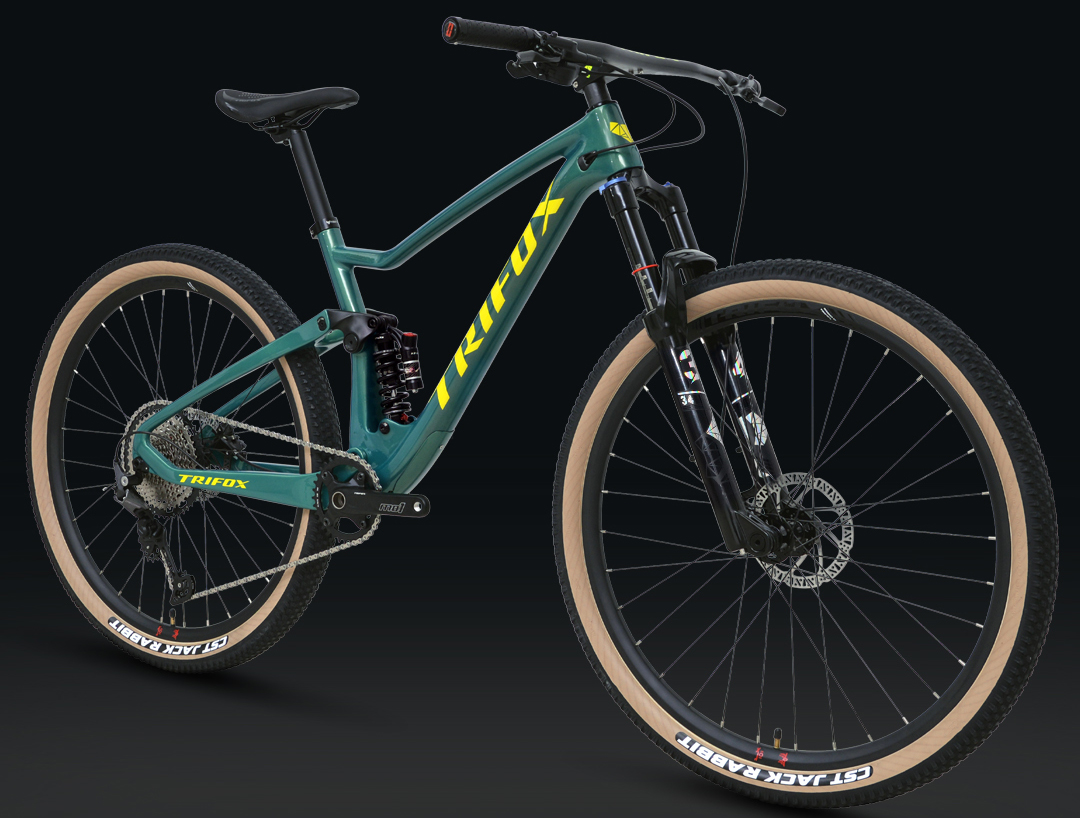
In an era dominated by plush suspension, choosing a rigid mountain bike seems counterintuitive, even masochistic. But hear us out! Ditching the squish unlocks a unique, rewarding experience that many riders crave. Here’s why rigid is rad:
Pure Connection & Skill Boost: Without suspension masking the trail, you feel everything. Every root, rock, and ripple buzzes through the bars. This forces you to read the terrain ahead, choose smoother lines, and actively use your arms and legs as suspension. It sharpens bike handling skills like nothing else, making you a smoother, more precise rider everywhere.
Simplicity & Reliability: No stanchions to service, no air springs to adjust, no dampers to bleed. Rigid forks and frames are virtually maintenance-free. Fewer moving parts mean fewer things to break, leak, or wear out. Just lube the chain and ride. It’s cycling distilled to its essence.
Weight Savings & Efficiency: Suspension forks add significant weight (often 1.5kg+). Rigid forks are featherweight. This translates directly to a lighter, more nimble bike, especially noticeable when climbing or accelerating. Every pedal stroke feels direct – no energy lost compressing suspension bob.
Cost-Effectiveness: Quality suspension forks are expensive. Rigid forks, especially steel or quality alloy, offer incredible performance per dollar. Building or converting to rigid can save significant cash upfront and long-term on maintenance.
The "Analog" Experience: Riding rigid is raw and visceral. It’s about flow over brute force, finesse over forgiveness. The satisfying buzz of tires on hardpack, the silent glide through the woods – it’s an unfiltered conversation with the trail. Many find it incredibly engaging and fun.
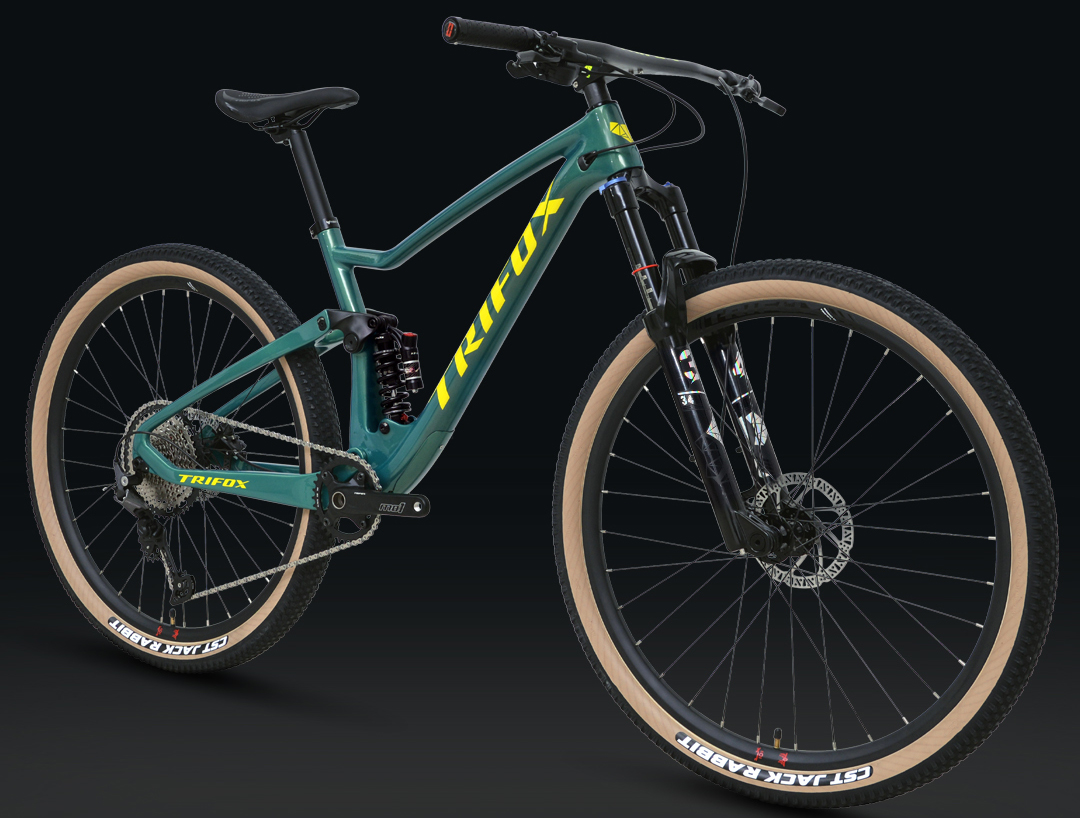
Is it for everyone? Honestly, no. Choppy, high-speed chunk will beat you up. But for flowing singletrack, gravel adventures, bikepacking, commuting, or simply honing your skills, rigid excels.
Ready to simplify? Check out lightweight, durable rigid forks at Trifox Bike. Rediscover the trail. Ride rigid!
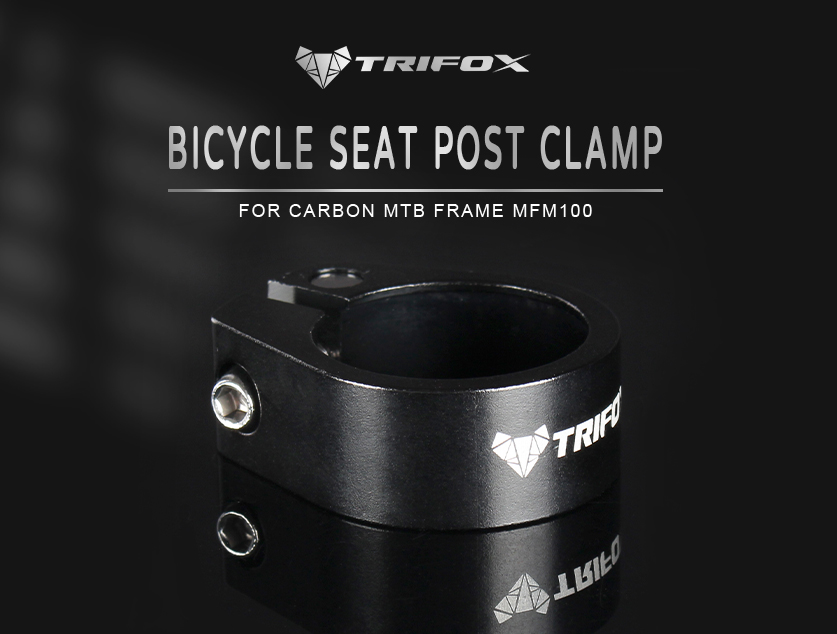
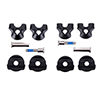
Crushed seat tube? Slipping post? Using the wrong seat clamp size for your 27.2mm seatpost is a recipe for frustration and potential frame damage.
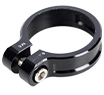
Get it right for secure, reliable height adjustment. Here’s the simple answer:Your clamp's Inner Diameter (ID) must match your seatpost's Outer Diameter (OD). For a 27.2mm seatpost, you need a clamp with a 27.2mm ID.
Why Size Matters:
Too Big (e.g., 28.6mm clamp on 27.2mm post): You'll crank the bolt excessively trying to grip. This risks crushing a lightweight frame's seat tube or still not preventing slippage.
Too Small (e.g., 27.2mm clamp on 30.9mm post): It simply won't fit over the post or seat tube collar.
Just Right (27.2mm clamp): Distributes clamping force evenly, preventing slippage without damaging your frame or post.
Finding Your Frame's Clamp Size:
Check Existing Clamp: Look for a size marking (e.g., "27.2", "⌀27.2") often stamped/engraved on the underside.
Measure the Seatpost: Use calipers! This is the most reliable method. Measure the smooth section that inserts into the frame – it must be 27.2mm.
Consult Frame Specs: Check the manufacturer's website or original documentation for the seatpost diameter (which dictates clamp ID).
Key Considerations:
Frame Material: Carbon frames are especially sensitive to overtightening. Use a correctly sized clamp and a torque wrench!
Clamp Material: Lightweight alloy clamps (like many from Trifox Bike) offer great strength and weight savings. Avoid overtightening cheap alloy.
Shims: If your frame's seat tube is larger (common on some steel/aluminum frames), you need a shim between the tube and the clamp. The clamp ID still matches your seatpost OD (27.2mm). The shim adapts the larger frame tube to the clamp.
Torque: Always follow manufacturer specs. Tighten gradually and evenly.
Ready for a Secure, Lightweight Upgrade?
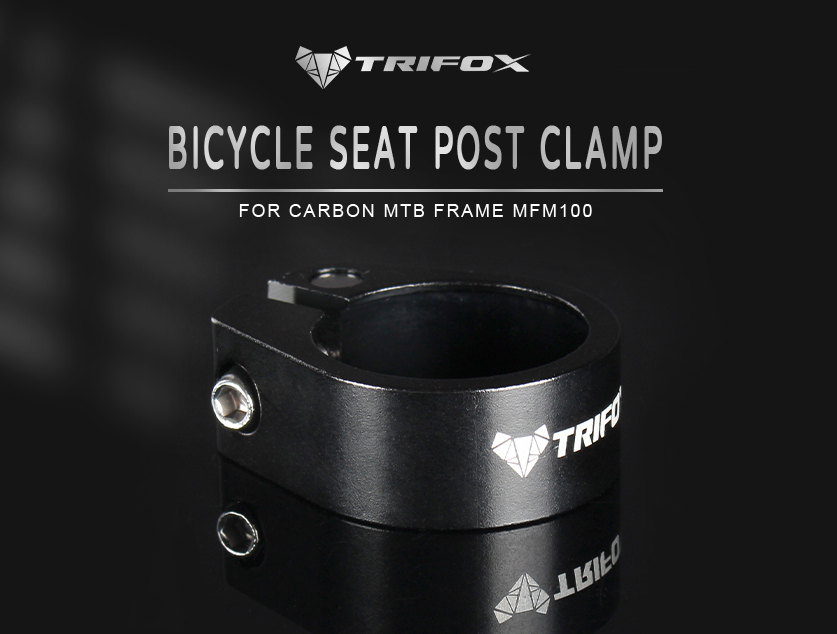
Ensure smooth, reliable saddle adjustments and protect your frame. If you're replacing a clamp or building up a bike, precise sizing is non-negotiable. For a quality, well-fitting 27.2mm seat clamp, check out the selection at Trifox Bike.
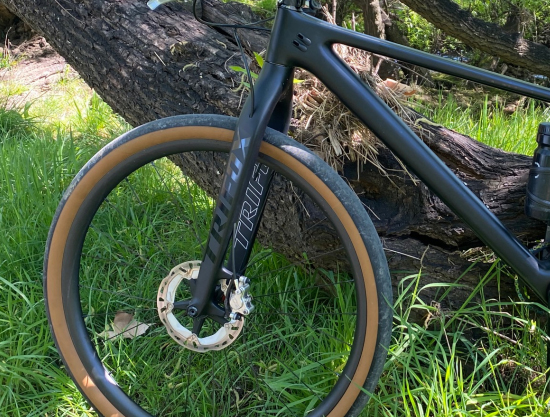
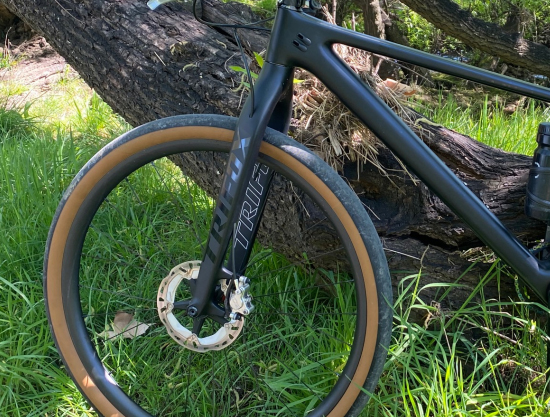
Does your front end feel vague or flex excessively when you really push it? That "noodle fork" sensation – steering wandering under hard cornering, brake shudder, or a general lack of precision – can be unnerving and slow you down. While some flex is inherent and even desirable for small bump compliance, excessive flex hurts control. Here's how to dial in more stiffness:
1. Increase Air Pressure (Air Forks Only): The simplest and most direct adjustment. Adding air pressure compresses the air spring more, requiring more force to initiate movement. This significantly increases the overall stiffness of the fork, especially resisting large impacts and big compressions that cause flex. Crucially: Stay within the manufacturer's recommended maximum pressure (usually printed on the fork leg). Exceeding it risks seal failure or even catastrophic damage. Start with 5-10 PSI increases, test ride, and repeat cautiously.
2. Add Volume Spacers (Air Forks Only): These small plastic tokens fit inside the air spring chamber. They reduce the air volume. Why does this help stiffness? With less volume, the air pressure ramps up much more aggressively deeper into the fork's travel. This primarily increases mid-to-end stroke support. While not directly stiffening the initial feel like pure pressure, it combats the deep dive that often feels like flex under heavy braking or big G-outs, making the fork feel more supportive and planted overall.
3. Adjust Compression Damping:
- Low-Speed Compression (LSC): Found on most mid-to-high-end forks. This controls the fork's resistance to slow, deliberate movements like braking, cornering, and pedaling forces. Increasing LSC adds significant resistance to these forces, directly combating brake dive and the flex/wander feeling during hard cornering. Turn the dial clockwise (usually) a click or two at a time and test.
- High-Speed Compression (HSC): Less common, controls resistance to sharp, fast impacts (rocks, roots). While primarily for tuning big-hit harshness, a slight increase might offer a subtle perception of firmness, but focus on LSC first for stiffness related to steering inputs.
4. Increase Oil Viscosity (Advanced): Fork oil lubricates and dampens. Thicker oil (higher viscosity, e.g., going from 5wt to 7.5wt or 10wt) creates more resistance inside the damper. This makes the damper cartridge stiffer, particularly the compression circuit, requiring more force to move the fork quickly. This is an advanced modification. Research your specific fork model thoroughly – using oil that's too thick can damage internals, make the fork harsh, and void warranties. Best done during a full service.
5. Service Your Fork: Worn bushings, contaminated oil, or degraded seals introduce slop and reduce the fork's ability to move smoothly in its intended path. This often manifests as play or a vague, "sticky" flex feeling. A full lower leg service (replacing oil, seals, and bushings if needed) restores the fork's tightness and responsiveness, eliminating unwanted movement that feels like flex.
Important Considerations:
- Trial & Error: Stiffness preferences are personal. Make one change at a time and test thoroughly on familiar terrain.
- Trade-offs: Increasing stiffness almost always reduces small-bump sensitivity and plushness. Find the right balance for your riding style and terrain.
- Fork Limits: Every fork has a design stiffness. Aggressive riders on lightweight XC forks will hit limits faster than someone on a burly enduro fork. If you've maxed out adjustments and servicing, a stiffer chassis might be the ultimate solution.
- Headset Check: Ensure your headset is properly preloaded. A loose headset feels like fork flex!
By methodically working through these adjustments – starting with air pressure/volume and compression damping – you can significantly reduce unwanted flex and gain the precise, confident front end your aggressive riding demands.
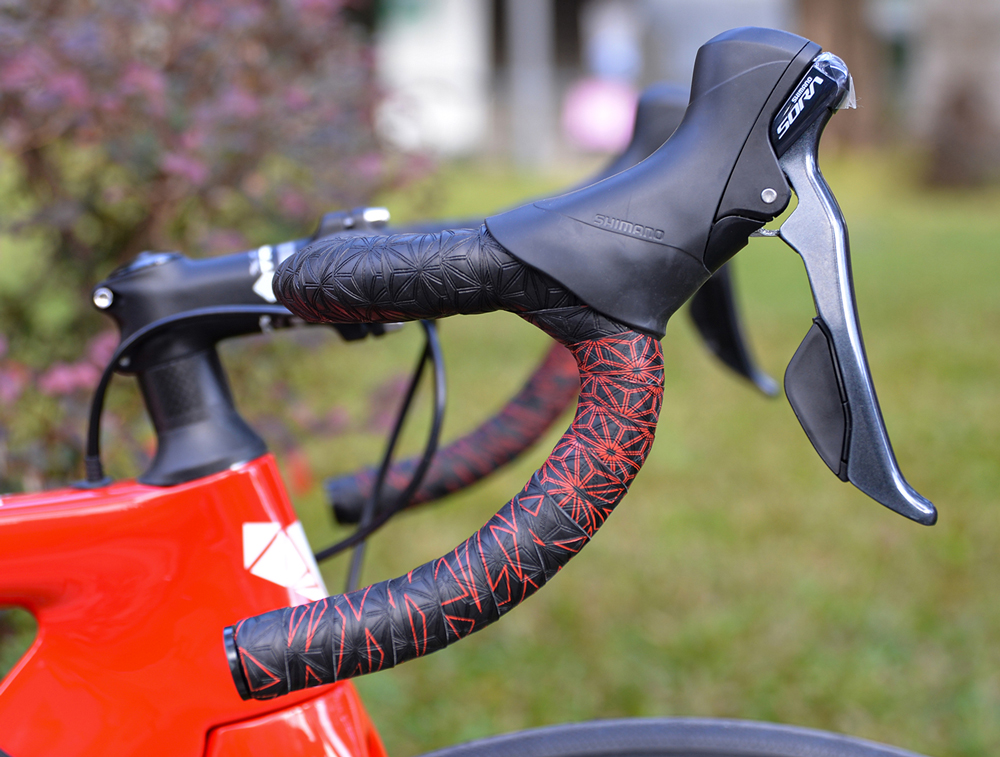
Mounting tape – often double-sided foam tape or specific adhesive pads like 3M VHB – is the unsung hero of clean, secure, and vibration-resistant bike accessory installation. Forget messy zip ties rattling loose or bulky clamps slipping. Here’s why it's essential:
The Core Purpose: Secure, Vibration-Proof Bonding
Its primary job is to create a strong, permanent bond between accessories (lights, computers, bags, sensors) and your bike frame, handlebars, or helmet, while damping damaging vibrations.
Why It Matters for Bikes:
1. Vibration Damping: Foam tapes absorb trail chatter and bumps. This protects sensitive electronics (like bike computers, lights, action cameras) from internal damage caused by constant shaking. Zip ties alone transmit vibrations directly.
2. Rock-Solid Hold: High-quality mounting tape (e.g., 3M VHB) forms an incredibly strong adhesive bond when applied correctly to clean surfaces. It resists shear forces and won’t gradually loosen like straps or ties over rough terrain.
3. Clean, Low-Profile Look: Eliminates bulky clamps, straps, and zip tie tails. Provides a sleek, aerodynamic mounting solution, especially important for computers and lights.
4. Versatile Mounting: Works on curved surfaces (handlebars, seatposts, forks, helmets) and irregular shapes where clamps struggle. Enables precise positioning.
5. Water & Weather Resistance: Good quality tapes resist moisture, dirt, and UV degradation, maintaining their hold through all conditions.
Common Bike Uses:
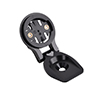
- Cycling Computers: Securing the mount base to the stem or handlebars.
- Lights: Attaching front/rear light mounts to handlebars, seatposts, or helmets.
- Action Cameras: Mounting GoPro-style adhesive bases to helmets, frames, or handlebars.
- GPS Trackers: Discreetly attaching under saddles or within frames.
- Mini Pumps/Tools: Securing frame-mounted holders.
- Top Tube Bags: Adhering the base plate to the top tube (often combined with straps).
Key Considerations for Success:
1. Surface Prep is CRITICAL: Clean both surfaces thoroughly with isopropyl alcohol. Grease, dirt, or wax prevents adhesion.
2. Pressure Matters: Apply firm, even pressure for 30-60 seconds after placement to activate the adhesive bond.
3. Curing Time: Allow 24-72 hours for the bond to reach full strength before stressing it heavily (e.g., big rides).
4. Choose the Right Tape: Use tapes specifically designed for outdoor, high-vibration use (like Trifox). Avoid weak, thin tapes.
5. Removal: Can be difficult. Use dental floss or a plastic trim tool to slowly saw through the adhesive. Heat (hairdryer) can soften it. Residue requires adhesive removers.
The Verdict:
Mounting tape provides a vibration-damping, ultra-secure, and clean solution for attaching essential gear to your bike. When used correctly on properly prepped surfaces, it’s vastly superior to zip ties or loose clamps for protecting electronics and keeping accessories firmly in place mile after bumpy mile. It’s a simple tool with a powerful purpose!
The trend is undeniable: mountain bike handlebars have gotten significantly wider over the last decade. But is wider always better? Like most bike setup choices, the answer isn't a simple yes or no. It depends on your riding style, body size, and the trails you tackle. Let's break down the pros and cons:
The Case FOR Wider Bars (Often 780mm+):
1. Increased Stability & Control: Wider bars provide greater leverage, making it easier to steer the bike precisely, especially at speed or on steep, rough descents. They offer more control over the front wheel.
2. Improved Climbing Traction: The extra leverage helps you weight the front wheel better during steep climbs, reducing wheel lift and improving traction.
3. More Open Chest Position: A wider grip can open up your chest, potentially improving breathing and core engagement, leading to better overall bike control.
4. Confidence Boost: Many riders simply feel more planted and confident with a wider stance, particularly going downhill.
The Case AGAINST Going Ultra-Wide (Potential Downsides):
1. Reduced Maneuverability: Very wide bars can make the bike feel slower to turn in tight, technical sections or dense trees. They increase the overall width you need to navigate.
2. Increased Strain: Excessively wide bars can strain shoulders, wrists, and neck, especially for riders with narrower shoulders or on long rides.
3. Weight Shift Impact: While good for weighting the front, ultra-wide bars can sometimes make it harder to shift your weight dramatically rearward for manuals or steep drops.
4. Snag Hazard: In super tight singletrack or between trees, wide bars increase the risk of clipping obstacles.
Finding YOUR Optimal Width: Key Factors
- Your Height & Shoulder Width: Taller riders with broad shoulders generally suit wider bars better than smaller riders.
- Riding Style & Discipline:
Downhill/Enduro: Benefit most from width (780mm-820mm common) for stability at speed.
Trail/All-Mountain: A balanced width (760mm-800mm) offers versatility.
XC: Prioritize maneuverability and weight (often 720mm-760mm).
- Local Terrain: Open, fast, steep trails favor width. Tight, twisty, wooded trails demand more consideration for maneuverability.
- Current Setup: Don't jump drastically! Make small changes.
How to Dial It In:
1. Measure Your Current Bars: Know your starting point.
2. Experiment Temporarily: Slide your grips and controls inboard by 10-20mm per side and test ride. Notice stability vs. maneuverability.
3. Cut Incrementally: If you have uncut bars (often 800mm+), you can trim them 5-10mm at a time per side. Ride after each cut! Use a pipe cutter.
4. Consider Backsweep: Bars with more backsweep (like 9°) can achieve a similar "effective width" feeling to a slightly wider bar with less sweep, potentially offering a more natural wrist angle.
The Verdict:
Wider bars often improve stability and confidence, especially for aggressive riding on open terrain, but there is a point of diminishing returns. "Better" means finding the width that offers maximum control without sacrificing maneuverability or causing discomfort for you. Don't blindly follow the widest trend – experiment thoughtfully to discover your personal control sweet spot!



