


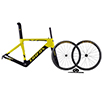
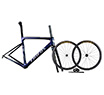
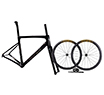
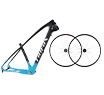
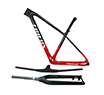
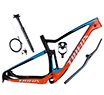
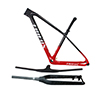
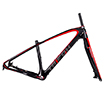





Building a bike with a high-quality hardtail frame can be an incredibly rewarding project, offering customization and performance tailored to your specific needs. Here's a step-by-step guide to help you get started.
1. Choose the Right Frame
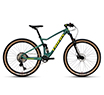
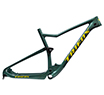
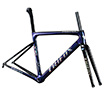
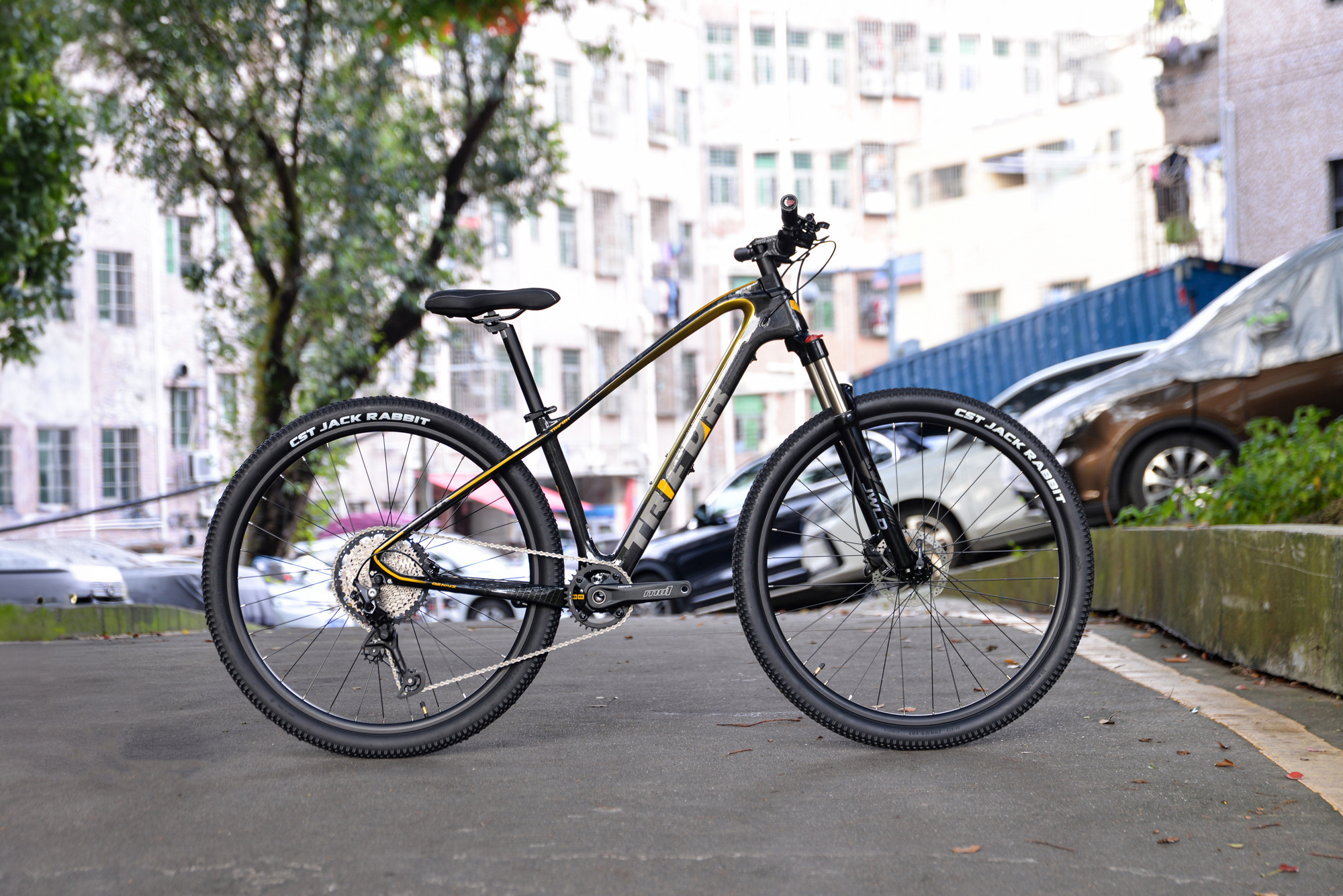
Start with a reliable and high-quality frame like the Trifox Carbon MTB Hardtail Frame MFM200. Known for its lightweight construction and durability, this frame provides an excellent foundation for your build.
2. Gather Essential Components
Next, you'll need to gather all essential components:
Fork: Choose a suspension fork that matches your riding style.
Groupset: A high-quality groupset ensures smooth shifting and efficient power transfer.
Wheels and Tires: Select wheels that are strong yet light, along with tires suited for your terrain.
Brakes: Reliable disc brakes offer superior stopping power.
3. Assemble the Drivetrain
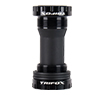
Install the bottom bracket and crankset first, followed by the chain and derailleur. Ensure everything is aligned correctly for optimal performance.
4. Install the Fork and Handlebars
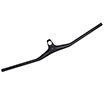
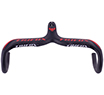
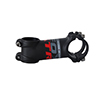
Slide the fork into the head tube and secure it with the stem. Attach the handlebars, making sure they are at a comfortable height and angle.
5. Add the Wheels and Brakes
Mount the wheels onto the frame and install the disc brakes. Make sure the brakes are properly aligned to avoid any rubbing against the rotors.
6. Final Adjustments
Adjust the saddle height, handlebar position, and brake lever reach to fit your body perfectly. Tighten all bolts securely and check for any loose parts.
7. Test Ride
Before hitting the trails, take your new bike for a test ride. Ensure everything functions smoothly and make any necessary tweaks.
Conclusion
Building a bike with a high-quality hardtail frame like the Trifox Carbon MTB Hardtail Frame MFM200 is a fulfilling endeavor that results in a personalized, high-performance ride. Follow these steps for a successful build and enjoy the unmatched satisfaction of riding a bike you've built yourself. Happy trails!
Investing in an ultra-light road bicycle can be a game-changer for any cyclist, whether you're a seasoned racer or a weekend warrior. But what exactly makes these bikes worth the investment? Let's break it down.
1. Speed and Performance
The primary advantage of an ultra-light road bicycle is its enhanced speed and performance. Lighter bikes require less energy to accelerate and maintain high speeds, making them ideal for competitive racing and long-distance events. The reduced weight not only aids in quicker sprints but also improves climbing efficiency, allowing you to tackle hills with greater ease.
2. Maneuverability and Control
An ultra-light frame significantly boosts maneuverability, giving you more precise control over your bike. This is particularly beneficial in tight corners, descents, and technical sections of your ride. Enhanced control leads to improved safety and confidence, letting you focus on pushing your limits.
3. Reduced Fatigue
Carrying less weight means exerting less effort, which translates to reduced rider fatigue. Over long rides, this can make a substantial difference in your endurance and overall enjoyment. By conserving energy, you can ride longer and recover faster.
4. Aesthetic and Technological Innovation
Ultra-light road bicycles often feature cutting-edge technology and sleek designs. Materials like carbon fiber offer not just a reduction in weight, but also superior strength and vibration dampening properties. These bikes are a blend of form and function, catering to cyclists who appreciate both aesthetics and performance.
Top Pick: Trifox Ultra Light Road Bicycle
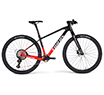
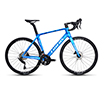
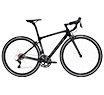
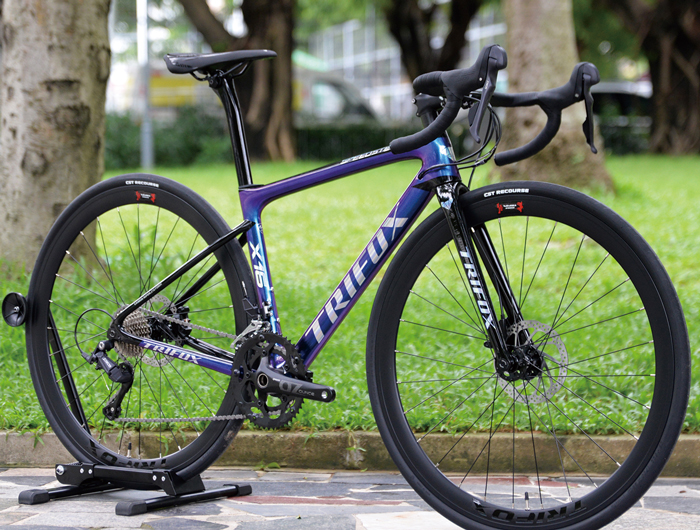
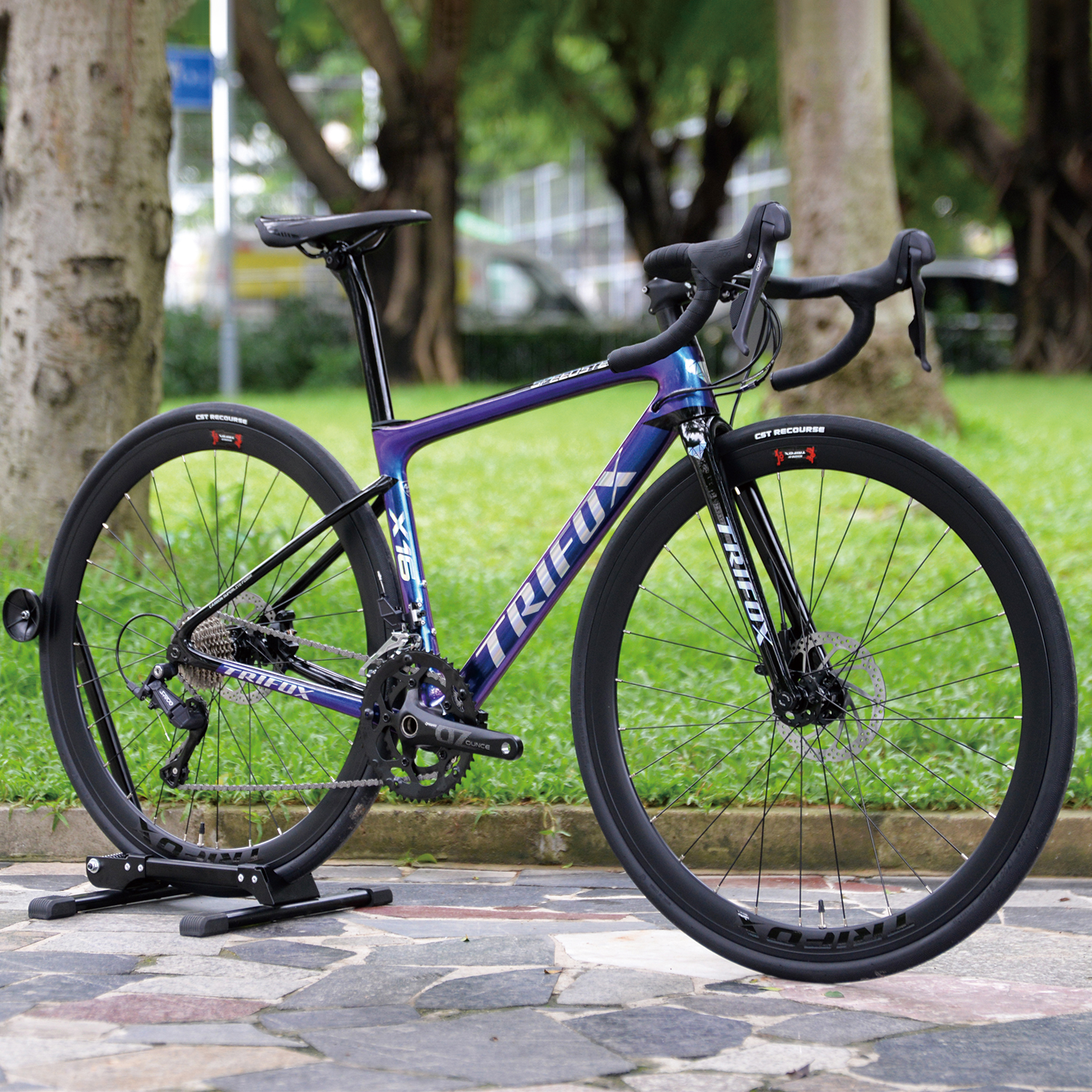
For those serious about upgrading their ride, consider the Trifox Ultra Light Road Bicycle. Known for its exceptional build quality and innovative design, this bike offers all the benefits of ultra-light cycling while maintaining durability and style.
Conclusion
An ultra-light road bicycle is more than just an upgrade; it's an investment in speed, control, and riding pleasure. Whether you're aiming to shave seconds off your race time or simply enjoy a more effortless ride, the benefits are undeniable. Make the leap to an ultra-light road bike and experience the difference it can make on every ridd.
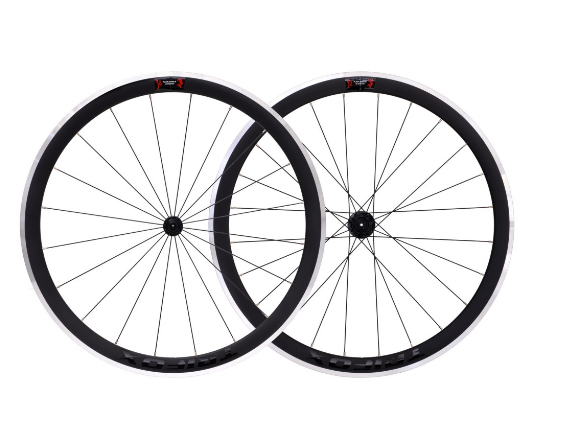
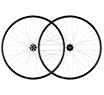
Selecting a good road wheelset is crucial for enhancing both speed and durability on your bike. The right wheelset can significantly impact your performance, whether you're racing or enjoying a long ride. Here’s how to choose the perfect road wheelset to meet your needs.
First, consider the material of the wheelset. Alloy wheels, like those available on [Trifox Alloy Road Wheels], are a popular choice due to their excellent balance of weight, strength, and affordability. Alloy wheels are durable and can withstand the rigors of various road conditions, making them an ideal choice for many cyclists.
Next, assess the wheel size and rim depth. The most common road bike wheel size is 700c, which offers a good blend of speed and stability. Rim depth plays a crucial role in aerodynamics: deeper rims (40mm and above) provide better aerodynamic benefits, reducing drag and helping you maintain higher speeds with less effort. However, deeper rims can be heavier and more susceptible to crosswinds. If you frequently ride in windy areas or prefer climbing, a shallower rim (20-30mm) might be more suitable.
The spoke count is another important factor. Wheels with fewer spokes (16-24) tend to be lighter and more aerodynamic, making them ideal for racing. However, they may not be as robust as wheels with more spokes (28-36). If durability and strength are your primary concerns, especially if you ride on rough roads, opt for a higher spoke count.
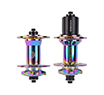
Hub quality also affects performance. High-quality hubs provide smoother rotation and greater reliability. Look for wheels with sealed bearings, which require less maintenance and offer better protection against dirt and moisture.
Consider the weight of the wheelset. Lighter wheels accelerate faster and make climbing easier, but they should not compromise strength and durability. Alloy wheels strike a good balance here, offering lightweight properties without sacrificing robustness.
Lastly, think about your budget. Investing in a quality wheelset can significantly enhance your riding experience. While high-end wheels can be costly, there are many excellent options available at different price points. The [Trifox Alloy Road Wheels] provide a range of choices that combine performance and value.
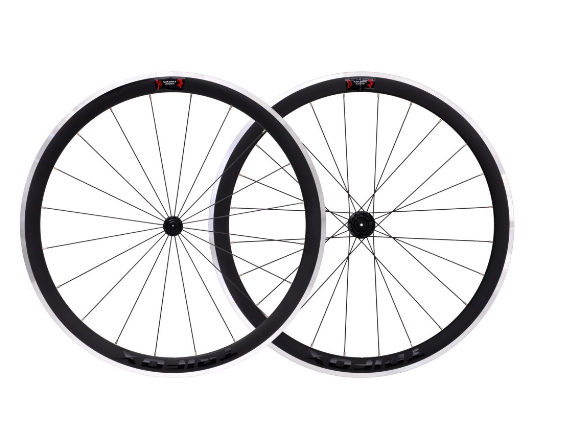
In conclusion, selecting a good road wheelset involves considering material, size, rim depth, spoke count, hub quality, weight, and budget. By taking these factors into account, you can find a wheelset that boosts your speed and durability, ensuring a better ride. Happy cycling!
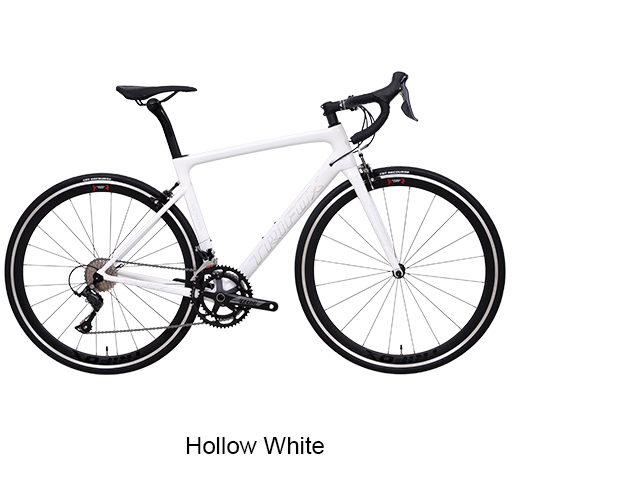
Tuning up your road bike is essential for maintaining peak performance and ensuring a smooth, efficient ride. Regular maintenance can also extend the lifespan of your bike. Here’s a step-by-step guide to tuning up your road bike for optimal performance.
First, start with a thorough cleaning. Dirt and grime can affect the efficiency of your components. Use a gentle bike cleaner, water, and a soft brush to clean the frame, chain, gears, and other parts. This not only makes your bike look good but also helps you spot any potential issues.
Next, check the tires. Ensure they are properly inflated to the recommended pressure, which can usually be found on the tire sidewall. Inspect for any cuts, wear, or embedded objects that might cause a flat. If your tires are worn out, consider upgrading to high-quality options available on [Trifox Road Bikes].
The drivetrain is crucial for smooth gear shifting and overall performance. Start by inspecting the chain for wear. A worn-out chain can damage the cassette and chainrings. Use a chain checker tool to measure wear and replace if necessary. Clean and lubricate the chain to ensure smooth operation.
Check your brake system thoroughly. Inspect the brake pads for wear and replace them if they are too thin. Ensure the brake cables are in good condition and adjust the brake tension if needed. Properly functioning brakes are essential for safety and control.
Next, adjust the gears. Use the barrel adjuster to fine-tune the derailleur's position, ensuring smooth and precise shifting. If the shifting is still not perfect, consider taking your bike to a professional for a detailed adjustment.
Inspect all bolts and screws. Use a torque wrench to ensure that everything is tightened to the manufacturer’s specifications. Over-tightening or under-tightening can lead to component failure.
Lastly, check the alignment of your wheels. Spin each wheel and observe if it wobbles side-to-side. If you notice a wobble, it might need truing. This is best done by a professional unless you have the right tools and expertise.
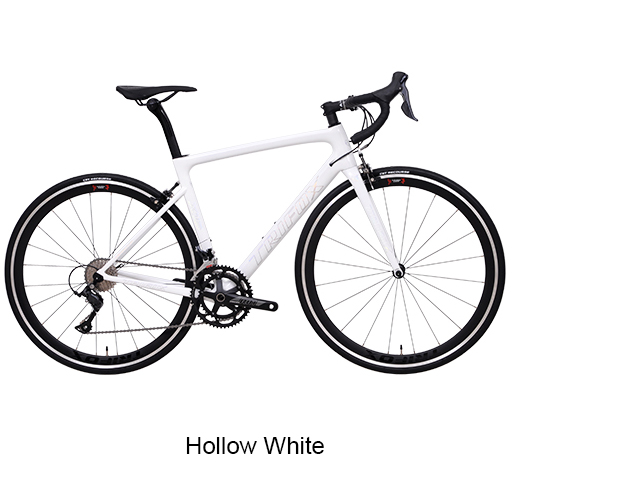
In conclusion, regular tune-ups are key to keeping your road bike performing at its best. By following these steps, you can enjoy smoother rides and extend the life of your bike. For high-quality components and road bikes, visit [Trifox Road Bikes]. Happy riding!
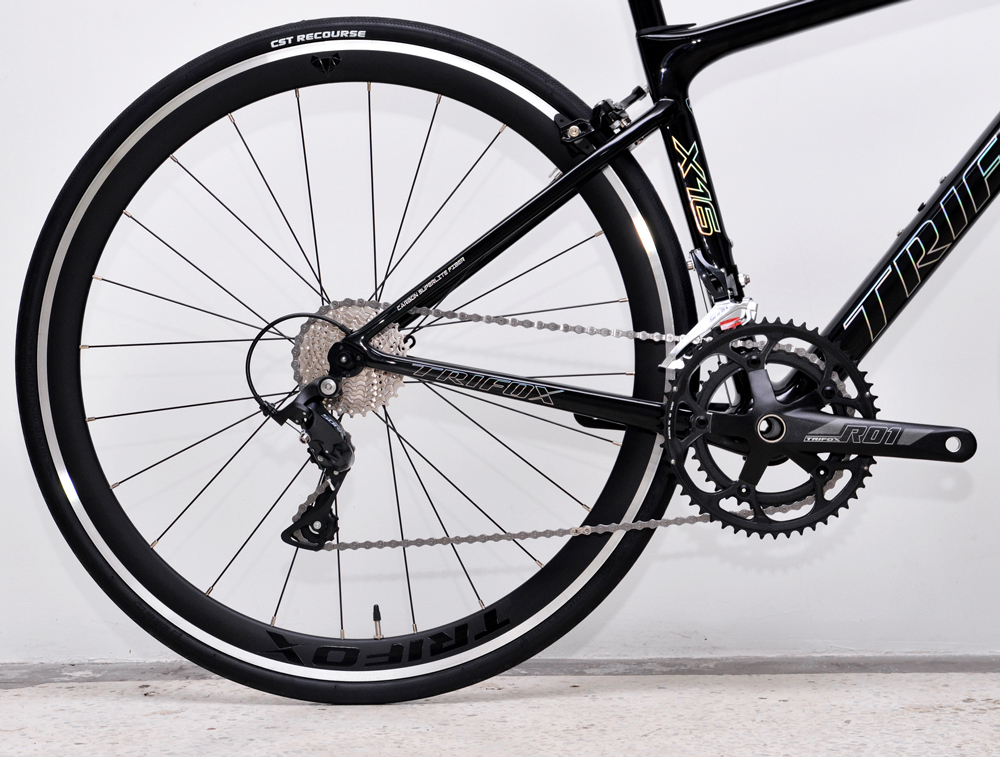
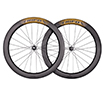
Selecting the right performance wheelset can drastically improve your bike's speed and efficiency. Here's how to make an informed choice to elevate your cycling experience.
1. Understand Your Riding Style
Consider whether you're into road racing, mountain biking, or long-distance touring. Each discipline demands different wheel characteristics. Road cyclists often prefer lightweight, aerodynamic wheels, while mountain bikers need robust, durable options.
2. Focus on Material
Carbon fiber wheelsets are a top choice for serious cyclists due to their lightweight and strength. They provide excellent stiffness and responsiveness, crucial for both acceleration and maintaining speed. However, they are more expensive than aluminum alternatives.
3. Consider Rim Depth
Rim depth affects aerodynamics and handling. Deeper rims (50mm+) are more aerodynamic, making them ideal for flat courses and time trials. Shallow rims (30mm or less) are better for climbing due to their lighter weight and improved maneuverability.
4. Check Hub Quality
High-quality hubs reduce rolling resistance and enhance overall performance. Look for sealed bearings that offer smooth rotation and require less maintenance.
5. Evaluate Spoke Count
Wheelsets with fewer spokes are generally lighter and more aerodynamic but might sacrifice durability. Opt for higher spoke counts if you’re heavier or ride on rough terrains frequently.
6. Factor in Budget
Performance wheelsets can be a significant investment. Balance your budget with your riding goals to find the best value without compromising essential features.
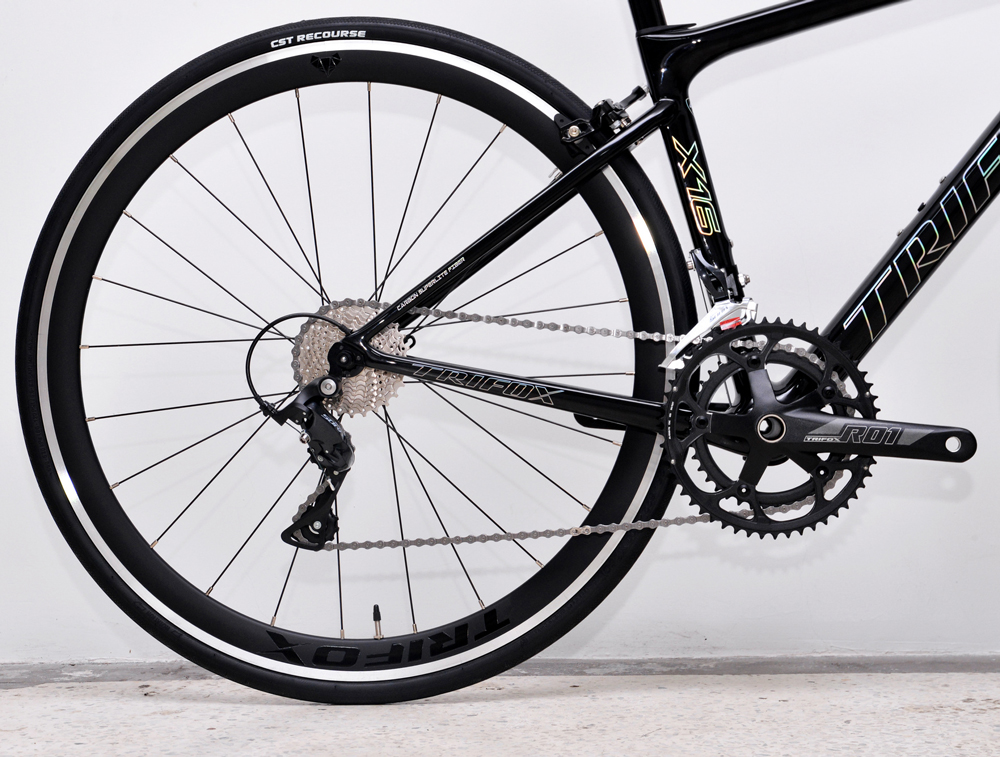
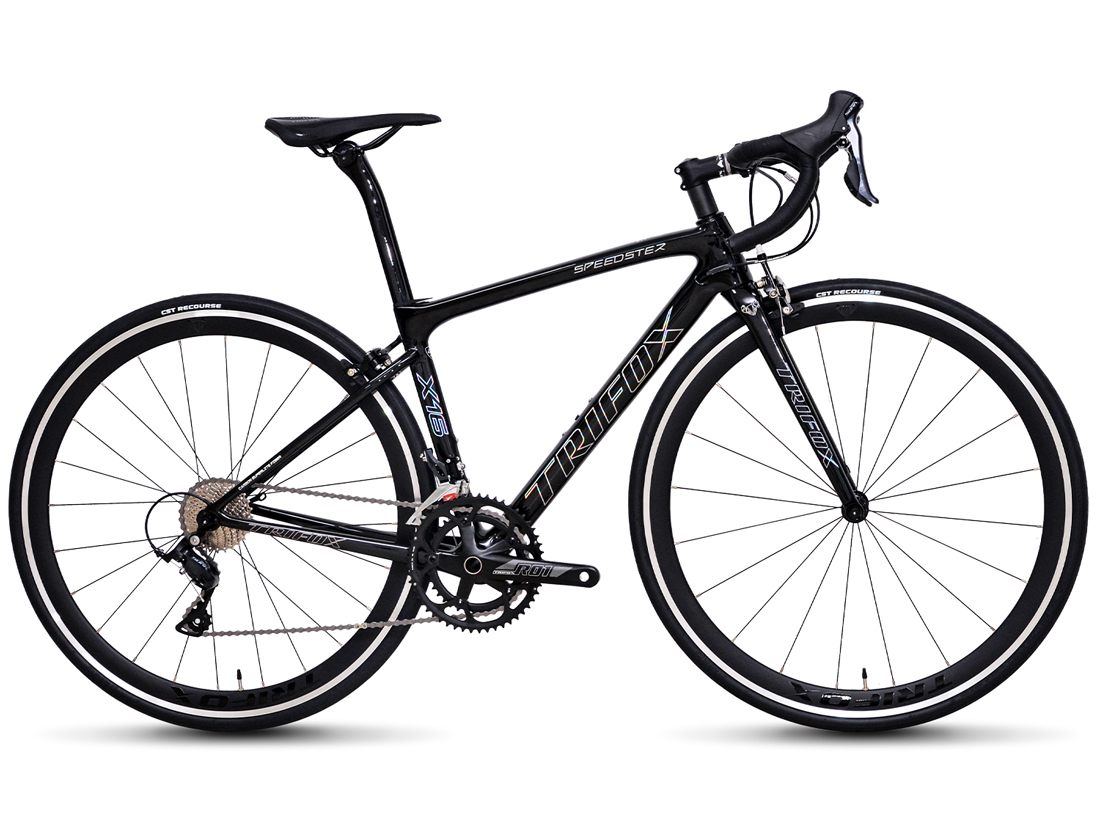
Installing the Ultra Light SF-QR 2.0 Quick Release on your bike may seem daunting, but with a few straightforward steps, you can ensure a secure and efficient setup. This quick release skewer, available at Trifox, offers lightweight performance and reliability ideal for serious cyclists. Here's a detailed guide to help you install it correctly.
Step 1: Gather Your Tools
Before starting, gather the necessary tools:
Bike stand (optional but helpful)、Allen wrench or quick-release lever、Grease or lubricant
Step 2: Prepare Your Bike
Place your bike on a stable surface or bike stand. Make sure the bike is stable and won't tip over during the installation process.
Step 3: Remove the Old Skewers
If your bike already has skewers installed, you'll need to remove them first. Open the quick-release lever and unscrew the nut on the opposite side. Slide the skewer out of the hub and set it aside.
Step 4: Apply Lubricant
Apply a small amount of grease or lubricant to the threads of the quick-release skewer. This helps ensure smooth operation and prevents seizing.
Step 5: Insert the Ultra Light SF-QR 2.0 Skewer
Insert the new Ultra Light SF-QR 2.0 skewer through the hub axle. Ensure the lever side is positioned on the non-drive side of the bike (the side opposite the chain).
Step 6: Attach the Nut
Thread the nut onto the skewer from the drive side. Tighten the nut by hand until snug, but do not fully tighten yet.
Step 7: Adjust the Lever Position
Position the lever in an open position. The lever should be parallel to the fork or frame for proper alignment. Ensure the lever won’t interfere with any components when closed.
Step 8: Close the Quick Release
Close the quick-release lever. It should require firm pressure to close securely. If too loose, open the lever and tighten the nut slightly before closing again. A properly adjusted lever should leave an imprint on your palm when closed.
Step 9: Check Alignment
Ensure the wheel is properly aligned in the dropouts and centered between the forks or stays. Spin the wheel to check for any wobbling or misalignment.
Step 10: Test and Secure
Ensure the quick release is securely fastened by pressing down on the lever. There should be no movement in the wheel. For added safety, double-check that the lever is tightly closed and locked.
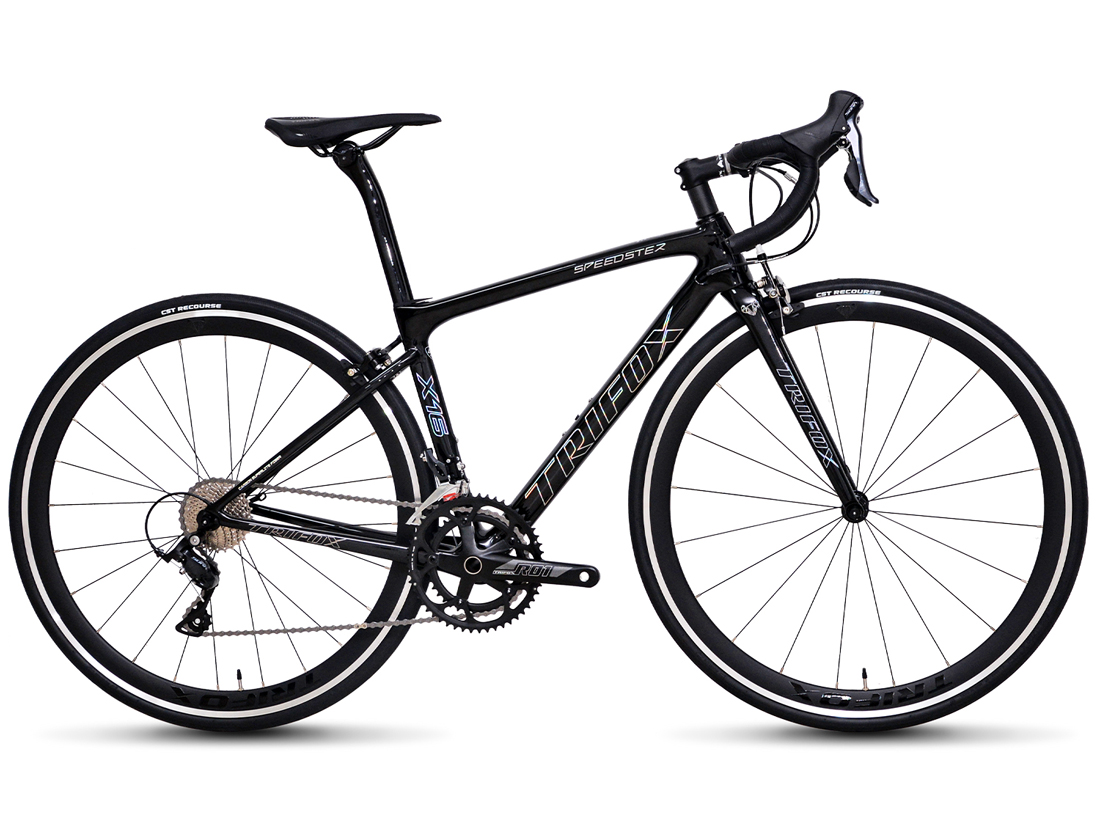
By following these steps, you can easily install your Ultra Light SF-QR 2.0 Quick Release, ensuring a secure and smooth ride. Proper installation not only enhances performance but also ensures your safety on the road.
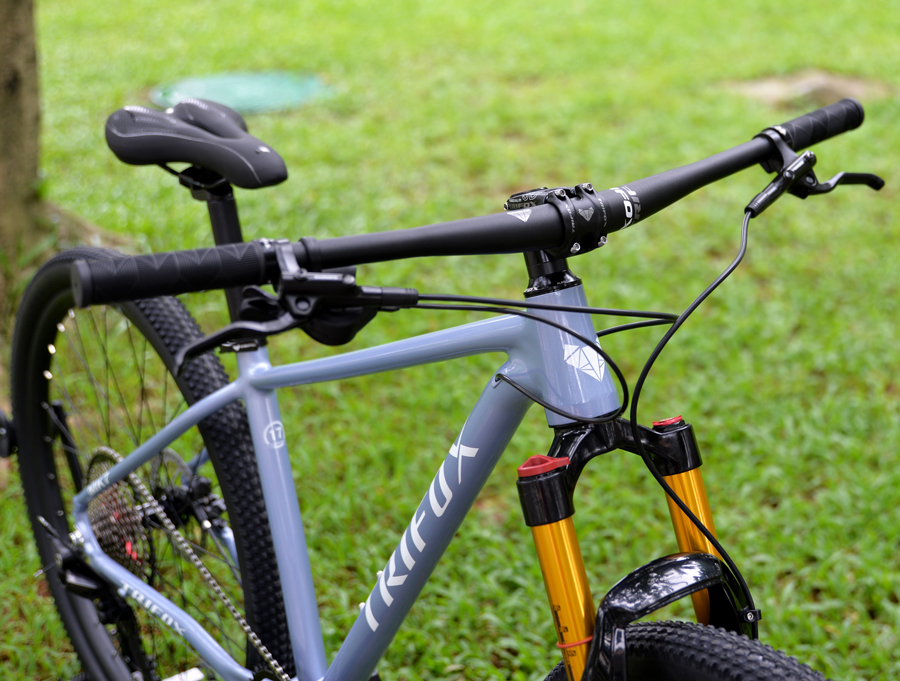
Choosing the right handlebar can significantly enhance your cycling experience, providing comfort, control, and efficiency. With options like the high-quality carbon bike handlebars from Trifox, it's essential to understand which type suits your riding style best. Here's a guide to help you make the perfect choice.
1. Identify Your Riding Style
Your riding style is the first consideration when selecting a handlebar. Are you into road racing, mountain biking, or casual commuting? Each style demands different handlebar characteristics for optimal performance.
Road Racing: For speed and aerodynamics, drop bars are usually preferred. They offer multiple hand positions and reduce drag;Mountain Biking: Flat or riser bars are ideal for control and stability on rugged trails;Commuting: Comfort and ease of use are key, making flat bars or cruiser bars a good choice.
2. Consider the Material
Carbon handlebars, like those offered by Trifox, provide several advantages. They are lightweight, strong, and absorb vibrations better than aluminum, offering a smoother ride. This is particularly beneficial for long-distance cyclists and competitive racers.
3. Understand Handlebar Dimensions
Width: A wider handlebar offers more control, especially in technical terrains, while a narrower bar can be more aerodynamic;Drop and Reach: For drop bars, consider the drop (vertical distance) and reach (horizontal distance). A deeper drop allows for a more aerodynamic position, while a shorter reach is more comfortable for casual rides;Rise: For flat and riser bars, the rise (height difference between the center of the bar and the ends) affects your riding posture. More rise means a more upright and comfortable position.
4. Test Different Shapes
Handlebars come in various shapes to suit different preferences:
Drop Bars: Ideal for road cyclists needing aerodynamic positions.Flat Bars: Common in mountain bikes for improved control;Riser Bars: Provide a higher position, enhancing visibility and comfort;Bullhorn Bars: Offer an aggressive position suitable for time trials and track racing.
5. Ergonomics and Comfort
Pay attention to ergonomics. Some handlebars have ergonomic bends or specific shapes designed to reduce fatigue and increase comfort on long rides. Carbon bars, such as those available from Trifox, often include these features, making them a great investment for serious cyclists.
6. Installation and Adjustments
Ensure proper installation and adjustment. Handlebars need to be securely fitted and adjusted to your preference. Seek professional help if necessary to avoid any mishaps that could affect your ride quality or safety.
Conclusion
Choosing the perfect cycling handlebar is crucial for enhancing your cycling experience. With options like the Trifox carbon bike handlebars, you can find the balance between weight, strength, and comfort tailored to your riding style. Take the time to assess your needs, try different options, and invest in the best handlebar for a more enjoyable and efficient ride.
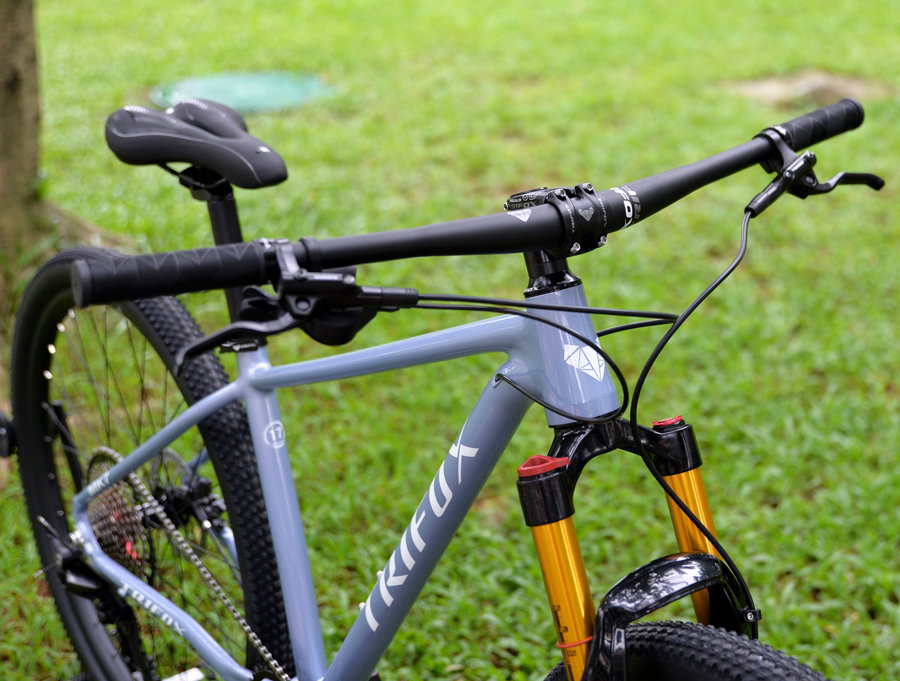
Explore Trifox's range of carbon bike handlebars here.
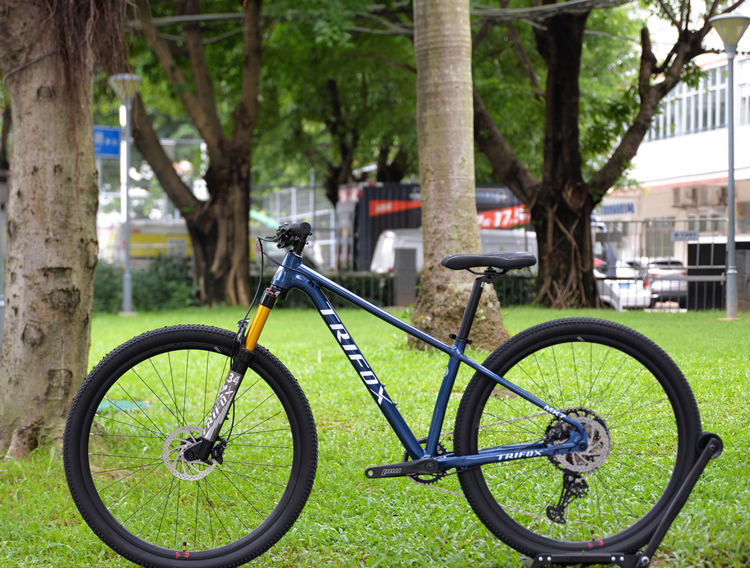
Conquering mountain trails demands not only skill but also the right equipment. The Trifox PeakTrail Xtreme bike, with its top-tier components and design, is engineered to help you tackle the roughest terrains with confidence and style. Here's how you can master mountain trails with this exceptional bike.
1. Understand Your Equipment
The PeakTrail Xtreme bike features a TRIFOX suspension fork, which plays a crucial role in handling the various obstacles you'll encounter on the trail. Its butted aluminum frame, combined with hydroformed top and downtubes, offers both durability and a sleek appearance. This frame is designed for higher deformation resistance and tensile strength, ensuring reliability on challenging terrains.
2. Optimize Your Gear Shifting
Equipped with the SHIMANO DEORE M6100 12-speed Groupset, the PeakTrail Xtreme provides a wide range of gears to handle steep climbs and fast descents efficiently. Knowing when and how to shift gears can significantly impact your ride. Practice smooth transitions between gears to maintain momentum and avoid unnecessary strain on your bike’s components.
3. Leverage the 1x Drivetrain
The 1x Shimano drivetrain on the PeakTrail Xtreme simplifies gear shifting and reduces the chances of chain drops, allowing you to focus more on the trail ahead rather than managing multiple gears. This simplicity doesn’t compromise performance but rather enhances reliability and ease of use, especially useful in technical sections.
4. Utilize the Lightweight Design
One of the standout features of the PeakTrail Xtreme is its lightweight construction, which allows for faster acceleration and easier maneuverability. This is particularly advantageous when navigating sharp turns or climbing steep inclines. Use this to your advantage by practicing quick sprints and agile movements.
5. Regular Maintenance
Maintaining your PeakTrail Xtreme bike is essential for optimal performance. Regularly check the suspension fork, drivetrain, and brakes. Proper maintenance ensures that your bike remains reliable and ready for any trail.
6. Benefits Beyond the Bike
When you purchase the PeakTrail Xtreme bike, Trifox offers top-quality items, 24/7 live chat support, fast and reliable delivery options, and secure payment methods. These additional benefits ensure a seamless purchasing experience, allowing you to focus on enjoying your ride.
Mastering mountain trails requires both skill and the right bike. The PeakTrail Xtreme, with its robust features and performance-oriented design, is your ideal partner for any mountain adventure. Start exploring with confidence and elevate your riding experience today.
Learn more and get your PeakTrail Xtreme bike here.
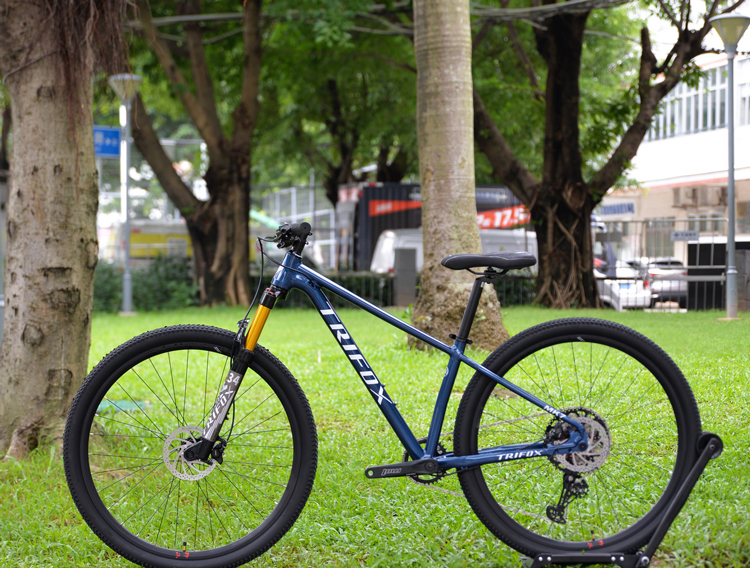
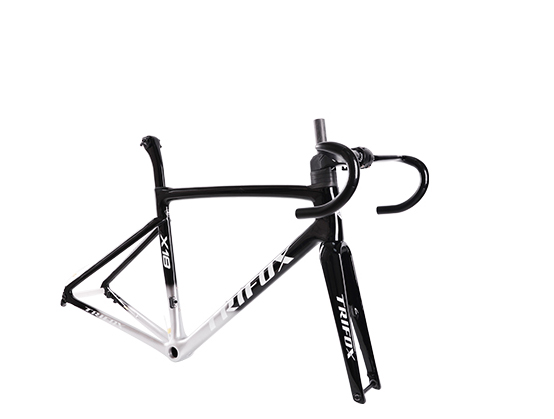
Optimizing your ride with an aero bike can make a significant difference in your cycling performance, especially if you're aiming for speed and efficiency.
Understanding Aero Bikes
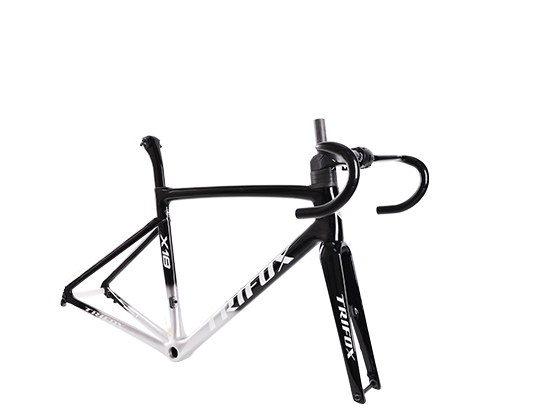
Aero bikes are designed to reduce aerodynamic drag, allowing you to cut through the air more efficiently. They feature streamlined frames, integrated components, and often deeper wheel rims. Here's how to optimize every aspect of your aero bike for maximum performance:
1. Perfect Your Bike Fit
A proper bike fit is crucial. Visit a professional fitter to ensure your aero bike is adjusted to your body dimensions. A good fit reduces wind resistance and increases comfort, allowing you to maintain an aerodynamic position for longer periods.
2. Choose the Right Wheels
Wheels play a vital role in aerodynamics. Deep-section wheels (50mm-80mm) are ideal for flat terrains and time trials due to their reduced drag. However, they can be susceptible to crosswinds, so consider mid-section wheels (35mm-50mm) for versatility.
3. Optimize Your Riding Position
An aero position minimizes frontal exposure. Lowering your handlebars, tucking your elbows in, and maintaining a flat back can significantly reduce drag. Practice holding this position to improve endurance and efficiency.
4. Use Aero Components
Invest in aero handlebars, stems, and seat posts. These components are designed to slice through the air more effectively than standard parts. Additionally, consider using an integrated cockpit system for seamless airflow.
5. Wear Aerodynamic Gear
Your clothing should be tight-fitting and designed for aerodynamics. Opt for aero helmets, skinsuits, and overshoes to reduce air resistance. Every small improvement can add up to noticeable gains in speed.
6. Maintain Your Bike
Regular maintenance ensures your aero bike performs at its best. Keep the drivetrain clean and lubricated, ensure tires are properly inflated, and check for any signs of wear. Regularly tuning your bike keeps it running smoothly and efficiently.
7. Mind the Accessories
Minimize accessories like saddle bags and bottle cages that can disrupt airflow. Use aero water bottles and mount them strategically to maintain the bike’s streamlined profile.
Conclusion
Optimizing your ride with an aero bike involves a combination of proper fit, equipment choices, and riding techniques. By paying attention to these details, you can maximize your efficiency and enjoy faster, more enjoyable rides. Happy cycling!



