


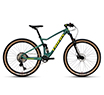

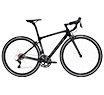
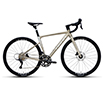
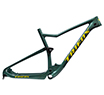
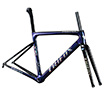

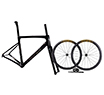
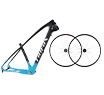
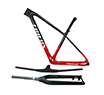
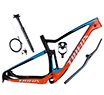





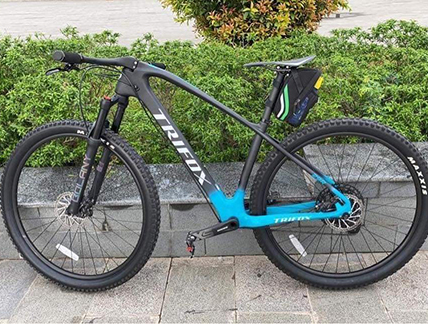
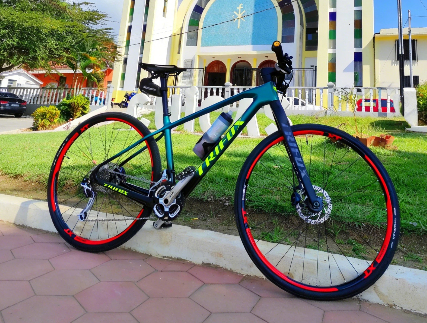
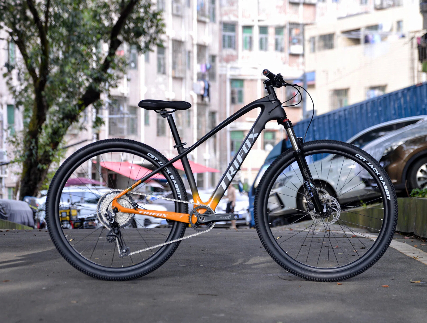
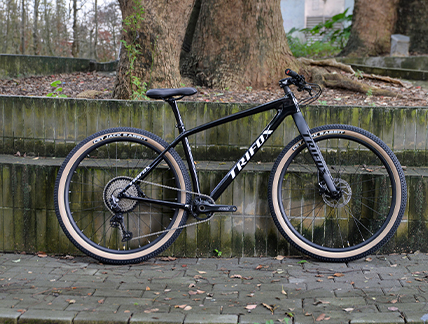
Walking out to the garage, you catch your bike in the mid-morning light. The carbon mtb hardtail 29 you’ve just finished building looks nearly flawless. But you’re also a bit nervous. You’ve read the stories about carbon frames and wondered how to keep yours out of the scrap pile. The good news is that protecting a high-quality 29er like the Trifox M2 is about understanding how carbon works—and building good habits from the inside out.
Know What You’re Riding
The M2 is a full T800 carbon fiber hardtail, a material valued for its stiffness-to-weight ratio. T800 is a high-modulus carbon, meaning it’s exceptionally rigid where you need power transfer (bottom bracket area, head tube) while still capable of damping trail vibration through the rear triangle. Because T800 is fatigue‑resistant and corrosion‑proof, your frame won't wear out simply from repeated riding. The real threats are impact, abrasion, installation error, and UV exposure. Understanding this shapes every protection decision.
Preventative Internal Protection
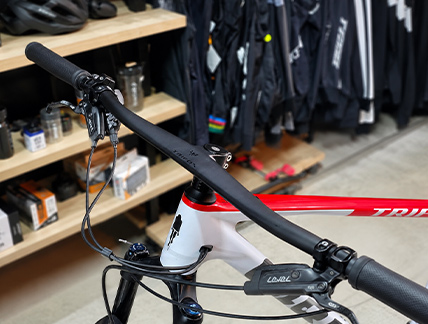
Before you take your carbon single speed 29er out for its first real ride, check the areas where shifting and brake housings enter the frame. The M2 uses internal cable routing, which keeps lines out of the elements. That also means cables can rub against the inside of the carbon layup over thousands of pedal strokes. Even a small vibration over time can wear through the resin.
Many builders add small adhesive rubber frame protectors cut to fit around the cable entry ports. This is especially important where the housing makes contact with the raw carbon edge. A few dollars of helicopter tape or pre-cut rubber guides will keep the internal channels smooth and prevent housing from sawing into the composite structure.
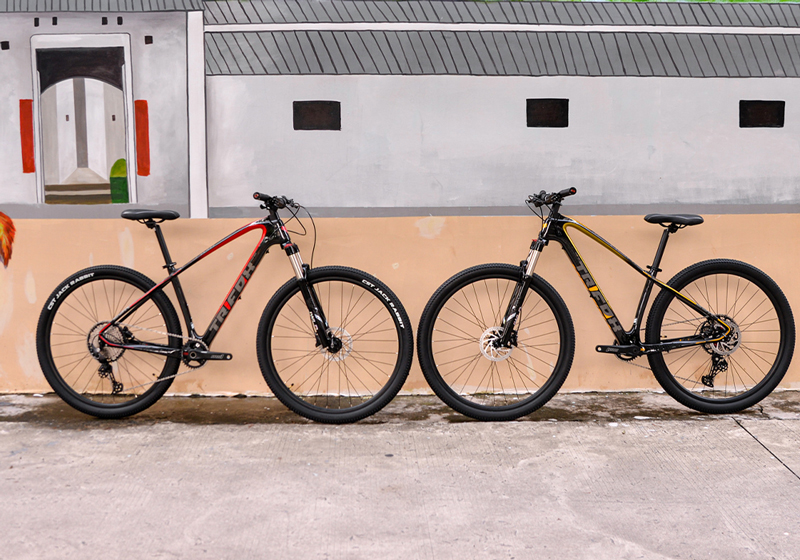
Structural Integrity Through Correct Assembly
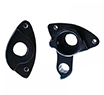
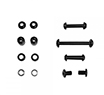
One of the most overlooked ways to protect a carbon frame is proper torque management. Over‑tightening components—seatpost clamps, bottle cage bolts, derailleur hangers—creates stress risers that can lead to invisible internal delamination. The frame may look fine, but the carbon layers have separated.
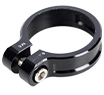
Use a calibrated torque wrench. For a carbon single speed 29er build, the seatpost collar should be set to roughly 5–7 Nm for a dry carbon post with carbon paste. Never use grease on carbon interfaces; grease reduces friction, which then tempts you to overtighten. Assembly paste should always be applied.
External Physical Protection
Your frame’s outer surface faces daily attacks: rock strikes, chain slap, branches, and the inevitable parking-lot lean against a metal rack. The solution is layered protection.
- Helicopter tape (clear polyurethane tape) is the first line of defense. Apply it to the downtube (for rock strikes), the chainstays (for chain slap), the top tube (for loading onto a rack) and the underside of the down tube, and anywhere a cable housing might touch the frame.
- Rubber chainstay guards. Pre-cut rubber guards damp chain slap noise and keep the drive-side stay chip‑free.
- Protective edge strips. Small stick‑on rubber or felt strips at the cable entry holes protect both the housing and the frame.
These add almost no weight and preserve both the structure and the resale value of your carbon mtb hardtail 29.
Regular Checks for Long‑Term Health
After a muddy ride, don’t just blast the frame with high pressure. Use a gentle spray and mild bike cleaner. High-pressure water can force grit past bearings and into the internal cable channels. Check for visible cracks, especially near the bottom bracket, head tube, and seatpost collar. Also feel for soft spots—any “give” in the carbon could indicate delamination.
UV exposure is another silent enemy. The clear coat that covers the carbon weave degrades after prolonged sunlight, allowing UV rays to attack the resin and eventually cause surface chalking. Store the M2 indoors away from direct sun.
Ride and Forget, But Not Really
Carbon frames are not fragile, but they are precise. The Trifox M2 uses T800 full carbon construction, modern cable routing, and a 29er geometry that thrives on aggressive XC and trail riding. Protecting that frame is not about treating it like glass; it’s about building simple habits: torque wrenches, frame tape, internal port protection, and smart storage. Ride hard, inspect often, and your carbon mtb hardtail 29 will still be rolling strong when your friends are already on their third bike.
2026-05-06
Trifox
SHARE:


Comments
Recent Posts
1
1
1
1
1
1
1
1
1
1
1
1
1
1
1
1

1
1
1
1
1
1
1

1



