



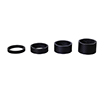





On a bicycle, the bottom bracket (BB) may be hidden inside the frame, but it is a critical component that transmits pedalling power.
Many riders upgrade wheelsets, groupsets, or frames, yet overlook the importance of the bottom bracket. When you hear unusual noises, feel rough pedalling, or notice crank play, it is likely time to inspect or replace your BB.
So, how do you know if your bottom bracket needs replacing?
What problems with the bottom bracket indicate replacement is needed?
1. Unusual noises when pedalling
If you hear clicking, creaking, or grinding sounds – especially under heavy pedalling – the BB bearings may be worn.
Of course, noises can also come from pedals, cranks, or the chain, but the bottom bracket is one of the first components to check.
2. Crank rotation feels rough
Normally, the cranks should spin smoothly and freely.
If you notice:
- Resistance when turning
- Gritty or catching sensation in the bearings
- Loss of pedalling smoothness
it suggests the internal bearings may be damaged and replacement should be considered.
3. Crank wobble or play
When you push the cranks sideways and feel noticeable movement, besides loose crank bolts, it could be due to excessive clearance in the BB.
Riding with a worn bottom bracket not only degrades the ride experience but also reduces pedalling efficiency.
Understanding the Bicycle bottom bracket shell is important
Before choosing a new bottom bracket, you need to know your frame's Bicycle bottom bracket shell specification.
Different frames use different BB standards, such as:
- BB68
- BSA threaded
- Press Fit
- BB30
- PF30
Each frame requires a matching bottom bracket; otherwise, installation will not be possible.
Therefore, before purchasing a new BB, confirming your frame's BB specification is essential.
What are the differences between Bottom bracket types?
Currently, Bottom bracket types fall into two main categories.
One is threaded bottom brackets, such as the BSA system – simple to install, easy to maintain, and ideal for long‑term use.
The other is press‑fit bottom brackets, which are lighter and commonly found on high‑performance carbon frames.
Each type has its advantages. The choice depends on your frame design and riding needs.
Is the TRIFOX BB68 Aluminum Bottom Bracket worth choosing?
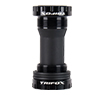
If your bike uses a BB68‑spec bottom bracket, the TRIFOX BB68 Aluminum Bottom Bracket TRBB68 is a reliable upgrade choice.
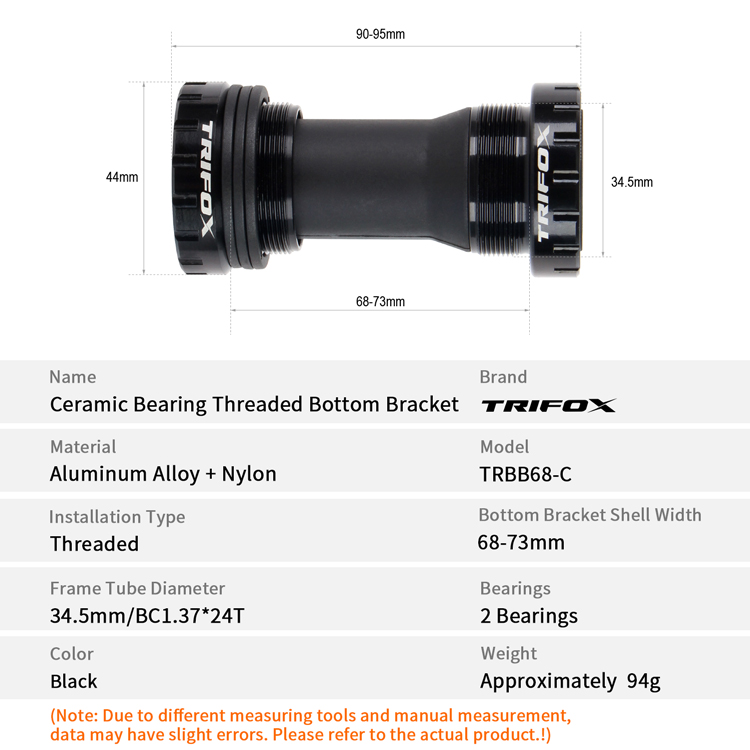
The TRBB68 features a high‑quality aluminium alloy shell, combining light weight, durability, and stability – suitable for daily training, long‑distance rides, and performance upgrades.
Key features include:
- BB68 standard design
- High‑strength aluminium alloy shell
- Smooth and durable bearing system
- Improved pedalling efficiency
- Easy installation and maintenance
- Compatible with many road and mountain bike upgrades
A quality bottom bracket reduces energy loss, making every pedal stroke more direct and effective.
How often does a bottom bracket need replacing?
BB lifespan depends on riding conditions and frequency.
If you frequently ride:
- In wet weather
- In muddy conditions
- During high‑intensity training
- On off‑road terrain
the BB will wear faster.
Regular inspection can prevent small issues from developing into major failures.
Conclusion
The bottom bracket may not be the most visible part of a bicycle, but it directly affects pedalling efficiency, ride comfort, and overall performance.
When you hear abnormal noises, feel rough rotation, or notice crank play, it is time to check your BB.
Choosing the correct BB for your frame specification is crucial. For bikes with a BB68 shell, the TRIFOX BB68 Aluminum Bottom Bracket TRBB68 offers a solid structure, durable design, and excellent value – making it an ideal upgrade for enhancing your riding experience.
2026-07-28
Trifox
SHARE:


Comments
Recent Posts
1
1
1
1
1
1
1
1
1
1
1
1
1
1
1
1
1
1
1
1
1
1
1

1



