


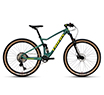

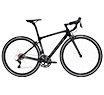

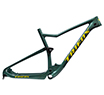
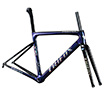
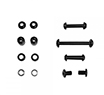
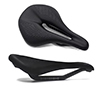
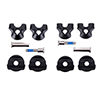
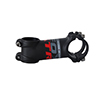
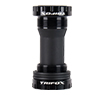
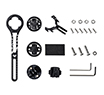
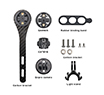
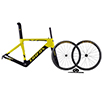
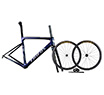
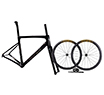
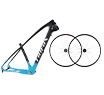
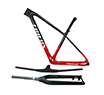
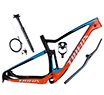





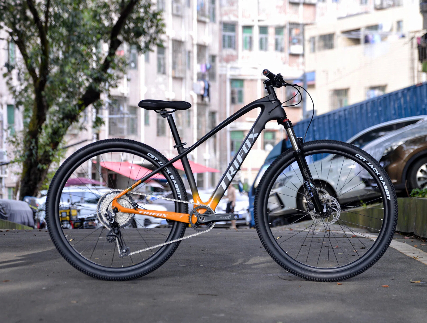
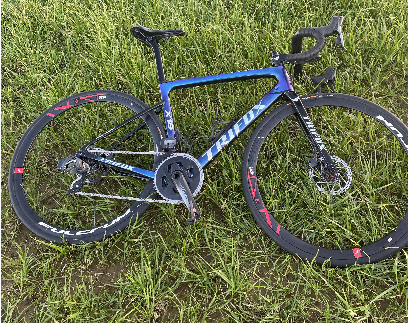
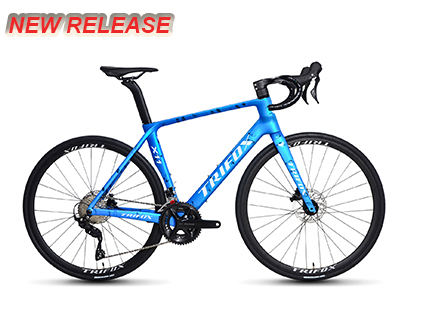
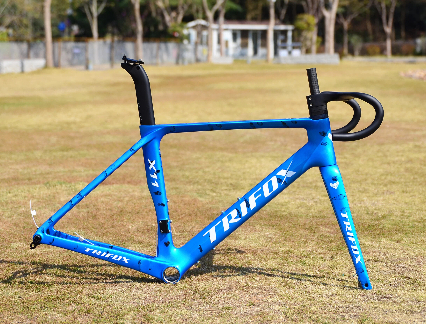
You've invested in a beautiful new carbon frame – the Trifox X16TA, with its stunning chameleon blue and purple finishes, built for both men and women. It’s light, stiff, and fast. You carefully install the bottom bracket, route the cables, and fit the groupset. Then, you reach for your hex key to tighten the seatpost clamp. "Just a little extra for safety," you think. That single moment of over‑enthusiasm could be the beginning of the end for your expensive frame. Here’s why.
The Fragile Nature of Carbon Fiber
Carbon fiber is an anisotropic composite material. It is phenomenally strong in the directions it was designed for – typically along the length of the tubes to withstand pedaling and impact forces. But it is surprisingly weak and vulnerable to forces it wasn't designed for, such as the concentrated, crushing pressure of a clamp or a bolt head. While aluminum or steel bolts will stretch and deform before breaking, giving you a tactile warning, carbon fiber is rigid and unforgiving. As an engineer explains, carbon is “more susceptible to crushing and cracking when improperly set up. Simply put, the margin for error is much smaller”. It doesn't bend or give; it cracks, and once cracked, its structural integrity is compromised, often catastrophically and without warning.
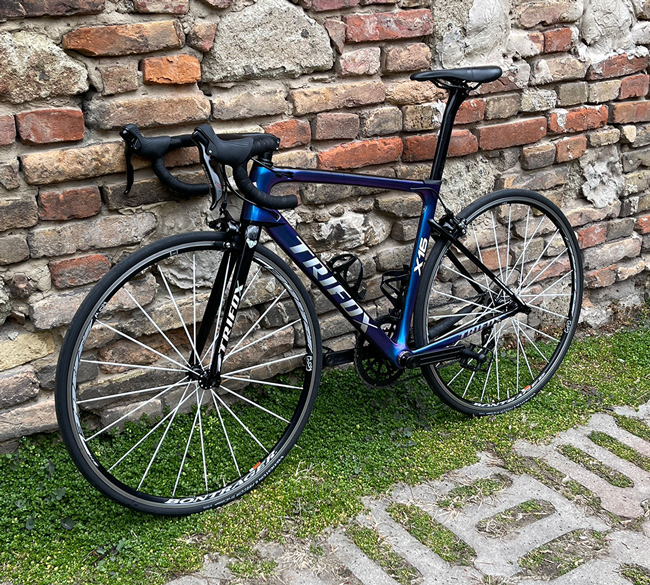
The Risky Clamps and Bolts on Your Frame
Every bolt on your carbon bike has a precise torque specification, typically measured in Newton-meters (Nm). Ignoring these specs is a gamble. The most common points of failure include:
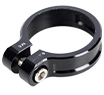
• The Seatpost Collar: This is the most frequent victim. Most manufacturers specify a torque of 4–6 Nm for seatpost clamps. Over-tightening it can crush the carbon seatpost itself, leading to a slipping saddle or a sudden, dangerous collapse. One mechanic notes that “a chronically slipping seatpost (even after tightening it down numerous times) is often the result of overtightening the clamp, damaging the carbon”.
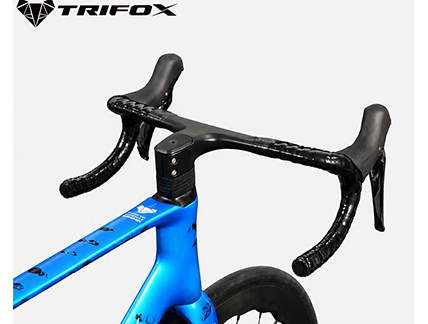
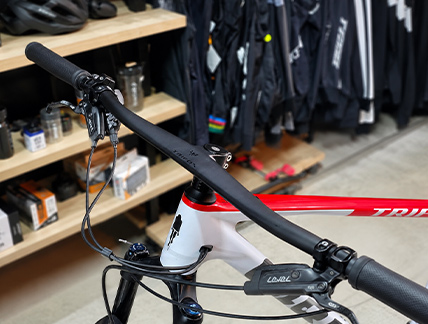
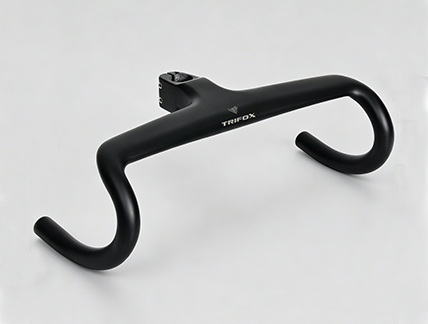
• The Stem Faceplate and Steerer Tube: The stem bolts that clamp your handlebars and the steerer tube of your fork are also highly vulnerable. A stem-to-steerer clamp torque of 5–7 Nm is common. Over-torquing the stem bolts on a medium bike frame can crush the carbon steerer tube, leading to a loss of steering control. This is exacerbated by using an incorrectly sized or too-short expander plug, as the stem’s pinch bolts then have no internal support, making the steerer tube easy to crack.
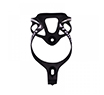
• Bottle Cage Bolts: Even seemingly insignificant bolts pose a risk. Over-tightening a bottle cage bolt on a down tube can create a “stress riser.” This is a small area of intense localized stress that, over time and with road vibration, can propagate into a crack that travels through the carbon layers, potentially splitting the frame tube.
How to Build and Ride with Confidence
Protecting your investment in a high‑performance ladies bike frame or any carbon bike requires a change in mindset and technique.
• Invest in a Quality Torque Wrench: This is non‑negotiable. A “click‑type” torque wrench is the most common and user‑friendly option, providing an audible and tactile click when the set torque value is reached. As one industry expert warns, “overtightening components could result in damaging the carbon or even breaking the bolt” and using a torque wrench is vital for the weekend mechanic. For critical parts of a carbon frame, it's simply not worth the risk to work by feel alone.
• Use Carbon Assembly Paste: Never grease seatposts, handlebars, or steerer tubes. Grease lubricates the interface, artificially reducing friction and causing you to need to tighten the bolt more to achieve the same hold. Carbon assembly paste contains tiny abrasive particles that increase friction between two carbon surfaces, allowing you to achieve a secure, non-slip hold at a much lower torque. Ritchey, a leading component manufacturer, notes its friction-enhancing paste can “allow tightening torque to be reduced by up to 30%”.
• Clamp the Bike Correctly: When working on your bike in a repair stand, never clamp it directly by the frame tubes. A carbon tube “can be crushed if it's over-tightened”. Always secure your bike by clamping the seatpost. If you have a carbon seatpost, use a work-stand adaptor or a sacrificial alloy post.
Conclusion
The Trifox X16TA is a masterpiece of modern carbon engineering, offering a lightweight and responsive ride in a range of sizes and colors to fit a diverse range of riders, from those seeking a medium bike frame to those looking for a ladies bike frame. But its ultimate longevity and safety are in your hands. The immense strength of a carbon frame is precisely engineered. By respecting torque specifications, investing in the right tools, and using correct assembly compounds, you can ensure that your dream bike remains a source of speed and joy for many thousands of miles, not a heartbreaking lesson in mechanical sympathy.
2026-06-01
Trifox
SHARE:


Comments
Recent Posts
1
1

1

1
1
1
1
1
1
1
1
1
1
1
1
1

1

1
1

1
1
1
1

1



