



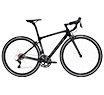
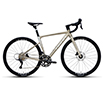
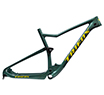
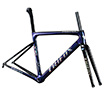
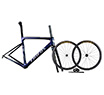
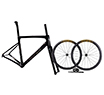
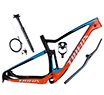
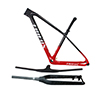
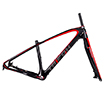





Walk into any bike shop and the advice is almost universal: “Buy complete. It’s cheaper.” And in many cases, that’s true. Manufacturers buy components in massive volumes, so they can offer a fully built bike for less than the sum of its parts — often by hundreds of dollars. A 2025 analysis found that sourcing all components individually for a mid-range mountain bike cost about $876 more than buying the complete version. So why would anyone buy just a frameset? Because the full story is more complicated, and for many riders, buying a frameset actually saves money in ways that aren’t immediately obvious.
The “Cheaper to Buy Complete” Myth Needs Context
The conventional wisdom is correct if you intend to ride the bike exactly as it comes from the factory. But how many enthusiasts actually do that? The moment you swap the saddle, change the handlebars, replace the wheels, or fit different tires, you‘re paying for parts twice — the stock components you never wanted and the upgrades you actually ride. One forum user described this reality perfectly: “Having bought a complete bike and replacing every single part except the fork, I say just buy the frame. it’s less work and you won’t save all that much because you‘ll have to sell the take off parts for less than what people can get them online for”. Sell those “new take‑off” parts on eBay, and you’ll recoup maybe 50‑70% of their retail value. That hidden loss is money you never see again.
Customization Isn’t a Luxury — It’s a Performance Upgrade
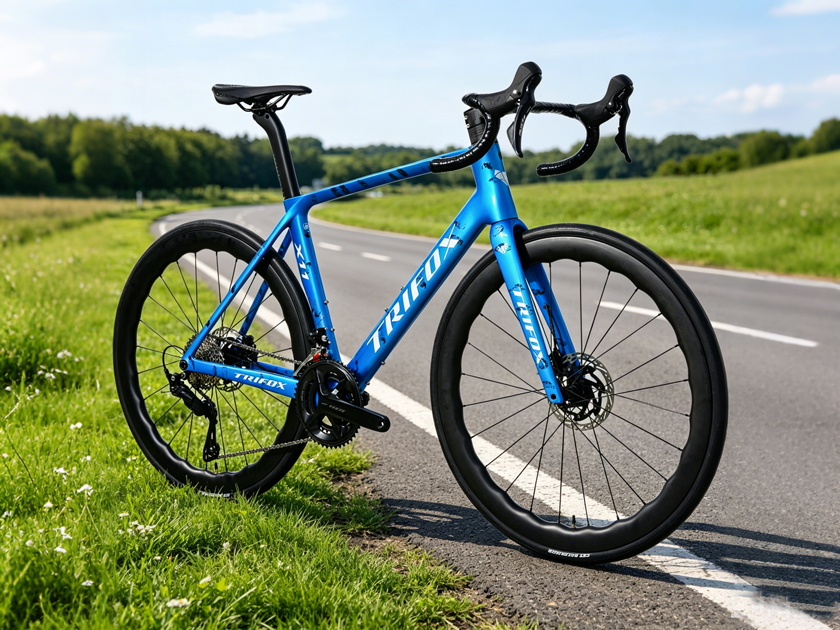
The real value of a frameset isn‘t just about cost — it’s about getting exactly the bike you want. Buying a complete bike means accepting someone else‘s choices: their saddle, their stem length, their crank arms, their handlebar width. For many riders, this is fine. But for serious cyclists, the ability to select every component transforms the riding experience. As one builder noted, “I’m small and I like weird things like 38cm bars and 165mm cranks. Those are hard to find stock on a bike. I‘m also a big tubeless fan, so I’m probably switching wheels. Again, stock wheels often get replaced right away”. Building from a carbon road bike frame disc brake means you choose your favorite crank length, your preferred cassette range, the exact handlebar width, and the saddle that fits your anatomy — not the one the factory spec’d to save $15.
The Hidden Costs of “Cheap” Complete Bikes
Complete bikes often hide compromises in components you can’t easily see: heavy OEM wheels, low‑spec finishing kit, basic tires, and budget brake rotors. Upgrading these items later costs significantly more than buying quality parts upfront. Building from a carbon fiber road bike frame 54cm lets you allocate your budget exactly where it matters — premium wheels, a reliable drivetrain, and contact points that fit you. One experienced builder confirmed that for high‑end builds, “It’s cheaper to build up from a frameset than it is to buy the high end stuff like S‑Works, etc. Plus you can select which components you really want and not waste anything”. That’s the overlooked math: buying a frameset isn’t about paying less; it’s about wasting less on parts you’ll replace anyway.
Frameset Economics: Spread the Cost, Buy Better Components
Another financial advantage of starting with a frameset is the ability to spread your investment over time. A complete bike requires a single large payment. Building from a frameset allows you to buy the frame now, wheels next month, and the groupset the month after. One buyer noted this flexibility: “I can buy parts as I obtain the budget for them, rather than wait a long time to build up a budget and then spend it all at once. That allows me to get better components than I‘d otherwise be able to get”. This approach also lets you shop sales aggressively, securing premium components at discount prices — something a complete bike purchase rarely allows.
Quality Control and Frame First — Everything Else Follows
Starting with a frameset also ensures your most critical component — the frame itself — is exactly what you want. The frame determines geometry, weight, stiffness, and ride feel. Everything else is replaceable. By investing in a quality carbon road bike frame disc brake up front, you build on a foundation that won’t become obsolete. When components wear out or technology advances, you upgrade individual parts, not the entire bike. This long‑term thinking is how experienced riders build bikes that last for years.
When Does Buying a Frameset Make the Most Sense?
A frameset purchase is ideal for riders who:
- Already own quality components (wheels, groupset, saddle) from a previous bike.
- Have strong opinions about fit and component selection.
- Plan to ride the bike for years and want a platform that grows with them.
- Are building a mid‑to‑high‑end bike where OEM parts would likely be replaced anyway.
The Trifox X11: A Frameset Worth Building Around
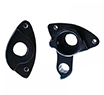
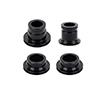
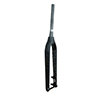
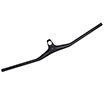
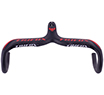
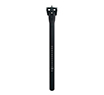
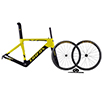
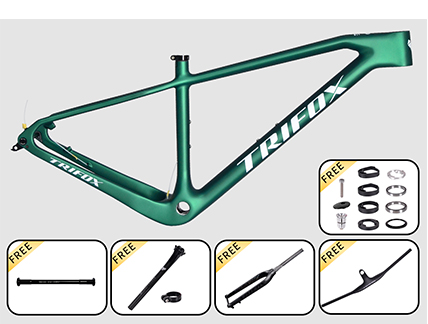
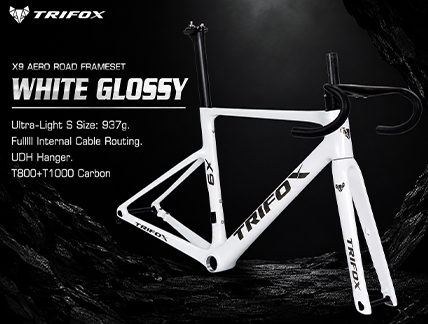
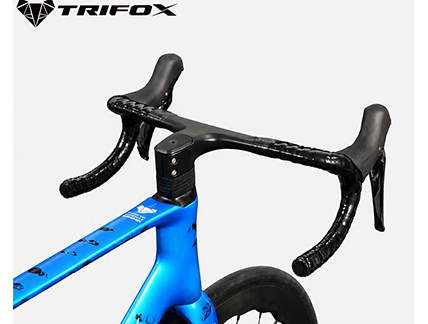
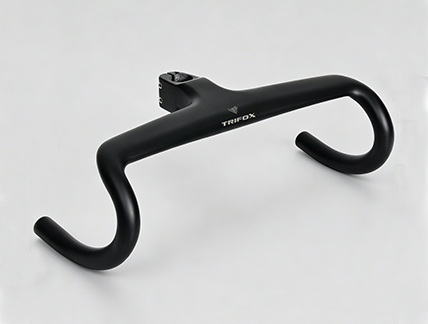
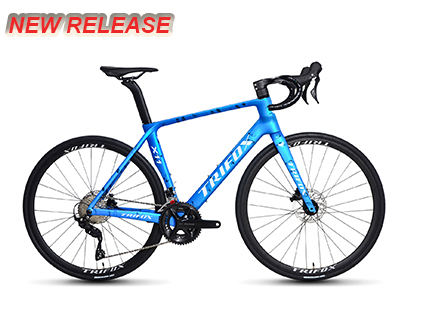
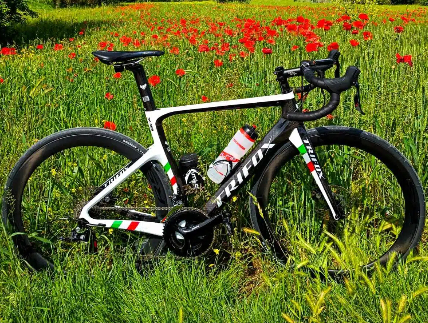
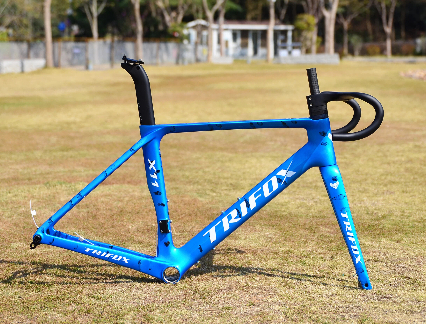
The Trifox X11 exemplifies everything a modern frameset should offer. Its T800 carbon fiber construction delivers exceptional stiffness‑to‑weight, while the full internal cable routing creates a clean, aerodynamic profile. The UDH derailleur hanger future‑proofs the frame for next‑generation drivetrains, and the T47 threaded bottom bracket ensures creak‑free reliability. Sizes from XS to L accommodate a wide range of riders, including the popular 54cm option for heights 175‑188cm. And the included full‑carbon fork, integrated handlebar, and seatpost eliminate the need to source these components separately — a meaningful value addition that further reduces the hidden costs of a custom build.
The bottom line: buying a complete bike is often cheaper upfront, but building from a frameset is often the smarter long‑term investment. You get exactly the bike you want, you don‘t pay for parts you’ll replace, and you build on a foundation designed to last. Sometimes the best way to save money is to spend it on what actually matters — starting with the frame.
2026-05-27
Trifox
SHARE:


Comments
Recent Posts
1
1
1
1
1
1
1
1
1
1
1
1
1
1
1
1
1
1
1
1
1
1
1
1



