


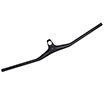
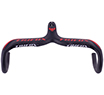
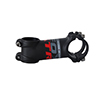
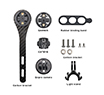
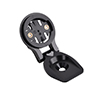
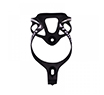
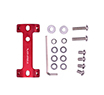





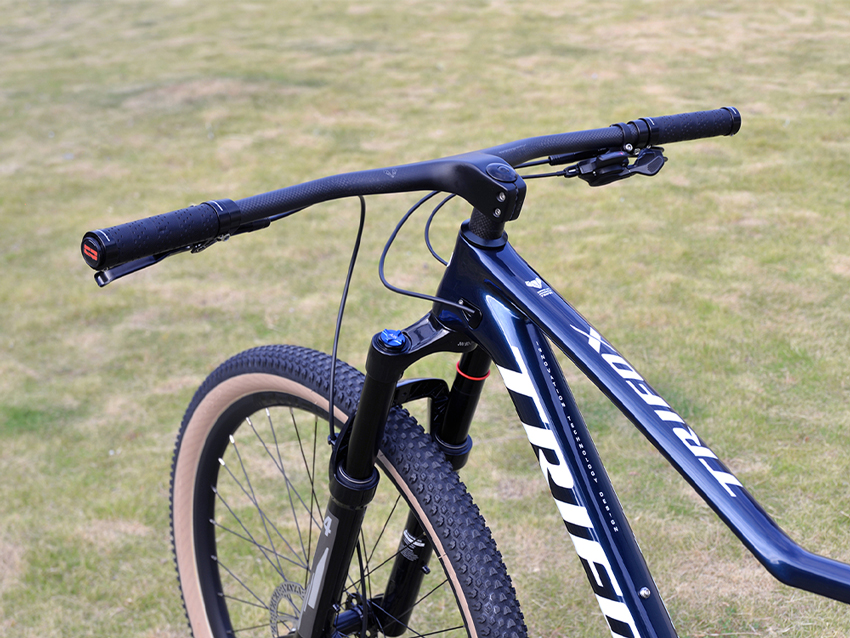
When it comes to mountain bike handling, the handlebar is your primary connection to the trail. Its geometry—the angles and dimensions—dictates how you control the bike, how efficiently you climb, and how confidently you descend. The Trifox RHB200 integrated carbon handlebar features a purposeful combination of a -17° stem angle and a 9° backsweep, a pairing meticulously chosen to deliver a balanced, powerful, and comfortable riding position for aggressive trail riding. Understanding these numbers reveals why the RHB200 is engineered for control.
The -17° Stem: Aggressive and Stable
The stem angle is critical for setting your front-end height and reach. A -17° stem is on the lower end of the angle spectrum, meaning it positions the handlebar lower and further forward relative to the steerer tube. This creates a more aggressive, aerodynamic riding position that lowers your center of gravity. On steep descents, this lower stance inspires confidence, allowing you to weight the front wheel effectively for traction and control. During high-speed sections, it promotes stability by placing your body in a balanced, centered position over the bike. This angle is favored by riders who prioritize precise, aggressive handling and want to maintain a low, powerful profile on the trail.
The 9° Backsweep: Natural Wrist Position
The backsweep angle dictates how far the grips are angled back toward the rider. A 9° backsweep is a carefully calibrated figure for mountain biking. It places your hands and wrists in a more natural, neutral alignment, which is crucial for two reasons. First, it significantly reduces strain and fatigue in your wrists, forearms, and shoulders during long climbs and extended rides. By allowing your hands to sit in a position that follows your arm's natural angle, you can maintain a relaxed, powerful grip with less muscular tension. Second, it optimizes leverage and control when descending. This natural wrist angle allows you to pull up on the bars for manuals or absorb impacts with greater strength and less effort, giving you more precise command over the front wheel through rough sections.
The Integrated Advantage: Stiffness and Feedback
Beyond the angles, the RHB200's integrated, one-piece T800 carbon fiber construction is key to translating this geometry into performance. By eliminating the separate stem and bar interface, this design creates an incredibly stiff and direct connection. When you lean the bike into a corner or make a sudden line correction, the response is immediate and precise, with zero detectable flex or delay. This stiffness provides exceptional feedback, allowing you to feel exactly what the front wheel is doing. Despite its rigidity, carbon's natural vibration-damping properties filter out high-frequency trail chatter, reducing arm pump without sacrificing the valuable feedback you need to stay in control.
A Customizable Fit for Every Rider
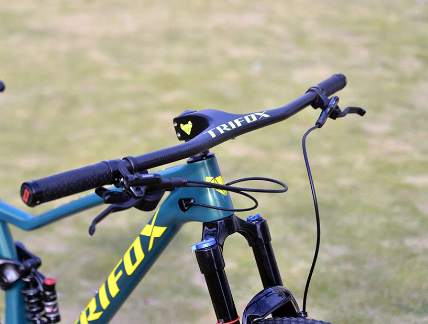
The RHB200 is available in stem lengths of 80mm, 90mm, 100mm, and 110mm, and the 800mm width can be cut down, allowing you to fine-tune your reach and leverage to match your body and riding style perfectly. Weighing in at approximately 280g, it's a significant weight saving over most alloy combinations, contributing to a livelier, more responsive front end.
In conclusion, the Trifox RHB200's geometry isn't an accident; it's an engineered system designed to enhance trail control. The -17° stem provides an aggressive, stable platform for descents, while the 9° backsweep ensures ergonomic comfort and powerful leverage. For riders seeking a set of high-performance bars for mountain bike that offer this precise blend of control and comfort, the RHB200 represents a compelling choice. It transforms the cockpit into a cohesive, responsive tool that instills confidence on every climb and descent, solidifying its place as a contender for the best mtb handlebars available.
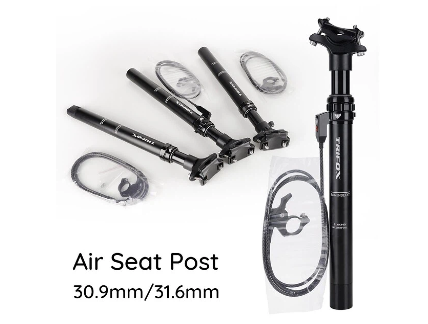
Choosing a dropper post can often feel like a compatibility puzzle. You find a post with the right travel and diameter, only to discover your frame's cable routing doesn't match. The Trifox AP316 eliminates this frustration entirely. Instead of a one-size-fits-all approach, it's engineered with three distinct cable routing options, ensuring that regardless of your frame's design—whether it's an older quick-release model or a modern carbon machine—the AP316 can be installed cleanly and function flawlessly. This adaptability, combined with robust construction, makes it a top contender for the best budget dropper post on the market.
Understanding the Three Routing Options
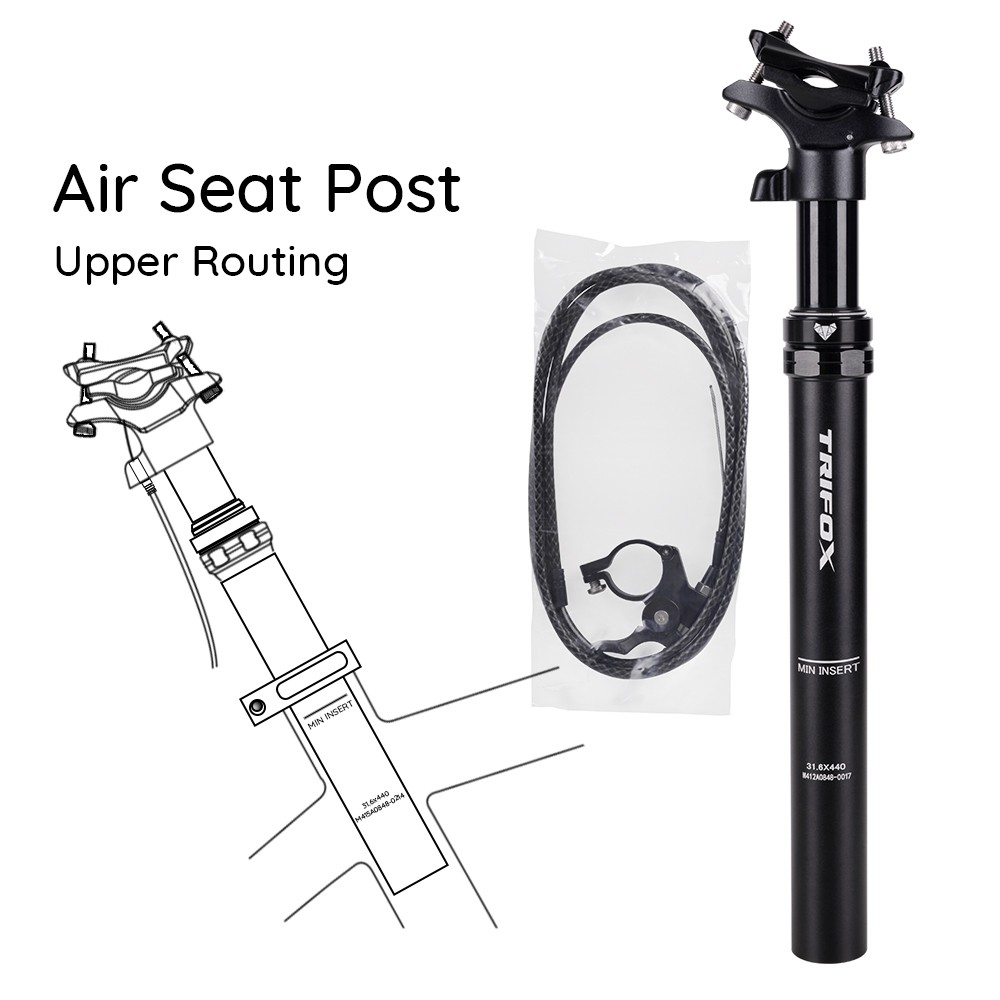
The AP316 series is available in three specific models, each designed for a different frame interface:
* Upper Routing (APS316): The cable enters near the top of the seatpost. This is ideal for frames with external cable guides positioned high on the seat tube, often found on older or more traditional mountain bike frames. It offers a straightforward, easy-to-install solution for riders seeking a reliable external routed dropper post.
* Center Routing (APM316): The cable entry point is located around the middle of the post. This is a versatile and popular choice, as it aligns well with many modern frame designs that have a guide or port near the middle of the seat tube. It often provides the cleanest external cable line.
* Bottom Routing (APD316): The cable enters at the very bottom of the seatpost. This is designed specifically for frames with full internal cable routing, where the cable or hose runs inside the seat tube and exits near the bottom bracket. This option creates an exceptionally clean, seamless look.
Performance You Can Depend On
Regardless of which routing option you choose, the core performance of the AP316 is identical and impressive. It features 125mm of smooth, adjustable travel, powered by a reliable air-sprung cartridge. This allows you to drop your saddle out of the way on descents and pop it back up for climbs with the simple press of a remote lever. The post is constructed from high-quality aviation-grade 7075 aluminum, a material chosen for its exceptional strength-to-weight ratio. This ensures the post is both lightweight and durable enough to withstand the rigors of trail riding, enduro, and even all-mountain abuse. The 1.5m cable housing provides ample length for any bike setup.
Why the AP316 is the Best Budget Dropper Post
For riders seeking to add a dropper without breaking the bank, the AP316 offers an incredible value proposition. Its combination of 125mm travel, durable 7075 aluminum construction, and—most importantly—its three adaptable routing options, addresses the primary compatibility headaches that plague budget dropper posts. You can confidently purchase the version that matches your frame, knowing you're getting a reliable, functional component. This thoughtful engineering, paired with a sub-$70 price point, firmly establishes the AP316 as a leading candidate for the best budget dropper post, proving that you don't need to spend a fortune to get a dropper that fits perfectly and performs reliably on every ride.
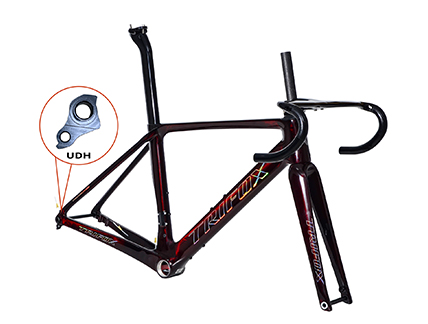
The pace of innovation in road cycling can feel relentless. Standards evolve, new technologies emerge, and the fear of your prized frame becoming obsolete is real. The Trifox X11 frameset is designed to alleviate that fear. By embracing three key modern standards—a T47 threaded bottom bracket, a Universal Derailleur Hanger (UDH), and full internal cable integration—this carbon fiber bike frame isn't just built for today's performance; it's engineered to remain relevant and adaptable for years to come.
T47: The Ideal Balance of Stiffness and Simplicity
At the heart of the X11 lies a T47 threaded bottom bracket. This standard masterfully combines the best attributes of previous designs. Like a PressFit system, it uses a large-diameter shell (86.5mm) for maximum stiffness at the crank interface, ensuring every watt of power translates directly into speed. However, it retains the simple, reliable threaded interface of a traditional BSA bottom bracket. This means installation is straightforward, creak-free, and easily serviceable with standard tools. You won't encounter the creaks or potential bearing issues that can plague press-fit systems. For any carbon fiber cycle frame, this marriage of performance and practicality is a significant long-term advantage.
UDH: Universal Protection for Your Drivetrain
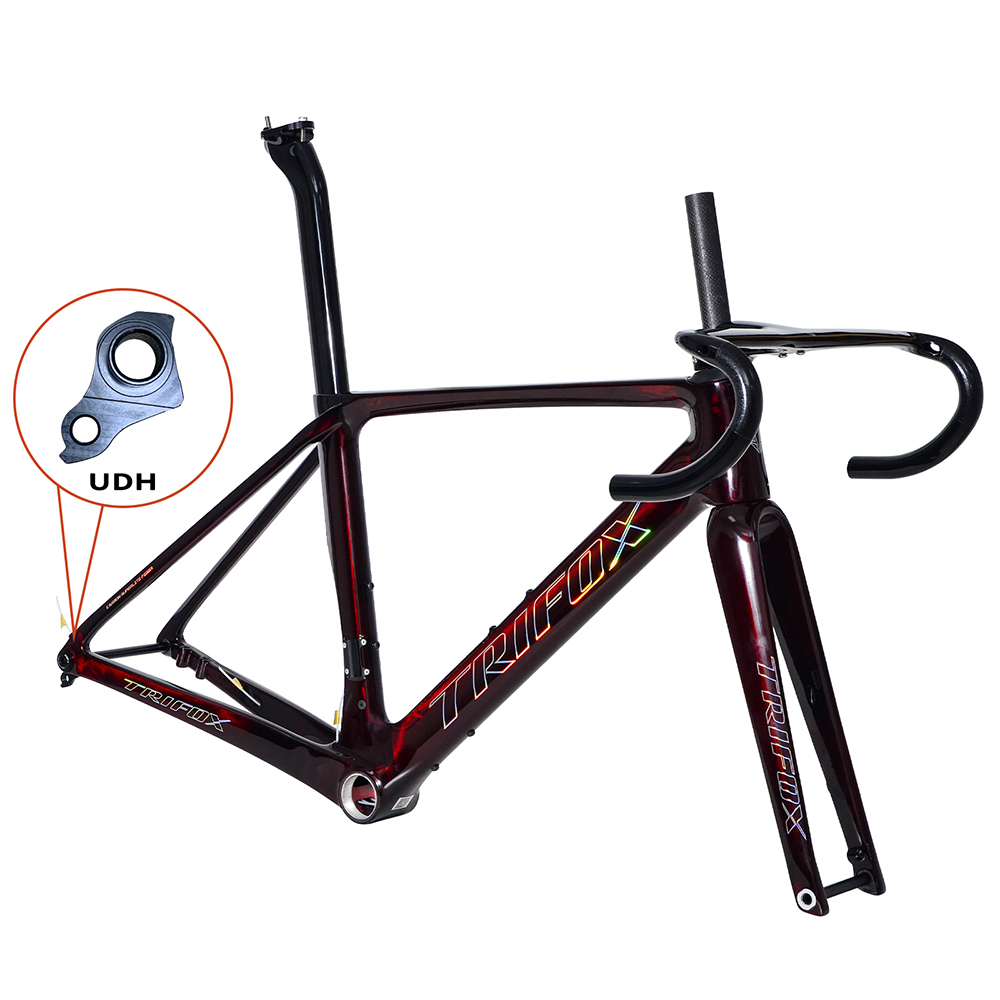
The X11 features a Universal Derailleur Hanger (UDH). This small but critical component is a massive step forward in drivetrain compatibility and peace of mind. The UDH is a standardized interface adopted across the industry. It means this frame will seamlessly accept the latest derailleurs from SRAM and Shimano, including future generations, without worrying about proprietary hanger designs. More importantly, in the event of a crash, the UDH is designed to be a sacrificial component. It's engineered to break in a controlled manner, absorbing impact forces and protecting the more expensive derailleur and frame dropouts. Replacement is simple and the hangers are widely available—a true safety net for any rider.
Full Integration: Clean, Fast, and Protected
The X11 takes cable management to its logical conclusion with full internal routing through the headset and handlebar. Every cable and hose disappears into the integrated bar and stem, vanishing into the frame. This isn't just about a clean, pro-level aesthetic. It delivers tangible aerodynamic benefits by smoothing airflow over the front of the bike. It also protects cables from grit, grime, and the elements, ensuring consistent shifting and braking performance over time. The included integrated carbon handlebar, stem, and seatpost are all part of this holistic design, creating a cohesive, rattle-free system.
Lightweight and Versatile Foundation
Built from high-quality T800 carbon fiber, the X11 is exceptionally light, with a bare frame weight starting at just 965g for a size XS. This lightweight foundation is paired with modern, performance-oriented geometry and clearance for tires up to 700x35c. This versatility allows you to run wider, more comfortable rubber for rough roads or even light gravel, further extending the frame's capability.
Ultimately, the Trifox X11 is more than just a beautiful carbon fiber bike frame. It's a thoughtfully engineered platform where every standard—from the T47 bottom bracket to the UDH hanger—is chosen for its ability to deliver long-term performance, easy serviceability, and compatibility with the future of cycling. It's an investment in a ride that will stay modern for years to come.
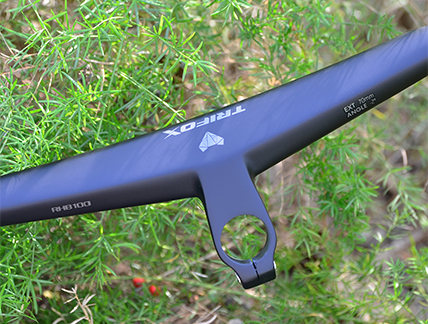
Upgrading your handlebar is one of the most direct ways to change how your bike feels. But with options ranging from basic alloy to high-end integrated carbon, it's fair to ask: is an integrated carbon bar truly worth the investment? We spent time riding and evaluating the Trifox RHB100—an aero integrated carbon handlebar designed for mountain bikes—to see if its promises of reduced weight, increased stiffness, and improved ergonomics translate into a better riding experience.
First Impressions: Weight and Build Quality
Lifting the RHB100 out of the box, the first thing you notice is its remarkable lightness. At a claimed weight of just 244 grams (for the complete bar and stem assembly), it represents a significant weight saving over almost any alloy combination. This reduction is immediately noticeable when you pick up the bike, and on the trail, it translates to a front end that feels lively and easier to maneuver. The T800 carbon fiber construction feels dense and high-quality, with a clean matte finish and precise molding around the stem clamp area. The integrated design eliminates the separate stem and faceplate, contributing to both the low weight and a sleek, uncluttered aesthetic.
On the Trail: Stiffness and Control
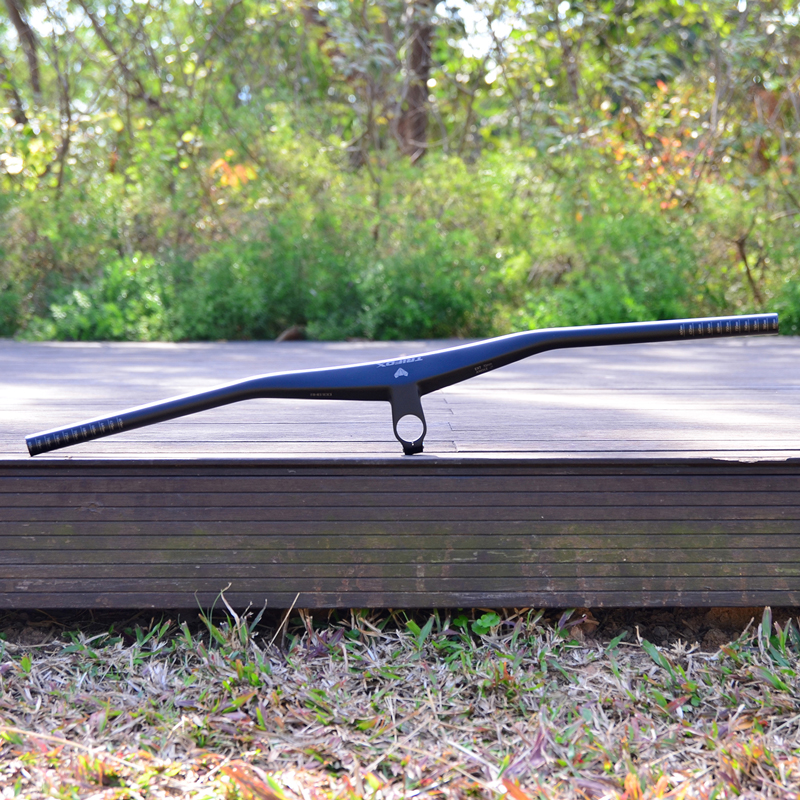
Mounting the RHB100 is straightforward, thanks to printed alignment marks for shifters and brakes. Once installed, the difference in stiffness is palpable. The one-piece construction creates an incredibly direct connection between your hands and the fork. When you pull up on the bars for a manual or lean the bike into a high-speed corner, there's zero detectable flex. This rigidity inspires confidence, especially on technical descents where precise steering input is critical. The 6° rise and 6° backsweep geometry places your hands in a natural, comfortable position that reduces wrist fatigue without feeling overly upright. For riders seeking responsive mtb bars, this setup delivers.
The Aero Advantage and Clean Cockpit
While aerodynamics are less critical on a mountain bike than on the road, the RHB100's clean, integrated profile does offer benefits. The lack of a protruding stem and faceplate creates a smoother surface that slices through the air marginally better. More importantly, the clean lines provide a perfect foundation for a tidy cockpit. The bar's shape allows for neat cable routing, and its flat top section offers a stable platform for mounting a computer or light. This contributes to an overall professional, finished look that many riders appreciate.
The Trade-Offs: Fit and Adjustability
The primary consideration with any integrated bar is that you're committing to a specific stem length and bar width. The RHB100 is available in stem lengths of 40, 50, 60, and 70mm, and the 800mm width can be cut down. You must be confident in your fit before purchasing, as you cannot swap stems independently. For riders who know their preferred position, this is a minor trade-off for the gains in weight, stiffness, and aesthetics. For those still experimenting with fit, a standard bar and stem might be a more flexible starting point.
The Verdict: A Worthwhile Upgrade
For the rider who has dialed in their fit and is looking to shed weight, increase front-end stiffness, and elevate the look of their bike, the Trifox RHB100 is a compelling upgrade. It delivers on its promises of lightweight performance and precise control, all at a fraction of the cost of many comparable carbon offerings. The build quality is excellent, and the on-trail feel is noticeably more direct and responsive. If you're considering moving to high-performance mtb bike bars, the RHB100 represents a significant and worthwhile step up. It transforms the cockpit from a collection of parts into a cohesive, high-performance system that enhances every ride.
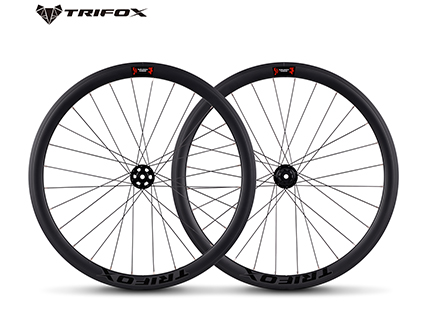
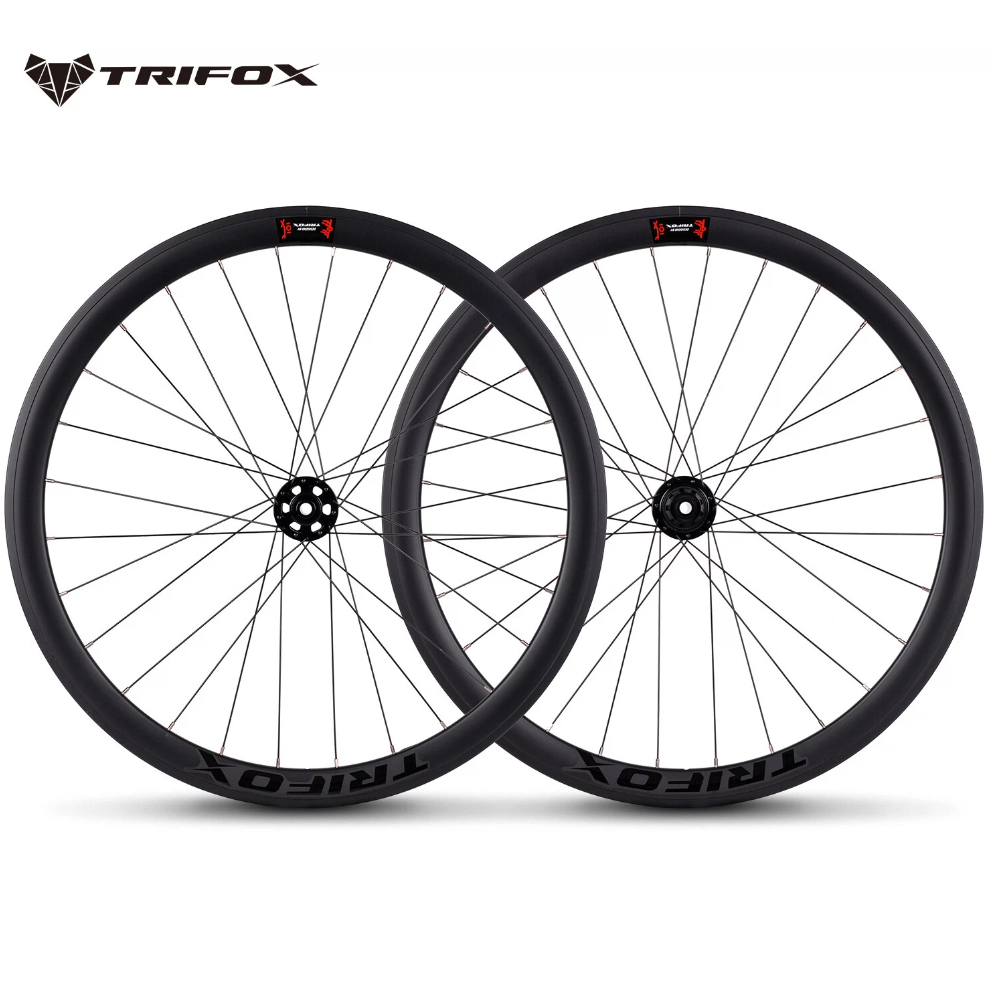
Finding a single wheelset that can tackle steep mountain passes, withstand the rigors of daily commuting, and deliver a lively feel on a classic weekend club run is a tall order. Many wheels are specialized for one task but compromise on others. The Trifox AWT7 alloy disc brake wheelset defies this trend. With its thoughtfully chosen 30mm rim depth, durable alloy construction, and smooth-rolling hubs, it proves to be a versatile performer, equally at home on climbs, commutes, and classic road adventures.
On Climbs: Lightweight and Responsive
When the road tilts upward, every gram counts. The AWT7 wheelset strikes an excellent balance, with a pair weight of approximately 1956g (front: 920g, rear: 1036g). This is notably light for a durable alloy wheelset with disc brake compatibility. The low rotational mass means less effort is required to accelerate the wheels out of a corner or up a steep pitch. The stiffness of the alloy rims, laced with 28 Pillar stainless steel spokes front and rear, ensures that when you stand on the pedals, your power translates directly into forward momentum with minimal flex. The 6-pawl, 120-point engagement hubs deliver that immediate, crisp pickup when you need to power over a crest or accelerate out of a hairpin.
For Commutes: Durable and Reliable
Daily riding puts a unique strain on equipment. Potholes, curb hops, and unpredictable weather demand durability and reliability. The AWT7's welded aluminum rim construction and robust 28-spoke count provide the strength needed to withstand the daily grind without sacrificing weight. The 14mm inner rim width is optimized for the popular 25-28mm tire sizes, offering a stable tire profile that enhances comfort and grip on less-than-perfect pavement. The sealed cartridge bearings (with ceramic options on the rear) resist the elements, ensuring smooth rolling in rain or shine. The 12mm thru-axle compatibility guarantees a secure, rattle-free connection to modern frames and forks, essential for safe braking and handling in traffic.
In the Classics: Agile and Stable
Classic road riding—whether a spirited fondo or a fast group ride—demands wheels that feel lively yet predictable. The AWT7's 30mm rim depth hits a sweet spot. It's deep enough to offer an aerodynamic benefit and improve crosswind stability compared to deeper sections, yet shallow enough to keep the wheel light and responsive. The wheels accelerate eagerly and hold speed well on rolling terrain. The disc brake interface provides consistent, powerful stopping power in all conditions, giving you confidence on long, fast descents. Whether you're attacking a short, steep climb or cruising in the peloton, the AWT7 feels connected and engaging.
Versatility Without Compromise
The Trifox AWT7 doesn't try to be the lightest pure climbing wheel or the deepest aero section. Instead, it masterfully combines the best attributes of an alloy wheelset into a single, versatile package. Its strength makes it a perfect choice for year-round training and commuting. Its weight and responsiveness make it a joy on climbs and spirited rides. And its reliability makes it a trusted companion for any road adventure. For riders seeking one set of road bicycle wheels that can truly do it all, the Trifox 700c road bike wheels AWT7 represents an outstanding blend of performance, durability, and value.
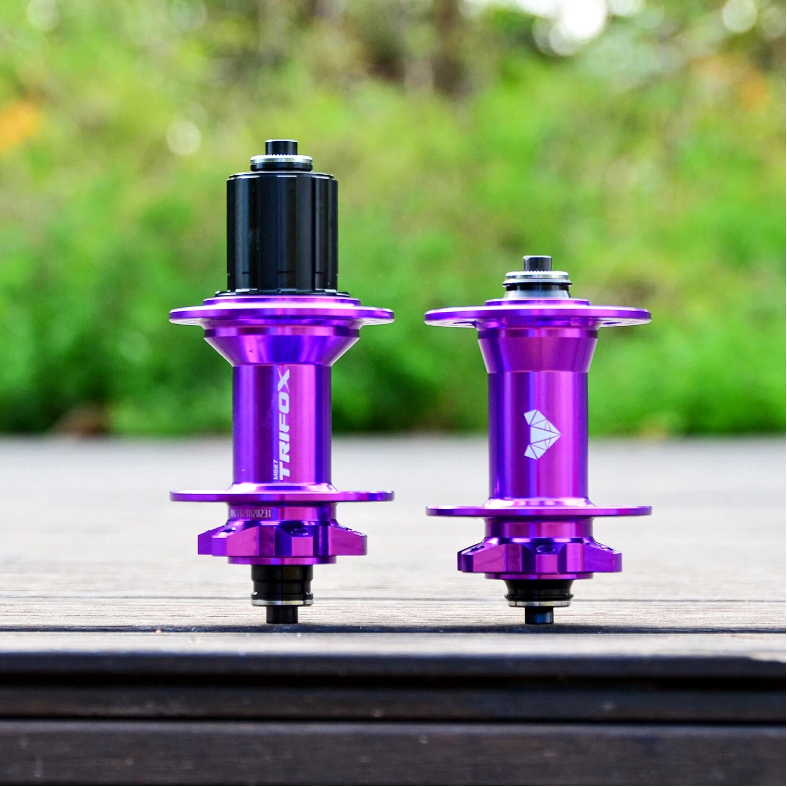
At the heart of every great wheelset lies the hub—a component often overlooked until performance falls short. The Trifox M827 mountain bike hub is designed to be noticed, not for its sleek aesthetics alone, but for the sophisticated engineering within. Its 6-pawl, 72-point engagement system promises rapid power transfer and reliable performance, but the technical story goes even deeper, offering a level of versatility that makes it a standout choice for any builder.
The Engagement System: Instant Response
The core of the M827's performance is its driver mechanism. Inside the hub shell, six precision-engineered pawls engage simultaneously with a 72-tooth ratchet ring. This configuration is key. With 72 points of engagement, the hub requires only a 5-degree rotation of the crank before the pawls lock into place. In practical terms, this means when you stomp on the pedals out of a corner or over a technical obstacle, power is delivered almost instantly. There's no lag or "dead spot" where the pedals spin freely before catching—just immediate, decisive forward momentum. This rapid engagement is a game-changer for technical climbing and aggressive trail riding where every pedal stroke counts.
Convertible Axle System: One Hub, Two Standards
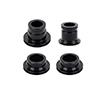
Modern mountain biking is in a state of transition, with Quick Release (QR) and Thru-Axle (TA) standards both prevalent. The M827 solves this compatibility puzzle elegantly. The hub is sold with standard QR end caps (front 9x100mm, rear 10x135mm). However, its design allows you to purchase and install optional end caps to convert it to modern Thru-Axle standards (front 15x100mm TA, rear 12x142mm TA). This means you can confidently build a wheelset for your current QR frame, and if you upgrade to a newer TA frame later, you don't need new wheels—just swap the end caps on your M827 hubs. It's a future-proofing feature that adds immense long-term value.
Universal Freehub Compatibility
Versatility extends to the drivetrain as well. The M827 comes standard with a Shimano/SRAM HG-compatible freehub body, supporting 8 to 12-speed cassettes. But recognizing the diversity of modern drivetrains, Trifox offers optional freehub bodies for SRAM XD (11/12s) and Shimano Micro Spline (12s). This simple swap capability ensures the same bicycle rim hub can be adapted to virtually any high-performance groupset on the market, making it an incredibly flexible foundation for custom wheel builds.
Built to Last: Materials and Bearings
All this sophisticated engagement and adaptability is housed in a durable shell. The hub bodies are machined from 6061 aluminum alloy, while the axles and freehub bodies use stronger 7075 aluminum. The rear hub spins on four sealed cartridge bearings (two in the front) for smooth, long-lasting performance with minimal maintenance. Weighing in at a competitive 165g front and 314g rear, it offers a superb balance of strength and low weight.
In summary, the Trifox M827 is far more than a simple mtb hub. It's a meticulously engineered component that delivers instant power through its 6-pawl, 72-point system, while its convertible end caps and freehub bodies make it one of the most adaptable hubs on the market. For the discerning wheel builder seeking a hub that combines rapid engagement with genuine long-term versatility, the Trifox mtb hub M827 represents a compelling, high-performance choice.
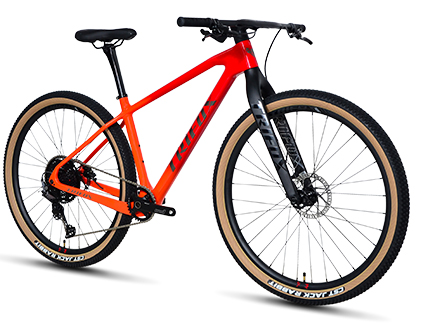
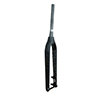
Upgrading a mountain bike fork can feel like navigating a sea of technical jargon. Boost, tapered, thru-axle—these terms are thrown around frequently, but understanding what they mean and why they matter is crucial for making the right choice. The Trifox TMK200 carbon rigid fork is built around these exact modern standards, offering a lightweight, high-performance upgrade that is fully compatible with today's most advanced frames and wheels. Let's break down what these features actually do for your ride.
Boost 110x15mm: The Stiffness Standard
The TMK200 features a Boost 110x15mm thru-axle configuration. "Boost" refers to a wider hub spacing—110mm at the front compared to the older 100mm standard. This wider stance allows the hub flanges to be spaced further apart, which creates a stronger, stiffer wheel when combined with a matching Boost hub. The result is a front end that tracks more precisely through corners, resists flex under hard braking, and offers better steering accuracy. The 15mm thru-axle itself provides a super-secure, rattle-free connection between the fork and wheel, enhancing control and safety on rough terrain.
Tapered Steerer: Precision Steering
The fork features a 1-1/8" to 1-1/2" tapered steerer tube. This design is now standard on performance mountain bike frames. The larger diameter at the bottom, where it meets the fork crown, provides a much stiffer interface with the head tube. This dramatically reduces flex at the most critical steering point, translating to razor-sharp handling and immediate response to your inputs. A tapered steerer also allows the use of a larger, more durable lower headset bearing, which spreads forces more effectively and prolongs component life. The TMK200's T800 carbon construction ensures this stiffness is achieved without a weight penalty.
Ready for Disc Brakes and Big Tires
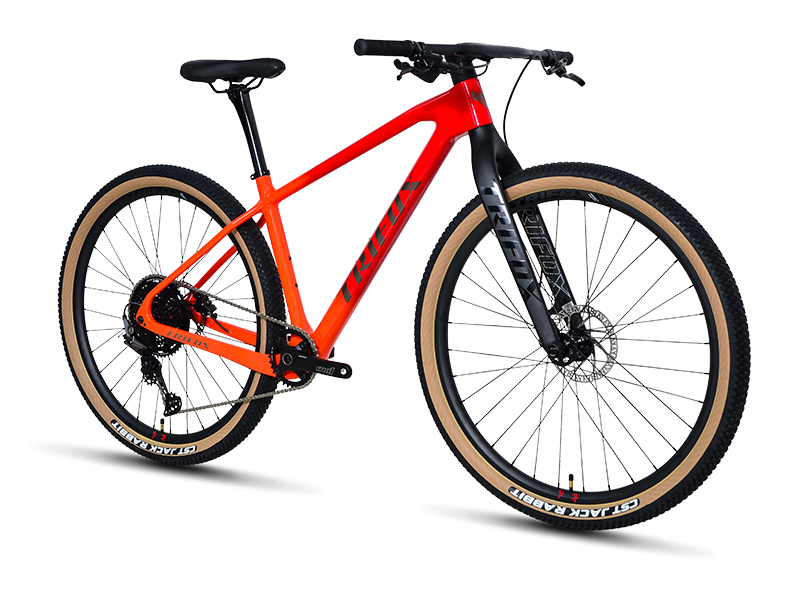
Modern trail riding demands powerful, consistent braking and tire versatility. The TMK200 is disc brake compatible, designed for 160mm or 180mm rotors using a standard post-mount interface. This ensures you can pair it with high-performance brakes for confident stopping in all conditions. Furthermore, the fork offers generous tire clearance, accommodating up to 29 x 3.0" tires. This opens up a world of possibilities, from running high-volume tires for comfort and traction on a rigid setup, to building a rugged gravel or bikepacking rig.
Ultra-Lightweight Performance
Constructed from high-quality T800 carbon fiber, the TMK200 is exceptionally light, weighing in at approximately 507g (without the thru-axle). This dramatic weight saving at the front of the bike sharpens steering, makes the bike feel more agile, and reduces overall bike weight significantly, especially when compared to a suspension fork. Its 45mm offset is a common, neutral measurement that works well with modern geometry, preserving the intended handling characteristics of your frame.
In summary, the Trifox TMK200 isn't just a simple rigid fork. It's a carefully engineered component that embodies the key standards of modern mountain biking: Boost stiffness, a tapered steerer for precision, and disc brake readiness. For riders looking to build a lightweight, responsive rigid 29er fork setup or upgrade to a high-performance carbon mountain bike fork , the Trifox rigid 29er fork TMK200 delivers a compelling package of modern compatibility and featherweight performance.
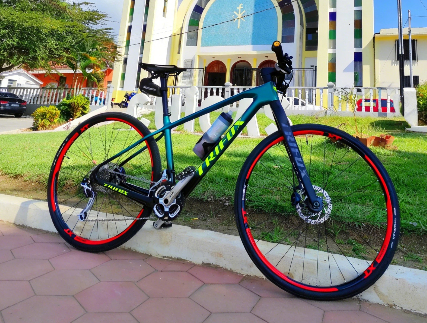
In the world of mountain biking, few things are as critical—or as potentially confusing—as frame compatibility. Wheel and axle standards have evolved significantly, leaving riders to choose between the modern stiffness of Boost, the widespread familiarity of Quick Release (QR), or the security of Thru-Axle (TA). The Trifox SDY21 carbon hardtail frame offers a refreshingly straightforward solution to this dilemma. It is available in three distinct models, each built for a specific O.L.D (Over Locknut Distance) standard, allowing you to select the exact version that matches your wheelset and riding preferences from the start.
Three Distinct Options for a Perfect Fit
Unlike frames that attempt to use adapters or interchangeable dropouts (which can introduce complexity or potential reliability issues), the SDY21 is manufactured as three separate, purpose-built frames. When you purchase, you simply select the version that matches your needs:
* 135mm Quick Release (QR): The traditional standard, perfect for compatibility with a vast range of entry-level and classic wheelsets. It offers simplicity and ease of use.
* 142x12mm Thru-Axle (TA): The evolution of the QR, providing a stiffer, more secure wheel-to-frame interface that improves handling and braking precision. This was the modern standard before Boost.
* 148x12mm Boost Thru-Axle (TA): The current industry gold standard. Boost spacing widens the hub flanges, creating a stiffer, stronger rear wheel and allowing for shorter chainstays, which improves traction and overall bike agility.
This approach means the rigid frame mtb you choose is perfectly engineered for its intended axle system from the factory, with no compromises.
Built for Modern Performance and Clean Aesthetics
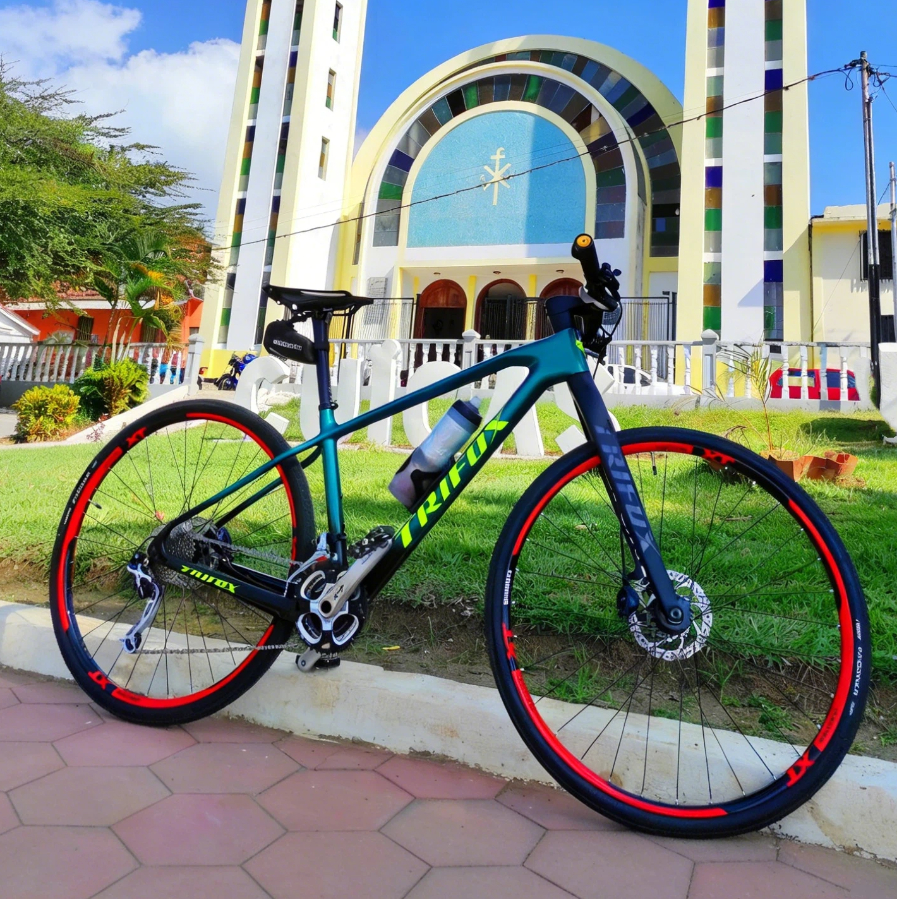
Whichever O.L.D version you select, every SDY21 shares the same high-performance DNA. The frame is constructed from T800 full carbon fiber, offering an exceptional stiffness-to-weight ratio. Weighing as little as 1028g in the 15.5" size, it's a true lightweight contender. The frame features full internal cable routing through the headset, resulting in a sleek, uncluttered appearance and protecting cables from the elements. Its modern geometry—with a 70° head tube angle and 73° seat tube angle—provides confident, capable handling that balances climbing efficiency with descending stability. Clearance for up to 29x2.4" tires ensures compatibility with modern, high-volume rubber.
The Perfect Platform for Singlespeed and Geared Builds
The SDY21's versatility extends to its drivetrain compatibility. It features replaceable derailleur hangers, making it a perfect candidate for a geared build. However, its design also lends itself exceptionally well to simplicity. For riders seeking a minimalist, low-maintenance machine, the frame is an ideal single speed bike frame. The vertical dropouts work well with chain tensioners, or you can opt for a singlespeed-specific hub and tensioner setup, creating a lightweight, efficient, and nearly indestructible trail companion.
In essence, the Trifox SDY21 offers the rare combination of choice and performance. By providing three distinct O.L.D versions, it empowers you to build the exact bike you want, without compromise. Whether you're building a classic QR-equipped trail bike, a modern Boost race machine, or a stripped-down single speed bike frame for rugged adventures, the Trifox rigid frame mtb SDY21 provides the perfect, lightweight carbon foundation.
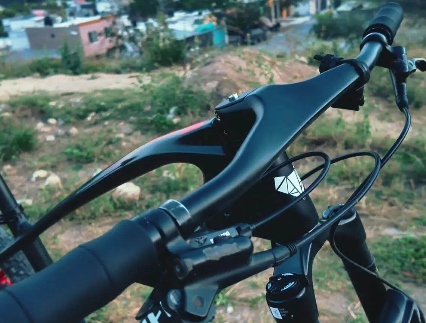
When we talk about upgrading a mountain bike, the conversation often starts with the frame or suspension. Yet, the component you interact with most constantly—the handlebar—has a profound impact on control, comfort, and confidence. The Trifox RHB600 isn't just another lightweight carbon bars option; its specific geometry, defined by a 7° backsweep and a 5° rise, is meticulously chosen to enhance how a bike handles on the trail. Understanding these numbers reveals how the right handlebars for a bicycle can transform your ride.
The Science of Sweep: Why 7° Backsweep Matters
The backsweep angle refers to how far the handlebar ends are angled back toward the rider. A 7° backsweep is a carefully chosen figure for trail riding. It positions the rider's hands and wrists in a more natural, neutral alignment. This reduces strain on the wrists and forearms, especially during long climbs or sustained efforts. More importantly, it optimizes leverage and control when descending. By placing your hands in a stronger, more ergonomic position, the 7° backsweep allows you to maintain a firm, fatigue-free grip on the carbon bars, giving you better command over the front wheel through rock gardens and root sections. It's the difference between fighting the bike and flowing with it.
The Role of Rise: How 5° (and 17° Stem) Sets You Up
The 5° rise in the handlebar sweep works in concert with the stem's -17° angle to dial in the perfect front-end height and rider position. This combination is designed to offer a moderately aggressive yet comfortable attack position. The slight rise in the bar itself, combined with the stem's drop, helps place the rider's upper body in a balanced position—low enough for efficient climbing and aerodynamic descents, but high enough to maintain visibility and control on steep, technical terrain. It's a setup that encourages an active, engaged riding style without forcing an overly stretched-out or cramped position. The result is intuitive bike handling, allowing you to shift your weight effortlessly and maintain traction.
Integrated Stiffness and Control
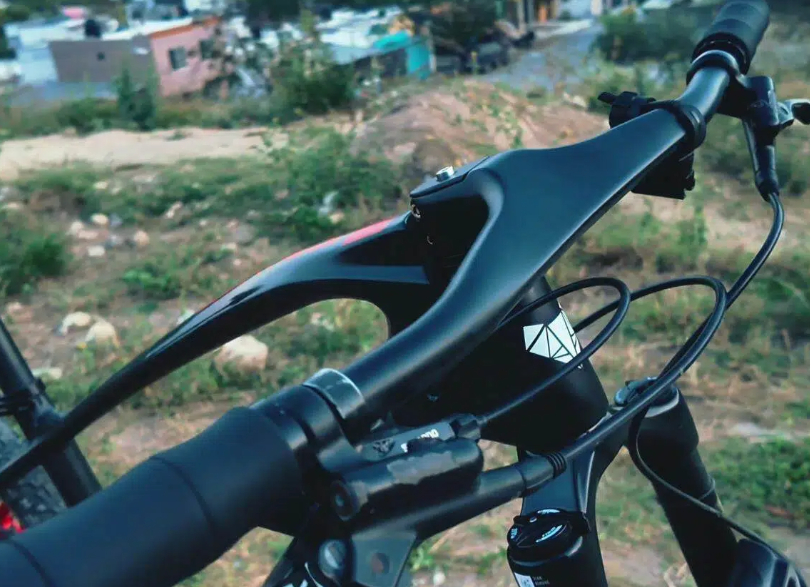
Beyond the angles, the RHB600's integrated, one-piece carbon construction is key to its performance. Crafted from T800 carbon fiber, this component eliminates the potential weak point and added weight of a separate stem and bar. This unity creates an incredibly stiff and direct connection between your inputs and the fork. When you lean the bike into a turn or correct a line over an obstacle, the response is immediate and precise, with no detectable flex or delay. This stiffness inspires confidence, especially at speed or on challenging lines. Despite its rigidity, carbon's natural vibration-damping properties filter out high-frequency trail chatter, reducing arm pump and fatigue without sacrificing feedback.
The Complete Cockpit Solution
Weighing in at approximately 262g, the RHB600 is a significant weight saving over most alloy combinations. It also features a clean, full-internal cable routing system that not only looks sleek but also protects cables from the elements and eliminates annoying rattles. With stem length options of 70mm, 80mm, and 90mm, and an 800mm width (cuttable to preference), it offers a customizable fit for a wide range of rider sizes and styles.
In the end, the RHB600's geometry is not an arbitrary choice; it's an engineered system. The 7° backsweep promotes ergonomic control, while the 5° rise and stem angle create a balanced, responsive cockpit. For the rider seeking to upgrade their connection to the trail with a set of high-performance carbon bars, the Trifox handlebars for a bicycle RHB600 offers a compelling blend of precise geometry, lightweight construction, and modern integration that truly enhances every aspect of the ride.



