



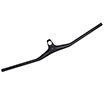
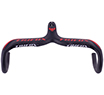
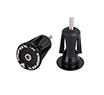
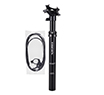
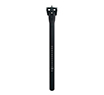





The sight of a clean, integrated cockpit is a thing of beauty—a seamless blend of form and function that promises aerodynamic gains and a clutter-free look. However, for many riders and mechanics, the thought of threading brake hoses and shift cables through a one-piece carbon mtb bicycle handlebar has been a source of dread, synonymous with hours of frustration, fishing with guide wires, and skinned knuckles. It doesn't have to be this way. The Trifox RHB600 is engineered from the ground up with a simple philosophy: performance should not come at the cost of serviceability. It proves that with thoughtful design, installing cables in a fully integrated bar can be a logical, even intuitive, process.
Engineered Pathways, Not Just Holes
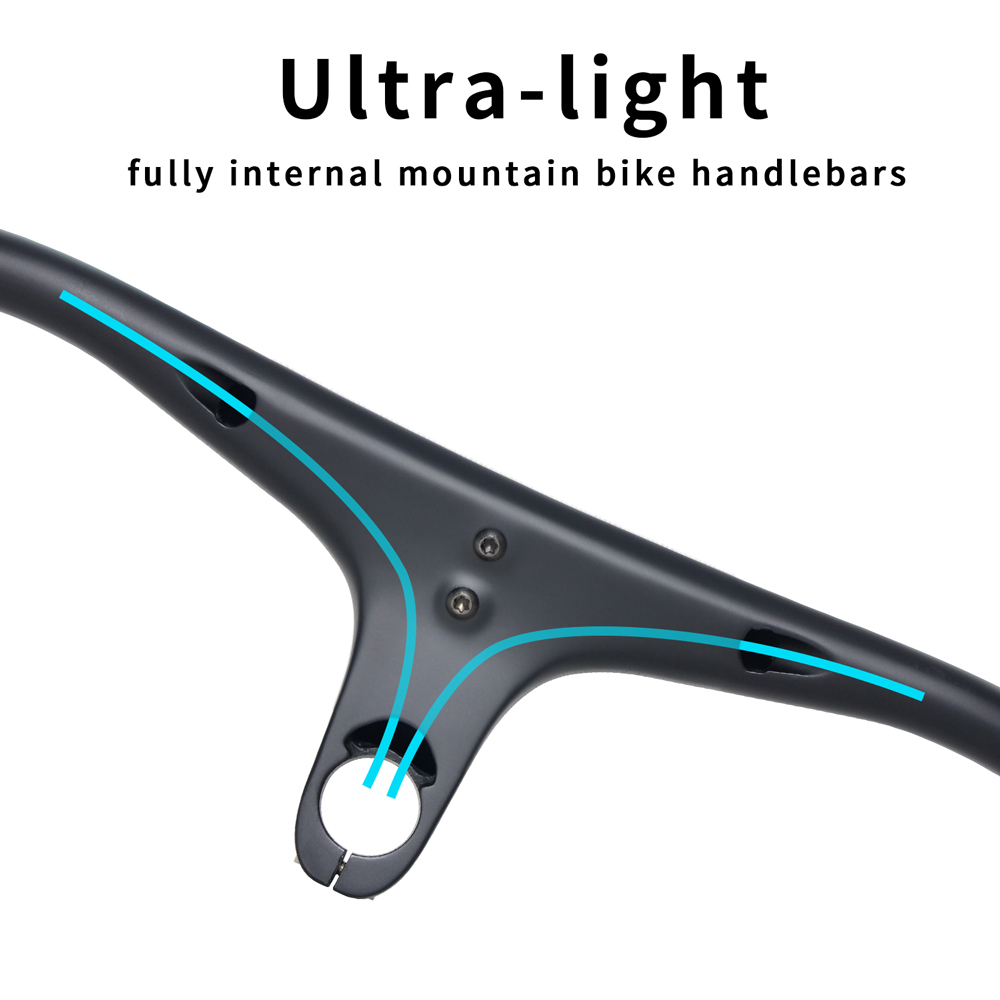
The journey to an easy installation begins before you even pick up a cable. The RHB600 features dedicated, oversized internal channels that are molded directly into the carbon structure during manufacture. Unlike retrofitted holes or tight, winding paths, these channels are designed with a consistent diameter and smooth internal finish. This isn't just an empty space; it's a precisely engineered guideway that naturally directs cables and hoses from the stem entry point to their exits at the bar ends and lever clamps. The path is clear, logical, and free of sharp edges or unnecessary turns that cause snagging.
Clear Access Points
Ease of access is critical. The RHB600 is designed with large, clearly defined entry and exit ports. The port at the stem clamp area is generously sized, allowing you to easily see and feed cables into the main channel. More importantly, the exit ports at the lever mounting areas are not just small holes, but are shaped to provide a clear, open path for the housing to emerge cleanly. This thoughtful opening eliminates the frustrating "blind fishing" exercise often associated with integrated bicycle bars, where you're trying to maneuver a flexible housing through a tiny, unseen opening.
Tool-Friendly Design
A truly user-friendly design doesn't stop at guiding the cable; it also considers how you get it there. The internal channels of the RHB600 are designed to be compatible with standard installation tools and techniques. Using a simple, flexible guide wire or a mechanic's cable becomes a straightforward task. You can feed the wire through one port and confidently pull it out the other, knowing the smooth channel will guide it without catching. Once the guide is through, attaching your brake hose or shift housing and pulling it back through is a simple, one-person operation. This design respects the mechanic's time and skill, turning a complex job into a series of simple, logical steps.
Clean Finishing Details
The final touch is in the finishing details. The RHB600 includes specially designed, removable rubber port covers and grommets. Once your cables are installed, these covers snap neatly into place, creating a clean, sealed, and professional finish that looks factory-perfect. They protect the entry points from dirt and moisture without requiring messy sealants or adhesives, making future maintenance or cable replacement just as simple.
In summary, the Trifox RHB600 redefines what an integrated cockpit can be. By prioritizing intelligent features like oversized, smooth channels, large access ports, and tool-friendly design, it removes the traditional pain points of internal routing. It demonstrates that the pinnacle of carbon integrated handlebar design isn't just about achieving a sleek look or low weight—it's about creating a component that is both high-performance and genuinely practical to live with. The RHB600 doesn't just make cable installation possible; it makes it intuitive, transforming a daunting task into a satisfying part of building your dream bike.
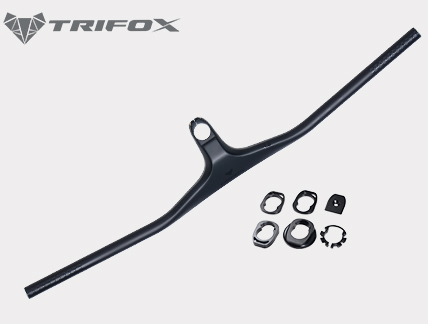
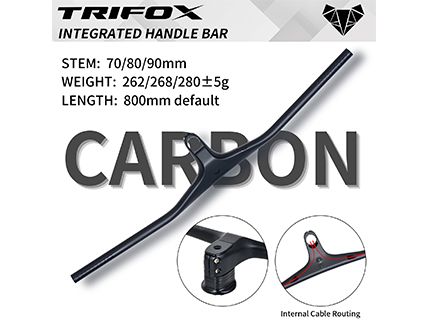
Let's be honest: the sight of a modern internal cable handlebar can be intimidating. The sleek, unbroken lines promise aerodynamic gains and a clean look, but they also whisper of complicated installations and future maintenance headaches. These concerns are valid, but they're also largely based on outdated experiences. Today's integrated cockpits, like the Trifox RHB600, are designed with the user in mind, transforming installation from a daunting task into a straightforward, confidence-building process.
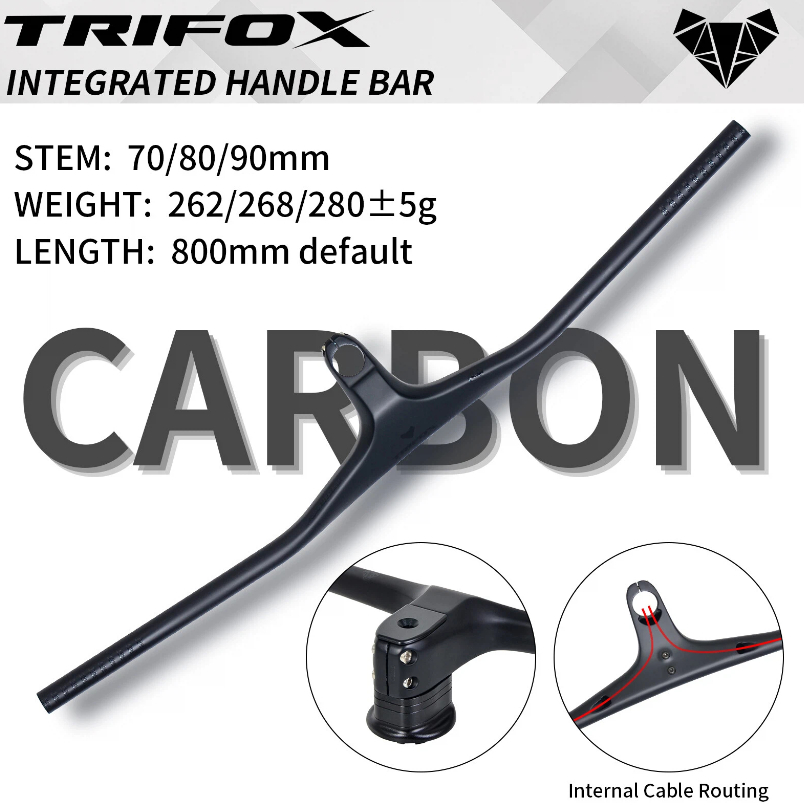
The key to success lies in understanding the systematic approach to installation. First and foremost: Torque and Tools Matter. This cannot be overstated. Carbon components require precise installation. For the RHB600 carbon mtb bar, we specify exact torque values for the stem faceplate bolts (typically 4-6 Nm) and the top cap pre-load bolt (typically 2-4 Nm). Using a quality torque wrench is not optional; it's essential to prevent slipping, overtightening, and potential damage. Always apply a thin layer of carbon assembly paste to the handlebar clamp area and the steerer tube to ensure a secure, non-slip interface. This simple step ensures your position stays put without damaging the carbon fibers.
The Bolt Layout Design of the stem section is engineered for ease and security. The RHB600 features a 4-bolt front-loading faceplate. This design allows you to easily place the handlebar, set your desired angle, and then evenly tighten the bolts in a cross pattern. This method ensures uniform pressure distribution, eliminating gaps or uneven clamping force that could lead to stress points or slippage. The included top cap and spacers provide the necessary flexibility to fine-tune your stack height before finalizing the headset preload, making initial setup intuitive.
Now, let's tackle the elephant in the room: Integrated Routing Simplified. The RHB600 is designed to make cable and hose installation as painless as possible. Key features facilitate this:
* Large, Accessible Ports: The entry and exit ports are generously sized, making initial threading much easier.
* Smooth Internal Channels: The interior of the carbon bar is molded with smooth guides to prevent hoses from snagging.
* Removable Port Covers: The sleek rubber grommets or port covers can be easily removed for routing and just as easily popped back in for a clean finish.
Think of it this way: We've done the hard part. The complex internal channels are precision-molded into the carbon structure during manufacturing. Your task is simply to guide the cables and hoses through a pre-designed, optimized path. Start by feeding a mechanic's cable or a dedicated guide wire through from the stem end, attach your housing, and pull it through. A little patience and the right technique make the process manageable for any home mechanic.
This focus on user-friendly design extends from installation to long-term Serviceability. The fully integrated design isn't a maintenance trap. Once set up, the system is incredibly reliable. Should you ever need to replace a cable or hose, the process is simply the initial installation in reverse. The design ensures that routine maintenance remains accessible.
Ultimately, the RHB600's installation process is a direct reflection of a user-centric design philosophy. By providing clear guidelines, thoughtful engineering in the bolt layout, and simplifying the internal routing path, we've turned a potential barrier into an opportunity. Following these steps doesn't just secure your components; it builds your confidence in the product. A proper installation is the first step in building trust with your new carbon mtb bar, transforming initial apprehension into the satisfying certainty of a secure, professional-grade setup that's ready for the trail.
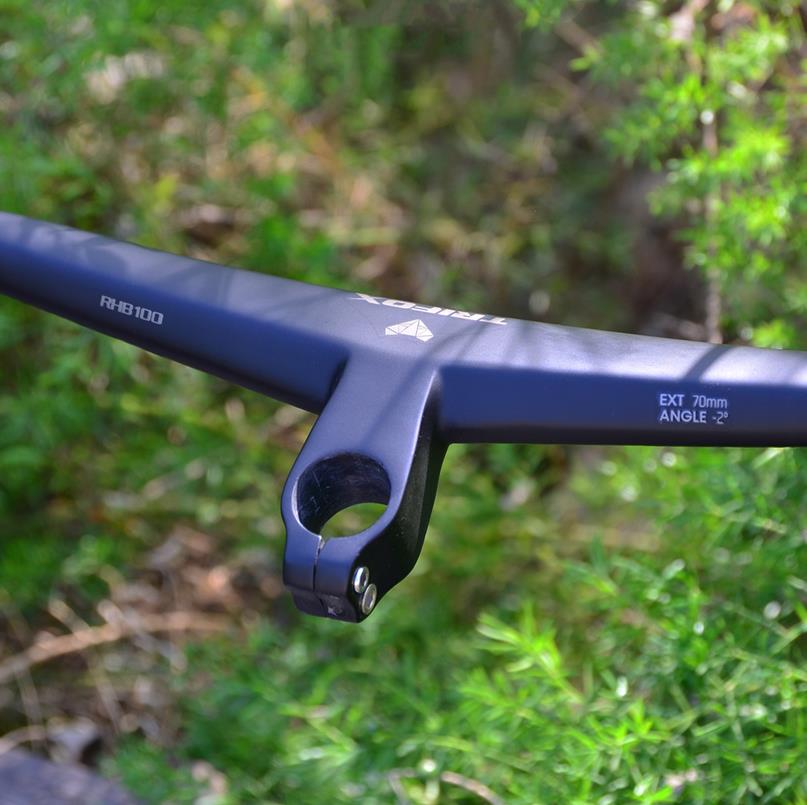
At Trifox, we believe that confidence in your equipment is fundamental to riding performance. This is especially true for components like handlebars that directly impact both control and safety. Our carbon integrated handlebars undergo some of the most rigorous testing in the industry, culminating in destructive failure tests that push materials far beyond normal use limits. Here's an inside look at how we ensure every bar, like our Carbon Integrated Handlebar RHB100, meets our exacting standards.
The journey to failure begins long before the actual break. We start with raw material validation, ensuring the carbon fiber weave and resin matrix meet precise specifications for strength, stiffness, and weight. Each batch of material is tested for consistency, because superior components start with superior ingredients.
Once a handlebar like the Trifox RHB100 is molded and finished, it enters our mechanical testing lab. The most critical test is the static load test to destruction. The bar is mounted in a fixture that simulates a bicycle stem clamp. We then apply increasing force to the drops, the hoods, and the center section independently, measuring deflection until the point of catastrophic failure. This data tells us not just the ultimate strength, but also the bar's stiffness profile and how it behaves under extreme stress. For an aero handlebars design, we also test for torsional rigidity, ensuring the aerodynamic shape doesn't compromise handling precision.
Beyond static force, we perform fatigue testing. Here, we subject the handlebar to thousands of cycles of repetitive, lower-level stress—simulating years of rough terrain, sprinting, and out-of-saddle climbing. This test is crucial for uncovering potential weaknesses that might not appear in a one-time strength test. It proves the component's durability and longevity, a key factor for riders considering the best mountain bike riser handlebars for aggressive trail use.
Why do we deliberately destroy our products? Because safe design requires knowing the exact boundaries. By understanding how and when a bar fails, we can engineer it to be massively strong in real-world conditions. The failure point in our tests is typically 3-5 times higher than the maximum forces a rider could ever generate, creating a huge safety margin. This process validates our finite element analysis (FEA) models, allowing us to optimize material placement. We can add strength where it's needed (like at the clamp and lever areas) and reduce weight where it's not, achieving the perfect balance.
The Trifox RHB100 Carbon Integrated Handlebar is a product of this philosophy. Its one-piece monocoque construction eliminates weak points from bonding. The aero-profile top section is designed not just for speed, but also for optimal stiffness and vibration damping. The testing regimen ensures that whether you're seeking aero handlebars for road racing or robust best mountain bike riser handlebars for technical descents, the underlying principle is the same: unshakeable reliability.
This commitment to empirical validation means when you choose a Trifox handlebar, you're not just choosing a lightweight or aerodynamic component. You're choosing a piece of equipment with a verified performance envelope, engineered to inspire confidence on every ride. We don't just build handlebars; we build trust, one destructive test at a time.
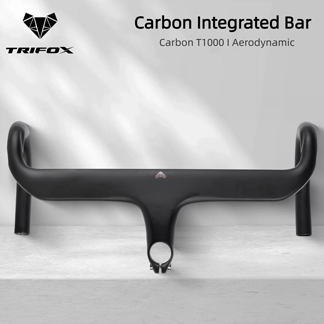
In the world of performance road cycling, every detail matters—from the frame geometry to the choice of components. Among these details, the cockpit plays a pivotal role in connecting the rider to the bike. The shift from traditional separate stems and handlebars to integrated designs like the Trifox Ultra Light Integrated Carbon Drop Handlebar with Stem (DHB600) represents more than just an aesthetic improvement. It embodies a holistic approach to performance optimization, combining aerodynamics, weight reduction, and structural efficiency into one elegant package.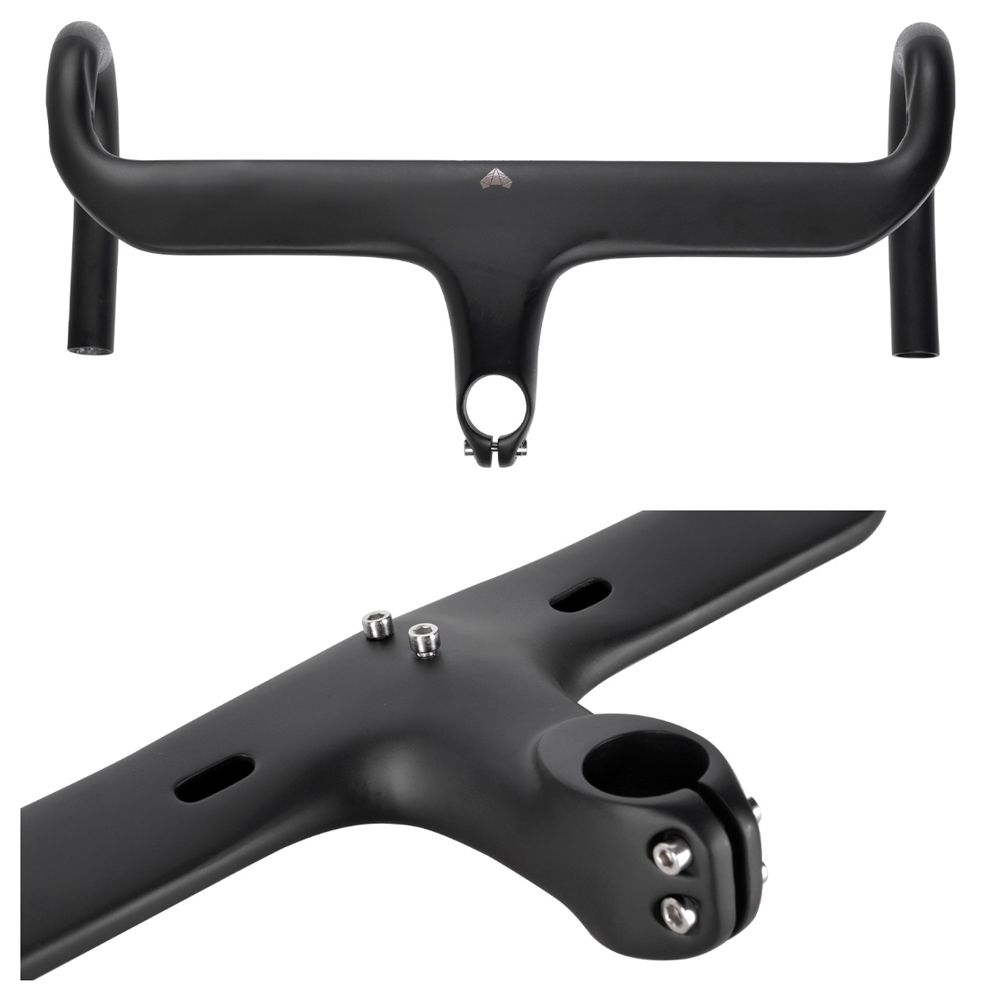
The Aerodynamic Advantage: Slicing Through the Air
When riding at speed, aerodynamic drag becomes the primary resistance force. Traditional setups with separate components create multiple edges, gaps, and exposed cables that disrupt airflow. An integrated carbon handlebar like the DHB600 eliminates these turbulent zones by creating a seamless transition from the steerer tube to the bar itself. The clean front profile of such carbon fiber road bike handlebars allows air to flow smoothly over the cockpit area, making it particularly valuable for drop bar road bike enthusiasts who spend significant time in the aerodynamic drops position.
Weight Reduction: The Unseen Performance Boost
Carbon fiber's exceptional strength-to-weight ratio makes it ideal for performance components. The DHB600's integrated design takes this further by eliminating redundant materials found in traditional two-piece setups. For riders seeking every possible advantage, this weight reduction at the front end makes the bike feel more responsive during accelerations and climbs. The psychological and physical benefit of a lightweight road cockpit enhances the overall riding experience significantly.
Stiffness and Power Transfer: The Direct Connection
Performance road cycling demands efficient power transfer from rider to bike. Traditional handlebar-stem interfaces can introduce compliance that absorbs some of this energy. Integrated carbon fiber bicycle handlebars create a monocoque structure that eliminates this potential energy loss point. The unified carbon construction of the DHB600 ensures that every watt you produce reaches the front wheel with minimal dissipation, providing confidence during sprints and out-of-the-saddle climbing efforts.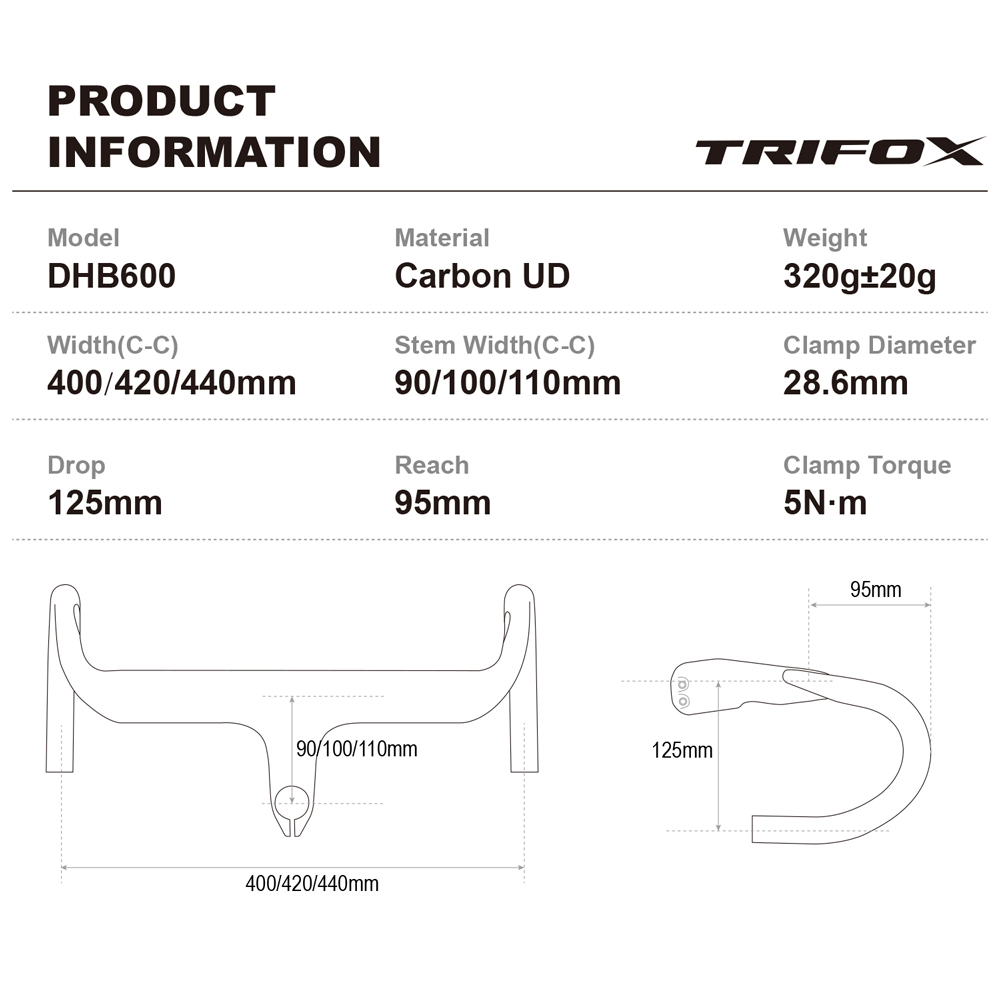
Cable Integration: Form Meets Function
Beyond aerodynamics, the internal routing capabilities of modern road bike drop handlebars offer practical performance benefits. The DHB600's design allows for complete cable concealment, protecting vital brake and shifting lines from the elements while reducing maintenance needs. This clean approach eliminates cable slap against the frame and reduces drag caused by exposed housing, ensuring consistent performance regardless of weather conditions.
Ergonomic Precision: Tailored Fit and Comfort
Unlike traditional setups that often force compromises between stem length and handlebar reach, integrated drop bars for road bike designs offer more precise fit customization. The DHB600 is available in multiple configurations that maintain optimal ergonomic relationships between the contact points. Proper positioning reduces fatigue on long rides and prevents discomfort that can detract from performance, with clean bend transitions enhancing comfort in all hand positions.
The Future of Performance Cockpits
As road cycling technology continues to evolve, the trend toward integration shows no signs of slowing. The performance benefits demonstrated by components like the Trifox DHB600—aerodynamic efficiency, weight reduction, improved stiffness, and clean aesthetics—represent where road cycling component design is heading. For serious cyclists looking to optimize every aspect of their ride, upgrading to an integrated carbon fiber handlebars system offers tangible benefits that go beyond mere appearance.
The Trifox DHB600 exemplifies how thoughtful integration can enhance multiple aspects of the riding experience simultaneously, proving that in the quest for performance, clean design truly does win. Whether you're building a new performance machine or upgrading an existing road bike, these integrated solutions offer a path to cleaner aesthetics and better performance.
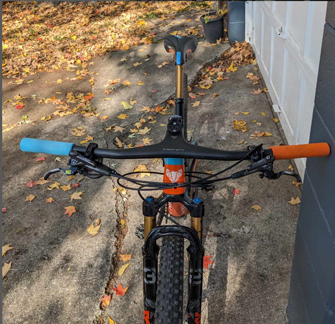
In the quest for a cleaner cockpit and enhanced performance, integrated handlebars have become the upgrade of choice for discerning mountain bikers. Trifox offers two excellent options in this category: the RHB200 and RHB600. Both are carbon fiber integrated MTB handlebars designed to improve your bike's front end, but they feature key differences that cater to varying preferences and needs. Understanding these distinctions will help you select the perfect cockpit upgrade for your trail adventures.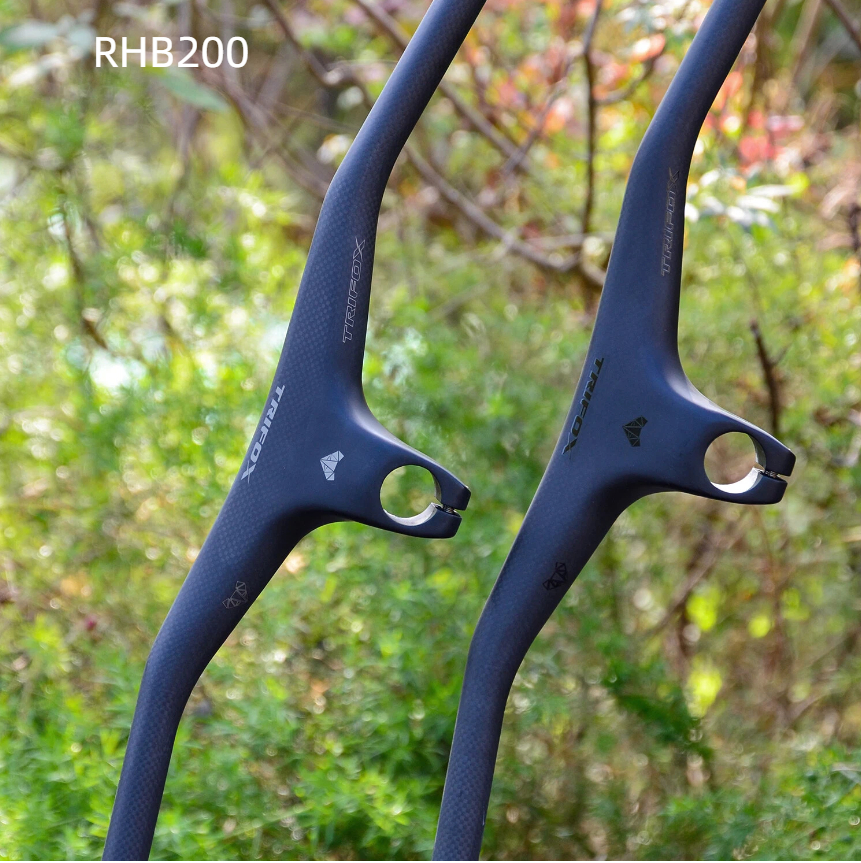
Design & Construction: Carbon Excellence for Mountain Biking
Both the Trifox RHB200 and RHB600 utilize high-quality carbon fiber construction, offering the ideal balance of lightweight performance and trail-ready durability. As carbon mtb handlebars, they provide superior vibration damping compared to aluminum alternatives, reducing hand fatigue on long rides while maintaining the stiffness needed for precise control in technical sections.
Geometry & Fit: Tailored for Trail Performance
Both handlebars are designed specifically as mountain bike riser handlebars with ergonomic geometries optimized for off-road riding. They feature moderate rise (typically 20-35mm) and backsweep (8-9 degrees) that position your hands naturally for control and comfort during long trail sessions. Both models represent excellent choices for riders seeking responsive mtb bicycle handlebars.
Cable Management: The Defining Difference
This is where the two models diverge most significantly, representing different approaches to cockpit cleanliness and maintenance accessibility.
The RHB200 Carbon Integrated MTB Handlebar utilizes a semi-integrated routing approach. While it features clean entry and exit points for cables, some cable housing may remain partially visible along the bar and stem interface. This design offers easier installation and maintenance while still providing a cleaner look than traditional separate components.
The RHB600 Carbon Integrated Full Internal MTB Handlebar represents the pinnacle of cockpit integration. All brake lines, derailleur cables, and dropper post housings route completely internally through the bar and stem structure. This full internal routing creates an exceptionally clean appearance while protecting cables from trail debris and weather elements. This makes the RHB600 a superior choice for those seeking the ultimate in internal cable routing solutions.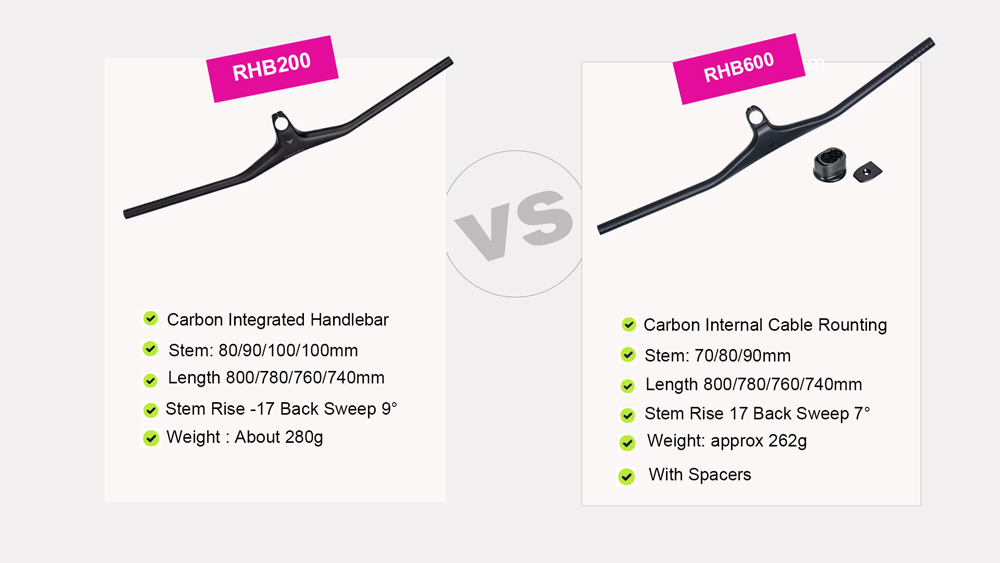
Weight & Performance Considerations
As lightweight mtb cockpit solutions, both bars offer significant weight savings over traditional setups. The RHB200 typically weighs between 260-300g (depending on width), making it a noticeable upgrade for riders seeking to reduce front-end weight without compromising strength.
The RHB600, with its additional material for internal routing channels, still very light (approximately 240-290g) and represents a significant improvement over non-integrated alternatives. Both models provide the responsive handling characteristics that serious mountain bikers demand from their mtb bars.
Compatibility & Installation
Both Trifox handlebars are designed for modern mountain bikes with tapered steerer tubes. The integrated stem lengths vary between models and within each product line to accommodate different bike geometries and rider preferences.
The RHB200 offers relatively straightforward installation similar to traditional handlebars, making it accessible for most home mechanics. The RHB600 requires more careful installation due to its internal routing system but rewards users with the cleanest possible cockpit aesthetic.
Value Proposition: Which Bar Is Right for You?
The choice between these two excellent carbon mtb handlebars comes down to your priorities for aesthetics, maintenance preferences, and budget.
Choose the Trifox RHB200 if you want a significant cockpit upgrade at a more accessible price point, value easier installation and maintenance, appreciate cleaner aesthetics but don't require complete cable concealment, or are building or upgrading a trail bike where value and performance balance matters.
Choose the Trifox RHB600 if you demand the cleanest possible cockpit appearance with full cable integration, prioritize modern, sleek aesthetics, don't mind the additional complexity of internal routing installation, or are creating a high-end build where every detail contributes to the overall premium appearance.
Both the RHB200 and RHB600 deliver exceptional value in their respective categories, offering the performance benefits of carbon fiber construction with improved integration over traditional setups. Whether you choose the accessibility of the RHB200 or the ultimate integration of the RHB600, you'll be upgrading to a cockpit that enhances both the performance and appearance of your mountain bike.

When it comes to optimizing your mountain bike for performance and aesthetics, every component matters. While many riders focus on upgrading suspension or wheels, the mtb bicycle handlebar often remains an overlooked opportunity for transformation. Integrated carbon mountain bike bars, like the Trifox Ultra Light Integrated Full Inner Mountain Bike Handlebar RHB600, offer a revolutionary approach to achieving a cleaner, lighter, and more efficient setup.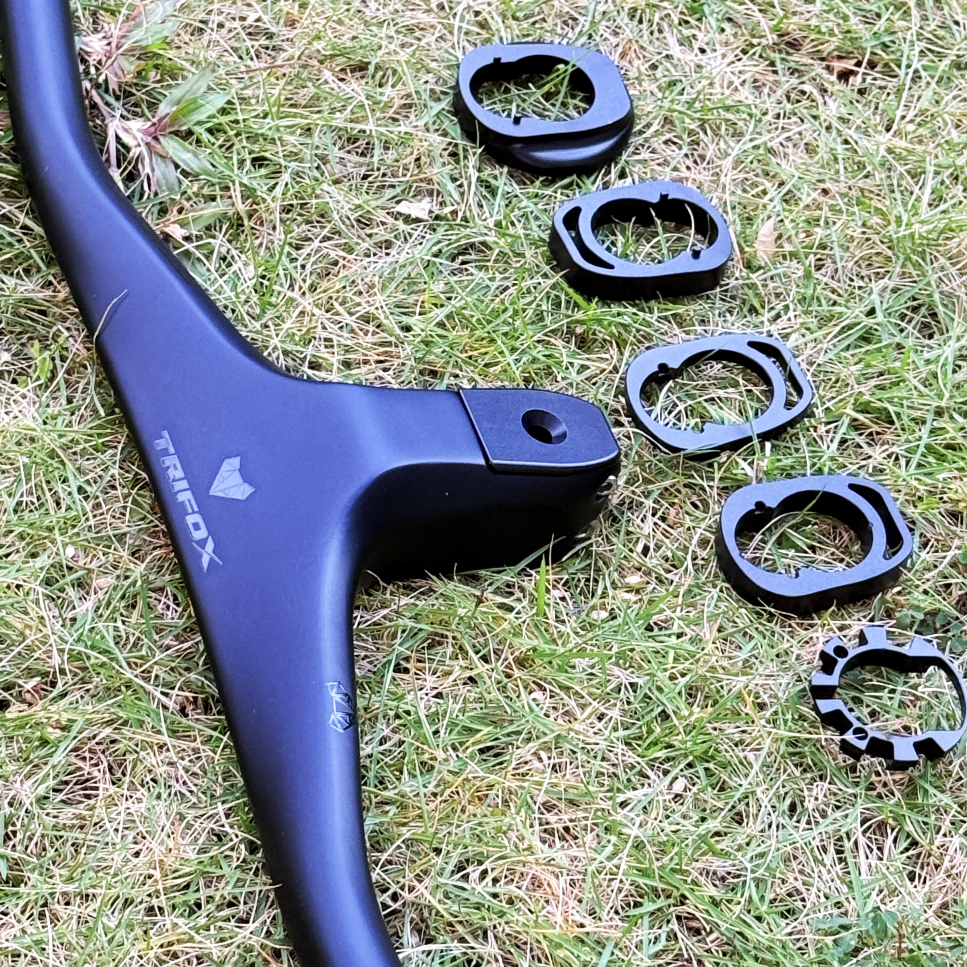
The Problem with Traditional Handlebars
Traditional mtb bike handle setups often involve multiple parts: the bar itself, a separate stem, and external cable routing. This not only adds weight but also creates a cluttered appearance vulnerable to cable snags and dirt accumulation. For riders seeking a sleek and functional solution, integrated bars present a compelling alternative.
Benefits of Integrated Carbon Design
1. Cleaner Aesthetics and Functionality
The Trifox RHB600 features full internal cable routing, eliminating exposed cables and housing. This streamlined design reduces the risk of snagging on trails and simplifies cleaning. Whether you're navigating dense forests or rocky descents, an integrated mtb cycle handlebar ensures your cockpit remains tidy and functional.
2. Significant Weight Reduction
Crafted from high-modulus carbon fiber, the RHB600 is exceptionally lightweight without sacrificing strength. By merging the stem and bar into a single unit, it removes redundant materials, making it an ideal upgrade for cross-country and trail riders focused on reducing overall bike weight.
3. Optimized Rise for Comfort and Control
As riser handlebars, the Trifox RHB600 provides a comfortable rise that improves body positioning for technical climbs and descents. This design reduces strain on your wrists and back, allowing for longer, more enjoyable rides.
4. Enhanced Stiffness and Responsiveness
Integrated bars like the RHB600 deliver superior stiffness compared to traditional two-piece setups. This translates to precise steering input and better power transfer, giving you confidence when tackling sharp corners or rough terrain.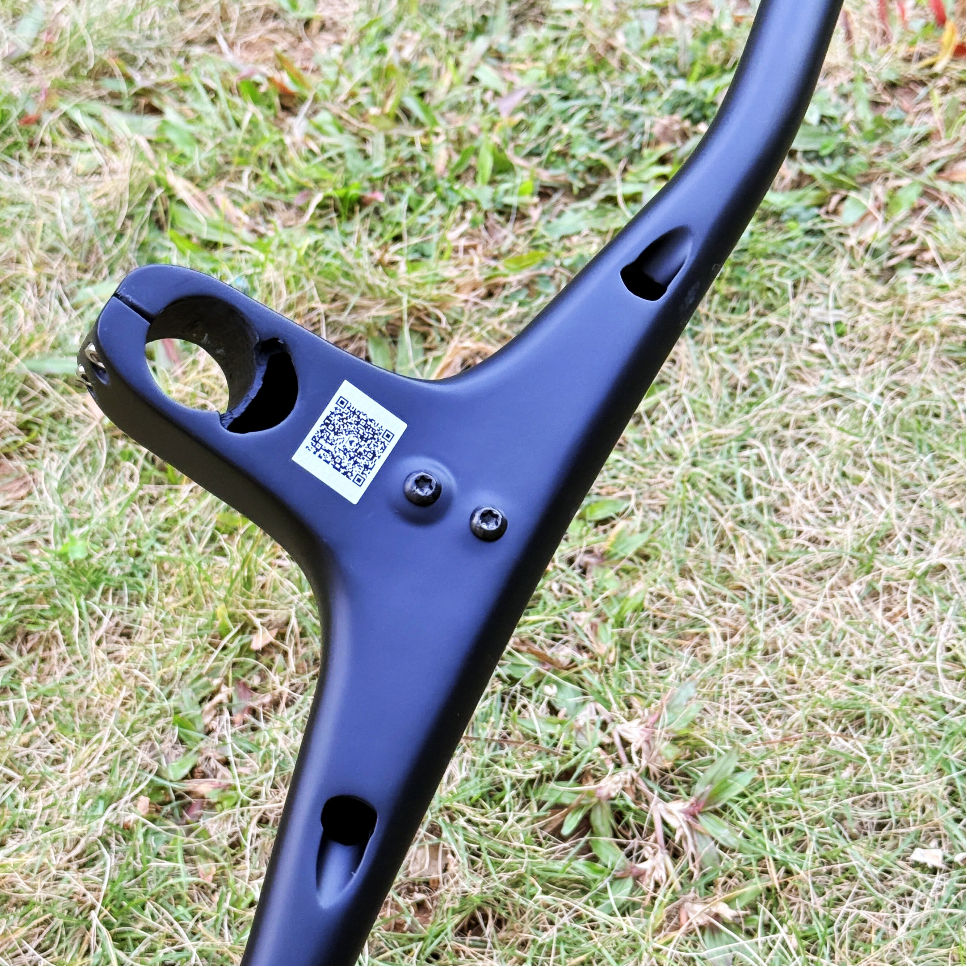
Why Choose the Trifox RHB600?
The Trifox RHB600 isn't just another mountain bike handlebar—it's a meticulously engineered component designed for modern trail demands. Its ergonomic shape, combined with a lightweight carbon construction, ensures durability and performance. The internal routing channels are compatible with dropper posts, shifters, and brake lines, making installation straightforward.
Riders who prioritize a minimalist yet high-performance cockpit will appreciate how this bar simplifies their bike's look while elevating its capabilities. Whether you're building a new bike or upgrading an existing one, the RHB600 offers a tangible improvement in both form and function.
Conclusion
Integrated carbon mountain bike bars represent the future of cockpit design, and the Trifox RHB600 stands out as a top contender in this category. By eliminating clutter, reducing weight, and improving handling, it addresses the core needs of today's riders. If you're ready to elevate your MTB's performance and aesthetics, it's time to consider making the switch to this innovative integrated carbon handlebar.
Upgrade to the Trifox RHB600 and experience the difference a well-designed integrated carbon handlebar can make on the trails.
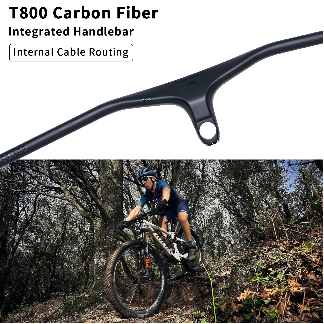
Let's be honest. Are you tired of looking down at your mountain bike bars only to see a tangled nest of shift and brake cables? Not only does it look messy, but those exposed cables can snag on branches, collect grime, and create annoying cable rub on your precious head tube.
What if there was a solution? What if you could achieve a sleek, minimalist front end that looks like it belongs on a concept bike? Enter the Trifox RHB600 Ultra-Light Integrated Full Inner Mountain Bike Handlebar. This one-piece carbon fiber handlebar promises the clean look we crave. But is it the real deal? Let's dive in.
What Are Integrated Carbon Handlebars?
Traditional mountain bike handlebars are a two-piece system: a bar and a separate stem. Cables are typically routed externally, or at best, enter the frame but still loop around the head tube.
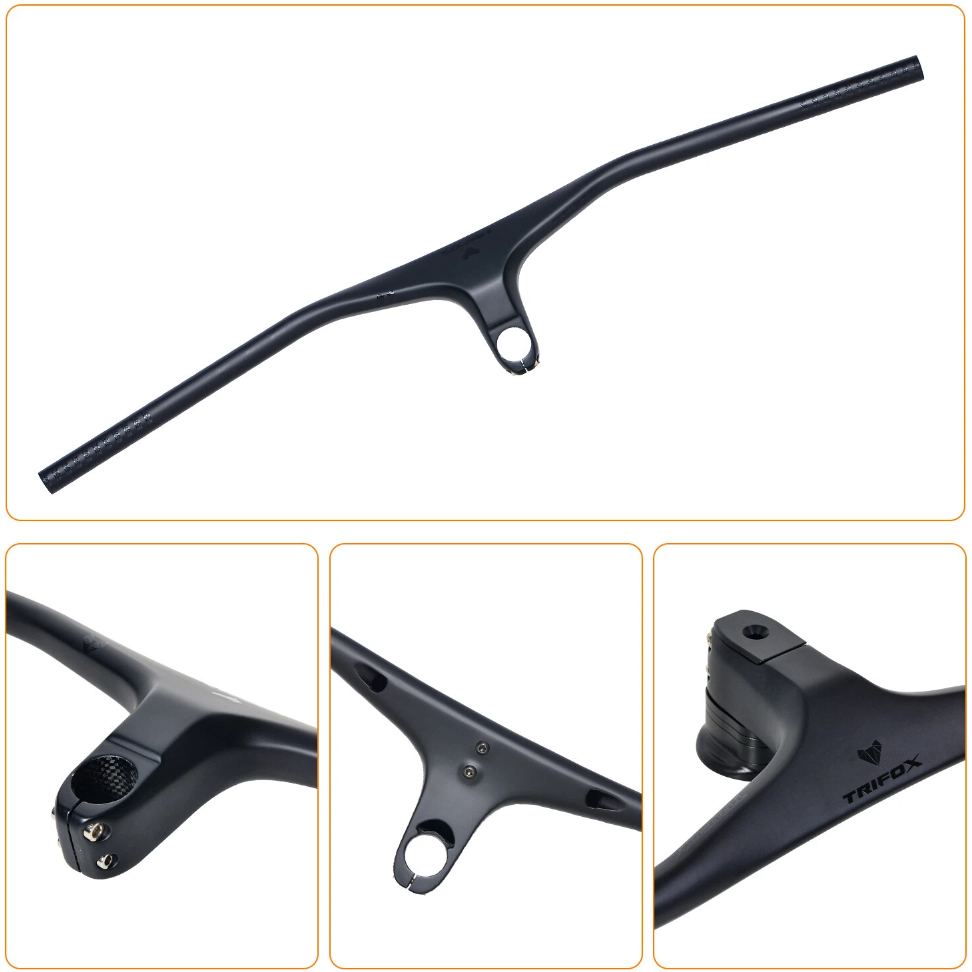
An integrated handlebar, like the Trifox RHB600, changes everything. It's a single, unified component crafted from carbon fiber, where the bar and stem are one. Its defining feature is full internal routing—channels are molded directly into the structure, allowing brake hoses and shift cables to run completely through the bar and stem, disappearing from view entirely.
Are These the Cleanest Mountain Bike Bars? Analyzing the Trifox RHB600
So, does the Trifox RHB600 live up to its promise of a pristine cockpit? The evidence points to a resounding yes.
1. The "Wow" Factor of a Clean Cockpit: The most immediate benefit is the stunning visual upgrade. With all cables seamlessly routed inside the integrated carbon bar, the front of your bike looks fast, modern, and professional. It’s a level of clean that is simply impossible to achieve with traditional components.
2. Aerodynamics (Yes, on a MTB!): While not the primary goal on the trail, reducing cable clutter marginally improves airflow. Every little bit counts when you're chasing speed.
3. Protected Cables: By tucking them away inside the bar, you shield your crucial brake and shift lines from the elements—mud, dust, and moisture—which can contribute to longer component life and more consistent performance.
4. Ultra-Lightweight: Made from high-modulus carbon fiber, the RHB600 is engineered to be exceptionally light. Reducing weight at the cockpit, the most manipulated part of the bike, enhances handling agility and makes the bike feel more responsive.
5.The Installation Consideration: It's important to be upfront. Installing a full inner routing handlebar is more complex than a traditional bar. It requires patience and the right tools, like a hydraulic hose kit for brakes. For many, the unparalleled clean look is well worth the extra effort during the initial build or professional installation.
Who Is This Ultimate Clean Cockpit For?
The Trifox RHB600 is the perfect upgrade for:
The Weight-Weenie: Seeking every gram savings without sacrificing strength.
The Aesthetic Perfectionist: Who believes a clean bike is a fast bike and takes pride in a flawless build.
The Tech-Savvy Trail Rider: Who appreciates modern engineering and the functional benefits of protected cables.
The Upgrader: Looking for a single component that will dramatically transform the look and feel of their modern mountain bike.
The Verdict on Cleanliness
So, back to our original question: Are These the Cleanest Mountain Bike Bars?
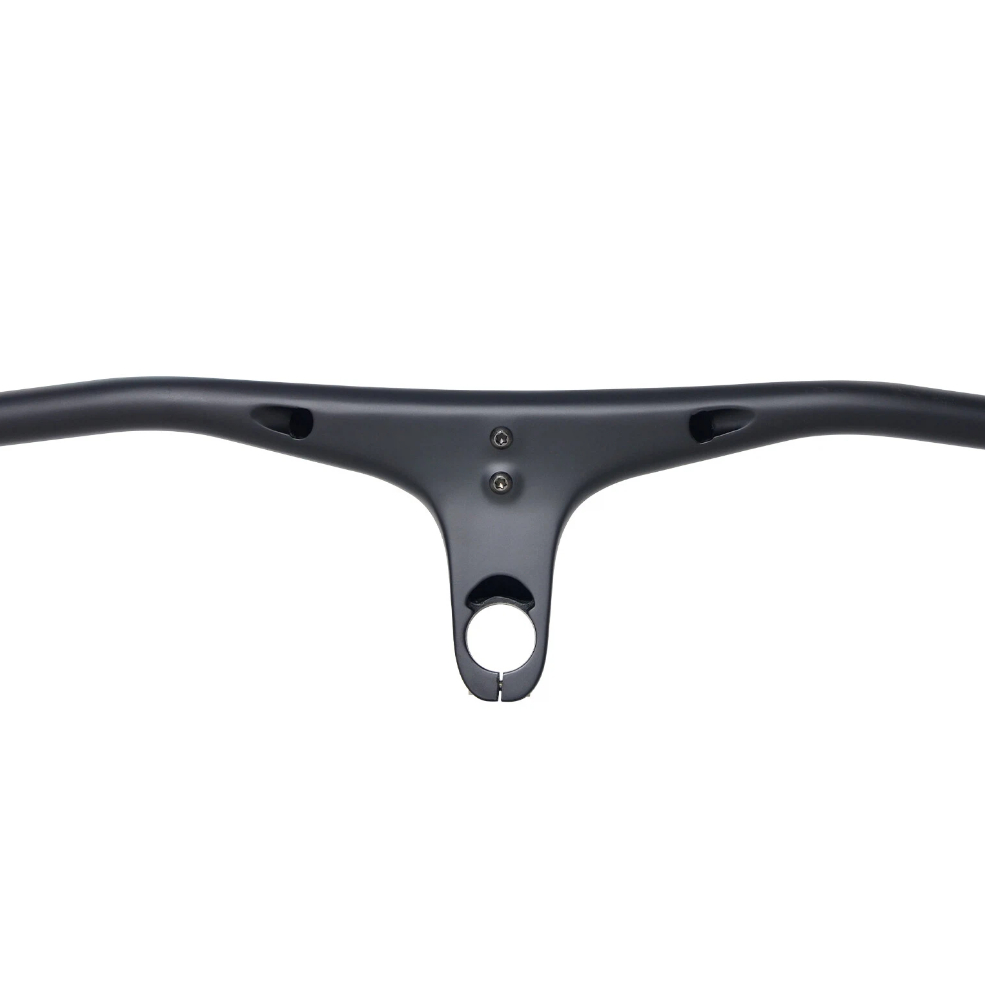
If your definition of "clean" is a cockpit completely free of visual cable clutter, then the answer is a definitive yes. The Trifox RHB600 achieves a level of minimalist perfection that sets a new standard. It combines the weight savings and stiffness of carbon fiber with the sleek, professional finish of full internal routing.
While it demands a more meticulous installation, the payoff is a breathtakingly clean front end that enhances aesthetics, offers subtle performance benefits, and gives you the pride of owning a bike that looks as high-performance as it rides.
They're small, often overlooked, but your connection to the bike: handlebar grips. Choosing the right pair transforms control, comfort, and confidence on the trail. Forget one-size-fits-all – your perfect grip depends on riding style, hand size, and terrain. Here’s how to find your match:
1. Diameter & Feel:
Standard grips (typically ~30mm diameter) suit most riders. Larger diameters (32-34mm) reduce pressure points and suit bigger hands or those seeking vibration damping. Slimmer grips (28mm) offer precise control for technical riders. Consider cushioning density – soft grips absorb chatter but may lack precision; firmer grips boost feedback for aggressive riding.
2. Pattern & Tread:
Ribbed/Twin-Pattern: Balages grip and vibration absorption. Versatile for trail/enduro.
Knobby/Aggressive: Maximizes grip in wet/muddy conditions or for downhill. Can feel harsh on long rides.
Smooth/Minimalist: Lightweight and comfy for XC/less technical terrain.
3. Lock-On vs. Slide-On:
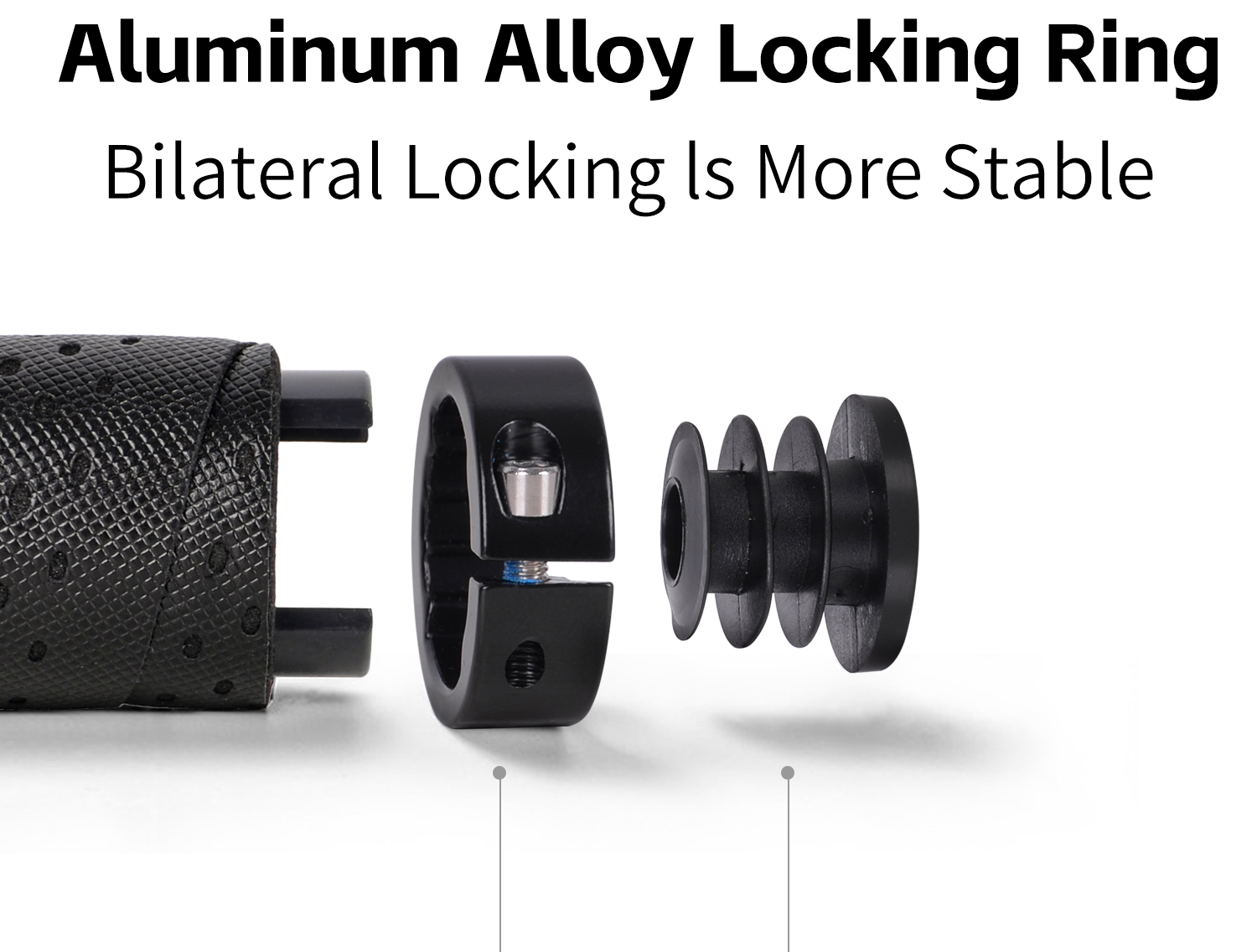
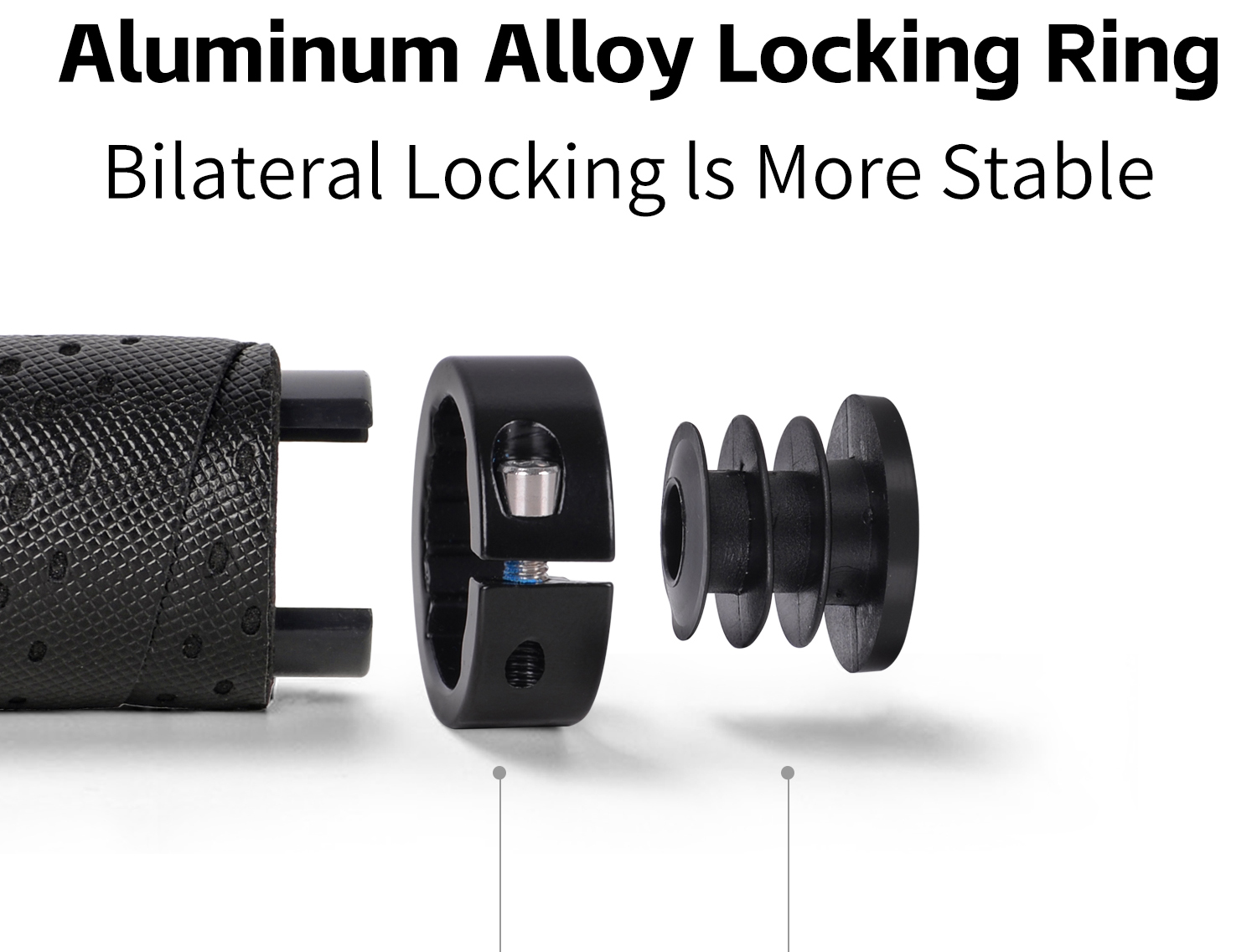
Lock-On grips (like the Trifox MBT100) feature aluminum clamps for secure, slip-free installation. Essential for rough trails, wet conditions, or riders preferring zero rotation. Slide-ons are lighter but require glue/wire and can twist.
4. Length & Flange:
Standard lengths (~130-135mm) fit most. Longer grips (~140mm) support multiple hand positions (e.g., cornering, climbing). Flanges provide a wrist stop for steep descents; flange-less offer a cleaner look and more hand placement options.
Why Consider the Trifox MBT100?
Dual-Density Construction: Firmer outer tread for precise control + softer inner base for vibration damping.
Aggressive Diamond Tread: Confident grip in all conditions without compromising comfort.
Durable Aluminum Clamps: Tool-free, secure installation that withstands impacts and mud.
Optimized Length (133mm): Versatile for most hand sizes and riding styles.
The Takeaway:
Don't settle for numb hands or slipping control. Experiment! Consider your trails, hand size, and preferences. Grips like the MBT100 offer a balanced, reliable upgrade – enhancing your connection to the trail without breaking the bank.
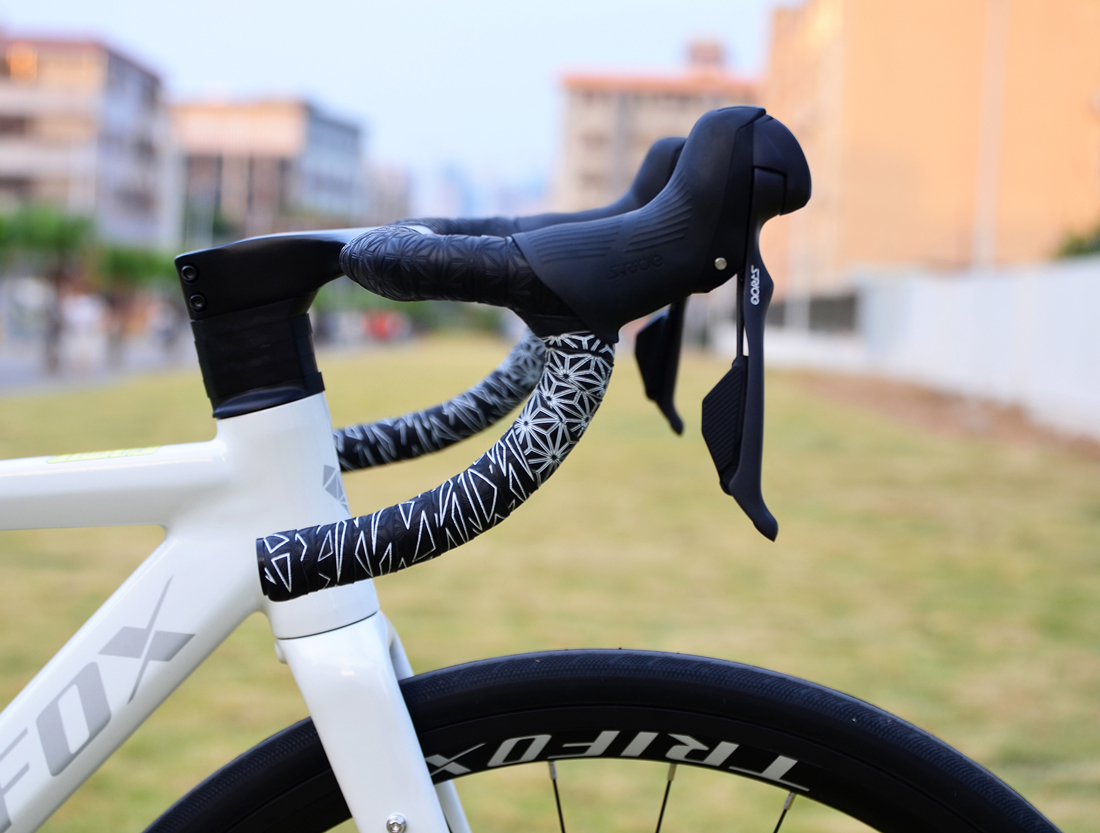
Tired of sore hands, numb fingers, or just a handlebar that looks sad and worn? Upgrading your road bike's handlebar tape is one of the easiest, most cost-effective ways to dramatically boost both comfort and style. Forget the jarring vibrations and slippery grip – fresh tape transforms your connection to the bike. Here’s how to do it perfectly in 5 simple steps:
What You Need: New bar tape, sharp scissors, electrical tape (usually included with tape), isopropyl alcohol & rag.
1. Strip & Scrub: Remove the old tape and all adhesive residue. Thoroughly clean the bars, brake levers, and shifters with isopropyl alcohol. A clean, grease-free surface is crucial for the new tape to adhere properly. Let it dry completely.
2. Start Strong (Right Side First!): Begin taping the right side. Unroll about 4-5 inches of tape. Place the end inside the bar end, plugging it slightly. Wrap downwards and outwards (away from the stem) for 2-3 wraps to create a secure anchor over the bar plug. Pro Tip: Slightly stretch the tape as you wrap for a tighter, smoother finish.
3. Wrap with Rhythm & Overlap: Continue wrapping down the bar towards the brake hood. Maintain consistent tension and a slight stretch. Overlap each previous wrap by about 1/3 to 1/2 the tape's width. This ensures full coverage and prevents gaps. When you reach the brake hood, wrap under the hood clamp for a clean look.
4. Master the Hoods: This is the trickiest part! Wrap up the brake hood body towards the lever. Make a diagonal wrap over the top of the hood, then continue wrapping down the backside towards the bar. Aim for smooth, flat wraps without bunching. Rejoin the main bar wrap smoothly below the hood.
5. Finish Flush & Secure: Continue wrapping towards the stem. Stop about 1-2 inches short. Cut the tape diagonally for a clean edge. Secure the end tightly with the included electrical tape, wrapping neatly around the bar. Repeat steps 2-5 for the left side, starting inside the bar end and wrapping downwards and inwards (towards the stem).
Voila! You've just conquered a key bike maintenance skill. Enjoy the plush vibration dampening of quality cork or gel-backed tape, the secure grip even with sweaty palms, and the head-turning style of fresh colors or patterns.
Your bike will thank you for miles to come! Remember, tape wears out – re-wrap when it gets thin, hard, or torn. Ride comfortable, ride stylish!



