








Your handlebar is your primary connection to the trail. It dictates your posture, influences steering precision, and affects how fatigued your hands and arms feel after a long ride. But not all handlebars are created equal. The differences between a cross-country (XC) handlebar and a downhill (DH) handlebar go far beyond aesthetics—they reflect fundamentally different riding styles, terrain, and priorities. Here's what sets them apart and how to choose the right one for your bike.
Rise and Drop: Posture Matters
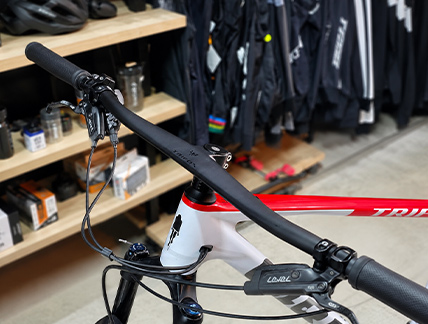
The most obvious difference between XC and downhill handlebars is the rise. XC handlebars typically have a low or flat rise (0–10mm), placing the rider in a low, aerodynamic position that prioritizes climbing efficiency and pedaling power. A lower front end shifts your weight forward, improving traction on steep climbs and reducing frontal drag.
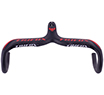
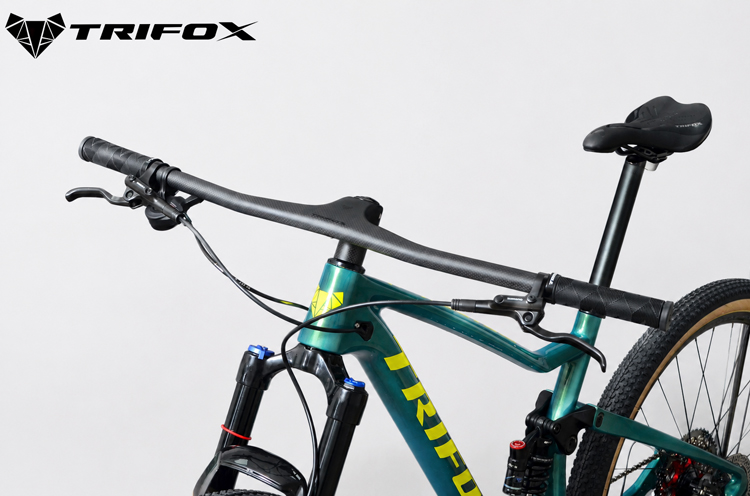
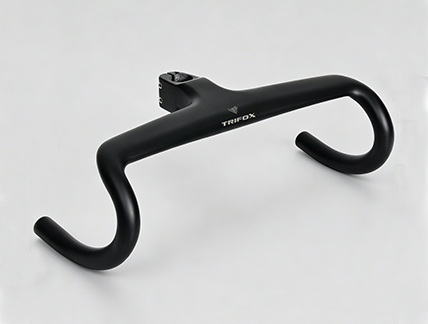
Downhill handlebars, by contrast, feature a significant rise—often 20–40mm or more. This raises the front end, shifting the rider's weight rearward for better control on steep descents. A higher bar also makes it easier to lift the front wheel over obstacles and provides a more upright, relaxed posture that reduces fatigue on long, rough runs. The RHB200's integrated design offers a -17° stem rise, which is aggressive and race-oriented—perfect for XC and trail riding where efficiency and a forward-leaning position are key.
Width: Stability vs. Maneuverability
Width directly affects leverage and control. XC handlebars are typically narrower, ranging from 680mm to 740mm. A narrower bar reduces frontal area for better aerodynamics and allows for quicker steering inputs—ideal for tight, twisty singletrack where agility matters more than raw stability.
Downhill handlebars are significantly wider, often 760mm to 800mm or more. The extra width provides greater leverage for steering, making it easier to muscle the bike through rock gardens and maintain control at high speeds. It also opens up the chest for better breathing during intense efforts. The RHB200 comes with a maximum length of 800mm, making it versatile enough for both XC and more aggressive trail riding—you can cut it down to suit your preferred width and riding style.
Backsweep and Upsweep: Wrist Comfort and Control
Backsweep (the angle of the bar relative to the stem) affects wrist position and steering feel. XC handlebars often have a moderate backsweep of 6–9 degrees, which keeps the wrists in a neutral, comfortable position for long hours in the saddle. The RHB200 features a 9° backsweep, striking a balance between comfort and control that works well for both XC and trail riding.
Downhill handlebars sometimes have a more pronounced backsweep (9–12 degrees) to accommodate a more aggressive, attack position. Some also include upsweep (a slight upward bend at the ends) to further reduce wrist strain during steep descents. These small angular differences can significantly affect how natural the bar feels under your hands.
Stiffness and Material: Where Carbon Excels
Both XC and downhill riders benefit from carbon fiber's exceptional stiffness-to-weight ratio. However, the demands differ. XC riders prioritize lightweight construction for climbing and acceleration, while downhill riders need maximum stiffness for precise steering under heavy loads. The RHB200 is constructed from T800 carbon fiber, offering a rare combination: it's light enough for XC racing (just 280g for the complete bar and stem assembly) yet stiff enough to handle the demands of aggressive trail riding. The integrated, one-piece design eliminates the bar-stem interface, further increasing front-end stiffness and steering precision.
Integrated Design: The Best of Both Worlds
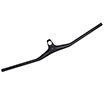
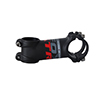
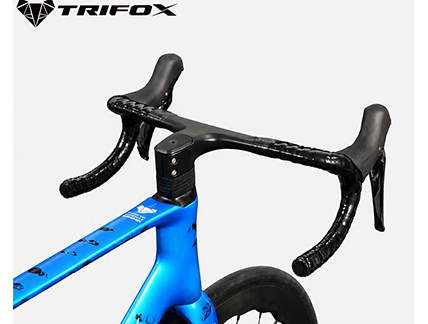
The Trifox RHB200 is an integrated carbon handlebar that blurs the line between XC and downhill categories. Its -17° stem rise and 9° backsweep make it ideal for riders who want a race-oriented position without sacrificing comfort. Available in stem lengths from 80mm to 110mm and an 800mm width that can be cut down, it offers the adjustability to suit a wide range of riding styles and body types. Whether you're a cross-country racer chasing podiums or a trail rider seeking better control on descents, the RHB200 delivers the stiffness, weight savings, and precision that modern mountain bikers demand.
Which One Is Right for You?
The choice between an XC and downhill handlebar comes down to your riding style and terrain. Choose an XC-oriented bar like the RHB200 (with its low rise and moderate width) if you prioritize climbing efficiency, quick steering, and lightweight performance. Choose a downhill bar if you spend most of your time on steep, technical descents and need maximum stability and control. For the majority of trail riders, a versatile carbon XC handlebar like the RHB200 offers the best of both worlds—light enough to climb, stiff enough to descend, and adjustable enough to fit your unique position. If you're a gravity-focused rider, you might lean toward a wider, higher-rise downhill MTB handlebar to match your aggressive style. Ultimately, the right handlebar is the one that keeps you comfortable, confident, and in control on the trails you love.
2026-07-14
Trifox
SHARE:


Comments
Recent Posts
1
1
1
1
1
1
1
1
1
1
1
1
1
1
1
1
1
1
1
1
1
1
1

1



