



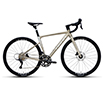
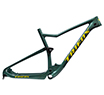
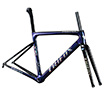
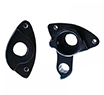
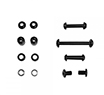
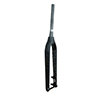
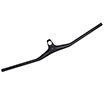
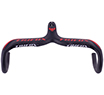
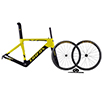
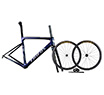
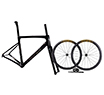
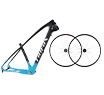
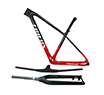
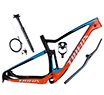





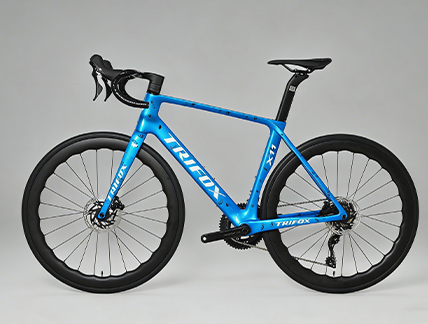
In the world of road cycling, standards evolve. Bottom brackets, axle spacing, and derailleur mounts have all seen shifts that can leave older frames feeling outdated. The Trifox X11 carbon frameset is designed to avoid that fate. One of its most forward-thinking features is the Universal Derailleur Hanger (UDH)—a small component with massive implications for compatibility, durability, and future-proofing. Here’s why the X11’s UDH makes it a smart investment for riders who want a disc brake bike frame that stays relevant for years. What Is the UDH? The Universal Derailleur Hanger is an industry-standard interface developed by SRAM. Unlike traditional proprietary hangers that vary by brand and model, the UDH is a common design that any manufacturer can adopt. It bolts directly to the frame and provides a standardized mounting point for rear derailleurs. While initially popularized on mountain bikes, the UDH is rapidly becoming the new standard for high-end road frames—including the X11. Why UDH Matters for Road Riders For the road cyclist, the UDH offers several tangible benefits: 1. Crash Replacement Simplicity: Traditional derailleur hangers are often model-specific, making replacements hard to find. With UDH, you can walk into almost any bike shop and find a compatible hanger. No more waiting weeks for a special order. 2. Future Drivetrain Compatibility: SRAM’s latest Transmission (T-Type) derailleurs require a UDH frame. While currently focused on mountain biking, this technology is likely to influence future road groupsets. By choosing an X11 56cm frameset (or any size) with UDH, you’re ensuring compatibility with whatever comes next. 3. Increased Strength and Alignment: The UDH is engineered to be more robust than traditional hangers. It integrates more securely into the frame dropout, reducing the chance of misalignment that can cause poor shifting. It also features a built-in “sacrificial” design—if impacted, it breaks cleanly to protect the derailleur and frame. The X11: A Modern Carbon Canvas Beyond its UDH, the X11 is a thoroughly modern disc brake bike frame built for performance. It features a full T800 carbon fiber construction, with a bare frame weight starting at just 965g for a size XS. The frameset includes an integrated carbon handlebar, stem, fork, and seatpost—all designed for full internal cable routing. This not only creates an incredibly clean aesthetic but also improves aerodynamics and protects cables from the elements. The X11 accepts tires up to 700x35c, offering versatility for rough roads or light gravel. Size Matters: The 56cm Frameset Option For taller riders, the 56cm frameset provides a proper fit with a stack of 565mm and reach of 395mm. This geometry balances an aggressive race position with enough front-end height for long-day comfort. The frame’s 73.5° head tube angle and 410mm chainstays deliver sharp handling and stability at speed. Whether you’re 185cm or looking for a responsive race fit, the 56cm option is a proven choice. Future-Proofing Your Investment The cycling industry moves quickly. Five years ago, disc brakes on road bikes were a novelty; now they’re standard. The UDH represents a similar shift. By choosing a frame with UDH, you’re not just buying for today—you’re ensuring that your bike can accept the next generation of drivetrains, including potential electronic or mechanical systems that leverage this interface. It’s a small detail that adds long-term value. The Verdict The Trifox X11 is more than a lightweight, fully integrated carbon frameset. It’s a platform designed to evolve with the sport. Its UDH hanger future-proofs your investment, simplifies maintenance, and opens the door to tomorrow’s drivetrain technology. Whether you’re building a race bike or an all-road machine, the X11’s combination of modern standards, low weight, and forward-thinking design makes it an exceptional choice. For riders seeking a disc brake bike frame that won’t feel outdated in a few seasons, the X11—especially in the popular 56cm frameset size—delivers on all fronts.
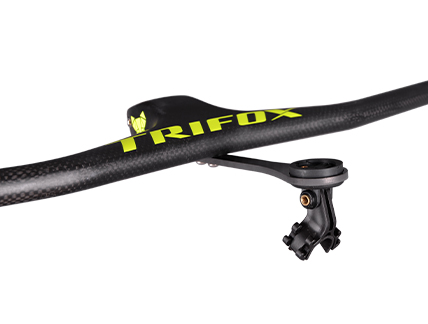
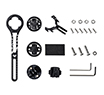
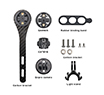
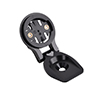
Modern riding demands modern gear. Your handlebar is home to your GPS computer, your headlight, maybe an action camera, and sometimes a phone mount. The result? A cluttered cockpit where cables tangle, devices compete for space, and nothing feels secure. The Trifox SBH100 carbon computer mount is designed to solve this exact problem. It’s not just a mount—it’s an integrated solution that organizes your essential devices into a single, clean, and rock-solid platform. The Problem: A Handlebar That’s Out of Space Traditional mounting means a separate bracket for your computer, another clamp for your light, and perhaps a third for a camera. Each adds weight, consumes precious handlebar real estate, and often results in a setup that looks messy and feels unstable. Worse, these individual mounts can interfere with your controls or create distracting vibration. For riders seeking a clean stem bike computer mount that can handle more than one device, the options have been limited—until now. The Solution: One Mount, Three Functions The SBH100 is engineered as a multi-device hub that attaches cleanly to your stem or handlebar. Its 3K carbon fiber construction is incredibly lightweight yet exceptionally rigid, ensuring your devices stay exactly where you put them—no wobble, no sag. At the heart of the system is a universal quarter-turn interface that securely holds most major cycling computers, including Garmin Edge series, Bryton, Cat Eye, iGPSPORT, and Blackbird. This makes it an ideal gps mountain bike computer mount for riders who rely on accurate navigation and performance data. But the real innovation is the SBH100’s modular expansion. Integrated into the mount are standard GoPro-style mounting points, allowing you to attach an action camera or a bike light (up to 25mm diameter) directly below or above your computer. Everything is aligned and centered, creating a professional, aerodynamic profile that doesn’t clutter your bars. No additional clamps, no zip ties, no compromises. Why Carbon Fiber Matters The SBH100 is constructed from 3K carbon fiber, a material chosen for its exceptional stiffness-to-weight ratio. Weighing just grams, it adds virtually no weight to your bike while providing the rigidity needed to keep devices steady on rough terrain. Carbon also absorbs high-frequency vibration better than aluminum, reducing the risk of your computer shaking loose or your camera footage appearing shaky. It’s a small detail that makes a big difference in real-world use. Compatibility and Versatility The SBH100 is designed to work with the most popular cycling electronics on the market. Whether you use a Garmin Edge 830, a Bryton Rider 750, or a CatEye Padrone, the quarter-turn interface ensures a secure fit. The GoPro-compatible accessory mounts accept lights from brands like Lezyne, NiteRider, and others, as well as action cameras from GoPro and similar. This versatility means you can build your perfect cockpit without being locked into a proprietary ecosystem. A Cleaner, Safer, More Professional Cockpit By consolidating your computer, light, and camera into one integrated mount, the SBH100 does more than just organize—it improves safety. Your view of the trail is unobstructed. Your light beam isn’t blocked by a computer. Your cables can be routed cleanly. And when you stop for a coffee or a rest, you can quickly remove the entire assembly with a simple twist. For riders who value a clean, functional cockpit, the Trifox SBH100 is the solution. It transforms the handlebar from a collection of individual brackets into a unified command center, proving that the best way to solve the multi-device puzzle is to stop adding mounts—and start integrating them.
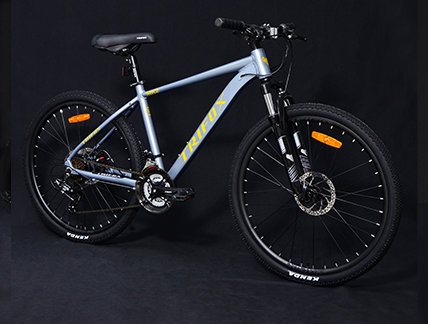
Entering the world of mountain biking is exciting, but the first bike purchase can be daunting. Walk into any big-box store, and you’ll see rows of bikes that look the part but often hide cheap components, heavy frames, and questionable durability. The Trifox Ventura 26 Path takes a different approach. Priced at just $199, it delivers a genuine, well-constructed beginner mountain bike that doesn’t cut corners where it matters. Here’s why it stands out as the best value entry point into the sport. A Real Aluminum Frame, Not Heavy Steel The foundation of any good bike is its frame. The Ventura 26 Path is built around a lightweight AL6061 aluminum alloy frame. This is a significant upgrade from the heavy, rust-prone steel frames found on most bikes at this price point. Aluminum is lighter, stiffer, and more responsive, making the bike easier to maneuver and more efficient to pedal. For a new rider, this translates to less fatigue and more fun. The frame is available in 15” and 17” sizes, making it an ideal bicycle 26 inch option for teens, smaller adults, and anyone seeking a nimble, confidence-inspiring ride. Components That Work: Shimano Tourney 21-Speed Where many budget bikes use generic, unreliable components, the Ventura 26 Path is equipped with a full Shimano Tourney 21-speed drivetrain. This includes a 3-speed front derailleur and a 7-speed rear cassette (14-34T), giving you a wide range of gears to tackle everything from paved paths to gentle climbs. The Tourney groupset is Shimano’s entry-level offering, known for its durability and ease of use. Shifts are predictable, and the system is easy to learn—perfect for a rider developing their skills. The included mechanical disc brakes provide consistent stopping power in wet or dry conditions, offering a level of safety and control that rim brakes simply can’t match. Built for Real Use The Ventura 26 Path is not a toy. It features a normal spring front fork with 26” wheels wrapped in Kenda 1.95” tires, providing enough cushion for light trails, gravel paths, and neighborhood adventures. The wheels are built with 36 spokes front and rear for added strength, and the alloy rims are double-walled for durability. Reviewers consistently praise its sturdiness and assembly ease. One buyer noted, “Just as good if not better than what I looked at in the big box store,” while another called it “sturdy, perfect size, value for money.” Who Is This Bike For? The Ventura 26 Path is the ideal choice for: - First-time mountain bikers wanting a reliable, safe introduction to the sport. - Teenagers and smaller adults seeking a properly sized 26” wheel bike. - Parents looking for a quality bike for their child that won’t break the bank. - Casual riders who want a capable bike for parks, bike paths, and light trails. In a market flooded with overpriced or underbuilt options, the Trifox Ventura 26 Path stands out as a genuine value. It delivers a lightweight aluminum frame, reliable Shimano gearing, and the safety of disc brakes at a price that makes sense for anyone taking their first pedals into the dirt. It’s proof that a quality beginner mountain bike doesn’t have to cost a fortune—it just has to be built right.
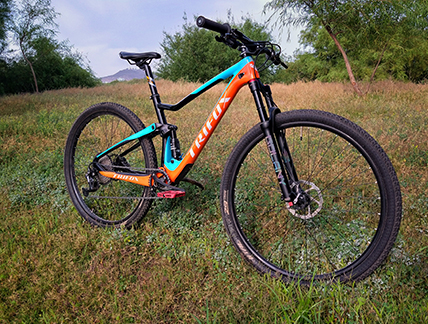
There’s a moment on every wet or muddy ride when the bike starts to feel… heavy. The rear triangle collects debris, the suspension linkage groans, and suddenly you’re pedaling a bike that feels like it’s packed with clay. Mud isn’t just messy; it can rob efficiency, damage moving parts, and cut a ride short. The Trifox MFM100 carbon fiber 29er frame is engineered with this reality in mind. Its thoughtful design doesn’t just prioritize stiffness and weight; it actively works to shed mud and keep you rolling when conditions turn sloppy. Ample Tire Clearance: The First Line of Defense The most obvious place mud accumulates is between the tire and the frame. The MFM100 offers generous clearance for tires up to 29 x 2.35 inches. This isn’t just about running wider rubber for traction; it creates crucial space for mud to pass through rather than packing up against the seat tube, chainstays, or fork crown. When the trail turns to peanut butter, that extra 5-10mm of clearance can be the difference between a bike that keeps rolling and one that grinds to a halt. Asymmetric Rear Triangle: A Clean Path for Cables and Debris A unique and often overlooked feature of the MFM100 is its asymmetric frame design. The rear shock is deliberately offset to create a smoother, more linear structure. This design choice serves a dual purpose. First, it allows the down tube to run unobstructed from the head tube to the main pivot, creating a clean internal channel for cable routing that keeps hoses and housings protected from mud and debris. Second, the asymmetric layout provides a more open space around the shock and linkage, giving mud and water a clear path to fall away rather than accumulate in tight crevices. Internal Routing: Protection from the Elements Nothing invites mud-induced failure like exposed cables and hoses. The MFM100 features full internal cable routing through the frame. Every brake hose, shift cable, and dropper post line is tucked inside the frame tubes. This isn’t just for a clean aesthetic; it’s practical protection. By eliminating external cable guides and exposed lines, there are fewer places for mud to cling, fewer entry points for grit to foul shifting performance, and less risk of cable damage from trail debris. Boost 148: Stability in Slick Conditions While not directly a mud-shedding feature, the Boost 148x12mm rear axle plays a critical role in maintaining control when traction is compromised. The wider hub spacing creates a stiffer, more robust rear wheel interface. When you’re riding through wet, slippery roots or muddy ruts, that added stiffness translates to better tracking and stability. You spend less energy fighting the bike and more time finding the clean line through the mess. Built for the Long Haul The MFM100’s T800 carbon construction is naturally resistant to the corrosion that plagues aluminum frames over time. Combined with sealed bearings in the linkage and a design that actively sheds mud, this frame is built to withstand repeated wet-weather rides without developing the creaks, groans, and corrosion that shorten the life of lesser frames. For riders seeking discount mountain bike frames that don’t compromise on smart, ride-enhancing engineering, the MFM100 offers exceptional value. In short, the Trifox MFM100 is designed for riders who don’t wait for perfect conditions. Its generous tire clearance, asymmetric rear triangle, internal routing, and Boost stiffness work together to minimize the impact of mud and debris on your ride. It’s a frame that respects the fact that some of the best rides happen when the trails are messy—and it’s built to keep you rolling through it all.
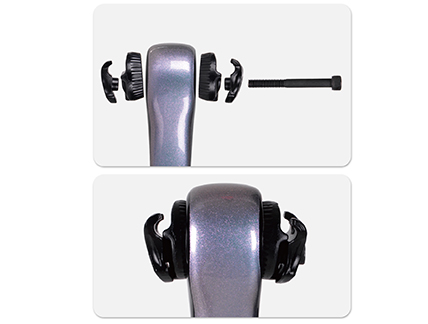
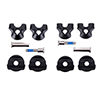
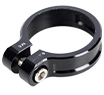
You’ve invested in a high-performance carbon saddle. It’s lighter, stiffer, and designed to provide the perfect platform for power transfer and long-distance comfort. You bolt it onto your existing seatpost, torque it to spec, and head out for a ride. Everything feels great—until it doesn’t. A few miles in, you notice a faint creak. Over time, the saddle shifts, or worse, you worry about damaging those expensive carbon rails. The culprit? Your standard saddle clamp may not be designed to properly accommodate carbon rails. This is where a simple upgrade like the Trifox saddle clamp becomes essential. Why Carbon Rails Are Different Traditional metal saddle rails are typically 7mm round. They’re forgiving and work with almost any standard two-bolt seatpost clamp. Carbon rails, however, are a different story. Many premium saddles use oval-shaped 7x9mm rails, which are larger and have a different profile than standard round rails. Clamping a 7x9mm oval rail into a clamp designed for 7mm round rails creates a poor fit. The clamp won’t distribute pressure evenly, leading to one of two problems: either the saddle slips under load, or you overtighten the clamp to compensate, risking crushing or damaging the carbon structure of the rails. Either outcome is frustrating and potentially expensive. The Simple Solution: A Compatible Clamp Upgrading to a seatpost clamp adapterspecifically designed for your rail type is a small investment that protects a much larger one. The Trifox saddle clamp is available in two versions: * Round 7x7mm: For standard round metal rails, offering a secure, even clamp for traditional saddles. * Oval 7x9mm: For modern carbon rails, with a precisely shaped cradle that matches the oval profile, ensuring uniform pressure distribution without stress points. This small aluminum component is engineered to provide a secure, creak-free interface between your seatpost and your saddle, regardless of which rail type you use. It’s a critical piece of the puzzle for anyone upgrading to a carbon-railed saddle. Who Needs This Upgrade? Consider this clamp if any of the following apply: * You’re upgrading to a carbon saddle with 7x9mm oval rails. * Your current saddle slips or creaks despite being torqued correctly. * You’ve recently changed seatposts and the original clamp hardware doesn’t fit your new saddle’s rails. * You want the peace of mind that comes from a perfectly matched saddle-to-post interface. Installation and Peace of Mind Installing the correct clamp is straightforward. Remove your existing saddle clamp hardware, replace it with the Trifox unit that matches your rail type, torque the bolt to the manufacturer’s specification (typically around 12-15 Nm for seatpost clamps), and ride with confidence. The right clamp ensures that every watt you put into the pedals is transferred efficiently, with no energy lost to a slipping saddle and no anxiety about damaging your carbon investment. Ultimately, the small cost of a compatible saddle clamp is dwarfed by the value of the components it protects. Whether you’re upgrading to a premium carbon saddle or simply ensuring your current setup is dialed, this is one of those overlooked parts that can make the difference between a ride that’s perfect and one that’s plagued by creaks, slips, and uncertainty.
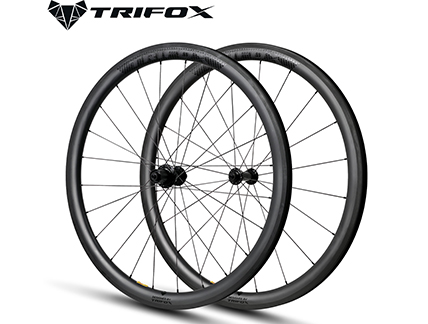
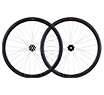
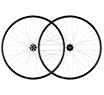
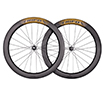
Investing in a set of carbon wheels is one of the most transformative upgrades you can make to your road bike. But with choices like 40mm, 45mm, 50mm, and 60mm depths, how do you decide which is right for you? The Trifox WT18 carbon rimset offers all four options, allowing you to tailor your wheel choice to your riding style, terrain, and performance goals. Understanding the trade-offs between depth, weight, and aerodynamics is the key to making the perfect choice. The Shallow End: 40mm – The All-Rounder Climber At 40mm, this is the shallowest option in the WT18 lineup. Weighing in at just 678g (front) and 846g (rear) for the pair, these are the lightest wheels in the range. This low rotational mass makes them the ideal choice for riders who prioritize climbing and quick acceleration. If your routes are defined by steep, sustained climbs and punchy surges, the 40mm depth will feel responsive and eager. They are also the most stable choice in crosswinds, offering predictable handling for lighter riders or those riding in variable conditions. The 40mm depth is the quintessential “all-rounder,” excelling in the mountains while remaining competent on the flats. The Versatile Middle: 45mm and 50mm – The Sweet Spot The 45mm and 50mm depths represent the modern “do-it-all” sweet spot. These depths offer a noticeable aerodynamic advantage over shallower rims without a significant weight penalty. The 50mm version, for example, weighs only 716g (front) and 878g (rear)—only 38 grams heavier per wheelset than the 40mm version. This slight weight increase is a worthwhile trade for the improved aerodynamic efficiency. These depths are ideal for rolling terrain, group rides, and competitive racing where both climbing and flat speed matter. They provide a planted, stable feel and have become the standard choice for riders seeking one wheelset to handle everything from mountainous gran fondos to fast criteriums. For many, the 45mm or 50mm best chinese carbon wheels represent the perfect balance of weight and aero performance. The Deep Section: 60mm – The Aero Specialist The 60mm depth is designed for one thing: speed on flat to rolling terrain. With a deeper profile, these wheels cut through the air more efficiently, delivering a measurable aerodynamic advantage, especially at higher speeds. They are the choice for time trialists, triathletes, and riders who spend most of their time on flat roads or in fast, aggressive pacelines. Weighing 744g (front) and 906g (rear), they are still remarkably light for their depth, but they will be more affected by crosswinds. If your primary goal is maximizing speed on the flats and you are comfortable managing a deeper rim in gusty conditions, the 60mm option is a potent weapon. The Deciding Factors When making your choice, consider three things: 1. Your Terrain: If you live in the mountains, choose 40mm. For rolling hills and mixed terrain, 45mm or 50mm. For flat, fast roads, choose 60mm. 2. Your Weight: Lighter riders may prefer shallower depths (40-50mm) for better crosswind stability. 3. Your Goals: If you’re chasing KOMs on climbs, prioritize weight with 40mm. If you’re racing or seeking top-end speed on the flats, prioritize aero with 60mm. All WT18 wheels share the same high-quality T800 carbon fiber construction, reliable Pillar spokes, and smooth T18 aluminum hubs. By selecting the depth that matches your riding profile, you’ll unlock the full potential of your bike. Whichever you choose, this carbon rimset delivers exceptional value, proving that high-performance carbon wheels are accessible to all riders.
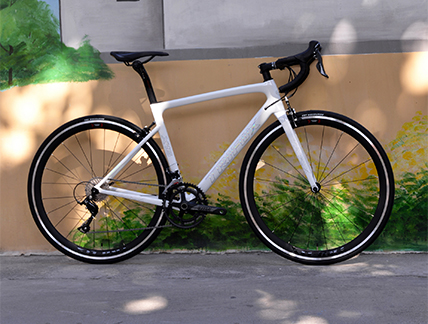
In the world of road bicycle racing, weight is often the first number scrutinized. We obsess over grams, convinced that a lighter bike is a faster bike. But what does a number like 8.4 kilograms (about 18.5 pounds) actually mean when you’re out on the road? The Trifox SF-QR 2.0, a complete carbon fiber road bike equipped with a Shimano Tiagra 2x10 groupset, makes its case at this exact weight. It’s not the lightest bike on the market, but its weight, combined with a carbon frame and fork, presents a compelling real-world advantage that becomes apparent not on a scale, but on the tarmac. The Foundation: A Carbon Frame That Punches Above Its Class The starting point for the SF-QR 2.0’s weight advantage is its T800 carbon fiber frameset. The frame itself is exceptionally light for a complete bike at this price point. This carbon construction provides a stiffness-to-weight ratio that aluminum simply can’t match. The immediate sensation is a bike that feels eager. From the first pedal stroke, there’s a sense of urgency—a direct translation of effort into speed that lighter aluminum bikes often lack, despite similar total weights. The carbon fork further enhances this by absorbing high-frequency road vibration, making the bike feel smoother and more controlled, which in turn makes the weight feel even less noticeable. Where Weight Matters Most: Climbing and Acceleration On a climb, weight is the enemy. The SF-QR 2.0’s 8.4kg becomes a distinct asset. On steep grades, the bike doesn’t feel like it’s fighting you. You can stay seated and spin a comfortable cadence, or stand and power over the crest without the bike feeling sluggish. This responsiveness is crucial for road bicycle racing, where momentum shifts constantly. The same principle applies to acceleration. Exiting a corner or responding to a surge in a group ride, the bike jumps forward with minimal delay. The lightweight wheels, though aluminum, spin up quickly thanks to the overall low system weight. The Real-World Advantage: Fatigue and Confidence Perhaps the most significant benefit of the SF-QR 2.0’s weight is how it affects rider fatigue over longer distances. A bike that feels light and responsive is a bike that’s easier to ride. You spend less energy muscling it around, which preserves your legs for when you need them most. The carbon frame’s natural vibration damping also plays a role, reducing hand and back fatigue on rough pavement. This combination of light weight and compliance makes the SF-QR 2.0 a bike you want to ride further and push harder. Is It the Best Racing Bicycle for You? For riders seeking a best racing bicycle entry point without a five-figure budget, the SF-QR 2.0 hits a remarkable sweet spot. Its 8.4kg weight is not just a number; it’s a tangible performance advantage that translates to better climbing, quicker acceleration, and reduced fatigue. Paired with the reliable Shimano Tiagra groupset, it offers a complete package that is genuinely race-ready. The weight feels light because the bike is engineered to be responsive, stiff where it matters, and comfortable enough to handle long days in the saddle. It proves that a truly great road bike is defined not by a single number, but by how that number integrates with the whole package to create a ride that feels faster, smoother, and more enjoyable.
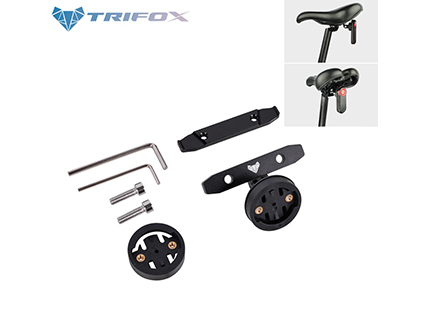
Your handlebar is prime real estate. It’s where you mount your computer, your lights, your action camera, maybe even a phone. Before long, what started as a clean cockpit becomes a cluttered mess of brackets, wires, and zip ties. This clutter isn’t just unsightly—it can interfere with controls, create distracting shadows from your light, and even compromise safety in a crash. The Trifox STH200 offers an elegant solution: it moves your computer (and your light) off the handlebar entirely, mounting them securely under your saddle. A Smarter Location for Your GPS The STH200 is a bike computer mount for aero bars—or for any handlebar setup—that installs directly onto your saddle rails. Using a sturdy aluminum and plastic construction, it clamps securely to the two rails under your seat. From this central post, it extends downward, providing a stable platform for your devices. This repositioning is a game-changer. Your computer is now out of the wind and elements, tucked safely behind you, while your handlebar is completely free for your hands and controls. The mount weighs just 43 grams, so it adds negligible weight while solving a major cockpit organization problem. Rock-Solid Stability for Your Devices One of the biggest concerns with moving a computer away from the handlebar is vibration and stability. The STH200 excels here. Its dual-device design allows you to mount a bicycle garmin mount and a bike light simultaneously, using the standard quarter-turn interface for computers and a GoPro-style mount for lights. The aluminum construction is notably rigid, with reviewers praising that it holds devices “rock-solid” and “with zero wobble, even on gravel.” The angle is adjustable, allowing you to tilt the display for optimal viewing from your riding position or aim your light directly at the trail or road behind you. It’s a level of stability that belies its simple design. Compatibility and Versatility The STH200 is designed to work with the most popular cycling computers on the market. Its standard quarter-turn interface makes it compatible with Garmin Edge series, Bryton, iGPSPORT, Blackbird, and Cat Eye devices. The secondary GoPro-style mount can accommodate a wide range of bike lights, action cameras, or other accessories. Installation is straightforward—simply clamp the mount to your saddle rails, attach your computer and light, and adjust the angle to your preference. As one reviewer noted, “Installation took two minutes.” The Value of a Clean Cockpit A decluttered handlebar isn’t just an aesthetic preference. It means your controls are always unobstructed, your light beam isn’t blocked by a computer, and your bike is easier to pack into a car or travel case. For riders with aerodynamic handlebars, the STH200 offers a perfect bike computer mount for aero bars that keeps the front end clean and fast. For mountain bikers, it moves a vulnerable computer out of harm’s way in a crash. For commuters, it provides a safe, stable home for a bright rear light. In short, the Trifox STH200 is a simple, affordable, and highly effective upgrade that transforms your cockpit. It relocates your essential electronics to a secure, stable spot under your saddle, freeing your handlebar for what matters most: your hands and your focus on the road or trail ahead.
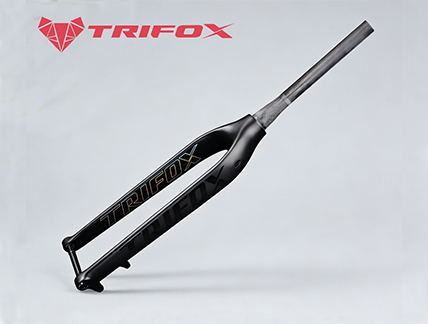
A high-quality carbon fiber fork has long been considered a premium upgrade—something you expect to pay several hundred dollars for. The Trifox TMK200 challenges this assumption with a price tag of just $109. At that price, the natural skepticism is understandable. Can a sub-$110 rigid bicycle fork really deliver the stiffness, weight savings, and ride quality that serious riders demand? After examining the build quality, specifications, and real-world feedback from dozens of riders, the answer is a resounding yes. This fork proves that modern manufacturing can deliver exceptional value without cutting corners where it counts. Build Quality: Premium Materials, Impeccable Finish The TMK200 is constructed from T800 carbon fiber, a high-modulus material typically found on forks costing two or three times as much. The unidirectional (UD) weave finish is clean and consistent, with smooth edges around the brake mounts and dropout interfaces. There are no rough patches, voids, or uneven layups visible—signs of careful molding and quality control. The fork features a tapered steerer tube (1-1/8" to 1-1/2"), which is the modern standard for stiff, precise steering, and a Boost 110x15mm thru-axle dropout for a secure, rattle-free wheel interface. Disc brake mounts are precisely aligned for 160mm or 180mm rotors. Riders consistently praise the finish: one reviewer noted, “High quality finish and carbon lay looks very good,” while another called it “robust and light.” Weight: A Dramatic Upgrade At just 507 grams (without the thru-axle), the TMK200 represents a massive weight saving over almost any alloy or steel rigid bicycle fork, and a staggering reduction compared to a suspension fork. Shedding this much weight from the front end transforms how a bike handles. The bike becomes noticeably more agile, quicker to steer, and easier to loft over obstacles. For riders building a lightweight 29er or converting a trail bike to a rigid setup for gravel or bikepacking, this weight saving is transformative. Ride Feel: Stiff, Responsive, and Connected The true test of any fork is how it feels on the trail. The TMK200’s T800 carbon construction delivers exceptional lateral stiffness. There’s no flex when leaning into corners or braking hard—the front wheel tracks precisely where you point it. Yet, carbon’s natural vibration-damping properties filter out high-frequency trail chatter, reducing hand fatigue without sacrificing valuable feedback. Riders report a “connected” feel that enhances confidence on technical terrain. One reviewer, who used it to transform their bike into a gravel machine, noted that the fork’s measurements matched those of premium brands like Fox and RockShox, preserving the bike’s intended geometry perfectly. Versatility for Modern Bikes The TMK200 is designed for modern mountain and gravel bikes, with clearance for tires up to 29 x 3.0 inches. This opens up a world of possibilities, from running high-volume rubber for comfort on rough singletrack to building a rugged adventure bike. Its 45mm offset works well with modern frame geometry, ensuring that handling remains balanced and predictable. The fork also includes a quality alloy thru-axle in the box, adding to its exceptional value. The Verdict: Unbeatable Value For $109, the Trifox TMK200 offers a combination of build quality, weight savings, and ride feel that is genuinely hard to beat. It’s a testament to how far direct-to-consumer carbon manufacturing has come. Whether you’re upgrading an existing build, building a lightweight rigid carbon fiber fork setup, or simply want a high-performance rigid bicycle fork without spending a fortune, the TMK200 delivers. As one reviewer succinctly put it: “Great quality, really stiff and light.” It’s an upgrade that makes sense for any rider who values performance and value in equal measure.



