








When it comes to bike components, people often focus on the bigger and more visible parts, such as the frame, wheels, and handlebars. However, it is the small and seemingly insignificant parts that can make a huge difference in your bike's performance and overall riding experience. One such component is the seatpost clamp.
1. What is a Seatpost Clamp?
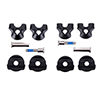
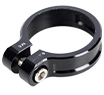
A seatpost clamp is a small but vital part that keeps the seatpost firmly attached to the bike frame. It is typically made up of two halves that are bolted together around the seat tube. The clamp's job is to prevent the seat from slipping down while you ride, as well as to allow you to adjust the seat height as needed.
2. Why Does Weight Matter?
As with any bike component, weight is a crucial factor in seatpost clamp design. A lightweight seatpost clamp, made from high-quality materials, can help reduce the overall weight of your bike. This, in turn, can provide a significant performance boost, especially when it comes to climbing and acceleration. Additionally, less weight can make it easier to handle your bike, making it more comfortable to ride.
3. What Makes a Lightweight Seatpost Clamp?
To make a lightweight seatpost clamp, manufacturers typically use materials such as aluminum, titanium, or carbon fiber. These materials are known for their strength and durability while being lightweight. The design of the clamp's shape and width can also contribute to reducing its overall weight while still maintaining its strength and performance.
4. Durability and Performance
While lightweight materials are essential, it is crucial to ensure the clamp remains durable and can perform its primary function over time. Some seatpost clamps are prone to wear and damage, especially if they are repeatedly tightened and released. Therefore, it is essential to pay attention to the material quality and design when choosing a seatpost clamp.
5. Which is the Best Lightweight Seatpost Clamp?
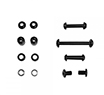
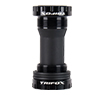
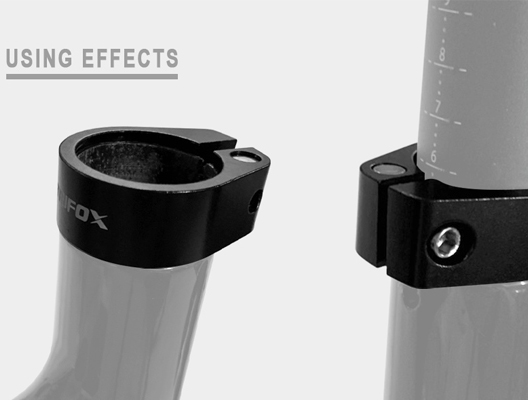
When it comes to choosing the best lightweight seatpost clamp for your bike, several factors come into play. In addition to weight and durability, you need to consider factors such as compatibility with your bike's seatpost diameter, ease of use, and price. One option to consider is the Trifox Bike Cycling Seat Post Clip SC35, made from high-quality aluminum alloy and available in a variety of sizes. This clamp is compatible with most bikes and provides excellent strength and durability while being lightweight.
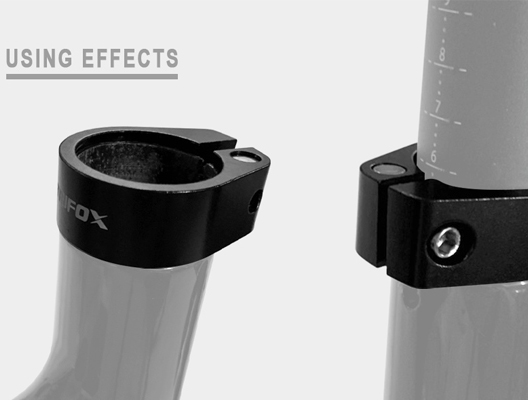
A lightweight seatpost clamp is an essential part of your bike setup. It can make a significant difference in your bike's performance and overall riding experience. When selecting a seatpost clamp, ensure you focus on weight, durability, and compatibility. The Trifox Bike Cycling Seat Post Clip SC35 is a highly recommended option because of its lightweight, strength, and ease of use. With this component in place, you can enjoy a smoother and more comfortable ride that enhances your bike's overall performance.
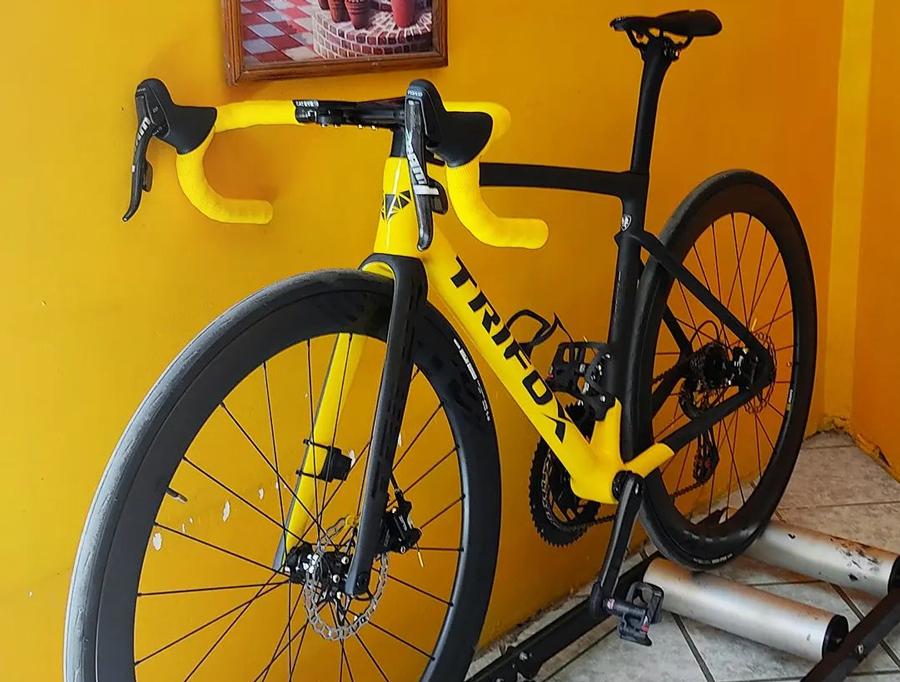
When it comes to maintaining your prized possession of a carbon bike, there's lots of conflicting information floating around about the best way to keep your frame looking clean and fresh. One of the most debated topics is whether or not it's safe to sanding carbon frame.
First things first, it's essential to understand the nature and function of a carbon fiber bike frame. Carbon fiber is a composite material comprised of carbon strands that are bonded together with resin. This composite arises from a sophisticated process and innovation from high tech industries, including aerospace, military, and racing autos. Carbon is an incredibly lightweight, strong, and stiff material. It's stiffer, stronger, and lighter than aluminum and more durable than titanium. That being said, carbon is also a delicate material and should be handled with care.
One of the most common reasons people will sand down their carbon bike frame is to remove a scratch or other cosmetic damage. Some suggest that sanding is necessary to remove damaged fibers. However, this is a myth. Sanding can't repair damage to your bike frame, and it may even take away essential protective fibers that keep your frame safe. In short, sanding should be avoided.
Another myth about sanding is that it can be used to prevent cracks and other damage. The truth is that sanding doesn't provide any additional protections against damage, and attempting to do so can significantly harm your bike frame's integrity. In some circumstances, sanding can even disintegrate the resin particles that hold the carbon fibers together, leading to structural damage from cracks and impacts.
There's also the myth that sanding is the only way to clean your bike frame. Cleaning a carbon bike frame is different from cleaning a steel or aluminum bike frame, but that doesn't mean you need to sand it down. Like any bike frame, a carbon frame can be cleaned with soap and water or a non-abrasive cleaning solution. In case of greasy parts or mud, avoid using a pressure washer; the pressure may damage the paint and cause damage to the rubber seals responsible for protecting the bearings.
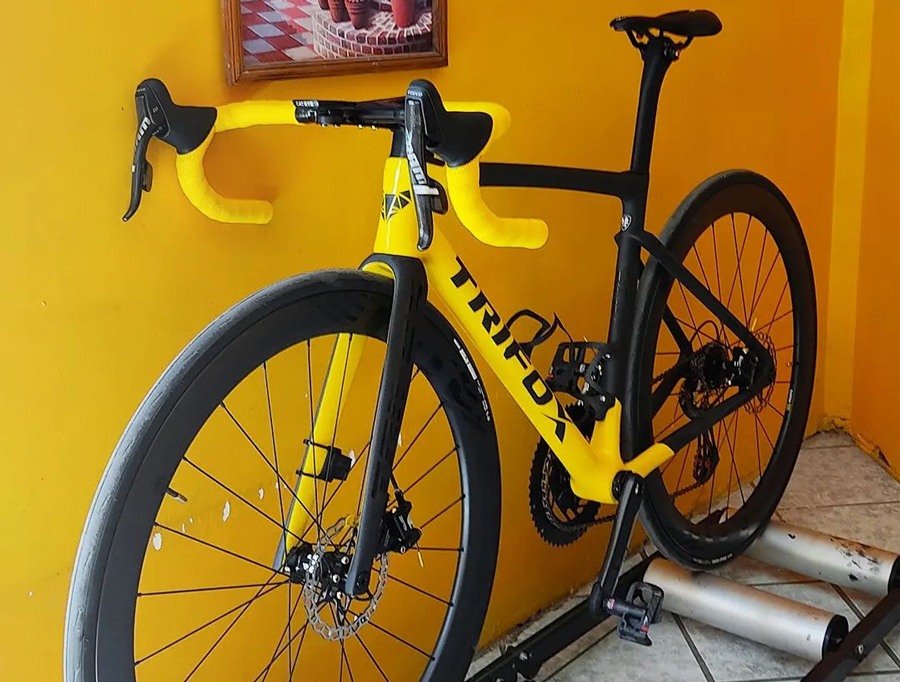
In summary, sanding your carbon bike frame should be avoided. Although carbon is a highly durable and lightweight material, it still requires proper cleaning and maintenance to maximize its lifespan and ride quality. Proper care involves avoiding abrasive soaps, minimizing exposure to UV rays, and using a protective bike cover during storage. Yes, sanded carbon frames may look smooth and new again, but this practice comes with undesirable and irreversible consequences.
By following simple cleaning tips and making a few adjustments to your maintenance routine, you can keep your carbon frame looking great and riding solid for years to come.
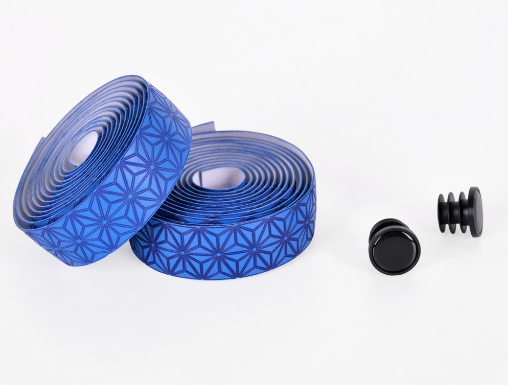
Wrapping bar tape on your road bike is not just about aesthetics; it is an essential aspect of bike maintenance. Proper bar tape wrapping not only enhances the overall look of your bike, but it also makes the handlebars more comfortable to hold, improves grip, and reduces vibrations from the road. However, many road riders struggle to wrap their bar tape without it looking messy or uneven.
Step 1: Remove old bar tape
Before you start, it's important to remove your old bar tape and clean your handlebars. You can use rubbing alcohol and a clean cloth to remove any dirt or adhesive residue left from your old tape. Remember to take note of how the old tape was wrapped as it will serve as a guide when you're wrapping the new tape.
Step 2: Start at the Bottom
When wrapping your handlebars, start from the bottom. Hold the bar tape at the bottom of the handlebars, leaving enough excess for wrapping around the bar's end. Begin the first turn by wrapping slightly diagonally upwards, making sure the tape overlaps each time. Ensure the tape is tight enough to stay in place but not so tight that it impedes the brake lever functionality.
Step 3: Overlap and Secure
Once you reach the handlebar's top, slide the extra bar tape under the brake levers and wrap it diagonally downwards. Overlap each turn on the previous one and ensure that the tape is tight and even along the bar. When you reach the end of your handlebar, wrap the excess tape tightly around it and secure with electrical tape or a bar plug.
Step 4: Repeat on the Other Side
Repeat the above steps with the other side of the handlebar. Make sure you keep equal tension on both sides to provide balance and comfort while cycling. If you want to achieve a more professional look, wrap the tape in an opposite direction on the second side.
Step 5: Finishing Touches
After completing the wrapping process, inspect the handlebars, ensuring there are no uneven or exposed areas. If any section needs adjustment, make the necessary corrections right away. Finish by trimming any excess bar tape with scissors or a blade, but be careful not to cut the bar tape.
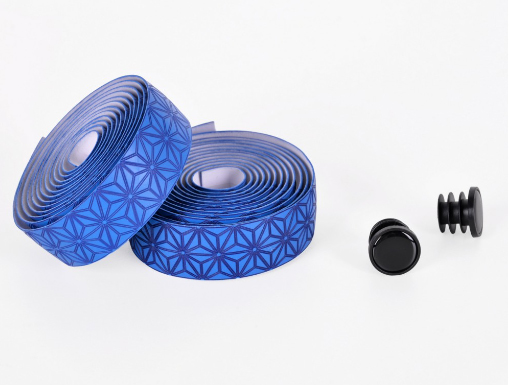
Perfectly wrapping bar tape on your road bike is not rocket science; it requires patience, attention to detail, and practice. With this guide, you'll be able to wrap your bike's handlebars confidently, knowing that you're doing it correctly. Always remember to remove the old tape, start at the bottom, overlap and secure, repeat on the other side, and finish with trimming. With time, you'll be able to complete the wrapping process effortlessly, and your road bike will look and feel comfortable, safe, and stylish. Happy cycling!
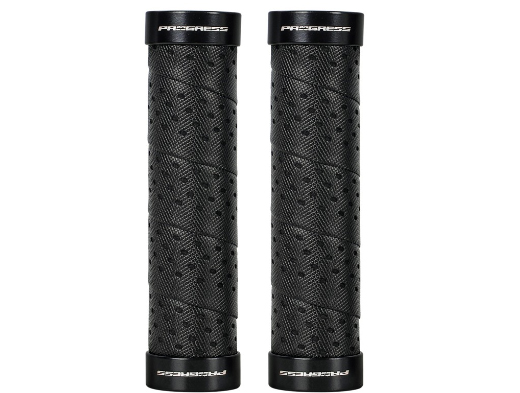
Mountain biking is an exciting and challenging activity that requires you to have a solid grip on your bike's handlebars. It's crucial to have a good set of mountain bike grips that can provide comfort and control in different terrain types. When shopping for the best mountain bike grips, you will encounter various options with different materials, textures, and shapes. However, what separates the top mountain bike grips apart from the rest?
1. Material
One of the most significant factors that determine the quality of mountain bike grips is the material used to create them. The best mountain bike grips are usually made of soft and durable materials like silicone or rubber. It would help if you opted for grips that are comfortable to the touch, yet robust enough to resist wear and tear. Some premium mountain bike grips feature reinforced areas that come in handy when performing technical maneuvers that require a lot of pressure on the brake levers.
2. Texture
Mountain bike grips with the right texture offer improved traction and control, especially when the trails are wet or muddy. When purchasing mountain bike grips, consider getting ones with a grippy texture that feels secure in your hands. Soft rubber or silicone grips with a diamond pattern, knurling, or waffle pattern offer excellent grip, even when your hands are sweaty. A good grip texture ensures your hands stay in place and prevents slips when navigating challenging trails.
3. Shape
Mountain bike grips come in many shapes and sizes, from ergonomic grips to thin grips. Ergonomic grips have a contoured shape that conforms to the palm's natural shape and offers more excellent comfort. On the other hand, grips like the Trifox offer direct feedback from the handlebar. Thin grip may not be the best for long hauls but offer enhanced tactile feedback on technical descents or quick turns through tight corners. Of course, the ideal shape for your mountain bike grip largely depends on your personal preferences.
4. Durability
The best mountain bike grips are ones that can take a beating. Mountain bike grips that wear out quickly or tear apart after a few rides can be frustrating and costly in the long run. Your mountain bike grips should withstand the daily wear and tear that comes with riding challenging trails. Go for mountain bike grips made of high-quality materials that can survive harsh weather conditions and expose to the sun or water.
5. Customizability
Mountain bike grips come in a wide variety of colors, patterns, and designs. Choosing a customizable and cool looking grip can take your bike's appeal to the next level. With so many options available, you can express your personality through your bike's grips. Some premium brands enable you to add logos or customize the colorway to maximize your ride's aesthetics.
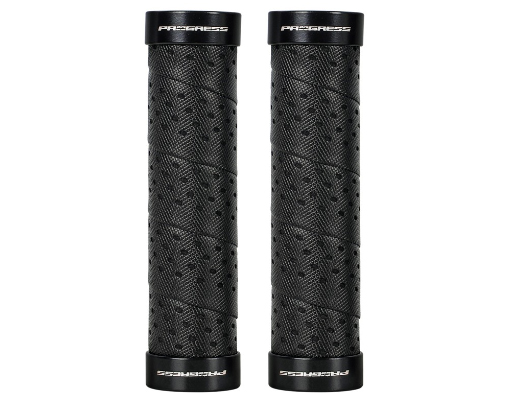
The right pair of mountain bike grips can make a significant difference in your biking performance. A good grip should offer comfort, durability, texture, and customizability. When choosing the right mountain bike grip for your needs, balance between all the above factors is essential. Invest in a solid pair of mountain bike grips, and you’ll be amazed by how much more control you’ll have while out shredding on your bike.
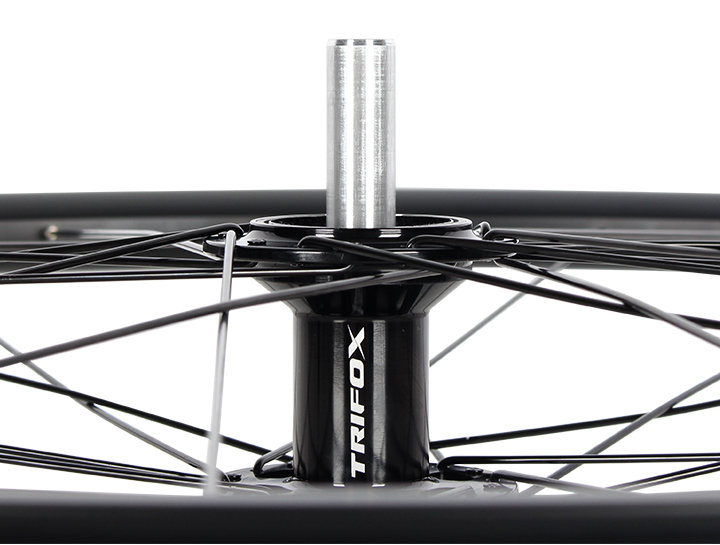
Mountain biking is becoming increasingly popular among outdoor enthusiasts looking for adventure with a healthy dose of adrenaline. A critical component of every mountain bike is the wheels it uses to navigate through the rugged terrain. If you are looking for high-quality and durable MTB wheels, the Chinese bicycle industry has got you covered. One such trustful brand is Trifox MTB that offers the most robust and innovative bikes for mountain biking.
1) Innovation in design
Trifox MTB Wheels are made from high-quality materials, ensuring you get an innovative and durable set of wheels. The alloy cross-country and mountain wheels come with a unique design that offers the perfect balance between strength and weight. With a distinct U profile design, the WM823 boost model provides excellent rigidity and greater torsion resistance hence better control in tricky rocky terrains. This design ensures that your mountain bike is agile enough to provide enjoyable and safe biking experiences.
2) Durability and strength
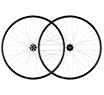
Durability is a crucial aspect that you need to consider when looking for MTB Wheels, and Trifox offers some of the most durable wheels you can find. Made with high-quality materials, the 29er MTB wheelset, WM823, guarantees the strength to handle the most challenging mountain biking terrains. Made of 6061 aluminum alloy, these wheels provide strength and lightness, ensuring your bike is reliable and stable when going on extreme terrain.
3) Affordable price
The price of any product is an essential consideration when making a purchase decision. Trifox MTB wheels are both affordable and of exceptional quality. WM823 alloy cross-country and mountain wheels come at a very fair price while maintaining the highest quality. These wheels are scratch-resistant, ensuring prolonged durability, a critical factor in ensuring you get the best value for your money.
4) Compatibility with disc brakes
Trifox MTB Wheels are compatible with disc brakes, which means they are the perfect fit for mountain bikes that use these kinds of brakes. Disc brakes are much better than traditional rim brakes, providing better stopping power, especially in wet or muddy conditions, making the ride more secure.
Conclusion:
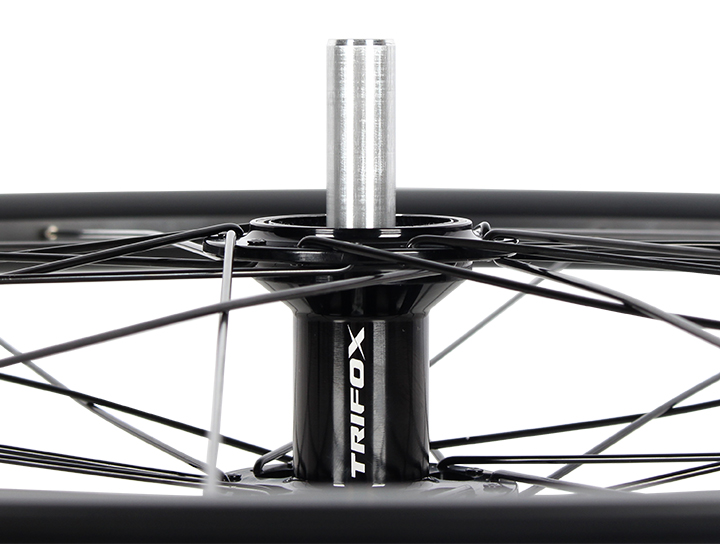
Trifox MTB wheels are a perfect fit for anyone looking for quality and affordable MTB wheels. Several factors make Trifox MTB wheels stand out in the market, including their innovative design, durability, affordability, compatibility with disc brakes, and an excellent warranty. If you are planning on going mountain biking soon, make sure you invest in the best, and Trifox MTB Wheels have just that.
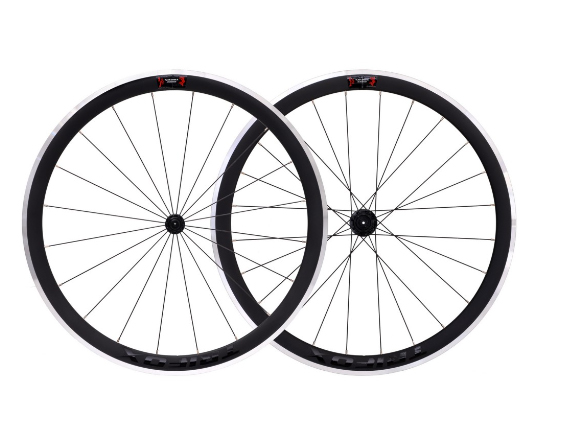
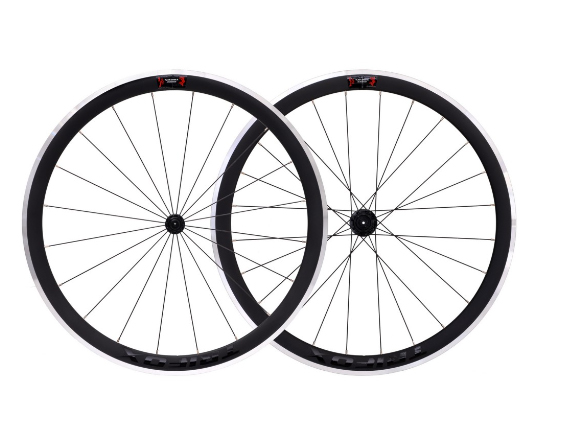
Changing your bike's wheelset can greatly improve your ride experience, but with so many options available, it can be challenging to choose the right one. Aluminum wheelsets are an excellent choice for road bikes, and they have become increasingly popular in recent times. Choosing the right aluminum wheelset can be challenging, but in this blog post, we will outline some of the things you should look out for when going for an aluminum wheelset for your bike.
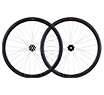
1. Rim Profile: The rim profile is the cross-section of the rim. And it determines the wheel's aerodynamics, stability, and handling. The most common rim profile is the shallow rim profile, which is about 30mm or less in rim depth. They are lightweight and provide excellent handling for fast riding and climbing. On the other hand, the deep-rim profile is over 40mm in rim depth and provides better aerodynamics, stability, and handling at higher speed. So choose your rim profile depending on what's important to you.
2. Rim Width: The industry has now moved to wider rims than the traditional 13-15mm internal widths. The wider internal width increases the tire's volume and leads to an increase in the tire's contact patch with the ground. This, in turn, increases braking performance, cornering grip, and stability. We recommend a rim with an internal width of 17-19mm for road bike use.
3. Spoke count: The spoke count of a wheelset impacts its ride quality, aerodynamics, and durability. A low spoke count wheelset (16-20 spokes) would provide better aerodynamics but may not be as durable and may require more maintenance. High spoke count wheelsets (24-28 spokes) provide better durability and stability, but their aerodynamics suffer. It's best to choose a wheelset with a spoke count in-between, 20-24 spokes, which is a perfect balance of aerodynamics and durability.
4. Hub Bearings: The hub is an essential component of any wheelset, and it is crucial to ensuring smooth and efficient riding. The quality of the bearings used in the hub determines its performance. We recommend wheelsets with high-quality sealed cartridge bearings. These bearings offer better durability, smoother performance, and easier maintenance.
5. Price: Finally, the cost of the wheelset is also an essential factor that you should consider. The best value aluminum wheelset is one that strikes the perfect balance between price and quality. You should be able to get a reliable and durable wheelset for between $350 -$700.
Choosing the best value aluminum wheelset can be challenging, but with the right information, you can make the right choice. The rim profile, rim width, spoke count, hub bearings, and price are some of the critical factors to consider when choosing an aluminum wheelset.
Ultimately, when you find a wheelset that fits your budget and meets your requirements, you can be sure that it will be an excellent upgrade to your riding experience.
Cycling is a great way to improve your fitness and overall health. Whether you're a beginner or an experienced rider, you may be looking for ways to enhance your cycling performance. Bike aerodynamics is one of the key factors that can help you achieve your goals.
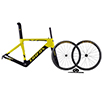
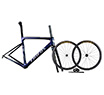
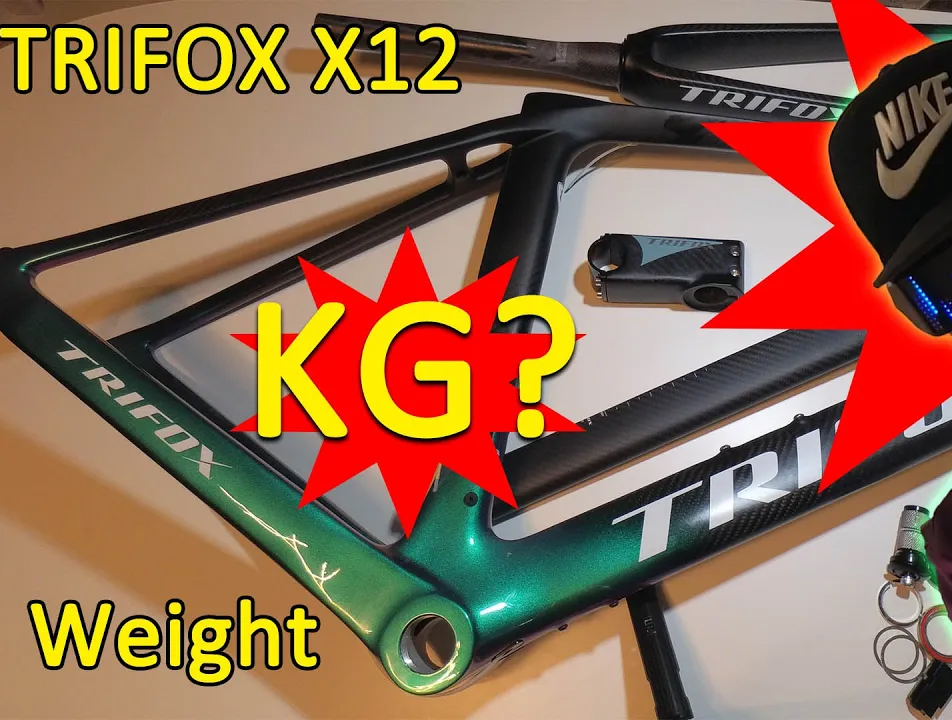
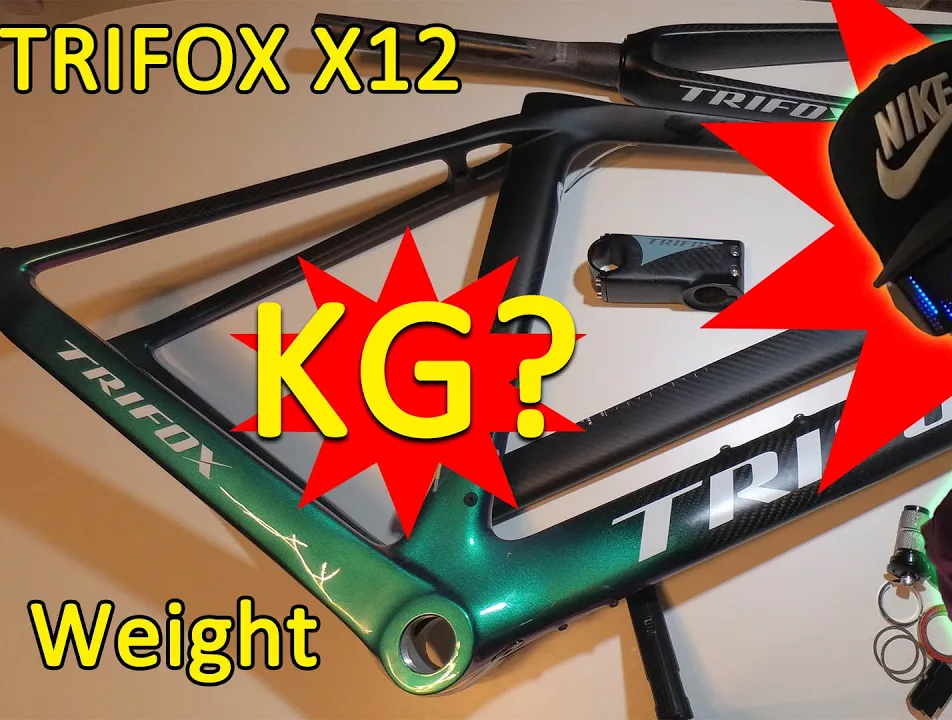
Aerodynamics is the study of how air flows around an object. In cycling, aerodynamics refers to the ability of a bike to cut through the air without creating too much resistance. This is important because the less resistance your bike encounters, the faster and more efficiently you can ride. One way to improve your bike's aerodynamics is to invest in an aero bike frame. For example, Trifox offers carbon road bike frames that are designed for speed and efficiency. These frames are lightweight and have a streamlined shape that minimizes drag.
Another way to enhance your cycling performance is to optimize your riding position. This involves adjusting your body position on the bike to reduce wind resistance. The most important factor in achieving an optimal riding position is bike fit. To achieve a proper bike fit, consult a professional bike fitter who can help you adjust your saddle height, handlebar height, and reach. With the right bike fit, you can reduce your frontal area and improve your aerodynamics.
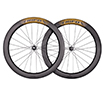
In addition to investing in an aero bike frame and optimizing your riding position, there are other factors that can affect your bike aerodynamics. One of the most important is clothing. Wearing tight-fitting, aerodynamic clothing can help reduce drag and improve your cycling performance. Look for cycling-specific clothing that is designed to be aerodynamic and lightweight. Another important factor is wheel selection. Deep section wheels are more aerodynamic than standard wheels, but they can also be heavier. Consider your riding conditions and personal preferences when selecting wheels.
Another way to improve your bike aero is to use aerodynamic accessories. These include items such as aerodynamic helmets, water bottles, and even shoe covers. These accessories are designed to reduce drag and improve your speed. However, keep in mind that some accessories may compromise comfort. For example, an aerodynamic helmet may not be as comfortable as a regular helmet, so test out different options before committing to an accessory.
In conclusion, there are various ways to enhance your cycling performance through bike aerodynamics. Investing in an aero bike frame, optimizing your riding position, selecting aerodynamic clothing and wheels, and using aerodynamic accessories are all strategies that can help you ride faster and more efficiently.
However, keep in mind that improving your aerodynamics requires a balance between speed and comfort. Find the right mix of aerodynamic features that fit your personal preferences and riding style. Happy cycling!
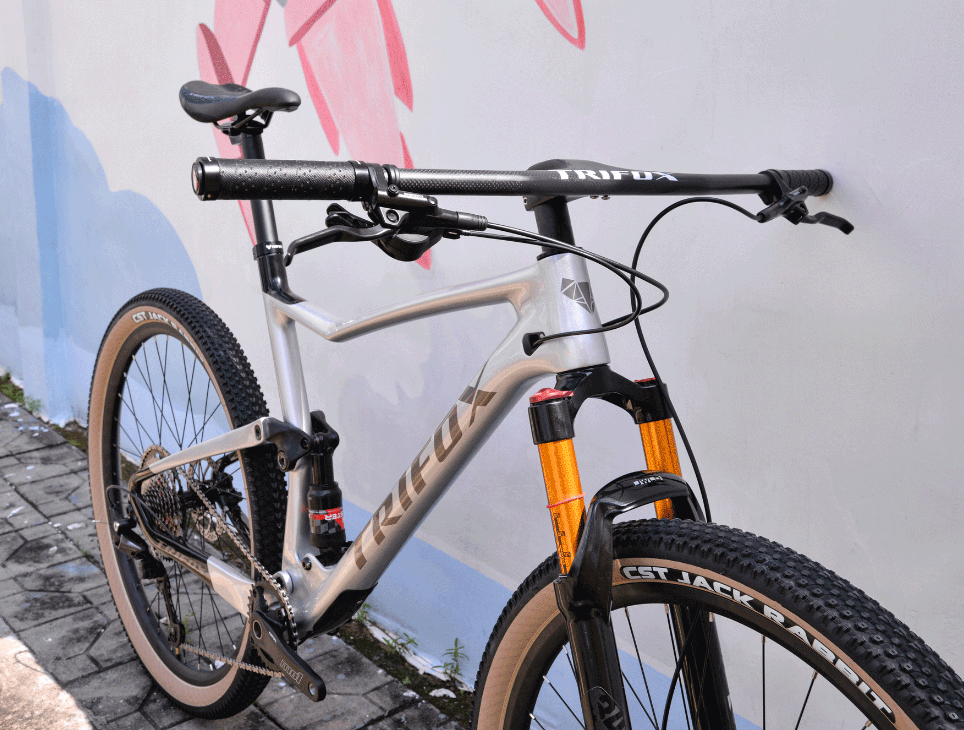
When it comes to maintaining your bicycle's performance, a regular tune-up is essential. A bike tune-up is a comprehensive service that ensures that your bike is safe, efficient, and ready for the road. But What does a bike tune up include?
1. Inspection and Assessment:
The first step of a bike tune-up is a thorough inspection and assessment process. This involves checking every part of your bike, including the frame, tires, wheels, brakes, gears, and bearings. A professional mechanic will carefully examine each component to identify any issues that may affect the bike's performance or safety.
2. Cleaning and Lubrication:
A clean and well-lubricated bike is crucial for optimal performance. During a tune-up, the bike will be thoroughly cleaned to remove dirt, debris, and any residual grease or oil. After cleaning, appropriate lubrication will be applied to the chain, gears, cables, and other moving parts to ensure smooth and efficient operation.
3. Brake Adjustments:
The braking system is one of the most critical safety components on your bike. A tune-up will involve inspecting and adjusting the brakes to ensure proper alignment, pad wear, and cable tension. This process will optimize brake performance, ensuring reliable stopping power and control.
4. Gear Adjustments:
Smooth shifting between gears is essential for a comfortable ride. In a bike tune-up, the gear system will be evaluated and adjusted to ensure precise shifting and eliminate any skipping or chain slippage issues. This adjustment may include cable tension, limit screw adjustments, and derailleur alignment.
5. Wheel and Tire Inspection:
Wheels and tires play a significant role in your bike's performance and safety. During a tune-up, the mechanic will check for any damage, wear, or misalignment. They will inspect the spokes, true the wheels if necessary, and ensure proper tire inflation. This inspection and maintenance will improve ride quality and reduce the risk of punctures and accidents.
6. Bearing Service:
Your bike's bearings enable smooth rotation of various parts, such as the headset, bottom bracket, and hubs. A comprehensive tune-up involves inspecting these bearings for wear, cleaning and regreasing them if needed, and adjusting any loose or tight bearings. This process ensures optimal performance and longevity of your bike's components.
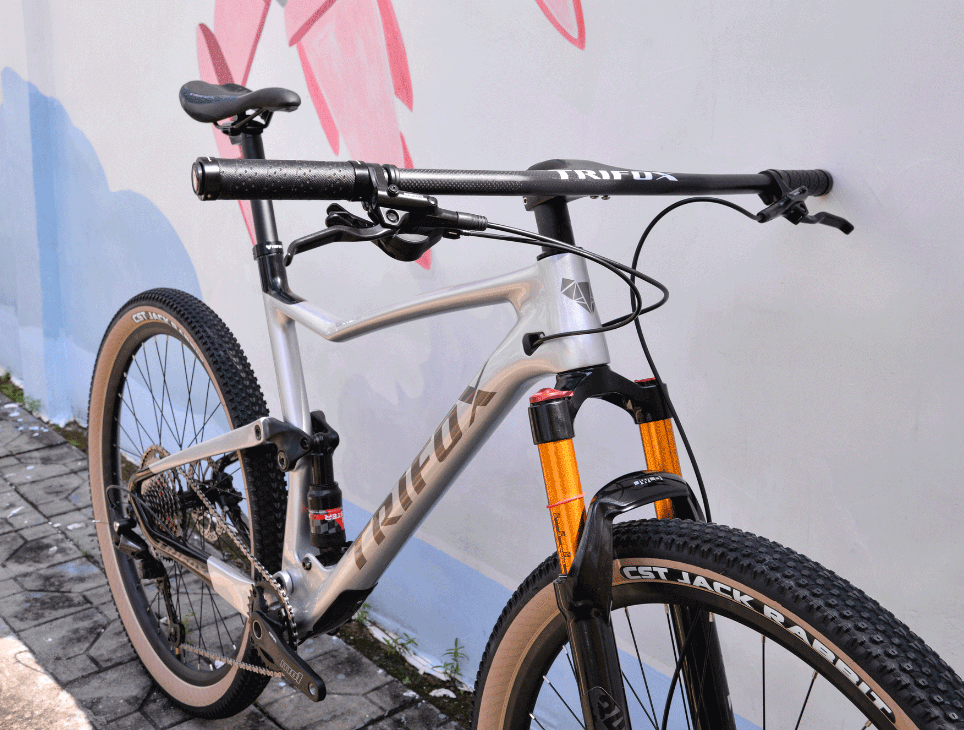
Conclusion:
A bike tune-up is a necessary maintenance service that keeps your bicycle in top shape. By understanding what a bike tune-up includes, you can ensure that your bike performs at its best while promoting safety and longevity. Remember, regular tune-ups and preventative care are key to a smooth, efficient, and enjoyable ride. So, if your bike is due for a tune-up, don't hesitate to schedule an appointment with a professional bike mechanic today.
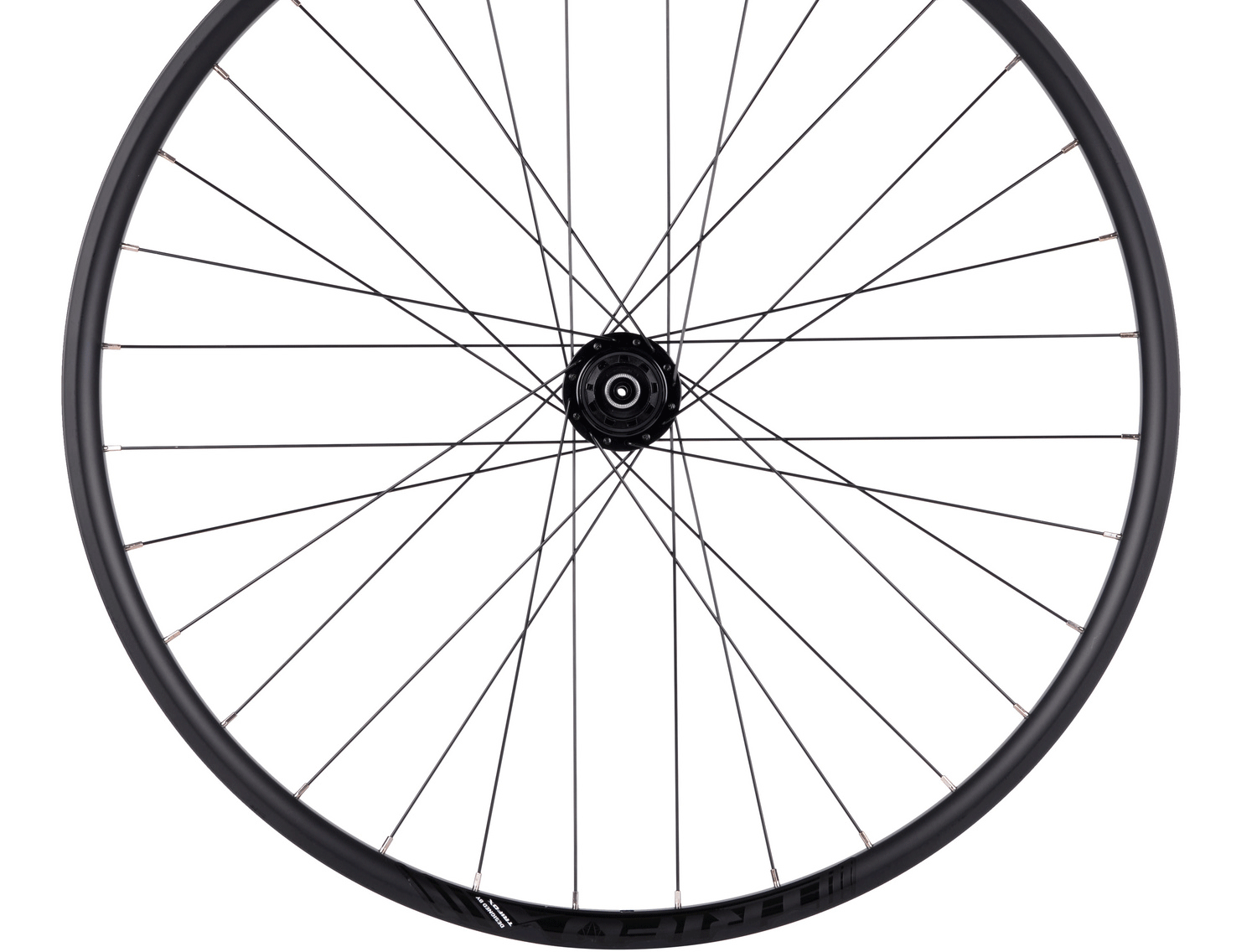
Understanding how to read bike tire size is crucial, as it directly affects the performance, safety, and comfort of your cycling experience.
1. Understanding the Basics:
Before delving into deciphering bike tire sizes, it's important to grasp the basics. Bike tire sizes typically consist of a series of numbers separated by an 'x' or a '-'. For example, 26 x 1.95 or 700c x 25.
2. Decoding the Numbers:
The first number indicates the tire's diameter, commonly expressed in inches or millimeters. In the example 26 x 1.95, the diameter is 26 inches. For road bikes, the diameter may be denoted in millimeters, as in 700c x 25, where 700c is the diameter.
3. Interpreting the Width:
The second number represents the width of the tire, again either in inches or millimeters. Continuing with our examples, 1.95 inches and 25 millimeters are the respective widths. The width affects the stability and grip of the bike.
4. Considerations for Different Bike Types:
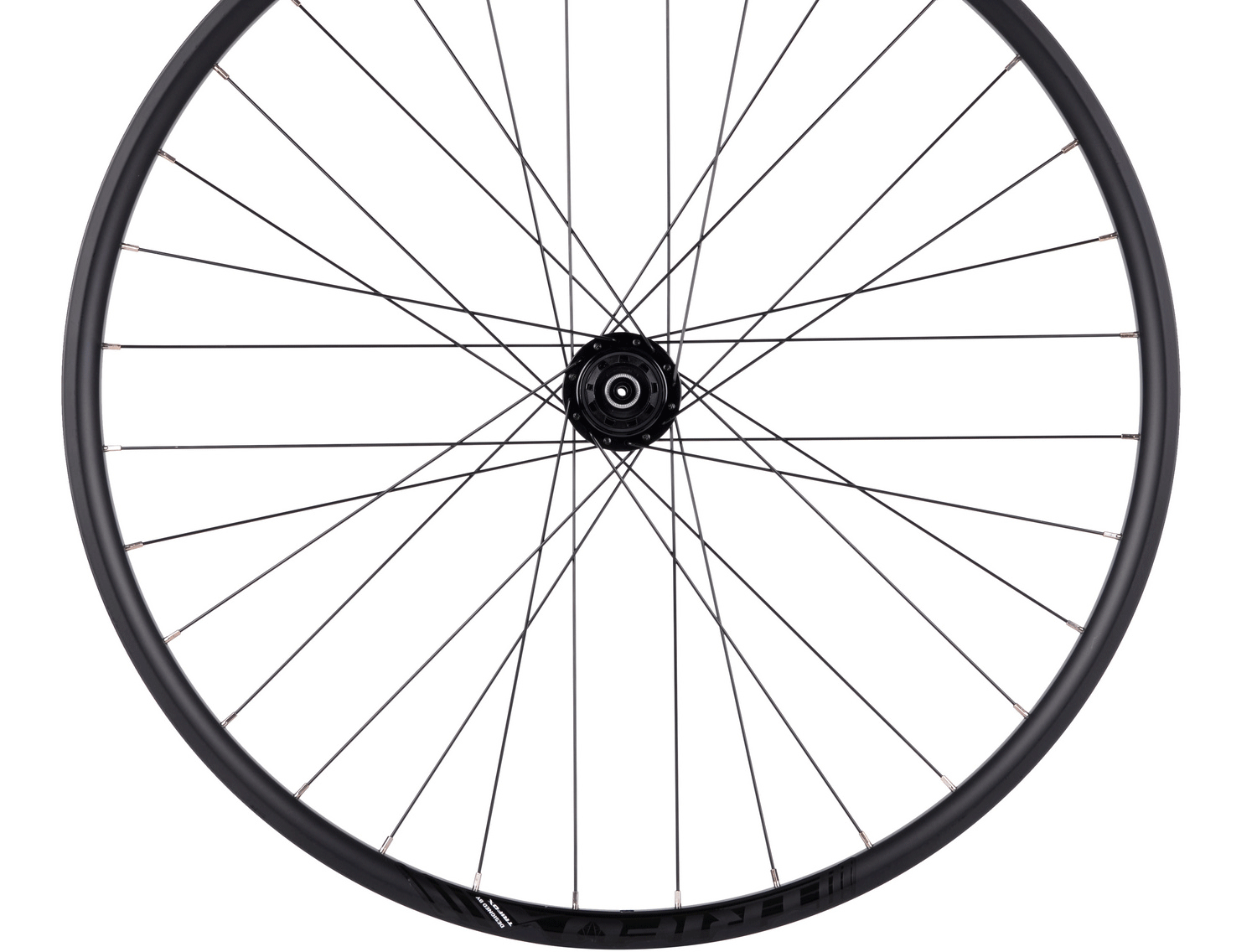
a) Mountain Bikes: Mountain bike tires generally have wider widths, providing increased traction in off-road terrains. The standard wheel size for mountain bikes is 26 inches, but newer models may feature 27.5 inches or 29 inches.
b) Road Bikes: Road bike tires are narrower, allowing for reduced rolling resistance on smooth surfaces. The commonly used wheel size for road bikes is 700c, although some variations exist.
c) Hybrid and City Bikes: Hybrid and city bike tires usually fall between mountain bike and road bike tires in terms of width. The tire size will vary depending on the specific bike model.
5. Additional Tire Markings:
Apart from the size specifications, bike tires often have additional markings indicating the tire's tread pattern, recommended tire pressure, maximum load capacity, and other vital information. Familiarizing yourself with these markings can further enhance your understanding of the tire's capabilities.
Conclusion:
Being able to read bike tire size is essential for all cyclists, ensuring that you can choose the appropriate tires for your riding style and terrain. By comprehending these size specifications, you can improve your bike's performance, comfort, and safety. Remember to consider the bike type, diameter, and width when selecting new tires. With this comprehensive guide, you are now equipped with the knowledge necessary to confidently interpret bike tire sizes. Happy cycling!



