








One of the most consequential decisions you'll make when building or upgrading a mountain bike is choosing the right front fork. The fork dictates how your bike handles, how much weight it carries, and how much feedback you get from the trail. For years, the default answer has been suspension—more travel, more squish, more control. But a growing number of riders are rediscovering the benefits of a high-quality rigid carbon mtb fork. The Trifox TMK200 is a prime example of how modern carbon engineering can deliver a ride that is lighter, more responsive, and more connected than many suspension setups. Here's how to decide which fork is right for you.
What Makes the TMK200 a Standout Carbon Rigid Fork?
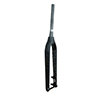
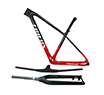
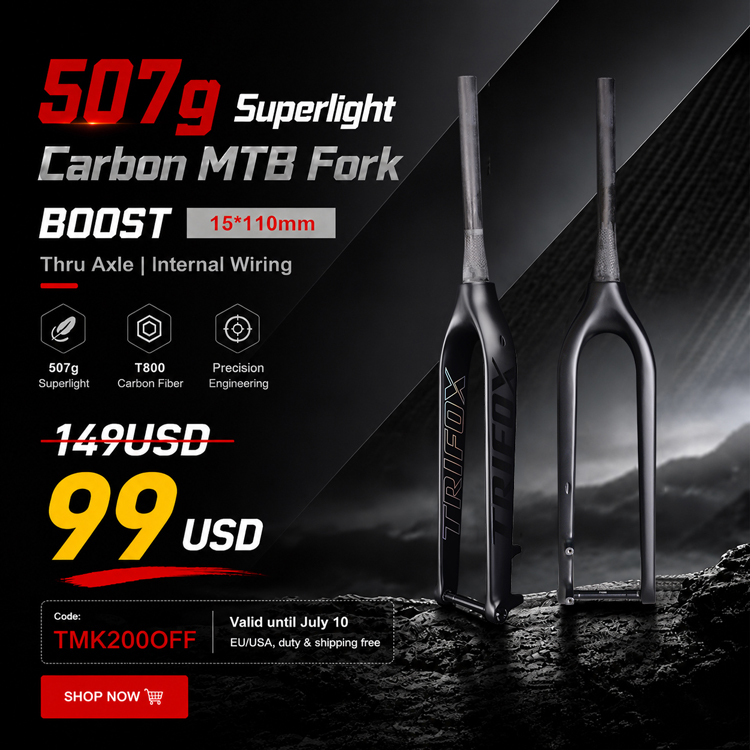
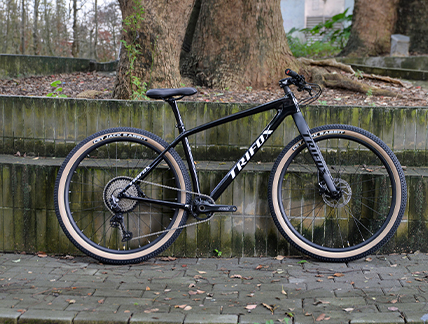
The TMK200 is a full‑carbon carbon mtb fork tapered (it features a tapered 1-1/8″ to 1-1/2″ steerer tube), engineered for 29er mountain bikes with Boost 110x15mm thru‑axle spacing. Weighing just 507 grams (without the thru‑axle), it offers a dramatic weight saving over most aluminum rigid forks (800–1,200g) and an even more significant reduction compared to suspension forks, which typically weigh 1.1–1.3 kg. Built from T800 carbon fiber, it delivers exceptional stiffness, precise steering, and natural vibration damping that reduces hand fatigue without isolating you from the trail. It also offers generous tire clearance up to 29×3.0 inches and disc brake compatibility for 160/180mm rotors.
Carbon Rigid Fork: Precision, Weight Savings, and Feedback
The primary advantage of a carbon rigid fork is weight reduction. Dropping over a kilogram from the front end makes the bike feel more agile, accelerates faster, and climbs with less effort. The direct connection between your hands and the trail provides instantaneous feedback—you feel exactly what the front wheel is doing, which helps you choose better lines and react more quickly to changing terrain. The TMK200's full‑carbon construction and Boost thru‑axle eliminate unwanted flex, locking the front wheel precisely to your steering angle for razor‑sharp handling. With fewer moving parts, carbon rigid forks also require minimal maintenance—no seals to replace, no oil to change, no air pressure to check.
Suspension Fork: Comfort and Forgiveness on Rough Terrain
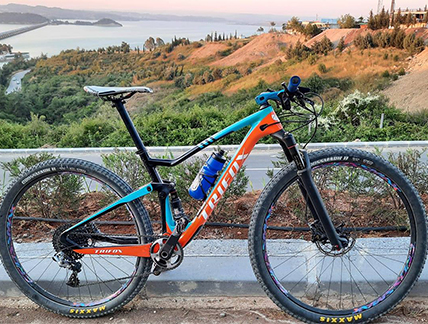
Suspension forks excel at absorbing large impacts and smoothing out rough, rocky trails. They allow you to maintain speed and control over chattery descents, reducing fatigue on long, technical rides. For riders who frequently tackle aggressive downhill terrain or rooty, rock‑strewn trails, the added cushioning of a suspension fork can be a game‑changer. However, suspension forks are heavier, more expensive, and require regular maintenance—seals, oil changes, and air spring servicing add to the long‑term cost. They also isolate the rider from some of the subtle feedback that helps you read the trail.
Which One Should You Choose?
The decision comes down to your riding style and terrain. Choose a carbon rigid fork like the TMK200 if you prioritize weight savings, climbing efficiency, precise steering, low maintenance, and a direct, connected ride feel—ideal for XC racing, bikepacking, gravel, and smoother singletrack. Choose a suspension fork if you ride aggressively on rocky, rooty, or extremely rough terrain and value comfort and impact absorption over weight and feedback.
Limited-Time Offer: TMK200 for Just $99
For a limited time (July 1–10), the Trifox TMK200 carbon rigid fork is available at an incredible promotional price of just $99. This is a rare opportunity to upgrade your hardtail with a premium T800 carbon fork at a fraction of the usual cost. Whether you're building a lightweight race bike, a rugged bikepacking rig, or simply want to transform your hardtail's handling, the TMK200 delivers exceptional value. Don't miss this chance to experience the benefits of a high‑performance carbon rigid fork.
2026-07-09
Trifox
SHARE:


Comments
Recent Posts
1
1
1
1
1
1
1
1
1
1
1
1
1
1
1
1
1
1
1
1
1
1
1

1



