



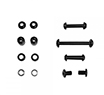
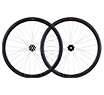
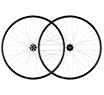
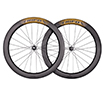
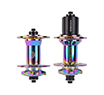
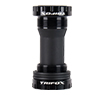
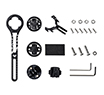
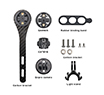
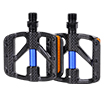





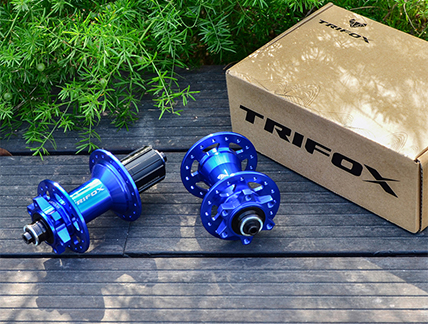
Few mechanical failures on a mountain bike are as frustrating as a hub that starts grinding, clicking, or developing play after a single muddy ride. The culprit is rarely catastrophic breakage — it‘s the slow, silent intrusion of water and fine dust past the hub’s seals. Hub seal design is the single most overlooked factor in how your wheels perform over time, especially if you ride in wet or dusty conditions. Understanding seals means fewer ruined bearings, less maintenance, and more time on the trail. Why Seals Matter More Than You Think A bicycle hub is not a sealed system. Water, mud, and dust exploit every tiny gap between the axle, bearings, freehub body, and hub shell. When contaminants penetrate the bearings, they mix with lubricating grease, turning it into a gritty abrasive paste. The result is accelerated wear, grinding noises, increased rolling resistance, and eventual bearing seizure. Properly sealed cartridge bearings — often designated as “2RS” or “LLB” — create a physical barrier that protects the internal bearing components. The Trifox M827 uses sealed cartridge bearings: two in the front and four in the rear, keeping grease in and grit out for smooth, long-lasting performance with minimal maintenance. That level of sealing directly translates to longer service intervals and fewer surprise failures mid‑ride. Contact Seals vs. Non‑Contact (Labyrinth) Seals Not all seals work the same way. Hub seals fall into two main categories: Contact seals (lip seals) use a flexible rubber lip that physically touches the rotating surface. They provide excellent contamination protection, but generate friction and heat — which costs you watts and eventually wears the seal itself. Non‑contact seals — commonly called labyrinth seals use a complex, tortuous path of interlocking grooves that makes it extremely difficult for water and dust to travel inward, without physically touching the rotating part. A labyrinth seal will not damage shafts, has a virtually unlimited life, and is frictionless, which means no power loss. Many premium hubs now combine both approaches. The M827’s design integrates sealed cartridge bearings with an optimized seal path — protecting against contaminants while keeping drag low. How Water and Dust Actually Enter Your Hub Much of the contamination happens not while riding, but when cleaning the bike. High‑pressure water from a garden hose or pressure washer is the fastest way to destroy a hub. Water can penetrate the seal in microseconds, flooding the bearing cavity, washing away grease, and leaving abrasive particles behind as it eventually evaporates. Visible signs of seal failure include cracked or missing seals on the hub shell, which allow contaminants to wreck bearings directly. Regular inspection is critical: check for cracks, dents, or corrosion on the hub shell, and feel for rough spinning or grinding noises when you rotate the axle. What to Look for in a Well‑Sealed Hub When choosing a durable mountain bike hub, examine four key aspects: 1. Bearing specification — Cartridge bearings with proper rubber seals (2RS) are essential. The M827 uses sealed cartridge bearings front and rear. 2. Seal protection — Look for hubs whose seals actively resist water, mud, and contaminant ingress. M827 bearings resist mud and water ingress. 3. Material robustness — Hubs made from corrosion‑resistant alloys with quality finishes help seals seat properly. The M827 is machined from 6061 and 7075 aluminum for strength and lightness. 4. Compatibility — A great hub must also fit your drivetrain. The M827 comes standard with a shimano hg hub freehub body supporting 8- to 12‑speed cassettes, with optional freehub bodies for SRAM XD and Shimano Micro Spline for modern drivetrains. Why the Trifox M827 Is Built for All‑Weather Durability The Trifox M827 is engineered for riders who don’t avoid mud, rain, or dust. Its combination of sealed cartridge bearings, robust aluminum construction, and optimized seal path keeps contaminants out without introducing excessive drag. Beyond sealing, the M827 delivers 72 points of engagement from a 6‑pawl driver — immediate power transfer for technical climbing — and convertible end caps that let you switch between QR and thru‑axle standards. For riders seeking best mountain bike hubs that balance durability, low drag, and long‑term reliability, the M827 is a compelling choice. Well‑designed seals mean fewer workshop hours and more miles of trouble‑free riding — and that‘s the kind of reliability that makes every trail better. Check out the Trifox M827 hub here to build your next durable wheelset.
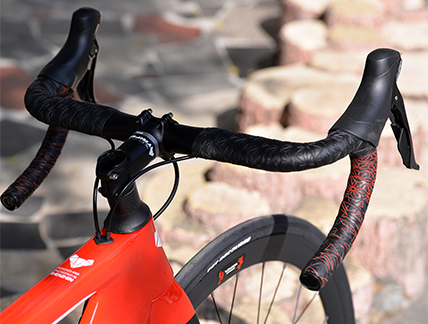
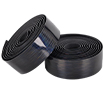
The next time your hands start to ache, tingle or go numb 40 miles into a century ride, don’t automatically blame your saddle or your bike fit. The real culprit could be the tape that connects you to the handlebar. Worn‑out or low‑quality bar tape directly accelerates hand fatigue by failing at its most critical job: managing road vibration. How Fresh Tape Fights Fatigue 1. Vibration Damping That Protects Your Nerves Road surfaces constantly generate high‑frequency vibration—the kind that travels from the front wheel, through the fork and frame, and straight into your hands. Industry studies indicate that effective vibration‑damping bar tape can reduce hand fatigue by up to 30% and allow cyclists to ride 15% longer on rough terrain. The mechanism is simple: fresh tape absorbs part of that vibrational energy before it reaches your palm, keeping your hand muscles and nerves fresher for longer. Sophisticated laboratory testing has confirmed the real‑world effect. SQlab’s research on the 714 handlebar tape showed that high‑quality tape can deliver 45% less rebound than standard tape, meaning it absorbs significantly more vibration from every bump. The same study found that a single 4‑hour ride produces a measurable negative effect on the nerve conduction velocity of the ulnar and median nerves—a direct contributor to the numbness and weakness cyclists often experience after long days in the saddle. Thicker, properly engineered bar tape actively slows this nerve fatigue. 2. Comfort Through Cushioning Every wrap of tape adds a small layer of padding, and those layers add up. Replacing flattened, hardened old tape with fresh material reintroduces the cushioning that your original bar tape once had. Thicker tape generally offers more vibration damping, which is why many long‑distance riders choose 2.5 mm or 3.0 mm tape rather than thinner race‑oriented options. For most road cyclists, this middle ground provides an ideal balance of comfort and direct bar feel. 3. Better Grip, Less Grip Force Worn, slick tape forces you to hold the handlebar tighter to maintain control—especially in wet or sweaty conditions. That extra muscle tension creates a feedback loop of fatigue. Fresh tape delivers superior grip, which reduces the amount of tension you need to hold the bar. When your hands relax, fatigue drops and steering precision improves. The math is simple: less squeezing + less vibration = longer rides with fresher hands. Why the BHT100 Gets the Job Done The Trifox BHT100 uses a dual‑layer EVA + PU leather construction. The EVA foam core delivers the shock‑absorbing resilience that fights hand fatigue, while the PU leather outer layer provides consistent, all‑weather grip and resists wear. A precise UD matt finish further enhances grip, preventing slippage even when you’re sweating hard or climbing in warm conditions. The tape includes a waterproof adhesive strip that helps the tape stay in place through rain and pressure‑washing, plus end plugs and finishing tape for a clean, durable wrap. It’s lightweight (just 25 g per set) and made to last, with multiple reviews noting that it doesn’t peel, crack, or degrade after extended use. Installation Tips for Maximum Comfort To get the full fatigue‑reducing benefit, install BHT100 correctly: - Start at the bottom, wrap outward. Begin at the bar end and spiral upward toward the stem, overlapping each layer by roughly 50%. - Maintain firm, even tension to avoid wrinkles that create pressure points against the palm. Tension also keeps the edge of the tape from lifting over time. - Secure the end properly with the included finishing tape or electrical tape so the wrap doesn’t loosen mid‑ride. A fresh, properly wrapped bar tape shouldn’t be an afterthought—it’s a direct line of defense between your hands and the unforgiving road. Whether you’re training for a century, grinding out winter base miles, or just want weekend rides to feel better, a $11 roll of Trifox bike bar tape can deliver measurable relief. For those who also want to upgrade their handlebar grips, the BHT100 provides a comfortable, durable solution that pairs perfectly with any road bike.
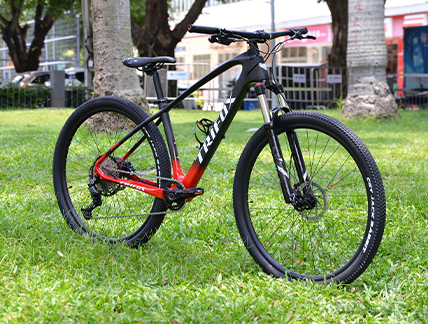
Walking out to the garage, you catch your bike in the mid-morning light. The carbon mtb hardtail 29 you’ve just finished building looks nearly flawless. But you’re also a bit nervous. You’ve read the stories about carbon frames and wondered how to keep yours out of the scrap pile. The good news is that protecting a high-quality 29er like the Trifox M2 is about understanding how carbon works—and building good habits from the inside out. Know What You’re Riding The M2 is a full T800 carbon fiber hardtail, a material valued for its stiffness-to-weight ratio. T800 is a high-modulus carbon, meaning it’s exceptionally rigid where you need power transfer (bottom bracket area, head tube) while still capable of damping trail vibration through the rear triangle. Because T800 is fatigue‑resistant and corrosion‑proof, your frame won't wear out simply from repeated riding. The real threats are impact, abrasion, installation error, and UV exposure. Understanding this shapes every protection decision. Preventative Internal Protection Before you take your carbon single speed 29er out for its first real ride, check the areas where shifting and brake housings enter the frame. The M2 uses internal cable routing, which keeps lines out of the elements. That also means cables can rub against the inside of the carbon layup over thousands of pedal strokes. Even a small vibration over time can wear through the resin. Many builders add small adhesive rubber frame protectors cut to fit around the cable entry ports. This is especially important where the housing makes contact with the raw carbon edge. A few dollars of helicopter tape or pre-cut rubber guides will keep the internal channels smooth and prevent housing from sawing into the composite structure. Structural Integrity Through Correct Assembly One of the most overlooked ways to protect a carbon frame is proper torque management. Over‑tightening components—seatpost clamps, bottle cage bolts, derailleur hangers—creates stress risers that can lead to invisible internal delamination. The frame may look fine, but the carbon layers have separated. Use a calibrated torque wrench. For a carbon single speed 29er build, the seatpost collar should be set to roughly 5–7 Nm for a dry carbon post with carbon paste. Never use grease on carbon interfaces; grease reduces friction, which then tempts you to overtighten. Assembly paste should always be applied. External Physical Protection Your frame’s outer surface faces daily attacks: rock strikes, chain slap, branches, and the inevitable parking-lot lean against a metal rack. The solution is layered protection. - Helicopter tape (clear polyurethane tape) is the first line of defense. Apply it to the downtube (for rock strikes), the chainstays (for chain slap), the top tube (for loading onto a rack) and the underside of the down tube, and anywhere a cable housing might touch the frame. - Rubber chainstay guards. Pre-cut rubber guards damp chain slap noise and keep the drive-side stay chip‑free. - Protective edge strips. Small stick‑on rubber or felt strips at the cable entry holes protect both the housing and the frame. These add almost no weight and preserve both the structure and the resale value of your carbon mtb hardtail 29. Regular Checks for Long‑Term Health After a muddy ride, don’t just blast the frame with high pressure. Use a gentle spray and mild bike cleaner. High-pressure water can force grit past bearings and into the internal cable channels. Check for visible cracks, especially near the bottom bracket, head tube, and seatpost collar. Also feel for soft spots—any “give” in the carbon could indicate delamination. UV exposure is another silent enemy. The clear coat that covers the carbon weave degrades after prolonged sunlight, allowing UV rays to attack the resin and eventually cause surface chalking. Store the M2 indoors away from direct sun. Ride and Forget, But Not Really Carbon frames are not fragile, but they are precise. The Trifox M2 uses T800 full carbon construction, modern cable routing, and a 29er geometry that thrives on aggressive XC and trail riding. Protecting that frame is not about treating it like glass; it’s about building simple habits: torque wrenches, frame tape, internal port protection, and smart storage. Ride hard, inspect often, and your carbon mtb hardtail 29 will still be rolling strong when your friends are already on their third bike.
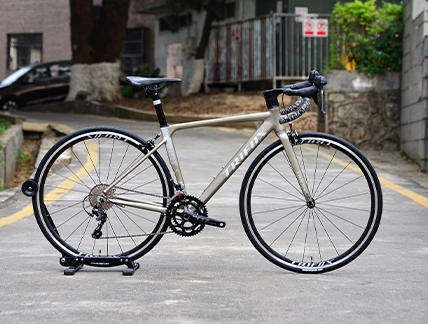
Walk into any bike shop today and you’d be forgiven for thinking disc brakes have completely taken over. Shelf after shelf is lined with hydraulic stoppers, rotor buzz, and the quiet confidence of all-weather power. But step back and look closer. Some of the most interesting road bikes for real riders sit quietly in the corner—lighter, simpler, and dramatically more affordable. The Trifox R241 C-brake is one of them. In a market where road bikes under 1000 have become increasingly rare, this alloy framed, Tiagra‑equipped machine asks a pointed question: do you *actually* need discs? The 2026 Reality: Discs Aren’t Always Better Disc brakes are genuinely superior in specific conditions—long, rain‑soaked alpine descents or muddy winter miles. But for the vast majority of road cyclists, those conditions are the exception, not the rule. As one 2026 analysis notes, “On lightweight road bikes and hybrid bikes, rim brakes often provide more than enough braking force for everyday riding”. Rim brakes are lighter, simpler to maintain, and significantly cheaper to manufacture. The R241 capitalizes on exactly those strengths. The spec sheet tells a clear story. The R241 tips the scales at approximately 9.75 kg (about 21.5 lb)—respectably light for an alloy frame at this price point. Much of that weight savings comes from eliminating heavy disc rotors, calipers, and thru‑axles. The result is a bike that feels eager on climbs, responsive in corners, and refreshingly uncomplicated. What You Actually Get for $659 At a regular price of $659 (down from $1,399), the R241 is a genuine contender for anyone looking for a capable budget road bike that doesn’t cut corners on the things that matter. The ultralight seamless tube aluminium frame uses AL6061 alloy with T4‑T6 heat treatment, a process that improves strength without adding unnecessary bulk. The fork is alloy, not steel, keeping front‑end weight low and steering precise. But the highlight is the drivetrain. The R241 is equipped with a full Shimano Tiagra R4700 2×10‑speed groupset—Tiagra sits just below the revered 105 tier and benefits directly from trickle‑down engineering. Cycling Weekly’s Tiagra review praised its “excellent front and rear shifting” and noted that the dual‑pivot rim brakes “provide light, comfortable performance… a significant increase in modulation” compared to older designs. You get the same crisp lever feel, reliable shifting, and proven durability that have made Shimano’s mid‑range groupsets legendary. Why C-Brakes Remain a Smart Choice The arguments for rim brakes in 2026 are the same as they’ve always been, but the context makes them more compelling than ever. Simplicity means no bleeding hydraulic lines, no replacing rotors, and no worrying about caliper alignment. Weight remains a tangible advantage, especially on budget builds where every gram is precious. Cost is the undeniable trump card. At under $700, the R241 undercuts virtually every disc‑brake road bike with a comparable groupset by hundreds of dollars. Maintenance is even easier. The R241 uses standard quick‑release wheels (front QRx100mm, rear QRx130mm), so you can swap wheels in seconds without worrying about rotor rub or axle standards. Replacement brake pads cost a few dollars and take minutes to install. For a rider who simply wants to ride—without a degree in hydraulic engineering—that simplicity is a feature, not a compromise. Who Is the R241 Actually For? The R241 is not for the racer chasing marginal seconds on wet mountain passes. It is, however, a near‑perfect fit for: - New riders stepping into road cycling for the first time, who want quality components without a overwhelming upfront cost. - Value‑focused enthusiasts who understand that a good alloy frame with a Tiagra groupset delivers 90% of the performance of bikes costing twice as much. - Dry‑weather riders—let’s be honest, many of us avoid the rain anyway. - Anyone building a smart budget road bike, who would rather invest savings in wheels, tires, or a proper bike fit. The Bottom Line Rim brakes are *not* dead. They have simply found their proper place: affordable, lightweight, and thoroughly practical road bikes for riders who prioritize value over marketing hype. The Trifox R241 C-brake is a compelling example of that philosophy executed well. Light alloy frame, excellent Shimano Tiagra shifting, classic c‑brake simplicity—all for a price that respects your bank account. The disc brake revolution has delivered real benefits, but it has also created opportunity. For those seeking genuine road bikes under 1000 that still deliver a rewarding ride, the R241 deserves a close look. Sometimes the smartest upgrade is knowing what you don’t need.
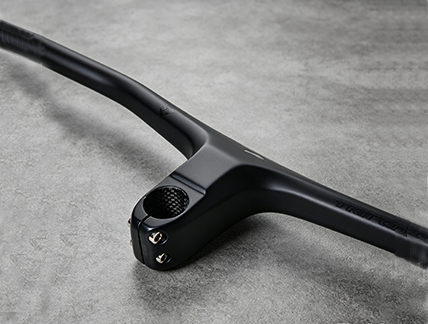
So you’ve bought a Trifox RHB600 carbon xc bars upgrade—and you’re staring at the box, wondering how not to turn that beautiful carbon cockpit into expensive scrap. Good news: integrated carbon bars aren’t as scary as they seem. You just need the right technique, a few essential tools and a little patience. This guide walks you through every step of installing your carbon fiber bar safely, without cracking it, crushing it or cutting too much off. Before You Start: What You’ll Need * Torque wrench (the single most important tool for carbon) * Hex keys (4mm, 5mm) * Carbon assembly paste (never grease!) * Measuring tape or ruler * Fine-tooth hacksaw with carbon blade * Masking tape * Fine-grit sandpaper (400 grit) * Cable routing tool or safety wire (for internal routing) * Safety glasses and soapy water (for cutting) Step 1: Route the Cables First (Don’t Skip This) The RHB600 is a full internal routing design. All brake hoses, derailleur cables and dropper housings run completely inside the bar and stem structure. That means you must route the cables before clamping anything. Remove the port covers at the stem area and lever mounting points. Use a cable routing tool or a length of thin safety wire with a small hook bent at the end. Feed the wire from the stem entry port toward the lever exit port, attach the cable housing to the wire, then pull it through. Repeat for both sides. This step takes patience—but it’s far easier than trying to fish cables after the bar is clamped in place. Tip: Use a few drops of isopropyl alcohol as lubricant to help housing slide through the internal channels. Step 2: Check Bar Width Before Cutting Most integrated bars come at a standard 800mm width. That’s wide for stability, but many riders prefer 760mm or 780mm for tighter singletrack. Before cutting, mount the bar loosely (without fully torquing) and sit on the bike. Feel whether your hands naturally fall slightly inside the grips. Remember: you can cut more off later, but you can’t add material back. Measure twice, cut once. When you’re ready to cut: wrap masking tape around both sides at the cut mark to prevent carbon splintering. Use a fine-tooth hacksaw blade and keep the cut surface sprayed with soapy water to contain carbon dust (which is harmful to breathe). After cutting, smooth the raw edge with 400-grit sandpaper—never use a metal file on carbon. Step 3: Apply Carbon Paste—Never Grease Standard grease makes carbon surfaces slippery and risks over-torquing. Carbon assembly paste contains tiny particles that increase friction between components, allowing you to achieve a secure hold at lower torque. Apply a thin, even layer to the stem clamp area and the steerer tube contact points. Smooth with your finger. Don’t glob it on—a thin coat is all you need. Step 4: Torque Correctly (This Is Non‑Negotiable) The most common cause of carbon handlebar failure is over‑tightening. Use a calibrated torque wrench. General torque for carbon bar clamp bolts is 4–6 Nm, but always follow the manufacturer’s specific recommendation for your stem. Tighten the faceplate bolts in a cross pattern (X‑pattern), not all on one side first, to distribute pressure evenly. For control clamps (brake levers and shifters), use a lower torque—around 2–4 Nm. Overtightening these can crush the carbon tube. If you don’t own a torque wrench, buy one before touching carbon components. It’s not optional. Step 5: Final Check and Cable Trim Once everything is torqued to spec, cycle the fork through its travel to ensure cables aren’t binding or pulling taut. Then trim excess housing at the lever and frame entry points, install end caps, and seal the internal routing ports with the included rubber plugs. The Takeaway Installing an RHB600 carbon xc bars is a step‑by‑step process that rewards patience. The key rules: route cables first, measure cuts carefully, use carbon paste, and always—always—use a torque wrench. Follow these steps and your carbon fiber bar will stay intact, silent and safe for thousands of trail miles. And if you’re unsure at any stage, a local bike shop can handle the installation for a small fee—still far cheaper than replacing a cracked carbon bar.
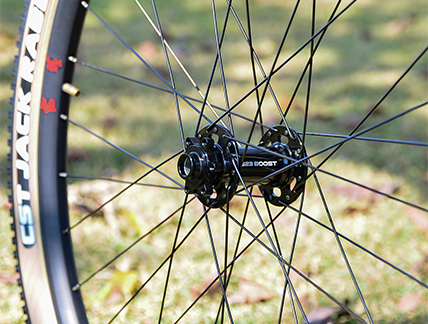
Whether you’re building a new mountain bike from the frame up or simply replacing a worn‑out set of hoops, wheel compatibility is rarely as straightforward as “it’s a 29er.” A modern MTB wheelset must align with your frame’s rear dropout spacing, match your brake rotor mounting standard, and support a tire width that suits your terrain. Overlook any of these three parameters and you risk anything from a subtle rotor rub to a wheelset that simply won’t fit. In this technical deep dive we break down the three pillars of MTB wheel compatibility: the Boost 148 rear hub, the 6‑bolt disc interface, and the 25mm internal rim width. We use the Trifox WM823 bicycle wheel as our reference example because it combines all three modern standards in one durable alloy package. Hub Spacing: Why Boost 148 Has Become the Norm The first and most critical compatibility check is the rear hub’s spacing, today measured by its “Over Locknut Distance“ (OLD). While older mountain bikes used 135mm quick‑release (QR) or 142mm thru‑axle spacing, almost every contemporary trail, enduro and cross‑country frame now requires **Boost 148mm** rear spacing. As the name implies, Boost adds 6mm to the overall hub width—3mm on each side—compared to the older 142mm standard. That seemingly small increase has a big mechanical benefit: it pushes the hub flanges farther apart, which allows the spokes to form a wider bracing angle. The result is a significantly stiffer, stronger rear wheel without adding extra material weight. According to early industry data, a 29˝ wheel built around a 148mm Boost hub achieves the same lateral stiffness as a smaller 27.5˝ wheel with a 142mm hub. Stiffer wheels track more accurately, resist flex under hard cornering and improve pedaling efficiency—exactly what you want on aggressive singletrack. The WM823 hub is built specifically for the **Boost 148x12mm** rear standard (front: 15x110mm), making it a perfect match for any modern hardtail or full‑suspension frame. The WM823’s rear axle attachment is a **thru‑axle**, which further increases stiffness by threading directly into the frame dropout rather than relying on a QR skewer. And if you are currently riding an older QR frame, the WM823 includes optional end caps that convert it to a 9x100mm (front) and 10x141mm (rear) QR, a versatile feature not found on many competing wheelsets. Rotor Mount: 6‑Bolt Remains the Trail‑Ready Choice The second major interface is the disc rotor mount. Two standards dominate the MTB world: the traditional **6‑bolt (ISO)** pattern and Shimano’s proprietary **Center Lock** system. While both work perfectly well, each has trade‑offs that affect the mountain bike rider. Center Lock rotors are secured by a single lockring, which makes wheel installation and removal marginally faster, especially on the side of the trail. However, 6‑bolt rotors are far more common (especially at replacement time), generally slightly lighter, and easier to repair on the trail because no special tool is needed to remove a stuck lockring. The WM823 uses a **6‑bolt disc interface**, a choice that aligns perfectly with the demands of cross‑country and all‑mountain riding. The six bolts distribute clamping force evenly around the rotor, and repair is simple: you only need a 5‑mm hex key and an appropriately sized rotor—both can be found at almost any bike shop. The WM823’s braking system also accepts both Shimano and SRAM rotors (and most other brands), so you are never locked into a single component ecosystem. Rim Width & Tire Compatibility: Matching Tire Profile to Trail The third compatibility dimension is rim width, which determines how a tire sits once inflated. Too narrow a rim for a given tire will “lightbulb” the tire, rounding the tread contact patch and reducing grip. Too wide a rim can make the tire feel overly square, risking burping on low‑pressure setups. The industry standard for a **29er MTB wheelset** riding 2.2–2.4 inch tires is an internal rim width in the 25–30mm range. The WM823 hits right in the sweet spot with a **25mm internal width** and a **30mm external width**. This profile is engineered to support tires from 1.9 inches (for fast‑rolling XC rubber) up to 2.5 inches (for aggressive trail tread). The low 25mm rim depth further helps you run lower pressures without the risk of rim dings because the tire has a stable, broad platform to rest on. Lower pressure means more traction, better small‑bump compliance, and a much more forgiving ride over roots and rocks—all without adding appreciable weight. The WM823’s alloy rims are tubeless‑ready clinchers, making the switch to tubeless sealant simple and reliable. Putting It All Together: Building a Compatible MTB Wheelset Choosing a wheelset that aligns on all three dimensions—Boost spacing, 6‑bolt rotor mount and a modern internal rim width—eliminates most compatibility headaches before they arise. The Trifox WM823 mtb wheelset 29 was conceived as a turn‑key solution for today’s frames: a 148x12mm rear hub, a 15x110mm front hub, a 6‑bolt rotor interface, and a durable 25mm internal rim. The wheelset includes stainless steel Pillar spokes, 32 holes per wheel, and ceramic bearings. Each wheelset is backed by a two‑year warranty and supports rider weights up to 125 kg (275 lb). Ultimately, when you check the three compatibility boxes properly, you stop worrying about spec sheets and start enjoying a ride that is stiffer, more responsive and more capable wherever the trail leads.
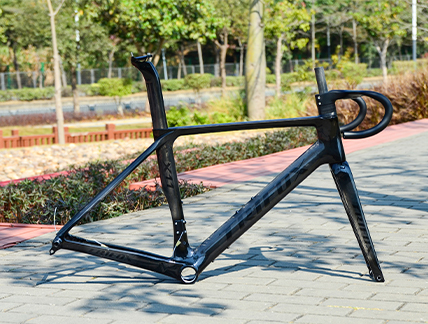
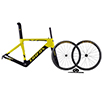
There is a point in every builder’s journey when a box arrives. Inside, wrapped in foam and bubble wrap, is a carbon frame—a thing of sculpted beauty, ready to become someone’s pride. The question that lingers in that moment is: is this one built right? For the Trifox X11, the answer is shaped long before the box is sealed. Behind every one of these road bike frameset clearance creations stands a quality control process that runs from raw carbon fibre to final inspection. Here is how the X11 is built—consistently, reliably, and with the precision that defines a modern chinese carbon fiber frame at its best. From Prepreg to Autoclave: The Layup Foundation Every X11 begins as prepreg—carbon fibre fabric pre-impregnated with epoxy resin. The layup process is where the frame’s character starts. Sheets of T800 carbon are cut as plies and layered by hand in orientations that govern stiffness, compliance, and impact resistance. Some layers are placed at 0° to resist pedaling forces; others at 45° or 90° to manage torsional loads through corners. Each frame uses a specific sequence of plies, a recipe refined through finite element analysis to ensure the right balance of rigidity and vibration damping. This is not guesswork. The layup crew trains for weeks before touching a production frame, and each ply is positioned with a margin of error measured in millimeters, verified against laser-cut templates to ensure consistency part to part. After the plies are placed into the mold, the frame enters an autoclave—a pressurized oven where heat (typically 120–130°C) and pressure cure the resin, eliminating voids and bonding the layers into a homogeneous structure. This step is arguably the most critical in carbon frame manufacturing. Incomplete curing or trapped air can compromise strength, so autoclave cycles are logged and monitored for every production batch. Finding the Invisible Flaws: Non‑Destructive Testing Once a frame emerges from the autoclave, its true integrity must be verified without damaging it. This is where non-destructive testing enters the process. High-end carbon frame manufacturing employs **ultrasonic testing** to peer inside the carbon. High-frequency sound waves are passed through the laminate; reflections reveal delaminations, voids, or areas where plies failed to bond. This is the same inspection technology used in aerospace composite structures, and it catches flaws invisible to the naked eye. Advanced manufacturers—and those producing frames intended for international markets—also use **X‑ray computed tomography** and **thermography** to detect subsurface anomalies. For a frame like the X11, intended to withstand years of road vibration and occasional road hazards, this level of scrutiny is non‑negotiable. Visual Inspection and Dimensional Precision Before any frame leaves the production floor, it receives a thorough visual examination. Inspectors check for surface irregularities—pinholes, dry spots, or uneven clear coat—and also look inside bottom bracket shells and head tubes for signs of cured resin pooling or misaligned plies. The frame is then mounted on a geometry fixture to verify its alignment against the X11’s published specifications: head tube angle, bottom bracket drop, chainstay length, and rear dropout alignment. A frame that is misaligned by even a few millimeters can cause tracking problems and accelerated component wear. The X11 is also designed to carry a 2‑year warranty, a commitment that requires each frame to meet consistent standards across every batch. Raw Materials and Supply Chain Accountability Quality control begins long before the layup table. The X11 is built from **T800 carbon fibre**, a high‑modulus material known for its stiffness‑to‑weight ratio. But raw fibre is only as good as its source. Reputable manufacturers require certificates of analysis for each roll of carbon, verifying fibre density, resin content, and tensile strength. Incoming rolls are staged in climate‑controlled storage to prevent moisture absorption, which can compromise the resin during curing. The bottom bracket shell is machined to accept a **T47 threaded bottom bracket**—a standard chosen for its reliability, but one that requires precise machining to ensure proper bearing alignment. Every machined interface, from the headset cups to the brake mounts, is checked with calibrated gauges. Real‑World Verification Specifications alone do not build trust; real‑world performance does. Owners of Trifox carbon frames have noted that components fit precisely—bottom brackets thread cleanly, headset bearings seat without creaking, and wheels slot into dropouts without binding. They also point to the importance of the company’s responsiveness, with one reviewing the overall experience as efficient and reliable. While no manufacturing process is perfect, a systematic quality control protocol directly reduces the likelihood of defects and uneven bond lines. The X11’s **full internal cable routing** and integrated carbon handlebar are additional examples of complex features that rely on precise molding to ensure smooth housing paths. These details are not afterthoughts—they are designed and validated through the same quality framework that governs the frame’s structural elements. Why Consistency Matters to You Every time you climb out of the saddle, carve a descent, or ride through a rainstorm, you are testing your frame. What you hope not to discover is a variance from one frame to the next—a bottom bracket that creaks, a rear triangle that flexes more on one side, or a dropout that twists under load. Consistency is the quiet virtue of a mature supply chain. A frame that is built the same way, inspected with the same tools, and tested to the same standards, batch after batch, earns the right to be called reliable. The X11 represents that kind of engineering discipline: not flashy, not overstated, but built with the precision that lets a rider stop thinking about the frame and start enjoying the road. For more details or to explore the X11 further, visit the product page linked below. Road Bike Frameset Clearance Options The Trifox X11 is available in multiple sizes to fit a wide range of riders: XS (49cm) for heights 155-168cm, S (52cm) for 165-178cm, M (54cm) for 175-188cm, and L (56cm) for 185-196cm. With a bare frame weight starting at just 965g and a full internal cable routing design, the X11 represents an uncompromising road bike frameset clearance choice for those seeking a high-performance carbon chassis without the premium price tag attached to bigger brand names. Its T47 bottom bracket and disc brake compatibility further ensure this frame remains current as component standards continue to evolve. For riders who have hesitated to invest in a chinese carbon fiber frame, the X11’s documented quality control provides the reassurance that this is a frame built to last. Choose the X11, and you choose consistency—ride after ride, mile after mile.
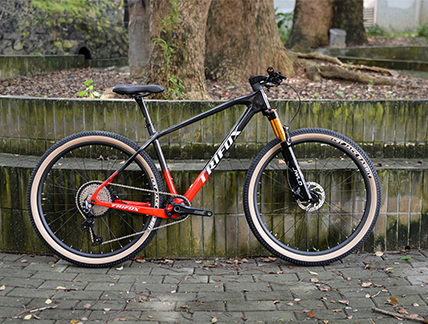
The mountain biking industry has long sold us on a simple message: stiffer is better. Stiffer frames, stiffer wheels, stiffer cockpits. The logic seems impeccable—less flex means more power transfer, more precise steering, and a bike that goes exactly where you point it. But like many simple truths, this one overlooks a crucial nuance. Real-world trails are not smooth, predictable tracks. They are chaotic tapestries of roots, rocks, off-camber turns, and sliding loam. On such terrain, an extremely stiff bike can actually hold you back. A frame with just the right amount of lateral compliance—controlled side-to-side flex—can improve traction, enhance cornering confidence, and reduce fatigue, transforming a good hardtail into a great one. The Trifox SDY21 carbon hardtail embodies this balanced philosophy, proving that sometimes, a little bit of give is exactly what you need. The Problem with Total Rigidity An ultra-stiff frame resists flex in all directions. On smooth pavement, this is ideal. On a rough trail, however, a supremely rigid rear end fights the terrain's natural irregularities. When you lean into a loose corner, an overly stiff frame can feel skittish, breaking traction rather than conforming to the surface. Worse, it transfers every vibration and shock directly to the rider, accelerating hand, arm, and back fatigue. This is not a hypothetical problem. Industry designers are increasingly questioning the "stiffer is better" mantra. As noted in recent analyses of carbon wheel design, the pendulum may have swung too far: "the goal posts may be shifting" as manufacturers dial back extreme lateral rigidity to achieve better real-world performance. A bike that is too stiff can actually feel slower because it demands more effort to hold a line through unpredictable, high-frequency trail chatter. Lateral Compliance vs. Vertical Compliance To understand this, it helps to distinguish between two types of frame flex. Vertical compliance is the frame’s ability to absorb impacts and vibrations from trail bumps. It improves comfort and traction on rough ground. Lateral (or horizontal) compliance is the frame’s ability to twist slightly side‑to‑side under cornering loads. While marketing has long focused on making frames both "laterally stiff and vertically compliant," the reality is more complex. Controlling the degree of lateral flex is an engineering art. A frame that exhibits controlled lateral compliance—essentially, a small amount of torsional twist—can help the rear wheel track the ground more faithfully through a corner, maintaining a larger contact patch and improving grip. The Rocky Mountain Instinct Carbon 70 AXS review noted that lateral flex "helped on my fast, local, hardpacked trails," and the bike “bends quite literally around corners,” flexing in a way that makes it “a scalpel on the trail.” This controlled flex is not a flaw; it is a feature that enhances handling precision. How Carbon Fiber Allows Precise Tuning The advantage of a high-quality carbon frame like the SDY21 is the ability to tune stiffness in specific directions. Unlike aluminum, which has a more uniform stiffness profile, T800 carbon fiber allows engineers to orient the layup of carbon sheets to achieve a desired ride character. Through finite element analysis (FEA), designers model stresses across the frame and strategically place stiffer carbon in high-load zones while allowing a calculated degree of compliance in others. The SDY21 geometry also contributes to this balance. With a 70° head tube angle and 443mm chainstays, the bike is stable at speed yet agile enough for tight switchbacks. The short chainstays improve maneuverability, while the carbon layup in the rear triangle is tuned to track through corners without feeling harsh. This design prioritizes real‑world handling over raw acceleration. The Rider Experience What does controlled lateral compliance feel like on the trail? Owners of the SDY21 consistently report that the bike “soaks up trail chatter” and “climbs like a dream,” yet feels “planted” on descents. One reviewer noted that it “just disappears under you”—the mark of a frame that works with the rider rather than fighting the terrain. Another praised it as “lightweight, agile, and very fun on the trail.” This is the magic of a well-tuned carbon frame. You stop thinking about the bike and start focusing on the trail. The frame’s subtle forgiveness allows you to hold your line through loose sections, and its vibration damping lets you ride longer with less fatigue. The Practical Bottom Line For riders considering an entry level hardtail mountain bike, the SDY21 represents an exceptionally compelling choice. It is a genuine cheap mountain bikes option that delivers premium features: a full T800 carbon frame weighing as little as 1,028 grams, full internal cable routing, and compatibility with three axle standards (135mm QR, 142mm TA, and 148mm Boost). But its real value lies in its ride quality—a balanced tuning of stiffness and compliance that proves you do not need to suffer a harsh ride to enjoy the benefits of carbon. The next time you hear “stiffer is better,” remember that engineering excellence is about balance. A frame that bends just enough to hold traction, absorbs just enough chatter to keep you fresh, and reacts precisely when you need it to is not a compromise. It is a smarter design. The Trifox SDY21 is proof that sometimes, the best frames are the ones that give a little to gain a lot.
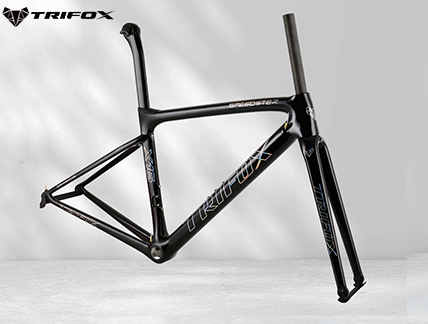
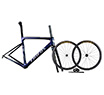
The most persistent question in road cycling hasn't changed in decades: is a carbon frame worth the premium? For riders eyeing the Trifox X16QR, this calculation involves a 979-gram 56cm frameset, T800 carbon construction, and the enduring simplicity of rim brakes. The price gap between this carbon frame and a comparable alloy alternative is real. But so are the performance returns. Let's weigh them. The Weight Equation: How Much Does 200 Grams Actually Matter? Spec sheets tell one part of the story. The X16QR 56cm frameset weighs 979g ±30g. A high-quality aluminum frame in the same size typically lands between 1,200g and 1,500g. That's a 200-500g difference—the equivalent of carrying a full water bottle or leaving it at home. But raw grams don't capture the riding experience. The X16QR's T800 carbon fiber construction offers a stiffness-to-weight ratio that aluminum can't match. Every pedal stroke feels immediate, with less energy lost to frame flex. On a climb or out of a corner, that responsiveness translates into tangible performance. For competitive cyclists, a 500g lighter frame can improve climbing speed by 1-2%, potentially saving 20-30 seconds per hour on steep ascents. For the rest of us, the benefit is less about seconds and more about sensation—a bike that feels eager, lively, and responsive to every input. Beyond Weight: The Ride Quality Argument Weight savings are only part of carbon's value proposition. The X16QR's natural vibration-damping properties fundamentally change how a road bike feels over long distances. Carbon fiber excels at absorbing high-frequency road vibrations—the relentless chatter of chipseal, worn pavement, and expansion joints. Studies have shown that carbon frames can reduce high-frequency vibration transmission to the rider by 23–37% compared to aluminum. Riders report up to 30% less forearm fatigue after two hours on carbon-equipped bikes. This means you arrive at the end of a long ride less beaten down, with fresher hands, arms, and focus. For endurance riders and century enthusiasts, this comfort advantage alone justifies the upgrade. Additionally, carbon frames can be "tuned" through different layup schedules to achieve specific ride characteristics—stiff where you need power transfer, compliant where you want relief from road imperfections. This level of engineering refinement is difficult to achieve with aluminum. The Rim Brake Advantage: Simplicity and Savings The X16QR is a road frameset rim brake design at a time when the industry has largely shifted toward discs. For many riders, this is a feature, not a drawback. Rim brakes offer lighter overall system weight, simpler maintenance, and easier wheel changes compared to disc systems. There are no rotors to align, no calipers to bleed, and no risk of contaminated pads. For riders who don't regularly descend mountains in the rain, rim brakes remain more than adequate. The pragmatic advantage is cost. Disc brake frames and wheels command premiums at every price point. By choosing a rim brake frameset like the X16QR, you're investing more of your budget into the frame itself—the foundation of the bike—rather than into a braking system you may not fully utilize. The quick-release dropouts (front 9×100mm, rear 10×130mm) further simplify wheel compatibility and maintenance. Building Your Dream: The Complete Frameset Package The X16QR isn't just a bare frame. The complete 56cm frameset includes a full carbon fork (325g) and a carbon seatpost (182g), ensuring weight savings are carried throughout the entire build. Internal cable routing keeps the cockpit clean and the frame looking modern, while compatibility with both DI2 electronic and mechanical groupsets ensures flexibility regardless of your drivetrain preference. Tire clearance up to 700×28C provides a moderate increase in comfort and grip over the standard 25C limit, allowing for slightly wider rubber without compromising the frame's race-oriented geometry. Who Is the X16QR For? The X16QR's weight savings and ride quality are most valuable for: - Climbing specialists who spend significant time on steep grades. - Endurance riders who prioritize comfort over long hours in the saddle. - Enthusiast builders who want a high-quality carbon foundation without paying the premium for disc brakes. - Riders who value simplicity—quick-release wheels, easy maintenance, and decades of rim brake compatibility. For a pure budget build, an aluminum frame will save money upfront. But for the rider who understands that a frame is the heart of the bike and that weight and ride quality matter on every ride, the X16QR offers a compelling value proposition. The question isn't whether carbon is "worth it." It's whether your riding deserves the upgrade.



