



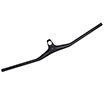
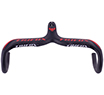
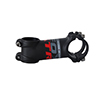





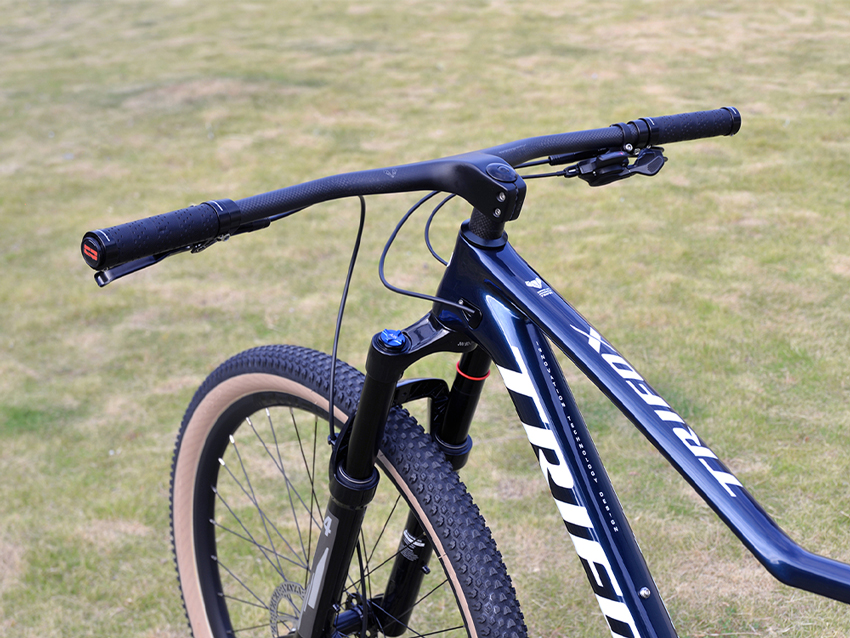
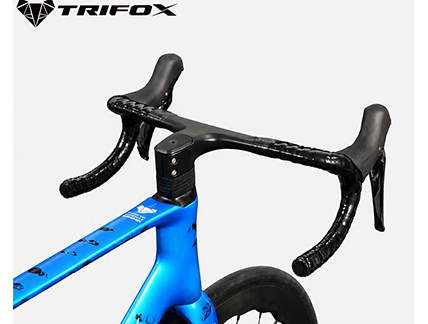
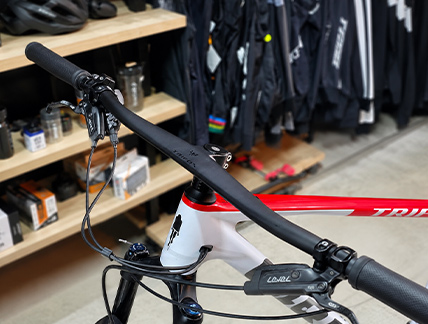
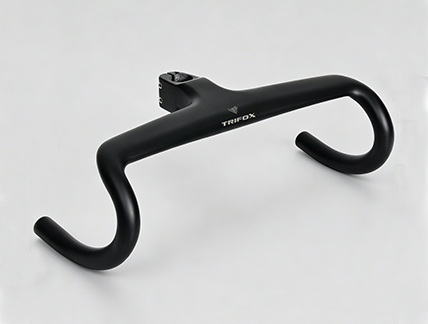
When it comes to mountain bike handling, the handlebar is your primary connection to the trail. Its geometry—the angles and dimensions—dictates how you control the bike, how efficiently you climb, and how confidently you descend. The Trifox RHB200 integrated carbon handlebar features a purposeful combination of a -17° stem angle and a 9° backsweep, a pairing meticulously chosen to deliver a balanced, powerful, and comfortable riding position for aggressive trail riding. Understanding these numbers reveals why the RHB200 is engineered for control.
The -17° Stem: Aggressive and Stable
The stem angle is critical for setting your front-end height and reach. A -17° stem is on the lower end of the angle spectrum, meaning it positions the handlebar lower and further forward relative to the steerer tube. This creates a more aggressive, aerodynamic riding position that lowers your center of gravity. On steep descents, this lower stance inspires confidence, allowing you to weight the front wheel effectively for traction and control. During high-speed sections, it promotes stability by placing your body in a balanced, centered position over the bike. This angle is favored by riders who prioritize precise, aggressive handling and want to maintain a low, powerful profile on the trail.
The 9° Backsweep: Natural Wrist Position
The backsweep angle dictates how far the grips are angled back toward the rider. A 9° backsweep is a carefully calibrated figure for mountain biking. It places your hands and wrists in a more natural, neutral alignment, which is crucial for two reasons. First, it significantly reduces strain and fatigue in your wrists, forearms, and shoulders during long climbs and extended rides. By allowing your hands to sit in a position that follows your arm's natural angle, you can maintain a relaxed, powerful grip with less muscular tension. Second, it optimizes leverage and control when descending. This natural wrist angle allows you to pull up on the bars for manuals or absorb impacts with greater strength and less effort, giving you more precise command over the front wheel through rough sections.
The Integrated Advantage: Stiffness and Feedback
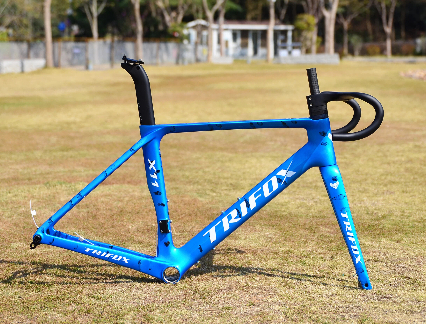
Beyond the angles, the RHB200's integrated, one-piece T800 carbon fiber construction is key to translating this geometry into performance. By eliminating the separate stem and bar interface, this design creates an incredibly stiff and direct connection. When you lean the bike into a corner or make a sudden line correction, the response is immediate and precise, with zero detectable flex or delay. This stiffness provides exceptional feedback, allowing you to feel exactly what the front wheel is doing. Despite its rigidity, carbon's natural vibration-damping properties filter out high-frequency trail chatter, reducing arm pump without sacrificing the valuable feedback you need to stay in control.
A Customizable Fit for Every Rider
The RHB200 is available in stem lengths of 80mm, 90mm, 100mm, and 110mm, and the 800mm width can be cut down, allowing you to fine-tune your reach and leverage to match your body and riding style perfectly. Weighing in at approximately 280g, it's a significant weight saving over most alloy combinations, contributing to a livelier, more responsive front end.
In conclusion, the Trifox RHB200's geometry isn't an accident; it's an engineered system designed to enhance trail control. The -17° stem provides an aggressive, stable platform for descents, while the 9° backsweep ensures ergonomic comfort and powerful leverage. For riders seeking a set of high-performance bars for mountain bike that offer this precise blend of control and comfort, the RHB200 represents a compelling choice. It transforms the cockpit into a cohesive, responsive tool that instills confidence on every climb and descent, solidifying its place as a contender for the best mtb handlebars available.
2026-03-19
Trifox
SHARE:


Comments
Recent Posts
1
1
1
1
1
1
1
1
1
1
1
1
1
1
1
1

1
1
1

1
1
1
1

1



