



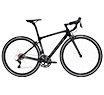
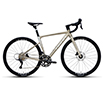
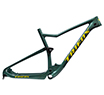
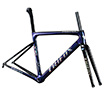
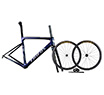
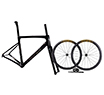
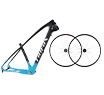
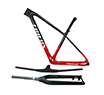





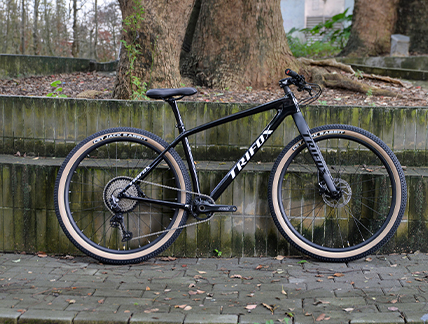
Most mountain bikers assume that more suspension equals better control. But there is a different path—one that many experienced riders are rediscovering. A quality mountain bike forks with a rigid carbon design strips away complexity and delivers something rare: a direct, unfiltered connection to the trail. The Trifox TMK200 is a 29er-specific rigid mtb fork that proves how lightweight construction and modern geometry can transform a hardtail‘s handling. Let’s explore how a carbon rigid fork sharpens your performance on the trail.
Reduced Unsprung Mass for Quicker Steering
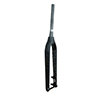
Weight at the front of your bike directly affects how quickly it changes direction. A typical suspension fork weighs roughly 2.5 pounds (1.1–1.3 kg), while a high-quality carbon rigid fork like the TMK200 tips the scales at just 507 grams (1.1 lb). Dropping over a kilogram from the front end dramatically reduces the fork‘s rotational inertia, allowing the bike to respond to steering inputs with less effort. The result is a front wheel that feels eager, flickable, and far more precise through tight singletrack. Lighter unsprung mass also means your suspension fork’s spring rate and rebound damping are no longer a factor—every lean and countersteer transmits directly to the trail.
Greater Stiffness for Cornering Confidence
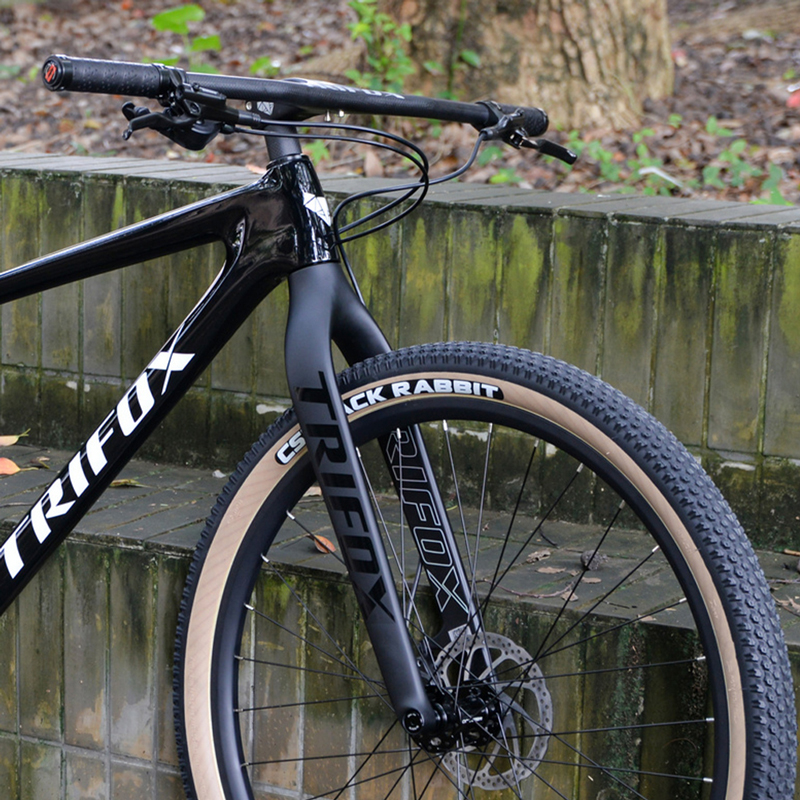
Flexibility in a fork creates vagueness. When you push hard into a berm or rail through a high-speed sweeper, any torsional flex in the fork causes the front wheel to lag, reducing traction and forcing mid‑corner corrections. The Trifox TMK200 is engineered for exceptional lateral rigidity. Its full‑carbon construction and Boost 110x15mm thru‑axle spacing eliminate unwanted flex, locking the front wheel precisely to your steering angle. The wider Boost spacing also pushes the hub flanges farther apart, which further improves spoke bracing angles and wheel stiffness. Riders who have tested the TMK200 consistently report feeling “more precise steering and less flex,” translating into greater confidence during aggressive cornering. This is the true advantage of a modern rigid mtb fork: the front end goes exactly where you aim it, without delay or deflection.
Superior Vibration Damping Without Isolation
Suspension forks excel at absorbing large impacts, but they also isolate the rider from the subtle feedback that helps you read the trail. Carbon fiber offers a unique solution: it filters out harsh, fatigue‑inducing high‑frequency vibration while transmitting the low‑frequency information you actually need. Carbon forks are known to be significantly stiffer than aluminum while also having better vibration damping. The TMK200’s T800 carbon layup is specifically designed to reduce trail “buzz” that leads to arm pump and hand numbness, yet it retains the precise steering feedback that keeps you in control on loose or chunky surfaces. You stay fresher on long days without losing the connection that helps you choose the smoothest line.
Enhanced Trail Feedback for Better Line Choice
Perhaps the most overlooked benefit of a rigid fork is how it sharpens your riding skills. Without suspension to mask mistakes, you learn to read the trail differently. You look further ahead, spot smoother lines, and develop a more active, flowing riding style. A carbon mountain bike forks transmits a clear feel of the trail surface—more so than forks that mix carbon with alloy crowns or steerers. That feedback helps you place the front wheel exactly where you intend, improving overall bike handling and line choice on technical sections. Over time, rigid-fork riding builds better fundamentals that make you a faster, safer rider even when you return to a suspended bike.
The TMK200: A Modern Standard for Rigid Handling
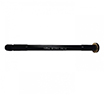
The Trifox TMK200 is purpose‑built for today‘s hardtails. It features a 1-1/8” to 1-1/2” tapered steerer, Boost 110x15mm thru‑axle spacing, and a 45mm offset—specs that complement modern trail geometry perfectly.Clearance for tires up to 29x3.0” makes it versatile enough for everything from XC racing to bikepacking, while its disc brake compatibility (160/180mm rotors) ensures confident stopping power. Riders who have installed the TMK200 note that it transforms their bikes into “lightweight, durable, and off‑road‑capable” machines. At just $109, it represents an accessible entry into precision handling.
The shift to a carbon rigid fork isn‘t for everyone—if you spend your days charging through rock gardens at warp speed, suspension remains the better tool. But for riders who prioritize responsiveness, feedback, and a pure connection to the trail, a modern rigid mtb fork like the TMK200 is a revelation. It sharpens handling, reduces fatigue, and, most importantly, makes every trail feel more alive.
2026-05-14
Trifox
SHARE:


Comments
Recent Posts
1
1
1
1
1
1
1
1
1
1
1
1
1
1
1
1
1
1
1
1
1
1
1

1



