


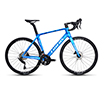
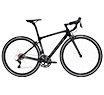
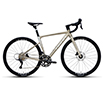
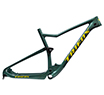
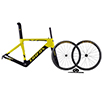
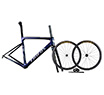
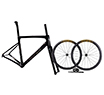
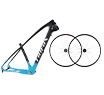





For riders looking to upgrade their mountain bike, a carbon hardtail has always been a popular choice that combines light weight, pedalling efficiency, and off‑road fun.
If your main riding includes XC, trail, daily training, or long‑distance off‑road, a high‑performance hardtail delivers more direct power feedback.
So, is the TRIFOX M2 the right Carbon Hardtail for you?
What is a Carbon Hardtail?
The defining feature of a hardtail mountain bike is a suspension fork at the front and no rear suspension.
Compared with full‑suspension bikes, hardtails usually have a simpler structure and lighter overall weight.
For riders who enjoy climbing and XC riding, a hardtail transfers more pedalling power directly to the rear wheel, improving riding efficiency.
This is why many riders, when searching for the best hardtail mountain bikes, pay special attention to frame weight, drivetrain, and wheel size.
TRIFOX M2: Built for Speed and Trail
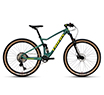
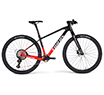
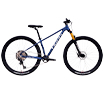
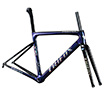
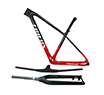
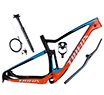
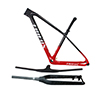
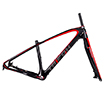
The TRIFOX M2 is a hardtail mountain bike built with a carbon fibre frame, designed for MTB enthusiasts who value light weight and efficient riding.
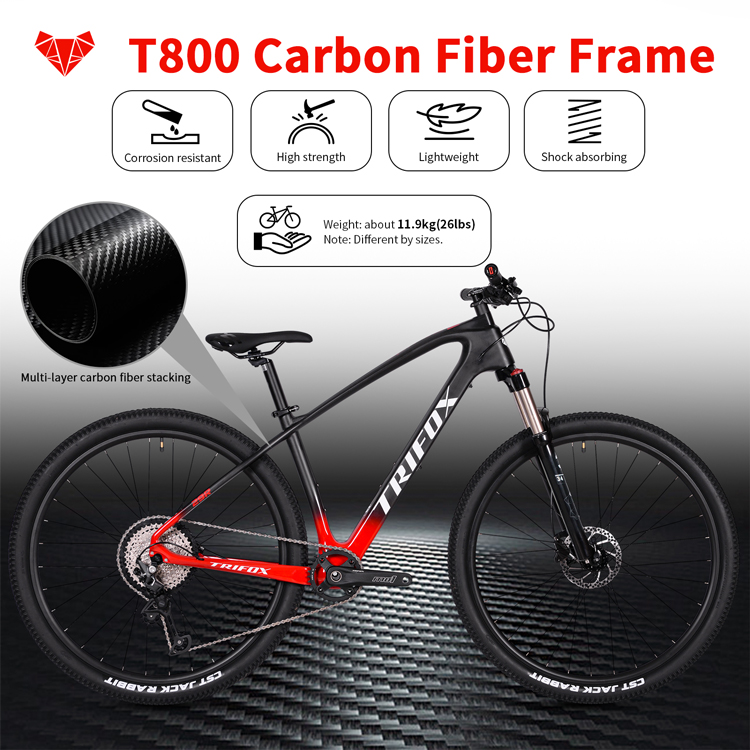
A carbon frame strikes a good balance between weight, stiffness, and comfort. Compared with traditional materials, carbon helps reduce overall bike weight while maintaining excellent pedalling response.
For XC riding, a lighter bike also means less unnecessary burden when climbing, accelerating, or covering long distances.
Shimano 12‑Speed Groupset for Better Riding Efficiency
The TRIFOX M2 is equipped with a Shimano 12‑speed groupset, offering a wider range of gear ratios.
Whether climbing steep hills or cruising at high speed, the 12‑speed drivetrain helps riders find a more comfortable cadence.
For those who frequently do XC training or ride on varied terrain, a smooth and reliable shifting system is essential.
Paired with the carbon hardtail frame, the M2 delivers a more direct experience in power transfer and riding efficiency.
29er Bike: Better Rollover and Stability
As a modern 29er bike, the TRIFOX M2 is ideal for riders who prioritise high‑speed stability and the ability to handle rough terrain.
The 29‑inch wheels roll more easily over gravel, roots, and small obstacles, while providing excellent stability at speed.
For long‑distance XC riding, a 29er also helps maintain smoother rolling efficiency.
So if your regular routes include trails, mountain terrain, and long training rides, the 29er configuration is well worth considering.
Multiple Colours to Personalise Your MTB
Beyond performance, the TRIFOX M2 is available in a range of colours.
For many riders, a bike is not just sports equipment – it is also an expression of personal style.
Different colours can be matched with different wheelsets, handlebars, and other upgrade components, allowing you to build a mountain bike that reflects your own taste.
Whether you prefer an understated classic look or a more vibrant, sporty finish, you can choose the colour that suits you best.
$869 – Who Is It For?
The TRIFOX M2 is priced at $869, with free shipping and tax‑free delivery to Europe and the US.
US buyers also benefit from local shipping, reducing waiting time; other regions are shipped directly from China.
For riders looking for a carbon hardtail mountain bike with a strong price‑to‑spec ratio, this combination is highly attractive.
Is the TRIFOX M2 Right for You?
The TRIFOX M2 is worth considering if you:
- Enjoy XC and hardtail mountain biking
- Want to upgrade to a carbon frame
- Need a Shimano 12‑speed drivetrain
- Prefer the stability of 29‑inch wheels
- Value light weight and pedalling efficiency
- Want a choice of multiple colours
- Are looking for a high‑value carbon mountain bike
For riders who primarily tackle big drops, rocky sections, or aggressive descents, a full‑suspension bike may be more suitable. But if your focus is on speed, climbing, and XC efficiency, a carbon hardtail is an excellent choice.
Conclusion
So, is the TRIFOX M2 the right Carbon Hardtail for you?
If you are looking for a mountain bike that combines a lightweight carbon frame, 29‑inch wheels, a Shimano 12‑speed drivetrain, and XC performance, the TRIFOX M2 is a model worth considering.
It brings together the direct and efficient pedalling feel of a hardtail frame, the stable rollover of a 29er bike, and multiple colour options – meeting the needs of daily training, XC riding, and long‑distance off‑road adventures.
For riders comparing the best hardtail mountain bikes, the TRIFOX M2 offers a compelling balance of performance, specification, and price.
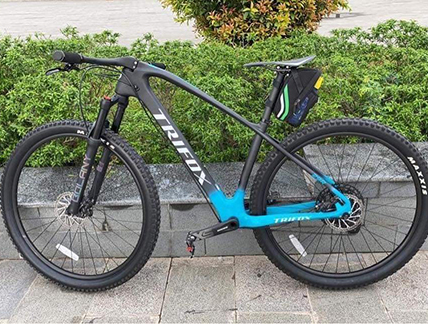
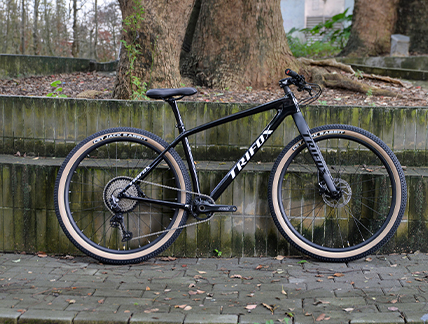
Carbon fibre mountain bikes are increasingly popular among MTB riders for their light weight, high stiffness, and excellent ride quality.
However, mountain riding environments are often harsh – mud, dust, and water stains can accumulate on the frame, drivetrain, and suspension components. If left uncleaned for long periods, this not only affects the bike's appearance but also accelerates component wear.
So, how do you properly wash a carbon MTB bike?
Here is a simple, safe cleaning method.
What do you need before washing a carbon MTB?
Before you start, it is recommended to have:
- Bicycle‑specific cleaner
- Soft sponge or brush
- Clean towels
- A bucket of water
- Chain cleaning tool
- Bicycle lubricant
It is important to note that while carbon fibre is strong, the clear coat and paint still need protection.
Avoid using harsh, corrosive cleaners and never use a high‑pressure washer directly on frame joints or bearing areas.
Step 1: Remove mud from the frame first
If your MTB has just finished a trail ride, the frame and tyres are usually covered in mud.
Start by gently rinsing off surface dust with clean water.
For large mud clumps, wet them first to soften, then wipe away.
Do not use a dry cloth to scrub hard, as abrasive particles could scratch the frame's surface.
Step 2: Clean the carbon frame
The TRIFOX SDY20 Carbon MTB Bike features a lightweight carbon frame, so special care is needed to protect the surface during daily cleaning.
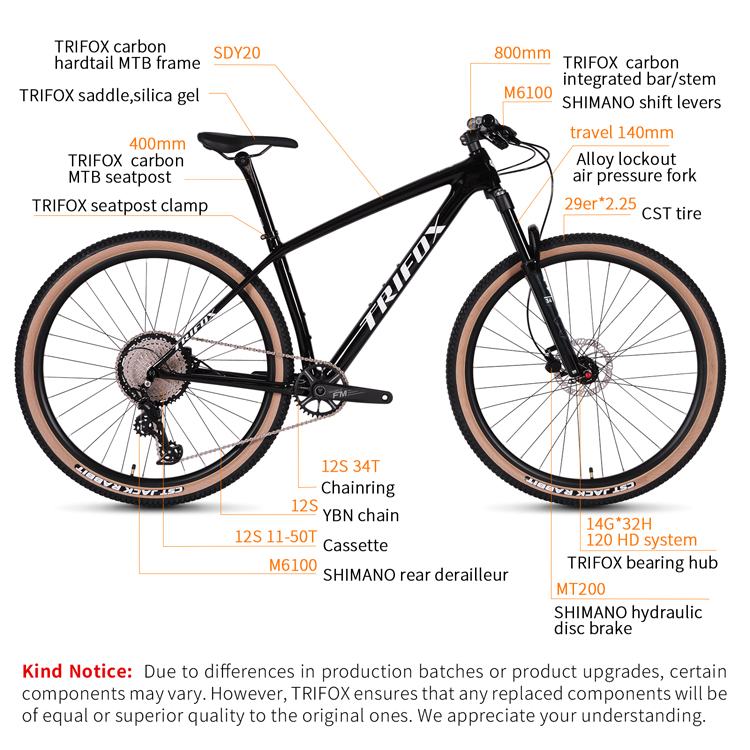
When washing the frame:
- Use a soft sponge
- Clean from top to bottom
- Avoid hard bristle brushes
- Check for any unusual scratches on the frame
One of the biggest advantages of a carbon frame is its light weight and durability – with proper maintenance, it will perform well for many years.
Step 3: Focus on the drivetrain
Compared with the frame, the chain, cassette, and chainrings accumulate far more grime.
When cleaning the drivetrain, use a dedicated degreaser and pay special attention to:
- Chain
- Rear derailleur
- Cassette
- Chainrings
After cleaning, always re‑apply chain lubricant.
This reduces friction and improves shifting smoothness.
Why is it worth maintaining your carbon MTB?
Many riders focus on price and specifications when buying an MTB.
Today, there are many low priced mountain bikes on the market, but high‑quality carbon models still need proper care to deliver long‑term performance.
For those who love off‑road riding, a well‑maintained bike not only rides more smoothly but also extends the life of every component.
Whether in European, American, or Spanish‑speaking markets, more and more riders are paying attention to high‑performance bicicletas de montaña – and proper cleaning and maintenance are essential steps to keep your bike performing at its best.
TRIFOX SDY20: A lightweight carbon mountain bike option
The TRIFOX SDY20 is a carbon mountain bike designed specifically for XC and everyday trail riding.
It features a lightweight carbon hardtail frame combined with modern Boost standards, offering riders better stiffness and handling.
Key features include:
- Carbon hardtail frame
- Lightweight design
- Boost rear axle standard
- Excellent pedalling efficiency
- Suitable for XC, trail, and daily riding
For riders who want high performance without breaking the bank, the SDY20 is a model worth considering.
What to do after washing?
After cleaning, finish with these final steps:
First, dry the frame and components with a clean towel.
Then, check:
- Brake function
- Chain lubrication
- Bolt tightness
- Tyre pressure
If you won't be riding for a while, store the bike in a dry place away from prolonged direct sunlight.
Conclusion
Properly washing a carbon MTB is not complicated, but attention to detail matters.
Regular cleaning of the frame and drivetrain keeps your bike performing better and extends its lifespan.
The TRIFOX SDY20 carbon mountain bike, with its lightweight frame, efficient handling, and reliable performance, is a model worth considering for XC riders and MTB enthusiasts alike.
Whether you choose an entry‑level low priced mountain bikes or a high‑performance carbon bicicletas de montaña, good cleaning habits are the key to keeping your bike in its best condition.
For many road cyclists, there is always a common goal: to ride faster, easier, and farther.
Whether it's weekend long-distance rides, amateur races, or daily training, a high-performance road bike can make a world of difference. In recent years, more and more riders have set their sights on aero road bikes. Compared with traditional road bikes, they offer better aerodynamics, more modern designs, and higher riding efficiency.
If you are planning to upgrade your ride, the TRIFOX Velox X11 Carbon Aero Road Bike might be exactly the bike you have been waiting for.
Why are more and more people choosing Aero road bikes?
In the past, many thought aero bikes were only for professional racers.
In fact, with continuous advances in carbon fibre technology and aerodynamic design, today's aero road bikes combine speed, comfort, and light weight, making them ideal for both daily riding and racing.
At speeds above 30 km/h, air resistance becomes the biggest obstacle to forward motion. Aero frames, through optimised tube shapes and overall lines, effectively reduce drag, allowing riders to maintain higher cruising speeds with less effort.
For those who enjoy long rides or high‑speed training, this improvement is clearly noticeable.
Not just fast – but also light
Many riders worry that aero bikes are necessarily heavier.
But today's design philosophy has changed. Good aero road bikes pursue not only speed but also overall weight.
As a result, more brands are creating models that approach the lightest aero road bike level, so riders can enjoy aerodynamic benefits without sacrificing climbing performance due to extra weight.
This balance has become a trend in modern high‑performance road bikes.
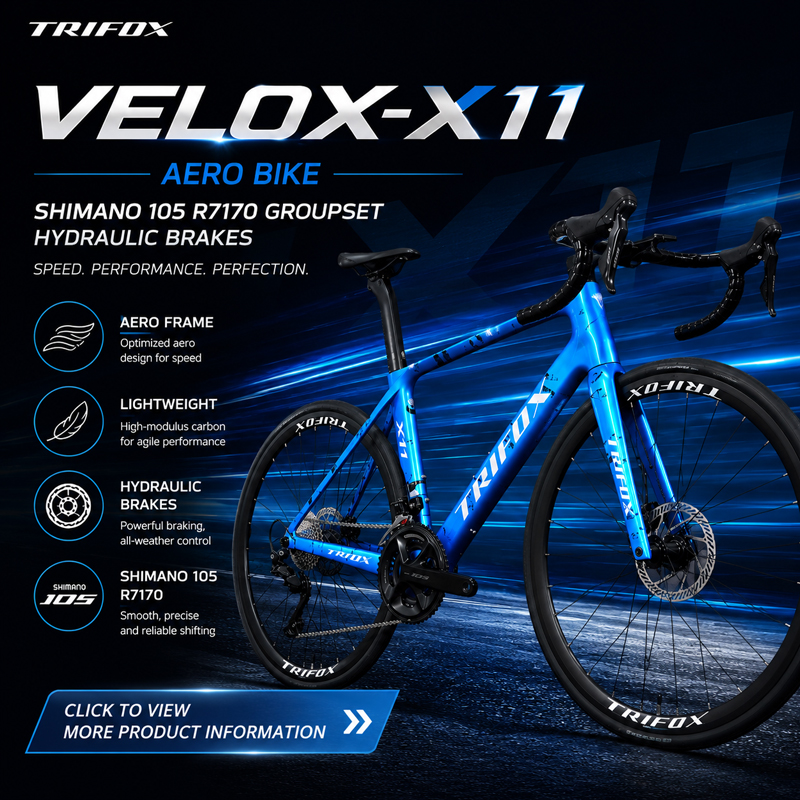
TRIFOX Velox X11: Speed and light weight combined
If you want a one‑step upgrade, the TRIFOX Velox X11 Carbon Aero Road Bike is well worth your attention.
The Velox X11 features a lightweight carbon fibre frame combined with aerodynamic design, delivering speed, stability, and precise handling.
Key highlights include:
- Lightweight carbon aero frame
- Aerodynamic tube shaping to reduce drag
- Disc brake system for reliable and consistent stopping power
- Shimano R7120 hydraulic groupset for crisp and precise shifting
- Fully internal cable routing for a clean, sleek look
- High‑stiffness frame for improved pedalling efficiency
Whether for daily training, long‑distance rides, or road races, the Velox X11 delivers an efficient and stable riding experience.
What changes will you feel after upgrading?
A good carbon aero road bike brings more than just extra speed.
Many riders notice after upgrading:
- Easier flat‑road cruising.
- Greater stability at high speeds.
- More immediate acceleration response.
- Less fatigue on long rides.
- A more modern, athletic overall appearance.
These improvements may not be fully apparent on the first ride, but as your mileage grows, you will increasingly appreciate the advantages of a high‑performance frame.
Who should upgrade to an Aero Road Bike?
Upgrading to an aero road bike is especially worthwhile if you:
- Want to increase your cruising speed.
- Frequently join group rides or races.
- Follow a regular weekly training schedule.
- Enjoy challenging long‑distance rides.
- Desire a more modern, higher‑spec build.
Even if you are not a professional, a great aero road bike can help you ride easier and more efficiently.
Conclusion
For every road cycling enthusiast, upgrading to a better bike is an exciting step forward.
Modern aero road bikes are no longer just about speed – they also integrate light weight, comfort, stiffness, and responsive handling, offering a more complete riding experience.
If you are looking for a bike that combines aerodynamic design, lightweight construction, and premium components, the TRIFOX Velox X11 Carbon Aero Road Bike is definitely worth considering. With its philosophy close to the lightest aero road bike, equipped with a Shimano hydraulic groupset and a modern carbon frame, it will accompany you in training, racing, or pushing your limits on ever‑longer rides.
For cyclists preparing to buy a road bike, the debate between aluminium and carbon fibre has always been a hot topic.
Some believe carbon fibre represents high performance, while others think aluminium is more durable and better value. So, is an alloy road bike really better than a carbon road bike?
In truth, there is no absolute answer. It all depends on your budget, riding needs, and usage scenarios. Below, we break down the differences in the alloy vs carbon road bike debate from several key angles.
Weight: Carbon is lighter, but the gap is narrowing
Many people choose a carbon frame primarily for its lighter weight.
However, with continuous improvements in aluminium manufacturing, many high-quality alloy road bikes today offer impressive weight figures.
Some outstanding models are even hailed by riders as the lightest alloy road bike, delivering brisk acceleration in everyday riding.
For weekend rides, commuting, or fitness training, the weight difference may not be as noticeable as you might think.
Ride Feel: Carbon offers more comfort
One of carbon fibre’s biggest advantages is its ability to absorb more road vibration.
On long rides, carbon frames typically provide a smoother, more comfortable riding experience.
Aluminium frames, on the other hand, are stiffer, offering direct pedalling feedback and quick acceleration – a crisp, responsive feel that many riders actually prefer.
For urban cycling or short-distance training, alloy road bikes remain highly appealing.
Durability: Aluminium is better for daily use
If you commute regularly or need to transport your bike frequently, aluminium is often the more hassle‑free choice.
Compared to carbon, aluminium is more resistant to knocks and scuffs, with less worry about minor impacts causing damage.
For beginners, this is a major reason why many opt for aluminium.
Price: Aluminium offers better value for money
With a limited budget, an alloy road bike typically delivers higher specifications for the same spend.
For the same budget, you can often get:
- A better Shimano groupset
- More reliable wheels
- Higher‑spec brakes
- A more complete overall build
That is why price remains a crucial factor in the alloy vs carbon road bike discussion.
TRIFOX Alloy Road Bike: A high‑value entry‑level choice
If you are looking for a reliable, budget‑friendly road bike, check out the TRIFOX Alloy Road Bike:
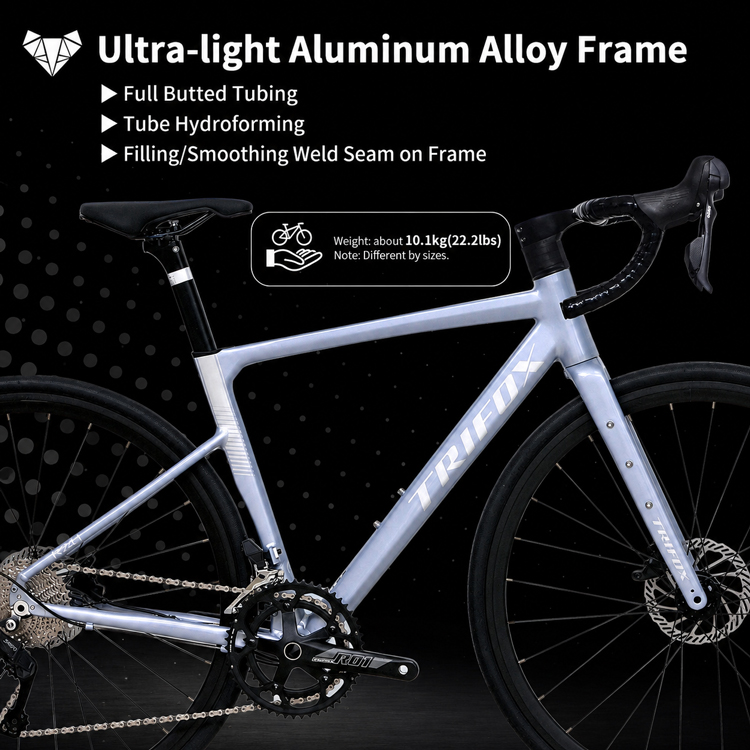
This complete bike features an ultralight aluminium frame paired with a Shimano Tiagra R4700 2×10‑speed groupset, meeting the demands of daily training, city commuting, and long‑distance leisure riding.
Key highlights include:
- Ultralight aluminium frame design
- Shimano Tiagra R4700 groupset
- Disc/C‑Brake braking system
- Responsive and smooth handling
- Suitable for beginners and intermediate riders
- Clean aesthetics that balance speed and practicality
For riders who want to experience the lightest alloy road bike feel without stretching their budget too far, this model is well worth considering.
Which road bike is right for you?
If you race frequently, pursue极致 lightweight, and have a ample budget, a carbon road bike remains a great choice.
But if you prioritise value for money, durability, and everyday riding experience, an alloy road bike can deliver excellent performance too.
In fact, more and more riders are rediscovering high‑quality aluminium models. Modern aluminium manufacturing continues to advance – not only are frames lighter, but their riding performance is increasingly approaching that of high‑end models, making them the best balanced solution in many cyclists' eyes.
Conclusion
Is an alloy bike always better than carbon? The answer is no; nor is carbon fibre suitable for everyone.
When choosing between an alloy vs carbon road bike, the most important thing is to decide based on your own budget, riding frequency, and actual needs.
If you want a reliable, lightweight, low‑maintenance, and well‑balanced road bike, the TRIFOX Alloy Road Bike is certainly worth considering. It combines performance, durability, and price – whether you are a beginner or a regular rider, it delivers a stable and enjoyable cycling experience.
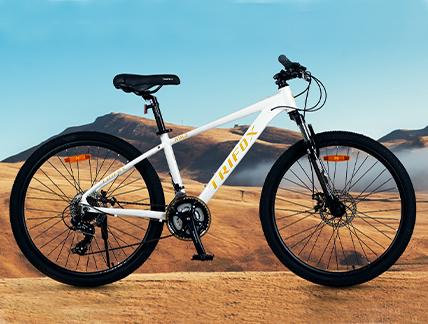
In a world dominated by 29ers and 27.5-inch wheels, the 26-inch mountain bike often gets overlooked. But for many riders—especially beginners, teens, and smaller adults—the 26er remains an incredibly smart choice. It offers a blend of agility, affordability, and fun that larger wheel sizes simply can't match. The Trifox Ventura 26 Path is a modern take on this classic platform, combining a lightweight aluminum hardtail mountain bike frame with reliable components and disc brakes. Here's why this 26-inch mountain bike might be the perfect fit for you.
The Agility Advantage
The primary advantage of a 26-inch wheel is its nimble handling. Smaller wheels accelerate faster, turn more sharply, and feel more playful on tight, technical trails. For newer riders, this agility translates to easier control and greater confidence on singletrack. As one experienced rider noted, “the 26” precision for slow cornering or slow tech is better” than larger wheels. If your local trails are twisty, rooty, or require quick direction changes, a 26-inch bike like the Ventura 26 Path will feel like an extension of your body.
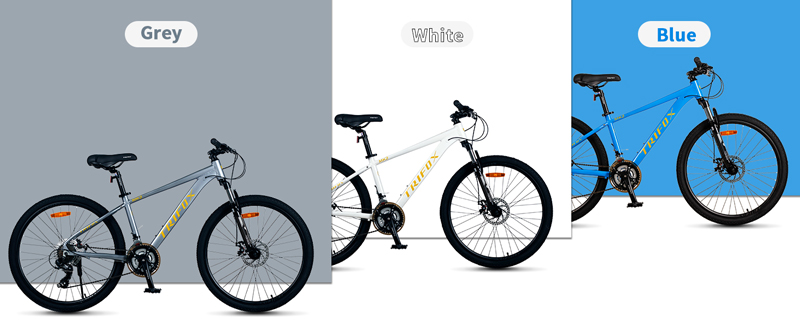
Built for Real Riders
The Ventura 26 Path is constructed around a lightweight hardtail aluminum mtb frame made from AL6061 aluminum alloy. This material offers a superior strength-to-weight ratio compared to steel, making the bike both stiff and corrosion-resistant. Weighing just 14.1–14.3kg (depending on size), it's light enough for easy handling yet durable enough for light trails and daily commuting. The 21-speed Shimano Tourney drivetrain provides a wide gear range for tackling hills and flats alike. Mechanical disc brakes deliver reliable stopping power in wet or dry conditions—a significant upgrade over rim brakes at this price point.
Who Is This Bike For?
The Ventura 26 Path is an ideal choice for several types of riders. Beginners and teens will appreciate its manageable size and forgiving handling. Casual trail riders will enjoy its playful feel on light singletrack and gravel paths. Commuters and urban explorers will value its durability, corrosion-resistant frame, and nimble wheels for dodging traffic. And budget-conscious riders will find exceptional value in a bike that delivers core mountain biking fundamentals at an accessible price. It's also a fantastic secondary or utility bike for campgrounds, college campuses, or quick errands.
USA Buyers: Local Shipping, No Customs Hassle
For customers in the United States, the Ventura 26 Path offers a significant advantage: it ships from a local USA warehouse. This means faster delivery and, crucially, no international shipping fees and no customs duties or taxes. You get the bike you want without unexpected costs or long wait times. Trifox ships orders within 48 hours, with delivery typically taking 3–10 business days. It's a hassle-free way to get your new mountain bike.
Conclusion
The 26-inch mountain bike is far from obsolete. For the right rider, it offers an unbeatable combination of agility, value, and fun. The Trifox Ventura 26 Path proves that you don't need a 29er or a full-suspension rig to enjoy the trails. With its lightweight aluminum hardtail mountain bike frame, reliable Shimano components, and the convenience of USA shipping with no customs fees, it's a compelling choice for anyone looking to start their mountain biking journey or add a nimble, versatile bike to their stable. Rediscover the joy of a 26-inch hardtail.
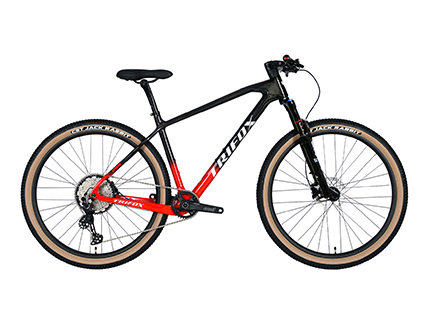
Mountain biking technology continues to evolve rapidly, with full-suspension bikes becoming increasingly capable and popular. However, despite the rise of complex suspension systems, the carbon hardtail mountain bike remains a favorite among riders of all skill levels. From cross-country racers to weekend adventurers, many cyclists still choose hardtails for their simplicity, efficiency, and exceptional riding experience.
If you're looking for a bike that delivers speed, responsiveness, and outstanding value, the TRIFOX SDY21 may be exactly what you need.
The Enduring Appeal of Hardtail MTB Bikes
A hardtail MTB features a suspension fork at the front while maintaining a rigid rear triangle. This design offers several advantages that continue to attract riders around the world.
First, hardtail bikes are generally lighter than comparable full-suspension models. With fewer moving parts and a simpler frame structure, more of your pedaling power is transferred directly to the trail. This makes climbing easier and acceleration more responsive.
Second, hardtails require less maintenance. Without rear suspension pivots, bearings, and shock servicing, riders can spend more time riding and less time maintaining their bikes. For many cyclists, this simplicity translates into greater reliability and lower long-term ownership costs.
Lightweight Performance That Makes a Difference
Weight plays a significant role in mountain bike performance, especially during climbs and long-distance rides. That's why many riders prefer a lightweight hardtail mountain bike when tackling challenging terrain.
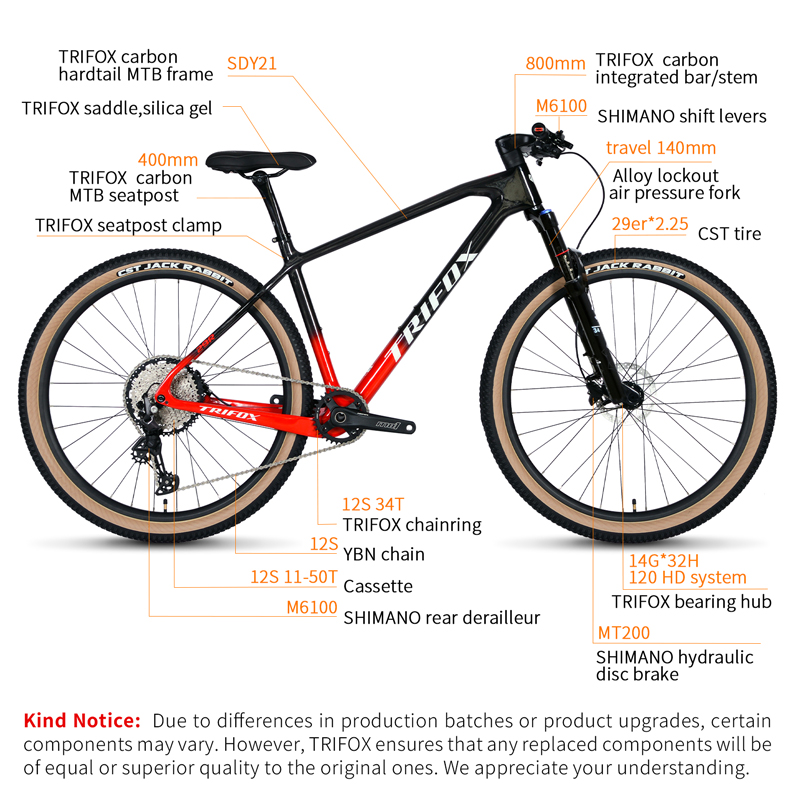
The TRIFOX SDY21 utilizes a high-quality carbon fiber frame that combines strength, stiffness, and low weight. The result is a bike that responds instantly to rider input while remaining durable enough for demanding trail conditions.
Whether you're sprinting out of corners, attacking steep climbs, or navigating technical singletrack, a lightweight carbon frame helps maximize efficiency and control.
Modern Features for Modern Riders
Today's hardtail bikes are far more advanced than those from a decade ago. The TRIFOX SDY21 incorporates several premium features designed to enhance both performance and aesthetics.
One standout feature is its fully internal cable routing. Internal cables not only create a cleaner and more professional appearance but also help protect cables from dirt, mud, and trail debris. This contributes to smoother shifting performance and reduced maintenance requirements.
The frame geometry is optimized for modern trail riding, providing stable handling on descents while maintaining efficient climbing characteristics. Combined with contemporary wheel and tire compatibility, the SDY21 delivers a balanced ride that feels equally comfortable on race courses and recreational trails.
Why Hardtails Are Ideal for Skill Development
Many experienced mountain bikers recommend hardtails because they encourage riders to develop better technique. Without rear suspension absorbing trail impacts, riders learn to choose cleaner lines, improve body positioning, and refine bike-handling skills.
These skills transfer directly to all forms of mountain biking and often make riders faster and more confident when they eventually move to other bike platforms.
For beginners, a hardtail can provide an excellent introduction to mountain biking. For experienced cyclists, it offers a pure and engaging riding experience that never goes out of style.
The Benefits of a Carbon Hardtail for XC and Trail Riding
Cross-country riders especially appreciate the efficiency of carbon hardtails. With no rear suspension energy loss, every pedal stroke contributes directly to forward momentum. This makes hardtails particularly effective for racing, endurance events, and long-distance trail adventures.
The carbon construction of the SDY21 also helps absorb minor trail vibrations while maintaining excellent frame stiffness. Riders benefit from a smoother ride without sacrificing the responsiveness that hardtails are known for.
The Smart Choice for Adventure
While full-suspension bikes certainly have their place, the carbon hardtail remains one of the most versatile and rewarding options available. Lightweight, efficient, durable, and easy to maintain, hardtails continue to deliver exceptional value for riders who want to maximize every pedal stroke.
The TRIFOX SDY21 combines modern carbon construction, full internal cable routing, responsive handling, and lightweight performance into one impressive package. Whether you're training for your next XC race, exploring local trails, or simply seeking a more efficient ride, this bike proves that sometimes the simplest solution is still the best one.
If you're ready to experience the benefits of a modern carbon hardtail, the TRIFOX SDY21 is prepared for your next adventure.
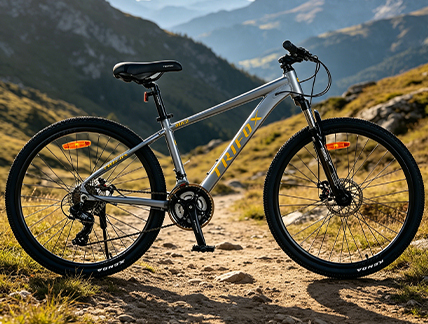
For nearly two decades, the 26-inch wheel was the undisputed king of the mountain bike world. It was the standard that defined the sport from its gritty origins in the late 1970s through the suspension revolution of the 1990s. Then came the 29er, with its monster-truck-like ability to roll over obstacles, and the 27.5-incher, touted as the perfect middle ground. Today, you rarely see a new high‑end adult trail bike on 26-inch hoops. So, is the 26er extinct? Has the smaller wheel been completely eclipsed by its larger rivals? The answer, surprisingly, is a definitive no. The 26-inch mountain bike is not just surviving; it is thriving in specific, crucial niches where its unique characteristics make it the undisputed champion.
The Agility Advantage: Why Small Wheels Excel in the Tech
While a 29er excels at carrying speed over open, rolling terrain, the 26-inch wheel remains the master of low‑speed, high‑precision handling. In tight, twisting singletrack, through rock gardens, and up steep, technical switchbacks, the smaller wheel is simply easier to muscle around. Riders who still keep a 26er in their stable often cite its precision for slow cornering and slow tech sections is far superior to larger wheels. The bike feels more like an extension of your body, allowing you to dart between obstacles and make micro-adjustments to your line without the feeling of turning a ship. For anyone whose local trails are defined by dense forests and tight turns, this isn‘t a minor benefit—it's a game-changer.
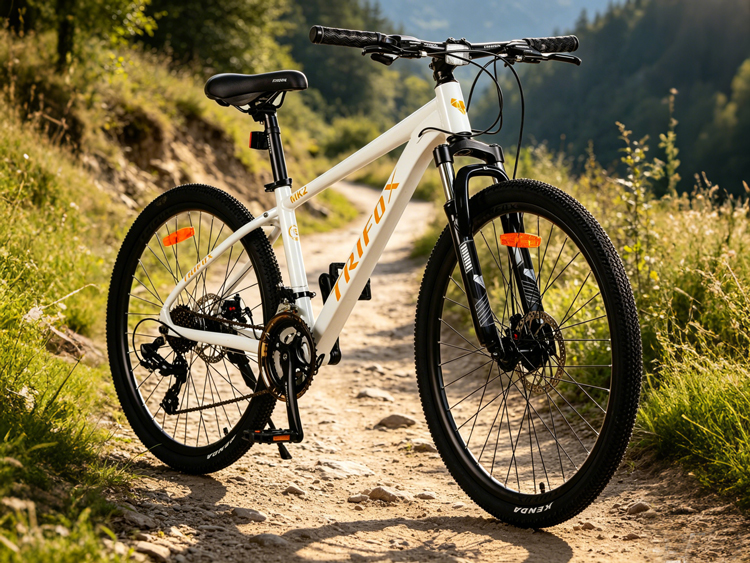
Quicker Acceleration and a “Playful” Feel
Physics is simple: less mass is easier to move. A 26-inch wheel has a smaller circumference and is generally lighter, resulting in significantly faster acceleration. When you stomp on the pedals coming out of a corner or surge up a punchy climb, the bike responds immediately. Larger wheels require more energy to spin up to speed. This low rotational mass contributes to a fun, poppy, and lively feel that many experienced riders say is missing from the larger, more planted wheel sizes. As one rider perfectly described, they have a “fun feeling that is not present on bigger wheels”. If you value a bike that feels like a BMX bike on steroids, ready to pop off every root and manual through every dip, the 26-inch wheel delivers a joy that spec sheets can‘t measure.
The Youth, Dirt Jump, and Budget Stronghold
Major manufacturers may have shifted their focus to 27.5 and 29-inch bikes, but the 26-inch platform has never disappeared—it simply found its true home. The most significant stronghold is the youth market. A 26-inch mountain bike provides the perfect stepping stone for kids and teenagers who have outgrown 24-inch wheels but aren‘t ready for the bulk of a full-sized adult 29er. The compact frame and smaller wheels offer significantly more agility and control for younger, lighter riders, helping them develop skills without being overwhelmed by a massive bike. Premium brands like Marin, Cube, and Merida continue to produce purpose-built 26-inch youth bikes that feature real suspension, powerful disc brakes, and progressive geometry. Beyond the trails, 26-inch wheels remain the standard for the dirt jump and slopestyle world, where maneuverability in the air is paramount. And for the cost-conscious rider or commuter, the abundance of used 26-inch bikes and readily available replacement parts makes this wheel size a supremely economical choice.
Meet the Modern 26er: The Trifox Ventura 26 Path
You don‘t have to choose between classic 26-inch agility and modern mountain bike features. The Trifox Ventura 26 Path is a shining example of the modern 26er, proving that this wheel size is still relevant for new riders, smaller adults, and anyone seeking a lightweight, reliable hardtail. It combines a sleek AL6061 aluminum frame with the sharp handling of 26-inch wheels, a full Shimano Tourney 21‑speed drivetrain, and the stopping power of mechanical disc brakes. For those seeking a mtb 26 inch that blends timeless maneuverability with modern specs, the Ventura 26 Path is the answer. For budget-conscious riders, it’s also one of the lightest mountain bike options at its price point. Weighing in at a manageable 14kg, this bike is light enough to throw around but tough enough to handle the rigors of the trail, making it the perfect first serious bike for a teenager or a fun, flickable toy for a smaller adult.
The Verdict: Not Obsolete, Just Specialized
Is the 26-inch mountain bike dead? Absolutely not. It has simply vacated the position of the all‑around standard it once held and moved into a series of specialized roles where it is still, objectively, the best tool for the job. It is the king of agility, the champion of the youth trail, the weapon of choice for the dirt jumper, and the smart budget pick. In a world that keeps getting bigger and longer, the 26er reminds us that smaller wheels offer a kind of playful, responsive fun that no amount of stability can replace. Whether you are a teenager looking for your first real trail bike, a smaller adult wanting a confidence-inspiring fit, or a seasoned veteran looking for a lively hardtail to add to the garage, the 26-inch mountain bike is still very much in the game.
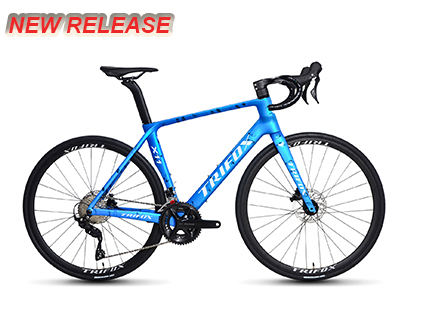
If you've shopped for a drop bar road bike recently, you’ve seen the numbers. A reputable carbon frame with internal routing often starts around $1,200–$1,500 — before you add wheels, groupset, finishing kit, or assembly. Add a modern 12‑speed mechanical groupset from Shimano, and the final bike price regularly pushes past $2,500. The new Trifox VELOX-X11 flips that equation. For **$1,899**, this is not a discounted frame or a pieced‑together build. It's a factory‑complete racing bicycle built around a T800 carbon frameset, a full hydraulic Shimano 105 R7120 groupset, an integrated carbon cockpit, and full internal cable routing. Here’s why that combination is turning heads in the value‑performance space.
Full‑Carbon Aero Platform Without the Premium Price
The VELOX-X11 starts with the same X11 T800 carbon frameset that Trifox offers as a standalone frameset for $729. It balances stiffness for power transfer with vertical compliance for long‑ride comfort. The fork is also full carbon (T800) with a tapered 1‑1/8″ to 1‑1/2″ steerer. Internal cable routing runs through the headset — no exposed housings on the downtube. That’s a detail you normally only see on bikes costing $3,000 or more. Frame weight is competitive (a size‑medium X11 frameset lands around 1,000g). For riders comparing carbon vs. aluminum, a 300–500g frame weight difference translates directly to easier climbing and quicker acceleration. The VELOX‑X11 keeps that advantage fully intact while keeping the complete bike weight at approximately 8.78kg (size M).
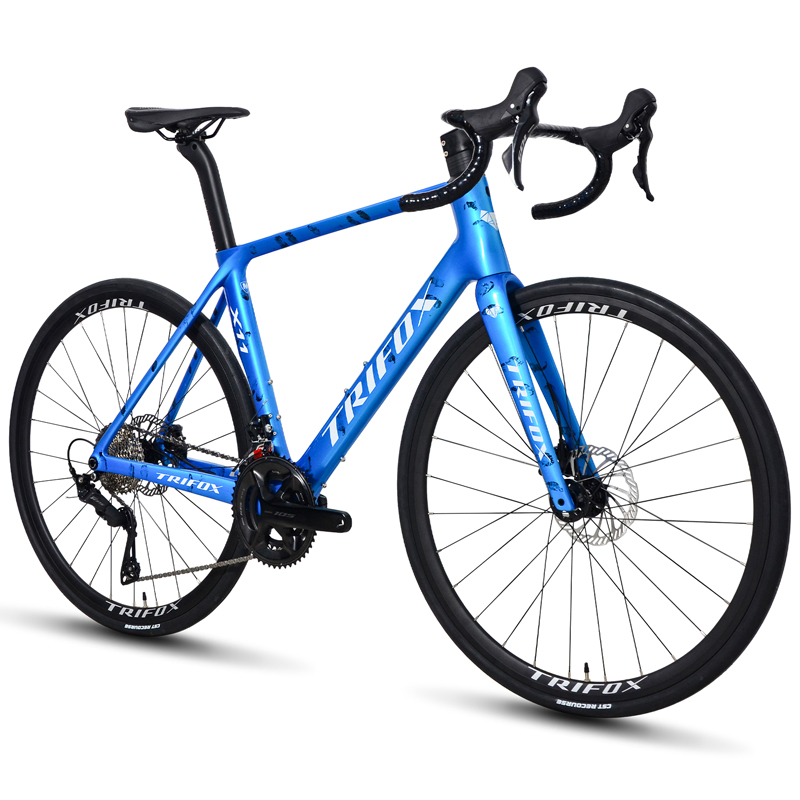
Shimano 105 R7120 Mechanical: The Sweet Spot of Value
The drivetrain is a **full Shimano 105 R7120 12‑speed mechanical groupset**, not a budget mix‑and‑match spec. This includes the R7100 series crankset (34‑50T, 170mm), the R7100 front and rear derailleurs, the HG710 11‑34T cassette, and the hydraulic disc ST‑R7120 shift/brake levers with flat‑mount calipers. R7120 benefits from technology trickling down directly from Ultegra and Dura‑Ace. The lever ergonomics have been revised using hand‑shape data from a wide range of riders, and the shifting feel is precise, confident, and consistent — fully in line with Shimano‘s 12‑speed mechanical ecosystem. It’s the groupset that many experienced cyclists call “the sweet spot of value” and “perfect for riders who want dependable shifting, strong braking performance, and modern 12‑speed gearing”.
Disc brakes are hydraulic (the ST‑R7120 levers paired with BR‑R7170 calipers). Pad clearance is generous, making wheel removal easy, and the one‑way bleeding system simplifies maintenance. Whether you’re descending in the rain or braking through a fast corner on a group ride, the modulation and power are immediate and confidence‑inspiring.
Internal Cable Routing and Integrated Cockpit
The VELOX‑X11 hides every cable, brake hose, and housing inside the frame and handlebar. The handlebar is the Trifox DHB1000 aero carbon integrated drop bar, which routes hoses from the shifters through the bar and directly into the stem. No zipties, no external guide clips, no messy front end. For a drop bar road bike, a clean front end isn’t just aesthetic — it reduces frontal drag and protects cables from weather and abrasion. Riders moving from a traditional cockpit often describe the sensation as “clean” and “more professional”, but the real benefit is the maintenance reduction: cables stay clean, shift housings don’t chafe against frame paint, and the cockpit remains quiet over bumps.
The included aluminum wheelset is a 30mm alloy disc brake wheelset (AWT7) with 28 stainless steel Pillar spokes, ceramic bearings, and a 6‑pawl freehub. It ships with CST 700×28C tires, but the frame and fork clear up to 35mm rubber for added comfort or rougher roads if you upgrade later. Four frame sizes from XS‑510mm to L‑580mm cover riders from 155cm to 196cm, so proper bike fit — the single most important factor for comfort and power — is achievable without compromise.
Who Should Consider the VELOX-X11?
This bike is for the rider who wants a genuine **racing bicycle** without taking out a second loan. It’s ideal for the club racer moving up from an aluminum bike — the carbon frame and 105 groupset alone will feel like a huge leap. It‘s perfect for the enthusiast who wants one bike for everything: fast weekend group rides, gran fondos, solo climbs, and the occasional “race your own record” segment. And it’s an excellent choice for the smart shopper who’s tired of manufacturers putting low‑spec components on an expensive frame just to hit a price point. Every major component on the VELOX‑X11 is Shimano 105 R7120 — not a “105‑compatible” mix, not a generic house brand. That honesty in spec is rare at this price.
The carbon fiber vs. aluminum debate often ignores the simple fact that for years, the barrier to carbon was cost. That barrier is gone. For $1,899, the VELOX‑X11 delivers a modern carbon aero frame, a complete mechanical 105 groupset, fully internal routing, and an integrated cockpit — all from a brand that sells its own framesets and knows how to build. Whether you’re training for a century, attacking local climbs, or simply want a bike that looks as fast as it rides, the Trifox VELOX‑X11 delivers value that makes the racing bicycle category genuinely accessible.
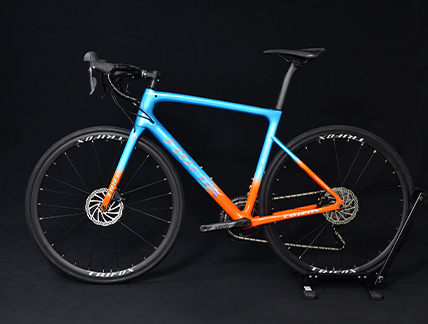
Walk into any bike shop or scroll through online listings, and you'll see road bikes divided into two distinct camps: race and endurance. One promises speed and aggression. The other promises comfort and distance. For years, the choice seemed simple—buy a race bike if you want to go fast, buy an endurance bike if you want to go far. But modern carbon engineering has blurred those lines. Today, many of the best entry level road bike options are proving that you don't have to choose between performance and comfort. Here's how race and endurance geometries differ—and why a balanced carbon frame might be the smartest choice for your body.
The Numbers That Matter: Stack and Reach
To understand bike geometry, you need to understand two critical measurements: stack and reach. Stack measures the vertical distance from the center of the bottom bracket to the midpoint of the top of the head tube. In plain English, stack determines how high or low your handlebars sit relative to your saddle. A taller stack puts you in a more upright position, reducing strain on your back and shoulders. A shorter stack lowers your torso, improving aerodynamics but requiring greater flexibility. Reach is the horizontal distance from the bottom bracket to the head tube. It determines how far you must stretch to reach the handlebars. These two numbers form the foundation of every bike's fit.
Race geometry typically features a lower stack and longer reach. This positions the rider in an aggressive, forward-leaning posture designed for cutting through wind and transferring maximum power to the pedals. Endurance geometry, by contrast, uses a taller stack and shorter reach, creating a more relaxed, upright position that reduces fatigue over long hours in the saddle.
What Race Geometry Feels Like on the Road
A pure race bike is engineered for one thing: speed. The frame uses a steeper head tube angle (often 73° or more), which delivers quick, precise steering—ideal for fast cornering and rapid direction changes in criteriums or spirited group rides. The seat tube angle is also steeper, typically around 74°, positioning your hips directly over the bottom bracket for efficient power transfer—a hallmark of climbing and racing-oriented geometry. A shorter wheelbase (the distance between the front and rear axles) makes the bike feel responsive and eager to change direction. The result is a bike that feels alive under power, accelerates with urgency, and carves through corners like a scalpel. However, this same responsive handling can feel twitchy and demanding for riders who aren't accustomed to aggressive positions. Riders with limited flexibility or lower back issues may find race geometry uncomfortable on longer rides, especially in the drops. The stretched-out position can cause hand numbness, shoulder tension, and lower back fatigue. Pros have the strength and flexibility to maintain these extreme postures for days on end. For the rest of us, a full-on race bike might make your rides worse, not better.
What Endurance Geometry Prioritizes Instead
Endurance bikes flip the priority list. Comfort comes first. The taller stack shortens the vertical distance from saddle to handlebars, allowing you to ride with a more neutral spine angle. The shorter reach brings the bars closer, reducing the need to stretch forward. Endurance geometry also typically includes a longer wheelbase, which enhances stability at speed and creates a more planted, confidence-inspiring feel on descents. Tire clearance is another hallmark of endurance design. Where race bikes often cap out at 25-28mm tires, many endurance frames accept rubber up to 32-35mm. Wider tires at lower pressures provide significantly more comfort and grip without sacrificing speed. Today's endurance bikes still climb and accelerate quickly, but the geometry is more forgiving, with a slightly taller stack and shorter reach that reduce strain on your back and shoulders. They're designed for real roads—potholes, chipseal, expansion joints—not just smooth tarmac. That makes them ideal for sportives, gran fondos, and the kind of mixed-surface riding that most cyclists actually do.
The Modern Middle Ground: When One Bike Does Both
The good news is that the line between race and endurance has blurred dramatically in recent years. Modern race bikes have become more stable and predictable at high speeds, largely thanks to lessons learned from gravel geometry. Longer wheelbases, lower bottom brackets, and wider tire clearances now make them far more versatile than their 2015 equivalents. And endurance bikes have shed their "slow and comfortable" reputation. They now feature race-proven designs with minor geometry adjustments, delivering responsive handling without the extreme positioning. A well-balanced carbon frame offers the sharp handling and efficient pedaling position of a race bike, making it a joy to push hard on climbs and through corners. Yet, it tempers this with a wheelbase and stack height that provide real-world stability and comfort for longer days in the saddle. The stack-to-reach ratio tells the comfort story. A ratio of around 1.42, for example, offers a position that's performance-oriented yet not impossibly low—allowing for a moderately aggressive drop without requiring extreme flexibility, bridging the gap between an all-out race bike and a relaxed endurance machine. This is the sweet spot for most riders: responsive enough for spirited group rides and racing, yet manageable enough for all-day adventures.
Who Is a Race Bike For?
A pure race bike is the right choice if you compete in road races or criteriums, prioritize aerodynamics and power transfer above all else, have above-average flexibility and core strength, are comfortable with a very low, stretched-out position, and don't typically ride more than 3-4 hours at a time. Race bikes are scalpel-sharp tools for a specific job: going fast. If that describes you, a race-focused frame will reward you.
Who Is an Endurance Bike For?
An endurance or all-road bike is the better fit if you ride for enjoyment rather than competition, frequently cover 4+ hours in the saddle, have experienced back, neck, or wrist discomfort on long rides, want to run wider tires for comfort and stability, or are newer to road cycling and still developing flexibility. Endurance bikes are designed for the real world—for the rider who wants to finish a century feeling good enough to do it again the next day. A study on bike fit and comfort found that many "serious" road cyclists were ruining their experience by forcing themselves into ultra-aggressive positions that their bodies weren't ready for. The easiest way to make yourself faster for longer is to be more comfortable. If you can't get comfortable on a bike and stay that way on the longest of rides, it's money wasted—no matter how fast it looks on paper.
Meet the Trifox SF-TA 2.0: A Carbon Road Bike That Bridges the Gap
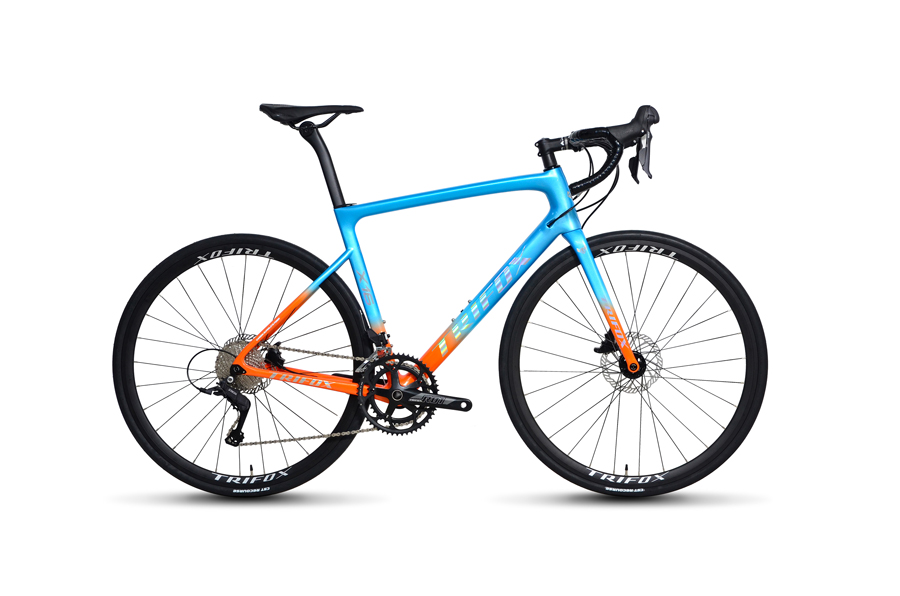
The Trifox SF-TA 2.0 is built around a T800 Toray carbon fiber frame, delivering a lightweight chassis (complete bike weight around 8.6kg/19 lbs) that feels responsive and efficient under power. The frame features modern standards: a tapered head tube for precise steering, flat-mount disc brakes for superior stopping power, and 12mm thru-axles for a stiff, secure wheel interface. The geometry is neither extreme race nor relaxed endurance. Instead, it's a highly capable all-rounder that satisfies the sportive rider, the club racer, and the enthusiast seeking one bike to do it all. The S-Ride 2x11-speed groupset provides reliable shifting, and the integrated hydraulic disc brakes offer confident, modulated braking in all conditions. The bike rolls on a quality aluminum wheelset with 40mm deep rims, and finishing kit like the carbon seatpost and alloy bars completes a thoughtful, performance-oriented build.
Making Your Final Choice
The bike industry has trained us to believe that "race" is better than "endurance"—that more aggressive is always more serious. That's marketing, not engineering. The right bike is the one that fits your body, matches your flexibility, and keeps you comfortable hour after hour. For the majority of riders—including many who consider themselves serious cyclists—a modern balanced geometry or well-designed endurance bike is the smarter choice. It will make you faster for longer because you'll actually want to stay in the saddle. The Trifox SF-TA 2.0 exemplifies this new paradigm: a genuine carbon fiber road bike with modern features, quality components, and a geometry that doesn't force you to choose between speed and comfort. If you're seeking an entry level road bike that offers real carbon performance without breaking the bank, or a best budget road bike that punches well above its price class, the SF-TA 2.0 is a compelling choice. Test ride. Pay attention to how your body feels after two hours. And remember: the fastest bike is the one you actually want to ride.



