



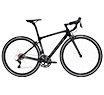













You've chosen your perfect machine—whether it's a versatile aluminum road bike offering incredible value or a swift beginner road bike to start your journey. You're logging miles, chasing PRs, and feeling the wind in your face. But true cycling strength isn't forged solely on the tarmac. Some of the most significant gains are made away from the saddle. Here are five powerful off-the-bike habits that will elevate your performance, boost your recovery, and help you get the most out of every ride.
1. Fuel Like an Athlete (Not Just Before the Ride)
Performance starts in the kitchen. Think of your body as a high-performance engine; premium fuel yields better results. Consistent, quality nutrition is non-negotiable. Focus on a balanced diet rich in complex carbohydrates for sustained energy (whole grains, sweet potatoes), lean protein for muscle repair and growth (chicken, fish, legumes), and healthy fats for hormone function and joint health (avocado, nuts). Don't just "carb-load" the night before a big ride; make balanced eating a daily habit. Equally important is strategic post-ride fueling. Consuming a mix of protein and carbohydrates within 30-60 minutes after a ride (a smoothie or Greek yogurt with fruit is perfect) dramatically accelerates muscle recovery, reduces soreness, and prepares your body for the next effort. Hydration is a constant process, not just a ride-day task. Drinking water consistently throughout the day ensures you start every ride optimally hydrated.
2. Prioritize Sleep as Your #1 Recovery Tool
Sleep is not downtime; it's prime-time for repair and adaptation. During deep sleep, your body releases growth hormone, repairs muscle micro-tears from training, consolidates motor skills (making your pedal stroke more efficient), and recharges your central nervous system. Consistently getting 7-9 hours of quality sleep is arguably the most effective performance enhancer available. Poor sleep increases cortisol (a stress hormone), impairs recovery, reduces power output, and clouds judgment on the bike. Establish a regular sleep schedule, create a dark and cool sleeping environment, and limit screen time before bed. View sleep as a critical part of your training plan, not an afterthought.
3. Build a Foundation with Functional Strength Training
Cycling develops powerful leg muscles but can neglect the stabilizing core, back, and upper body muscles that are essential for efficient power transfer and injury prevention. Just 2-3 sessions per week of functional strength training can yield remarkable benefits. Focus on compound movements that build full-body resilience: squats and lunges for leg strength, deadlifts and rows for a powerful back and posterior chain, and planks and anti-rotation exercises for a rock-solid core. A stronger core prevents energy-wasting upper body movement, allowing you to channel more power into the pedals. A stronger body is also a more durable body, better able to handle long hours in the saddle and resist overuse injuries.
4. Commit to Consistent Mobility and Flexibility Work
Cycling is a repetitive motion that can lead to tight hips, hamstrings, and a rounded posture. Dedicated mobility work counteracts this, improving your range of motion on the bike. This isn't about extreme contortion; it's about maintaining the functional mobility needed for an aerodynamic and powerful position. Regular dynamic stretching before a ride (leg swings, hip circles) prepares your muscles. Post-ride static stretching and foam rolling for key areas like quads, hip flexors, IT bands, and glutes help release tension, improve blood flow, and speed recovery. Better mobility translates directly to a more comfortable, sustainable, and powerful riding position.
5. Embrace Active Recovery and Listen to Your Body
More is not always better. Intentional recovery days are when your body adapts and gets stronger. Active recovery—a gentle walk, a casual spin, or light yoga—promotes blood flow to sore muscles without adding stress, helping to clear metabolic waste. Crucially, learn to listen to your body's signals. Persistent fatigue, irritability, trouble sleeping, or a plateau in performance can be signs of overreaching. Having the discipline to take an extra rest day or swap a hard interval session for a zone 1 recovery ride is a sign of a smart athlete. This prevents burnout and injury, ensuring you can train consistently over the long term.
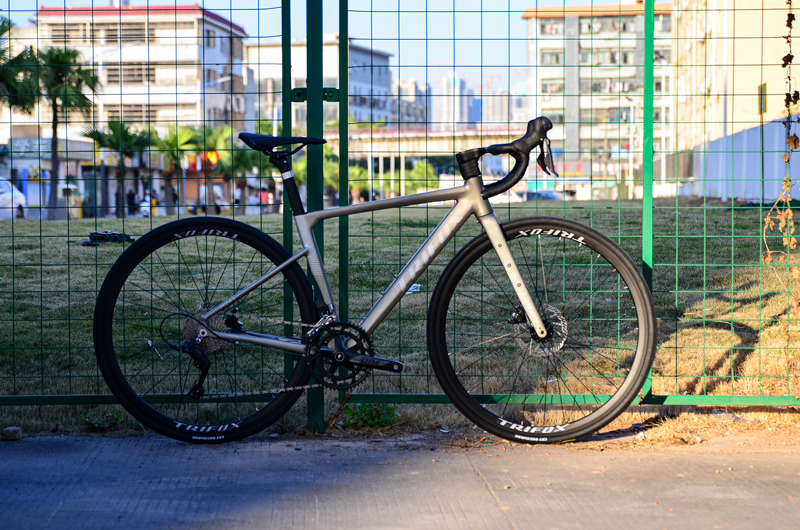
By integrating these five pillars into your routine, you stop just riding your bike and start truly training your body. The synergy between your time on a capable aluminum road bike and these intelligent off-bike habits will unlock new levels of speed, endurance, and enjoyment. Performance isn't just about the miles you put in; it's about how holistically you prepare your body to absorb and benefit from them.
2026-01-22
Trifox
SHARE:


Comments
Recent Posts
1
1
1

1
1
1
1
1
1
1
1
1
1
1
1
1

1
1
1
1
1
1
1

1



