



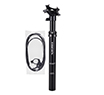
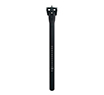





Choosing a dropper post can be a game-changer for your trail riding, but the technical details—travel, diameter, and especially cable routing—can feel overwhelming. The worry of ordering the wrong part for your specific frame is real. Don't stress. This guide will demystify the process, focusing on the crucial choice between internal and external routing to ensure you select the perfect dropper, like the versatile Trifox AP316, for your bike.
The Core Question: What Does Your Frame Allow?
This decision is primarily dictated by your bike frame’s design, not personal preference. You must match the post to your frame's capabilities.
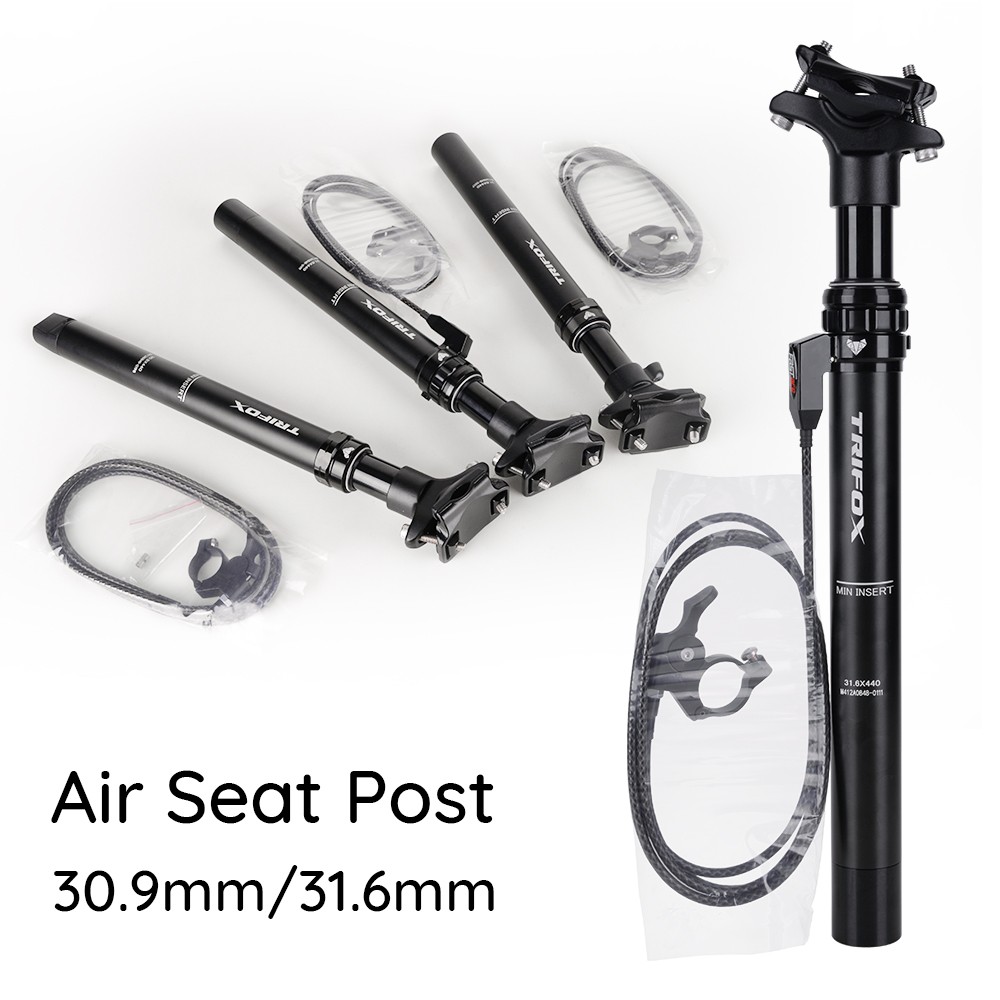
* Internal Routing (Bottom Routing): This style, represented by the APD316 model, is the cleanest and most modern. The cable enters the post at the very bottom and runs entirely inside the frame. Your frame must have a dedicated internal routing port at the bottom of the seat tube to accommodate this. This is common on newer mountain bikes seeking a sleek, protected look.
* External Routing: This is the universal solution and a hallmark of the best budget dropper post. The cable is routed along the outside of the frame. The Trifox AP316 offers two external options to fit different frame geometries and cable guides:
* Upper Routing (APS316): The cable enters the post near the top. Ideal for frames with cable guides on the top tube.
* Center Routing (APM316): The cable enters around the middle of the post. Often the easiest to install and maintain, working with a wide variety of frames.
Your 3-Step Decision Flowchart
Follow this simple process to eliminate guesswork:
1. Inspect Your Frame: Look at the area where your seatpost enters the frame (the seat tube). Are there small cable guide ports near the top or on the top tube? You likely need an external routed dropper post. Is there a clean hole at the very bottom of the seat tube, inside the frame? Your bike is ready for internal routing.
2. Measure Your Seat Tube Diameter: This is non-negotiable. Remove your current seatpost—the diameter (e.g., 31.6mm) is stamped on it. The AP316 comes in 30.9mm and 31.6mm sizes to fit most bikes.
3. Consider Maintenance & Budget: External routing is simpler to install, adjust, and service, making it a reliable and often more affordable choice. Internal routing looks fantastic but can be trickier to set up initially.
Why the Trifox AP316 Solves the Compatibility Puzzle
The AP316 series exemplifies user-friendly design by offering a single performance specification across three routing options. Whether you choose the APS316 (upper), APM316 (center), or APD316 (internal bottom), you get the same reliable core: 125mm of smooth air-suspension travel, a durable 7075 aluminum construction, and a 1.5m cable for flexible setup. This means you don't sacrifice quality or features based on your frame's routing limitations. For riders seeking a high-value, capable upgrade, it stands out as a top contender for the best budget dropper post that doesn’t cut corners.
Making the Final Choice
If your frame has internal routing ports and you value a clean aesthetic, the APD316 is your match. For everyone else—especially those with older frames, complex full-suspension designs, or who prioritize easy maintenance—the external routed dropper post options (APS316 or APM316) are the smart, hassle-free choice. By taking five minutes to inspect your bike and following this guide, you can confidently select the component that will unlock more dynamic, confident, and fun riding on every trail. The right dropper post isn't just a part; it's the key to a more capable and enjoyable bike.
2026-02-05
Trifox
SHARE:


Comments
Recent Posts
1
1
1
1
1
1
1
1
1
1
1
1
1
1
1
1
1
1
1
1
1
1
1

1



