


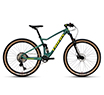
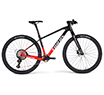
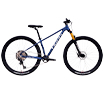

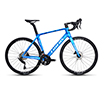
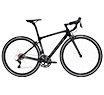
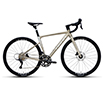
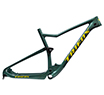
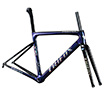
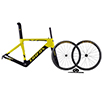
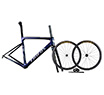
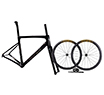





For road cyclists who pursue speed and a distinctive look, a great carbon frame needs to be not only light but also deliver stiffness, aerodynamics, handling, and the right fit.
The all‑new TRIFOX X9 Carbon Road Frameset is designed precisely for these demands.
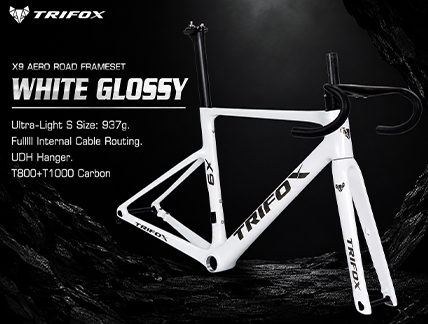
Featuring full internal cable routing, a lightweight carbon construction, and a variety of colour choices, the X9 strikes an excellent balance between performance and aesthetics.
Lightweight Carbon Frameset: Light Weight Meets Speed
One of the X9's standout features is its weight.
The size S frame weighs only about 937g. For a modern carbon road frame, this weight helps riders reduce overall bike mass – especially beneficial for those prioritising climbing, acceleration, and long‑distance efficiency.
Compared with the TRIFOX X11, the X9 further optimises lightweight performance.
A lighter frame means less unnecessary burden during acceleration and climbing, while also leaving more room for weight optimisation in other components like wheels and groupsets.
Full Internal Cable Routing for a Clean Look
The X9 adopts full internal cable routing.
Brake and shift cables are hidden inside the frame, giving the front end and the entire bike a cleaner, more streamlined visual appearance.
For riders who love the modern Aero road bike aesthetic, full internal routing not only enhances the look but also gives the bike a more premium feel.
Lighter Than the X11, with More Colour Choices
The TRIFOX X11 is already a well‑regarded carbon road frame, and the X9 takes things further in several areas.
First, the X9 is lighter.
Second, the X9 offers more colour options, allowing riders to personalise their build according to their own taste.
For many cyclists, a bike is not just sports equipment – it is also a way to express personal style.
That is why the X9 places greater emphasis on visual design alongside performance.
Larger Sizes for Taller Riders
Frame size is a crucial factor when choosing a road bike.
Compared with the X11, the X9's maximum size offers broader coverage, making it suitable for taller riders.
For taller users, a small frame can lead to an overly compact riding position, while a properly sized larger frame provides a more natural Reach and Stack configuration.
Therefore, the X9 not only suits average‑height riders but also offers a more flexible option for taller cyclists.
TRIFOX X9 Carbon Road Frameset
If you are looking for a lightweight, modern road frame with a rich colour palette, check out the TRIFOX X9.
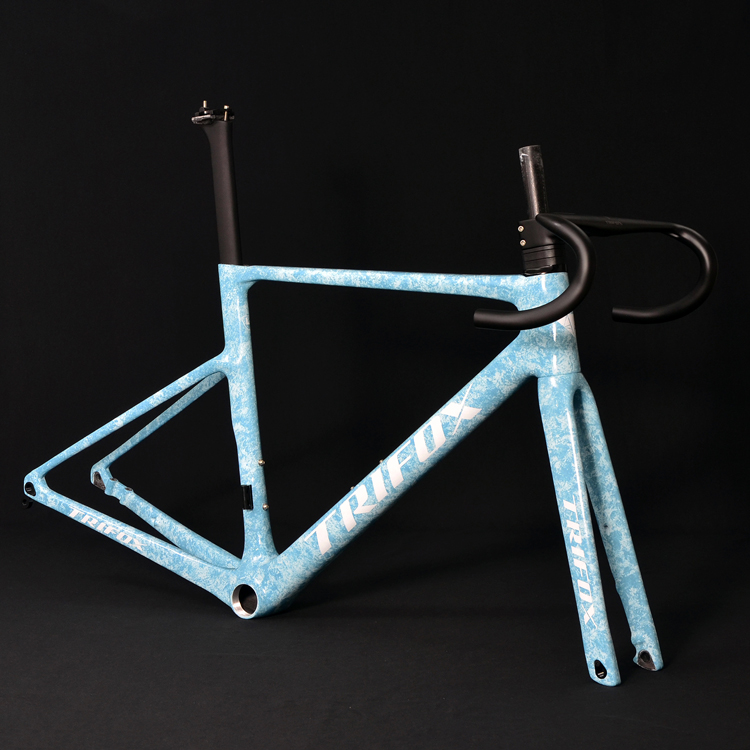
Key features of the X9 include:
- Size S frame weight approx. 937g
- High‑performance carbon construction
- Full internal cable routing
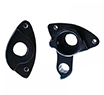
- Hanger(don't features a UDH desig)
- Disc brake design
- Multiple colour options
- Larger maximum size
- Lighter than the TRIFOX X11
These features make the X9 a modern road frame that balances speed, aesthetics, and practicality.
Why Choose Chinese Carbon Bicycle Frames?
In recent years, chinese carbon bicycle frames have gained increasing attention from riders worldwide.
With continuous advances in carbon fibre manufacturing, Chinese bicycle brands are offering an ever‑wider range of carbon frame options, with ongoing innovation in lightweight construction, aerodynamics, and modern frame design.
The TRIFOX X9 is a representative example of this progress.
It is not simply about chasing low weight – it seeks a balance between light weight, stiffness, aerodynamic design, size coverage, and visual appeal.
Conclusion
The TRIFOX X9 is a lightweight carbon frameset built for modern road cycling.
Compared with the X11, it offers a lighter frame weight, more colour choices, and a larger maximum size – meeting the needs of a wider range of riders with different body types and riding styles.
The 937g weight (size S), full internal cable routing, which give the X9 the specifications expected of a modern high‑performance road frame.
If you are looking for a carbon road frame that combines speed, weight, style, and upgrade potential, the TRIFOX X9 deserves a place on your shortlist.
For riders buying a road bike, frame lifespan is often an overlooked issue. Especially with aluminium frames, many ask: How long does an aluminium bike frame last?
There is no fixed service life that applies to all aluminium frames. Actual longevity depends on riding frequency, riding environment, frame construction, welding quality, and routine maintenance. Aluminium does not have an “infinite fatigue life” – long‑term cyclic loading can lead to fatigue, so regular inspection is essential.
How long does an aluminium road frame typically last?
For a road bike used normally and well maintained, a reliable road bike frame alloy can last many years.
Some industry sources roughly estimate the lifespan of sports‑bike aluminium frames at several years to over a decade, but this range is only a reference and cannot be used to judge the actual safe life of a specific bike.
Instead of just looking at “how many years”, checking the physical condition of the frame is far more important.
If the frame is used extensively for high‑intensity training, frequent long‑distance riding, or regularly on rough roads, fatigue may accumulate more quickly.
What are the advantages of 6061 aluminium?
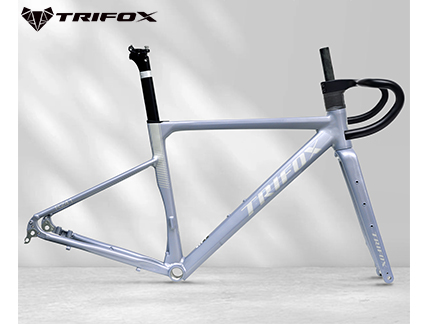
This aluminum road bike frame from TRIFOX is made from 6061 aluminium.
6061 aluminium offers good strength, workability, and corrosion resistance, making it widely used in bicycle frames.
At the same time, this frame uses triple‑butted tube technology, adjusting wall thickness in different areas to balance weight, stiffness, and structural strength.
For road riders who want light weight, reliability, and value, aluminium remains a very practical material choice.
When should you inspect an aluminium frame?
During daily riding, you should check the frame promptly if any of the following occur:
- Visible cracks in the frame
- Abnormal changes at welded joints
- New creaking or unusual noises while riding
- The frame has suffered a severe impact
- Unusual deformation during riding
Pay special attention to the head tube, bottom bracket, chainstays, and welded areas.
Fatigue damage in aluminium frames is often related to stress‑concentrated areas and weld zones, so these locations deserve focused inspection.
TRIFOX Aluminium Road Bike Frameset
If you are looking for a road frame that balances performance and practicality, check out the TRIFOX Disc Brake Aluminum Road Bike Frameset.
This frameset is built with a 6061 aluminium triple‑butted frame and disc‑brake compatibility, delivering stable braking performance for daily training, commuting, and long‑distance road riding.
Compared with traditional externally routed cables, it features full internal cable routing for a cleaner look and reduced cable exposure.
The frameset includes:
- Aluminium road frame
- Carbon fibre fork
- Road handlebar
- Seatpost
- Disc brake compatible design
- Full internal cable routing
- 6061 aluminium triple‑butted frame
Therefore, it is not only a solid base for a complete build but also a good option for riders upgrading from traditional bikes to a modern road configuration.
How to extend the life of your aluminium frame?
To make your frame last longer, routine maintenance is very important.
First, avoid severe impacts and riding beyond the frame's intended use.
Second, clean the frame regularly, especially after wet or muddy rides – wipe it dry promptly.
Also, when installing the seatpost, stem, and other components, follow the manufacturer's recommended torque settings to avoid over‑tightening.
If you find cracks or structural damage, do not continue riding – have it inspected by a professional.
Is an Aluminum Road Bike Frame worth choosing?
If your goal is to build a reasonably priced, reliable, and easy‑to‑maintain road bike, aluminium is still a very worthwhile choice.
Compared with carbon fibre, aluminium typically offers better value for money; compared with traditional steel frames, it has a weight advantage.
This TRIFOX 6061 aluminium frameset further adds a carbon fork, disc brakes, full internal routing, and triple‑butted construction, striking a good balance between practicality, weight, and modern road bike design.
Conclusion
So, how long does an aluminium bike frame last?
The answer is not a simple “5 years” or “10 years”. How long an aluminium frame lasts depends on build quality, riding intensity, riding environment, and maintenance.
6061 aluminium is not immune to fatigue, so instead of focusing solely on the frame's age, it is better to develop a habit of regular inspection.
For riders who want high value and modern features, the TRIFOX aluminium road bike frameset – with its 6061 aluminium, triple‑butted tubes, disc brakes, full internal routing, and carbon fork, handlebar, and seatpost – is a practical choice for building a dependable road bike.
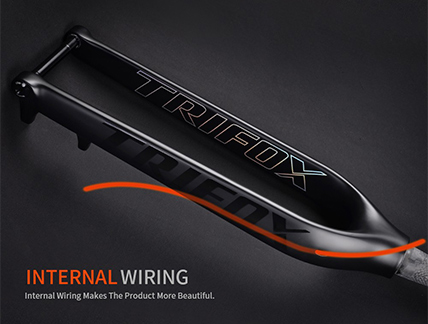
For mountain bike riders, the fork is a critical component that affects the riding experience. Many people struggle with a question when upgrading their bike: rigid fork or suspension fork – which is better?
In reality, there is no absolute winner; it depends on your riding terrain, speed, and your priorities regarding weight and comfort.
What is the difference between a Rigid Fork and a Suspension Fork?
The biggest advantage of a suspension fork is its ability to absorb impacts from gravel, roots, and potholes, giving the bike better capability on rough terrain.
Therefore, if you frequently ride Trail, Enduro, or technical mountain terrain, a suspension fork is usually the better choice.
A rigid fork, on the other hand, has no moving suspension parts – it is lighter and simpler in construction. For XC, paved roads, light off‑road, and long‑distance riding, a rigid fork provides more direct pedalling feedback.
Why choose a carbon rigid fork?
For weight‑conscious riders, the fork is one of the key areas for reducing overall bike weight.
A high‑quality carbon fibre mtb fork can reduce weight while maintaining sufficient stiffness, making the bike feel more responsive during climbing and acceleration.
Compared with traditional metal rigid forks, carbon fibre also offers good vibration damping, filtering out some high‑frequency road buzz.
This is especially valuable for XC riders and long‑distance cyclists.
TRIFOX TMK200: Ultra‑light Carbon Boost Rigid Fork
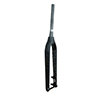
If you are building a lightweight XC mountain bike, check out the TRIFOX TMK200 Carbon MTB Rigid Fork.
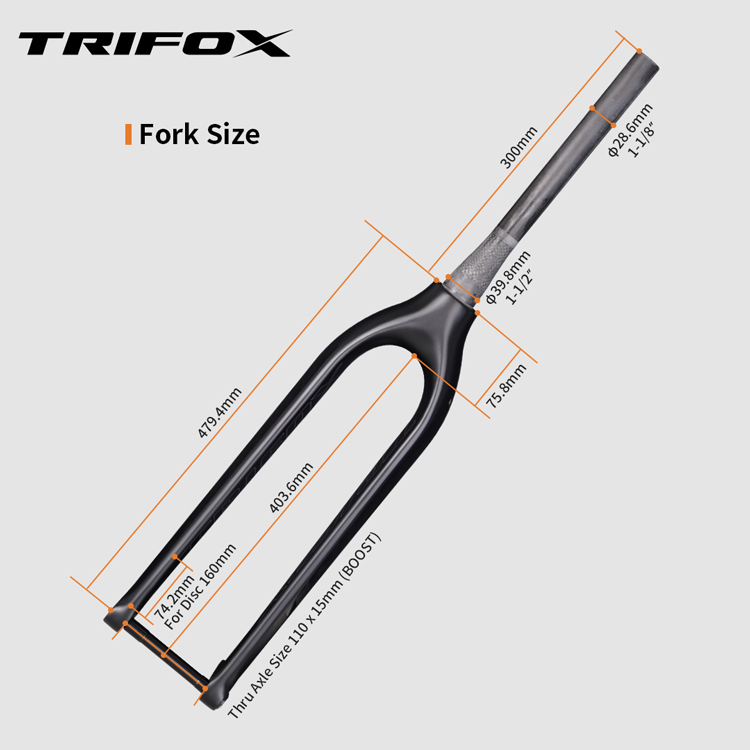
The TMK200 features a lightweight carbon construction with modern Boost规格, compatible with 29‑inch mountain bikes and disc brake systems.
As a rigid carbon fork mtb, it eliminates the moving parts of a traditional suspension fork, reducing weight while providing direct handling feedback.
Key features include:
- Ultra‑light carbon construction 507g
- Boost design
- Suitable for 29‑inch MTB
- Disc brake compatible
- Tapered steerer tube
- High stiffness for direct handling
- Ideal for XC and light trail riding
If your goal is to build a lightweight mountain bike, the TMK200 pairs well with lightweight carbon frames, wheelsets, and seatposts.
Who is a rigid fork suitable for?
A rigid fork is particularly well suited to the following riding scenarios:
XC riding: Lighter weight aids climbing and acceleration.
Long‑distance riding: Simple construction means lower maintenance needs.
Light trails: For relatively smooth off‑road routes, a rigid fork is more than adequate.
Lightweight builds: If you are aiming for a lightweight MTB, a rigid carbon fork is a very effective upgrade component.
However, if your routes include many rocks, continuous bumps, or large drops, a suspension fork remains the more appropriate choice.
Is a Rigid Fork really lighter than Suspension?
In general, a rigid fork has a simpler structure and therefore offers a clear weight advantage.
A carbon rigid fork, in particular, can further reduce front‑end weight, making the bike feel more agile in corners.
However, lighter does not mean suitable for all conditions. When choosing a fork, you should first consider riding safety and the terrain, then think about weight savings.
Conclusion
So, which is better: rigid fork or suspension?
The answer depends on your riding style.
If you frequently tackle challenging mountain terrain, a suspension fork provides better comfort and control.
If you prioritise light weight, climbing efficiency, and XC performance, then a carbon rigid fork is an excellent choice.
The TRIFOX TMK200, as an ultra‑light carbon fibre mtb fork, combines Boost, 29‑inch compatibility, and carbon construction – making it an ideal choice for riders who want to build a lightweight, efficient XC mountain bike.
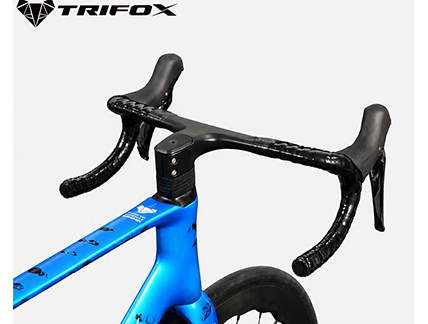
For road cyclists, handlebar size directly affects riding posture, handling stability, and long‑distance comfort. This is especially true for carbon integrated handlebars – before purchasing, you need to confirm whether the width suits your body and frame.
So, how are carbon drop bars measured? How should you read road handlebar width?
How is road handlebar width measured?
Typically, road handlebar size refers to the width between the left and right sides. However, different brands may use different measuring methods, such as Center‑to‑Center or Outside‑to‑Outside.
Therefore, when you see numbers like 380mm or 400mm, you cannot rely on the figure alone – you also need to confirm which measuring standard the brand uses.
This is a crucial detail to pay attention to when choosing handlebars.
Why does road bike handlebar sizing matter?
Road bike handlebar sizing affects the rider's shoulder position, steering response, and aerodynamic performance.
Generally, narrower bars allow a more compact riding position and reduce frontal area, making them suitable for riders who prioritise speed and aerodynamics.
Wider bars typically offer better handling stability and greater upper body support.
So, wider is not always better – you should choose based on your shoulder width, riding style, and intended use.
How wide should racing bike handlebars be?
For speed‑focused riders, racing bike handlebars typically emphasise light weight, aerodynamics, and handling efficiency.
The TRIFOX DHB1000 is available in three widths – 360mm, 380mm, and 400mm – to suit different riders' needs.
If you have narrower shoulders or prioritise aerodynamics and competitive riding, 360mm or 380mm may be suitable.
If you prefer greater stability and comfort, 400mm might be a better fit.
Of course, the final choice should also consider your personal physical dimensions and your current handlebar size.
TRIFOX DHB1000 Carbon Integrated Handlebar
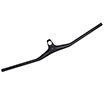
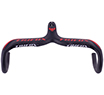
If you are upgrading your road bike handlebars, check out the TRIFOX DHB1000 Fully Internal Cable Routing Aero Integrated Carbon Drop Handlebar.
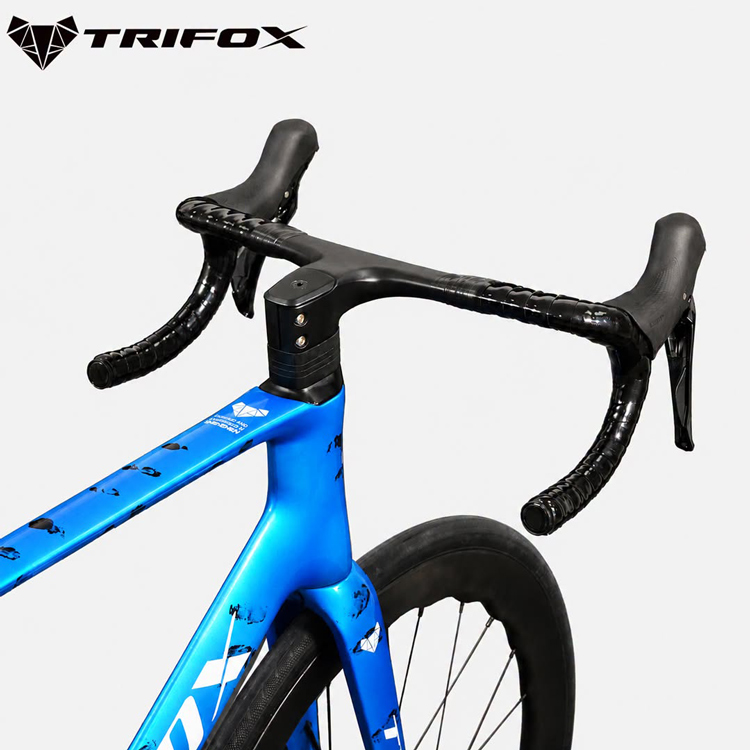
The DHB1000 features a carbon integrated construction that combines the handlebar and stem into one piece, with full internal cable routing that hides brake and shift cables inside the bar.
Compared with traditional separate bar and stem setups, the integrated design gives the front end a cleaner appearance while reducing visual clutter from exposed cables.
Key features include:
- Lightweight carbon construction
- Integrated handlebar and stem design
- Full internal cable routing system
- Aero profile
- Multiple width options: 360mm, 380mm, 400mm
- Suitable for road training, racing, and long‑distance riding
How to choose the right handlebar size for you?
If you are working out your road bike handlebar sizing, start by measuring your current handlebar width and comparing it with your shoulder width.
If you change to a significantly different width, be aware that your riding posture and steering feel may also change.
For competitive riders, narrower bars offer a more aerodynamic position; for everyday and long‑distance riders, comfort and handling stability should take priority.
Conclusion
Understanding how carbon drop bars are measured is an important step before buying a new road handlebar.
Handlebar width not only affects appearance but also influences riding posture, handling, and aerodynamic performance. The TRIFOX DHB1000 offers three size options – 360mm, 380mm, and 400mm – combined with a carbon integrated structure, Aero design, and full internal routing to meet the upgrade needs of different road cyclists.
Whether you are looking for high‑performance racing bike handlebars or aiming to improve your bike's aerodynamics, choosing the correct handlebar size is the key to a genuinely better riding experience.
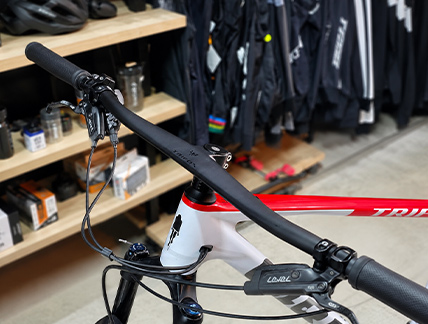
Mountain bike handlebars may seem like a simple component, but they directly affect riding posture, handling stability, and comfort. Choosing the right bar not only improves control but also makes long rides more enjoyable.
So, how should you choose the right Mountain Bike Handlebars for yourself? Consider bar width, material, rise, and intended riding style.
Why is bar width important?
Bar width is a very important parameter when choosing MTB handlebars.
Wider bars provide better handling stability, especially for high‑speed descents, Trail riding, and technical off‑road sections. Narrower bars offer quicker steering response and are better suited for urban riding and some XC scenarios.
When choosing, you can refer to a mtb bar width guide and adjust according to your shoulder width, frame size, and riding style.
For most MTB riders, bar width usually needs to strike a balance between stability and agility, rather than simply chasing "wider is better".
What are the advantages of carbon handlebars?
Compared with traditional aluminium bars, one of the biggest advantages of carbon fibre handlebars is light weight.
High‑quality carbon fibre can reduce weight while maintaining sufficient stiffness, and it also filters out some high‑frequency vibrations from gravel and trail chatter.
This is especially valuable for XC, Trail, and long‑distance mountain biking.
If you are building a lightweight mountain bike, a good carbon handlebar can help lower overall bike weight while improving riding comfort.
What are MTB Aero Bars?
As aerodynamic design in cycling continues to evolve, mtb aero bars have also started to attract attention from some speed‑focused riders.
Aerodynamic designs optimise the bar's shape and airflow, while also giving the bike a more modern visual appearance.
However, for mountain biking, handling and safety should always come first. So when choosing Aero bars, make sure they suit your riding type and frame setup.
TRIFOX RHB100 Carbon MTB Handlebar
If you are looking for an MTB handlebar that combines light weight, stiffness, and aero design, check out the TRIFOX RHB100 Carbon Integrated Handlebar.
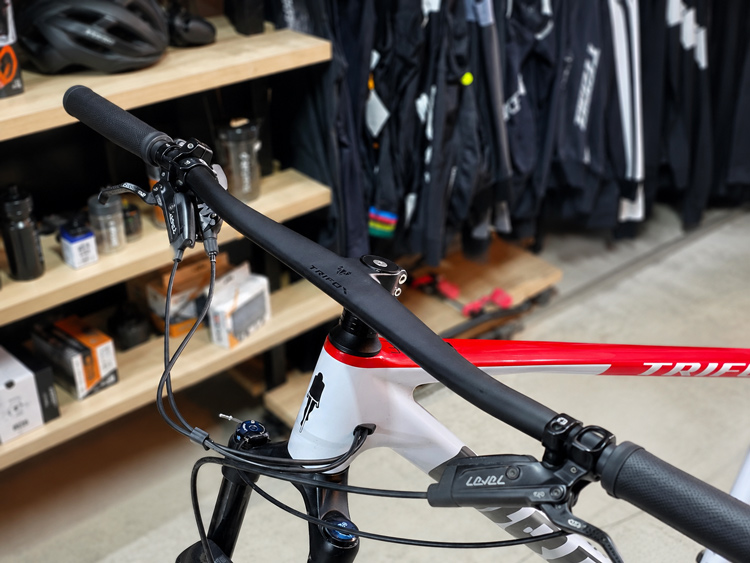
The RHB100 features a high‑strength carbon fibre construction with an integrated design that combines the bar and stem into one piece. This reduces weight from traditional clamp‑on systems and enhances the overall visual appeal.
It is ideal for riders who want to build a lightweight, high‑performance mountain bike.
Key features of the RHB100 include:
- Lightweight carbon fibre construction
- Integrated one‑piece bar design
- Aero profile for reduced drag
- High stiffness for precise steering response
- Clean, modern aesthetics
- Suitable for XC and high‑speed off‑road riding
For MTB riders chasing light weight and a tidy cockpit, this type of integrated carbon bar is a very worthwhile upgrade.
How to choose the right handlebar for you?
If you mainly ride XC or long distances, prioritise lightweight, stiff carbon handlebars.
If you frequently ride Trail or technical terrain, pay more attention to bar width and handling stability.
Also consider your height, shoulder width, frame size, and riding posture.
The right handlebar for you is not necessarily the lightest or widest, but one that keeps you comfortable over long rides while providing adequate control.
Conclusion
When choosing MTB handlebars, don't focus only on weight and appearance. Bar width, material, shape, and riding purpose all affect the final experience.
By referring to a mtb bar width guide and matching your physical dimensions, you can achieve a more natural and stable riding position.
If you want to further reduce bike weight while improving handling feel and visual appeal, the TRIFOX RHB100 carbon integrated MTB handlebar is a model worth considering. For MTB riders pursuing speed, light weight, and modern design, it brings a noticeable upgrade to your bike's performance.
As road bike technology continues to evolve, riders' expectations for a frame go far beyond "lighter".
Today, a high‑performance road frame needs to deliver:
- Faster aerodynamic performance
- A cleaner, more integrated look
- Sharper handling precision
- A wider range of fit for different body types
- Stronger upgrade potential
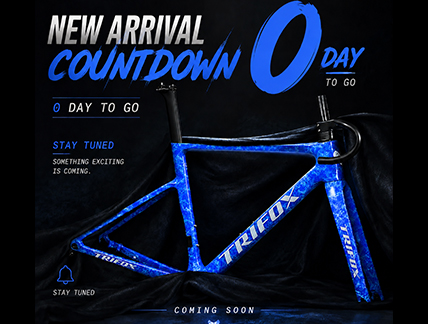
With these demands in mind, TRIFOX is about to launch the all‑new TRIFOX X9 Carbon Road Bike Frame.
As the next‑generation carbon road frame from TRIFOX, the X9 has been comprehensively upgraded in design philosophy, finish quality, and frame specifications – specifically optimised for riders who love speed, desire a distinctive look, and need larger frame sizes.
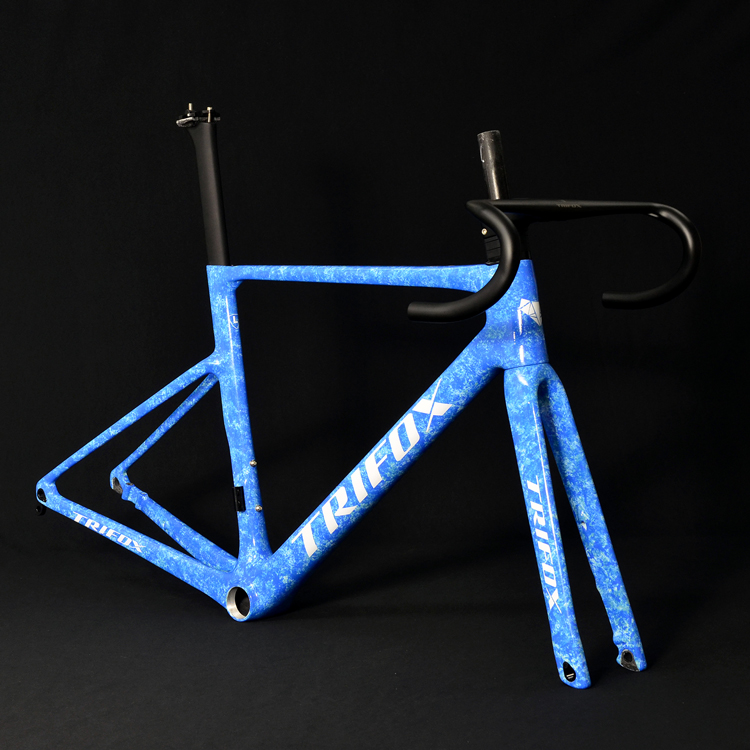
The All‑New TRIFOX X9: Redefining the Modern Carbon Road Frame
The TRIFOX X9 is a full‑internal cable routing carbon road frame built for modern road cycling.
Compared with traditional externally routed cables, full internal routing not only gives the bike a cleaner aesthetic but also reduces aerodynamic drag, aligning the frame with the design trends of modern Aero road bikes.
From the head tube to the dropouts, the X9 hides brake lines, gear cables, and all other wiring inside the frame, resulting in sleek, uninterrupted lines.
For riders who value high performance and a premium feel, a tidy, integrated appearance is often a key reason for choosing a high‑end carbon frame.
7 Glossy Marble Colours for a Unique Visual Statement
One of the biggest highlights of the TRIFOX X9 is its distinctive glossy marble paint finish.
Unlike plain solid colours, the marble effect creates rich variations in light and shadow.
Under different angles and lighting, the surface texture shifts in appearance, giving the frame a more premium and distinctive look.
The X9 is available in 7 different colour options, catering to a wide range of personal tastes.
Whether you prefer a understated race‑inspired look or want to build an eye‑catching custom road bike, you will find a colour that suits you.
These 7 colour choices not only enhance the frame's aesthetics but also make the X9 feel like a bespoke piece of riding equipment, rather than just another bicycle.
The X9 don't features a UDH (Universal Derailleur Hanger) design.
The Biggest Difference Between the X9 and X11: Better Fit for Taller Riders
The TRIFOX X11 has already gained attention as a classic Aero carbon road frame.
The new X9 takes frame sizing a step further.
Compared with the X11, the X9's largest size is specifically designed for riders of 180cm and above.
For many tall riders, finding a properly sized road frame has always been a challenge.
If the frame is too small, it can lead to:
- An overly compact riding position
- Insufficient leg extension
- Reduced comfort on long rides
A correctly sized larger frame, on the other hand, provides:
- A more natural riding posture
- Better high‑speed stability
- More efficient power delivery
Therefore, the X9 will offer an ideal choice for taller riders seeking a balance between comfort and performance.
How to Choose the Right Road Bike Frame Size?
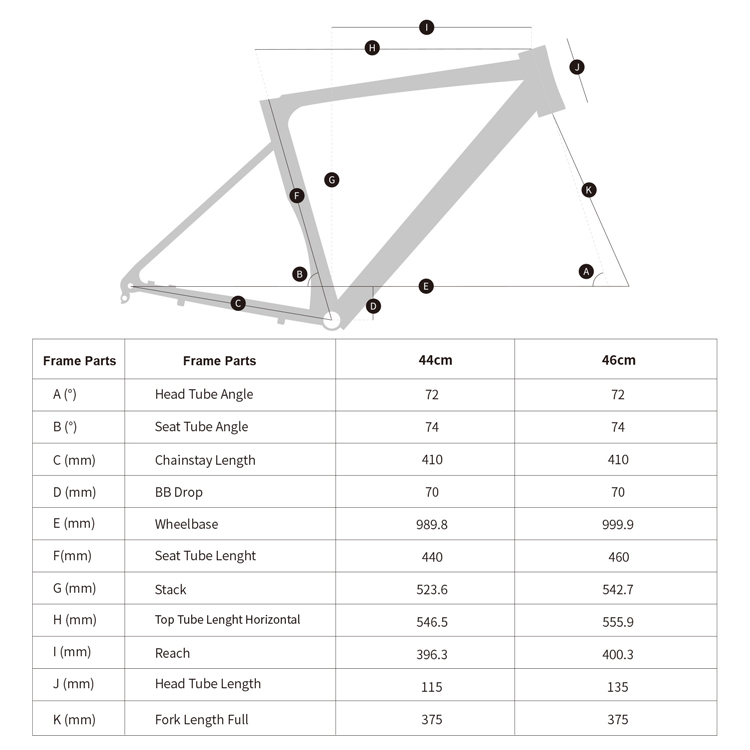
When purchasing a carbon road frame, many riders refer to a road bike frame size chart.
Frame size is typically determined by a combination of factors:
- Height
- Inseam length
- Arm length
- Riding style
- Reach and Stack measurements
For example:
- Smaller frames suit shorter riders.
- Medium frames fit most average‑height cyclists.
- Larger frames are better for riders over 180cm.
Many shoppers searching for a 56cm road bike frame are actually looking for a classic size that fits medium‑to‑tall riders.
However, it is important to note that different brands use different geometries – even if two frames are both labelled 56cm, their Reach, Stack, and other parameters may vary.
So when choosing a frame, do not rely solely on the traditional size number – always check the full geometry chart.
Performance Advantages of Carbon Fibre
The TRIFOX X9 is constructed from high‑performance carbon fibre, striking an optimal balance between weight, stiffness, and comfort.
Compared with aluminium frames, carbon fibre offers greater design freedom.
By adjusting the carbon layup in different areas, engineers can achieve:
Higher pedalling efficiency – the bottom bracket area is reinforced for better power transfer, so the frame responds more directly during sprints or climbs.
Better comfort – carbon fibre effectively filters out road vibrations, reducing fatigue on long rides.
Superior aerodynamics – the full‑internal routing combined with optimised tube shapes gives the X9 smoother airflow, helping to reduce unnecessary drag at high speeds.
Why Choose the TRIFOX X9 Carbon Frame?
For riders upgrading their road bike, a good frame must excel in multiple areas.
The TRIFOX X9 stands out for:
1. Full‑internal cable routing for a clean, modern look.
2. 7 glossy marble colour options for a unique visual identity.
3. Larger sizing options for riders 180cm and above.
4. High‑performance carbon construction that balances speed, stiffness, and comfort.
Who Is the X9 For?
The TRIFOX X9 Carbon Frame is ideal for:
- Riders who love Aero‑style road bikes.
- Cyclists looking to upgrade to a carbon frame.
- Those who prefer full‑internal cable routing.
- Riders over 180cm in height.
- Enthusiasts who want to build a personalised bike.
- Anyone doing road training or long‑distance rides.
Whether for weekend spins, speed sessions, or future races, the X9 provides a stable and reliable performance foundation.
Conclusion: The New‑Gen TRIFOX X9 Is About to Redefine Your Riding Experience
A great road frame must not only be lightweight but also align with future cycling trends.
The TRIFOX X9 Carbon Frame brings a fresh choice to modern road riders with its full‑internal routing, seven glossy marble colour options, and a more generous size range.
Compared with the X11, the X9 further optimises sizing coverage, especially for riders above 180cm, allowing more cyclists to find a frame that truly fits.
If you are looking for a road bike frame carbon that combines aesthetics, performance, and upgrade potential, the TRIFOX X9 Carbon Frame is a highly anticipated new option.
Coming soon – stay tuned.

For beginners just getting into mountain biking, choosing the right frame is a crucial first step.
Many riders wonder: Hardtail Bike Frame or XC Frame – which is better for entry‑level riders?
In reality, these two concepts are not mutually exclusive. XC (Cross Country) refers to a riding style, while Hardtail describes the frame construction. Many XC mountain bikes are actually hardtails, because they are lightweight, efficient, and ideal for beginners and everyday riding.
What is a Hardtail Bike Frame?
A Hardtail Bike Frame is a mountain bike frame with front suspension only and no rear shock.
Compared with full‑suspension models, hardtail frames have a simpler structure, offering:
- Lighter frame weight
- Higher pedalling efficiency
- Easier maintenance
- Lower purchase cost
For new riders learning the basics of off‑road riding, a hardtail frame helps them better feel trail feedback and improve their riding skills.
What are the characteristics of an XC Frame?
An XC Frame is designed specifically for Cross Country riding.
It prioritises:
- Faster climbing speed
- Higher pedalling efficiency
- Lighter overall bike weight
- Long‑distance riding comfort
Today, many high‑performance XC bikes use carbon hardtail construction, because this combination offers the best balance between speed and control.
Should a beginner choose a Hardtail or an XC Frame?
For most new riders, a lightweight XC hardtail frame is an excellent choice.
The reasons are simple:
First, hardtail frames offer direct power transfer with less energy loss.
Second, their simpler design makes it easier to learn fundamental mountain biking techniques.
Additionally, hardtail frames are more budget‑friendly than full‑suspension bikes, allowing you to invest more in wheels, forks, and drivetrain upgrades.
If your typical rides include:
- Light trail riding
- Park trails
- XC training
- Long‑distance rides
then a hardtail XC frame will suit you perfectly.
TRIFOX SDY20: Ultra‑light carbon Boost hardtail MTB frame
If you are looking for a high‑performance entry‑level upgrade frame, check out the TRIFOX SDY20 Carbon MTB Hardtail Frame.

The SDY20 features a lightweight carbon fibre construction that strikes a great balance between weight, stiffness, and durability – making it an excellent carbon bike frame mtb for XC riding.
Key features include:
- High‑quality carbon fibre frame
- Boost 148×12mm rear axle standard
- 29‑inch wheel compatibility
- Lightweight design for better climbing efficiency
- Excellent pedalling stiffness
- Suitable for XC, training, and daily trail riding
The SDY20 is also available in multiple sizes, including a 19 mtb frame, to fit riders of different heights.
Why is a carbon hardtail frame worth it for beginners?
Many beginners think carbon fibre is only for pro riders.
In fact, modern carbon frames are becoming more and more accessible.
Compared with aluminium frames, carbon offers:
- Lighter weight
- Better vibration damping
- Higher stiffness‑to‑weight ratio
- A more premium riding feel
For riders who plan to ride long‑term and continue upgrading their bike, a quality carbon bike frame mtb is a sound long‑term investment.
Conclusion
There is no absolute answer as to whether a Hardtail Bike Frame or an XC Frame is better.
For new riders, a lightweight, efficient, and low‑maintenance XC hardtail frame is usually the more sensible choice.
The TRIFOX SDY20 carbon Boost hardtail MTB frame combines light weight, modern Boost standards, and excellent handling – making it an ideal foundation for your first high‑performance mountain bike.
Whether for daily rides, XC training, or future trail events, the SDY20 delivers a stable, efficient, and thoroughly enjoyable riding experience.
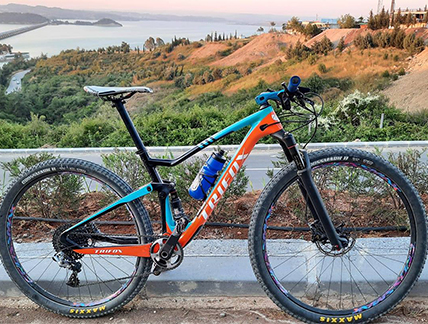
When choosing a full suspension mountain bike frame, getting the right size is crucial. Many riders focus only on wheel size and suspension travel, overlooking whether the frame dimensions actually fit their body proportions.
A properly sized frame not only affects riding comfort but also directly influences handling, safety, and pedalling efficiency.
So, how do you correctly measure a Full Suspension Mountain Bike Frame? This article covers the key measurements you need to know.
What dimensions matter when measuring a full suspension frame?
Compared with a hardtail, a full suspension frame has a more complex structure, so you cannot simply look at seat tube length.
The main parameters to consider are:
1. Reach
Reach is the horizontal distance from the bottom bracket centre to the top centre of the head tube.
It determines how far the rider's body is from the handlebar when standing and pedalling.
For Trail, Enduro, or full‑suspension XC bikes, Reach is a critical handling parameter.
If Reach is too short, the bike feels cramped; if too long, it can make handling difficult.
2. Stack
Stack is the vertical height from the bottom bracket centre to the top of the head tube.
It affects how high or low your riding posture is.
A higher Stack generally offers a more comfortable and stable ride, while a lower Stack leans towards a racier, speed‑oriented position.
3. Seat Tube Length
Seat tube length determines the maximum dropper post length you can install, and also affects standover height.
When choosing a frame, ensure there is enough clearance when standing over the top tube.
Wheel size is also an important factor
Currently, 29‑inch full suspension mountain bikes are the most popular on the market.
Compared with 27.5‑inch models, a 29 full suspension mountain bike frame offers better rollover capability and high‑speed stability.
The 29‑inch wheels roll more easily over rocks, roots, and rough terrain, making them ideal for XC, Trail, and long‑distance off‑road riding.
TRIFOX MFM100: Lightweight carbon full suspension frame
If you are looking for a high‑performance full suspension mountain bike frame, take a look at the TRIFOX MFM100 Carbon Full Suspension MTB Frame.
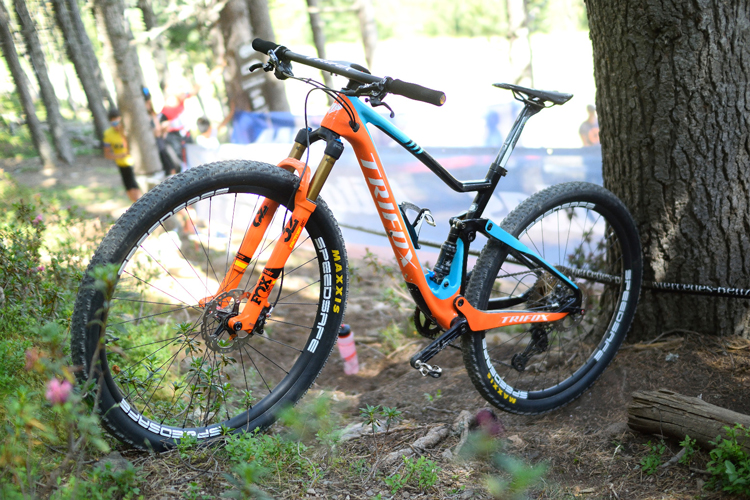
The MFM100 is crafted from high‑quality carbon fibre, striking a great balance between light weight, stiffness, and suspension performance – making it an excellent carbon full suspension mountain bike frame for XC and Trail riding.
Key features include:
- Full carbon fibre frame construction
- 29‑inch wheel design
- Full suspension system for improved rough‑terrain capability
- 115mm adjustable rear travel
- Boost 148×12mm rear axle standard
- Wide tyre clearance for enhanced stability
- Lightweight design for better climbing efficiency
Whether on fast singletrack, XC races, or long backcountry rides, the MFM100 delivers stable and reliable performance.
How to choose the right full suspension frame size for you?
As a general guideline:
- Smaller riders usually suit size S/XS.
- Average‑height riders often choose size M.
- Taller riders or those who prefer more stability can consider size L.
However, beyond height, you should also consider leg length, riding style, and personal preference.
If you prefer nimble handling, a slightly smaller size may work; if you prioritise high‑speed stability, a larger size is often better.
Conclusion
Measuring a full suspension mountain bike frame is not just about looking at the size label – you need to consider Reach, Stack, seat tube length, wheel size, and your riding needs.
A correctly sized frame makes your rides more comfortable and allows the bike to perform at its best.
If you are looking for a lightweight, high‑performance carbon full suspension mountain bike frame, the TRIFOX MFM100, with its carbon construction, 29‑inch wheels, and capable suspension design, is an ideal choice for upgrading your full‑suspension mountain bike.
For road cycling enthusiasts, carbon fibre frames have long been a top choice for performance upgrades. But many riders wonder before purchasing: how long does a carbon road bike frame actually last? Will it need replacing after a few years?
Compared with aluminium frames, carbon fibre offers lighter weight, higher stiffness, and superior vibration damping. With proper use and maintenance, a high-quality carbon frame can serve a rider for many years – often exceeding a decade.
How long does a carbon road bike frame last?
Under normal conditions, a high-quality carbon fibre frame typically lasts 8–15 years or more, depending on riding environment, usage intensity, and routine maintenance.
For the average rider, weekend rides and regular training do not rapidly degrade frame performance.
The main factors that truly affect carbon frame lifespan include:
- Severe impacts or crashes
- Prolonged exposure to extreme environments
- Incorrect installation methods
- Use beyond the frame's designed limits
Therefore, regular frame inspections are essential.
Why choose a road bike frame carbon fiber?
Compared with traditional materials, the biggest advantage of a road bike frame carbon fiber is the balance between weight and performance.
Through different carbon layup designs, carbon fibre delivers:
- Lighter frame weight
- Higher pedalling stiffness
- Better aerodynamic performance
- A more comfortable riding experience
For road cyclists chasing speed and efficiency, a carbon frame offers a noticeable upgrade in feel and performance.
Can modern carbon frames support electronic shifting?
With electronic groupsets like Shimano Di2 and SRAM AXS becoming increasingly popular, more riders want frames that can accommodate future upgrades.
An excellent road bike di2 carbon frame typically features internal cable routing, which not only gives the bike a cleaner appearance but also ensures compatibility with modern electronic shifting systems.
This design not only enhances visual appeal but also reduces exposed cables, improving aerodynamic performance.
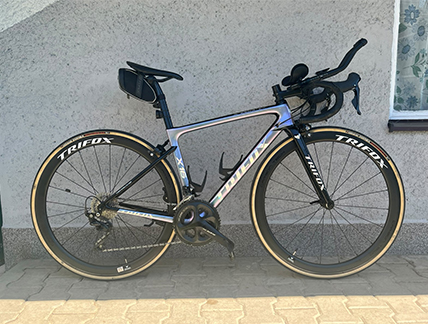
TRIFOX X16QR: Ultra-light carbon road bike frame
If you are looking for a lightweight, high-performance road frame that supports modern upgrades, the TRIFOX X16QR Carbon Road Bike Frame is worth your attention.
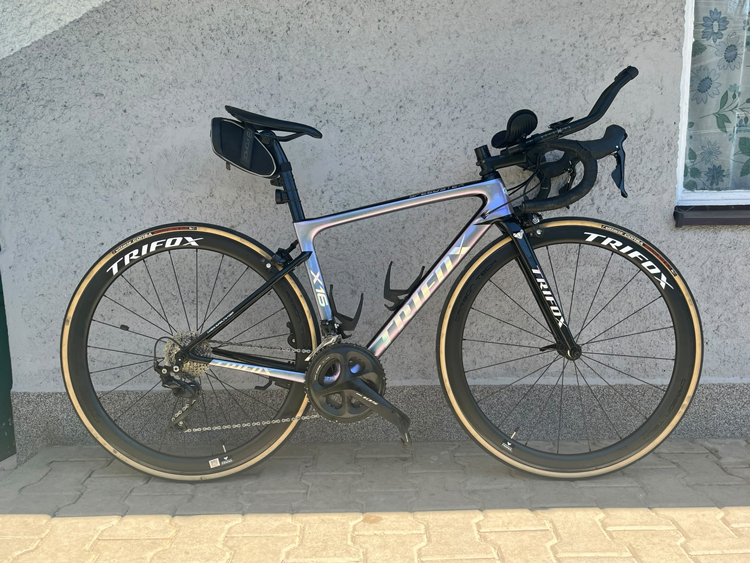
The X16 is designed for road cyclists who demand speed and precise handling. Constructed from high-quality T800 carbon fibre, it strikes an excellent balance between light weight, stiffness, and riding comfort[reference:0].
Key features include:
- Ultra-light carbon fibre frame construction
- Disc/V-brake system for reliable stopping power
- internal cable routing for a clean, sleek look
- Compatible with both Di2 electronic and mechanical groupsets
- Excellent stiffness for improved pedalling efficiency
- Suitable for training, long-distance rides, and racing
For riders aiming to build a high-performance road bike, the X16QR offers a compelling combination of performance and value.
How to extend the life of your carbon frame?
To keep your carbon frame in top condition, pay attention to routine maintenance:
First, avoid heavy impacts or crashes.
Second, use the correct torque settings when installing components – especially at clamped areas like the seatpost and stem – to prevent over-tightening that could damage the carbon fibre.
Additionally, regularly clean the frame and inspect for cracks, unusual noises, or surface damage – these are important steps to ensure safety.
Conclusion
A carbon road bike frame is not a short-term consumable. An excellent road bike frame carbon fiber product, when properly used and maintained, can deliver outstanding performance for many years.
As riding demands grow, upgrading to a carbon frame that supports modern configurations and lightweight design is a key way for many road cyclists to enhance their experience.
The TRIFOX X16QR carbon ultra-light road bike frame combines a lightweight structure, V-brake compatibility, and a modern internal routing. It not only meets current riding needs but also offers good compatibility for future upgrades to electronic shifting systems – making it an ideal choice for riders pursuing speed and performance.



