



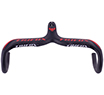





Modern XC racing demands a bike that feels like an extension of your body. Every input matters, every delay costs time, and every gram influences how you flow through a root garden or launch out of a pedal kicker. For years, riders chased these gains through separate high‑end bars and stems. Today, the next step has arrived: the fully integrated carbon cockpit. Here’s why more XC racers are making the switch and why the Trifox RHB200 represents a compelling case for your next build.
The Uncompromised Cockpit
Traditional bar‑and‑stem assemblies work, but they come with inherent compromises. The interface between the two components introduces a potential flex point. When you wrench the bike into a rocky switchback or power over a punchy climb, that interface can absorb energy that should be going into the trail.
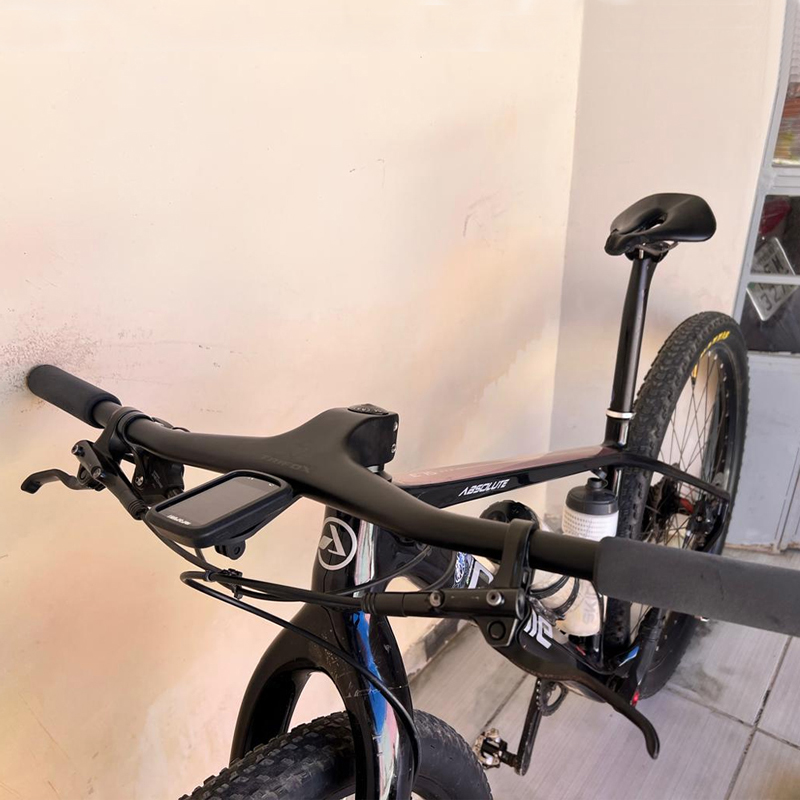
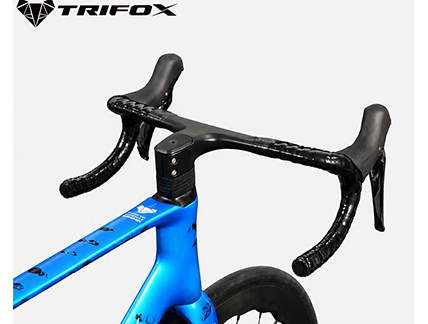
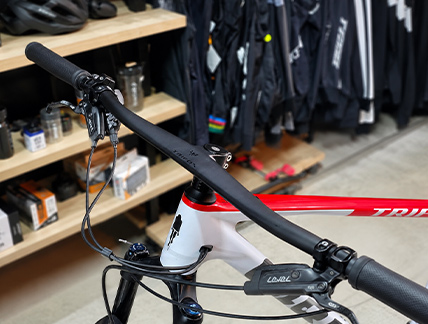
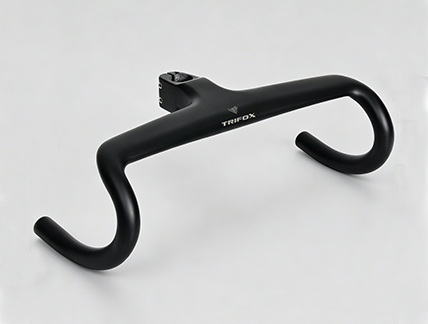
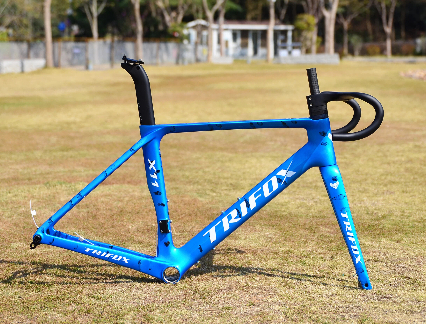
An integrated carbon mtb handlebar eliminates this weak link. By molding the bar and stem as a single piece of continuous carbon fiber, manufacturers create a structure that can be tuned for exceptional stiffness without a corresponding weight penalty. This is the engineering reality behind the current trend: a one‑piece construction "increases stiffness by 20% compared to a previous bar‑and‑stem combination". What that means on the trail is sharper steering, quicker feedback, and a front end that goes precisely where you direct it, no lag, no vagueness.
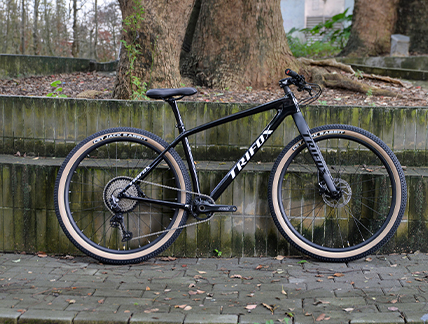
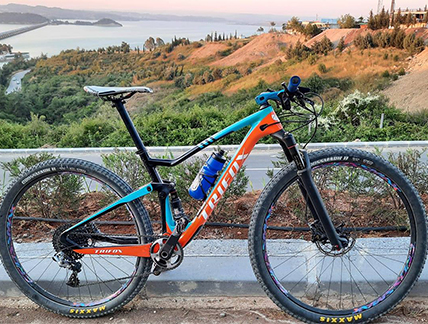
For xc handlebars, this heightened precision is transformative. Modern XC courses are no longer smooth fire roads. They include technical rock gardens, off‑camber braking bumps, and steep chutes. Riders report that a truly stiff integrated front end "allows you to feel the trail more directly" and "builds confidence in corners." That confidence translates directly into speed.
Weight, Aerodynamics, and the Clean Cockpit Advantage
The weight savings of a well‑designed integrated bar are significant. By removing the material needed for overlapping clamps and a separate stem body, the RHB200 tips the scales at just 280 grams—impressively light for a full‑size cockpit. Riders upgrading from a mid‑range alloy bar and stem often save 50–100 grams right at the front of the bike. That’s weight that the fork doesn’t have to loft over obstacles and weight that your shoulders don’t have to manage over a multi‑lap race.
Integrated cockpits also clean up the front of the bike. Without a bulky stem faceplate protruding, the frontal area is reduced. This aerodynamic benefit may be marginal on a mountain bike, but in the wind‑exposed sections of a rolling XC course or during a crosswind, the reduction in turbulence is a free speed advantage. As one reviewer of integrated cockpits notes, integrated designs allow the bar and stem to act as "an aerodynamic extension of the frame, channeling airflow to improve efficiency and reduce resistance".
More practically, a clean front end means simpler mounting for lights, computers, and action cameras, with fewer cables snagging on brush or your gloves during a quick maneuver.
Feedback, Line Choice, and the XC Racing Advantage
Perhaps the most significant advantage of a high‑quality xc handlebars is the improvement in trail feedback. Riders transitioning from an older alloy setup often describe the sensation as "a direct pipeline to the trail." The one‑piece carbon construction transmits subtle changes in traction and terrain without the damping or deadening that can occur at the bar‑stem interface.
This feedback is critical for maintaining traction on loose climbs and for precisely placing the front wheel through rock gardens. One reviewer of a similar integrated bar noted that "it adequately maintains the same stiffness" as top‑tier aftermarket bars, while another described the upgrade as "completely exceeding expectations" with a "super lightweight and stiff" feel that made the bike feel "more alive".
For the serious racer, that sensation of being connected directly to the trail is worth the upgrade alone. A bar that keeps you feeling fresh and confident lap after lap is a bar that helps you place on the podium.
The RHB200: Integrated Performance for the Discerning Racer
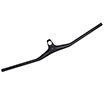
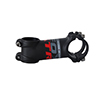
The Trifox RHB200 is built for XC and aggressive trail use. Its T800 carbon fiber construction strikes the ideal balance between race‑ready stiffness and long‑ride compliance. The ‑17° stem rise and 9° backsweep place the rider in an efficient, forward‑leaning position that optimizes weight distribution for climbing and descending. This geometry is specifically dialed for riders who want to lay down power efficiently while maintaining the ability to maneuver through technical sections.
Available stem lengths from 80mm to 110mm and a cuttable 800mm width allow for precise fitment, accommodating a wide range of body types and riding styles. Weighing just 280g and constructed with a premium 3K carbon weave, the RHB200 is a direct competitor to integrated cockpits priced two or three times higher.
Riders who have installed the RHB200 report that the upgrade is immediately noticeable on the first ride: a lighter, stiffer, more confident front end. For the XC enthusiast who has already optimized wheels, tires, and suspension, the integrated cockpit is the next logical frontier. It’s a single upgrade that enhances control, reduces fatigue, and sharpens your connection to the trail—a combination that serious racers shouldn’t ignore.
2026-05-23
Trifox
SHARE:


Comments
Recent Posts
1
1
1
1

1
1
1
1
1
1
1
1
1
1
1
1

1
1
1

1
1
1
1

1



