



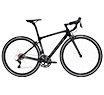
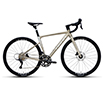
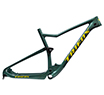
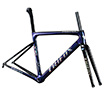





Walk into any bike shop or scroll through online listings, and you'll see road bikes divided into two distinct camps: race and endurance. One promises speed and aggression. The other promises comfort and distance. For years, the choice seemed simple—buy a race bike if you want to go fast, buy an endurance bike if you want to go far. But modern carbon engineering has blurred those lines. Today, many of the best entry level road bike options are proving that you don't have to choose between performance and comfort. Here's how race and endurance geometries differ—and why a balanced carbon frame might be the smartest choice for your body.
The Numbers That Matter: Stack and Reach
To understand bike geometry, you need to understand two critical measurements: stack and reach. Stack measures the vertical distance from the center of the bottom bracket to the midpoint of the top of the head tube. In plain English, stack determines how high or low your handlebars sit relative to your saddle. A taller stack puts you in a more upright position, reducing strain on your back and shoulders. A shorter stack lowers your torso, improving aerodynamics but requiring greater flexibility. Reach is the horizontal distance from the bottom bracket to the head tube. It determines how far you must stretch to reach the handlebars. These two numbers form the foundation of every bike's fit.
Race geometry typically features a lower stack and longer reach. This positions the rider in an aggressive, forward-leaning posture designed for cutting through wind and transferring maximum power to the pedals. Endurance geometry, by contrast, uses a taller stack and shorter reach, creating a more relaxed, upright position that reduces fatigue over long hours in the saddle.
What Race Geometry Feels Like on the Road
A pure race bike is engineered for one thing: speed. The frame uses a steeper head tube angle (often 73° or more), which delivers quick, precise steering—ideal for fast cornering and rapid direction changes in criteriums or spirited group rides. The seat tube angle is also steeper, typically around 74°, positioning your hips directly over the bottom bracket for efficient power transfer—a hallmark of climbing and racing-oriented geometry. A shorter wheelbase (the distance between the front and rear axles) makes the bike feel responsive and eager to change direction. The result is a bike that feels alive under power, accelerates with urgency, and carves through corners like a scalpel. However, this same responsive handling can feel twitchy and demanding for riders who aren't accustomed to aggressive positions. Riders with limited flexibility or lower back issues may find race geometry uncomfortable on longer rides, especially in the drops. The stretched-out position can cause hand numbness, shoulder tension, and lower back fatigue. Pros have the strength and flexibility to maintain these extreme postures for days on end. For the rest of us, a full-on race bike might make your rides worse, not better.
What Endurance Geometry Prioritizes Instead
Endurance bikes flip the priority list. Comfort comes first. The taller stack shortens the vertical distance from saddle to handlebars, allowing you to ride with a more neutral spine angle. The shorter reach brings the bars closer, reducing the need to stretch forward. Endurance geometry also typically includes a longer wheelbase, which enhances stability at speed and creates a more planted, confidence-inspiring feel on descents. Tire clearance is another hallmark of endurance design. Where race bikes often cap out at 25-28mm tires, many endurance frames accept rubber up to 32-35mm. Wider tires at lower pressures provide significantly more comfort and grip without sacrificing speed. Today's endurance bikes still climb and accelerate quickly, but the geometry is more forgiving, with a slightly taller stack and shorter reach that reduce strain on your back and shoulders. They're designed for real roads—potholes, chipseal, expansion joints—not just smooth tarmac. That makes them ideal for sportives, gran fondos, and the kind of mixed-surface riding that most cyclists actually do.
The Modern Middle Ground: When One Bike Does Both
The good news is that the line between race and endurance has blurred dramatically in recent years. Modern race bikes have become more stable and predictable at high speeds, largely thanks to lessons learned from gravel geometry. Longer wheelbases, lower bottom brackets, and wider tire clearances now make them far more versatile than their 2015 equivalents. And endurance bikes have shed their "slow and comfortable" reputation. They now feature race-proven designs with minor geometry adjustments, delivering responsive handling without the extreme positioning. A well-balanced carbon frame offers the sharp handling and efficient pedaling position of a race bike, making it a joy to push hard on climbs and through corners. Yet, it tempers this with a wheelbase and stack height that provide real-world stability and comfort for longer days in the saddle. The stack-to-reach ratio tells the comfort story. A ratio of around 1.42, for example, offers a position that's performance-oriented yet not impossibly low—allowing for a moderately aggressive drop without requiring extreme flexibility, bridging the gap between an all-out race bike and a relaxed endurance machine. This is the sweet spot for most riders: responsive enough for spirited group rides and racing, yet manageable enough for all-day adventures.
Who Is a Race Bike For?
A pure race bike is the right choice if you compete in road races or criteriums, prioritize aerodynamics and power transfer above all else, have above-average flexibility and core strength, are comfortable with a very low, stretched-out position, and don't typically ride more than 3-4 hours at a time. Race bikes are scalpel-sharp tools for a specific job: going fast. If that describes you, a race-focused frame will reward you.
Who Is an Endurance Bike For?
An endurance or all-road bike is the better fit if you ride for enjoyment rather than competition, frequently cover 4+ hours in the saddle, have experienced back, neck, or wrist discomfort on long rides, want to run wider tires for comfort and stability, or are newer to road cycling and still developing flexibility. Endurance bikes are designed for the real world—for the rider who wants to finish a century feeling good enough to do it again the next day. A study on bike fit and comfort found that many "serious" road cyclists were ruining their experience by forcing themselves into ultra-aggressive positions that their bodies weren't ready for. The easiest way to make yourself faster for longer is to be more comfortable. If you can't get comfortable on a bike and stay that way on the longest of rides, it's money wasted—no matter how fast it looks on paper.
Meet the Trifox SF-TA 2.0: A Carbon Road Bike That Bridges the Gap
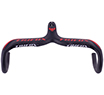
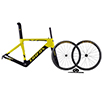
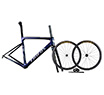
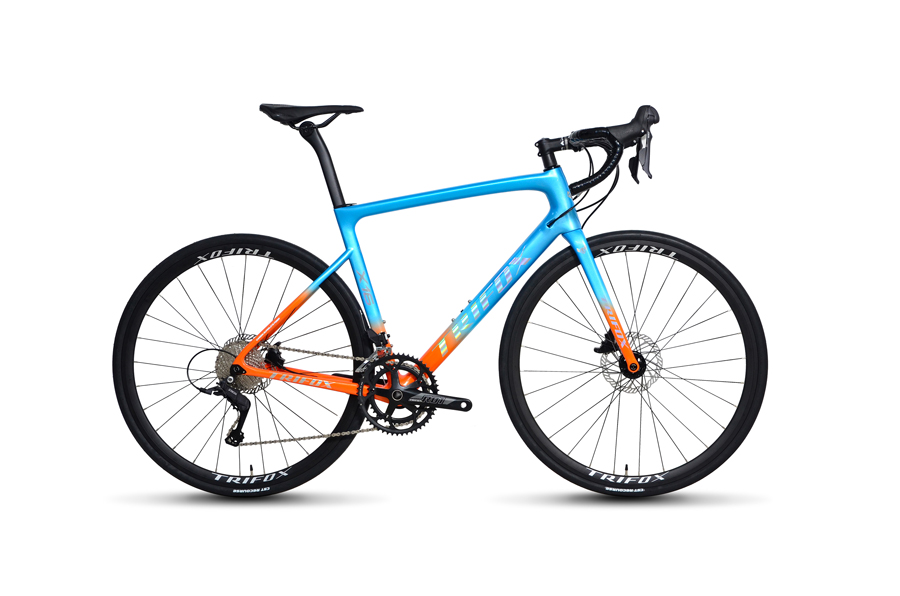
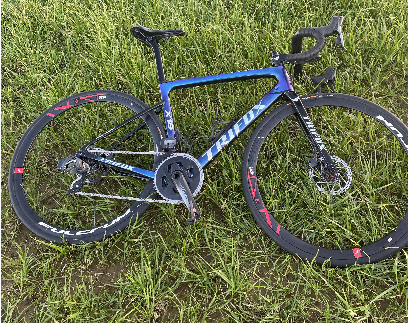
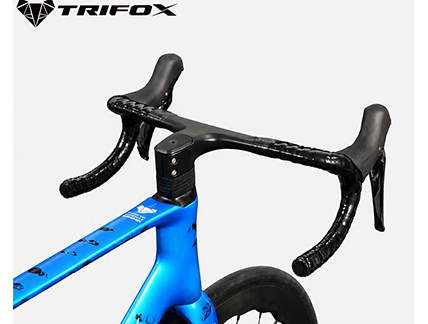
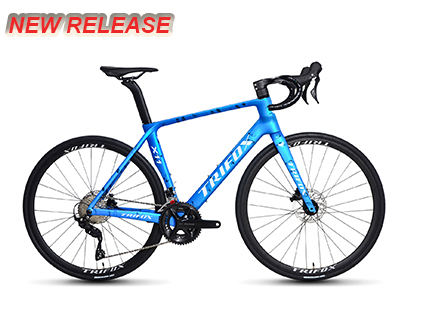
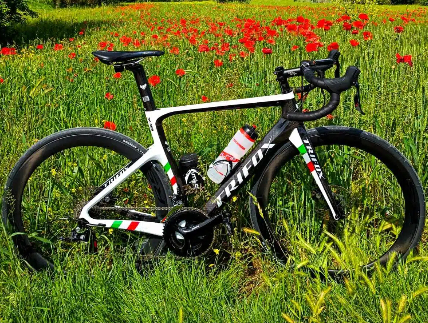
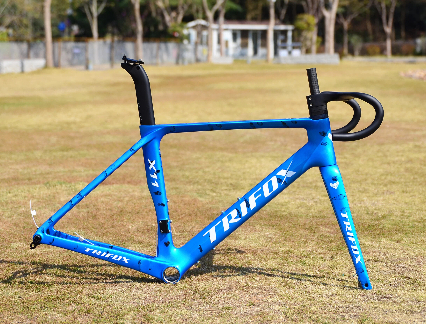
The Trifox SF-TA 2.0 is built around a T800 Toray carbon fiber frame, delivering a lightweight chassis (complete bike weight around 8.6kg/19 lbs) that feels responsive and efficient under power. The frame features modern standards: a tapered head tube for precise steering, flat-mount disc brakes for superior stopping power, and 12mm thru-axles for a stiff, secure wheel interface. The geometry is neither extreme race nor relaxed endurance. Instead, it's a highly capable all-rounder that satisfies the sportive rider, the club racer, and the enthusiast seeking one bike to do it all. The S-Ride 2x11-speed groupset provides reliable shifting, and the integrated hydraulic disc brakes offer confident, modulated braking in all conditions. The bike rolls on a quality aluminum wheelset with 40mm deep rims, and finishing kit like the carbon seatpost and alloy bars completes a thoughtful, performance-oriented build.
Making Your Final Choice
The bike industry has trained us to believe that "race" is better than "endurance"—that more aggressive is always more serious. That's marketing, not engineering. The right bike is the one that fits your body, matches your flexibility, and keeps you comfortable hour after hour. For the majority of riders—including many who consider themselves serious cyclists—a modern balanced geometry or well-designed endurance bike is the smarter choice. It will make you faster for longer because you'll actually want to stay in the saddle. The Trifox SF-TA 2.0 exemplifies this new paradigm: a genuine carbon fiber road bike with modern features, quality components, and a geometry that doesn't force you to choose between speed and comfort. If you're seeking an entry level road bike that offers real carbon performance without breaking the bank, or a best budget road bike that punches well above its price class, the SF-TA 2.0 is a compelling choice. Test ride. Pay attention to how your body feels after two hours. And remember: the fastest bike is the one you actually want to ride.
2026-05-19
Trifox
SHARE:


Comments
Recent Posts
1
1
1
1
1
1
1
1
1
1
1
1
1
1
1
1
1
1
1
1
1
1
1

1



