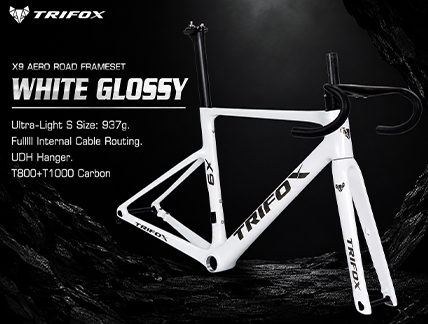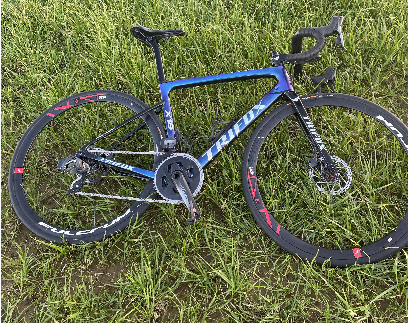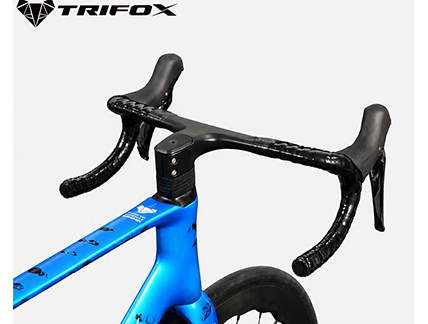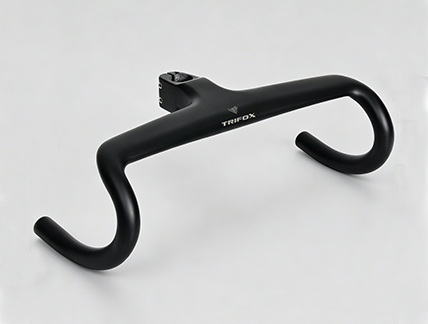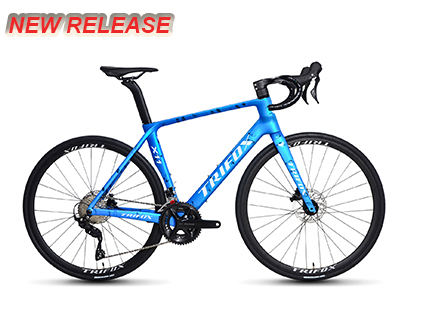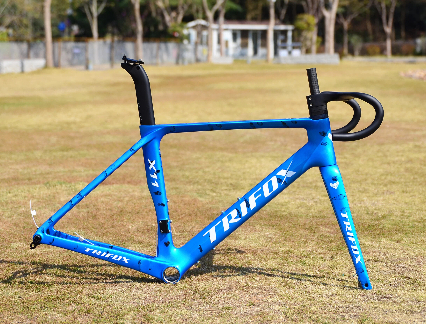


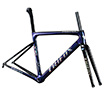
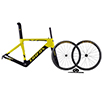
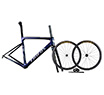
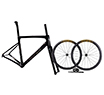
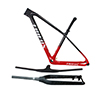





Buying a bike frame online can feel like a leap of faith. You stare at a geometry chart filled with numbers like “74.25°” and “531mm,” wondering if they translate into a bike that fits your body. The Trifox X10 frameset, priced at an incredible $359, offers a full-carbon, disc-brake road platform—but only if you choose the correct size. Here’s how to decode its geometry chart and find your scientific fit.

Step 1: Forget the “Rider Height” Chart First
Every bike brand provides a recommended height chart, and Trifox is no exception. For the X10, those recommendations are:
| Size | Rider Height | Inseam |
| XS-49cm | 155-168cm | 74-79cm |
| S-52cm | 168-175cm | 76-81cm |
| M-54cm | 173-180cm | 78-83cm |
| L-56cm | 178-185cm | 81-86cm |
| XL-58cm | 183-190cm | 74-79cm |
While useful as a rough guide, height alone is deceptive. Two riders of the same height can have different torso lengths, arm lengths, and flexibility levels. Use these ranges as a starting point, not a final verdict.
Step 2: Understand Stack and Reach—The Universal Fit Language
Stack and reach are the two most critical measurements for comparing bike fit across brands . Think of them as the waist and inseam measurements of a pair of pants.
* Stack (vertical distance from bottom bracket to head tube top) indicates how upright or aggressive your position will be. The X10’s stack ranges from 508mm (XS) to 577mm (XL)reference. Higher stack = more upright = less back strain. Lower stack = more aerodynamic = racier position.
* Reach (horizontal distance from bottom bracket to head tube top) determines how stretched out you feel. The X10’s reach runs from 371mm (XS) to 398mm (XL)reference. Longer reach = more stretched = more aero. Shorter reach = more compact = more upright.
Because these measurements are independent of tube angles, they allow you to compare the X10 directly to any bike you’ve ridden or tested before.
Step 3: Match Your Body to the Numbers
Start with your current bike (or a test-ridden bike that fits well). Look up its stack and reach. If you don’t know them, measure your favorite bike using a level and tape measure. Then find the X10 size with the closest match.
For example, a rider moving from a 54cm endurance bike with stack 580mm and reach 375mm would likely fit the X10’s M-54cm (stack 540mm, reach 384.5mm) but might need a slightly taller stem to compensate for the lower stack. A racer coming from a 56cm aggressive race bike with stack 555mm and reach 395mm would find the L-56cm (stack 562mm, reach 390mm) almost identical.
If you’re between sizes, consider your riding style and flexibility. More flexible, performance-oriented riders often size down for a lower, more aerodynamic position. Riders seeking comfort and stability for long days size up. For those on the taller end, the XL-58cm is an excellent xl bike frame option, offering a 577mm stack and 398mm reach—ideal for riders 183-190cm who want a race-ready position without feeling cramped.
Step 4: Consider the Complete Picture
Stack and reach don’t tell the whole story. Also examine:
* Head Tube Angle (71-73°): Steeper angles (73°) offer quicker steering; slacker angles (71°) provide more stability. The X10 progresses from 71° on the XS to 73° on the XL , ensuring consistent handling across sizes.
* Seat Tube Angle (74.25-72.75°): A steeper angle moves your hips forward for better climbing efficiency.
* Top Tube Length (515-575mm): A traditional fit reference. The X10’s top tube grows progressively with size.
Step 5: Test Ride or Trust the Process
Nothing replaces a test ride. But for online purchases, use these steps: measure your inseam (barefoot, book between legs, measure from floor to book top), calculate your ideal saddle height (inseam × 0.883), and compare the X10’s stack and reach to a known good fit. When in doubt, many fitters recommend choosing the smaller frame—it’s easier to lengthen reach with a longer stem than to shorten a frame that’s too large reference.
The Verdict
The Trifox X10 is a modern, race-oriented road bike large frame that rewards riders who take fit seriously. Its geometry—from the 73° head angle on the XL to the progressive stack and reach—is designed for efficient power transfer and stable high-speed handlingreference. By understanding stack and reach, you can move beyond guesswork and choose the X10 size that turns a great carbon frame into your perfect riding position.