


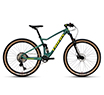
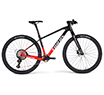
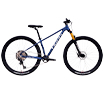

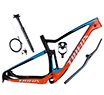





The day has finally arrived. You're ready to move on from that heavy, entry‑level alloy bike and invest in your first true carbon mountain bike. The ride quality, the weight savings, the prestige—it all beckons. But a fundamental fork in the trail awaits you: carbon hardtail or carbon full‑suspension?
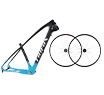
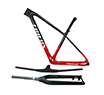
Both offer massive performance leaps over an entry‑level bike, but they serve very different riders and terrains. This guide will help you navigate the pros, cons, and hidden costs of each, with a special focus on the versatile Trifox SDY20 15 inch bike frame —a featherweight carbon hardtail that proves you don't always need rear suspension to conquer the trail.
The Case for the Carbon Hardtail: Efficiency and Simplicity
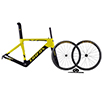
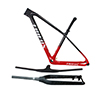
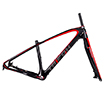
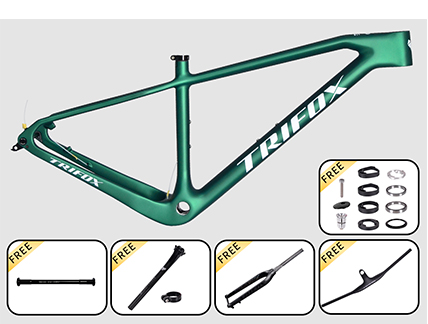
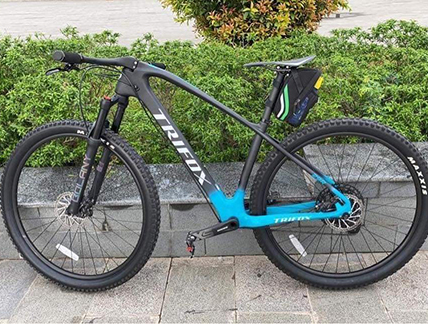
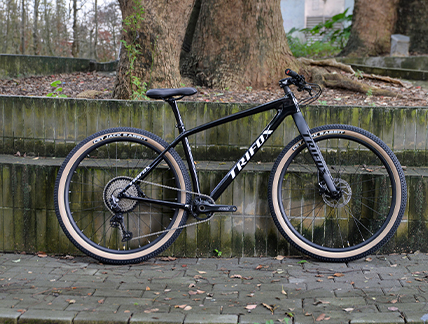
At the heart of the hardtail debate is power transfer. Without a rear shock absorbing your pedaling forces, a carbon hardtail is an efficiency machine. The Trifox SDY20 trial bike frame exemplifies this. Its ultra‑light T1000 carbon layup – the 15” frame weighs just 930g – and exceptional torsional stiffness mean that every watt of power you generate goes straight into propelling you forward, not into compressing a shock. On long, smooth climbs and flowy singletrack, the direct feedback and instant acceleration of a hardtail are unmatched.
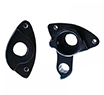
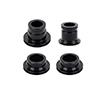
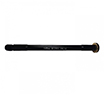
Furthermore, modern carbon hardtails like the SDY20 are no longer the crude, unforgiving bikes of the past. With clearance for 2.4” tires, you can run high‑volume rubber at lower pressures, effectively turning the tires into a form of suspension. The Boost 148mm rear thru‑axle massively increases rear wheel stiffness, improving tracking and control. And the inclusion of a UDH (Universal Derailleur Hanger) future‑proofs the frame for the latest SRAM Transmission drivetrains. The SDY20 is also a more affordable entry point to carbon, allowing you to invest more in a top‑tier fork or groupset.
Choosing the Right Hardtail Fit
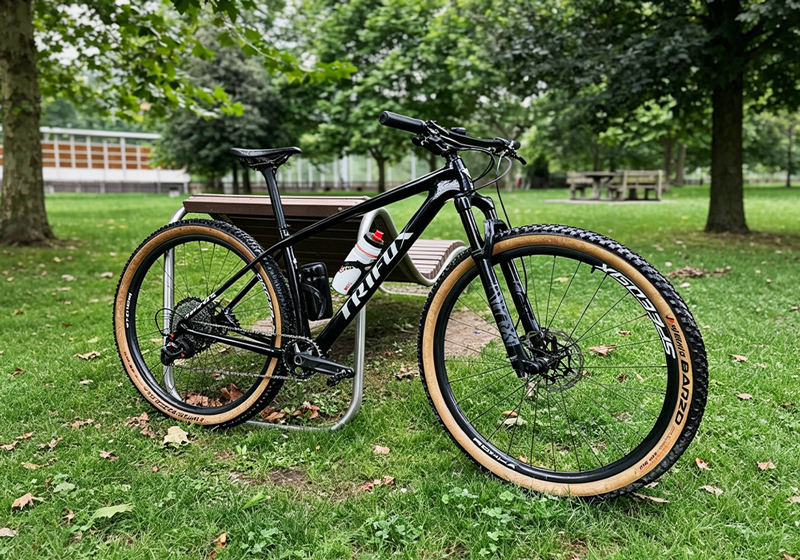
Fit is crucial for any bike, but especially for a hardtail where your body is the suspension. The SDY20 offers multiple sizes to fit a wide range of riders, from the compact 15 inch bike frame to medium and large sizes. This 15″ model is a perfect option for smaller riders or those seeking a playful, agile feel, ensuring they get the performance benefits of a carbon hardtail without feeling stretched out and out of control.
The Full‑Suspension Philosophy: Traction and Forgiveness
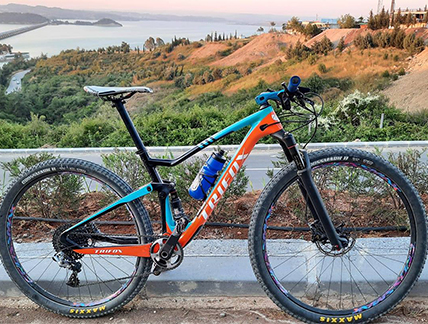
Full‑suspension is all about traction and control. The rear wheel is better able to maintain contact with the ground over roots and rocks, improving climbing grip on technical ascents and boosting descending confidence dramatically. A full‑suspension bike allows you to ride harder, longer, by reducing the physical battering your body takes. For heavy, aggressive riders or those whose local trails are perpetually chunky, a full‑suspension bike is a significant advantage.
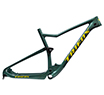
However, this comes with a cost. A good full‑suspension frame is significantly heavier, uses a more complex linkage system requiring maintenance, and is considerably more expensive. You also must budget for a rear shock, adding another $200–500 to your build. The complexity of riding a full‑suspension bike is also higher. To get the most out of it, you need to learn to pedal smoothly and manage the bike’s weight.
Hidden Costs: The Budget Behind the Build
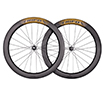
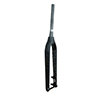
This is where the decision gets real. For your first carbon MTB, the hardtail’s lower cost allows you to invest in premium components that dramatically improve the ride experience. The SDY20 frame, often available for under $600, leaves the bulk of your budget for a top‑of‑the‑line fork (e.g., Fox 34 Step‑Cast or Rockshox SID SL), a lightweight carbon wheelset, and a high‑end groupset.
With a full‑suspension frame, you will spend significantly more on the frame alone, forcing you to cut corners elsewhere. This leads to a poorly balanced build with a heavy suspension fork, budget wheels, or a cheap groupset, undermining the full‑suspension experience.
Which Should You Choose?
Choosing the right first carbon MTB is about aligning the bike with your trails and your ambitions.
Choose a carbon hardtail if:
- You ride mostly smoother, flowy singletrack, gravel roads, and XC-style trails.
- Efficiency, climbing speed, and pedal response are your top priorities.
- You are on a strict budget but still want a premium, lightweight frame.
- You are a lighter rider or prefer a lively, “playful” bike that rewards active riding.
Choose a carbon full‑suspension if:
- Your local trails are relentlessly chunky, rocky, and rooty.
- You prioritize descending confidence and comfort over flat‑out speed and weight.
- You are a heavier rider or have the budget to spend $2,500+ on a quality frameset alone.
The Final Verdict
Your first carbon mountain bike should match your terrain, budget, and skill level. While a full‑suspension bike is the ultimate tool for extreme terrain, a modern carbon hardtail like the Trifox SDY20 is arguably the smarter, more versatile first purchase for most riders. It offers a massive performance upgrade over an aluminum frame, teaches you to read the trail and pick good lines, and provides a lightweight, efficient, and incredibly fun platform for years to come.
2026-05-29
Trifox
SHARE:


Comments
Recent Posts
1
1
1
1
1
1
1
1
1
1
1
1
1
1
1
1
1
1
1
1
1
1
1

1



