


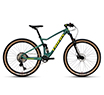
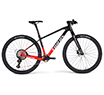
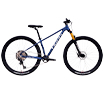
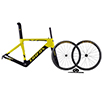
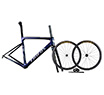
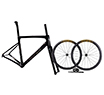
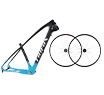





For beginners just getting into mountain biking, choosing the right frame is a crucial first step.
Many riders wonder: Hardtail Bike Frame or XC Frame – which is better for entry‑level riders?
In reality, these two concepts are not mutually exclusive. XC (Cross Country) refers to a riding style, while Hardtail describes the frame construction. Many XC mountain bikes are actually hardtails, because they are lightweight, efficient, and ideal for beginners and everyday riding.
What is a Hardtail Bike Frame?
A Hardtail Bike Frame is a mountain bike frame with front suspension only and no rear shock.
Compared with full‑suspension models, hardtail frames have a simpler structure, offering:
- Lighter frame weight
- Higher pedalling efficiency
- Easier maintenance
- Lower purchase cost
For new riders learning the basics of off‑road riding, a hardtail frame helps them better feel trail feedback and improve their riding skills.
What are the characteristics of an XC Frame?
An XC Frame is designed specifically for Cross Country riding.
It prioritises:
- Faster climbing speed
- Higher pedalling efficiency
- Lighter overall bike weight
- Long‑distance riding comfort
Today, many high‑performance XC bikes use carbon hardtail construction, because this combination offers the best balance between speed and control.
Should a beginner choose a Hardtail or an XC Frame?
For most new riders, a lightweight XC hardtail frame is an excellent choice.
The reasons are simple:
First, hardtail frames offer direct power transfer with less energy loss.
Second, their simpler design makes it easier to learn fundamental mountain biking techniques.
Additionally, hardtail frames are more budget‑friendly than full‑suspension bikes, allowing you to invest more in wheels, forks, and drivetrain upgrades.
If your typical rides include:
- Light trail riding
- Park trails
- XC training
- Long‑distance rides
then a hardtail XC frame will suit you perfectly.
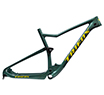
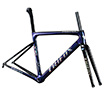
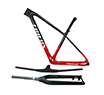
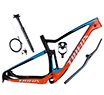
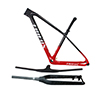
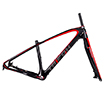
TRIFOX SDY20: Ultra‑light carbon Boost hardtail MTB frame
If you are looking for a high‑performance entry‑level upgrade frame, check out the TRIFOX SDY20 Carbon MTB Hardtail Frame.

The SDY20 features a lightweight carbon fibre construction that strikes a great balance between weight, stiffness, and durability – making it an excellent carbon bike frame mtb for XC riding.
Key features include:
- High‑quality carbon fibre frame
- Boost 148×12mm rear axle standard
- 29‑inch wheel compatibility
- Lightweight design for better climbing efficiency
- Excellent pedalling stiffness
- Suitable for XC, training, and daily trail riding
The SDY20 is also available in multiple sizes, including a 19 mtb frame, to fit riders of different heights.
Why is a carbon hardtail frame worth it for beginners?
Many beginners think carbon fibre is only for pro riders.
In fact, modern carbon frames are becoming more and more accessible.
Compared with aluminium frames, carbon offers:
- Lighter weight
- Better vibration damping
- Higher stiffness‑to‑weight ratio
- A more premium riding feel
For riders who plan to ride long‑term and continue upgrading their bike, a quality carbon bike frame mtb is a sound long‑term investment.
Conclusion
There is no absolute answer as to whether a Hardtail Bike Frame or an XC Frame is better.
For new riders, a lightweight, efficient, and low‑maintenance XC hardtail frame is usually the more sensible choice.
The TRIFOX SDY20 carbon Boost hardtail MTB frame combines light weight, modern Boost standards, and excellent handling – making it an ideal foundation for your first high‑performance mountain bike.
Whether for daily rides, XC training, or future trail events, the SDY20 delivers a stable, efficient, and thoroughly enjoyable riding experience.

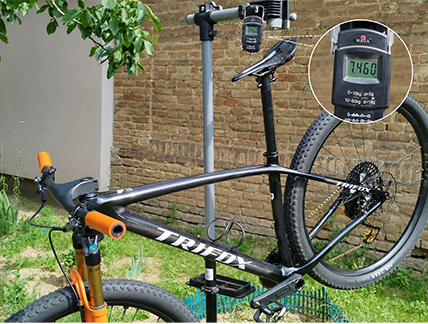
For many mountain bikers, there's one number that always sparks debate: bike weight. When a complete trail mountain bike tips the scales at just 7.46kg, the first reaction is usually, "Is that even possible?"
The answer is yes—but only with the right combination of an ultra-light frame and carefully selected premium components. Recently, one rider shared an incredible custom build based on the Trifox SDY20 Raw Carbon Frame, achieving a complete bike weight of just 7.46kg. The build features the TRIFOX SDY20 Raw Carbon Frame (867g) finished with premium parts from Darimo, Gemini Rigel, Fox Front Fork and a custom SRAM GX AXS + Garbaruk setup. Even more impressive, the Size S raw frame weighs only 867g, making it one of the lightest options available for serious trail enthusiasts.
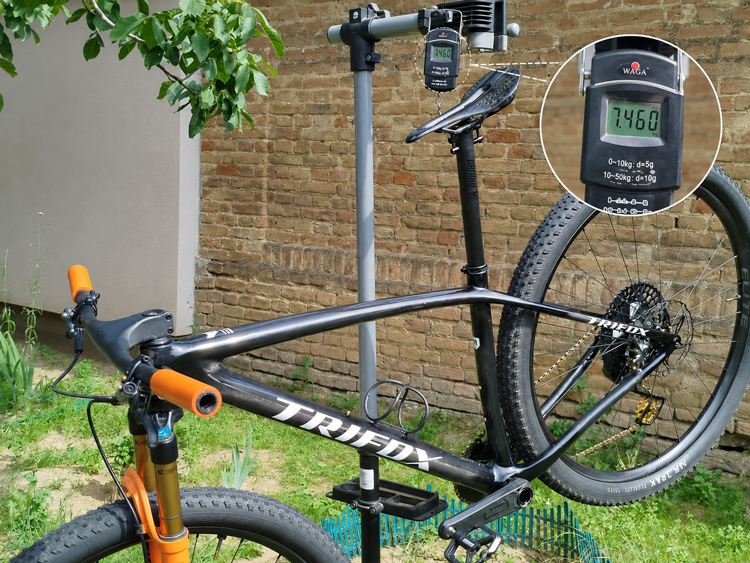
Why 7.46kg Is Exceptionally Light
To put this into perspective, most modern carbon hardtail mountain bikes weigh between 9kg and 11kg, while many trail-focused hardtails are even heavier. A bike weighing under 8kg enters a category typically reserved for high-end race builds with premium carbon components and lightweight drivetrains.
Of course, achieving this number isn't just about spending more money. It starts with choosing the right frame.
That's exactly where the carbon fiber mtb bike frame SDY20 stands out.
The Foundation of an Ultra-Light Build
Every gram saved on the frame allows riders to invest weight elsewhere without sacrificing performance.
The Trifox SDY20 Raw Carbon Frame was designed specifically for trail riders who demand maximum efficiency.
Key highlights include:
- Ultra-light 867g raw frame (Size S) based on a customer build
- Premium carbon fiber construction
- Boost 148×12mm rear spacing
- Internal cable routing for a clean appearance
- Compatible with modern trail components
- Optimized geometry for climbing, acceleration, and technical handling
Boost 148 isn't simply a compatibility standard—it also increases rear wheel stiffness, improving power transfer and cornering precision when riding aggressively on technical trails.
Why Frame Weight Matters More Than You Think
Many riders focus only on the final bike weight.
However, the frame is the foundation of every lightweight build.
A lighter frame provides several advantages:
- Faster acceleration
- Easier climbing
- Better responsiveness
- More freedom when choosing components
- Lower overall system weight
An 867g frame gives builders extra flexibility. They can choose more durable wheels, a stronger fork, or reliable components while still achieving an incredibly light overall bike.
The Balance Between Weight and Stiffness
One common misconception is that lighter always means weaker.
Modern high-quality carbon engineering proves otherwise.
The SDY20 combines lightweight construction with excellent torsional stiffness, allowing riders to transfer more pedaling power directly to the rear wheel instead of losing energy through frame flex. At the same time, carbon naturally absorbs trail vibration better than aluminum, reducing rider fatigue on longer rides.
Why Boost 148 Makes a Difference
The SDY20 uses the now widely adopted Boost 148 rear spacing.
Compared with older hub standards, Boost provides:
- Wider spoke bracing angles
- Increased wheel stiffness
- Better tire clearance
- Improved handling during hard cornering
- Greater compatibility with modern wheelsets
For trail racers chasing every second, these small improvements quickly add up over long rides.
Is a Carbon Hardtail Still Worth It?
Absolutely.
While full-suspension bikes dominate rough terrain, many riders still prefer hardtails for trail riding and marathon events.
For riders who value speed, simplicity, and efficiency, a hardtail remains one of the smartest investments.
The Real Secret Behind a 7.46kg MTB
A 7.46kg mountain bike doesn't happen by accident.
It requires careful component selection, premium lightweight parts, and—most importantly—a frame capable of supporting such an ambitious build. The customer-built SDY20 proves exactly what's possible.
Final Thoughts
So, is 7.46kg light for a carbon MTB bike?
Without question.
It's a weight that places a bike among elite-level trail builds, demonstrating what can be achieved with thoughtful component choices and an exceptionally lightweight frame.
If you're planning your own dream trail project, the carbon fiber mtb bike frame SDY20 offers an outstanding starting point. With its Boost 148 platform, race-ready geometry, and customer-proven 867g raw frame, it's designed for riders who want every possible advantage on the trail.
Whether your goal is breaking personal climbing records or building your first sub-8kg mountain bike, the carbon hardtail frame mtb SDY20 delivers the lightweight performance modern trail riders are looking for.
Cable routing used to be simple: zip ties and external guides. Today, frame designers offer a spectrum of options, from fully exposed cables to completely hidden lines. For riders considering a new 29er Carbon MTB Mountain Bike Frame Hardtail, the choice between full internal and semi-internal routing can be surprisingly significant. Here's what you need to know.
What's the Difference?
Full internal routing means every cable and hose is completely enclosed within the frame from the cockpit to the exit points. On frames like the Trifox SDY21, cables enter through the headtube and travel through integrated internal channels, emerging only at the derailleur and brake caliper. Nothing is visible except the clean lines of the frame itself.
Semi-internal routing hides cables for part of the journey but leaves them exposed at certain points—often along the downtube or under the top tube, secured by clips or guides. The cables are tucked away but still visible and accessible.
The Case for Full Internal Routing
The primary advantage is aesthetics. A fully integrated cockpit creates a sleek, modern look that many riders find irresistible. Beyond appearances, full internal routing offers superior cable protection. Cables are shielded from mud, water, grit, and crash damage, which extends their lifespan and maintains consistent shifting and braking performance. The SDY21's T800 carbon construction and full internal routing exemplify this approach, combining ultra-lightweight performance with a clean, race-ready appearance.
Full internal routing also reduces aerodynamic drag. While the savings are modest—roughly 1 to 2 watts at competitive speeds—every advantage counts for racers and performance-focused riders. Additionally, internal channels can reduce cable rattle when properly guided, creating a quieter ride over rough terrain.
The Case for Semi-Internal Routing
Semi-internal routing's biggest strength is maintenance simplicity. When cables need replacing or brakes need bleeding, exposed sections are far easier to access. There's no fishing lines through frame cavities or struggling with internal guides. For home mechanics or riders who frequently swap components, this convenience is significant.
Semi-internal routing also reduces friction in the system. Shorter, straighter cable paths with fewer bends mean less resistance, which can translate to crisper shifting and lighter brake feel. Some riders also prefer the peace of mind of being able to visually inspect cables for wear or damage without disassembling the bike.
The Trade-Offs
Full internal routing isn't without downsides. Initial installation is more complex—threading hoses through internal channels requires patience and sometimes specialized tools. Some frames can also suffer from cable rattle if the internal guides aren't well-designed. And if a cable needs replacement mid-ride, you're out of luck—it's a workshop job.
Semi-internal routing, while more practical, exposes cables to the elements. Mud and grit can accelerate wear, and exposed lines are vulnerable to snagging on trail debris.
Which Should You Choose?
The decision comes down to your priorities. If you value clean aesthetics, maximum cable protection, and a race-ready look, full internal routing—as found on the SDY21—is the way to go. This ultra-lightweight carbon frame exemplifies the benefits of full integration: sleek appearance, protected cables, and the stiffness and responsiveness that come with modern carbon construction.
If you prioritize easy maintenance, lower friction, and the ability to swap components without hassle, semi-internal routing offers genuine practical advantages.
Both systems have their place. The SDY21's full internal routing, available in multiple colors including glossy red, black, and green, demonstrates that modern engineering can deliver the best of both worlds: stunning aesthetics and reliable performance. Choose the routing that fits your riding style—and your tolerance for cable maintenance.
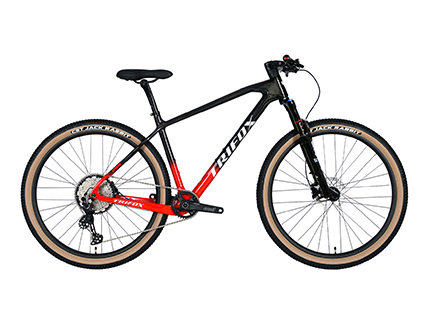
Mountain biking technology continues to evolve rapidly, with full-suspension bikes becoming increasingly capable and popular. However, despite the rise of complex suspension systems, the carbon hardtail mountain bike remains a favorite among riders of all skill levels. From cross-country racers to weekend adventurers, many cyclists still choose hardtails for their simplicity, efficiency, and exceptional riding experience.
If you're looking for a bike that delivers speed, responsiveness, and outstanding value, the TRIFOX SDY21 may be exactly what you need.
The Enduring Appeal of Hardtail MTB Bikes
A hardtail MTB features a suspension fork at the front while maintaining a rigid rear triangle. This design offers several advantages that continue to attract riders around the world.
First, hardtail bikes are generally lighter than comparable full-suspension models. With fewer moving parts and a simpler frame structure, more of your pedaling power is transferred directly to the trail. This makes climbing easier and acceleration more responsive.
Second, hardtails require less maintenance. Without rear suspension pivots, bearings, and shock servicing, riders can spend more time riding and less time maintaining their bikes. For many cyclists, this simplicity translates into greater reliability and lower long-term ownership costs.
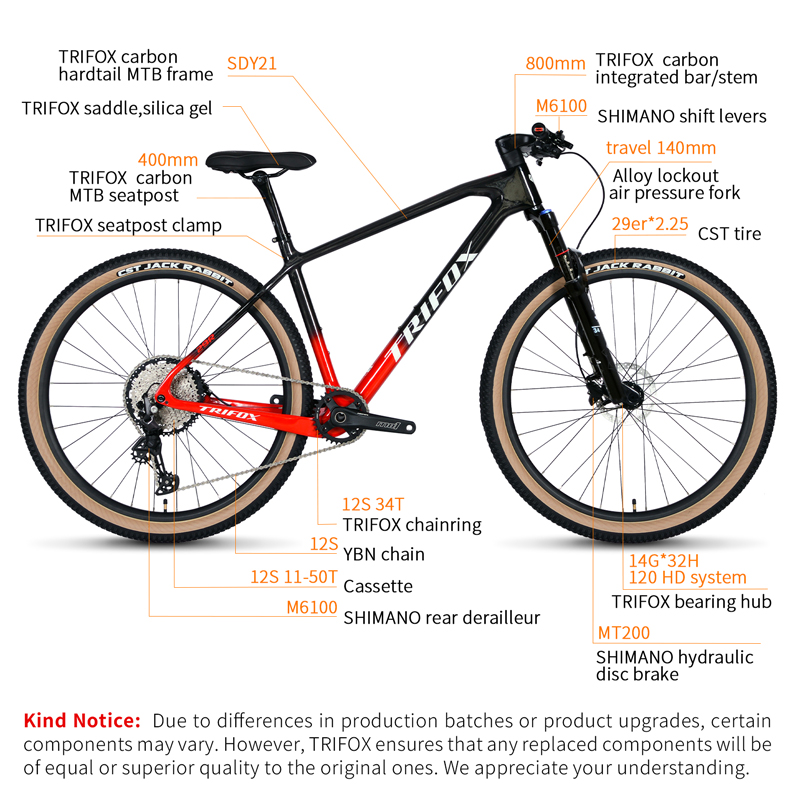
Lightweight Performance That Makes a Difference
Weight plays a significant role in mountain bike performance, especially during climbs and long-distance rides. That's why many riders prefer a lightweight hardtail mountain bike when tackling challenging terrain.
The TRIFOX SDY21 utilizes a high-quality carbon fiber frame that combines strength, stiffness, and low weight. The result is a bike that responds instantly to rider input while remaining durable enough for demanding trail conditions.
Whether you're sprinting out of corners, attacking steep climbs, or navigating technical singletrack, a lightweight carbon frame helps maximize efficiency and control.
Modern Features for Modern Riders
Today's hardtail bikes are far more advanced than those from a decade ago. The TRIFOX SDY21 incorporates several premium features designed to enhance both performance and aesthetics.
One standout feature is its fully internal cable routing. Internal cables not only create a cleaner and more professional appearance but also help protect cables from dirt, mud, and trail debris. This contributes to smoother shifting performance and reduced maintenance requirements.
The frame geometry is optimized for modern trail riding, providing stable handling on descents while maintaining efficient climbing characteristics. Combined with contemporary wheel and tire compatibility, the SDY21 delivers a balanced ride that feels equally comfortable on race courses and recreational trails.
Why Hardtails Are Ideal for Skill Development
Many experienced mountain bikers recommend hardtails because they encourage riders to develop better technique. Without rear suspension absorbing trail impacts, riders learn to choose cleaner lines, improve body positioning, and refine bike-handling skills.
These skills transfer directly to all forms of mountain biking and often make riders faster and more confident when they eventually move to other bike platforms.
For beginners, a hardtail can provide an excellent introduction to mountain biking. For experienced cyclists, it offers a pure and engaging riding experience that never goes out of style.
The Benefits of a Carbon Hardtail for XC and Trail Riding
Cross-country riders especially appreciate the efficiency of carbon hardtails. With no rear suspension energy loss, every pedal stroke contributes directly to forward momentum. This makes hardtails particularly effective for racing, endurance events, and long-distance trail adventures.
The carbon construction of the SDY21 also helps absorb minor trail vibrations while maintaining excellent frame stiffness. Riders benefit from a smoother ride without sacrificing the responsiveness that hardtails are known for.
The Smart Choice for Adventure
While full-suspension bikes certainly have their place, the carbon hardtail remains one of the most versatile and rewarding options available. Lightweight, efficient, durable, and easy to maintain, hardtails continue to deliver exceptional value for riders who want to maximize every pedal stroke.
The TRIFOX SDY21 combines modern carbon construction, full internal cable routing, responsive handling, and lightweight performance into one impressive package. Whether you're training for your next XC race, exploring local trails, or simply seeking a more efficient ride, this bike proves that sometimes the simplest solution is still the best one.
If you're ready to experience the benefits of a modern carbon hardtail, the TRIFOX SDY21 is prepared for your next adventure.
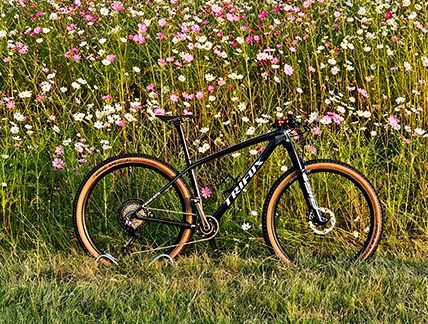
The mountain bike industry has seen a revolution in frame materials and standards over the past decade. Among the most significant developments is the combination of carbon fiber construction with Boost 148mm rear spacing—a pairing that delivers an exceptional blend of lightweight performance, stiffness, and modern compatibility. The Trifox SDY20 represents this evolution, offering riders a high-performance 29er hardtail frame for sale that embodies the best of contemporary mountain bike engineering.
What Makes a Carbon Boost MTB Frame Special?
A carbon Boost MTB frame combines two key innovations. First, the carbon fiber construction provides an exceptional strength-to-weight ratio, allowing frames to be incredibly light without sacrificing durability or stiffness. Second, the Boost 148x12mm rear spacing—which is 6mm wider than the previous 142mm standard—creates a stiffer, stronger rear wheel through improved spoke bracing angles. The SDY20 exemplifies this combination, featuring a T1000 carbon fiber construction that weighs just 980g for the small size and 1050g for the medium, making it one of the lightest frames available in its class. This weight savings translates directly to quicker acceleration, easier climbing, and a more responsive feel on the trail.
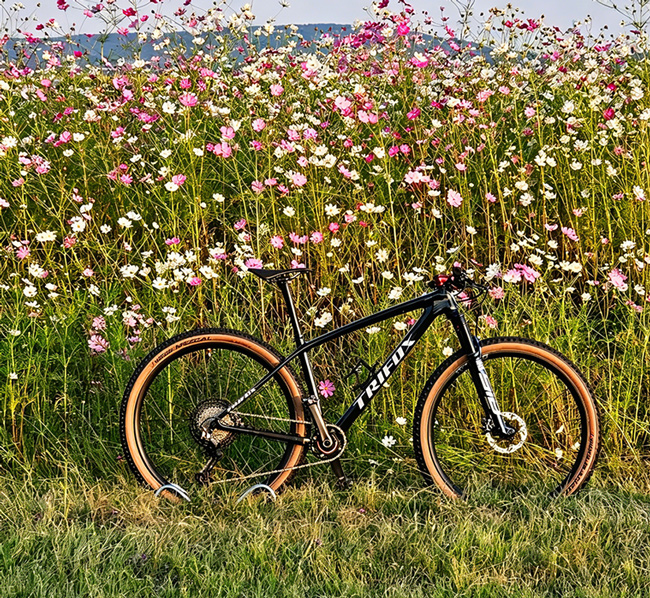
Key Features of the SDY20 Carbon Frame
The SDY20 is built around several modern standards that make it a versatile and future-proof platform. The Boost 148x12mm rear spacing is the cornerstone of its performance, providing increased stiffness and improved traction across various terrain types. This wider spacing allows for shorter chainstays, which enhances agility and makes the bike feel more playful on singletrack. The frame also features full internal cable routing through the headset, which not only creates a sleek, uncluttered appearance but also protects cables from mud, moisture, and abrasion. This design choice improves aerodynamics and reduces maintenance over time.
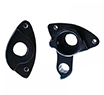
The SDY20 is constructed from T1000 carbon fiber, a high-modulus material that offers premium quality for a high-performance ride. T1000 provides an excellent balance of stiffness for efficient power transfer and vertical compliance for trail comfort. The frame also includes a Universal Derailleur Hanger (UDH), which future-proofs the frame for SRAM's latest Transmission drivetrains and simplifies replacement in the event of a crash. Tire clearance up to 29x2.4 inches allows for high-volume rubber, improving traction and comfort on rough terrain.
Benefits of Choosing a Carbon Boost Hardtail
The combination of carbon fiber and Boost spacing delivers several tangible benefits for riders. The most immediate is weight reduction. The SDY20's sub-1000g frame weight means less mass to haul uphill, making climbs feel easier and more efficient. The stiffness provided by the Boost rear end ensures that every watt of power goes into forward motion, not frame flex. This results in snappier acceleration and more precise handling, especially when sprinting out of corners or powering over technical sections. The internal cable routing also reduces maintenance needs, as cables are protected from the elements and less prone to dirt-induced wear.
Another significant advantage is versatility. The SDY20 is designed to work seamlessly with both DI2 electronic and mechanical groupsets, making it compatible with a wide range of drivetrains. This flexibility allows riders to build the bike that suits their budget and preferences without being locked into a single component ecosystem. The frame's geometry has been optimized for maximum performance while providing a comfortable ride, striking a balance between race-oriented efficiency and all-day comfort.
Performance on the Trail
On the trail, the SDY20's carbon Boost design translates to a bike that feels both lively and planted. The lightweight carbon construction makes the bike feel eager and responsive, while the Boost rear end provides the stiffness needed for precise cornering and confident descending. Riders report that the frame "soaks up trail chatter" and "climbs like a dream," yet feels "planted" on descents. The internal cable routing also contributes to a quiet, rattle-free ride, as cables are secured inside the frame rather than bouncing against the downtube.
The SDY20's geometry is modern and balanced, with a 68.5° head tube angle and a 74° seat tube angle. This configuration provides stable, predictable handling at speed while maintaining climbing efficiency. The 430mm chainstays contribute to agility, making the bike easy to maneuver through tight switchbacks. With a maximum fork travel of 120mm, the frame is compatible with a wide range of suspension forks, allowing riders to tailor the front-end feel to their preferences.
Who Is the SDY20 For?
The SDY20 is ideal for cross-country racers, trail riders, and enthusiasts seeking a lightweight, responsive hardtail that doesn't compromise on modern features. It's particularly well-suited for riders who value climbing efficiency and want a bike that feels lively and engaging on the trail. The frame's compatibility with both electronic and mechanical groupsets makes it a versatile choice for builders of all skill levels. For those seeking a bare carbon bike frame to build from the ground up, the SDY20 provides a high-quality foundation that can be tailored to individual preferences. Its T1000 carbon construction, Boost 148 spacing, and modern geometry make it a compelling option for riders looking to upgrade their hardtail or build a new race-ready machine.
Conclusion: A Modern Carbon Hardtail for Today's Trails
The Trifox SDY20 represents the best of modern carbon hardtail design. Its T1000 carbon construction delivers exceptional lightweight performance, while the Boost 148 rear spacing provides the stiffness and handling precision that today's trails demand. With full internal cable routing, UDH compatibility, and clearance for 2.4-inch tires, the SDY20 is a frame that's ready for the future of mountain biking. Whether you're building a lightweight XC race bike or a versatile trail hardtail, this 29er hardtail frame for sale offers the features, performance, and value that serious riders seek.
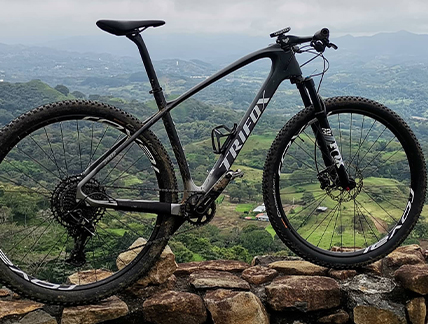
The mountain bike world is full of strong opinions, but few debates run as deep as hardtail vs. full-suspension. Walk into any bike shop or scroll through online forums, and you‘ll hear passionate arguments for both sides. Full-suspension bikes dominate showroom floors and trailheads, while hardtails are often dismissed as “entry‑level” or “budget” machines. But that perception misses the real story. The truth is simpler: there is no universally “better” bike. There is only the bike that matches your terrain, your budget, and your riding style. Whether you're a beginner learning to pick lines, an XC racer chasing efficiency, or a weekend warrior exploring local trails, a well‑chosen hardtail like the Trifox MFM200 bike frame 29er for sale can be the perfect foundation — lightweight, responsive, and surprisingly capable. Let‘s break down the real trade‑offs so you can decide which platform truly suits your ride.
The Hardtail: Lightweight Efficiency and Raw Feedback
A hardtail has suspension only in the front fork, with a rigid rear triangle. This design isn‘t a compromise — it‘s a deliberate choice for riders who value direct power transfer, climbing efficiency, and a pure connection to the trail. Because there‘s no rear shock or linkage to absorb pedaling energy, almost every watt you put into the cranks goes straight to the rear wheel. There‘s no “pedal bob” — that subtle energy loss that can make a full‑suspension bike feel sluggish on smooth climbs. For cross‑country racing, marathon events, or long days on forest paths, that efficiency advantage is real and measurable.
Hardtails are also inherently lighter and simpler. Without a rear shock, pivot bearings, and linkage hardware, a hardtail frame sheds significant weight — often 1‑2 kg less than a comparable full‑suspension bike at the same price point. This weight savings translates directly to easier climbing, quicker acceleration, and a bike that feels lively and eager under power. The MFM200, for example, weighs as little as 1,219 grams (size S), rivaling carbon frames that cost twice as much.
When a Hardtail Shines
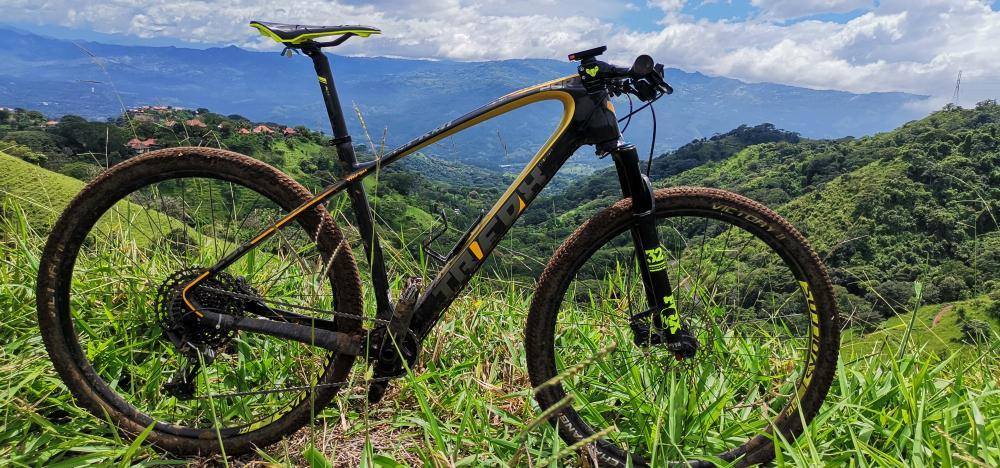
Hardtails excel on smoother singletrack, flow trails, gravel paths, and mixed terrain where the surface is predictable. On climbs, the rigid rear end delivers unmatched efficiency, and the lack of rear suspension encourages active riding — you learn to shift your weight, unweight the rear wheel over obstacles, and pick smoother lines rather than relying on the bike to absorb mistakes. Many experienced riders argue that starting on a hardtail builds better technique than jumping straight to a full‑suspension bike.
For taller riders seeking a stable, confidence‑inspiring platform, the MFM200 is available in sizes up to 19”, making it an excellent option for a mens mountain bike xl frame. The frame‘s geometry — a 68° head angle and longer reach — provides stability on descents while keeping the front wheel planted for precise steering. Riders up to 195cm can find a proper fit without compromising the balanced handling that makes this frame so versatile.
The Trifox MFM200 bike frame 29er for sale at an astonishingly affordable price, proving that you don‘t need a four‑figure budget to experience real carbon performance. Its T800 carbon construction delivers the classic hardtail advantages: featherlight weight (starting at 1,200g), excellent vibration damping that takes the edge off trail chatter, and a stiff bottom bracket that transfers every pedal stroke into forward momentum. The frame also includes modern standards — 142x12mm rear spacing for stiffness, internal cable routing for a clean look, and a threaded BSA bottom bracket for creak‑free reliability and easy maintenance.
The Full-Suspension Case: Comfort, Traction, and Forgiveness
Full‑suspension bikes add a rear shock and linkage, which transforms how the bike handles rough terrain. On rocky, rooty trails or chunky descents, the rear wheel tracks the ground more faithfully, maintaining traction where a hardtail might bounce and lose grip. This also reduces fatigue dramatically — the bike absorbs the trail‘s impacts, so your body doesn‘t have to. Riders with back or joint pain often find full‑suspension bikes significantly more comfortable over long days in the saddle.
Full‑suspension also offers a larger margin for error. If you take a bad line or misjudge a drop, the rear suspension helps save you from a harsh impact. This makes full‑suspension bikes popular for aggressive trail riding, enduro, and bike park use, where speed and forgiveness are prioritized over pure pedaling efficiency.
However, that capability comes with trade‑offs. Full‑suspension bikes are heavier (often 2‑4 lbs more than a comparable hardtail), more expensive to purchase, and require significantly more maintenance — pivot bearings need regular cleaning and greasing, rear shocks require annual servicing, and the added complexity means more parts that can creak, wear out, or fail.
Making Your Choice: Terrain, Budget, and Goals
So, which is right for you? Start with an honest assessment of where you ride most often. If your local trails are smooth singletrack, flowy climbs, and forest paths, a hardtail will feel fast, efficient, and fun. If your terrain is relentlessly chunky, rocky, and steep, full‑suspension will keep you fresher and more in control.
Budget is another critical factor. At the same price point, a hardtail will almost always have better components — a lighter frame, a superior fork, and a higher‑end drivetrain. A $2,500 hardtail often comes with a pro‑level groupset and carbon frame, while a $2,500 full‑suspension bike may use entry‑level components and a heavier alloy frame. The MFM200 mens mountain bike xl frame option, for example, delivers a full T800 carbon chassis at a price that often buys only an entry‑level alloy full‑suspension frame from bigger brands.
Finally, consider your goals. If you‘re new to mountain biking, a hardtail forces you to learn proper technique — line choice, weight transfer, and body positioning — that will make you a better rider when you eventually switch to full‑suspension. If you‘re an experienced rider looking for a second bike for winter training or smoother trails, a hardtail offers a refreshing change of pace. And if you‘re building a bikepacking rig, the simplicity and reliability of a hardtail are hard to beat.
The Verdict: Hardtails Aren‘t Dead — They‘ve Evolved
Hardtails never disappeared from mountain biking. They simply shifted into specialised territory where their simplicity, efficiency, and honesty still make perfect sense. Modern carbon hardtails like the Trifox MFM200 combine featherlight weight, responsive handling, and modern geometry that rivals full‑suspension bikes of just a few years ago. With 29” wheels, and clearance for up to 2.1” tires, the MFM200 is ready for aggressive XC, marathon racing, and all‑day trail adventures. Available in multiple colors and sizes up to 19”, it‘s a versatile platform that delivers the core benefits of carbon — weight savings, power transfer, and trail compliance — at a price that won‘t break the bank.
Ultimately, the right frame is the one that spends the most time on the trails you actually ride. Buy for your home trails, not for a hypothetical mountain you visit once a year. And if you‘re still unsure, the 80/20 rule applies: choose a bike that excels on the terrain you ride 80% of the time. For many riders, that bike is still a hardtail — efficient, engaging, and ready to roll.
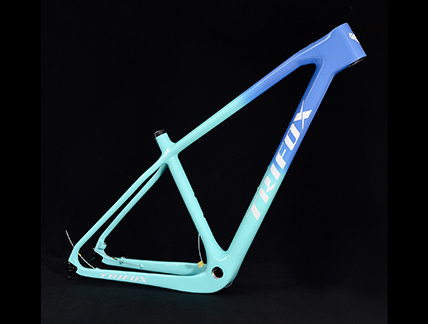
Walk into any mountain bike forum or scroll through group ride photos, and one truth becomes clear: component standards change faster than most of us care to admit. A frame that feels cutting‑edge today can feel hopelessly dated in three seasons — not because the carbon stops working, but because your wheels don’t fit, your hanger is discontinued, and the industry has moved on without you.
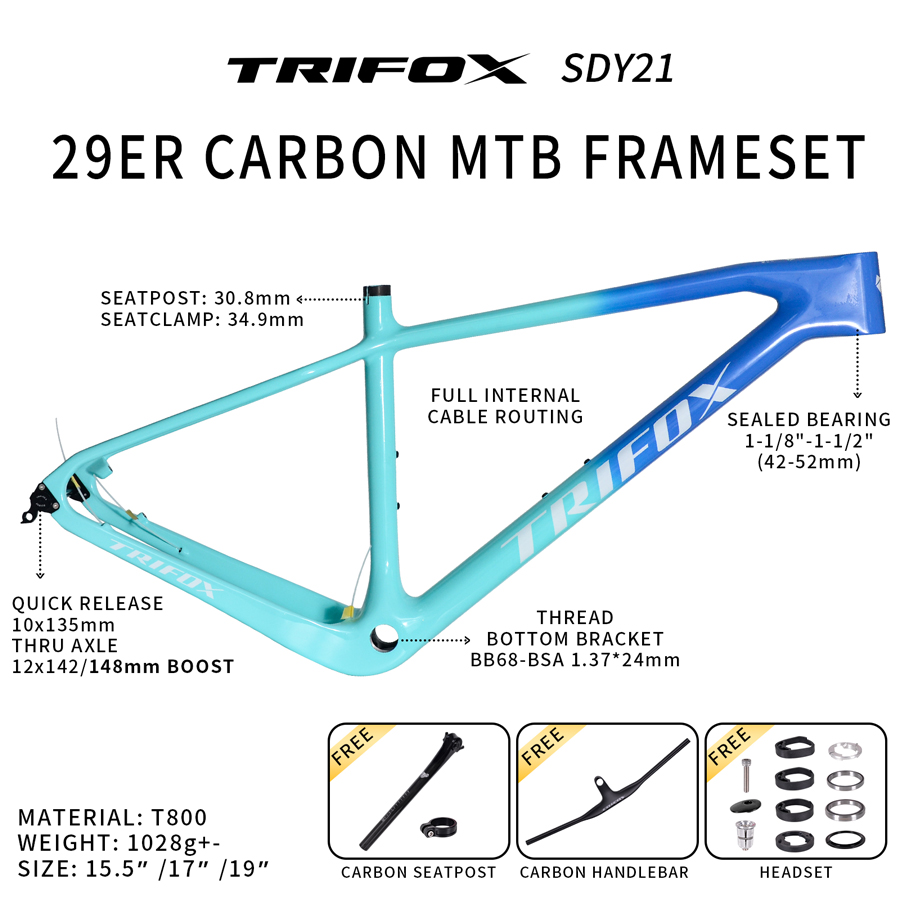
Relevance isn’t about fashion. It’s about compatibility. A truly relevant frame is one that gives you choices: modern stiffness when you want it, classic simplicity when you need it, and the flexibility to swap components without throwing your whole build away. The Trifox SDY21 carbon hardtail frame is built around exactly that philosophy. Its secret isn‘t a single “best” standard — it’s the ability to choose the right standard from the start. The frame is available in three distinct O.L.D (Over Locknut Distance) versions: 135mm Quick Release, 142x12mm Thru‑Axle, and 148x12mm Boost Thru‑Axle. Each is a purpose‑built frame, not a one‑size‑fits‑all hack. That clarity is the first step to keeping your bike relevant for years.
Choose Your Axle, Choose Your Future
Many brands claim versatility by offering adapters or interchangeable dropouts — solutions that often introduce play, creaks, or alignment headaches. The SDY21 takes a cleaner path. When you buy, you select the exact axle version that matches your wheelset and your ambitions.
Boost 148x12mm TA — The current gold standard. Boost spacing widens the hub flanges, which improves spoke bracing angles and creates a stiffer, stronger rear wheel. On the trail, that translates to sharper cornering, less wheel flex under hard pedaling, and better tracking through rock gardens. If you‘re building a modern XC or trail bike with 29” wheels and want maximum stiffness, this is the version to choose. Boost also gives you the widest compatibility with current wheels, forks, and drivetrains — the path of least future resistance.
142x12mm Thru‑Axle — The immediate predecessor to Boost. It offers much of the security and precision of a thru‑axle without the wider flange spacing. For riders who already own a quality 142mm wheelset or prefer a slightly narrower rear end for certain riding styles, this version provides a stiff, rattle‑free interface that improves handling and braking precision over QR. It‘s not the newest standard, but it’s far from obsolete — and it‘s the right answer if your parts bin already points that way.
135mm Quick Release — The traditionalist’s choice. Simple, lightweight, and compatible with a vast range of entry‑level and classic wheelsets. If you‘re building a budget‑conscious hardtail for smooth singletrack, bikepacking, or a singlespeed conversion, QR keeps things affordable and straightforward. Not every ride needs Boost-level stiffness — and that’s fine.
The Frame That Unites Them All
Whichever axle version you select, the core SDY21 DNA remains the same. The frame is constructed from T800 full carbon fiber, offering an exceptional stiffness‑to‑weight ratio. Weighing as little as 1028g in the 15.5” size, it‘s a true lightweight contender — a frame that doesn’t punish you on climbs. The geometry is modern and balanced: a 70° head tube angle and 73° seat tube angle provide confident, capable handling that climbs efficiently and descends with stability.
The SDY21 also features full internal cable routing through the headset, resulting in a sleek, uncluttered appearance while protecting cables from moisture, mud, and abrasion. The frame clears tires up to 29x2.4”, accommodating modern high‑volume rubber for traction and comfort. And it includes a replaceable derailleur hanger, making it compatible with both geared drivetrains and singlespeed setups — a rare touch of versatility at this price point.
The Standards That Matter Beyond the Axle
A relevant frame needs more than just axle choices. It needs to speak the industry‘s evolving language. The SDY21’s Boost 148 versions also embrace the Universal Derailleur Hanger (UDH) standard — the same interface that unlocks SRAM‘s Transmission drivetrains and makes hanger replacement universally easy. The frame uses a threaded BSA 73mm bottom bracket — famously creak‑free, easy to service with simple tools, and a deliberate departure from problematic press‑fit shells that can develop annoying noises over time.
For riders who want a frame that is both visually striking and technically sound, the SDY21 is available in multiple colors, including a vibrant orange mountain bike frame option that stands out without compromising the carbon‘s structural integrity. It’s a frame that performs as well as it looks.
Why This Matters for Your Build
The worst feeling in mountain biking is discovering that your dream build is incompatible with the wheels you already own — or with the wheels you hope to buy next season. By offering three distinct axle versions, the SDY21 puts control back in your hands. You don’t have to force adapters or compromise on your vision. You simply choose the version that aligns with your parts, your budget, and your riding style.
For riders seeking a no‑compromise rigid frame mtb that balances modern performance with practical compatibility, the SDY21 delivers. It‘s a frame that respects where mountain biking has been — and anticipates where it’s going. Build it with Boost and a 12‑speed drivetrain for a race‑ready XC machine. Build it with QR and a singlespeed tensioner for a minimalist trail weapon. Or build it with TA and a reliable 1x11 groupset for an all‑around hardtail that just works.
The right carbon hardtail doesn‘t lock you into a single path. It gives you choices — and the SDY21 gives you three. That’s how you stay relevant.
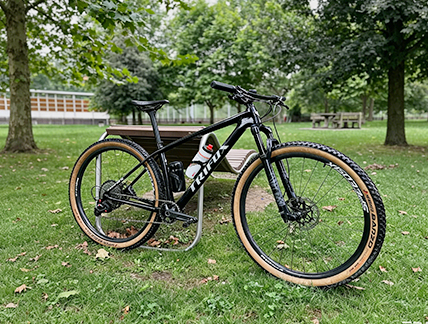
The day has finally arrived. You're ready to move on from that heavy, entry‑level alloy bike and invest in your first true carbon mountain bike. The ride quality, the weight savings, the prestige—it all beckons. But a fundamental fork in the trail awaits you: carbon hardtail or carbon full‑suspension?
Both offer massive performance leaps over an entry‑level bike, but they serve very different riders and terrains. This guide will help you navigate the pros, cons, and hidden costs of each, with a special focus on the versatile Trifox SDY20 15 inch bike frame —a featherweight carbon hardtail that proves you don't always need rear suspension to conquer the trail.
The Case for the Carbon Hardtail: Efficiency and Simplicity
At the heart of the hardtail debate is power transfer. Without a rear shock absorbing your pedaling forces, a carbon hardtail is an efficiency machine. The Trifox SDY20 trial bike frame exemplifies this. Its ultra‑light T1000 carbon layup – the 15” frame weighs just 930g – and exceptional torsional stiffness mean that every watt of power you generate goes straight into propelling you forward, not into compressing a shock. On long, smooth climbs and flowy singletrack, the direct feedback and instant acceleration of a hardtail are unmatched.
Furthermore, modern carbon hardtails like the SDY20 are no longer the crude, unforgiving bikes of the past. With clearance for 2.4” tires, you can run high‑volume rubber at lower pressures, effectively turning the tires into a form of suspension. The Boost 148mm rear thru‑axle massively increases rear wheel stiffness, improving tracking and control. And the inclusion of a UDH (Universal Derailleur Hanger) future‑proofs the frame for the latest SRAM Transmission drivetrains. The SDY20 is also a more affordable entry point to carbon, allowing you to invest more in a top‑tier fork or groupset.
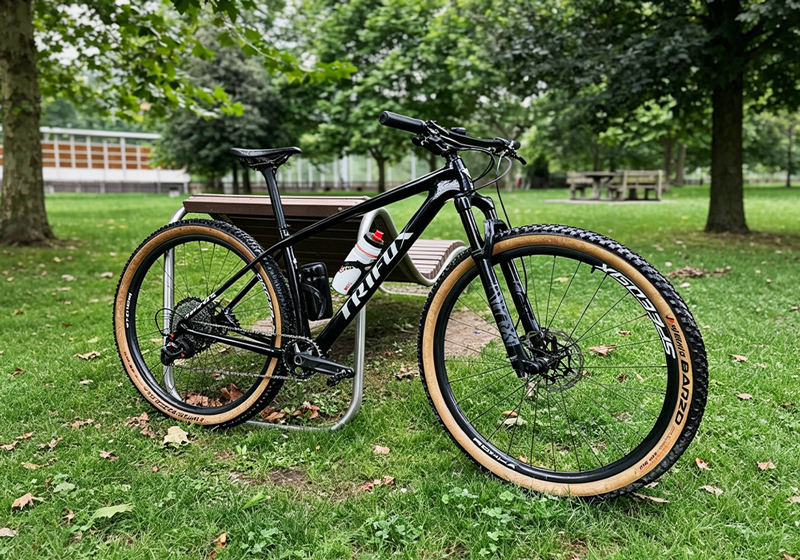
Choosing the Right Hardtail Fit
Fit is crucial for any bike, but especially for a hardtail where your body is the suspension. The SDY20 offers multiple sizes to fit a wide range of riders, from the compact 15 inch bike frame to medium and large sizes. This 15″ model is a perfect option for smaller riders or those seeking a playful, agile feel, ensuring they get the performance benefits of a carbon hardtail without feeling stretched out and out of control.
The Full‑Suspension Philosophy: Traction and Forgiveness
Full‑suspension is all about traction and control. The rear wheel is better able to maintain contact with the ground over roots and rocks, improving climbing grip on technical ascents and boosting descending confidence dramatically. A full‑suspension bike allows you to ride harder, longer, by reducing the physical battering your body takes. For heavy, aggressive riders or those whose local trails are perpetually chunky, a full‑suspension bike is a significant advantage.
However, this comes with a cost. A good full‑suspension frame is significantly heavier, uses a more complex linkage system requiring maintenance, and is considerably more expensive. You also must budget for a rear shock, adding another $200–500 to your build. The complexity of riding a full‑suspension bike is also higher. To get the most out of it, you need to learn to pedal smoothly and manage the bike’s weight.
Hidden Costs: The Budget Behind the Build
This is where the decision gets real. For your first carbon MTB, the hardtail’s lower cost allows you to invest in premium components that dramatically improve the ride experience. The SDY20 frame, often available for under $600, leaves the bulk of your budget for a top‑of‑the‑line fork (e.g., Fox 34 Step‑Cast or Rockshox SID SL), a lightweight carbon wheelset, and a high‑end groupset.
With a full‑suspension frame, you will spend significantly more on the frame alone, forcing you to cut corners elsewhere. This leads to a poorly balanced build with a heavy suspension fork, budget wheels, or a cheap groupset, undermining the full‑suspension experience.
Which Should You Choose?
Choosing the right first carbon MTB is about aligning the bike with your trails and your ambitions.
Choose a carbon hardtail if:
- You ride mostly smoother, flowy singletrack, gravel roads, and XC-style trails.
- Efficiency, climbing speed, and pedal response are your top priorities.
- You are on a strict budget but still want a premium, lightweight frame.
- You are a lighter rider or prefer a lively, “playful” bike that rewards active riding.
Choose a carbon full‑suspension if:
- Your local trails are relentlessly chunky, rocky, and rooty.
- You prioritize descending confidence and comfort over flat‑out speed and weight.
- You are a heavier rider or have the budget to spend $2,500+ on a quality frameset alone.
The Final Verdict
Your first carbon mountain bike should match your terrain, budget, and skill level. While a full‑suspension bike is the ultimate tool for extreme terrain, a modern carbon hardtail like the Trifox SDY20 is arguably the smarter, more versatile first purchase for most riders. It offers a massive performance upgrade over an aluminum frame, teaches you to read the trail and pick good lines, and provides a lightweight, efficient, and incredibly fun platform for years to come.
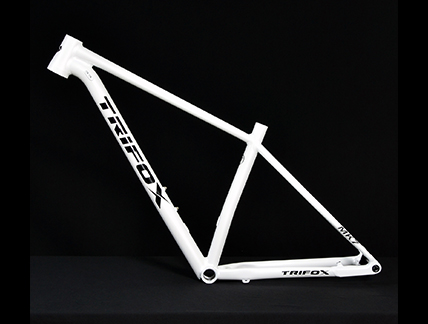
When mountain bikers think of a single frame, one discipline usually comes to mind: cross-country racing. But modern aluminum hardtails have quietly become the most versatile platforms in cycling. A well-designed 29er alloy hardtail can wear multiple hats—XC race rig, backcountry bikepacking mule, city commuter, and even a stripped-down singlespeed. The Trifox MK7 Pro is a perfect example of this new breed. Its combination of Boost 148mm spacing, modern geometry, and ultralight 6061 aluminum construction makes it a bike frame 17 inch that isn‘t locked into a single identity.
Boost Spacing: The Foundation of Versatility
The MK7 Pro features Boost 148x12mm rear spacing and Boost 110x15mm fork compatibility. This wider hub spacing moves the spokes further apart laterally, dramatically increasing wheel stiffness—especially critical for hardtails that lack rear suspension to absorb chassis flex. On rocky climbs or when powering out of corners, the rear wheel tracks precisely without the vagueness that plagues narrower frames. Boost also enables shorter chainstays (440mm), which enhances agility and makes the bike feel playful on singletrack.For bikepackers, the stiffer rear end handles loaded panniers with less wobble. For commuters, the thru-axle interface provides a rattle-free, secure wheel mount that shrugs off daily abuse.
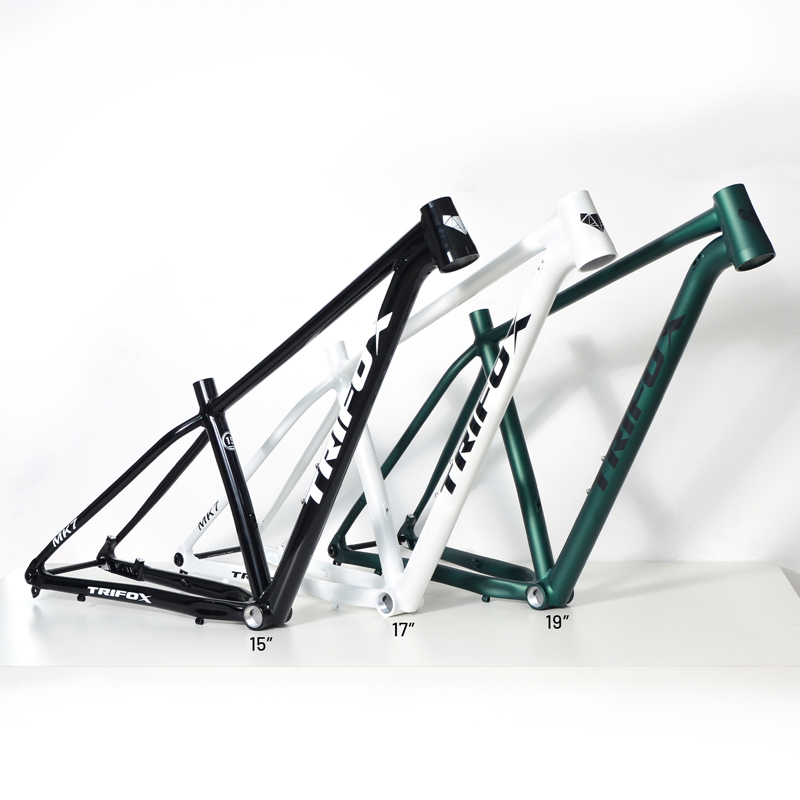
Tire Clearance and Modern Geometry
The wider Boost rear triangle gives designers room for generous tire clearance. The MK7 Pro readily accommodates up to 29x2.4" tires—enough volume for aggressive XC tread, plus-size rubber for bikepacking comfort, or durable touring tires for urban commuting. The geometry itself is tuned for balance: a 68.5° head tube angle provides stability at speed without sacrificing climbing precision, while the 74° seat tube angle puts the rider in a powerful, centered pedaling position.This means you can swap between a 100mm race fork for fast summer loops and a 120mm trail fork for rowdier adventures without ruining the bike‘s handling.
From XC Race Rig to Bikepacking Machine
For XC racing, the MK7 Pro’s hydroformed 6061 aluminum frame keeps weight low—the claimed 1.55kg for the 17” size is competitive with many alloy race frames. The stiff Boost rear end ensures every watt goes into forward motion, not frame flex. Owners report that the frame feels “stiff and lively,” with direct power transfer that rewards hard pedaling.
For bikepacking, the frame includes multiple bottle cage mounts and internal routing options for a dropper post or rear light. The robust alloy construction shrugs off the rock strikes, luggage scrapes, and crashes that would punish a fragile carbon frame. Hardtail simplicity also means fewer pivot bearings to fail in remote backcountry.
For commuting, the MK7 Pro accepts rack and fender mounts (check compatibility), and the 29” wheels roll efficiently over potholes and curbs. The internal cable routing keeps the bike looking clean and protects cables from winter grime and theft attempts.
Singlespeed and Custom Builds
The MK7 Pro’s replaceable derailleur hanger and BSA threaded bottom bracket make it an ideal candidate for a singlespeed conversion. BSA 68/73mm bottom brackets are the most widely available standard, offering countless crankset options for custom builds. The frame’s aggressive geometry also shines when stripped down—no clutter, just a direct, analog connection to the trail. Owners call it “perfect for those who want a modern aluminum frame, ready to receive good components and ride without worries.”
Classic Appeal Meets Modern Standards
There‘s a reason aluminum hardtails have endured through decades of cycling trends. They belong to the tradition of **classic bicycle frames**: honest, durable, and endlessly adaptable. The MK7 Pro honors that legacy while embracing modern necessities like a UDH derailleur hanger (ready for SRAM’s newest Transmission drivetrains), internal cable routing, and tapered head tube. It’s a frame that respects where mountain biking came from while looking squarely toward the future.
Who Is This Frame For?
The MK7 Pro 17” frame (recommended for riders 5‘4″ to 5’9″) is the ideal platform for the rider who wants one bike to rule multiple disciplines. It’s for the XC racer on a budget, the bikepacker who values repairability over ultimate light weight, the commuter who wants a fun ride to work, and the tinkerer who wants a solid base for a singlespeed build. With its Boost 148mm spacing, modern geometry, and hydroformed 6061 aluminum construction, the MK7 Pro doesn‘t force you to choose. It’s one frame, ready for many rides.



