


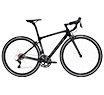
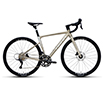
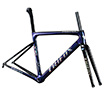
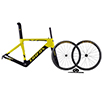
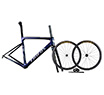
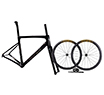
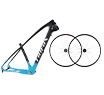
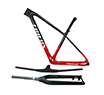





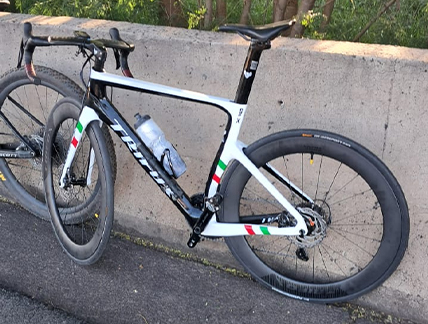
Buying a bike frame online can feel like a leap of faith. You stare at a geometry chart filled with numbers like “74.25°” and “531mm,” wondering if they translate into a bike that fits your body. The Trifox X10 frameset, priced at an incredible $359, offers a full-carbon, disc-brake road platform—but only if you choose the correct size. Here’s how to decode its geometry chart and find your scientific fit. Step 1: Forget the “Rider Height” Chart First Every bike brand provides a recommended height chart, and Trifox is no exception. For the X10, those recommendations are: SizeRider HeightInseam XS-49cm155-168cm74-79cm S-52cm168-175cm76-81cm M-54cm173-180cm78-83cm L-56cm178-185cm81-86cm XL-58cm183-190cm74-79cm While useful as a rough guide, height alone is deceptive. Two riders of the same height can have different torso lengths, arm lengths, and flexibility levels. Use these ranges as a starting point, not a final verdict. Step 2: Understand Stack and Reach—The Universal Fit Language Stack and reach are the two most critical measurements for comparing bike fit across brands . Think of them as the waist and inseam measurements of a pair of pants. * Stack (vertical distance from bottom bracket to head tube top) indicates how upright or aggressive your position will be. The X10’s stack ranges from 508mm (XS) to 577mm (XL)reference. Higher stack = more upright = less back strain. Lower stack = more aerodynamic = racier position. * Reach (horizontal distance from bottom bracket to head tube top) determines how stretched out you feel. The X10’s reach runs from 371mm (XS) to 398mm (XL)reference. Longer reach = more stretched = more aero. Shorter reach = more compact = more upright. Because these measurements are independent of tube angles, they allow you to compare the X10 directly to any bike you’ve ridden or tested before. Step 3: Match Your Body to the Numbers Start with your current bike (or a test-ridden bike that fits well). Look up its stack and reach. If you don’t know them, measure your favorite bike using a level and tape measure. Then find the X10 size with the closest match. For example, a rider moving from a 54cm endurance bike with stack 580mm and reach 375mm would likely fit the X10’s M-54cm (stack 540mm, reach 384.5mm) but might need a slightly taller stem to compensate for the lower stack. A racer coming from a 56cm aggressive race bike with stack 555mm and reach 395mm would find the L-56cm (stack 562mm, reach 390mm) almost identical. If you’re between sizes, consider your riding style and flexibility. More flexible, performance-oriented riders often size down for a lower, more aerodynamic position. Riders seeking comfort and stability for long days size up. For those on the taller end, the XL-58cm is an excellent xl bike frame option, offering a 577mm stack and 398mm reach—ideal for riders 183-190cm who want a race-ready position without feeling cramped. Step 4: Consider the Complete Picture Stack and reach don’t tell the whole story. Also examine: * Head Tube Angle (71-73°): Steeper angles (73°) offer quicker steering; slacker angles (71°) provide more stability. The X10 progresses from 71° on the XS to 73° on the XL , ensuring consistent handling across sizes. * Seat Tube Angle (74.25-72.75°): A steeper angle moves your hips forward for better climbing efficiency. * Top Tube Length (515-575mm): A traditional fit reference. The X10’s top tube grows progressively with size. Step 5: Test Ride or Trust the Process Nothing replaces a test ride. But for online purchases, use these steps: measure your inseam (barefoot, book between legs, measure from floor to book top), calculate your ideal saddle height (inseam × 0.883), and compare the X10’s stack and reach to a known good fit. When in doubt, many fitters recommend choosing the smaller frame—it’s easier to lengthen reach with a longer stem than to shorten a frame that’s too large reference. The Verdict The Trifox X10 is a modern, race-oriented road bike large frame that rewards riders who take fit seriously. Its geometry—from the 73° head angle on the XL to the progressive stack and reach—is designed for efficient power transfer and stable high-speed handlingreference. By understanding stack and reach, you can move beyond guesswork and choose the X10 size that turns a great carbon frame into your perfect riding position.
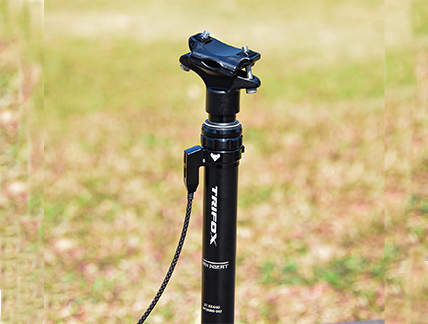
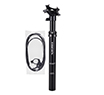
A dropper post is one of those upgrades that, once you ride with one, you’ll wonder how you ever lived without it. Being able to drop your saddle at the push of a lever—and return it to your perfect climbing height automatically—transforms trail riding. But with travel options ranging from 100mm to over 200mm, how much do you actually need? And what’s the right amount for your bike, your terrain, and your budget? Let’s break it down, and then look at why the Trifox AP316 (125mm travel) is the perfect first upgrade for many riders. What Does Dropper Travel Mean? Dropper post travel is the vertical distance the saddle can move from its fully extended (climbing) position to its fully dropped (descending) position. More travel means you can get the saddle completely out of the way on steep descents. Less travel might leave the saddle still bumping your thighs when you’re hanging off the back of the bike. The “right” amount balances your riding style, frame geometry, and personal height. Travel Ranges and What They’re For * 100mm – XC and Light Trail: This is for cross-country riders who spend most of their time climbing or on rolling terrain. A 100mm drop is enough to get the saddle low for small descents, but not so much that it compromises the efficient pedaling platform. It’s also a good fit for smaller frames where insertion depth is limited. * 125mm – The All-Around Sweet Spot (Where the AP316 Sits): This is the most common travel for trail and all-mountain riding. A 125mm drop gets the saddle completely clear for most moderate-to-steep descents while still fitting into many frames. It’s the “do‑it‑all” travel that works for riders of average height (170‑185cm) on medium to large frames. The Trifox AP316 offers 125mm of smooth air-sprung travel, making it an ideal choice for a first dropper upgrade. It provides enough clearance for the vast majority of trail riders, without requiring a massive insertion depth or a super-long seat tube. * 150mm – Aggressive Trail and Enduro: For riders who regularly hit steep, technical descents and want the saddle completely invisible, 150mm is the ticket. This travel is common on modern enduro bikes with longer seat tubes. However, it requires sufficient seat tube length and insertion depth, so not every frame can accommodate a 150mm post. * 170mm – 200mm – Long-Travel (Enduro / Downcountry): These are for riders who want the saddle to drop as low as possible—often for bike park laps or very steep terrain. They’re typically found on large or XL frames with very long seat tubes. Most riders don’t need this much travel; it’s a specialty choice. How to Determine the Right Travel for You Three factors limit how much travel you can run: 1. Your Height and Inseam: Taller riders need more saddle height to begin with, so they can often run longer travel posts without the collar hitting the frame when fully extended. 2. Your Frame’s Seat Tube Length: Measure the exposed seatpost length from the collar to your pedaling height. Subtract the minimum insertion depth (usually 70‑100mm). That number is the maximum travel you can safely use. For example, if you have 230mm of exposed post and need 100mm inserted, you can run up to about 130mm of travel. 3. Your Riding Terrain: If your local trails are rolling with short descents, 100‑125mm is plenty. If you ride steep, long descents regularly, aim for 150mm or more. Why the AP316 Is the Best Budget Dropper Post for Most Riders The Trifox AP316 is a 125mm travel dropper post available in 30.9mm and 31.6mm diameters. It’s constructed from durable 7075 aluminum, uses an air-sprung cartridge, and comes with a 1.5m remote cable. But what makes it truly special for budget-conscious riders is its three routing options: upper (APS316), center (APM316), or bottom (APD316) cable entry. This means no matter your frame—external or internal routing—you can find a version that fits cleanly. For those with older frames or external cable guides, the external routed dropper post options (upper or center) provide a simple, no‑drill installation. With its 125mm travel, it covers the needs of most trail, XC, and all-mountain riders. And at a price point that’s often under $70, it’s widely considered the best budget dropper post for anyone making their first foray into dropper posts. The AP316: Your First Upgrade You don’t need a 200mm post to enjoy the benefits of a dropper. For most riders, 125mm is the magic number—enough to get the saddle out of the way on descents while remaining compatible with a wide range of frames. The Trifox AP316 delivers that travel with reliable air-suspension performance, durable construction, and multiple routing options. It’s the perfect gateway to a more confident, capable, and fun mountain biking experience. Measure your exposed post, check your seat tube length, and if 125mm fits, the AP316 is your best value choice.
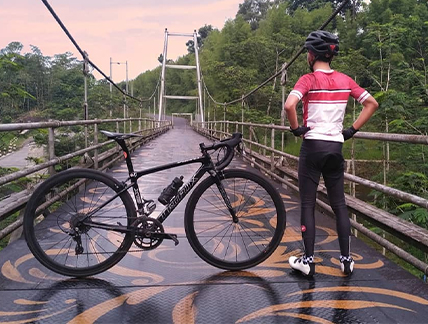
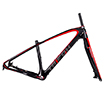
A great bike is more than the sum of its parts—it's an extension of your body. No matter how advanced your components, improper bike fit can lead to discomfort, inefficiency, and even injury. Achieving the right fit transforms your riding experience, maximizing both comfort and performance. This is especially crucial when you're investing in a precision-engineered racing frame like the Trifox X16QR, where every advantage of its lightweight frame design should work in harmony with your physiology. The importance of proper bike fit begins with performance optimization. A well-fitted bike allows you to generate power efficiently through an optimal pedaling motion. When your saddle height, fore/aft position, and handlebar reach are dialed in, you engage the correct muscle groups, reduce energy waste, and maintain an aerodynamic position longer. This is where a quality lightweight frame truly shines—its stiffness and responsiveness translate your effort directly into speed, but only if your body is positioned to deliver that power effectively. Comfort and injury prevention are equally critical. Poor fit is the leading cause of common cycling ailments: knee pain from incorrect saddle height, lower back strain from excessive reach, or hand numbness from improper weight distribution. A professional fit addresses these issues by aligning your joints and distributing pressure appropriately. The Trifox X16QR racing frame, with its multiple size options and modern geometry, provides the ideal starting point for achieving this balanced position. Achieving your perfect fit involves several key measurements and adjustments: 1. Frame Size Selection: This is your foundation. The Trifox X16QR comes in multiple sizes to accommodate different body proportions. Your ideal size is determined primarily by your inseam measurement and torso length, not just overall height. A frame that's too large forces excessive reach, while one too small leads to cramped positioning. 2. Saddle Position: Start by setting saddle height so your leg has a slight bend (25-35 degrees) at the bottom of the pedal stroke. Then adjust fore/aft position so your knee is directly above the pedal spindle when the crank is horizontal (the KOPS method). This ensures proper knee alignment and power transfer. 3. Handlebar Reach and Drop: Your handlebar position determines your upper body comfort. Reach (distance from saddle to bars) should allow a comfortable bend in your elbows without straining your back. Drop (height difference between saddle and bars) affects aerodynamics and back angle—more aggressive for racing, more relaxed for endurance. 4. Cleat Position: For riders using clipless pedals, cleat positioning on your shoes dramatically affects knee alignment and pedaling efficiency. Cleats should generally align with the ball of your foot, with slight adjustments based on your natural foot angle. For the most accurate results, consider a professional bike fit. Many bike shops offer fitting services using motion capture technology, pressure mapping, and experienced fitters who understand biomechanics. While this represents an additional investment, it's often the most valuable upgrade you can make to your cycling experience. When working with a high-performance frame like the X16QR, attention to component compatibility enhances your fit. The frame's geometry is designed for modern component standards, allowing precise adjustments through stem length, handlebar width, and crank arm length. Its carbon construction provides the stiffness needed for efficient power transfer while offering some compliance for long-ride comfort. Ultimately, the perfect bike fit is personal and evolves with your fitness and riding goals. The Trifox X16QR provides an excellent platform with its multiple size options, modern geometry, and lightweight frame construction. By taking the time to dial in your position—whether through professional help or careful self-measurement—you'll unlock the full potential of your equipment. You'll ride faster, farther, and with greater enjoyment, proving that the right fit is where true performance begins.
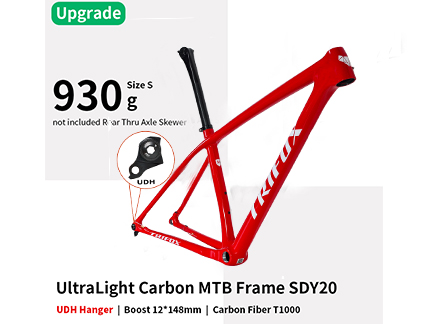
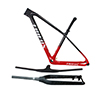
The perception that carbon fiber mountain bikes are delicate relics of road cycling has been thoroughly dismantled by modern engineering. Today's carbon hardtail frames are purpose-built to endure the punishing realities of trail riding while delivering the weight savings and performance benefits that make carbon so desirable. Understanding how frames like the Trifox SDY20 withstand trail hazards reveals the sophisticated engineering behind what appears to be a simple frame. Modern carbon engineering begins with material science advancements. Unlike early carbon designs that used single-direction layups, current frames employ multi-directional carbon fiber weaves with varying modulus fibers. High-modulus fibers provide stiffness in critical areas like the bottom bracket and head tube, while more flexible fibers in seatstays and chainstays absorb impacts. This strategic fiber placement creates frames that are simultaneously stiff where you need power transfer and compliant where you need shock absorption. Impact resistance represents one of carbon's most misunderstood qualities. When properly engineered, carbon frames demonstrate remarkable resilience to trail impacts. The SDY20 light hardtail frame utilizes reinforced zones at common impact points: thicker carbon layups around the downtube where rocks might strike, reinforced chainstay protectors, and impact-resistant finishes. Unlike aluminum that dents permanently or cracks catastrophically, quality carbon construction often shows visible damage before catastrophic failure, giving riders warning signs. Fatigue resistance is another critical factor. Trail riding subjects frames to thousands of vibration cycles and stress fluctuations. Carbon's natural vibration-damping properties reduce rider fatigue, but more importantly, modern resin systems and curing processes create bonds that resist micro-cracking under repetitive stress. The 19 inch bike frame and other sizes in the SDY20 lineup undergo rigorous fatigue testing that simulates years of aggressive trail use, ensuring long-term durability. Connection points receive special attention in trail-oriented carbon frames. The SDY20 features reinforced interfaces where components attach: extra carbon layers around the 148mm Boost axle dropouts, strengthened bottle cage mounts, and oversized bearing seats for headset durability. These reinforcements prevent the common failure points that plagued early carbon mountain bikes, ensuring the frame maintains integrity through years of component swaps and maintenance. Frame geometry itself contributes to durability. Modern trail geometry with slack head angles and longer top tubes distributes impact forces more evenly throughout the frame structure. Rather than concentrating stress at specific points, the frame works as a complete system to absorb and dissipate trail energy. This holistic approach to stress management means frames can be lighter while actually being more durable than their predecessors. Quality control and testing protocols separate modern carbon frames from earlier generations. Each SDY20 frame undergoes multiple inspection stages including ultrasound scanning to detect voids or inconsistencies in the carbon layup. Impact testing simulates rock strikes, fatigue testing replicates years of trail abuse, and static load testing ensures the frame can withstand forces far beyond normal riding conditions. This comprehensive testing provides the confidence needed for aggressive trail use. To back this engineering confidence with customer assurance, Trifox provides a 2-year warranty on the SDY20 frame against defects in materials and workmanship under normal use. This warranty commitment underscores the brand's confidence in their carbon engineering and manufacturing processes. It means riders can invest in this lightweight carbon technology with peace of mind, knowing their frame is protected against unexpected manufacturing issues during years of trail enjoyment. The result is a light hardtail frame that defies outdated perceptions. At approximately 930 grams for the frame(size S), the SDY20 offers significant weight savings over comparable aluminum frames while providing equal or better impact resistance. The weight savings translate directly to trail performance—easier climbing, quicker acceleration, and more playful handling—without sacrificing durability. Ultimately, modern carbon engineering has evolved to meet the specific demands of trail and XC riding. Through advanced material science, strategic reinforcement, intelligent geometry, rigorous testing, and warranty support, frames like the Trifox SDY20 demonstrate that carbon can be both exceptionally lightweight and remarkably tough. For riders who want the performance benefits of carbon without compromising trail readiness, today's engineered carbon hardtails represent the perfect synthesis of technology and durability.
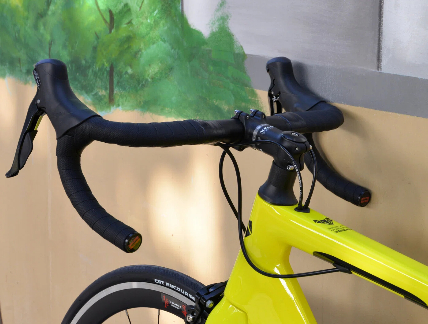
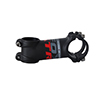
Upgrading your cockpit shouldn't feel like solving a complex puzzle. A stem that doesn't fit your handlebar can turn an exciting upgrade into a frustrating ordeal. This guide will demystify the key standards and explain how a versatile component like the Trifox Alloy Light Stem ABS300 is designed for broad, hassle-free compatibility.The Core Standard: Handlebar Clamp DiametersThe most critical check is the stem-to-handlebar fit. The industry uses two main diameters:• 31.8mm (The Universal Standard): The default for most modern mountain bike stems and road bike stems. It offers a great balance of stiffness and weight.• 35mm (The Oversized Standard): Used on some high-end bikes for maximum stiffness.The Trifox ABS300 features a 31.8mm handlebar clamp, making it instantly compatible with the widest range of handlebars.Compatibility Checklist: What Works with the ABS300Here’s a quick guide to what fits:• Handlebars: Any standard 31.8 mm stem diameter bar (most MTB and road bars).• Fork Steerer: Standard 1-1/8" (28.6mm) threadless forks.• Shift/Brake Levers: All major brands (Shimano, SRAM). Levers mount to the bar, independent of the stem.• Use: Designed for both mountain and road bikes.Precision Matters: The Role of TolerancesTwo parts listed as 31.8mm might not fit perfectly due to manufacturing tolerances (allowed margin of error). Low-quality stems with poor tolerances can lead to unsafe, uneven clamping. The Trifox ABS300 is precision CNC-machined with extremely tight tolerances. This guarantees a perfect, secure fit with standard bars—no shims, no guesswork, just safe and reliable performance.Pro Installation Tips for a Safe Fit1. Clean Surfaces: Wipe the bar and stem clamp with isopropyl alcohol.2. Check Alignment: Center the handlebar in the stem.3. Torque to Spec (CRUCIAL): Always use a torque wrench. Tighten bolts gradually in a cross pattern. - For Aluminum Bars: Typically 5-6 Nm. - For Carbon Bars: Use carbon assembly paste and torque to spec (check bar manual).Conclusion: Compatibility Equals ConfidenceChoosing a stem like the Trifox ABS300 eliminates compatibility guesswork. Its universal 31.8mm standard, precise manufacturing, and versatile design let you build with confidence, ensuring a safe and reliable connection between you and your bike for every ride.
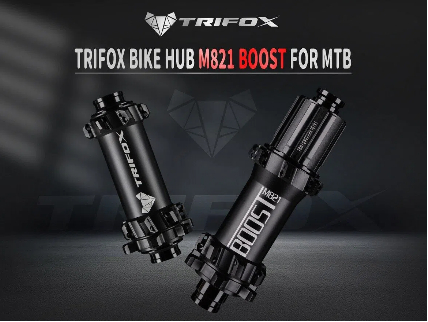
The distinctive click of a coasting mountain bike is the sound of engineering at work—a precise mechanical conversation between your pedaling input and the trail. At the heart of this interaction lies the rear hub's engagement mechanism, a critical component that dictates responsiveness, reliability, and ride feel. For riders looking to upgrade their mountain bike hubs, understanding the differences between ratchet, pawl, and star ratchet systems is key. Let's demystify these mechanisms and see how hubs like the Trifox M821 Boost implement this technology.The Fundamentals: Engagement Points and the Pursuit of Zero LagThe core function of any freehub mechanism is to allow the wheel to spin freely when coasting while instantly transferring power when you pedal. The measure of this instantaneity is called Points of Engagement (POE). A hub with more engagement points has a smaller “dead zone” or free rotation angle before power transfers. For example, a 36-tooth hub engages every 10 degrees, while a 60-tooth hub engages every 6 degrees, offering noticeably quicker pickup. This is the first critical spec to examine in a bicycle wheel hub.The Mechanism Showdown: Pawls vs. Star Ratchet1. The Traditional Pawl SystemThis common design uses small, spring-loaded tabs (pawls) that click outward to engage with a notched ring inside the hub. It can offer very high POE and a classic loud sound, but the small contact area of individual pawls can be a stress point under high torque.2. The Star Ratchet SystemThis system, pioneered by brands like DT Swiss, uses two solid, star-shaped ratchet rings pressed together by a spring. It boasts a massive contact area for incredible durability and is typically much quieter. While traditionally offering lower POE, modern versions have significantly increased engagement points.The Trifox M821 Boost Approach: Precision Pawls, Engineered for StrengthThe Trifox M821 Boost Hub employs a high-performance, multi-pawl system that intelligently balances instant engagement with trail-ready durability. Here's why its design stands out:• High-POE Foundation & Option: The hub comes standard with a 36-tooth ratchet for reliable 10-degree engagement. For riders craving the fastest pickup, an optional 60-tooth upgrade slashes the engagement angle to just 6 degrees.• Durability First: Instead of using fragile components for high POE, Trifox focuses on robustness. The precision-machined ratchet teeth and strong pawl springs ensure the mechanism withstands repeated trail shocks.• Premium Construction: The entire hub is crafted from AL7075 aluminum and machined on a 5-axis CNC for perfect tolerances, creating a stiff, reliable platform. Sealed bearings keep everything running smoothly.Choosing Your Mechanism: A Rider's GuideThe best hub mechanism for you depends on your riding style:• Cross-Country & Trail Riders (Prioritizing Responsiveness): Benefit most from higher POE (54T+). The immediate engagement helps with technical climbs and quick power bursts. A quality multi-pawl system like the Trifox M821 with its 60T option is ideal.• Aggressive Trail & Enduro Riders (Prioritizing Durability): Your priority is a mechanism that survives brutal descents and high torque. A star ratchet system is the gold standard, but a robust, well-made pawl system with a moderate POE (like the 36T standard on the M821) is also an excellent, often more affordable, choice.• Long-Distance & Bikepacking (Prioritizing Reliability & Maintenance): For remote adventures, simplicity and ease of service are key. A star ratchet system is famously easy to service. A simple, proven 2- or 3-pawl system with sealed bearings also offers great reliability.Conclusion: The Heart of the WheelYour bicycle wheel hub is a precision power-transfer device. Whether you choose the lightning-fast click of a high-POE pawl system or the silent force of a star ratchet, understanding the mechanism inside empowers your choice. The Trifox M821 Boost Hub offers a smart balance: the choice between durable 36-tooth engagement and an ultra-responsive 60-tooth option, all housed in a well-made, lightweight package. It proves you don't need to sacrifice strength for speed, making it a versatile and high-value cornerstone for any serious mountain bike wheelset.
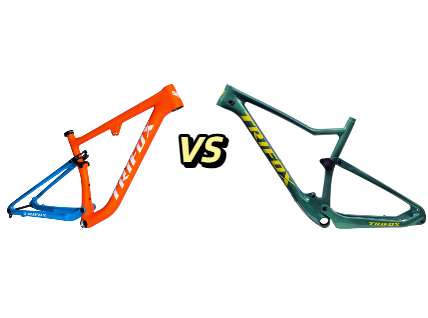
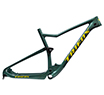
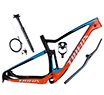
Selecting the perfect full-suspension carbon frame involves balancing multiple technical factors that directly impact your riding experience. Trifox offers two exceptional but distinct options: the Trail II Pro and the MFM100. Both utilize high-modulus carbon fiber and modern engineering, yet differ significantly in their approach to geometry, suspension design, and component compatibility. Understanding these differences will help you choose the frame that best matches your riding style and trail requirements.Geometry & Riding Position: XC Efficiency vs Trail ConfidenceThe MFM100 is engineered for cross-country performance. Its geometry features a steeper head tube angle (around 68–69°) and a shorter reach, creating an upright, efficient pedaling position ideal for climbing and accelerating on undulating terrain. This is a classic XC mountain bike frame philosophy—prioritizing speed and efficiency over sheer stability.Conversely, the Trail II Pro embraces modern trail bike geometry. With a slacker head tube angle (approximately 67–68°) and a longer front center, it positions the rider lower and further between the wheels. This "in-the-bike" stance inspires confidence on steep descents and provides superior stability at high speeds, making it the clear choice for technical, aggressive trail riding.Suspension Design & Installation: A Key DifferentiatorHere lies a major technical distinction. While both frames use a sophisticated four-bar linkage system, their suspension design and shock installation differ to serve their intended purposes.The Trail II Pro typically employs a more traditional shock mount placement, with the shock oriented vertically or at a slight angle between the top tube and the seat stay/chainstay intersection. This layout prioritizes a linear to moderately progressive curve, focusing on pedaling efficiency, mid-stroke support, and quick recovery—perfect for maintaining momentum on climbs and flow trails.The MFM100 often features a low main pivot design with the shock mounted lower in the frame, between the down tube and the front of the swingarm. This configuration, combined with a higher leverage ratio, creates a more progressive suspension curve. It offers greater small-bump sensitivity for traction and ramps up significantly at the end of the travel to handle big impacts without bottoming out harshly. This design favors descending capability and all-mountain performance.Rear Derailleur Hanger: The Critical Link to Your Drivetrain ChoiceThis is a core difference that affects your drivetrain selection and future upgrade path.The Trail II Pro is equipped with a UDH (Universal Derailleur Hanger). This design provides a crucial compatibility advantage. The UDH hanger is a mandatory requirement for installing the SRAM Eagle Transmission groupset—a widely used and beloved wireless electronic shifting system known for its extreme performance, reliability, and simplicity. At the same time, the UDH is fully compatible with all traditional Shimano and SRAM mechanical or electronic derailleurs. Choosing the Trail II Pro means you can freely select any mainstream groupset available today and also have the door open for a future seamless upgrade to the top-tier SRAM Eagle Transmission, ensuring the frame's long-term value and technical foresight.The MFM100 uses a standard, model-specific hanger. This traditional hanger can reliably support Shimano groupsets and all SRAM traditional groupsets except for the SRAM Eagle Transmission. However, it cannot be compatible with the UDH-mandatory SRAM Eagle Transmission. This means that if you wish to upgrade to this popular high-performance wireless groupset in the future, you will be limited. Furthermore, if damaged, you must find a specific replacement that exactly matches this frame model.Weight & Construction PhilosophyAdhering to its XC racing pedigree, the Trail II Pro is the lighterweight carbon frame. Its carbon layup is optimized to shed every possible gram while maintaining precise stiffness for efficient power transfer. It’s designed for riders who count grams and value snappy acceleration.The MFM100, built to endure the rigors of trail and all-mountain abuse, carries a slight weight penalty. This extra mass comes from strategic reinforcement at high-stress points (like the suspension pivots and chainstay yoke) to ensure long-term durability and impact resistance. The weight is a worthwhile trade-off for the resilience it provides.Aesthetic & Color OptionsVisual identity aligns with each frame's purpose. The Trail II Pro often comes in understated, professional color schemes like matte black, charcoal, or navy—reflecting its racing heritage. The MFM100 tends to offer more vibrant, adventurous finishes, such as glossy electric blue, matte olive green, or two-tone combinations, mirroring its trail-ready character.The VerdictYour choice fundamentally depends on your local trails and riding priorities.- Choose the Trifox Trail II Pro if: You live for climbs, value every gram, participate in XC events, or ride trails where pedaling efficiency and quick handling are paramount. Its efficient suspension and lighter weight make it a rocket on climbs and flowing singletrack. The inclusion of the UDH also makes it the only choice if you plan to use or upgrade to the SRAM Eagle Transmission groupset.- Choose the Trifox MFM100 if: Your rides feature challenging descents, technical features, and varied terrain. You value stability, traction, and impact absorption. The progressive suspension and modern geometry make it a robust and confident partner for trail adventures, provided you do not require compatibility with the SRAM Eagle Transmission.Both frames exemplify Trifox's commitment to quality carbon engineering. By carefully weighing their differences in geometry, suspension design, and critical details like the derailleur hanger standard, you can select the carbon foundation that will transform your vision of the perfect mountain bike into reality.```
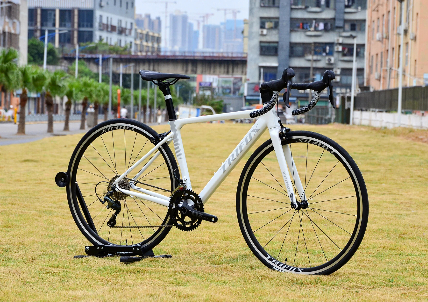
Finding the perfect balance between affordability and performance can be challenging for new road cyclists. The Trifox C-Brake Ultralight Aluminium Frame Road Bike strikes this balance beautifully, offering professional-level features at an accessible price point that's winning over beginners and experienced riders alike.The Perfect Entry Point to Road CyclingFor those starting their cycling journey, this model stands out as one of the best entry level road bike options available. The lightweight aluminum frame provides the responsive ride quality that new cyclists seek, while the proven Shimano Tiagra groupset ensures reliable performance mile after mile. What makes this particular aluminum road bicycle special is its ability to deliver genuine road cycling excitement without the intimidating price tag of professional racing bikes.Designed for Performance and ComfortThe frame geometry strikes an ideal balance between aggressive racing positions and comfortable endurance riding. This makes it an excellent choice as a ladies road bike, with sizing options that accommodate different body types and riding styles. The aero road bike inspired tube shaping not only looks fast but actually improves airflow around the bike, giving you an efficiency advantage whether you're keeping up with group rides or pushing for personal bests.Quality Components That MatterWhile some budget bikes cut corners on components, this alu road bike features a complete Shimano Tiagra 4700 2x10-speed groupset. The precise shifting and reliable braking performance give new riders the confidence to focus on developing their skills rather than fighting with their equipment. The combination of quality components and thoughtful frame design creates a racing bicycle experience that feels far more expensive than its actual price point.Versatility for Different Riding StylesOne of the bike's strongest advantages is its adaptability to various riding disciplines. The responsive nature of the aluminum road bicycle makes it equally suitable for fast club rides, endurance events, or even entry-level racing. The balanced geometry provides stable handling for beginners while still offering the quick reflexes that experienced riders appreciate when pushing the pace.Exceptional Value in Modern Road BikingIn an era where carbon fiber often dominates the spotlight, this bike proves that advanced alu road bike technology continues to offer incredible value. The modern aluminum manufacturing techniques create frames that are both lightweight and durable, perfect for riders who want a low-maintenance bike they can rely on season after season.The Smart Choice for Growing CyclistsFor riders who may eventually progress to more specialized bikes, this model serves as the perfect foundation. The quality construction means it will maintain its value, while the reliable performance ensures it can serve as a dedicated training bike or foul-weather companion down the road. It's not just a beginner bike - it's a smart investment in your cycling future that will continue to deliver enjoyment as your skills and fitness improve.The Trifox Aluminum Road Bike represents everything that's right about modern entry-level cycling. By combining quality materials, proven components, and thoughtful design at an accessible price, it removes barriers to entry while still delivering the authentic road cycling experience that turns newcomers into lifelong enthusiasts.
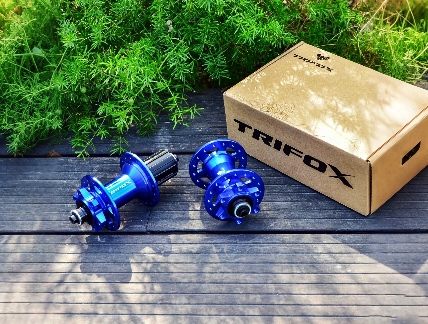
When it comes to mountain bike performance, the hub is one of the most critical yet often overlooked components. While riders frequently focus on upgrading frames or suspension, the humble hub plays a vital role in how your bike accelerates, maintains speed, and handles technical terrain. If you're experiencing any of these five issues, it might be time to consider the Trifox M827 Mountain Bike Hub for your next upgrade.1. Poor Engagement and Power LossModern mountain bike hubs feature high engagement points for instant power transfer. If you're experiencing noticeable delay between pedaling and drive response, or feeling like your power isn't translating immediately to forward motion, your hub's internal mechanism may be worn out. The Trifox M827 hub with its precise 54-tooth engagement system ensures immediate power transfer, making it ideal for technical climbs and sudden acceleration.2. Unusual Noises During RidingWhile some hub noise is normal, new or increasingly loud sounds often indicate problems. Grinding, crunching, or irregular clicking noises suggest that bearings may be contaminated or internal mechanisms are failing. The M827 MTB hub features sealed bearings and precision machining to provide smooth, quiet operation in all riding conditions.3. Visible Play or Wobble in the WheelIf you can feel or see side-to-side movement in your wheel when it's securely mounted, this indicates hub bearing wear. This play affects riding stability and can lead to unsafe handling. The Trifox bike hub is engineered with superior bearing seals and precise tolerances to eliminate play while maintaining smooth rotation.4. Rough Rotation and Increased DragA properly functioning hub should allow the wheel to spin freely with minimal resistance. If your wheel stops spinning quickly or feels rough when rotating, the bearings may be damaged. This friction creates drag that slows you down. The M827 mountain bike hub features low-friction seals and high-quality bearings to maintain smooth spinning and reduce rotational drag.5. Frequent Maintenance RequirementsHigh-quality hubs are designed to require minimal maintenance. If you find yourself constantly adjusting or repairing your current hub, it's likely reaching the end of its service life. The Trifox M827 is built for durability with minimal maintenance requirements, saving you time and frustration while providing reliable performance ride after ride.Why Choose Trifox M827 Hub?The Trifox M827 Mountain Bike Hub represents the perfect balance of performance, reliability, and value. With its 54-tooth rapid engagement mechanism, sealed bearing system, and lightweight construction, it delivers professional-level performance for serious riders. Whether you're tackling technical cross-country trails or aggressive all-mountain routes, this hub provides the instant engagement and reliable performance you need.Compatible with most modern mountain bike standards and available in multiple axle configurations, the M827 makes an excellent upgrade for riders looking to improve their bike's performance without breaking the bank. The hub's durable construction ensures it can handle the demands of aggressive trail riding while maintaining smooth operation.Don't let an aging hub limit your riding potential. Recognizing these five signs early will help you maintain optimal performance and get the most from your mountain bike. Upgrading to the Trifox M827 Mountain Bike Hub is one of the most cost-effective ways to transform your bike's responsiveness and reliability. Experience the difference that quality engineering makes in your next ride.



