



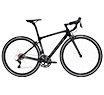
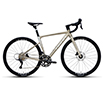
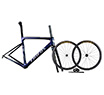





Walk into any bike shop or scroll through Instagram, and you‘d be forgiven for thinking carbon fiber is the only material that matters. Pro pelotons ride carbon, reviews obsess over gram‑saving layups, and the marketing machine whispers that anything less is a compromise. But here’s an uncomfortable truth for the carbon faithful: for a huge number of riders, a modern aluminum road bike isn‘t just “good enough”—it’s genuinely better. And the Trifox R241 is a living example of why.
The Budget Argument: Where Your Money Actually Goes
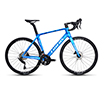
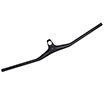
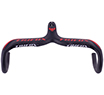
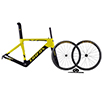
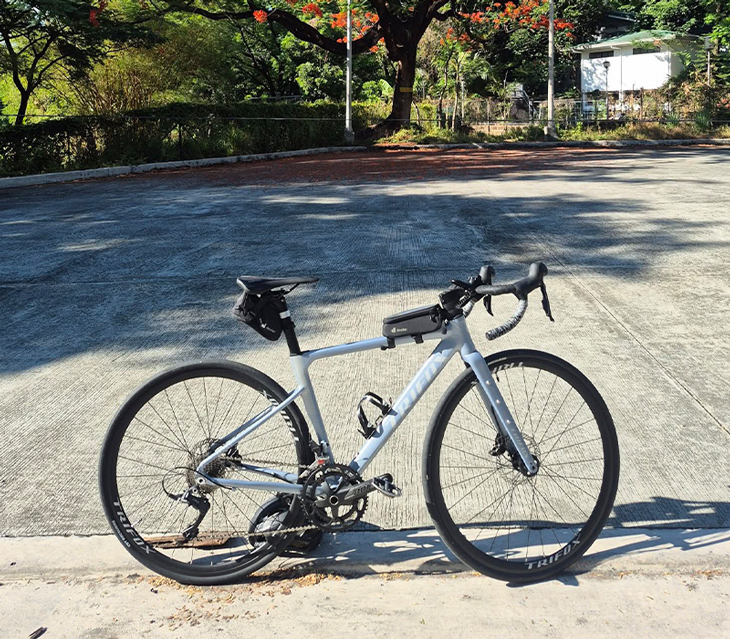
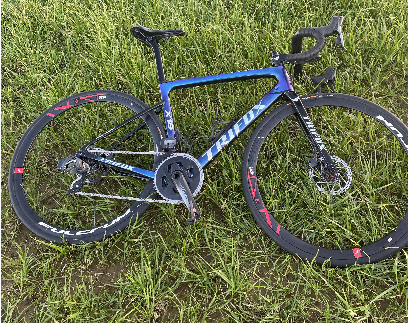
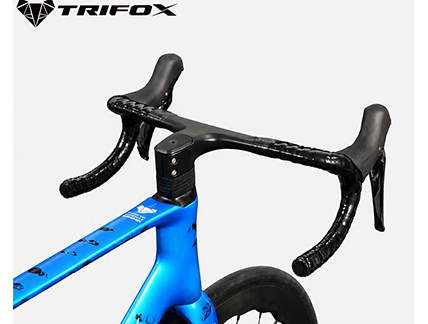
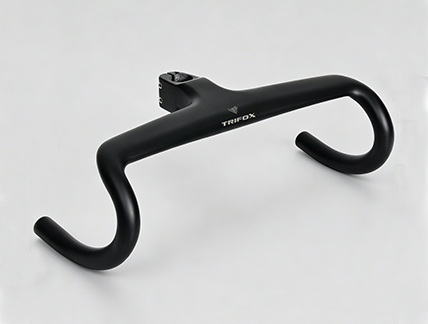
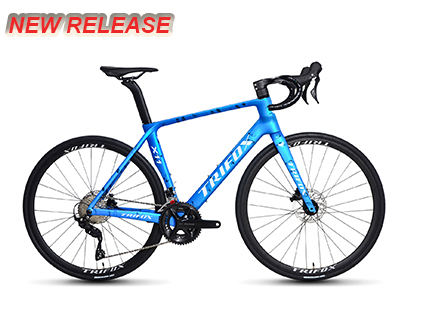
Carbon frames are expensive to manufacture. The material itself costs more, the layup process requires skilled labour, and the tooling is complex. Aluminum is simpler to work with and dramatically cheaper to produce. That‘s not a flaw—it’s an opportunity. A well‑priced alloy bike leaves room in your budget for components that directly impact ride quality: better wheels, a higher‑end groupset, and quality finishing kit. The Trifox R241, priced at just $659.99 (down from $1,399), is a textbook example. It gives you a lightweight 6061 aluminum frame, a full Shimano Tiagra 2×10‑speed groupset, integrated alloy handlebars, and ceramic bearing hubs—all for less than the price of many entry‑level carbon frames alone.
For a first‑time road cyclist, that value proposition is hard to ignore. You‘re not buying a “starter bike”—you’re buying a complete, performance‑ready machine that will feel fast and responsive from the very first pedal stroke. If you‘re searching for an entry level road bike that doesn’t cut corners on the parts that matter, the R241 is a smart place to start.
Durability: Does Aluminum Last Longer Than Carbon?
This is where the debate gets practical. Carbon fibre is phenomenally strong in the directions it‘s designed for, but it’s vulnerable to sharp impacts, overtightened bolts, and hidden cracks that can be invisible to the naked eye. A crash that would simply dent an alloy frame can cause delamination in carbon—damage that may not be obvious until the frame fails without warning. Aluminum is far more forgiving. It bends and dents rather than cracking, and those are almost always visible signs that you need to replace the part. For everyday training, commuting, or riding in groups where the odd tumble is a real risk, that durability advantage is significant.
Manufacturers confirm this: carbon is “more vulnerable to sharp impacts or crashes” and “crack or suffer hidden damage, making careful inspection important after any hard falls,” while aluminum “tends to bend or dent on impact.” Long‑term, an alloy frame is simply a more worry‑free companion.
Vibration Damping: The Surprising Reality
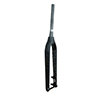
The old reputation of aluminum is that it rides harshly. That‘s outdated. Modern alloy frames, especially those using hydroformed tubes and advanced heat treatments, have closed the comfort gap dramatically. The Trifox R241 uses an AL6061 alloy frame with T4‑T6 heat treatment and triple‑butted tubing—thicker at stress points like the head tube and bottom bracket for stiffness, thinner along the mid‑sections to shed weight and add vertical compliance. The result is a frame that is stiff under power but far more comfortable than the jarring alloy bikes of a decade ago. The carbon fork further absorbs road chatter, and the 25mm tires (with clearance for 28mm) let you run slightly lower pressures for additional cushioning.
For the rider who isn‘t racing 10‑hour epics or chasing KOMs on brutal chipseal, the ride quality difference between a good alloy bike and a mid‑range carbon bike is surprisingly subtle—certainly not worth the price gap.
Practicality: When Aluminum Wins the Day
If you’re buying your first serious road bike, you‘re likely juggling multiple priorities: budget, reliability, and ease of maintenance. Aluminum doesn’t require carbon assembly paste, special torque wrenches, or annual professional inspections for hidden cracks. It‘s a material you can trust without second‑guessing every gravel chip or pothole hit. For the rider who wants to spend time on the saddle rather than in the workshop, that matters.
For cyclists seeking the best budget road bike that delivers real performance without the premium price tag, the Trifox R241 stands out. Weighing 9.75 kg, equipped with reliable Tiagra shifting, and built around a stiff, race‑ready geometry, it‘s a bike that doesn’t apologise for being alloy. It climbs efficiently, descends with confidence, and leaves you with cash left over for a proper bike fit, pedals, and kit.
The Verdict: Better for Who?
Is aluminum better than carbon? For a weight‑weenie racer chasing podiums, probably not. For the rest of us—the weekend warriors, the first‑time buyers, the smart shoppers—aluminum often makes more sense. You get 90% of the performance at 50% of the price, with less anxiety about damage and more room in your budget for the components that truly define a great ride. The Trifox R241 proves that alloy isn‘t a compromise—it’s a choice. And for many riders, it‘s the right one.
2026-06-10
Trifox
SHARE:


Comments
Recent Posts
1
1
1
1
1
1
1
1
1
1
1
1
1
1
1
1
1
1
1
1
1
1
1
1



