


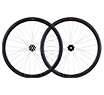
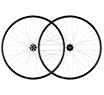
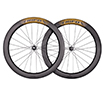
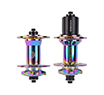





A mountain bike hub is the core rotating component of your wheel. Many riders wonder about its service life, but actual durability varies hugely depending on riding intensity and material quality. Entry‑level hubs may only last 3,000–8,000 km, while well‑made best mtb hubs with proper care can easily exceed 20,000 km. Among them, the mtb rear hub wears out 2–3 times faster than the front hub and is the decisive factor for the whole wheelset’s lifespan.
1. Core factors that affect MTB hub lifespan
- Riding terrain and intensity: Casual riding on paved roads causes minimal wear. Rocky trails, muddy descents, and water crossings dramatically accelerate bearing and pawl wear. Mud and water penetrate seals, turning grease into an abrasive paste that soon creates bearing play and noise. The rear hub, which carries both pedaling and impact loads, wears its pawls and freehub body much faster than the front.
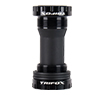
- Internal design and materials: Bearing count, pawl configuration, and alloy quality directly determine durability. Cheap hubs use thin shells and basic bearings that deform under heavy use. Premium models like Trifox MTB hubs use 6061+7075 aerospace aluminium, with 2 bearings up front, 4 sealed bearings at the rear, and a 6‑pawl, 72‑click ratchet system that distributes forces evenly for far better impact resistance.
- Maintenance routine: Cleaning the seal rings after every muddy ride and re‑greasing bearings and pawls every 2,000 km can double hub life. Neglected hubs suffer irreversible corrosion and wear, often requiring a full replacement.
2. How long can a reliable MTB hub last? – a tiered reference
- Entry‑level (~$30–50) – With casual use, expect 3,000–5,000 km before noise or play appears; under heavy off‑road riding, the rear hub may need replacement as early as 3,000 km.
- Mid‑range quality hubs (e.g., Trifox M827, priced $44.99–$109.99) – Regular trail riding gives 15,000–20,000 km; with diligent maintenance, over 25,000 km is achievable. The 6‑pawl 72‑click design spreads pawl stress, and the hardened freehub body resists cassette wear.
- Pro‑level hubs (over $300) – They can last 30,000+ km in enduro racing, but the cost is high and seldom justified for average riders.
3. Why the Trifox M827 MTB hub is built to last longer
As a top value choice among best mtb hubs, this hub extends service life through smart engineering:
- 4 sealed rear bearings give the mtb rear hub excellent support, reducing side loads on bearings during impacts. High‑grade seals keep water and mud out, minimising corrosion.
- 6‑pawl 72‑click drive with a 5° engagement angle distributes force across multiple pawls, preventing single‑point fatigue. The freehub accepts HG, XD, and MS cassettes, so you can switch cassettes without changing the hub.
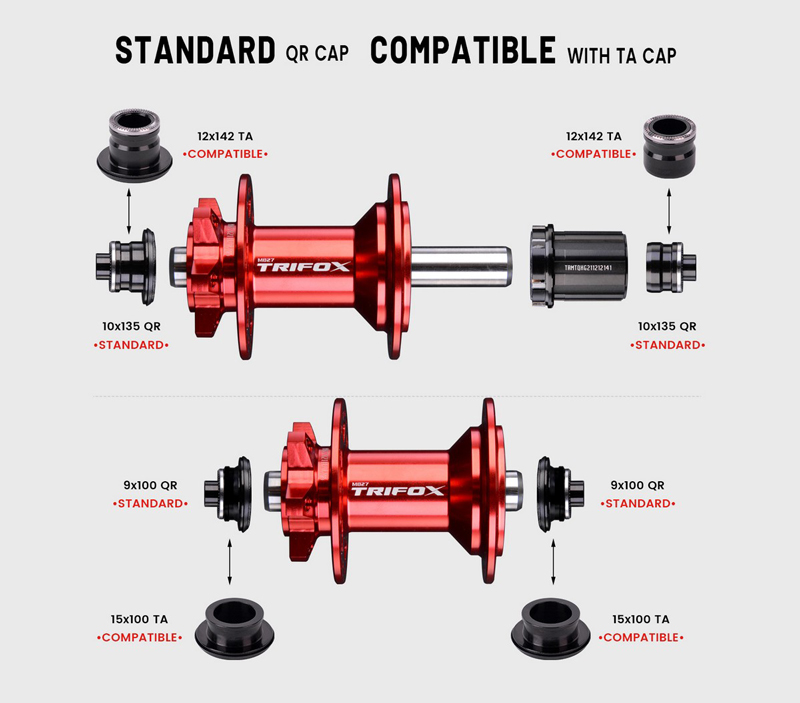
- 6061+7075 alloy shell and 32‑hole drilling spread impact forces evenly. The hub supports both quick‑release and thru‑axle standards, letting you use one set across multiple bikes – lowering long‑term cost.
4. Practical tips to extend your MTB hub’s life
- After rainy or muddy rides, rinse the wheel exterior and wipe dry the end caps to prevent sediment build‑up.
- Every 2,000 km, remove the end caps and apply waterproof grease to bearings and pawls.
- Avoid harsh pedal stomps and hard flat landings to reduce sudden shock to the rear hub.
- When choosing durable best mtb hubs, prioritise models with more bearings, multiple pawls, and a thick alloy shellubs. Selecting a quality mtb rear hub like the Trifox M827 and following basic maintenance will significantly extend its life, saving you from repeated repairs and wheel changes. It’s a cost‑effective upgrade for any mountain biker.
2026-07-16
Trifox
SHARE:


Comments
Recent Posts
1
1
1
1
1
1
1
1
1
1
1
1
1
1
1
1
1
1
1
1
1
1
1
1



