



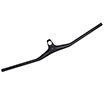
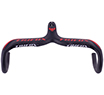





Upgrading your handlebar is one of the most direct ways to change how your bike feels. But with options ranging from basic alloy to high-end integrated carbon, it's fair to ask: is an integrated carbon bar truly worth the investment? We spent time riding and evaluating the Trifox RHB100—an aero integrated carbon handlebar designed for mountain bikes—to see if its promises of reduced weight, increased stiffness, and improved ergonomics translate into a better riding experience.
First Impressions: Weight and Build Quality
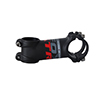
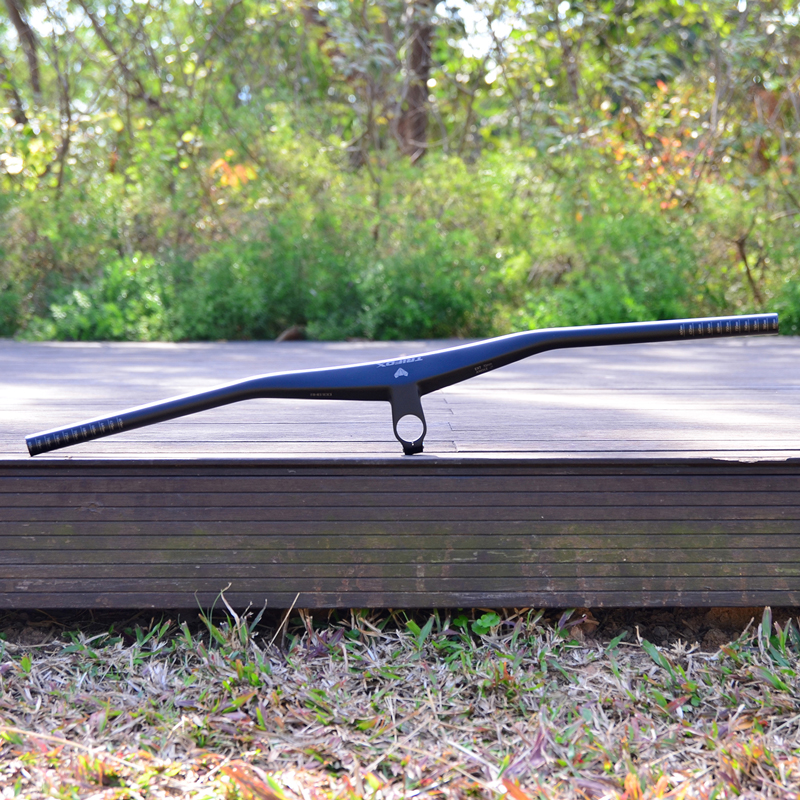
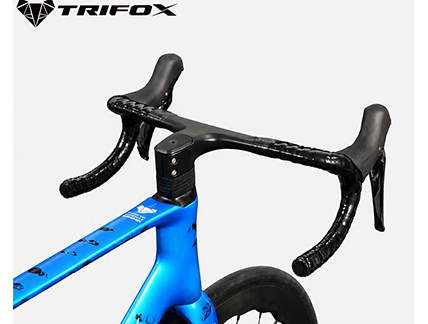
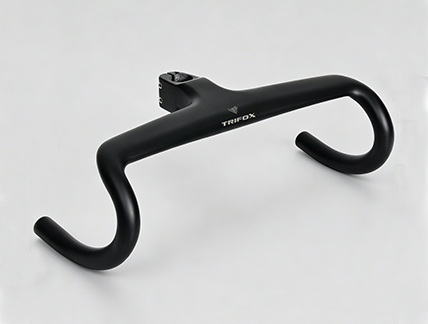
Lifting the RHB100 out of the box, the first thing you notice is its remarkable lightness. At a claimed weight of just 244 grams (for the complete bar and stem assembly), it represents a significant weight saving over almost any alloy combination. This reduction is immediately noticeable when you pick up the bike, and on the trail, it translates to a front end that feels lively and easier to maneuver. The T800 carbon fiber construction feels dense and high-quality, with a clean matte finish and precise molding around the stem clamp area. The integrated design eliminates the separate stem and faceplate, contributing to both the low weight and a sleek, uncluttered aesthetic.
On the Trail: Stiffness and Control
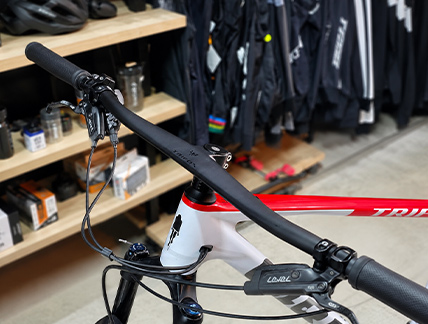
Mounting the RHB100 is straightforward, thanks to printed alignment marks for shifters and brakes. Once installed, the difference in stiffness is palpable. The one-piece construction creates an incredibly direct connection between your hands and the fork. When you pull up on the bars for a manual or lean the bike into a high-speed corner, there's zero detectable flex. This rigidity inspires confidence, especially on technical descents where precise steering input is critical. The 6° rise and 6° backsweep geometry places your hands in a natural, comfortable position that reduces wrist fatigue without feeling overly upright. For riders seeking responsive mtb bars, this setup delivers.
The Aero Advantage and Clean Cockpit
While aerodynamics are less critical on a mountain bike than on the road, the RHB100's clean, integrated profile does offer benefits. The lack of a protruding stem and faceplate creates a smoother surface that slices through the air marginally better. More importantly, the clean lines provide a perfect foundation for a tidy cockpit. The bar's shape allows for neat cable routing, and its flat top section offers a stable platform for mounting a computer or light. This contributes to an overall professional, finished look that many riders appreciate.
The Trade-Offs: Fit and Adjustability
The primary consideration with any integrated bar is that you're committing to a specific stem length and bar width. The RHB100 is available in stem lengths of 40, 50, 60, and 70mm, and the 800mm width can be cut down. You must be confident in your fit before purchasing, as you cannot swap stems independently. For riders who know their preferred position, this is a minor trade-off for the gains in weight, stiffness, and aesthetics. For those still experimenting with fit, a standard bar and stem might be a more flexible starting point.
The Verdict: A Worthwhile Upgrade
For the rider who has dialed in their fit and is looking to shed weight, increase front-end stiffness, and elevate the look of their bike, the Trifox RHB100 is a compelling upgrade. It delivers on its promises of lightweight performance and precise control, all at a fraction of the cost of many comparable carbon offerings. The build quality is excellent, and the on-trail feel is noticeably more direct and responsive. If you're considering moving to high-performance mtb bike bars, the RHB100 represents a significant and worthwhile step up. It transforms the cockpit from a collection of parts into a cohesive, high-performance system that enhances every ride.
2026-03-11
Trifox
SHARE:


Comments
Recent Posts
1
1
1
1
1
1
1
1
1
1
1
1
1
1
1
1

1
1
1
1
1
1
1

1



