




















For many riders, the quest for comfort leads to a simple conclusion: a softer saddle must be better. This instinct often backfires. A saddle that feels like a plush couch in the showroom can transform into an instrument of discomfort on a long ride. Why? Because true comfort isn't about maximum softness; it's about intelligent pressure distribution. The materials inside your saddle—foam, gel, and advanced composites—are engineered not just to cushion, but to create a stable, supportive platform that places pressure precisely where your body is designed to handle it.
The Problem with "Soft": The Hammock Effect
Imagine sinking into a soft sofa or a loose hammock. Initially, it feels great. But soon, your body sinks until it meets resistance, often concentrating force on your soft tissue and pelvic bones. A saddle with overly soft, uniform padding does the same. Your sit bones (ischial tuberosities) push through the soft material, bottoming out and creating intense pressure points. This lack of support can also lead to instability, chafing, and numbness. A comfortable bicycle seat doesn't invite you to sink in; it provides a firm, supportive platform to sit on.
Material Science: The Tools for Intelligent Support
Modern saddles use advanced materials to solve this problem, moving beyond a one-thickness-fits-all approach.
High-Density & Multi-Density Foam: The Precision Tool
This is the cornerstone of performance saddle design. Instead of a single soft layer, engineers use varying densities:
Firm, High-Density Zones: Located directly under your sit bones. This dense foam resists compression, providing a stable platform that prevents sinking and effectively supports your skeletal structure.
Softer, Lower-Density Zones: Placed in the surrounding areas and along the center channel. This foam absorbs vibrations and provides gentle cushioning without compromising the critical structural support of the firmer zones.
This "multi-density" approach is like having a custom-molded base layer: firm where you need support, forgiving where you need relief.
Gel Inserts: Targeted Damping
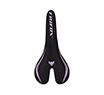
Gel is excellent at dissipating sharp impacts and high-pressure points in a static setting. However, its drawbacks are weight, poor breathability, and a tendency to create a "quicksand" feel if overused, absorbing energy and causing slight instability during pedaling. Therefore, in well-designed saddles like the Trifox Comfortable Saddle, gel is used strategically as an insert, often in the nose or specific high-pressure areas, to add a layer of dampening on top of a supportive foam base. It's a supplement, not the main structure.
Shaped & Variable-Thickness Padding: The Holistic Approach
The most advanced designs combine material density with physical shape. Through pressure mapping and biomechanical research, saddle padding is carved to be thicker in supportive areas and thinner or absent in zones that require relief (like the critical perineal area). This 3D shaping ensures the right amount of material is in the right place, working in concert with the saddle's shell to create a unified support system.
The Trifox Design Philosophy: Engineered Comfort
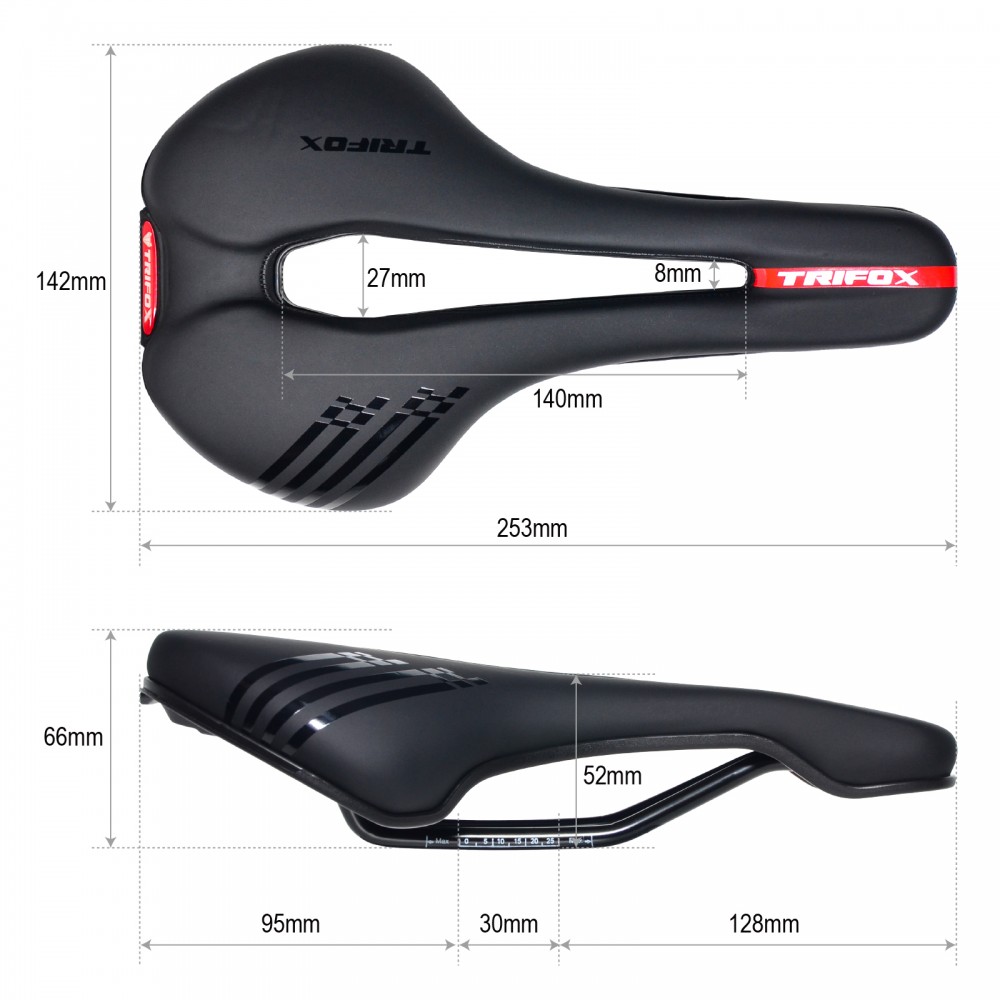
The Trifox PU Leather Comfortable Saddle exemplifies this intelligent approach to pressure management. It moves beyond the old "soft vs. hard" debate by focusing on structured support.
PU Leather & Resilient Padding: The high-quality PU leather cover provides durability and a slight give, while the underlying cushioning system is designed for resilience and support over many miles.
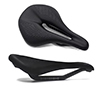
Ergonomic Shape is Key: The saddle's shape features a central relief channel, a fundamental design element that alleviates soft-tissue pressure by ensuring no contact or minimal pressure in the midline. This works in tandem with the padding to direct support to the sit bones.
Focused on Lasting Support: The goal isn't initial plushness that fades, but consistent, dependable support that reduces fatigue and hotspots, allowing you to focus on your ride, not your discomfort.
Support Over Softness
Choosing a bicycle saddle based on padding thickness alone is a common mistake. The science of comfort is about differential support—using materials like multi-density foam and strategic shaping to create a stable platform that distributes your weight efficiently. It’s the difference between sinking into a problem and sitting on a solution. When your sit bones are properly supported, pressure is healthily distributed, and soft tissues are relieved, you unlock the true potential for a comfortable bicycle seat that enhances, rather than hinders, every ride. Look for design intelligence, not just squishiness.
2025-12-22
Trifox
SHARE:


Comments
Recent Posts
1
1
1

1

1

1
1
1
1
1
1
1
1
1

1
1

1
1
1

1
1
1

1

1



