






Holiday Shipping Deadlines

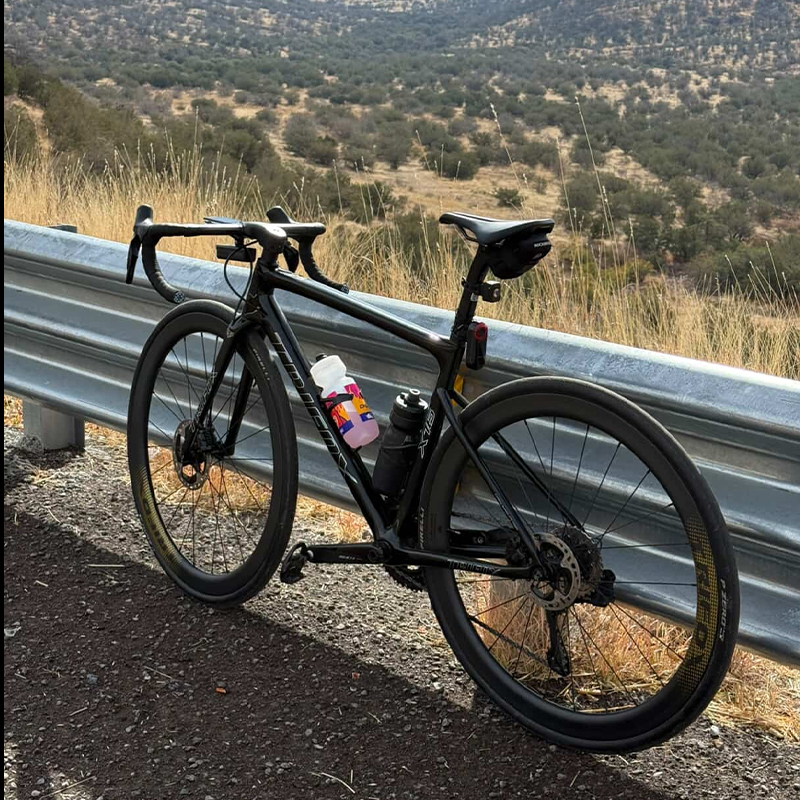
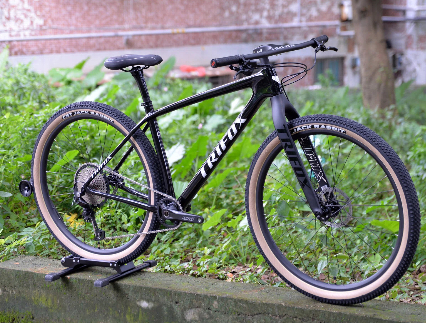
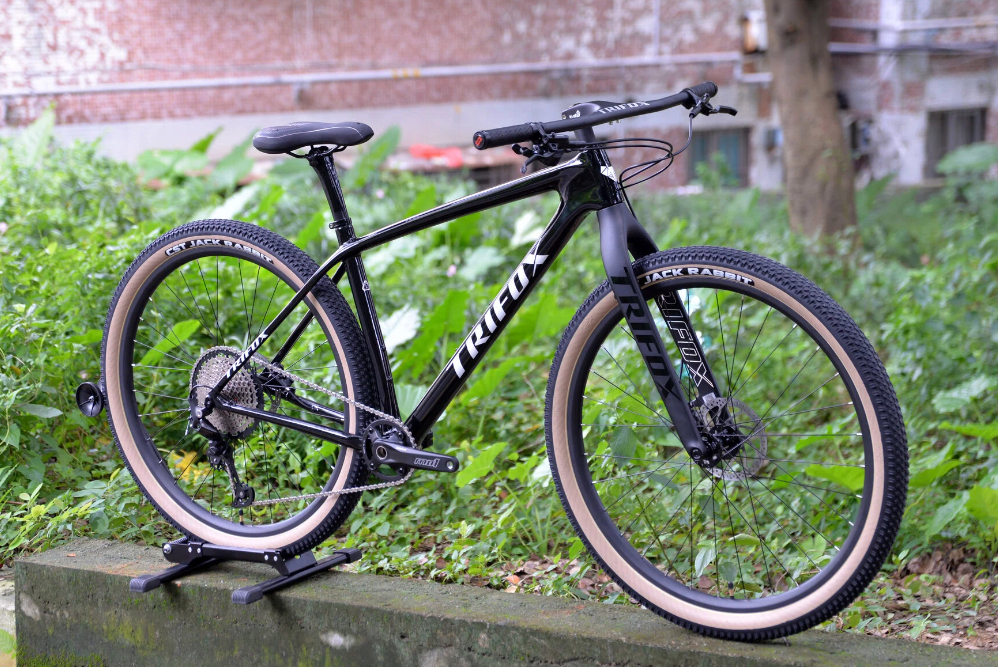
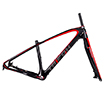
You push hard on the pedals, feeling the burn in your legs. But what happens to all that energy? A well-designed mountain bike frame is the master translator, converting your raw watts into efficient, exhilarating forward motion. It's not about a single "magic" number; it's the intricate interplay of weight, stiffness, and geometry that dictates how much of your effort reaches the trail. A frame like the Trifox SDY20 is engineered to master this conversion, turning your power into pure, responsive speed.

Beyond Simple Math: The Nuanced Impact of Weight

It's tempting to think "lighter equals faster," and while true, the reality is nuanced. Shedding 100 grams from your lightweight mountain bike is beneficial, but its impact is magnified on long, steep climbs and during acceleration. For a typical rider, the weight saving from a 980-gram frame (like the SDY20) is a strategic advantage that accumulates over miles, reducing the energy cost of lifting the bike against gravity time and time again.

The real weight advantage is holistic. A light frame allows you to build a nimble overall bike, making it easier to maneuver, change pace, and tackle technical sections where quick reactions are key. This translates to less overall fatigue, letting you output power for longer—a benefit far exceeding a simple time-saving calculation.

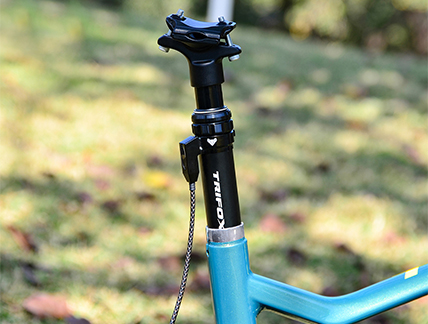
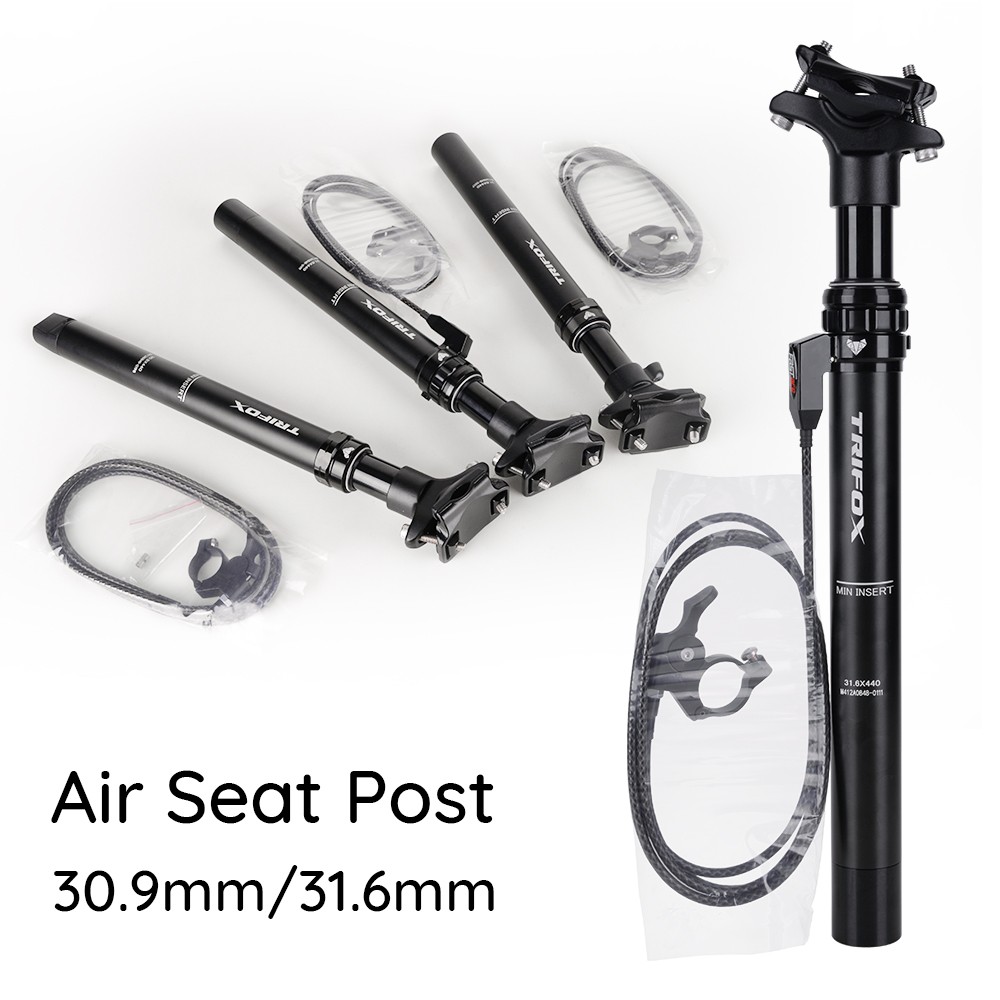
Trifox AP309 Dropper Post on a mountain bike

The Critical Role of Stiffness: Precision in Power Delivery

If weight affects how much energy you expend, stiffness determines how efficiently it's delivered. There are two critical types:

Bottom Bracket Stiffness: This is crucial for pedaling efficiency. A stiff bottom bracket area, like the robust 73mm shell on the SDY20, minimizes flex when you stomp on the pedals, ensuring more power drives the rear wheel directly.

Front-End / Head Tube Stiffness: This affects steering precision and control. A stiff front end, aided by a tapered head tube, provides confident handling through rough corners, allowing you to maintain speed and control where a flexy frame would wander.

However, pure, unyielding stiffness isn't the ultimate goal. A frame that's brutally stiff can be harsh and fatiguing. The art lies in strategic stiffness.

The Trifox SDY20 Design Philosophy: Balanced Performance

The SDY20 exemplifies how modern carbon cycles optimize the "performance triangle" of weight, stiffness, and comfort. It's not about chasing extreme numbers in one area, but creating a harmonious balance for real-world speed.

Targeted Material Use: Utilizing high-grade T1000 carbon fiber, engineers can strategically place stronger, stiffer materials in high-stress zones (like the bottom bracket and chainstays) while using more compliant layups in the seatstays and seat tube. This design delivers efficient power transfer where you need it while absorbing trail buzz to reduce fatigue.

Geometry for Confidence & Power: The frame's modern 68.5-degree head tube angle and balanced reach provide stable, confident handling on descents, allowing you to commit to lines. Meanwhile, a 74-degree seat tube angle positions you optimally over the pedals for effective climbing power. This geometry lets you ride in a powerful, sustainable position longer.

Modern Standards for a Solid Platform: Features like Boost 148mm rear spacing increase wheel stiffness and improve tire clearance, while internal cable routing protects lines and contributes to a clean, aerodynamic profile. Every detail is considered to support efficient power transfer.

Conclusion: The Sum of All Parts

The ultimate measure of a frame's efficiency isn't found in a laboratory test of isolated stiffness. It's measured in the real world: in the confidence to carry speed into a rocky section, the ability to climb in comfort without wasting energy fighting the bike, and the sheer joy of a machine that feels like an extension of your body.

A thoughtfully designed frame like the Trifox SDY20 for trail mountain bikes understands this. By intelligently balancing ultra-low weight with strategic stiffness and rider-focused geometry, it creates a platform where your energy is respected and amplified. The result is a bike that doesn't just feel fast—it actively helps you be faster, mile after rewarding mile. Your watts deserve nothing less than a masterful translator.

Holiday Shipping Deadlines

Upgrading your cockpit shouldn't feel like solving a complex puzzle. A stem that doesn't fit your handlebar can turn an exciting upgrade into a frustrating ordeal. This guide will demystify the key standards and explain how a versatile component like the Trifox Alloy Light Stem ABS300 is designed for broad, hassle-free compatibility.

31.8mm bike stem on handlebar
The Core Standard: Handlebar Clamp Diameters

The most critical check is the stem-to-handlebar fit. The industry uses two main diameters:

31.8mm (The Universal Standard): The default for most modern mountain bike stems and road bike stems. It offers a great balance of stiffness and weight.
35mm (The Oversized Standard): Used on some high-end bikes for maximum stiffness.

The Trifox ABS300 features a 31.8mm handlebar clamp, making it instantly compatible with the widest range of handlebars.

Compatibility Checklist: What Works with the ABS300

Here’s a quick guide to what fits:

Handlebars: Any standard 31.8 mm stem diameter bar (most MTB and road bars).
Fork Steerer: Standard 1-1/8" (28.6mm) threadless forks.
Shift/Brake Levers: All major brands (Shimano, SRAM). Levers mount to the bar, independent of the stem.
Use: Designed for both mountain and road bikes.

Bike stem compatibility diagram
Precision Matters: The Role of Tolerances

Two parts listed as 31.8mm might not fit perfectly due to manufacturing tolerances (allowed margin of error). Low-quality stems with poor tolerances can lead to unsafe, uneven clamping. The Trifox ABS300 is precision CNC-machined with extremely tight tolerances. This guarantees a perfect, secure fit with standard bars—no shims, no guesswork, just safe and reliable performance.

Pro Installation Tips for a Safe Fit

1. Clean Surfaces: Wipe the bar and stem clamp with isopropyl alcohol.
2. Check Alignment: Center the handlebar in the stem.
3. Torque to Spec (CRUCIAL): Always use a torque wrench. Tighten bolts gradually in a cross pattern.
    - For Aluminum Bars: Typically 5-6 Nm.
    - For Carbon Bars: Use carbon assembly paste and torque to spec (check bar manual).

Conclusion: Compatibility Equals Confidence

Choosing a stem like the Trifox ABS300 eliminates compatibility guesswork. Its universal 31.8mm standard, precise manufacturing, and versatile design let you build with confidence, ensuring a safe and reliable connection between you and your bike for every ride.

Holiday Shipping Deadlines

Your bike computer is your command center, delivering vital data on speed, distance, and navigation. But if it’s angled poorly, you’ll be squinting, straining your neck, or taking your eyes off the trail for too long. Achieving the perfect angle is a simple yet transformative adjustment that enhances comfort, safety, and your connection to the ride. Here’s how to dial it in for any discipline.

Start with a Proper Mount

Before fine-tuning the angle, you need a solid and adaptable foundation. A high-quality mount, like the Trifox STH300, is essential. This isn't just alloy; it's the interface between your handlebar and your valuable device. Look for features that promise stability and versatility:

Secure Attachment: A robust clamp system that locks onto your handlebar without slippage, even on rough trails.

Adjustable Angle Mechanism: The core feature that allows you to fine-tune the tilt. A simple, tool-free lever or dial is ideal for on-the-fly adjustments.

Universal Compatibility: Ensure it fits your specific handlebar diameter and your computer’s mounting standard (e.g., Garmin, Wahoo).

A mount like the Trifox STH300 provides this reliable base, allowing you to focus on finding your optimal view.

Adjustable bike computer mount on handlebar
Finding Your Angle: Road vs. Mountain Bike Principles

The “correct” angle isn’t a single number; it’s dictated by your riding posture.

For Road & Gravel Riding (Aggressive Posture): When you’re in the drops or an aero tuck, your line of sight is lowered. Tilt the computer face slightly upward. This brings the screen perpendicular to your natural sightline, minimizing glare and making data easy to read without lifting your head. A good starting point is having the screen face roughly toward your chin when in your primary riding position.

For Mountain Biking & Upright Positions: On a trail bike or hybrid, your posture is more upright. The screen should be closer to level with the ground or tilted only very slightly upward. This prevents the display from being obscured by the handlebar or your hands and ensures quick glances for navigation or timer data. The key is to maximize the visible screen area from your higher vantage point.

The Simple Setup Method: The On-Bike Test

Forget protractors. Use this practical method:

1. Clip into your bike on a stationary trainer or have a friend hold you upright.

2. Assume your primary riding position—whether that’s in the hoods, drops, or a ready mountain bike stance.

3. Close your eyes, then naturally open them and look where your gaze falls.

4. Adjust the computer angle so the screen is facing directly into this natural line of sight. Your neck should feel neutral, not craned up or down.

Adjustable bike computer mount on handlebar

Pro Tips for Precision & Safety

Prioritize a Clear View:
The screen should be completely visible, not blocked by cables, a bicycle light mount, or your hands. If you use a combined mountain bike computer mount and light bracket, position them so both devices have an unobstructed field of view.

Minimize Glare: Tilt the screen to avoid direct reflections from the sun or bright sky. A slight adjustment can make the difference between an illegible glare and a crisp display.

Ensure Stability: After setting the angle, check all fasteners. The computer should not wobble or vibrate, as this distracts and can lead to damage on rough terrain.

Safety Check: Before every ride, give the computer a gentle tug to confirm it’s locked securely into its mount. The last thing you need is for it to detach on a fast descent.

Why the Perfect Angle Matters

Spending a few minutes on this adjustment pays dividends:

Enhanced Safety: Quick, effortless glances keep your focus on the path or traffic ahead.

Reduced Fatigue: A neutral neck and eye position prevent strain on long rides.

Better Data Utility: When you can see your metrics clearly, you can use them effectively to pace your effort or follow a route.

Your bike computer should feel like a natural extension of your cockpit, not an awkward addition. By investing in a versatile, adjustable mount and taking the time to set the angle for your unique riding style, you unlock a smoother, safer, and more connected cycling experience. Look down with ease, and look ahead with confidence.

Holiday Shipping Deadlines

The bottom bracket bearing is the heart of your bike's drivetrain. When it's time for an upgrade, the debate between high-end ceramic and reliable aluminum models is inevitable. Is the premium for ceramic worth it, or is a well-made aluminum bicycle bottom bracket like the Trifox TRBB68 the smarter choice? Let's examine the facts.

68mm bottom bracket
1. Friction & Efficiency: The Core of the Claim

Ceramic bearings boast a lower coefficient of friction—lab tests show up to 25-30% less than steel. However, real-world power savings are subtle, often just 1-3 watts. For most riders, this is imperceptible. A precision-made aluminum bracket with smooth bearings, like the Trifox TRBB68, provides exceptionally efficient performance for nearly all applications, making the ceramic advantage most relevant for elite racers.

2. Durability & Longevity: A Trade-Off

* Corrosion Resistance: Ceramic Wins. Ceramic balls cannot rust, a plus for all-weather riders.
* Impact Resistance: Aluminum/Steel Wins. Under high load or shock (common in MTB), ceramic's hardness can lead to brittleness and cracking. A quality aluminum-shell bracket with steel bearings is generally more robust for real-world riding.

3. Weight: A Negligible Difference

Weight should not be a factor. A standard aluminum 68mm bottom bracket like the Trifox TRBB68 weighs 94-98g. A comparable ceramic model often weighs nearly the same, as the tiny weight saving from the ceramic balls is offset by other components.

aluminum bicycle bottom bracket
4. Maintenance & Sensitivity: The Hidden Cost

To achieve their potential, ceramic bearings require near-perfect installation alignment and a clean environment. They are less tolerant of misaligned bearing seats. Aluminum brackets with standard bearings are far more forgiving of minor installation variances, making them a more practical choice for home mechanics.

5. Price & Value: The Ultimate Decider

This is the clearest difference. A ceramic bottom bracket can cost 5 to 10 times more than a premium aluminum model.

* Ceramic is for: Elite racers chasing every watt, and enthusiasts who value "marginal gains."
* Aluminum is for: The vast majority of riders. A high-quality option like the Trifox TRBB68 offers outstanding value, precision machining, and reliable sealed bearings, freeing up budget for upgrades with more noticeable returns (like better tires).

The Verdict: Data-Driven Reality

Ceramic's friction advantage is real but minimal for non-racers. When you factor in its higher cost, sensitivity, and durability trade-offs, the value proposition narrows. For a component that must withstand real-world conditions, the balanced performance and exceptional value of a modern aluminum bottom bracket are hard to beat. Products like the Trifox TRBB68 deliver superb smoothness and reliability, letting you focus on the ride, not just marginal gains.

Holiday Shipping Deadlines

For mountain bikers seeking both performance and comfort, the question of vibration absorption looms large. Many cyclists have heard claims about carbon fiber's ability to "soak up" trail vibrations, but how much of this is marketing hype versus scientific reality? Examining frames like the Trifox SDY21 Lightweight Carbon MTB Hardtail Frame reveals a complex interplay of materials science that impacts ride quality, whether building a modern 29 in mountain bike frame or a minimalist single speed bike frame.

carbon fiber vibration damping
The Material Science: Why Carbon Fiber Behaves Differently

Carbon fiber's vibration-damping capability stems from its composite nature. Unlike homogeneous materials like aluminum, carbon fiber consists of microscopic filaments in a resin matrix, creating interfaces where vibrational energy dissipates. When vibrations travel through the carbon frame, they navigate complex interfaces, with each boundary absorbing energy—creating measurable damping that riders perceive as improved mountain bike comfort, whether on a geared bike or single speed bike frame.

Structural Damping vs. Material Damping

Crucial to distinguish between structural damping (from frame design) and material damping (from inherent properties). Carbon fiber excels at material damping due to its composite nature. The SDY21 harnesses this through careful carbon layup, optimizing both stiffness for power transfer and compliance for vibration absorption. This approach creates a hardtail frame that feels stiff during pedaling but forgiving on trail imperfections, beneficial for both 29 in mountain bike frame and single-speed configurations.

Frequency Matters: Which Vibrations Get Absorbed

Carbon fiber doesn't dampen all frequencies equally. Higher frequency vibrations from trail chatter are most effectively absorbed—precisely what causes hand numbness and muscle fatigue. The SDY21 addresses this spectrum through balanced design: carbon construction handles high-frequency damping while geometry manages larger impacts. This explains less fatigue on carbon hardtails, particularly important for 29 in mountain bike frame setups where wheel dynamics interact differently with trail vibrations, affecting overall ride quality.

carbon fiber properties for vibration reduction
The Layup Process: Engineering Vibration Pathways

How carbon fiber is laid up significantly impacts vibrational characteristics. The SDY21 employs a sophisticated combination: high-stress areas use unidirectional fibers for optimal power transfer—critical for both racing bikes and single speed bike frame builds. Comfort-focused areas incorporate woven fabrics that enhance vibration damping technology without compromising structure. This intelligent carbon layup science delivers both efficiency and comfort in modern mountain bike frame design.

Real-World Implications: Less Fatigue, More Control

Practical benefits appear during extended trail sessions. Reduced vibration transmission means less hand and arm fatigue, allowing better control—particularly valuable on hardtails and crucial in a single speed bike frame where riders cannot shift to easier gears when fatigued. This trail vibration reduction also improves traction; by filtering vibrations, carbon frames maintain more consistent tire contact, especially valuable in loose conditions and beneficial for 29 in mountain bike frame configurations where larger wheels benefit from stable tracking.

Comparing Materials: Carbon's Advantage

Aluminum transmits vibrations efficiently with minimal damping, explaining why aluminum hardtails feel "harsh"—especially noticeable in minimalist single speed bike frame builds. Carbon fiber occupies a unique middle ground: stiffer than aluminum in specific directions while providing better carbon fiber vibration damping through its composite nature. This advantage proves particularly evident in modern 29 in mountain bike frame designs where carbon helps mitigate sometimes-harsher feedback from larger wheels.

Conclusion: Science Confirms the Ride Experience

Whether carbon fiber really absorbs vibrations finds answer in both laboratory measurements and rider experiences. The material's composite structure converts vibrational energy through microscopic interfaces—scientifically valid and perceptually significant across configurations. Frames like the Trifox SDY21 demonstrate how carbon engineering balances stiffness, weight, and durability while delivering tangible benefits: less fatigue, better control, and more enjoyable trail time—whether building a versatile 29 in mountain bike frame or a simplified single speed bike frame for uncomplicated riding pleasure.

Holiday Shipping Deadlines

In the world of performance road cycling, every detail matters—from the frame geometry to the choice of components. Among these details, the cockpit plays a pivotal role in connecting the rider to the bike. The shift from traditional separate stems and handlebars to integrated designs like the Trifox Ultra Light Integrated Carbon Drop Handlebar with Stem (DHB600) represents more than just an aesthetic improvement. It embodies a holistic approach to performance optimization, combining aerodynamics, weight reduction, and structural efficiency into one elegant package.

integrated carbon handlebar
The Aerodynamic Advantage: Slicing Through the Air

When riding at speed, aerodynamic drag becomes the primary resistance force. Traditional setups with separate components create multiple edges, gaps, and exposed cables that disrupt airflow. An integrated carbon handlebar like the DHB600 eliminates these turbulent zones by creating a seamless transition from the steerer tube to the bar itself. The clean front profile of such carbon fiber road bike handlebars allows air to flow smoothly over the cockpit area, making it particularly valuable for drop bar road bike enthusiasts who spend significant time in the aerodynamic drops position.

Weight Reduction: The Unseen Performance Boost

Carbon fiber's exceptional strength-to-weight ratio makes it ideal for performance components. The DHB600's integrated design takes this further by eliminating redundant materials found in traditional two-piece setups. For riders seeking every possible advantage, this weight reduction at the front end makes the bike feel more responsive during accelerations and climbs. The psychological and physical benefit of a lightweight road cockpit enhances the overall riding experience significantly.

Stiffness and Power Transfer: The Direct Connection

Performance road cycling demands efficient power transfer from rider to bike. Traditional handlebar-stem interfaces can introduce compliance that absorbs some of this energy. Integrated carbon fiber bicycle handlebars create a monocoque structure that eliminates this potential energy loss point. The unified carbon construction of the DHB600 ensures that every watt you produce reaches the front wheel with minimal dissipation, providing confidence during sprints and out-of-the-saddle climbing efforts.

road bike drop handlebars
Cable Integration: Form Meets Function

Beyond aerodynamics, the internal routing capabilities of modern road bike drop handlebars offer practical performance benefits. The DHB600's design allows for complete cable concealment, protecting vital brake and shifting lines from the elements while reducing maintenance needs. This clean approach eliminates cable slap against the frame and reduces drag caused by exposed housing, ensuring consistent performance regardless of weather conditions.

Ergonomic Precision: Tailored Fit and Comfort

Unlike traditional setups that often force compromises between stem length and handlebar reach, integrated drop bars for road bike designs offer more precise fit customization. The DHB600 is available in multiple configurations that maintain optimal ergonomic relationships between the contact points. Proper positioning reduces fatigue on long rides and prevents discomfort that can detract from performance, with clean bend transitions enhancing comfort in all hand positions.

The Future of Performance Cockpits

As road cycling technology continues to evolve, the trend toward integration shows no signs of slowing. The performance benefits demonstrated by components like the Trifox DHB600—aerodynamic efficiency, weight reduction, improved stiffness, and clean aesthetics—represent where road cycling component design is heading. For serious cyclists looking to optimize every aspect of their ride, upgrading to an integrated carbon fiber handlebars system offers tangible benefits that go beyond mere appearance.

The Trifox DHB600 exemplifies how thoughtful integration can enhance multiple aspects of the riding experience simultaneously, proving that in the quest for performance, clean design truly does win. Whether you're building a new performance machine or upgrading an existing road bike, these integrated solutions offer a path to cleaner aesthetics and better performance.

Holiday Shipping Deadlines

In the quest for a cleaner cockpit and enhanced performance, integrated handlebars have become the upgrade of choice for discerning mountain bikers. Trifox offers two excellent options in this category: the RHB200 and RHB600. Both are carbon fiber integrated MTB handlebars designed to improve your bike's front end, but they feature key differences that cater to varying preferences and needs. Understanding these distinctions will help you select the perfect cockpit upgrade for your trail adventures.

carbon mtb handlebar
Design & Construction: Carbon Excellence for Mountain Biking

Both the Trifox RHB200 and RHB600 utilize high-quality carbon fiber construction, offering the ideal balance of lightweight performance and trail-ready durability. As carbon mtb handlebars, they provide superior vibration damping compared to aluminum alternatives, reducing hand fatigue on long rides while maintaining the stiffness needed for precise control in technical sections.

Geometry & Fit: Tailored for Trail Performance

Both handlebars are designed specifically as mountain bike riser handlebars with ergonomic geometries optimized for off-road riding. They feature moderate rise (typically 20-35mm) and backsweep (8-9 degrees) that position your hands naturally for control and comfort during long trail sessions. Both models represent excellent choices for riders seeking responsive mtb bicycle handlebars.

Cable Management: The Defining Difference

This is where the two models diverge most significantly, representing different approaches to cockpit cleanliness and maintenance accessibility.

The RHB200 Carbon Integrated MTB Handlebar utilizes a semi-integrated routing approach. While it features clean entry and exit points for cables, some cable housing may remain partially visible along the bar and stem interface. This design offers easier installation and maintenance while still providing a cleaner look than traditional separate components.

The RHB600 Carbon Integrated Full Internal MTB Handlebar represents the pinnacle of cockpit integration. All brake lines, derailleur cables, and dropper post housings route completely internally through the bar and stem structure. This full internal routing creates an exceptionally clean appearance while protecting cables from trail debris and weather elements. This makes the RHB600 a superior choice for those seeking the ultimate in internal cable routing solutions.

full internal routing mtb handlebar
Weight & Performance Considerations

As lightweight mtb cockpit solutions, both bars offer significant weight savings over traditional setups. The RHB200 typically weighs between 260-300g (depending on width), making it a noticeable upgrade for riders seeking to reduce front-end weight without compromising strength.

The RHB600, with its additional material for internal routing channels, still very light (approximately 240-290g) and represents a significant improvement over non-integrated alternatives. Both models provide the responsive handling characteristics that serious mountain bikers demand from their mtb bars.

Compatibility & Installation

Both Trifox handlebars are designed for modern mountain bikes with tapered steerer tubes. The integrated stem lengths vary between models and within each product line to accommodate different bike geometries and rider preferences.

The RHB200 offers relatively straightforward installation similar to traditional handlebars, making it accessible for most home mechanics. The RHB600 requires more careful installation due to its internal routing system but rewards users with the cleanest possible cockpit aesthetic.

Value Proposition: Which Bar Is Right for You?

The choice between these two excellent carbon mtb handlebars comes down to your priorities for aesthetics, maintenance preferences, and budget.

Choose the Trifox RHB200 if you want a significant cockpit upgrade at a more accessible price point, value easier installation and maintenance, appreciate cleaner aesthetics but don't require complete cable concealment, or are building or upgrading a trail bike where value and performance balance matters.

Choose the Trifox RHB600 if you demand the cleanest possible cockpit appearance with full cable integration, prioritize modern, sleek aesthetics, don't mind the additional complexity of internal routing installation, or are creating a high-end build where every detail contributes to the overall premium appearance.

Both the RHB200 and RHB600 deliver exceptional value in their respective categories, offering the performance benefits of carbon fiber construction with improved integration over traditional setups. Whether you choose the accessibility of the RHB200 or the ultimate integration of the RHB600, you'll be upgrading to a cockpit that enhances both the performance and appearance of your mountain bike.

Holiday Shipping Deadlines

When it comes to optimizing your mountain bike for performance and aesthetics, every component matters. While many riders focus on upgrading suspension or wheels, the mtb bicycle handlebar often remains an overlooked opportunity for transformation. Integrated carbon mountain bike bars, like the Trifox Ultra Light Integrated Full Inner Mountain Bike Handlebar RHB600, offer a revolutionary approach to achieving a cleaner, lighter, and more efficient setup.

integrated carbon mountain bike bars
The Problem with Traditional Handlebars

Traditional mtb bike handle setups often involve multiple parts: the bar itself, a separate stem, and external cable routing. This not only adds weight but also creates a cluttered appearance vulnerable to cable snags and dirt accumulation. For riders seeking a sleek and functional solution, integrated bars present a compelling alternative.

Benefits of Integrated Carbon Design

1. Cleaner Aesthetics and Functionality
The Trifox RHB600 features full internal cable routing, eliminating exposed cables and housing. This streamlined design reduces the risk of snagging on trails and simplifies cleaning. Whether you're navigating dense forests or rocky descents, an integrated mtb cycle handlebar ensures your cockpit remains tidy and functional.

2. Significant Weight Reduction
Crafted from high-modulus carbon fiber, the RHB600 is exceptionally lightweight without sacrificing strength. By merging the stem and bar into a single unit, it removes redundant materials, making it an ideal upgrade for cross-country and trail riders focused on reducing overall bike weight.

3. Optimized Rise for Comfort and Control
As riser handlebars, the Trifox RHB600 provides a comfortable rise that improves body positioning for technical climbs and descents. This design reduces strain on your wrists and back, allowing for longer, more enjoyable rides.

4. Enhanced Stiffness and Responsiveness
Integrated bars like the RHB600 deliver superior stiffness compared to traditional two-piece setups. This translates to precise steering input and better power transfer, giving you confidence when tackling sharp corners or rough terrain.

Trifox RHB600 handlebar
Why Choose the Trifox RHB600?

The Trifox RHB600 isn't just another mountain bike handlebar—it's a meticulously engineered component designed for modern trail demands. Its ergonomic shape, combined with a lightweight carbon construction, ensures durability and performance. The internal routing channels are compatible with dropper posts, shifters, and brake lines, making installation straightforward.

Riders who prioritize a minimalist yet high-performance cockpit will appreciate how this bar simplifies their bike's look while elevating its capabilities. Whether you're building a new bike or upgrading an existing one, the RHB600 offers a tangible improvement in both form and function.

Conclusion

Integrated carbon mountain bike bars represent the future of cockpit design, and the Trifox RHB600 stands out as a top contender in this category. By eliminating clutter, reducing weight, and improving handling, it addresses the core needs of today's riders. If you're ready to elevate your MTB's performance and aesthetics, it's time to consider making the switch to this innovative integrated carbon handlebar.

Upgrade to the Trifox RHB600 and experience the difference a well-designed integrated carbon handlebar can make on the trails.

Holiday Shipping Deadlines

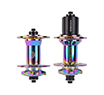
When it comes to mountain bike performance, the hub is one of the most critical yet often overlooked components. While riders frequently focus on upgrading frames or suspension, the humble hub plays a vital role in how your bike accelerates, maintains speed, and handles technical terrain. If you're experiencing any of these five issues, it might be time to consider the Trifox M827 Mountain Bike Hub for your next upgrade.

mountain bike hub
1. Poor Engagement and Power Loss

Modern mountain bike hubs feature high engagement points for instant power transfer. If you're experiencing noticeable delay between pedaling and drive response, or feeling like your power isn't translating immediately to forward motion, your hub's internal mechanism may be worn out. The Trifox M827 hub with its precise 54-tooth engagement system ensures immediate power transfer, making it ideal for technical climbs and sudden acceleration.

2. Unusual Noises During Riding

While some hub noise is normal, new or increasingly loud sounds often indicate problems. Grinding, crunching, or irregular clicking noises suggest that bearings may be contaminated or internal mechanisms are failing. The M827 MTB hub features sealed bearings and precision machining to provide smooth, quiet operation in all riding conditions.

3. Visible Play or Wobble in the Wheel

If you can feel or see side-to-side movement in your wheel when it's securely mounted, this indicates hub bearing wear. This play affects riding stability and can lead to unsafe handling. The Trifox bike hub is engineered with superior bearing seals and precise tolerances to eliminate play while maintaining smooth rotation.

4. Rough Rotation and Increased Drag

A properly functioning hub should allow the wheel to spin freely with minimal resistance. If your wheel stops spinning quickly or feels rough when rotating, the bearings may be damaged. This friction creates drag that slows you down. The M827 mountain bike hub features low-friction seals and high-quality bearings to maintain smooth spinning and reduce rotational drag.

5. Frequent Maintenance Requirements

High-quality hubs are designed to require minimal maintenance. If you find yourself constantly adjusting or repairing your current hub, it's likely reaching the end of its service life. The Trifox M827 is built for durability with minimal maintenance requirements, saving you time and frustration while providing reliable performance ride after ride.

M827 Mountain Bike Hub
Why Choose Trifox M827 Hub?

The Trifox M827 Mountain Bike Hub represents the perfect balance of performance, reliability, and value. With its 54-tooth rapid engagement mechanism, sealed bearing system, and lightweight construction, it delivers professional-level performance for serious riders. Whether you're tackling technical cross-country trails or aggressive all-mountain routes, this hub provides the instant engagement and reliable performance you need.

Compatible with most modern mountain bike standards and available in multiple axle configurations, the M827 makes an excellent upgrade for riders looking to improve their bike's performance without breaking the bank. The hub's durable construction ensures it can handle the demands of aggressive trail riding while maintaining smooth operation.

Don't let an aging hub limit your riding potential. Recognizing these five signs early will help you maintain optimal performance and get the most from your mountain bike. Upgrading to the Trifox M827 Mountain Bike Hub is one of the most cost-effective ways to transform your bike's responsiveness and reliability. Experience the difference that quality engineering makes in your next ride.

-->