




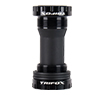





The seatpost is a component most riders overlook—until they notice it. That slight discomfort on rough roads, the creak that develops after a year, or the bike weight that feels just a little too heavy. The choice between a carbon fiber and an aluminum seatpost comes down to balancing weight, comfort, durability, and cost. Here are the seven key differences to help you decide which is right for your ride.
1. Weight
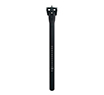
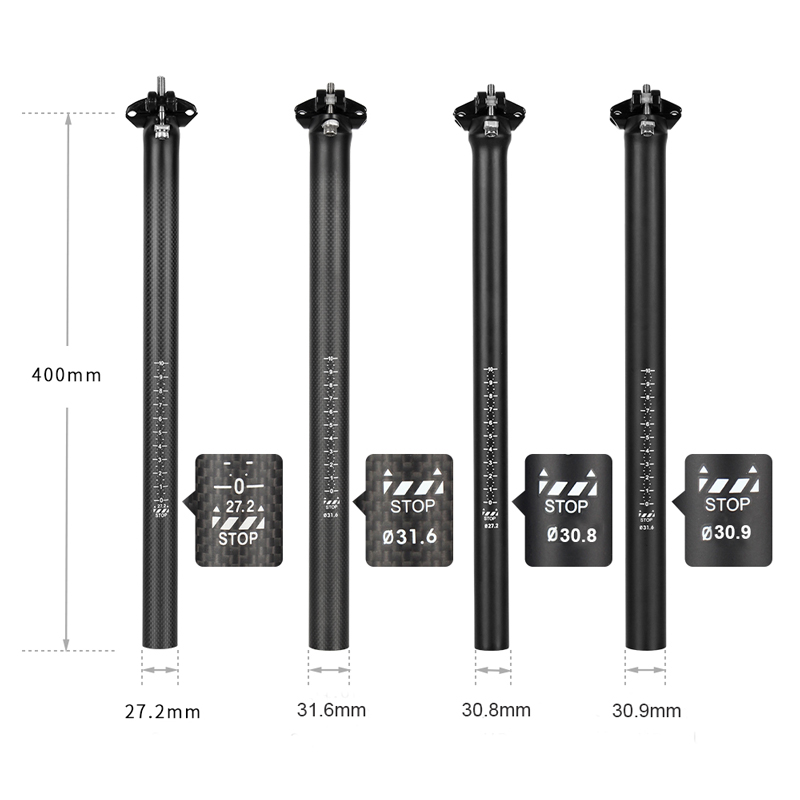
Carbon fiber is significantly lighter. A quality aluminum seatpost can weigh 220-300g. A carbon seatpost like the Trifox SLS21 tips the scale at just 160g (for the 30.8 x 400mm size), offering a weight reduction of 30-40% or more. That savings may seem small, but at the top of the seat tube, it reduces total bike weight and improves the bike’s overall feel.
2. Vibration Damping and Comfort
This is carbon’s strongest advantage. Carbon fiber naturally absorbs high-frequency “road buzz”—the vibration from rough pavement, chip seal, or gravel that causes fatigue over long miles. Aluminum transmits that vibration more directly, which can lead to numbness and discomfort. For long-distance road riders, gravel enthusiasts, or anyone seeking a smoother experience, carbon provides a meaningful increase in ride comfort.
3. Stiffness and Power Transfer
Both materials can be stiff, but carbon offers tunable stiffness. A well-designed carbon post can maintain the rigidity needed for efficient power transfer while still offering vertical compliance to absorb shocks. Aluminum is predictably stiff but cannot offer the same tuned flex characteristics.
4. Durability and Impact Resistance
Here, aluminum has the edge. Aluminum seatposts are tougher and can withstand direct impacts from rocks, crashes, or trail debris. If you regularly ride rocky terrain or subject your bike to hard use, aluminum offers peace of mind. Carbon can be damaged by overtightening or sharp impacts, though modern quality carbon posts are far more durable than early versions.
5. Installation and Maintenance
A carbon seatpost requires careful attention to torque specs and the use of carbon assembly paste (never grease). Carbon paste contains micro-grip particles that increase friction, allowing you to achieve a secure hold at lower torque to prevent slipping without crushing the carbon. An aluminum seatpost can be installed with standard grease and is more tolerant of minor torque variations. That said, an aluminum post in a carbon frame can corrode and seize over time, a problem carbon paste largely prevents. Either way, a torque wrench is recommended for both materials.
6. Aesthetics
Carbon’s UD matte or 3K weave finish looks undeniably premium. Aluminum posts typically have a painted or anodized finish. For builders who care about visual details, carbon offers a distinctive, high-end appearance.
7. Price and Value
Carbon costs more. A quality carbon seatpost typically ranges from $150 to $400, while aluminum options often run $50 to $150. The question becomes: is the weight savings and vibration damping worth the premium? For competitive riders, touring cyclists, or anyone spending long hours in the saddle, the answer is often yes. For casual or budget-conscious riders, aluminum remains a excellent choice.
Making Your Choice
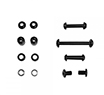
If you prioritize durability and cost, aluminum is a reliable choice. If you value weight reduction, ride comfort, and a premium aesthetic—and you’re willing to install it correctly with a torque wrench and carbon paste—a carbon seatpost like the carbon fiber seatpost SLS21 delivers measurable benefits on every ride. The Trifox SLS21 is available in multiple diameters, including the popular 27.2mm seatpost size for Mtb,road and gravel bikes, and features a 400mm length, T800 carbon construction, and titanium hardware. Upgrading your seatpost is one of the most effective ways to improve both bike performance and rider comfort—without changing how your bike looks from 10 feet away.
2026-06-04
Trifox
SHARE:


Comments
Recent Posts
1
1
1
1
1
1
1
1
1
1
1
1
1
1
1
1

1
1
1
1
1
1
1

1



