


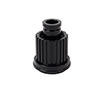
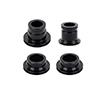
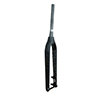





On a bicycle, the bottom bracket (BB) may be hidden inside the frame, but it is a critical component that transmits pedalling power.
Many riders upgrade wheelsets, groupsets, or frames, yet overlook the importance of the bottom bracket. When you hear unusual noises, feel rough pedalling, or notice crank play, it is likely time to inspect or replace your BB.
So, how do you know if your bottom bracket needs replacing?
What problems with the bottom bracket indicate replacement is needed?
1. Unusual noises when pedalling
If you hear clicking, creaking, or grinding sounds – especially under heavy pedalling – the BB bearings may be worn.
Of course, noises can also come from pedals, cranks, or the chain, but the bottom bracket is one of the first components to check.
2. Crank rotation feels rough
Normally, the cranks should spin smoothly and freely.
If you notice:
- Resistance when turning
- Gritty or catching sensation in the bearings
- Loss of pedalling smoothness
it suggests the internal bearings may be damaged and replacement should be considered.
3. Crank wobble or play
When you push the cranks sideways and feel noticeable movement, besides loose crank bolts, it could be due to excessive clearance in the BB.
Riding with a worn bottom bracket not only degrades the ride experience but also reduces pedalling efficiency.
Understanding the Bicycle bottom bracket shell is important
Before choosing a new bottom bracket, you need to know your frame's Bicycle bottom bracket shell specification.
Different frames use different BB standards, such as:
- BB68
- BSA threaded
- Press Fit
- BB30
- PF30
Each frame requires a matching bottom bracket; otherwise, installation will not be possible.
Therefore, before purchasing a new BB, confirming your frame's BB specification is essential.
What are the differences between Bottom bracket types?
Currently, Bottom bracket types fall into two main categories.
One is threaded bottom brackets, such as the BSA system – simple to install, easy to maintain, and ideal for long‑term use.
The other is press‑fit bottom brackets, which are lighter and commonly found on high‑performance carbon frames.
Each type has its advantages. The choice depends on your frame design and riding needs.
Is the TRIFOX BB68 Aluminum Bottom Bracket worth choosing?
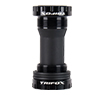
If your bike uses a BB68‑spec bottom bracket, the TRIFOX BB68 Aluminum Bottom Bracket TRBB68 is a reliable upgrade choice.
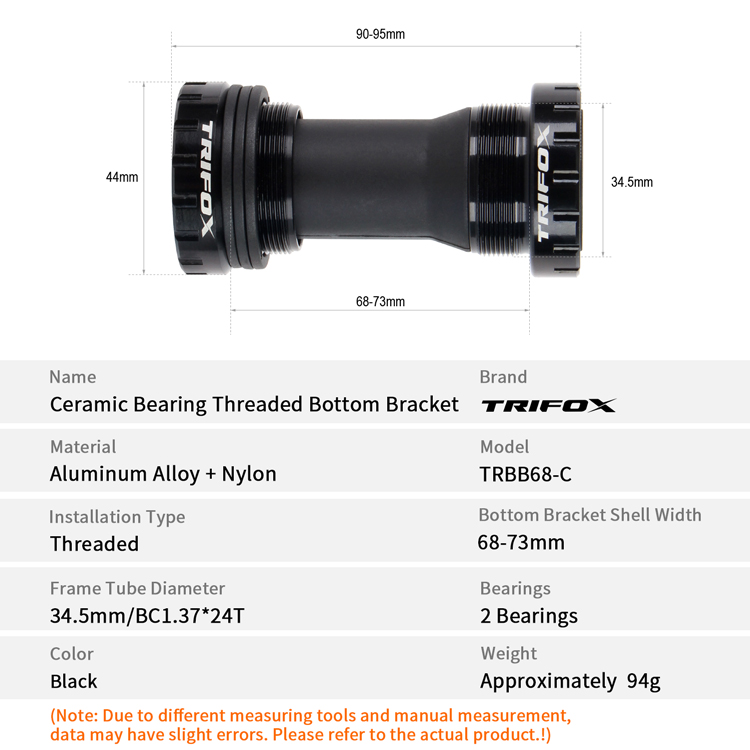
The TRBB68 features a high‑quality aluminium alloy shell, combining light weight, durability, and stability – suitable for daily training, long‑distance rides, and performance upgrades.
Key features include:
- BB68 standard design
- High‑strength aluminium alloy shell
- Smooth and durable bearing system
- Improved pedalling efficiency
- Easy installation and maintenance
- Compatible with many road and mountain bike upgrades
A quality bottom bracket reduces energy loss, making every pedal stroke more direct and effective.
How often does a bottom bracket need replacing?
BB lifespan depends on riding conditions and frequency.
If you frequently ride:
- In wet weather
- In muddy conditions
- During high‑intensity training
- On off‑road terrain
the BB will wear faster.
Regular inspection can prevent small issues from developing into major failures.
Conclusion
The bottom bracket may not be the most visible part of a bicycle, but it directly affects pedalling efficiency, ride comfort, and overall performance.
When you hear abnormal noises, feel rough rotation, or notice crank play, it is time to check your BB.
Choosing the correct BB for your frame specification is crucial. For bikes with a BB68 shell, the TRIFOX BB68 Aluminum Bottom Bracket TRBB68 offers a solid structure, durable design, and excellent value – making it an ideal upgrade for enhancing your riding experience.
For cyclists preparing to buy a road bike, the debate between aluminium and carbon fibre has always been a hot topic.
Some believe carbon fibre represents high performance, while others think aluminium is more durable and better value. So, is an alloy road bike really better than a carbon road bike?
In truth, there is no absolute answer. It all depends on your budget, riding needs, and usage scenarios. Below, we break down the differences in the alloy vs carbon road bike debate from several key angles.
Weight: Carbon is lighter, but the gap is narrowing
Many people choose a carbon frame primarily for its lighter weight.
However, with continuous improvements in aluminium manufacturing, many high-quality alloy road bikes today offer impressive weight figures.
Some outstanding models are even hailed by riders as the lightest alloy road bike, delivering brisk acceleration in everyday riding.
For weekend rides, commuting, or fitness training, the weight difference may not be as noticeable as you might think.
Ride Feel: Carbon offers more comfort
One of carbon fibre’s biggest advantages is its ability to absorb more road vibration.
On long rides, carbon frames typically provide a smoother, more comfortable riding experience.
Aluminium frames, on the other hand, are stiffer, offering direct pedalling feedback and quick acceleration – a crisp, responsive feel that many riders actually prefer.
For urban cycling or short-distance training, alloy road bikes remain highly appealing.
Durability: Aluminium is better for daily use
If you commute regularly or need to transport your bike frequently, aluminium is often the more hassle‑free choice.
Compared to carbon, aluminium is more resistant to knocks and scuffs, with less worry about minor impacts causing damage.
For beginners, this is a major reason why many opt for aluminium.
Price: Aluminium offers better value for money
With a limited budget, an alloy road bike typically delivers higher specifications for the same spend.
For the same budget, you can often get:
- A better Shimano groupset
- More reliable wheels
- Higher‑spec brakes
- A more complete overall build
That is why price remains a crucial factor in the alloy vs carbon road bike discussion.
TRIFOX Alloy Road Bike: A high‑value entry‑level choice
If you are looking for a reliable, budget‑friendly road bike, check out the TRIFOX Alloy Road Bike:
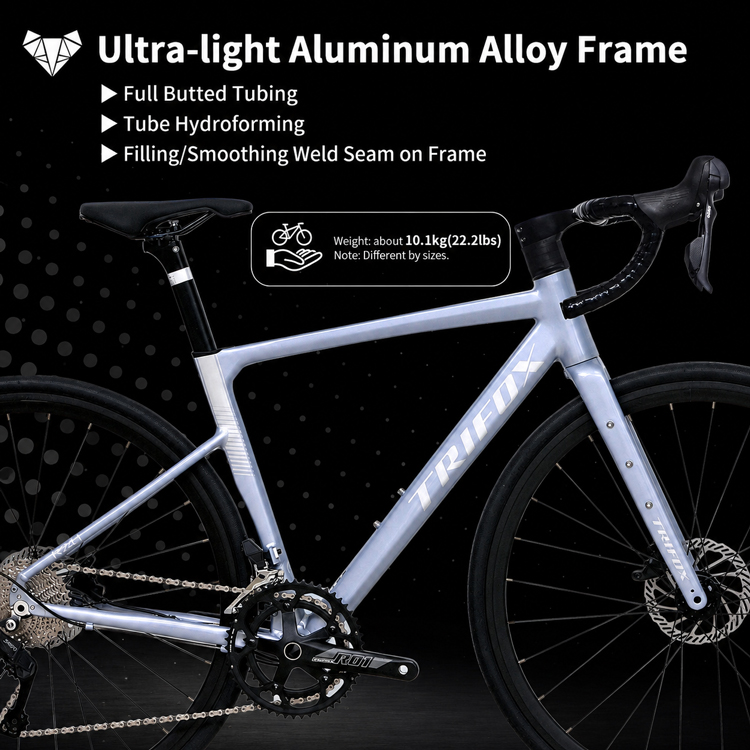
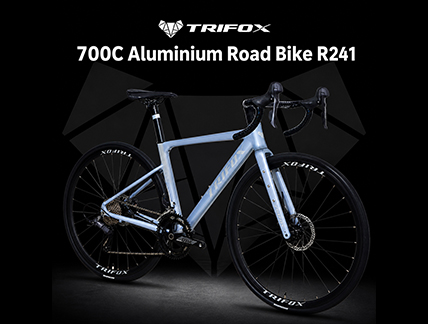
This complete bike features an ultralight aluminium frame paired with a Shimano Tiagra R4700 2×10‑speed groupset, meeting the demands of daily training, city commuting, and long‑distance leisure riding.
Key highlights include:
- Ultralight aluminium frame design
- Shimano Tiagra R4700 groupset
- Disc/C‑Brake braking system
- Responsive and smooth handling
- Suitable for beginners and intermediate riders
- Clean aesthetics that balance speed and practicality
For riders who want to experience the lightest alloy road bike feel without stretching their budget too far, this model is well worth considering.
Which road bike is right for you?
If you race frequently, pursue极致 lightweight, and have a ample budget, a carbon road bike remains a great choice.
But if you prioritise value for money, durability, and everyday riding experience, an alloy road bike can deliver excellent performance too.
In fact, more and more riders are rediscovering high‑quality aluminium models. Modern aluminium manufacturing continues to advance – not only are frames lighter, but their riding performance is increasingly approaching that of high‑end models, making them the best balanced solution in many cyclists' eyes.
Conclusion
Is an alloy bike always better than carbon? The answer is no; nor is carbon fibre suitable for everyone.
When choosing between an alloy vs carbon road bike, the most important thing is to decide based on your own budget, riding frequency, and actual needs.
If you want a reliable, lightweight, low‑maintenance, and well‑balanced road bike, the TRIFOX Alloy Road Bike is certainly worth considering. It combines performance, durability, and price – whether you are a beginner or a regular rider, it delivers a stable and enjoyable cycling experience.
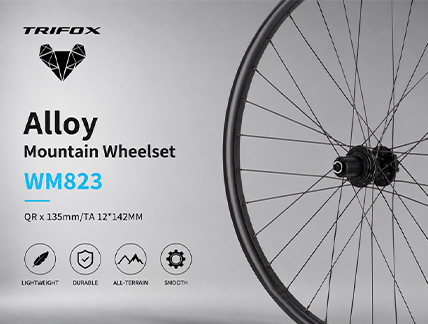
A lot of riders get this idea when they want to upgrade their bike: can I put a mountain bike wheelset on my fixie frame?
At first glance, it seems like as long as the wheel size matches, it should work. But actually, compatibility involves a lot more—frame design, hub specs, brake systems, and tire clearance. If you're thinking about swapping wheels, this article will walk you through the fit between fixie frames and MTB wheelsets, and also introduce a solid option: the TRIFOX Alloy MTB Wheelset.
Can It Be Done in Theory?
The short answer is: in most cases, it's not recommended.
While some fixies and mountain bikes both use 29‑inch (700C) wheels, their designs are totally different.
Fixie frames are built for city riding, with:
- Narrow tires
- Single speed drivetrain
- Rim brakes or caliper brakes (no disc mounts)
- Narrow rear fork spacing
MTB wheelsets, on the other hand, need:
- Wider rims
- Wider tires
- Disc brake mounts
- Boost or standard MTB hub spacing
So even if the wheel diameter is close, true compatibility is rare.
Where Do Compatibility Issues Happen Most?
1. Hub Width Differences
This is the most common problem.
Fixie frames usually have 120mm or 130mm rear dropout spacing, while modern MTB wheels use 135mm, 142mm, or even Boost 148mm. If the width doesn't match, the wheel simply won't fit.
2. Brake System Mismatch
Most modern 29er mtb disc wheelset models are designed for disc brakes and need disc brake mounts on the frame. Traditional fixie frames often don't have those mounts, so even if the wheel fits, you won't be able to brake safely.
3. Tire Clearance
MTB wheelsets usually come with tires 2.1–2.4 inches wide or more. Fixie frames can only handle 25C–35C road tires at most. Even if you manage to mount the wheel, the tire will likely rub against the frame.
Is Upgrading to 29‑Inch Wheels Worth It for a Real MTB?
For an actual mountain bike, swapping to a quality wheelset is one of the best ways to improve your ride. A great 29er wheelset mtb can give you:
- Faster acceleration
- Better rollover ability
- More stable handling
- Higher wheel stiffness
- Smoother off‑road riding
Especially for XC, trail, or everyday forest riding, a good wheelset makes a big difference.
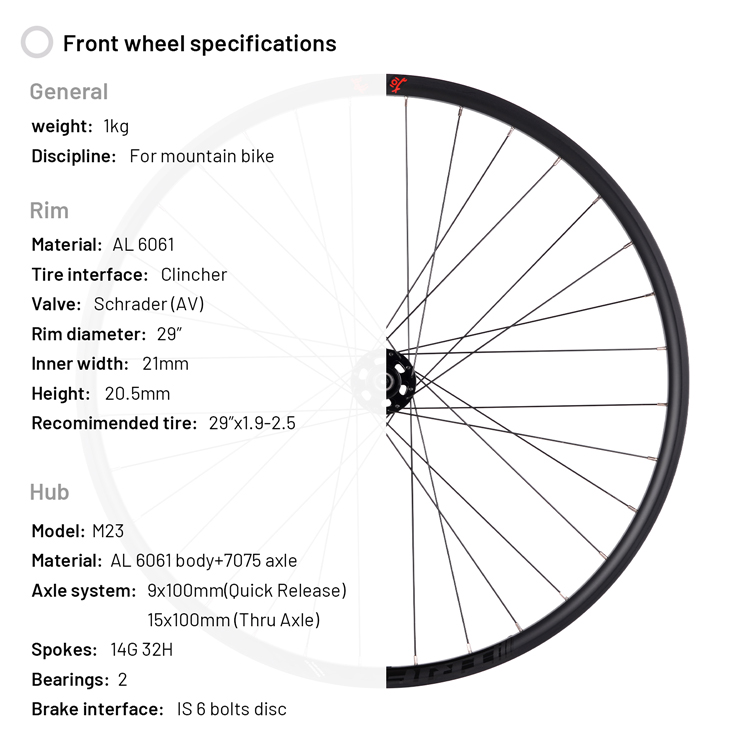
Should You Consider the TRIFOX Alloy MTB Wheelset?
If you're looking for a wheelset that balances performance and budget, check out the TRIFOX 29er Alloy MTB Wheelset.
This wheelset is built for modern mountain bikes, suitable for daily training, trail riding, and longer backcountry trips.
Key features:
- 29‑inch wheel size
- High‑strength aluminium rims
- Disc brake compatible
- Good stiffness and durability
- Stable on rough terrain
- Great value and low maintenance cost
For riders on a budget who still want a real performance boost, it's a very practical choice.
Why Are More Riders Choosing Aluminium MTB Wheelsets?
Even though carbon wheels are getting more popular, high‑quality aluminium wheelsets still have a strong following. Compared to carbon, they offer:
- Lower price
- Better impact resistance
- Easier daily maintenance
- Great for training and trail riding
- Cheaper to repair if damaged
That's why many riders see a good aluminium set as the best alloy wheelset mtb for their needs—especially if you're just upgrading your first MTB or want the most bang for your buck.
Final Thoughts
Back to the original question: can you put MTB wheels on a fixie frame?
Technically, because of hub width, brake mounts, frame clearance, and tire size, it's usually not a good idea. Not only is installation difficult, but it can also be unsafe.
If your goal is to boost your mountain bike's performance, getting a proper 29er wheelset mtb is the smarter move. A product like the TRIFOX Alloy MTB Wheelset offers durability, stability, and value—whether you're riding every day or tackling rough trails, it can really improve your bike's performance.
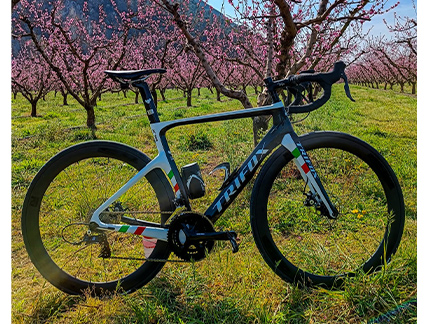
When you're ready to upgrade your road bike, one question always comes up: should you choose an aero frame or a lightweight frame? Both have strong points, but the best choice depends on how and where you ride. With today's carbon technology, you can find excellent options in both categories. In this article, we'll break down the differences and help you decide. We'll also take a look at why the TRIFOX X10 carbon aero road bike frame is becoming a popular pick.
What Is an Aero Road Frame?
An aero road frame is designed to cut through the air. When you ride faster than 30 km/h, wind resistance is your biggest enemy. Aero frames use wing‑shaped tubes, fully hidden cables, and integrated parts to smooth airflow. This reduces drag and helps you hold speed with less effort. They also feel stable at high speeds, making them great for flat roads, racing, and fast group rides.
What Is a Lightweight Road Frame?
A lightweight frame puts low weight first. It uses thinner, simpler tube shapes to save grams. The result is a bike that feels quick to accelerate and climbs hills more easily. If you often ride steep, long mountains, a lightweight frame can save your legs. But on flat ground, it doesn't offer the same drag reduction as an aero frame.
Which One Should You Choose?
Think about your usual routes. If you ride mostly flat terrain, love sprinting, or join races and group events, an aero frame will give you a real speed advantage. If you spend most of your time climbing and care about every gram, a lightweight frame is still hard to beat.
That said, the gap between the two has shrunk. Many modern frames try to be both aero and light. Thanks to better carbon materials, today's carbon road racing frame can be stiff, lightweight, and slippery in the wind. So you don't have to sacrifice as much as you used to.
Why Are Aero Frames More Popular Now?
In the past, aero frames were heavy and harsh. But now, a high‑quality carbon road racing frame can offer excellent aerodynamics without weighing a ton. Riders are choosing them because they deliver faster cruising, better pedaling efficiency, and more stable handling at speed. Plus, they look modern with clean internal cable routing and disc brakes.
For most riders who do a mix of terrain, the aero frame makes more sense because it saves energy over long distances. You might give up a few hundred grams, but you gain real speed on the flats and downhills. And with the latest carbon layups, many aero frames are now just as comfortable as their lightweight cousins.
What About the TRIFOX X10?
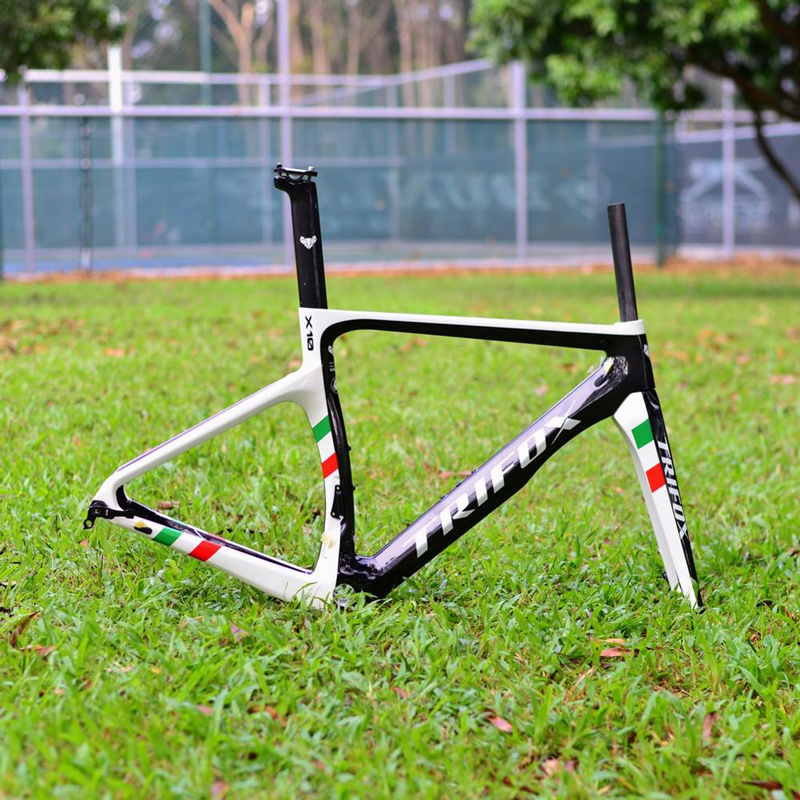
If you're searching for a road bike frame carbon that balances performance and value, the TRIFOX X10 is worth a look. This carbon aero road bike frame features aero tube shapes, full carbon construction, internal routing, disc brakes, and Di2 compatibility. It offers high stiffness for sharp handling and remains stable when you're going fast. Whether you're training, doing long weekend rides, or entering amateur races, the X10 gives you a reliable, efficient ride without breaking the bank.
The X10 also shows how far aero frames have come. It's not overly heavy, and the ride quality is smooth enough for all‑day outings. That's why many riders see it as a smart upgrade from an older, heavier bike.
Are Aero Frames Only for Pros?
Not at all. Many recreational riders now choose aero bikes because modern designs are comfortable and not overly heavy. If you ride a few times a week and cover decent distances, you'll notice the benefit of reduced drag—especially on flat stretches or in a group. Even if you're not racing, saving energy means you can go farther or feel fresher at the end of your ride.
Final Thoughts
There's no single right answer. If your local roads are mostly flat and you want maximum speed, go for an aero frame. If you live in the mountains and climb all day, lightweight might be better. But if you want a versatile bike that performs well in most situations, a carbon aero road bike frame like the TRIFOX X10 is a smart choice.
Ultimately, pick the frame that fits your riding style and budget. The right road bike frame carbon will make every ride more fun and efficient. And with the advances in carbon technology, you really can have a bike that's fast, light, and great‑looking all at once.
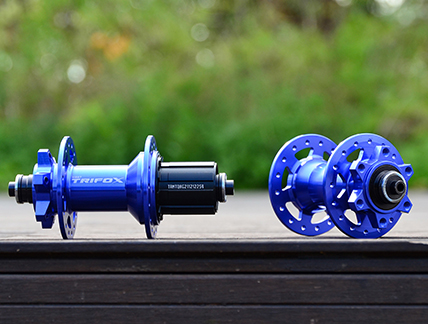
A mountain bike hub is the core rotating component of your wheel. Many riders wonder about its service life, but actual durability varies hugely depending on riding intensity and material quality. Entry‑level hubs may only last 3,000–8,000 km, while well‑made best mtb hubs with proper care can easily exceed 20,000 km. Among them, the mtb rear hub wears out 2–3 times faster than the front hub and is the decisive factor for the whole wheelset’s lifespan.
1. Core factors that affect MTB hub lifespan
- Riding terrain and intensity: Casual riding on paved roads causes minimal wear. Rocky trails, muddy descents, and water crossings dramatically accelerate bearing and pawl wear. Mud and water penetrate seals, turning grease into an abrasive paste that soon creates bearing play and noise. The rear hub, which carries both pedaling and impact loads, wears its pawls and freehub body much faster than the front.
- Internal design and materials: Bearing count, pawl configuration, and alloy quality directly determine durability. Cheap hubs use thin shells and basic bearings that deform under heavy use. Premium models like Trifox MTB hubs use 6061+7075 aerospace aluminium, with 2 bearings up front, 4 sealed bearings at the rear, and a 6‑pawl, 72‑click ratchet system that distributes forces evenly for far better impact resistance.
- Maintenance routine: Cleaning the seal rings after every muddy ride and re‑greasing bearings and pawls every 2,000 km can double hub life. Neglected hubs suffer irreversible corrosion and wear, often requiring a full replacement.
2. How long can a reliable MTB hub last? – a tiered reference
- Entry‑level (~$30–50) – With casual use, expect 3,000–5,000 km before noise or play appears; under heavy off‑road riding, the rear hub may need replacement as early as 3,000 km.
- Mid‑range quality hubs (e.g., Trifox M827, priced $44.99–$109.99) – Regular trail riding gives 15,000–20,000 km; with diligent maintenance, over 25,000 km is achievable. The 6‑pawl 72‑click design spreads pawl stress, and the hardened freehub body resists cassette wear.
- Pro‑level hubs (over $300) – They can last 30,000+ km in enduro racing, but the cost is high and seldom justified for average riders.
3. Why the Trifox M827 MTB hub is built to last longer
As a top value choice among best mtb hubs, this hub extends service life through smart engineering:
- 4 sealed rear bearings give the mtb rear hub excellent support, reducing side loads on bearings during impacts. High‑grade seals keep water and mud out, minimising corrosion.
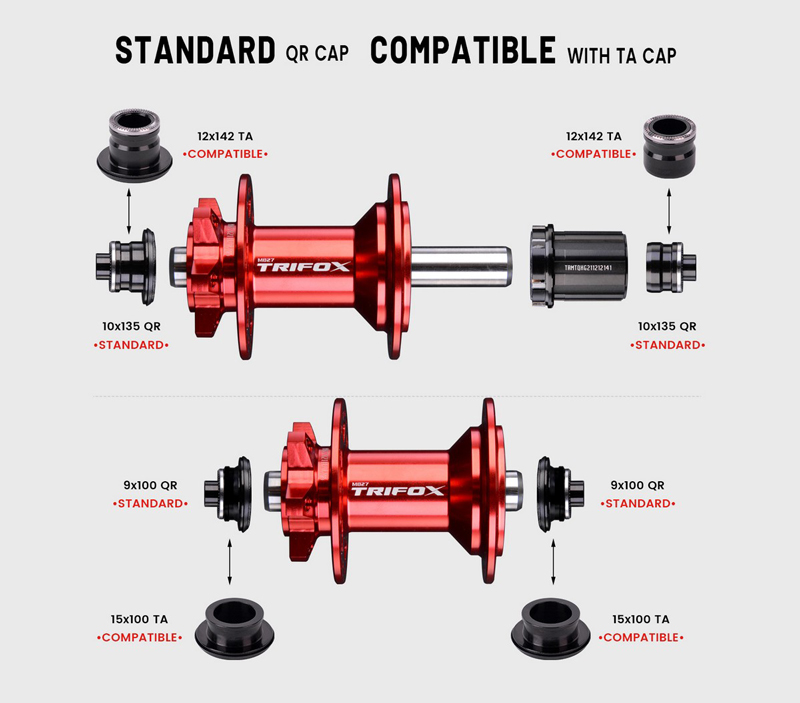
- 6‑pawl 72‑click drive with a 5° engagement angle distributes force across multiple pawls, preventing single‑point fatigue. The freehub accepts HG, XD, and MS cassettes, so you can switch cassettes without changing the hub.
- 6061+7075 alloy shell and 32‑hole drilling spread impact forces evenly. The hub supports both quick‑release and thru‑axle standards, letting you use one set across multiple bikes – lowering long‑term cost.
4. Practical tips to extend your MTB hub’s life
- After rainy or muddy rides, rinse the wheel exterior and wipe dry the end caps to prevent sediment build‑up.
- Every 2,000 km, remove the end caps and apply waterproof grease to bearings and pawls.
- Avoid harsh pedal stomps and hard flat landings to reduce sudden shock to the rear hub.
- When choosing durable best mtb hubs, prioritise models with more bearings, multiple pawls, and a thick alloy shellubs. Selecting a quality mtb rear hub like the Trifox M827 and following basic maintenance will significantly extend its life, saving you from repeated repairs and wheel changes. It’s a cost‑effective upgrade for any mountain biker.
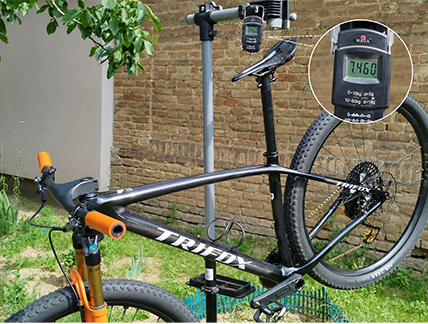
For many mountain bikers, there's one number that always sparks debate: bike weight. When a complete trail mountain bike tips the scales at just 7.46kg, the first reaction is usually, "Is that even possible?"
The answer is yes—but only with the right combination of an ultra-light frame and carefully selected premium components. Recently, one rider shared an incredible custom build based on the Trifox SDY20 Raw Carbon Frame, achieving a complete bike weight of just 7.46kg. The build features the TRIFOX SDY20 Raw Carbon Frame (867g) finished with premium parts from Darimo, Gemini Rigel, Fox Front Fork and a custom SRAM GX AXS + Garbaruk setup. Even more impressive, the Size S raw frame weighs only 867g, making it one of the lightest options available for serious trail enthusiasts.
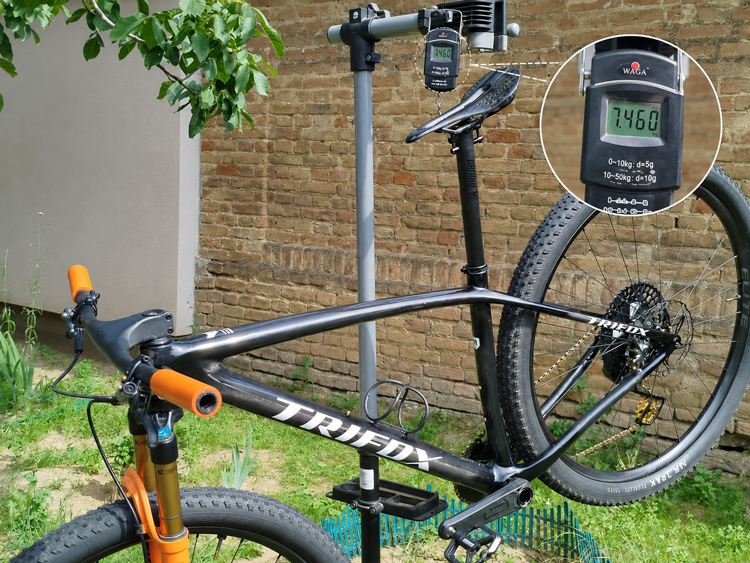
Why 7.46kg Is Exceptionally Light
To put this into perspective, most modern carbon hardtail mountain bikes weigh between 9kg and 11kg, while many trail-focused hardtails are even heavier. A bike weighing under 8kg enters a category typically reserved for high-end race builds with premium carbon components and lightweight drivetrains.
Of course, achieving this number isn't just about spending more money. It starts with choosing the right frame.
That's exactly where the carbon fiber mtb bike frame SDY20 stands out.
The Foundation of an Ultra-Light Build
Every gram saved on the frame allows riders to invest weight elsewhere without sacrificing performance.
The Trifox SDY20 Raw Carbon Frame was designed specifically for trail riders who demand maximum efficiency.
Key highlights include:
- Ultra-light 867g raw frame (Size S) based on a customer build
- Premium carbon fiber construction
- Boost 148×12mm rear spacing
- Internal cable routing for a clean appearance
- Compatible with modern trail components
- Optimized geometry for climbing, acceleration, and technical handling
Boost 148 isn't simply a compatibility standard—it also increases rear wheel stiffness, improving power transfer and cornering precision when riding aggressively on technical trails.
Why Frame Weight Matters More Than You Think
Many riders focus only on the final bike weight.
However, the frame is the foundation of every lightweight build.
A lighter frame provides several advantages:
- Faster acceleration
- Easier climbing
- Better responsiveness
- More freedom when choosing components
- Lower overall system weight
An 867g frame gives builders extra flexibility. They can choose more durable wheels, a stronger fork, or reliable components while still achieving an incredibly light overall bike.
The Balance Between Weight and Stiffness
One common misconception is that lighter always means weaker.
Modern high-quality carbon engineering proves otherwise.
The SDY20 combines lightweight construction with excellent torsional stiffness, allowing riders to transfer more pedaling power directly to the rear wheel instead of losing energy through frame flex. At the same time, carbon naturally absorbs trail vibration better than aluminum, reducing rider fatigue on longer rides.
Why Boost 148 Makes a Difference
The SDY20 uses the now widely adopted Boost 148 rear spacing.
Compared with older hub standards, Boost provides:
- Wider spoke bracing angles
- Increased wheel stiffness
- Better tire clearance
- Improved handling during hard cornering
- Greater compatibility with modern wheelsets
For trail racers chasing every second, these small improvements quickly add up over long rides.
Is a Carbon Hardtail Still Worth It?
Absolutely.
While full-suspension bikes dominate rough terrain, many riders still prefer hardtails for trail riding and marathon events.
For riders who value speed, simplicity, and efficiency, a hardtail remains one of the smartest investments.
The Real Secret Behind a 7.46kg MTB
A 7.46kg mountain bike doesn't happen by accident.
It requires careful component selection, premium lightweight parts, and—most importantly—a frame capable of supporting such an ambitious build. The customer-built SDY20 proves exactly what's possible.
Final Thoughts
So, is 7.46kg light for a carbon MTB bike?
Without question.
It's a weight that places a bike among elite-level trail builds, demonstrating what can be achieved with thoughtful component choices and an exceptionally lightweight frame.
If you're planning your own dream trail project, the carbon fiber mtb bike frame SDY20 offers an outstanding starting point. With its Boost 148 platform, race-ready geometry, and customer-proven 867g raw frame, it's designed for riders who want every possible advantage on the trail.
Whether your goal is breaking personal climbing records or building your first sub-8kg mountain bike, the carbon hardtail frame mtb SDY20 delivers the lightweight performance modern trail riders are looking for.
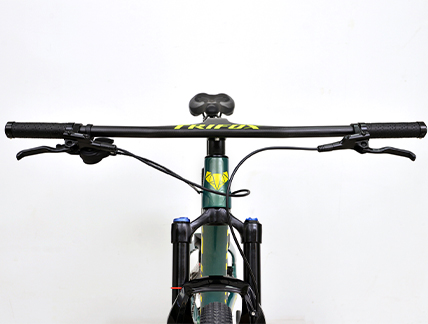
Your handlebar is your primary connection to the trail. It dictates your posture, influences steering precision, and affects how fatigued your hands and arms feel after a long ride. But not all handlebars are created equal. The differences between a cross-country (XC) handlebar and a downhill (DH) handlebar go far beyond aesthetics—they reflect fundamentally different riding styles, terrain, and priorities. Here's what sets them apart and how to choose the right one for your bike.
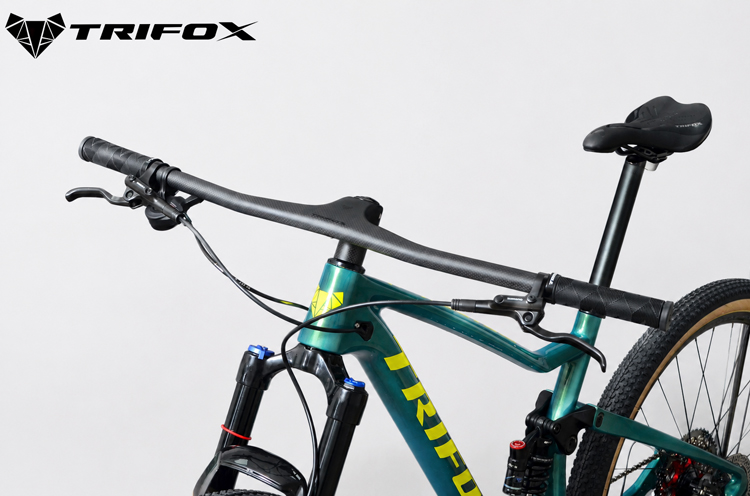
Rise and Drop: Posture Matters
The most obvious difference between XC and downhill handlebars is the rise. XC handlebars typically have a low or flat rise (0–10mm), placing the rider in a low, aerodynamic position that prioritizes climbing efficiency and pedaling power. A lower front end shifts your weight forward, improving traction on steep climbs and reducing frontal drag.
Downhill handlebars, by contrast, feature a significant rise—often 20–40mm or more. This raises the front end, shifting the rider's weight rearward for better control on steep descents. A higher bar also makes it easier to lift the front wheel over obstacles and provides a more upright, relaxed posture that reduces fatigue on long, rough runs. The RHB200's integrated design offers a -17° stem rise, which is aggressive and race-oriented—perfect for XC and trail riding where efficiency and a forward-leaning position are key.
Width: Stability vs. Maneuverability
Width directly affects leverage and control. XC handlebars are typically narrower, ranging from 680mm to 740mm. A narrower bar reduces frontal area for better aerodynamics and allows for quicker steering inputs—ideal for tight, twisty singletrack where agility matters more than raw stability.
Downhill handlebars are significantly wider, often 760mm to 800mm or more. The extra width provides greater leverage for steering, making it easier to muscle the bike through rock gardens and maintain control at high speeds. It also opens up the chest for better breathing during intense efforts. The RHB200 comes with a maximum length of 800mm, making it versatile enough for both XC and more aggressive trail riding—you can cut it down to suit your preferred width and riding style.
Backsweep and Upsweep: Wrist Comfort and Control
Backsweep (the angle of the bar relative to the stem) affects wrist position and steering feel. XC handlebars often have a moderate backsweep of 6–9 degrees, which keeps the wrists in a neutral, comfortable position for long hours in the saddle. The RHB200 features a 9° backsweep, striking a balance between comfort and control that works well for both XC and trail riding.
Downhill handlebars sometimes have a more pronounced backsweep (9–12 degrees) to accommodate a more aggressive, attack position. Some also include upsweep (a slight upward bend at the ends) to further reduce wrist strain during steep descents. These small angular differences can significantly affect how natural the bar feels under your hands.
Stiffness and Material: Where Carbon Excels
Both XC and downhill riders benefit from carbon fiber's exceptional stiffness-to-weight ratio. However, the demands differ. XC riders prioritize lightweight construction for climbing and acceleration, while downhill riders need maximum stiffness for precise steering under heavy loads. The RHB200 is constructed from T800 carbon fiber, offering a rare combination: it's light enough for XC racing (just 280g for the complete bar and stem assembly) yet stiff enough to handle the demands of aggressive trail riding. The integrated, one-piece design eliminates the bar-stem interface, further increasing front-end stiffness and steering precision.
Integrated Design: The Best of Both Worlds
The Trifox RHB200 is an integrated carbon handlebar that blurs the line between XC and downhill categories. Its -17° stem rise and 9° backsweep make it ideal for riders who want a race-oriented position without sacrificing comfort. Available in stem lengths from 80mm to 110mm and an 800mm width that can be cut down, it offers the adjustability to suit a wide range of riding styles and body types. Whether you're a cross-country racer chasing podiums or a trail rider seeking better control on descents, the RHB200 delivers the stiffness, weight savings, and precision that modern mountain bikers demand.
Which One Is Right for You?
The choice between an XC and downhill handlebar comes down to your riding style and terrain. Choose an XC-oriented bar like the RHB200 (with its low rise and moderate width) if you prioritize climbing efficiency, quick steering, and lightweight performance. Choose a downhill bar if you spend most of your time on steep, technical descents and need maximum stability and control. For the majority of trail riders, a versatile carbon XC handlebar like the RHB200 offers the best of both worlds—light enough to climb, stiff enough to descend, and adjustable enough to fit your unique position. If you're a gravity-focused rider, you might lean toward a wider, higher-rise downhill MTB handlebar to match your aggressive style. Ultimately, the right handlebar is the one that keeps you comfortable, confident, and in control on the trails you love.
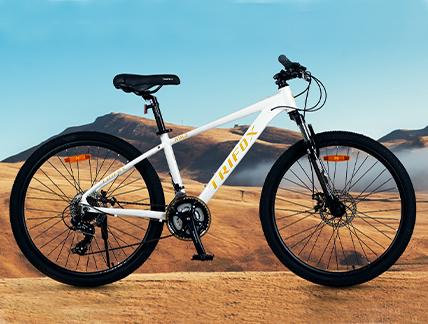
In a world dominated by 29ers and 27.5-inch wheels, the 26-inch mountain bike often gets overlooked. But for many riders—especially beginners, teens, and smaller adults—the 26er remains an incredibly smart choice. It offers a blend of agility, affordability, and fun that larger wheel sizes simply can't match. The Trifox Ventura 26 Path is a modern take on this classic platform, combining a lightweight aluminum hardtail mountain bike frame with reliable components and disc brakes. Here's why this 26-inch mountain bike might be the perfect fit for you.
The Agility Advantage
The primary advantage of a 26-inch wheel is its nimble handling. Smaller wheels accelerate faster, turn more sharply, and feel more playful on tight, technical trails. For newer riders, this agility translates to easier control and greater confidence on singletrack. As one experienced rider noted, “the 26” precision for slow cornering or slow tech is better” than larger wheels. If your local trails are twisty, rooty, or require quick direction changes, a 26-inch bike like the Ventura 26 Path will feel like an extension of your body.
Built for Real Riders
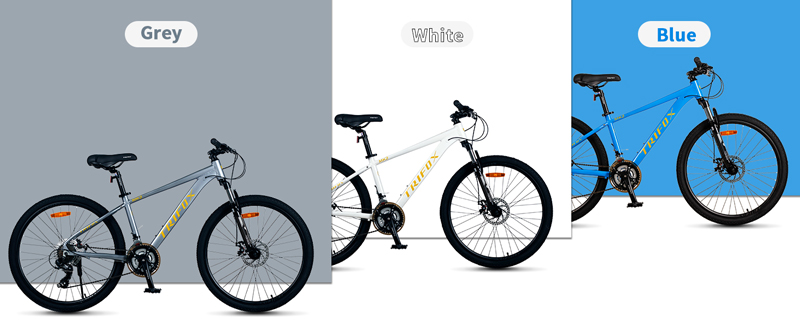
The Ventura 26 Path is constructed around a lightweight hardtail aluminum mtb frame made from AL6061 aluminum alloy. This material offers a superior strength-to-weight ratio compared to steel, making the bike both stiff and corrosion-resistant. Weighing just 14.1–14.3kg (depending on size), it's light enough for easy handling yet durable enough for light trails and daily commuting. The 21-speed Shimano Tourney drivetrain provides a wide gear range for tackling hills and flats alike. Mechanical disc brakes deliver reliable stopping power in wet or dry conditions—a significant upgrade over rim brakes at this price point.
Who Is This Bike For?
The Ventura 26 Path is an ideal choice for several types of riders. Beginners and teens will appreciate its manageable size and forgiving handling. Casual trail riders will enjoy its playful feel on light singletrack and gravel paths. Commuters and urban explorers will value its durability, corrosion-resistant frame, and nimble wheels for dodging traffic. And budget-conscious riders will find exceptional value in a bike that delivers core mountain biking fundamentals at an accessible price. It's also a fantastic secondary or utility bike for campgrounds, college campuses, or quick errands.
USA Buyers: Local Shipping, No Customs Hassle
For customers in the United States, the Ventura 26 Path offers a significant advantage: it ships from a local USA warehouse. This means faster delivery and, crucially, no international shipping fees and no customs duties or taxes. You get the bike you want without unexpected costs or long wait times. Trifox ships orders within 48 hours, with delivery typically taking 3–10 business days. It's a hassle-free way to get your new mountain bike.
Conclusion
The 26-inch mountain bike is far from obsolete. For the right rider, it offers an unbeatable combination of agility, value, and fun. The Trifox Ventura 26 Path proves that you don't need a 29er or a full-suspension rig to enjoy the trails. With its lightweight aluminum hardtail mountain bike frame, reliable Shimano components, and the convenience of USA shipping with no customs fees, it's a compelling choice for anyone looking to start their mountain biking journey or add a nimble, versatile bike to their stable. Rediscover the joy of a 26-inch hardtail.
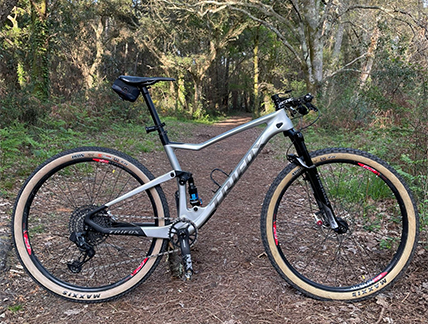
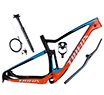
The wait is finally over. Two of the most iconic colorways from Trifox—the sophisticated Titane and the vibrant Orange & Blue—have returned to the MFM100 lineup. These frames were previously some of the most sought-after configurations, and they are now back in stock for a limited time. If you've been waiting to build a carbon boost mtb frame that turns heads and conquers trails, this is your moment.
A Frame That Demands Attention
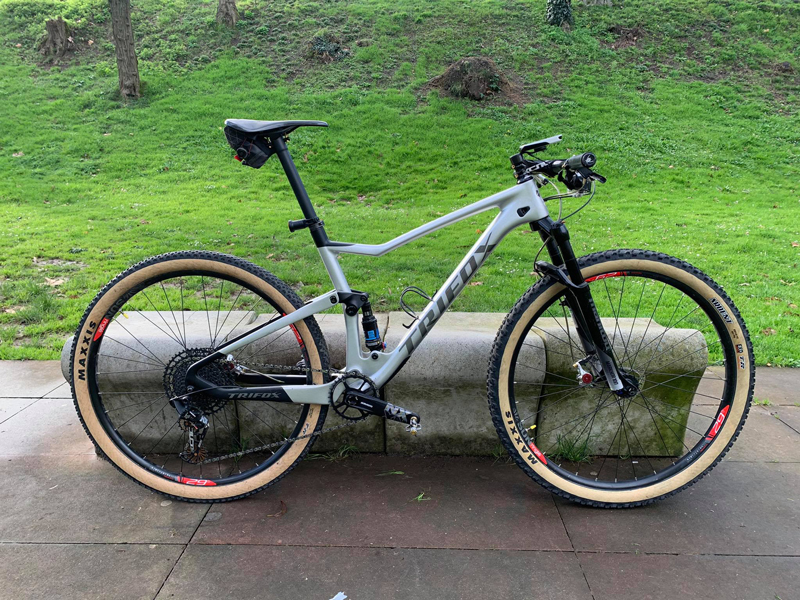
The MFM100 has always been more than just a full-suspension frame. It's a statement of intent. Built from high-quality T800 carbon fiber, it delivers the perfect blend of strength, rigidity, and lightweight performance. The Titane finish offers a sleek, understated elegance that looks fast even when standing still. Meanwhile, the Orange & Blue paint scheme is a bold, race-inspired design that announces your arrival on the trail. Both finishes are applied with the same attention to detail that defines every aspect of this frame.
Performance That Matches the Look
Underneath the stunning paint, the MFM100 is a serious carbon xc mountain bike frame designed for off-road enthusiasts who demand exceptional performance and durability. The frame features a Boost 148 x 12mm rear axle spacing, which provides a stronger and stiffer rear wheel for enhanced tracking and control. The 68.5° head tube angle and 74.7° seat tube angle deliver confident, capable handling that climbs efficiently and descends with composure. Whether you're racing XC or exploring rugged backcountry trails, this frame is built to perform.
The frame also features a Trunnion rear shock mount for efficient pedaling and an asymmetric design that ensures a smooth structure and unobstructed cable movement. Internal cable routing keeps the bike looking clean and protects cables from the elements. With clearance for tires up to 29 x 2.35″, the MFM100 is ready for a wide range of trail conditions. Available in four sizes—15.5″, 17.5″, 19″, and 20.5″—this frame fits riders from 150cm to 195cm.
Limited Stock – Act Fast
These colorways have a history of selling out quickly, and this restock is no exception. Riders who have built up the MFM100 consistently praise its "excellent quality" and "superior comfort". One reviewer described it as "very reactive when you hit it with acceleration … the force you apply to the pedals goes directly to the wheels." On descents, users report that the bike "tracks straight on steep, rocky runs" and stays composed under hard hits. If you want to experience the balance of climbing efficiency and descending confidence that this carbon xc mountain bike frame offers, don't wait.
Head to the product page now to secure your Titane or Orange & Blue MFM100 before they disappear again.
Links
Trifox MFM100 Carbon Full-Suspension Frame



