



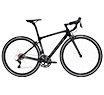
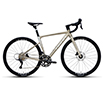
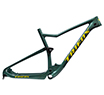
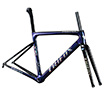
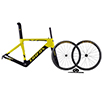
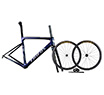
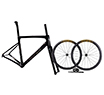
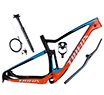
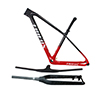
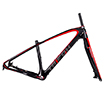





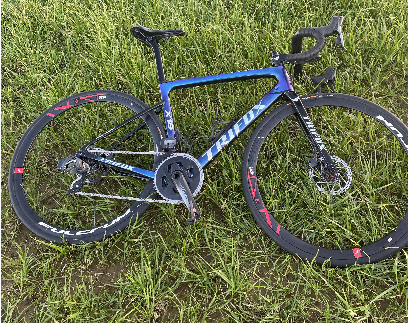
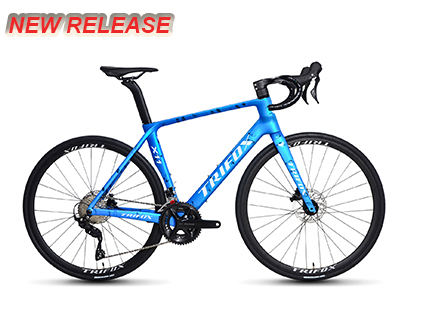
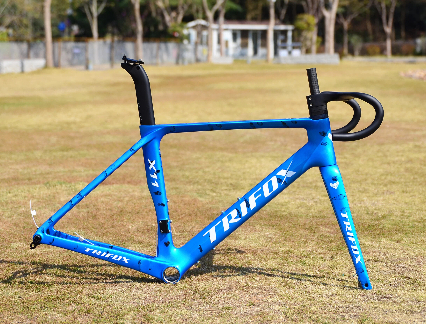
In the world of carbon fiber road bikes, technical specifications often become marketing focal points, with "high modulus" frequently touted as the ultimate indicator of quality and performance. But when examining frames like the Trifox X10 Disc Brake Carbon Road Bike Frame, a more nuanced question emerges: Is higher modulus carbon fiber always better for road bike frames, or does an optimal balance exist that delivers superior real-world performance?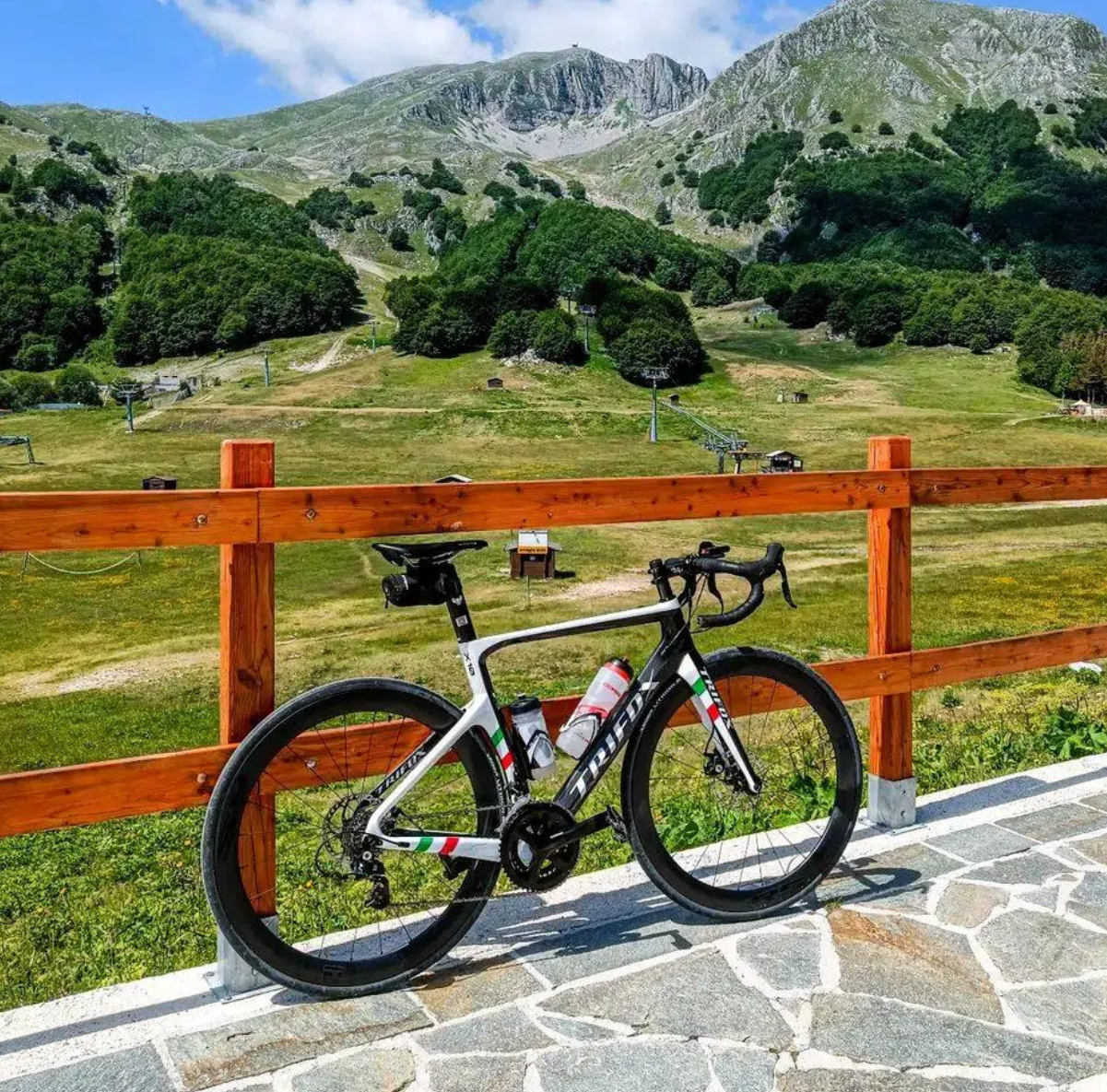
Understanding Carbon Fiber Modulus: The Basics
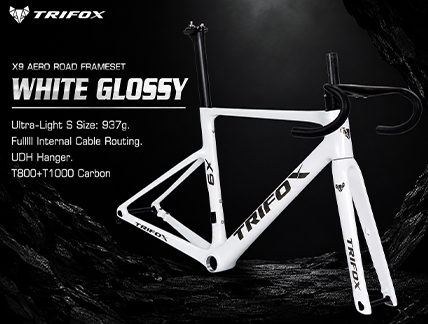
Carbon fiber modulus refers to the material's stiffness—how much it resists deformation under load. Higher modulus fibers are indeed stiffer and lighter per unit volume, but this advantage comes with trade-offs. Ultra-high modulus fibers can be more brittle and often sacrifice vibration damping characteristics. The Trifox X10 utilizes a sophisticated blend, including T800 and higher modulus variants strategically placed throughout the frame, representing an intelligent engineering philosophy for this road bike frameset.
The Stiffness-Comfort Paradox
Riders often face a fundamental dilemma: maximum power transfer versus long-distance comfort. Pure high modulus carbon frames excel at power transfer but can deliver a harsh ride. The X10 addresses this through strategic fiber placement. High modulus fibers concentrate in high-stress areas like the bottom bracket and head tube, while intermediate modulus fibers in the seatstays and top tube provide controlled flex that absorbs road vibrations—a key consideration in the carbon modulus comparison for real-world riding.
Durability Considerations: Beyond the Laboratory
Laboratory stiffness tests don't always reflect real-world durability needs. Ultra-high modulus carbon can be more susceptible to impact damage. The X10's carbon blend incorporates fibers with excellent impact resistance in vulnerable areas, creating a disc brake road frame that maintains performance through years of use. This durability-focused approach is particularly relevant for disc brake frames where braking forces impose different stresses compared to rim brake designs.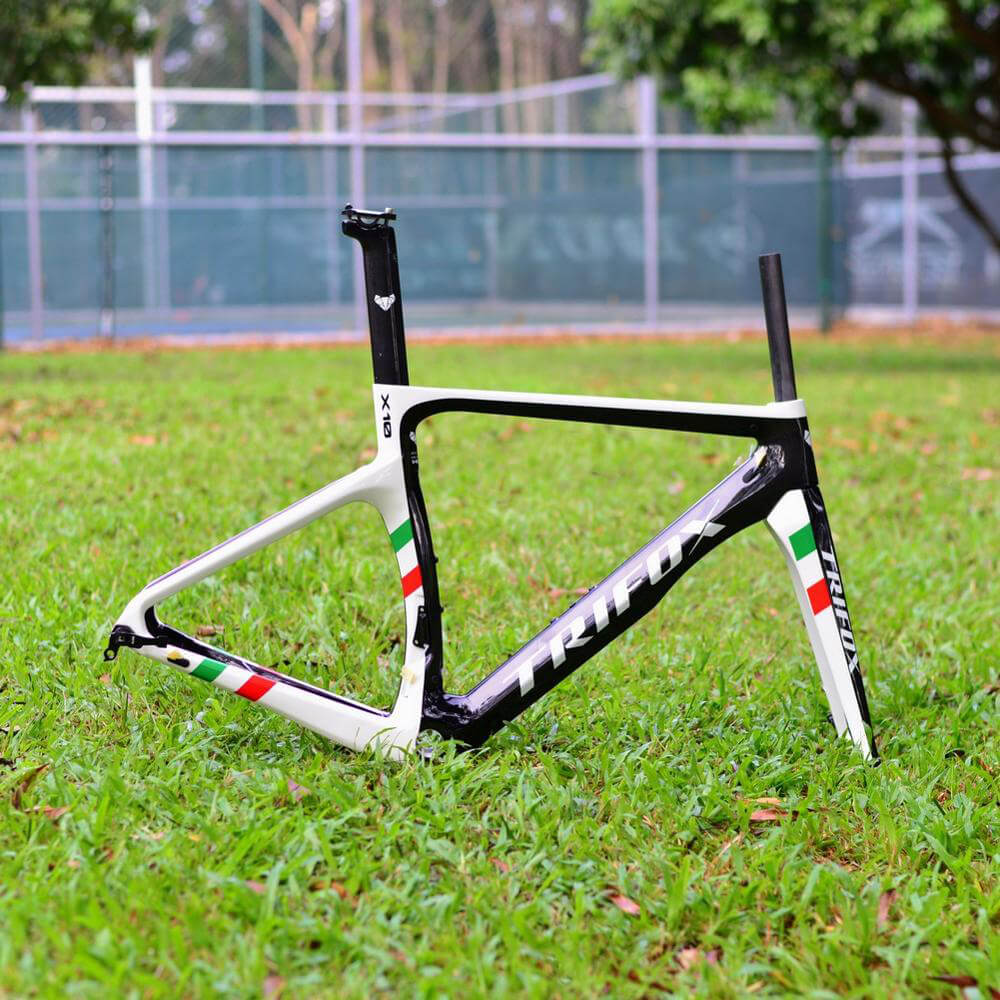
Vibration Damping: The Unsung Performance Factor
Long-distance comfort directly impacts performance. A frame that effectively dampens road vibrations reduces muscle fatigue, allowing riders to maintain power output over extended periods. The X10's carbon selection creates a frame that feels lively and responsive while muting high-frequency vibrations—especially valuable for performance road bike enthusiasts who ride varied road surfaces. This vibration damping characteristic helps conserve energy for climbs, sprints, or technical sections where it matters most.
Weight Optimization: Smart Rather Than Extreme
While high modulus carbon offers theoretical weight advantages, practical frame design involves more than simply selecting the stiffest material. The X10 demonstrates how intelligent carbon use can achieve impressive weight figures (approximately 1100g) without compromising durability or ride quality. This holistic approach results in a frame stiffness that supports building competitive sub-8kg complete bikes without sacrificing other performance aspects.
Value Proposition: Performance Per Dollar
Perhaps the most compelling argument against the "highest modulus equals best" mentality emerges in value considerations. Ultra-high modulus carbon commands premium pricing that doesn't always translate to proportionally better real-world performance. The X10's intelligent carbon blend delivers what most riders actually experience as high performance—responsive acceleration, confident handling, and all-day comfort—at a price point that makes it an exceptional affordable carbon frame option.
Conclusion: Balanced Engineering Over Marketing Extremes
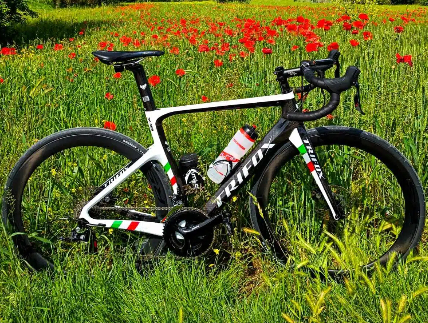
The Trifox X10 exemplifies how intelligent carbon fiber application creates superior real-world performance. Rather than pursuing maximum modulus as an end in itself, the frame's design focuses on delivering a balanced riding experience where stiffness, comfort, durability, and value exist in optimal proportion. For most road cyclists, this balanced approach represents the true pinnacle of frame technology—a carbon fiber road bike frame that feels responsive when pushing hard, comfortable during long rides, and durable enough for years of rewarding use.
2025-12-09
Trifox
SHARE:


Comments
Recent Posts
1
1
1
1
1
1
1
1
1
1
1
1
1
1
1
1
1
1
1
1
1
1
1

1



