


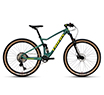

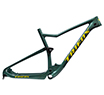
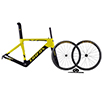
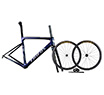
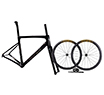
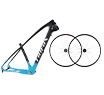
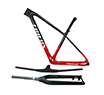





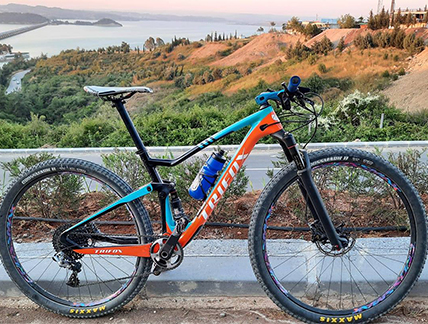
Unlocking the full potential of a modern cross country full suspension bike is an art. A frame like the Trifox Trail II Pro offers a lightweight, stiff carbon platform designed for efficiency, but its rear shock needs precise tuning to match. A poorly tuned shock can make even the best double suspension mtb feel harsh or wallowy. This guide will help you sync your shock with your frame's personality for a ride that’s both fast and forgiving. 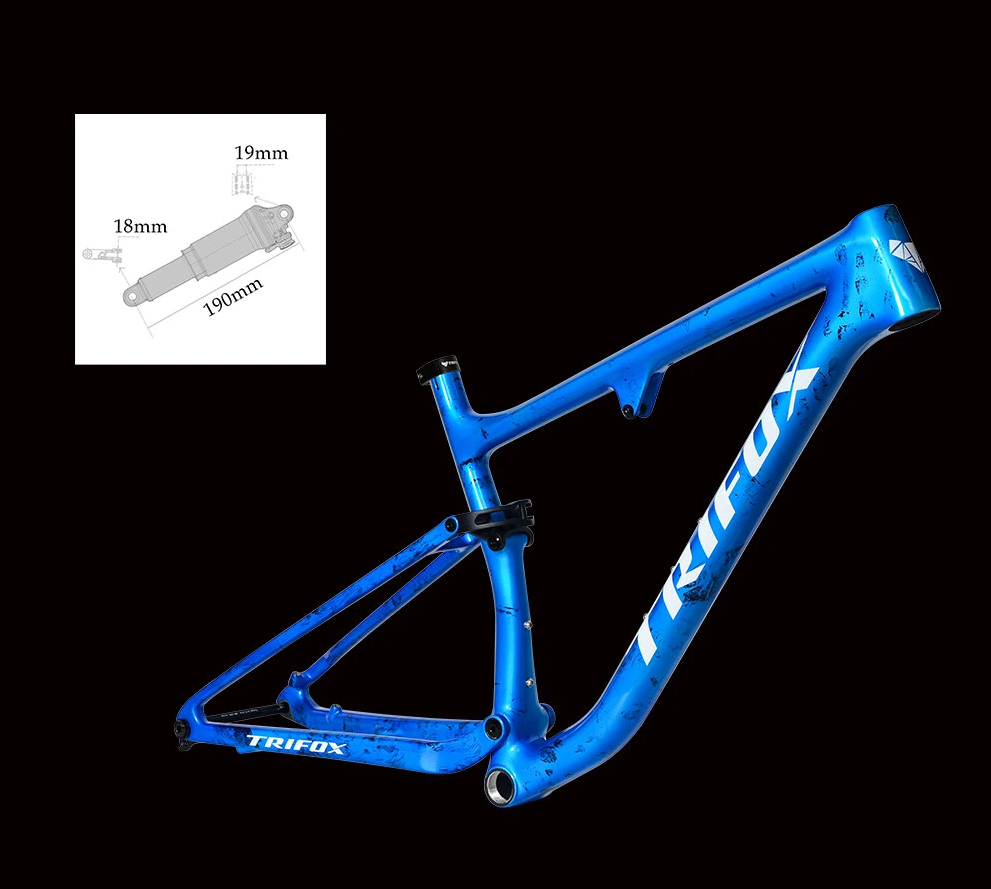
Step 1: Foundation – Setting Sag and Leverage Rate
Every setup begins with sag—the amount your shock compresses under your weight in a neutral riding position. For an XC-focused frame, aim for 20-25% sag. This balances pedaling efficiency with bump absorption.
Why it matters for carbon frames: Carbon’s high stiffness translates pedal input directly. Correct sag ensures the suspension is in its optimal part of the stroke to react to trails without wasting energy.
Pro Tip: Know your frame's leverage ratio. The Trail II Pro is designed with a specific progressive or linear curve. Check the manufacturer's guide; this tells you how the shock feels through its travel. A progressive frame (common in modern designs) helps prevent bottoming out on big hits.
Step 2: Controlling the Motion – Rebound Damping
Rebound damping controls how quickly the shock returns after compression. This is crucial for maintaining traction.
Too Fast: The bike feels springy and can "kick back," losing tire contact.
Too Slow: The shock "packs down" over successive bumps, feeling harsh and reducing travel.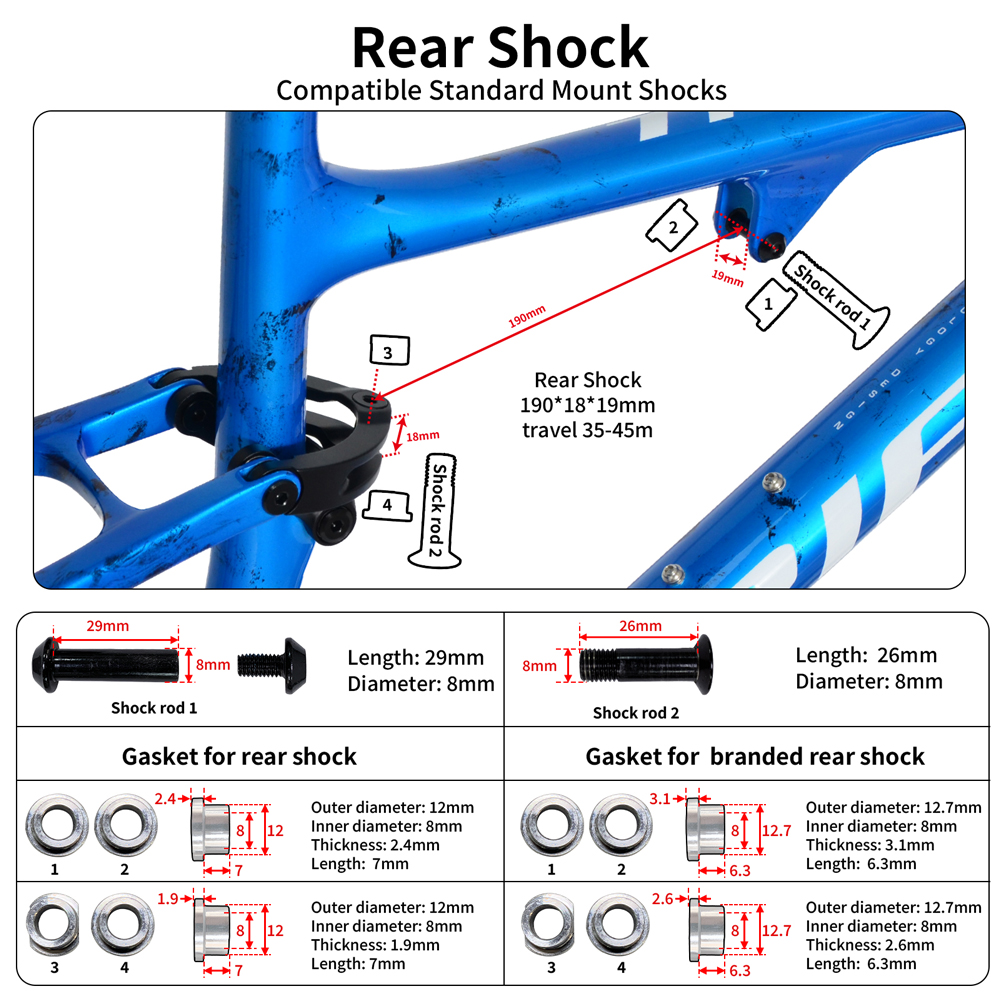
Setting Rebound:
1. Set sag correctly first.
2. Find a bumpy trail or series of curb drops.
3. Start with rebound fully open (fast). Ride and gradually add clicks (slow it down).
The Goal: The rear wheel should recover quickly enough to handle the next bump but not so fast it causes the bike to bounce. The rear should feel "calm" and controlled.
Step 3: Refining the Feel – Compression Damping
Compression damping controls how the shock compresses under force. Most XC shocks have low-speed compression (LSC) for pedaling/platform support.
LSC Tuning: Start with LSC fully open. On a smooth climb or while pedaling hard on flat ground, add clicks until you feel a noticeable reduction in unwanted bob without making the ride feel harsh over small bumps. The goal is a firm, efficient platform that still remains active.
The Critical Link: Frame Bushing & Bearing Care
Your tuning is only as good as the mechanical connection between the shock and frame. Friction from dry or worn pivots destroys sensitivity.
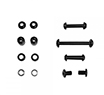
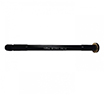
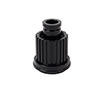
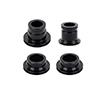
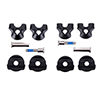
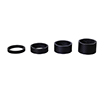
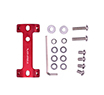
The Trifox Advantage: The Trail II Pro includes a set of premium 190x18mm and 190x19mm replacement bushings, compatible with major shocks from Fox and RockShox. This ensures you always have a perfect-fit, low-friction interface on hand.
Maintenance: Regularly check pivot bolts for proper torque (use a torque wrench!). Annually, or if play develops, inspect bushings and bearings for wear. A well-lubricated, slop-free pivot system allows your finely tuned shock to perform exactly as intended, translating every damping click into a tangible trail feel.
Final Tune: Match Shock to Frame Intent
Understand your frame's design goal. The Trail II Pro is a lightweight XC race machine. Prioritize a setup that favors:
Efficient climbing (firmer LSC, proper sag).
Traction and control on technical, rocky ascents (balanced rebound).
Confidence on descents (enough progression and damping to handle drops).
Don't be afraid to make small adjustments and test. Terrain changes, and so should your setup. Start with manufacturer base recommendations, then use this guide to personalize. When your shock’s dynamics are in harmony with your carbon frame's stiffness and geometry, you’ll experience the true synergy of a modern cross country full suspension bike—where every watt of effort propels you forward, and every trail feature is an opportunity, not an obstacle.
2025-12-17
Trifox
SHARE:


Comments
Recent Posts
1
1
1
1
1

1
1
1
1
1
1
1
1
1
1
1
1
1
1

1
1
1
1

1



